

Polyrhachis concava
- Scientific Name
- Polyrhachis concava
- Subgenus
- Myrma
- Tribe
- Camponotini
- Subfamily
- Formicinae
- Author
- André, 1889
- Distribution
- Found in 5 countries
Polyrhachis concava Overview
Polyrhachis concava is an ant species of the genus Polyrhachis. It is primarily documented in 5 countries , including Benin, Central African Republic, Congo. Detailed taxonomic data and occurrence records can be further explored via authoritative databases such as AntWeb or the Global Biodiversity Information Facility (GBIF).
Polyrhachis concava
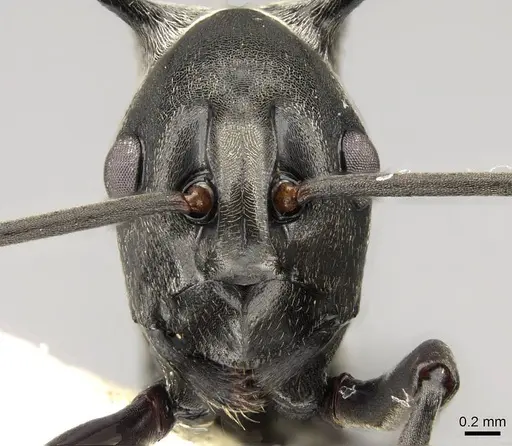
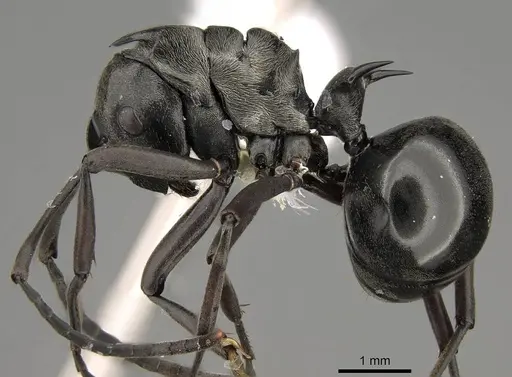
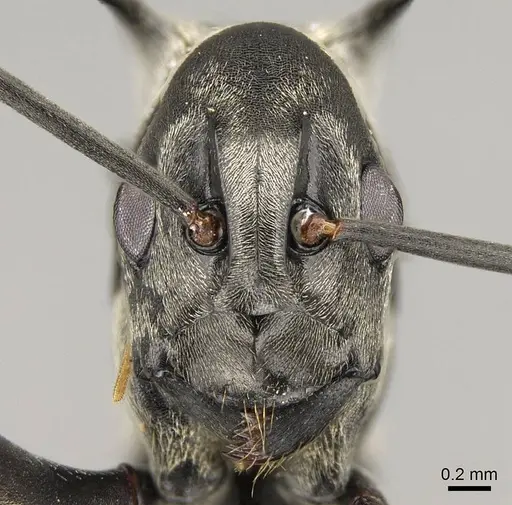
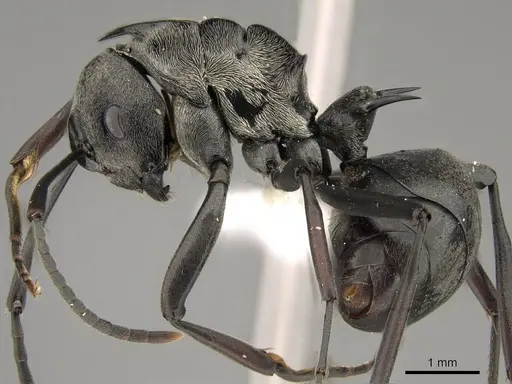
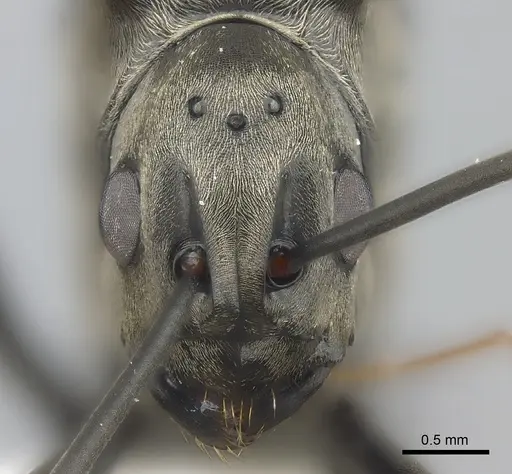
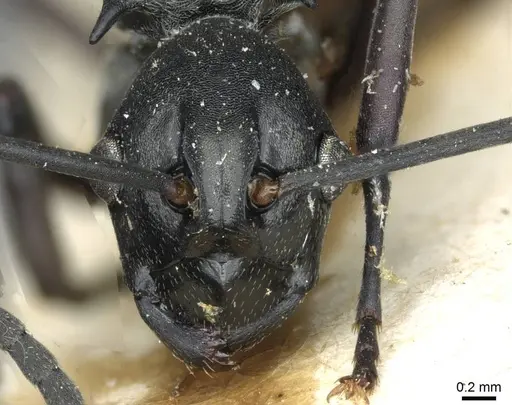
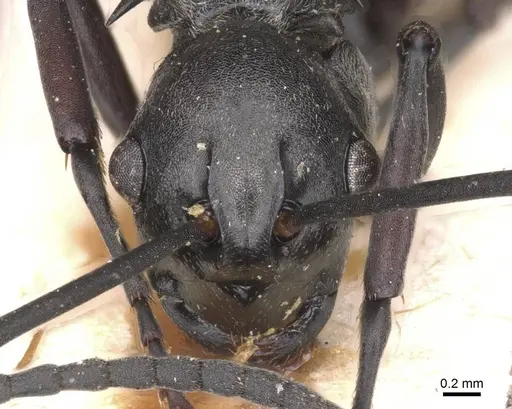
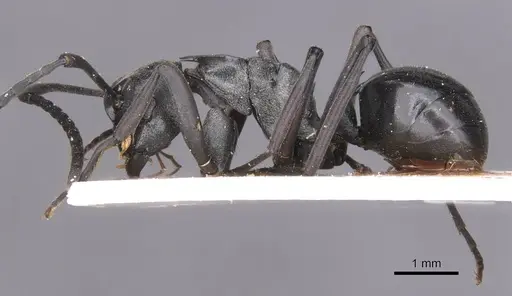
Polyrhachis concava is a medium-sized arboreal ant found across West and Central Africa. Workers measure 6.8-7.6mm and belong to the militaris species-group within the subgenus Myrma [1]. The most distinctive feature is their unusual eye structure, the sides of the head extend to partially cover the ventral margin of the eye, giving it a reniform (kidney-shaped) appearance [1]. They have a concave dorsal profile on the alitrunk (the middle body section) and are armed with spines on the pronotum and propodeum. Their petiole features very long dorsal spines that curve backward over the gaster. These ants are covered in yellowish to golden pubescence, giving them a slightly fuzzy appearance [1].
What makes P. concava interesting is its arboreal lifestyle, unlike most ground-nesting ants, this species lives in trees and constructs nests using silk [2]. They belong to a genus known for their elaborate nest structures and spiny morphology. Found across the lowland rainforests of countries like Gabon, Cameroon, Nigeria, and Congo, these ants are part of a diverse African radiation of Polyrhachis species [3][4].
Quick Summary
- Difficulty: Medium
- Origin & Habitat: West and Central Africa including Benin, Cameroon, Central African Republic, Congo, Democratic Republic of Congo, Equatorial Guinea, Gabon, Ghana, Ivory Coast, Nigeria, and Sierra Leone [1][3]. They inhabit lowland rainforest environments, with specimens collected at elevations ranging from 110m to 375m in Gabon [5]. As arboreal ants, they nest in trees rather than on the ground.
- Colony Type: Colony structure is not well-documented in scientific literature. Based on typical Polyrhachis patterns, they likely form single-queen colonies (monogyne), though some related species can have multiple queens. More research is needed to confirm their exact colony structure.
- Size & Growth:
- Queen: Not specifically measured in available literature, but Polyrhachis queens are typically larger than workers, likely 8-10mm based on genus patterns [1]
- Worker: 6.8-7.6mm [1]
- Colony: Unknown, no colony size data available for this specific species. Related Polyrhachis species in the militaris group typically reach several hundred workers.
- Growth: Moderate, based on typical Polyrhachis development patterns
- Development: Estimated 6-10 weeks based on typical Formicinae development at tropical temperatures (around 24-28°C). No specific development data exists for this species. (Polyrhachis have cocoons (unlike many Formicinae), which may affect development time. Cocoons typically take longer to develop than naked pupae.)
- Antkeeping:
- Temperature: Keep at 24-28°C (warm tropical conditions). This matches their lowland African rainforest origin and elevational range in Gabon [5]. A slight temperature gradient allows ants to regulate their own exposure.
- Humidity: High humidity is essential, aim for 70-85% relative humidity. As arboreal ants from rainforest habitats, they need consistently moist conditions. Provide a water source and keep the nest substrate damp but not waterlogged.
- Diapause: Unlikely, as a tropical species from lowland Africa, they probably do not require a true hibernation period. However, slight temperature reductions during cooler months may be beneficial to simulate natural seasonal cycles.
- Nesting: Arboreal setup is critical. These ants nest in trees in the wild and use silk to construct their nests [2]. In captivity, provide a vertical or elevated nest setup, Y-tong (AAC) nests work well, or a naturalistic setup with branches and cork bark. Avoid ground-level test tube setups. The nest should have chambers scaled to their 6-7mm worker size.
- Behavior: Polyrhachis concava is an arboreal, active forager. Workers are likely moderately aggressive when defending their nest but not particularly dangerous to humans. They probably forage for honeydew and small insects in the canopy. Their spiny morphology provides some defense against predators, in the wild, they have been found in the stomachs of toads and pangolins, showing they do have natural predators [6]. Escape prevention is important given their small size (6-8mm), use standard barriers. They are capable of using silk to connect nest structures, so ensure enclosures are secure.
- Common Issues: arboreal nature makes them unsuitable for standard ground-nesting setups, they need vertical space and elevated nesting areas, high humidity requirements can lead to mold problems if ventilation is inadequate, limited scientific data means care recommendations are based on genus patterns rather than species-specific studies, tropical species may be sensitive to temperature drops, avoid keeping them in air-conditioned rooms, cocoon development may be slower than typical ant pupae, don't panic if development takes longer than expected
Nest Preferences and Housing
Polyrhachis concava is an arboreal species, meaning it naturally nests in trees and vegetation rather than in soil or underground [2]. In the wild, they construct nests using silk to bind together leaves, twigs, or other arboreal materials. This is a key difference from most commonly kept ants, which are ground-nesters. For captive care, you need to replicate this arboreal lifestyle. A Y-tong (AAC) nest works well because it provides proper humidity control and dark chambers. Alternatively, a naturalistic setup with cork bark, branches, and live plants can mimic their natural environment. The critical point is that they need vertical space and elevated nesting areas, a standard horizontal test tube setup is not appropriate for this species. The nest chambers should be appropriately sized for workers that are 6.8-7.6mm [1].
Feeding and Diet
In the wild, Polyrhachis ants are generalist foragers that collect honeydew from aphids and scale insects, and hunt small insects and arthropods [2]. They are part of the subfamily Formicinae, which includes ants that can process sugars but also need protein for colony growth. In captivity, offer a varied diet: sugar water or honey as an energy source, and protein-rich foods like mealworms, small crickets, or other small insects. Since they are arboreal foragers, place food on elevated surfaces or branches rather than on the ground. Feed protein 2-3 times per week and keep sugar sources available continuously. Fresh water should always be accessible.
Temperature and Humidity Requirements
As a tropical lowland species from West and Central Africa, Polyrhachis concava requires warm and humid conditions. Keep the nest area at 24-28°C, this matches their native habitat in the lowland rainforests of Gabon and Congo where they have been found at elevations between 110-375m [5]. Temperature drops below 22°C may slow their activity and development. Humidity should be maintained at 70-85%, use a water reservoir or mist the nest regularly, but ensure good ventilation to prevent mold buildup. A hygrometer helps monitor conditions. Since they are arboreal, they are adapted to good airflow in the canopy, so stale, stagnant air is not appropriate, but avoid direct drafts that could dry them out.
Behavior and Colony Dynamics
Polyrhachis concava workers are active foragers that will patrol the branches and foliage in search of food. Their distinctive spines provide some defense, and they can likely bite if threatened, though they are not considered dangerous to humans. The species has been documented in the stomach contents of toads and pangolins in Congo, showing they do have natural predators in the wild [6]. Colonies likely grow to several hundred workers based on related species in the militaris group. The presence of cocoons (rather than naked pupae) is notable, this is common in the genus Polyrhachis but differs from many other Formicinae ants [2]. When keeping this species, expect moderate activity levels and a colony that develops over several months to years.
Acquiring and Establishing a Colony
Polyrhachis concava is not commonly available in the antkeeping hobby, as most commercially available species are temperate or easy-to-keep tropical species. If you obtain a colony, it will likely be through a specialized breeder or, if in range, by locating a wild colony. Finding an arboreal ant colony in the wild requires searching in trees and vegetation, not digging in the ground. When establishing a new colony, provide the appropriate arboreal setup from the start, do not use a founding chamber designed for ground-nesting ants. The queen should be allowed to seal herself into a suitable chamber where she can lay eggs and raise the first workers (nanitics) in peace. Disturbances during the founding stage can cause queen stress and colony failure. [1][2]
Frequently Asked Questions
Can I keep Polyrhachis concava in a test tube?
A standard test tube setup is not ideal for this species. Polyrhachis concava is arboreal, in the wild they nest in trees using silk, not in underground chambers. Use a Y-tong (AAC) nest or a naturalistic setup with branches and cork bark instead. They need vertical space and elevated nesting areas.
What do Polyrhachis concava ants eat?
They are generalist foragers. Offer sugar water or honey for energy, and protein sources like small insects (mealworms, fruit flies, small crickets). Place food on elevated surfaces to match their arboreal foraging behavior.
How long does it take for Polyrhachis concava to produce first workers?
Estimated 6-10 weeks from egg to worker at optimal tropical temperatures (24-28°C). This is an estimate based on typical Formicinae development, no specific studies exist for this species. Their cocoon stage may extend development time compared to ants that have naked pupae.
Do Polyrhachis concava ants need hibernation?
No, they are tropical ants from lowland Africa and do not require hibernation. Keep them at warm temperatures (24-28°C) year-round. Slight seasonal temperature variations may be natural but a true diapause is not necessary.
Are Polyrhachis concava ants aggressive or dangerous?
They are not considered dangerous to humans. While they have spines for defense and can bite if threatened, their sting is not medically significant. They are more likely to flee than to attack when disturbed.
How big do Polyrhachis concava colonies get?
Colony size is not well-documented for this specific species. Based on related species in the militaris group, colonies likely reach several hundred workers over several years. They are not among the largest Polyrhachis species.
What makes Polyrhachis concava different from other ants?
Their most distinctive feature is their unusual eye structure, the sides of the head extend to partially cover the ventral margin of the eye, giving it a kidney-shaped appearance. They are also arboreal (tree-dwelling) and use silk in nest construction, unlike most commonly kept ground-nesting ants.
Why are my Polyrhachis concava dying?
Common causes include: wrong humidity (too dry or too wet with mold), temperature too low (below 22°C), inappropriate housing (horizontal ground-nest instead of vertical arboreal setup), or stress during founding. Ensure you have an appropriate arboreal setup with high humidity and warm temperatures.
Can I keep multiple Polyrhachis concava queens together?
The colony structure is not well-documented for this species. Based on typical Polyrhachis patterns, they likely form single-queen colonies. Combining unrelated queens is not recommended without evidence they can coexist peacefully.
What is the best nest type for Polyrhachis concava?
A Y-tong (AAC) nest or a naturalistic arboreal setup with branches, cork bark, and live plants. The key is providing vertical/elevated space rather than ground-level chambers. Keep the nest humid but well-ventilated.
References

This caresheet is licensed under CC BY-SA 4.0 .
CASENT0281441
View on AntWeb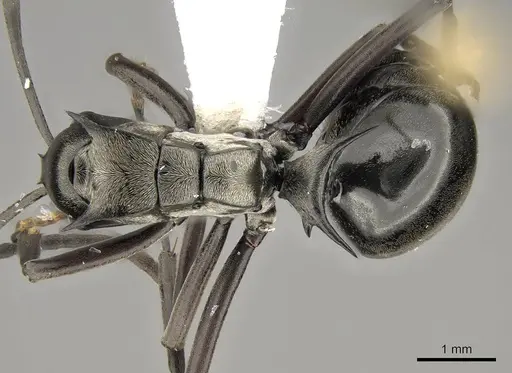
CASENT0281442
View on AntWeb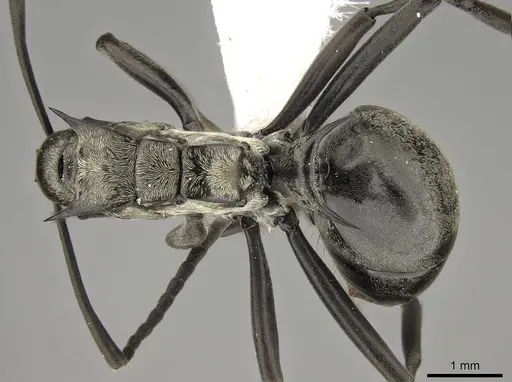
CASENT0415799
View on AntWeb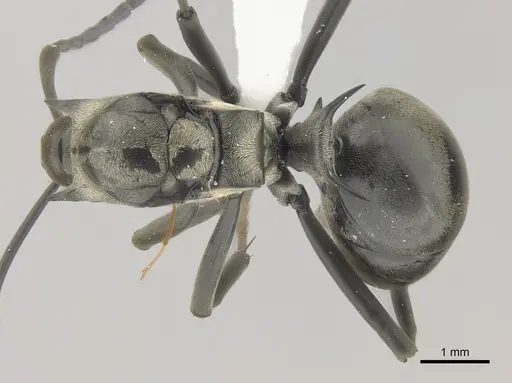
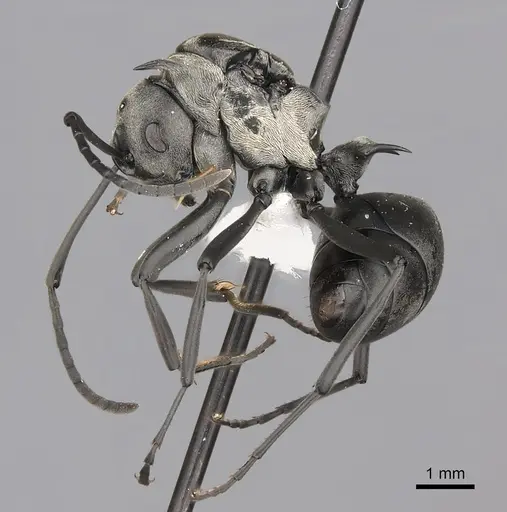
CASENT0910903
View on AntWeb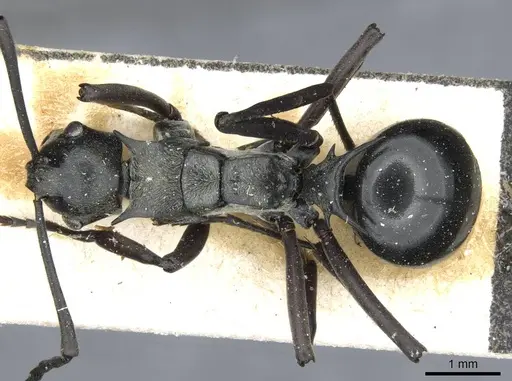
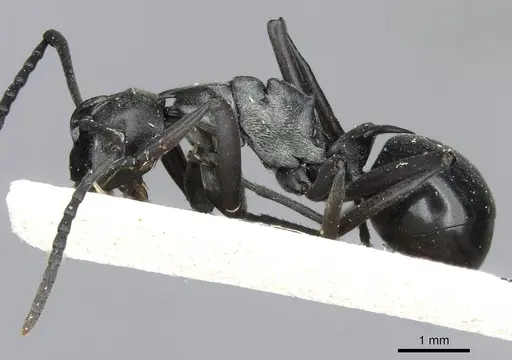
CASENT0913678
View on AntWeb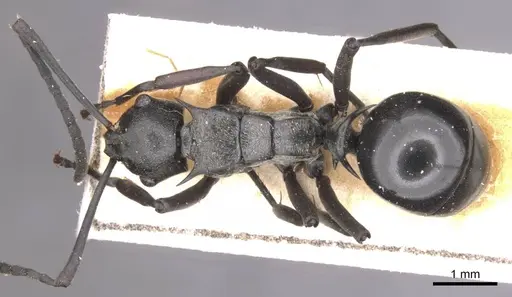
CASENT0923487
View on AntWeb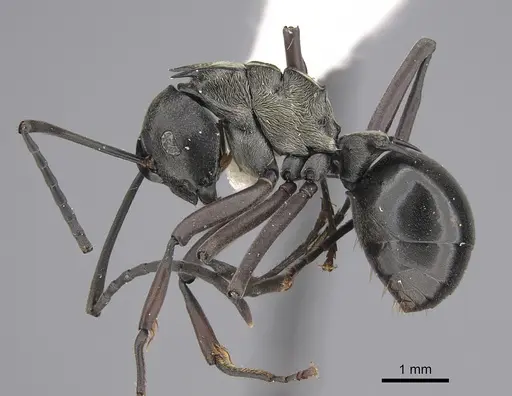
Literature
Loading...Loading products...