

Polyrhachis clio
- Scientific Name
- Polyrhachis clio
- Subgenus
- Hedomyrma
- Tribe
- Camponotini
- Subfamily
- Formicinae
- Author
- Forel, 1902
- Distribution
- Found in 1 countries
Polyrhachis clio Overview
Polyrhachis clio is an ant species of the genus Polyrhachis. It is primarily documented in 1 countries , including Australia. Detailed taxonomic data and occurrence records can be further explored via authoritative databases such as AntWeb or the Global Biodiversity Information Facility (GBIF).
Polyrhachis clio
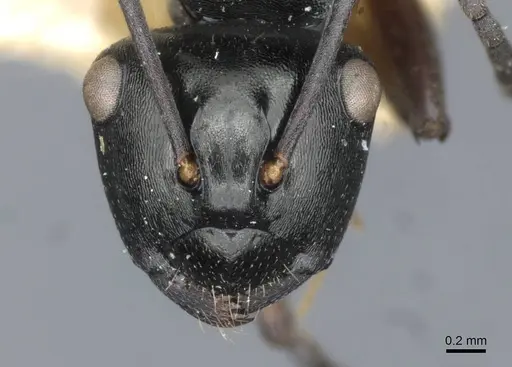
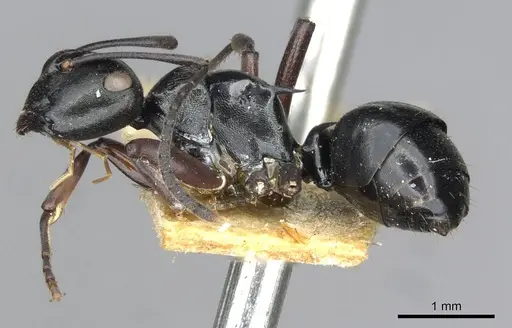
Polyrhachis clio is a tropical ant species native to northern Australia and surrounding regions (Torresian biogeographic zone). Workers are moderately sized, typically 6-9mm, with the characteristic Polyrhachis morphology including spiny projections on the thorax and often metallic or iridescent coloration. This species nests in rotting wood (lignicolous) and constructs cocoons for their pupae, which is unusual among Formicinae ants. As a member of the Subordinate Camponotini functional group, they are generally less aggressive than many other ants. The subgenus Hedomyrma includes species that typically nest in wood cavities rather than weaving leaves like some related Polyrhachis.
Quick Summary
- Difficulty: Medium
- Origin & Habitat: Torresian region (northern Australia, New Guinea and surrounding islands). Found in humid tropical forests and woodland areas. Nests in rotting wood [1][2].
- Colony Type: Colony structure is unconfirmed. Based on typical Polyrhachis patterns, likely single-queen (monogyne) colonies.
- Size & Growth:
- Queen: Estimated 10-12mm based on genus patterns
- Worker: Estimated 6-9mm based on genus patterns
- Colony: Likely several hundred workers based on related species, unconfirmed
- Growth: Moderate, estimated based on genus patterns
- Development: Estimated 6-8 weeks at tropical temperatures (25-28°C) based on related species (Development time is estimated from genus-level data, direct measurements for P. clio are unavailable)
- Antkeeping:
- Temperature: Keep at 24-28°C. Being a tropical Torresian species, they prefer warm conditions. A heating cable on one side of the nest creates a suitable gradient [1].
- Humidity: Moderate to high humidity (60-80%). Their natural wood-nesting habitat suggests they prefer damp but not waterlogged conditions. Keep the nest substrate slightly moist.
- Diapause: Likely no true diapause required. As a tropical species, they may have reduced activity in cooler months but probably don't need hibernation. Monitor colony activity and maintain warmth year-round.
- Nesting: Lignicolous nesting means they do well in wood-based setups. Y-tong (AAC) nests, wooden formicaria, or naturalistic setups with rotting wood pieces work well. They prefer narrow cavities scaled to their colony size.
- Behavior: Generally calm temperament compared to many ants. Workers are active foragers but not particularly aggressive. Moderate escape risk, use standard barrier methods. They forage individually rather than in large raiding parties. Pupal cocoons mean you may see more visible brood development than with naked pupae species.
- Common Issues: wood nesting requirements mean standard test tubes may not be ideal, provide appropriate nesting material, tropical warmth needs year-round heating to prevent colony decline, moderate growth rate may test beginner patience, wild-caught colonies may harbor parasites that affect captive survival, limited species-specific care information means some adaptation may be needed
Nest Preferences and Housing
Polyrhachis clio is a lignicolous species, meaning it naturally nests in rotting wood. In captivity, this translates to preferring wood-based or cavity nests rather than soil-filled setups. Y-tong (AAC) nests work well because they provide dark, enclosed chambers that mimic natural wood cavities. You can also use wooden formicaria or create naturalistic setups with pieces of rotting wood. The chambers should be appropriately sized for the colony, not too large initially, as ants prefer snug spaces. Avoid test tubes as primary housing since they don't simulate the wood-nesting environment this species evolved for. Some keepers successfullly keep them in acrylic nests with wood pieces as added decorum. Ensure the nest material stays slightly moist but never waterlogged. [2]
Feeding and Diet
Polyrhachis ants are omnivorous like most Formicinae. They accept both sugar sources and protein. Offer sugar water, honey, or diluted syrup as a constant carbohydrate source. For protein, provide small insects like fruit flies, small crickets, mealworms, or other appropriately sized prey. Based on related Polyrhachis species, they likely also collect honeydew from aphids if kept in a naturalistic setup. Feed protein 2-3 times per week, and keep sugar water available at all times. Remove uneaten prey after 24-48 hours to prevent mold. Observe your colony's preferences, some individuals show strong preferences for certain foods.
Temperature and Heating
Being a tropical species from the Torresian region, Polyrhachis clio needs warm temperatures to thrive. Aim for 24-28°C in the nest area. You can achieve this using a heating cable placed on top of the nest (never underneath, as excessive bottom heat can dry out the nest too quickly). Room temperature may be sufficient in warm climates or heated rooms, but most keepers need supplemental heat. Use a digital thermometer to monitor. Avoid temperatures below 20°C for extended periods, this species is not cold-tolerant. Maintain warmth consistently year-round, as they don't undergo true hibernation. A slight temperature gradient (warmer on one side) allows the colony to self-regulate. [1]
Humidity and Water
These wood-nesting ants prefer moderate to high humidity, roughly 60-80%. Their natural rot-wood habitat is damp but not saturated. Keep the nest substrate or nesting material slightly moist, it should feel damp to the touch but not drip water. You can achieve this by misting the nest area occasionally or using a water reservoir in the nest setup. However, avoid creating standing water, which leads to mold. In naturalistic setups, a small water dish in the outworld provides drinking water. Monitor for condensation, some condensation is normal and good, but excessive moisture indicates too high humidity. [2]
Behavior and Colony Dynamics
Polyrhachis clio workers are moderately active and forage individually rather than in large groups. They belong to the Subordinate Camponotini functional group, which generally means they are less aggressive than many ant species. This makes them manageable in captivity. Workers are medium-sized and can defend themselves if threatened, but they typically avoid conflict. The presence of pupal cocoons means you'll see more developed brood than with naked pupae species, this is visually interesting but requires no special care. Colonies likely grow to several hundred workers over time based on related species patterns. Queens are probably claustral founders, sealing themselves in to raise the first workers alone. [1]
Frequently Asked Questions
How long does it take for Polyrhachis clio to produce first workers?
Based on genus-level data, expect first workers (nanitics) in approximately 6-8 weeks at optimal tropical temperatures (25-28°C). This is an estimate since species-specific development data is not available.
What is the best nest type for Polyrhachis clio?
Wood-based nests work best. Y-tong (AAC) nests, wooden formicaria, or naturalistic setups with rotting wood pieces all mimic their natural lignicolous nesting preferences. Avoid standard test tubes.
What temperature do Polyrhachis clio ants need?
Keep them at 24-28°C. This tropical species requires warm conditions year-round. Use a heating cable or heat mat if your room temperature falls below this range.
Are Polyrhachis clio good for beginners?
They are rated as Medium difficulty. The main challenges are providing appropriate wood-based housing and maintaining tropical warmth year-round. If you're comfortable with heating requirements and can provide suitable nesting material, they can be a rewarding species.
How big do Polyrhachis clio colonies get?
Based on related species, colonies likely reach several hundred workers. Exact maximum size is unconfirmed for this specific species.
Do Polyrhachis clio need hibernation?
No true hibernation is required. As a tropical species from northern Australia, they don't undergo diapause. However, they may show reduced activity in cooler months. Maintain warm temperatures year-round.
What do Polyrhachis clio eat?
They are omnivorous. Offer sugar water, honey, or syrup as a constant carbohydrate source. Feed protein (small insects like fruit flies, mealworms, small crickets) 2-3 times per week.
Can I keep multiple Polyrhachis clio queens together?
Colony structure is unconfirmed for this species. Based on typical Polyrhachis patterns, they likely form single-queen colonies. Combining unrelated queens is not recommended without species-specific data.
Why are my Polyrhachis clio dying?
Common causes include: temperatures below 20°C, incorrect humidity (too dry or too wet), inappropriate nesting material, or stress from wild-caught colonies. Ensure warm, stable conditions and wood-based housing. Parasites can also affect wild-caught colonies.
References

This caresheet is licensed under CC BY-SA 4.0 .
CASENT0281370
View on AntWeb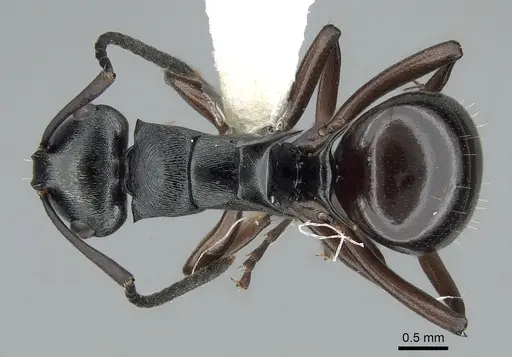
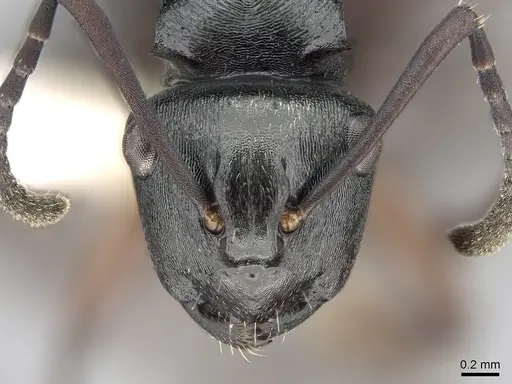
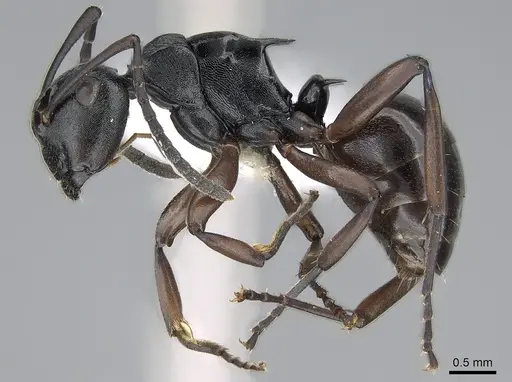
CASENT0281434
View on AntWeb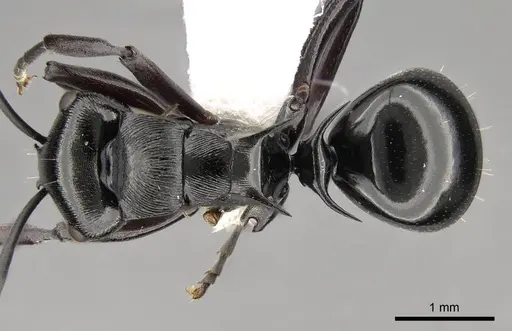
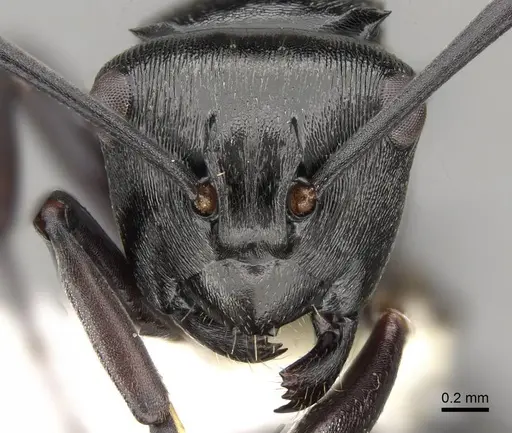
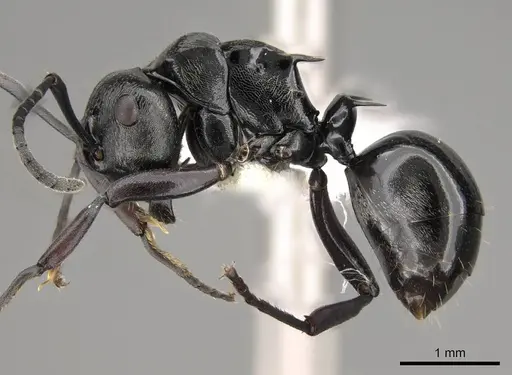
CASENT0281435
View on AntWeb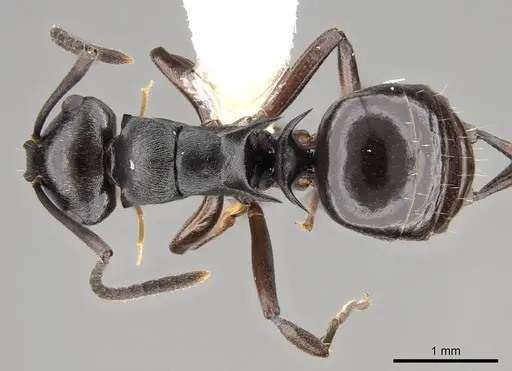
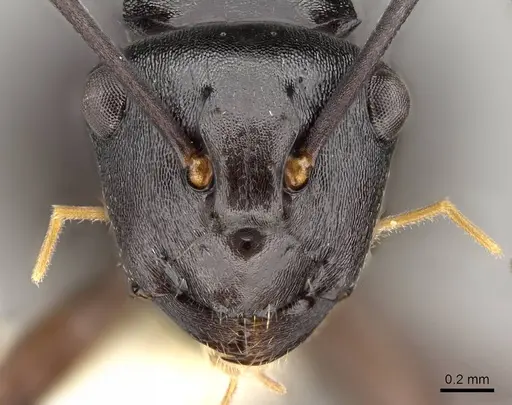
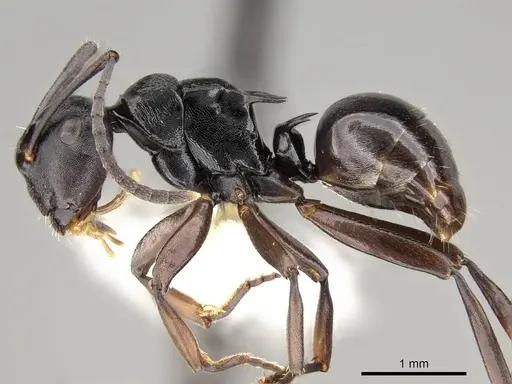
CASENT0906728
View on AntWeb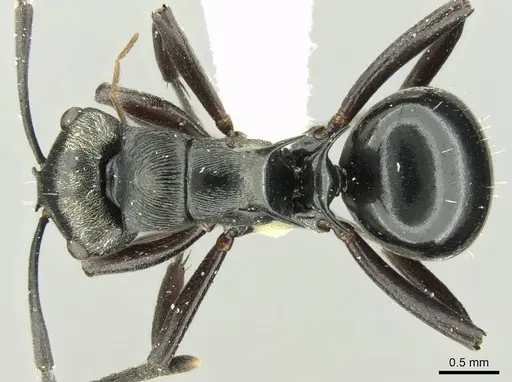
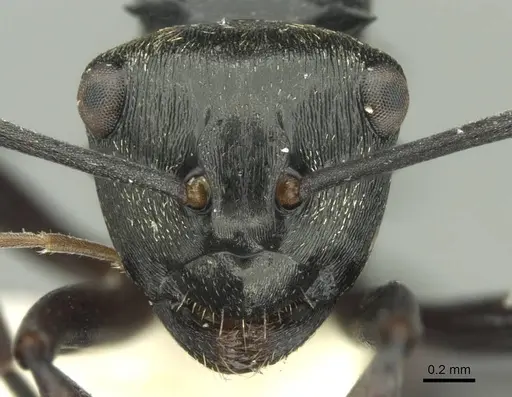
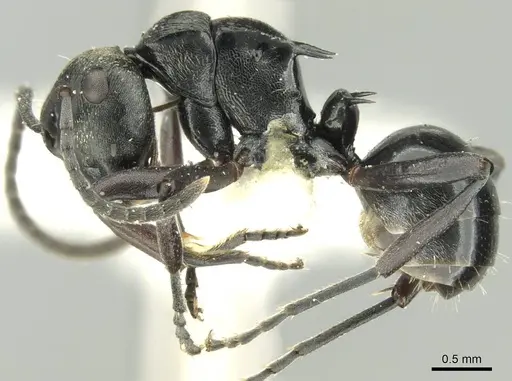
CASENT0910841
View on AntWeb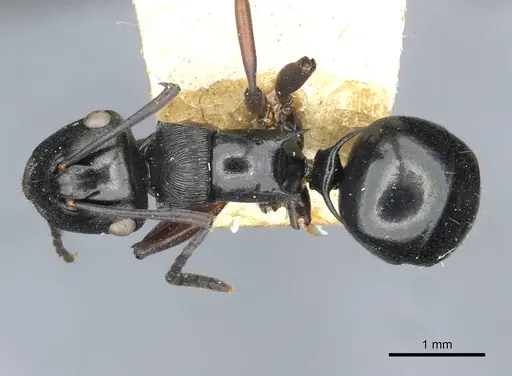
Literature
Loading...Loading products...