

Polyrhachis chalybea
- Scientific Name
- Polyrhachis chalybea
- Subgenus
- Myrmhopla
- Tribe
- Camponotini
- Subfamily
- Formicinae
- Author
- Smith, 1857
- Distribution
- Found in 1 countries
Polyrhachis chalybea Overview
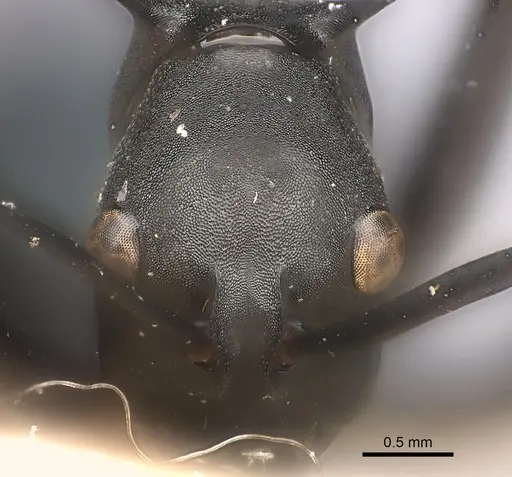
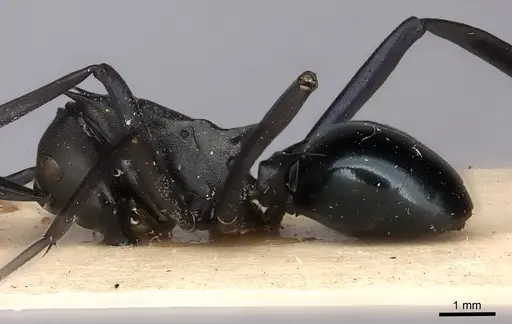
Polyrhachis chalybea is an ant species of the genus Polyrhachis. It is primarily documented in 1 countries , including Malaysia. Detailed taxonomic data and occurrence records can be further explored via authoritative databases such as AntWeb or the Global Biodiversity Information Facility (GBIF).
Polyrhachis chalybea
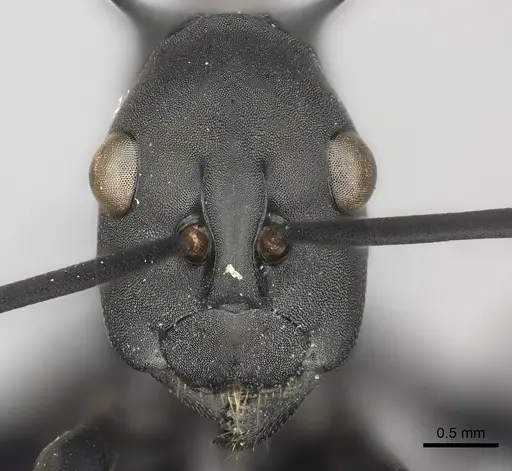
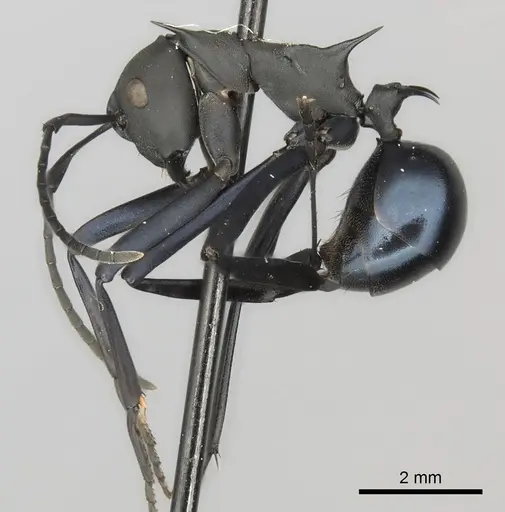
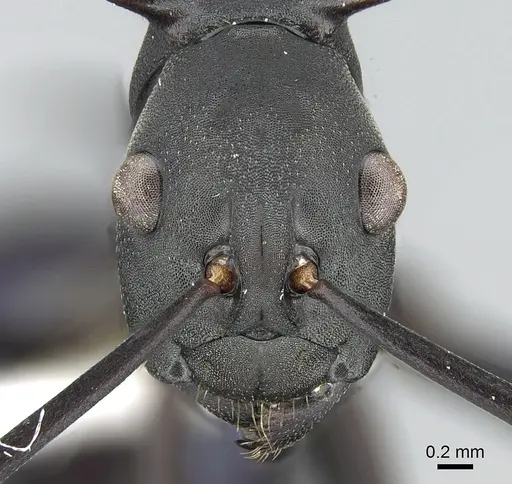
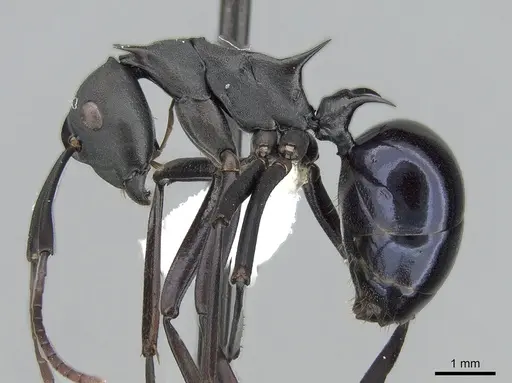
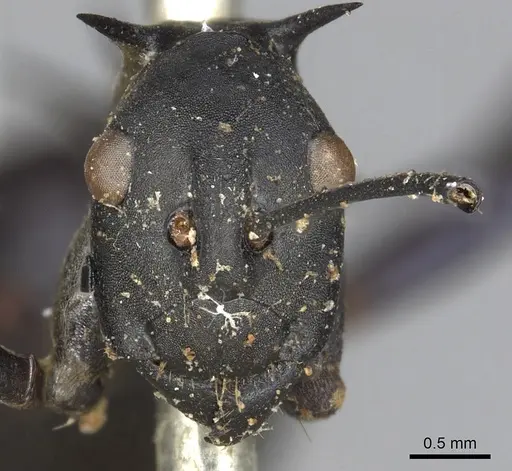
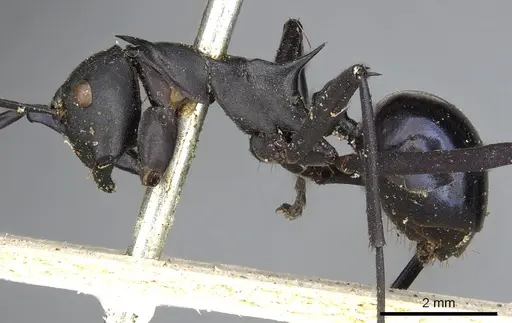
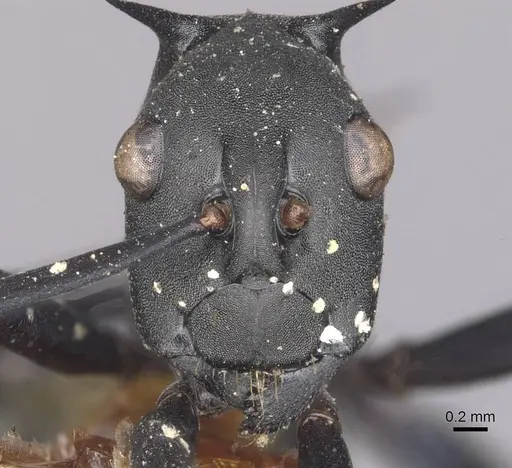
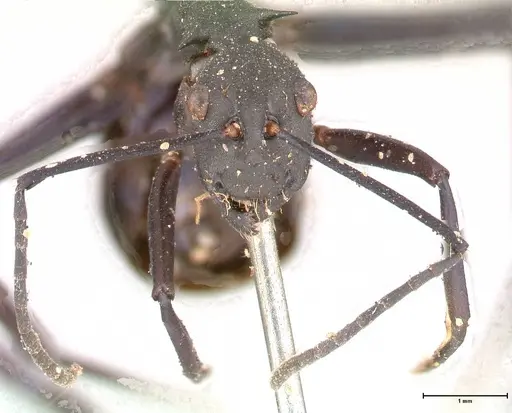
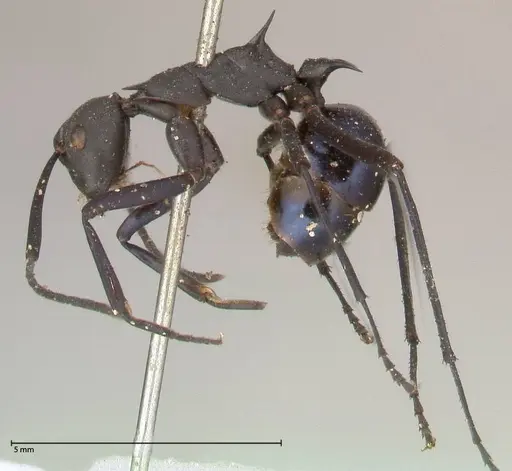
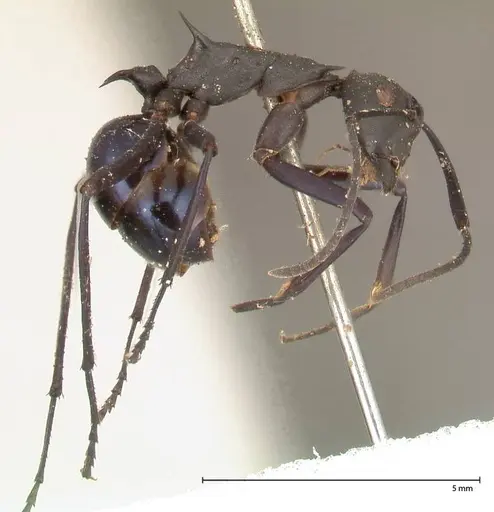
Polyrhachis chalybea is a medium-sized ant species native to Southeast Asia, found across Singapore, Malaysia, Borneo, and Sumatra. Workers measure approximately 10mm in length and belong to the subgenus Myrmhopla, a group known for their distinctive metallic or steel-blue coloration and relatively robust build [1]. These ants inhabit tropical rainforests in the Indomalaya region, where they typically nest in rotting wood or among leaf litter in primary and secondary forests [2][3].
This species was originally described by Frederick Smith in 1857 from Singapore and Malacca, with Polyrhachis chalybea later identified as a junior synonym [4]. The genus Polyrhachis is known for their spiny petiole (the narrow waist segment) and often glossy body surface, making them visually distinctive among Formicine ants.
Quick Summary
- Difficulty: Medium
- Origin & Habitat: Tropical rainforests of Southeast Asia, Singapore, Malaysia, Borneo (Sabah), and Sumatra. Found in primary and secondary forest habitats at locations like Maliau Basin Conservation Area in Sabah [2][3].
- Colony Type: Colony structure is unconfirmed. Based on typical Polyrhachis patterns, likely monogyne (single queen) colonies, though some related species can form multi-queen colonies.
- Size & Growth:
- Queen: Unconfirmed, likely 12-15mm based on genus patterns
- Worker: Approximately 10mm (4 lines) [1]
- Colony: Unknown, likely several hundred workers based on related species
- Growth: Moderate, inferred from tropical Polyrhachis patterns
- Development: Estimated 6-8 weeks at tropical temperatures (25-28°C) based on genus-level data for related species (Development time is estimated from related Polyrhachis species, direct measurements for P. chalybea are not available)
- Antkeeping:
- Temperature: Keep at 24-28°C (tropical room temperature). A slight temperature gradient is beneficial, use a heating cable on one side of the nest if your room runs cooler.
- Humidity: Maintain moderate to high humidity (60-80%). These are forest-dwelling ants that prefer consistently moist substrate. Mist occasionally and keep the nest substrate damp but not waterlogged.
- Diapause: No, as a tropical species, they do not require hibernation. Keep them at stable tropical temperatures year-round.
- Nesting: Provide a naturalistic setup with rotting wood pieces or a Y-tong/plaster nest with moisture retention. They prefer enclosed spaces with some humidity. Avoid completely dry setups.
- Behavior: Polyrhachis chalybea is generally calm and not particularly aggressive. Workers are active foragers that search for honeydew and small insects. They have a moderate escape risk due to their size, standard barrier methods like Fluon on test tube rims work well. They are diurnal and will readily explore their outworld for food. Unlike some related species, they do not have a painful sting.
- Common Issues: tropical species requires consistent warmth, temperatures below 22°C can slow activity and potentially cause health issues, humidity must be maintained, too-dry conditions cause desiccation and colony decline, wild-caught colonies may harbor parasites or diseases that can devastate captive colonies, slow founding phase, queens may take months to raise first workers, requiring patience, escape prevention is important though not as critical as for tiny species, standard barriers suffice
Housing and Nest Setup
Polyrhachis chalybea does well in setups that mimic their natural forest-floor habitat. A Y-tong (acrylic) nest or plaster nest with moisture chambers works well, these retain humidity while allowing you to observe the colony. Alternatively, a naturalistic setup with rotting wood pieces and leaf litter provides a more natural environment. For the founding stage, a simple test tube setup with a water reservoir works, but transfer to a proper nest once the colony reaches 15-20 workers. The nest should have chambers sized appropriately for 10mm workers, not too tight, but with secure walls. An outworld (foraging area) of moderate size allows workers to search for food.
Feeding and Diet
Like most Polyrhachis species, P. chalybea is omnivorous with a preference for sweet liquids and protein. Offer sugar water, honey, or diluted maple syrup as a constant carbohydrate source. For protein, provide small insects like fruit flies, small crickets, or mealworms. They will also collect honeydew from aphids if available. Feed protein 2-3 times per week, and keep sugar water available at all times. Remove uneaten prey after 24-48 hours to prevent mold. Some keepers report that Polyrhachis accept a wider variety of foods than many arboreal species, so experimentation is encouraged.
Temperature and Humidity
As a tropical species from Southeast Asia, P. chalybea requires warm, humid conditions. Keep temperatures between 24-28°C year-round. A heating cable placed on top of the nest (never underneath, as this can dry out the nest) can create a gentle gradient if your room temperature is lower. Humidity should be maintained at 60-80%, the substrate should feel consistently damp but never waterlogged. Mist the nest occasionally and monitor condensation levels. Good ventilation is important to prevent mold while maintaining humidity. Avoid placing the nest near air conditioning vents or drafty windows.
Colony Development and Growth
Polyrhachis colonies grow at a moderate pace compared to some faster species like Lasius or Camponotus. A newly mated queen will likely take 6-8 weeks to raise her first workers (nanitics) at optimal temperatures, though this is estimated from related species rather than directly observed for this specific species. The first workers will be smaller than mature workers. Colony growth accelerates once the first nanitics begin foraging. Expect a mature colony to reach several hundred workers over 1-2 years under good conditions. Patience is key during the founding phase, do not disturb the queen unnecessarily or check on the nest too frequently.
Behavior and Temperament
Polyrhachis chalybea workers are relatively calm and not prone to aggression toward the keeper. They are active foragers that will readily explore their outworld in search of food. Workers communicate through chemical trails and can recruit nestmates to food discoveries. Unlike some ant species, they do not have a painful sting, their primary defense is formic acid spraying. They are diurnal, with most activity during daylight hours. Workers have moderate climbing abilities but are not particularly adept at smooth surfaces, so standard escape prevention measures are usually sufficient.
Frequently Asked Questions
How long does it take for Polyrhachis chalybea to raise first workers?
Based on related Polyrhachis species, expect 6-8 weeks at optimal tropical temperatures (25-28°C). The exact timeline for this species is not documented, so be patient during the founding phase.
What do Polyrhachis chalybea ants eat?
They are omnivorous. Offer sugar water, honey, or maple syrup constantly for carbohydrates, and protein sources like small insects (fruit flies, mealworms, small crickets) 2-3 times per week.
What temperature do Polyrhachis chalybea need?
Keep them at 24-28°C year-round. As a tropical species, they do not tolerate cool temperatures well. A heating cable can help maintain warmth if needed.
Do Polyrhachis chalybea need hibernation?
No. As a tropical species from Southeast Asia, they do not require hibernation or diapause. Keep temperatures stable year-round.
How big do Polyrhachis chalybea colonies get?
Colony size is not well documented, but based on related species, they likely reach several hundred workers. Growth is moderate, expect 1-2 years to reach moderate colony size.
Can I keep multiple Polyrhachis chalybea queens together?
The colony structure is not well documented for this species. Based on typical Polyrhachis patterns, they likely form single-queen colonies. Combining unrelated queens is not recommended without specific evidence they can coexist.
What humidity level do Polyrhachis chalybea need?
Maintain 60-80% humidity. Keep the nest substrate consistently damp but not waterlogged. These forest-dwelling ants need more humidity than desert species.
When should I move Polyrhachis chalybea to a formicarium?
Move them once the colony reaches 15-20 workers. A test tube setup works for founding, but a proper nest with moisture chambers becomes necessary as the colony grows.
Are Polyrhachis chalybea good for beginners?
They are rated as medium difficulty. They require tropical conditions (warmth and humidity) which may require additional equipment. They are calmer than many species, which makes observation enjoyable. However, their slower growth and specific humidity needs make them better suited for keepers with some experience.
References

This caresheet is licensed under CC BY-SA 4.0 .
CASENT0217753
View on AntWeb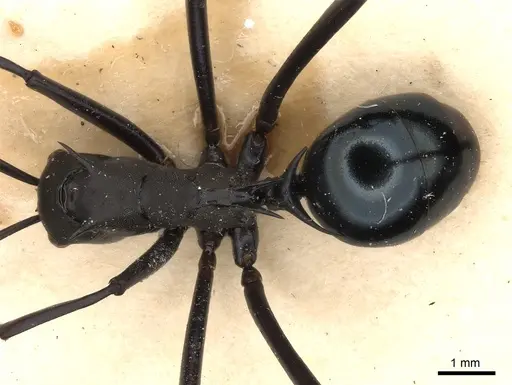
CASENT0217806
View on AntWeb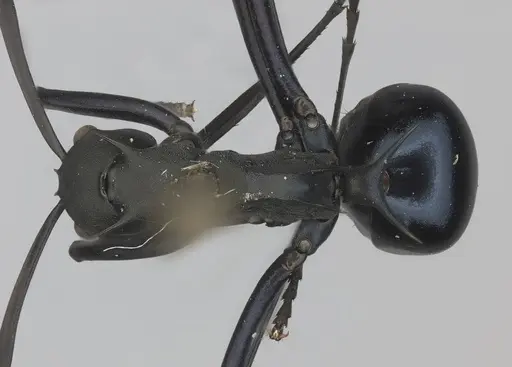
CASENT0281397
View on AntWeb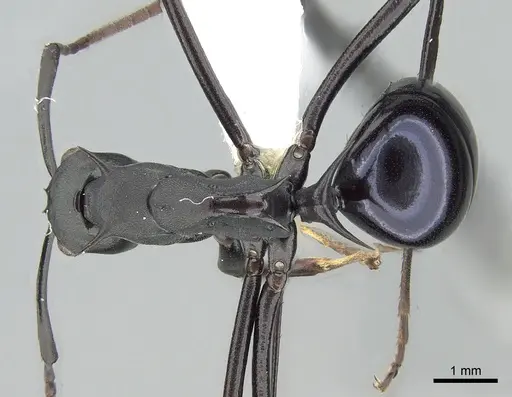
CASENT0901850
View on AntWeb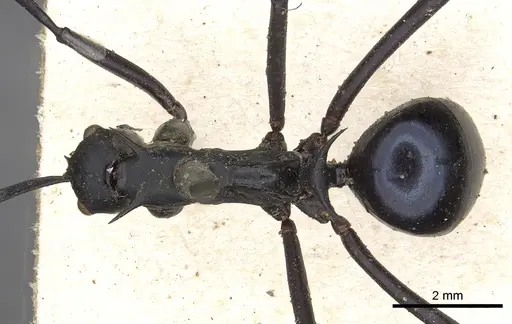
CASENT0910876
View on AntWeb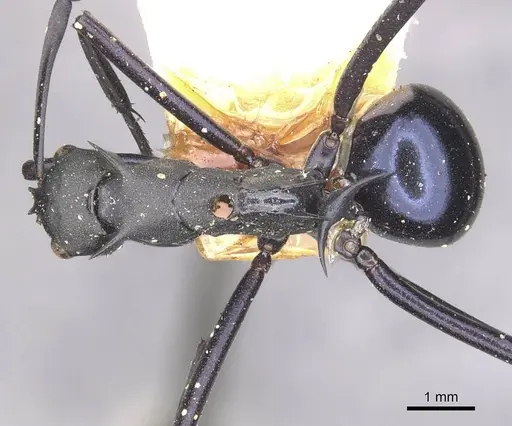
CASENT0923486
View on AntWeb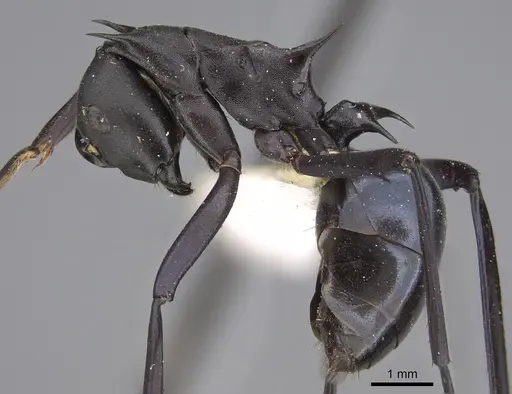
FOCOL0574
View on AntWeb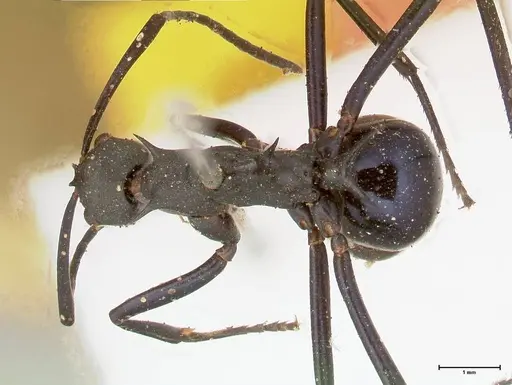
Literature
Loading...Loading products...