

Polyrhachis cephalotes
- Scientific Name
- Polyrhachis cephalotes
- Subgenus
- Myrmhopla
- Tribe
- Camponotini
- Subfamily
- Formicinae
- Author
- Emery, 1893
- Distribution
- Found in 1 countries
Polyrhachis cephalotes Overview
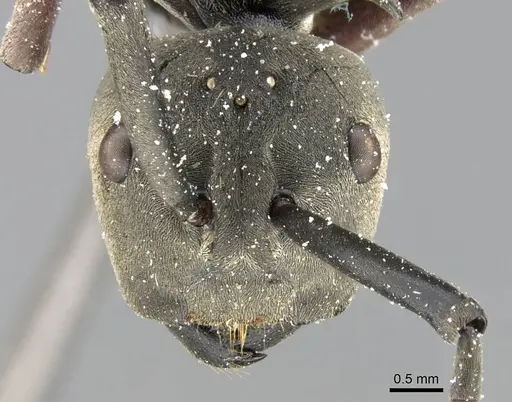
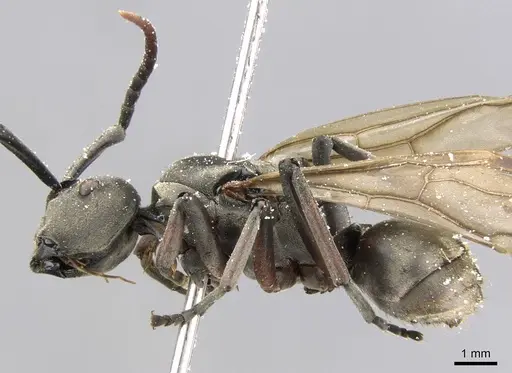
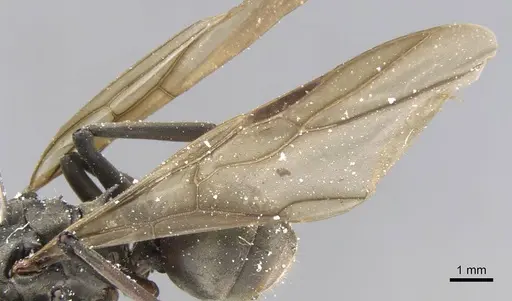
Polyrhachis cephalotes is an ant species of the genus Polyrhachis. It is primarily documented in 1 countries , including Indonesia. Detailed taxonomic data and occurrence records can be further explored via authoritative databases such as AntWeb or the Global Biodiversity Information Facility (GBIF).
Polyrhachis cephalotes
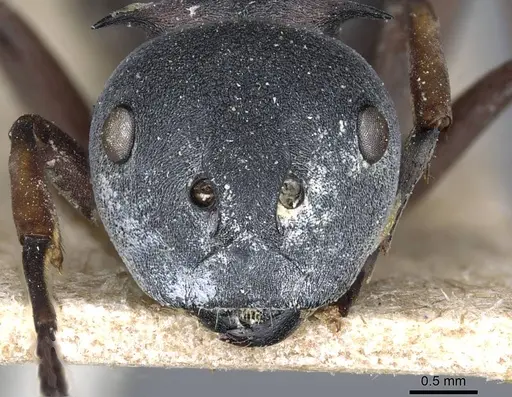
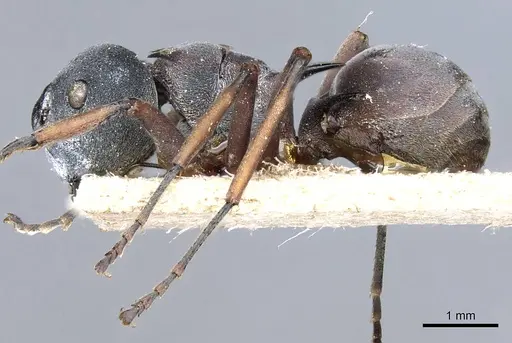
Polyrhachis cephalotes is a tropical ant species belonging to the subgenus Myrmhopla, commonly known as spiny ants due to their distinctive backward-curving spines on the thorax. Workers are moderately sized and typically dark brown to black in color, with a robust build characteristic of the genus. This species is native to the Indomalaya region, specifically found in Borneo, Indonesia, and Malaysia, where it inhabits lowland tropical rainforests [1][2].
This is a canopy-dwelling species that has been recorded in the tree canopy, suggesting it nests above ground rather than in soil [3]. The genus Polyrhachis is known for being generally docile and non-aggressive, making them interesting observation ants. However, this specific species remains poorly studied in the scientific literature, so much of the care information is inferred from related species and genus-level patterns.
Quick Summary
- Difficulty: Medium
- Origin & Habitat: Borneo, Indonesia, and Malaysia, tropical rainforest environments at low elevation [1][2]. Found in the Maliau Basin Conservation Area in Sabah, Borneo.
- Colony Type: Colony structure is unconfirmed. Based on typical Polyrhachis patterns, likely monogyne (single queen) colonies.
- Colony: Monogyne
- Founding: Claustral
- Size & Growth:
- Queen: Estimated 10-12mm based on genus patterns, not directly measured for this species
- Worker: Estimated 6-9mm based on genus patterns, not directly measured for this species
- Colony: Likely moderate colonies of several hundred workers based on typical Polyrhachis growth
- Growth: Moderate, inferred from genus patterns
- Development: Estimated 6-8 weeks at optimal tropical temperatures (25-28°C) based on related Formicinae species (Development time is estimated from genus-level data since species-specific measurements are unavailable)
- Antkeeping:
- Temperature: Keep at 24-28°C. As a tropical species from Borneo and Malaysia, they need warm, stable conditions. A heating cable on one side of the nest can create the necessary gradient.
- Humidity: High humidity of 70-85% is needed, reflecting their tropical rainforest origin. Keep the nest substrate consistently moist but not waterlogged. Mist occasionally and provide a water source.
- Diapause: No, this is a tropical species that does not require hibernation. Maintain warm conditions year-round.
- Nesting: As a canopy-dwelling species, they prefer elevated nests. In captivity, they do well in acrylic nests, Y-tong nests, or naturalistic setups with vertical surfaces. They may construct silk shelters or nest in pre-existing cavities. Avoid soil-based setups.
- Behavior: Generally docile and non-aggressive. Workers are active foragers that search for honeydew and small prey. They are not known for stinging and pose minimal danger to keepers. Escape risk is moderate, use standard barrier methods but fine mesh is not typically required for this size class.
- Common Issues: tropical species may struggle in cool or dry environments, maintain warmth and humidity consistently, canopy-nesting behavior means they may not adapt well to soil-based formicariums, limited scientific data means some care aspects are based on genus inference rather than species-specific research, wild-caught colonies may have unknown parasites or diseases due to limited documentation
Nest Preferences and Housing
Polyrhachis cephalotes is a canopy-dwelling species, which means they naturally nest above ground in elevated locations such as tree hollows, under bark, or in constructed silk shelters. In captivity, they adapt well to acrylic nests or Y-tong (AAC) nests that provide smooth, vertical surfaces for them to traverse. Naturalistic setups with cork bark or fake plants can also work well, as they mimic their natural arboreal habitat.
Avoid soil-based or fully naturalistic earth setups, as this species prefers to stay above ground. They do not require darkness to nest, many keepers successfully keep them in visible acrylic nests. Ensure the nest has multiple chambers connected by passages, allowing the colony to regulate their own humidity by moving brood to appropriate areas. A small water tube attached to the nest helps maintain humidity. [1][2]
Feeding and Diet
Like most Polyrhachis species, P. cephalotes is omnivorous. In the wild, they forage for honeydew from aphids and scale insects, as well as small insects and other protein sources. In captivity, offer a varied diet including sugar water or honey as a constant energy source, and protein sources such as small crickets, mealworms, or fruit flies twice weekly.
They are not specialized predators, so any small live or frozen prey is typically accepted. Some keepers report that Polyrhachis species have a preference for sweeter foods, so offering a small dish of honey water or sugar water is recommended. Remove uneaten prey after 24-48 hours to prevent mold. Fresh fruit occasionally is also appreciated.
Temperature and Humidity Requirements
As a tropical species from Borneo and Malaysia, Polyrhachis cephalotes requires warm and humid conditions. Maintain temperatures between 24-28°C (75-82°F) year-round. A slight temperature gradient allowing workers to choose their preferred warmth is ideal, a heating cable on one end of the nest achieves this.
Humidity should be kept high at 70-85%. This can be achieved by keeping the water reservoir filled, misting the outworld occasionally, and ensuring proper ventilation that doesn't cause rapid drying. The outworld can be misted every few days, but avoid creating standing water. Since they are canopy dwellers, they are accustomed to good airflow while remaining protected from direct rainfall. [1][2]
Behavior and Colony Dynamics
Polyrhachis cephalotes is known for being docile and relatively calm compared to many ant species. Workers are active foragers that will readily explore their outworld in search of food. They are not aggressive and do not pose a sting risk to humans, their spines are purely defensive against predators, not for attacking keepers.
The colony will likely grow at a moderate pace, with the queen producing eggs that develop through larvae and pupae into workers over several weeks. Once established, colonies can reach several hundred workers. The workers will tend to aphids or scale insects for honeydew if present in the setup, and will efficiently recruit nestmates to food sources through chemical signaling.
Frequently Asked Questions
How long does it take for Polyrhachis cephalotes to produce first workers?
Based on related Formicinae species, expect first workers (nanitics) approximately 6-8 weeks after the queen lays eggs, assuming optimal temperatures of 25-28°C. Development is faster in warmer conditions and slower if kept cool.
What is the best nest type for Polyrhachis cephalotes?
Acrylic nests, Y-tong (AAC) nests, or naturalistic setups with cork bark work well. This is a canopy-dwelling species that prefers elevated, above-ground nesting. Avoid soil-based formicariums.
What do Polyrhachis cephalotes eat?
They are omnivorous. Offer sugar water or honey as a constant energy source, and protein such as small crickets, mealworms, or fruit flies twice weekly. They will also tend to aphids for honeydew if available.
Do Polyrhachis cephalotes need hibernation?
No, they do not require hibernation. As a tropical species from Borneo and Malaysia, they need warm conditions year-round. Maintain temperatures of 24-28°C throughout the year.
How big do Polyrhachis cephalotes colonies get?
Based on typical Polyrhachis growth patterns, colonies likely reach several hundred workers over time. The exact maximum is unknown as this species has not been extensively studied.
Are Polyrhachis cephalotes good for beginners?
They are rated as medium difficulty. While generally docile and fascinating to watch, their need for high humidity and tropical temperatures requires some attention to environmental control. They are not the easiest species but are manageable for intermediate antkeepers.
Can I keep multiple Polyrhachis cephalotes queens together?
This is not recommended. While colony structure is unconfirmed for this specific species, Polyrhachis is typically monogyne (single queen). Combining unrelated queens has not been documented and may result in aggression.
Why is my Polyrhachis cephalotes colony not growing?
Check temperature (should be 24-28°C), humidity (70-85%), and food availability. As a tropical species, they struggle in cool or dry conditions. Also ensure the queen is healthy and laying eggs. Limited growth can indicate suboptimal conditions.
Where is Polyrhachis cephalotes found in the wild?
This species is native to the Indomalaya region, specifically Borneo, Indonesia, and Malaysia. They inhabit tropical rainforests and are often found in the canopy rather than on the forest floor.
References

This caresheet is licensed under CC BY-SA 4.0 .
CASENT0905604
View on AntWeb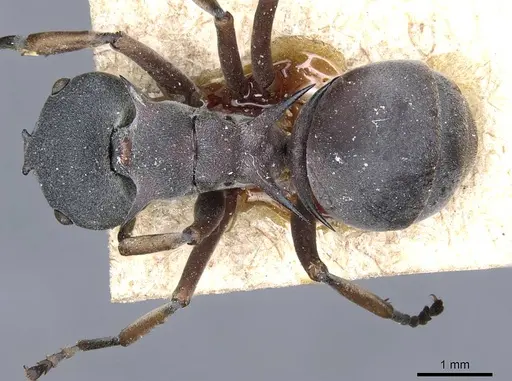
CASENT0906779
View on AntWeb
Literature
Loading...Loading products...