

Polyrhachis carbonaria
- Scientific Name
- Polyrhachis carbonaria
- Subgenus
- Myrma
- Tribe
- Camponotini
- Subfamily
- Formicinae
- Author
- Smith, 1857
- Distribution
- Found in 1 countries
Polyrhachis carbonaria Overview
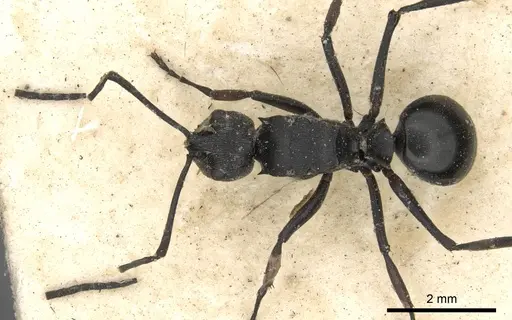
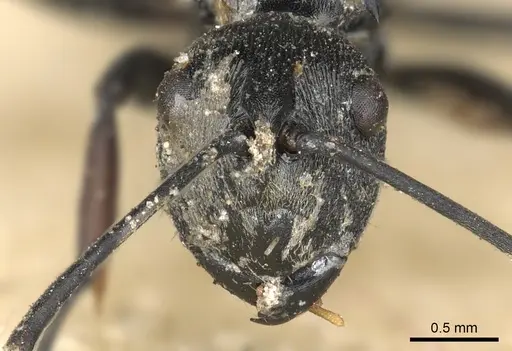
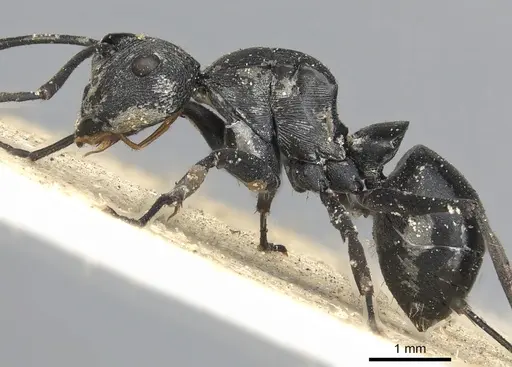
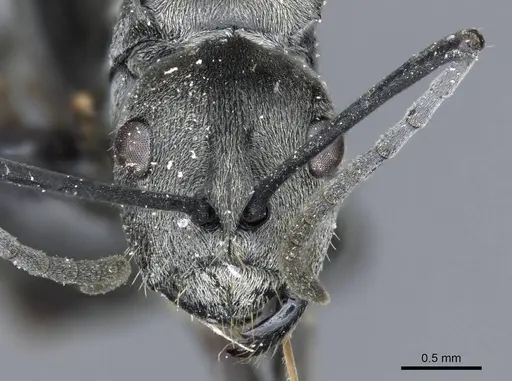
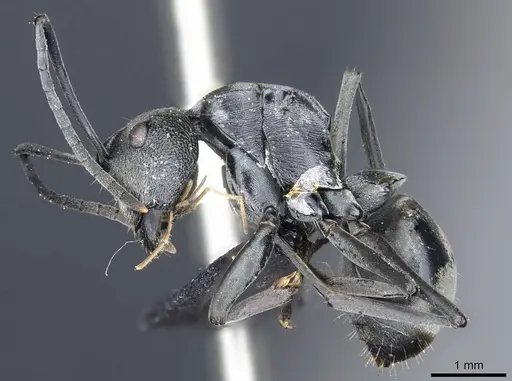
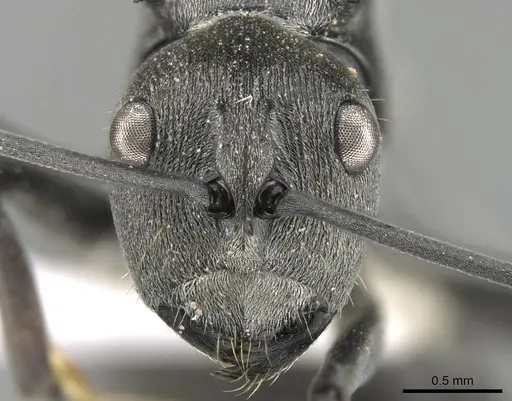
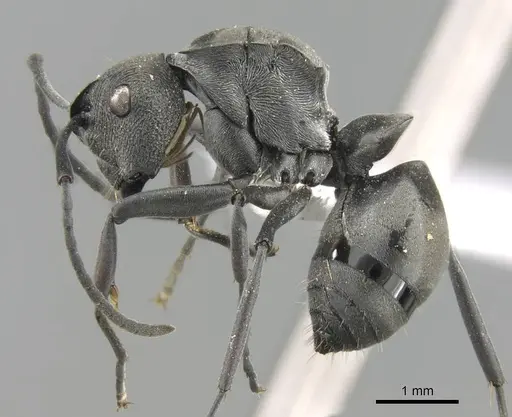
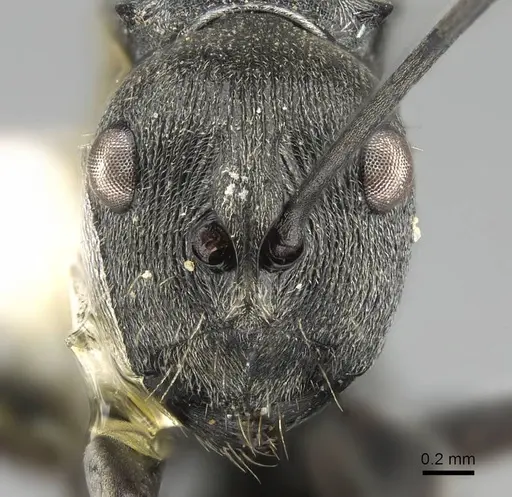
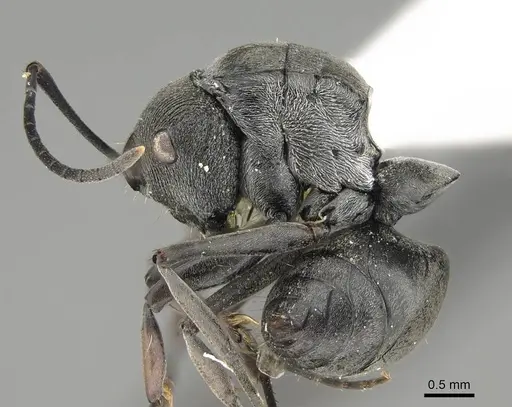
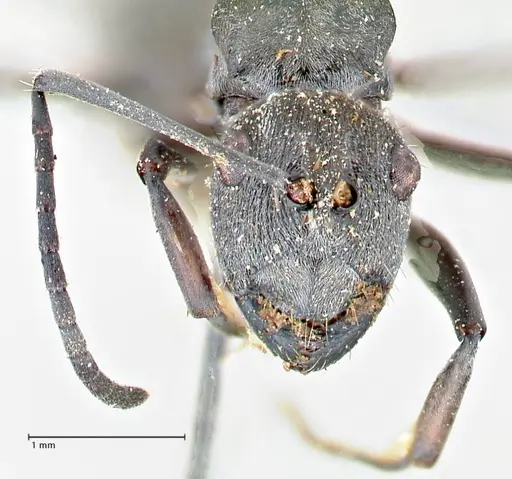
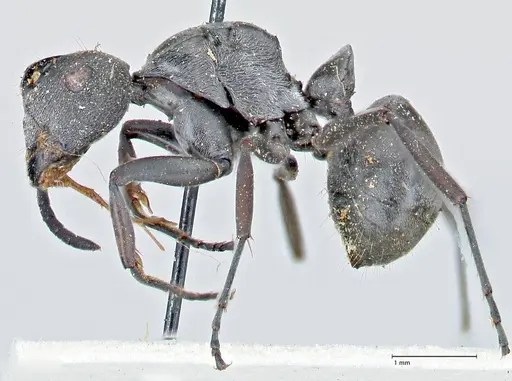
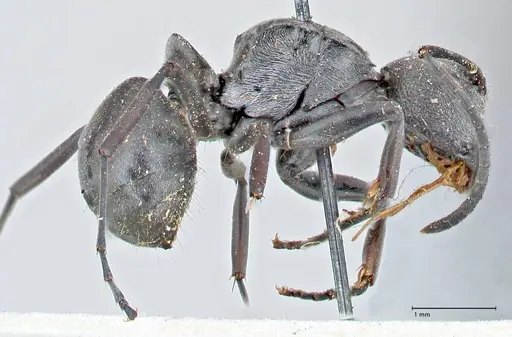
Polyrhachis carbonaria is an ant species of the genus Polyrhachis. It is primarily documented in 1 countries , including Philippines. Detailed taxonomic data and occurrence records can be further explored via authoritative databases such as AntWeb or the Global Biodiversity Information Facility (GBIF).
Polyrhachis carbonaria
Polyrhachis carbonaria is a small to medium-sized ant species native to Southeast Asia, found across Indonesia, Malaysia, the Philippines, and Singapore. Workers measure approximately 4.2mm and belong to the Polyrhachis inermis species-group within the Myrma subgenus. These ants have a distinctive appearance with dark coloration and characteristic spines or protrusions on the thorax, typical of the genus. They are arboreal or semi-arboreal nesters, often found in forested areas and agricultural landscapes where they nest in vegetation, hollow stems, or under bark. The genus Polyrhachis is known for their elaborate nest construction and relatively docile temperament compared to many other ants, making them an interesting choice for antkeepers interested in tree-dwelling species.
Quick Summary
- Difficulty: Medium
- Origin & Habitat: Southeast Asia, Indonesia, Malaysia, Philippines, and Singapore. Found in tropical forested areas and agricultural landscapes, typically nesting in vegetation, hollow stems, or under bark [1][2][3].
- Colony Type: Likely monogyne (single queen) based on typical Polyrhachis genus patterns. Colonies are moderate in size, typically reaching a few hundred workers.
- Colony: Monogyne
- Founding: Claustral
- Size & Growth:
- Queen: Estimated 6-8mm based on typical Polyrhachis genus measurements
- Worker: Approximately 4.2mm [2]
- Colony: Likely reaches several hundred workers based on genus patterns
- Growth: Moderate
- Development: Estimated 6-10 weeks at optimal tropical temperatures based on related Polyrhachis species (Development time is inferred from genus-level data for tropical Formicinae, specific timing for this species has not been documented)
- Antkeeping:
- Temperature: Keep at 24-28°C. As a tropical species, they require warm conditions year-round. A heating cable on one side of the nest creates a temperature gradient allowing workers to regulate their exposure.
- Humidity: Moderate to high humidity (60-80%). These forest-dwelling ants prefer conditions similar to tropical rainforest understory. Keep the nest substrate lightly moist but not waterlogged, with some drier areas available.
- Diapause: No, as a tropical species, they do not require hibernation. Maintain consistent warm temperatures year-round.
- Nesting: Best kept in naturalistic setups that mimic their arboreal nature. Y-tong nests, plaster nests with cholla wood inserts, or naturalistic setups with cork bark and plants work well. Provide narrow chambers and passages scaled to their worker size. Ensure the nest has some elevation and vertical space.
- Behavior: Polyrhachis carbonaria is generally docile and non-aggressive. Workers are active foragers that search for honeydew, nectar, and small insects. They are not known for stinging and pose no danger to keepers. Their small size (4.2mm workers) means escape prevention is important, use fine mesh and tight-fitting lids. They are semi-arboreal and will readily explore both the nest and outworld, making them active and engaging to watch.
- Common Issues: tropical temperature requirements mean colonies can struggle in cool rooms or during winter without heating, escape prevention is important due to their small size, they can squeeze through standard test tube openings, moderate growth rate means colonies take time to develop, requiring patience, high humidity needs can lead to mold problems if ventilation is poor, wild-caught colonies may carry parasites or diseases that can cause colony failure in captivity
Nest Preferences and Housing
Polyrhachis carbonaria is a semi-arboreal species that prefers nests that mimic their natural tree-dwelling habitat. In the wild, they nest in hollow stems, under bark, and in vegetation. For captive care, Y-tong (acrylic) nests work well, especially when paired with cholla wood or cork bark inserts that provide the textured, organic surfaces they prefer. Plaster nests can also work but may need to be paired with additional décor. Naturalistic setups with live or artificial plants, cork bark pieces, and bamboo tubes are excellent choices and allow you to observe their natural behaviors. The nest should have chambers scaled to their worker size (around 4-5mm wide passages) with moderate humidity retention. Provide an outworld with climbing opportunities since they naturally forage at various heights.
Feeding and Diet
In the wild, Polyrhachis carbonaria forages for honeydew from aphids and scale insects, nectar from flowers, and small insects and arthropods. In captivity, offer a varied diet including sugar water or honey as a constant energy source, and protein sources like fruit flies, small crickets, mealworms, or other small insects two to three times per week. They are not aggressive predators but will readily accept small prey items. Some Polyrhachis species also accept seeds or plant matter, so offering occasional seeds can provide dietary variety. Remove uneaten prey after 24-48 hours to prevent mold. A well-fed colony will have workers actively patrolling the outworld and tending to any aphid colonies if present.
Temperature and Seasonal Care
As a tropical species from Southeast Asia, Polyrhachis carbonaria requires warm temperatures between 24-28°C for optimal health and brood development. Room temperature may be sufficient in warm climates or heated rooms, but a heating cable placed on one side of the nest can create the gentle gradient they prefer. Avoid temperatures below 22°C for extended periods as this can slow development and weaken the colony. Unlike temperate species, they do not require a winter diapause or hibernation period. Maintain consistent temperatures year-round. Temperature drops at night are natural and generally well-tolerated, but avoid cold drafts or air conditioning blowing directly on the colony. High humidity (60-80%) should be maintained alongside the warm temperatures.
Behavior and Colony Dynamics
Polyrhachis carbonaria is known for its relatively docile temperament, they are not aggressive and rarely sting, making them safe for keepers of all experience levels. Workers are active foragers that explore both the nest and outworld, showing curiosity about new food sources. The colony will establish clear foraging trails and may tend to aphid colonies for honeydew. Queens are typically accepted by workers once the colony is established, and there is no aggression toward the queen as might occur in some species during founding. Colonies grow at a moderate pace, with the first workers (nanitics) appearing smaller than mature workers. As the colony expands, worker size typically increases. The species does not exhibit slave-making, parasitism, or other complex social behaviors that would complicate care.
Frequently Asked Questions
How long does it take for Polyrhachis carbonaria to produce first workers?
Based on related Polyrhachis species, expect first workers (nanitics) to emerge in approximately 6-10 weeks after the queen lays eggs, assuming optimal temperatures around 26°C. Development is faster at warmer temperatures within their range and slower at cooler temperatures.
What size colony does Polyrhachis carbonaria reach?
Based on typical Polyrhachis genus patterns, colonies likely reach several hundred workers at maturity. This is a moderate colony size compared to some other ant species.
Can I keep multiple queens together in one colony?
Polyrhachis carbonaria is likely monogyne (single queen) based on typical genus behavior. Combining unrelated queens is not recommended as they would likely fight. If you obtain a wild colony, it will typically have one functional queen.
What temperature do Polyrhachis carbonaria need?
Keep them warm at 24-28°C year-round. As a tropical species, they do not tolerate cool temperatures well. A heating cable on part of the nest can help maintain optimal temperatures.
Do Polyrhachis carbonaria need hibernation?
No, they do not require hibernation. As a tropical species from Southeast Asia, they need consistent warm temperatures year-round. Do not expose them to cold temperatures or attempt to cool them for winter.
What do Polyrhachis carbonaria eat?
They are omnivorous. Offer sugar water or honey constantly, and protein (small insects like fruit flies, crickets, mealworms) two to three times per week. They will also collect honeydew if given access to aphid colonies.
Are Polyrhachis carbonaria good for beginners?
They are rated as medium difficulty. While generally docile and not dangerous, they have specific temperature and humidity requirements as a tropical species. Beginners should be prepared to provide consistent warmth and humidity. Their moderate growth rate also requires patience.
Why are my Polyrhachis carbonaria dying?
Common causes include temperatures below 22°C, low humidity, poor ventilation causing mold, or escape of the small workers. Check that your heating is adequate, humidity is in the 60-80% range, and that all openings are sealed with fine mesh. Wild-caught colonies may also carry parasites.
References

This caresheet is licensed under CC BY-SA 4.0 .
CASENT0901848
View on AntWeb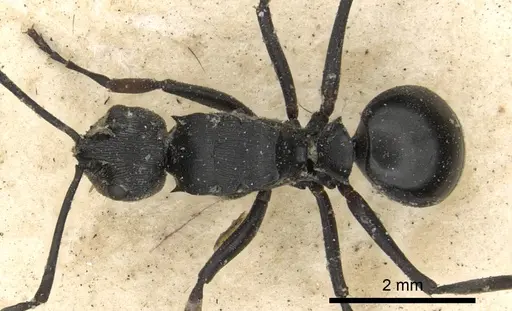
CASENT0905614
View on AntWeb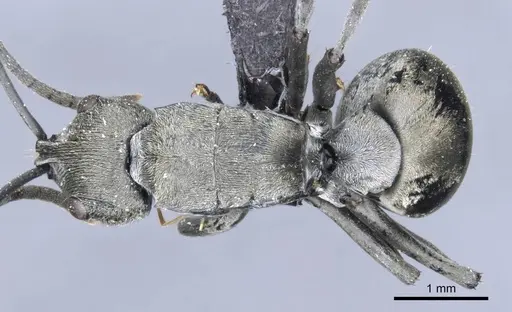
CASENT0906793
View on AntWeb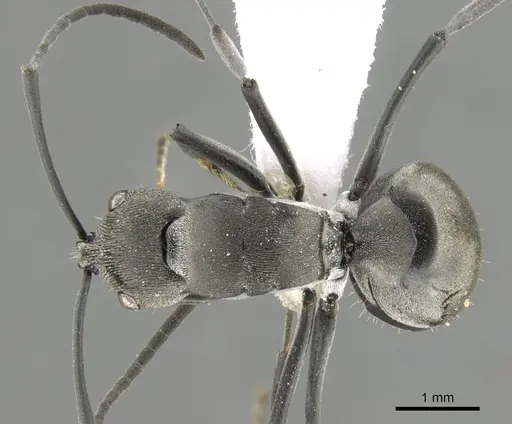
CASENT0919849
View on AntWeb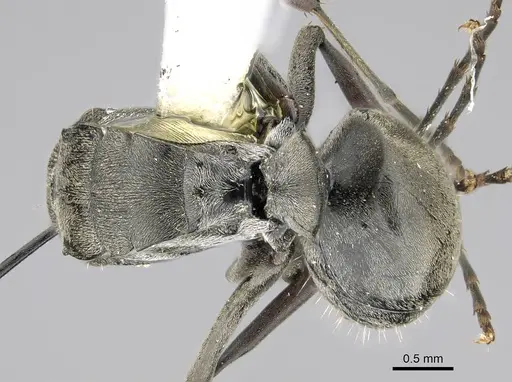
FOCOL2617
View on AntWeb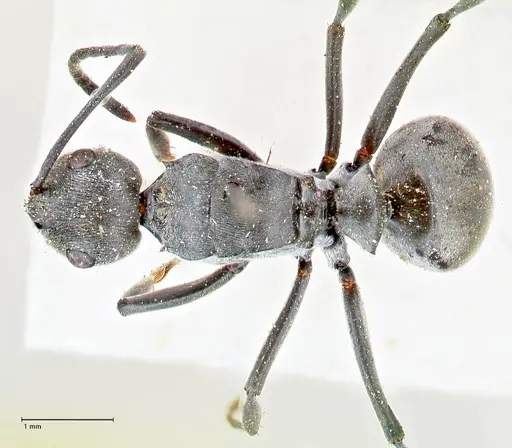
Literature
Loading...Loading products...