

Polyrhachis campbelli
- Scientific Name
- Polyrhachis campbelli
- Subgenus
- Hedomyrma
- Tribe
- Camponotini
- Subfamily
- Formicinae
- Author
- Mann, 1919
- Distribution
- Found in 1 countries
Polyrhachis campbelli Overview
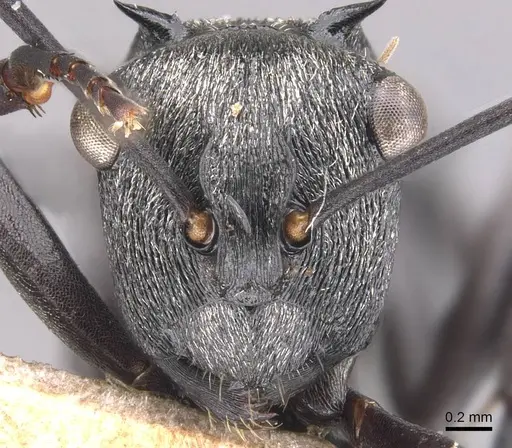
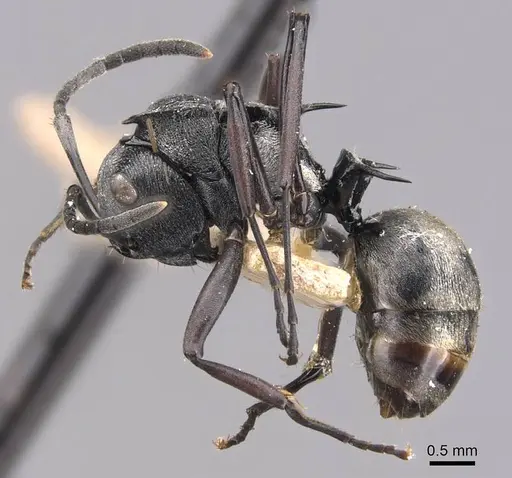
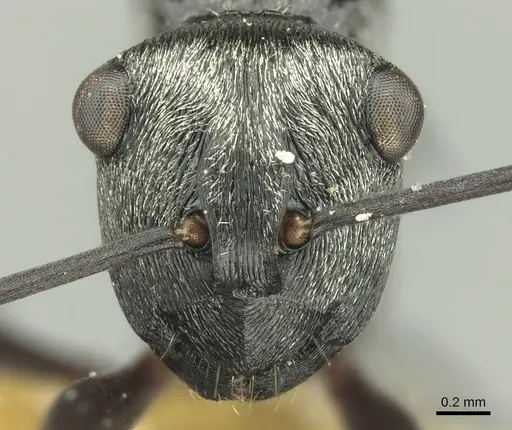
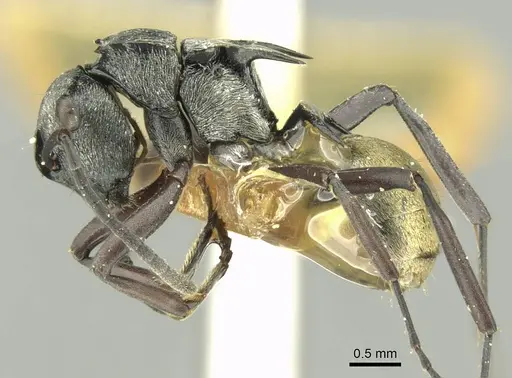
Polyrhachis campbelli is an ant species of the genus Polyrhachis. It is primarily documented in 1 countries , including Solomon Islands. Detailed taxonomic data and occurrence records can be further explored via authoritative databases such as AntWeb or the Global Biodiversity Information Facility (GBIF).
Polyrhachis campbelli
Polyrhachis campbelli is a medium-sized ant species native to the Solomon Islands, specifically recorded from Makira and Guadalcanal islands [1]. The genus Polyrhachis is known for its distinctive spiny thorax and often arboreal lifestyle. These ants are tropical inhabitants of the Solomon Islands, a region with humid rainforest climate. Little specific research exists on this particular species, but Polyrhachis ants are generally known for their active foraging behavior and often construct nests in vegetation or under bark rather than in ground nests.
Quick Summary
- Difficulty: Medium
- Origin & Habitat: Solomon Islands (Makira, Guadalcanal), tropical rainforest islands with high humidity [1]
- Colony Type: Colony structure is unconfirmed for this species. Most Polyrhachis species are monogyne (single queen) but some can be polygyne.
- Size & Growth:
- Queen: Unknown, typical Polyrhachis queens range 8-12mm, estimated [2]
- Worker: Unknown, typical Polyrhachis workers range 5-9mm, estimated [2]
- Colony: Unknown, related species reach several hundred to a few thousand workers [2]
- Growth: Moderate, estimated based on genus patterns
- Development: Unknown, likely 6-10 weeks based on typical tropical Polyrhachis patterns (No direct development data exists for this species. Estimates based on genus-level data for tropical species.)
- Antkeeping:
- Temperature: Keep at 24-28°C. Being tropical Solomon Islands natives, they need warm conditions year-round
- Humidity: High humidity (70-85%), simulate their humid rainforest origin. Keep nest substrate consistently moist but not waterlogged
- Diapause: No, being tropical, they do not require hibernation. Keep temperatures stable year-round
- Nesting: Most Polyrhachis are arboreal or semi-arboreal. Provide a naturalistic setup with vertical structures, branches, or cork bark for nesting. Y-tong nests with multiple chambers also work well [2]
- Behavior: Polyrhachis campbelli is expected to be moderately active and an effective forager based on genus behavior. They likely forage both on vegetation and the ground. Escape prevention is important, use standard barriers. They may have moderate aggression when defending their nest. Most Polyrhachis workers can sting but the pain level varies by species [2].
- Common Issues: limited species-specific research means care is based on genus patterns rather than documented species data, tropical humidity requirements can lead to mold problems if ventilation is inadequate, warm temperature needs year-round can be challenging in cooler climates, wild-caught colonies may have parasites or diseases not yet documented in captivity
Natural History and Distribution
Polyrhachis campbelli was first recorded from the Solomon Islands in 1919 and has been documented on Makira and Guadalcanal islands [1]. The Solomon Islands are a tropical archipelago in the southwestern Pacific, characterized by humid rainforest conditions. This species was originally described by Mann and was historically considered a subspecies under Polyrhachis santschii [3]. The specific nesting habits and behaviors of P. campbelli in the wild remain unstudied, but the genus Polyrhachis contains species with diverse habits including arboreal nesting, ground nesting, and some that construct silk-woven nests among vegetation.
Housing and Nest Preferences
Based on typical Polyrhachis behavior, this species will do best in a naturalistic setup that allows for vertical space and climbing structures. Provide branches, cork bark, or live plant stems for them to nest among. A Y-tong (acrylic) nest with multiple connected chambers can also work well, especially if you include some vertical orientation. Avoid fully underground test tube setups, these ants prefer to be above ground. Ensure the nest has adequate humidity retention while still allowing some ventilation to prevent mold. The nesting area should remain consistently moist but never waterlogged.
Temperature and Humidity Requirements
As natives of the Solomon Islands tropical rainforest, Polyrhachis campbelli requires warm and humid conditions. Maintain temperatures between 24-28°C year-round, they do not tolerate cool conditions well. A small heating cable on one side of the nest can help maintain warmth if your room temperature is below this range. Humidity should be kept high at 70-85%. Use a water reservoir in your formicarium or regularly mist the nest area to maintain moisture. Monitor for condensation, some is good, but excessive condensation can indicate poor ventilation.
Feeding and Diet
Polyrhachis ants are typically omnivorous, feeding on honeydew, nectar, and small insects in the wild. In captivity, offer sugar water or honey as a constant energy source. For protein, provide small insects such as fruit flies, small crickets, or mealworms. Some Polyrhachis species accept a wide variety of foods while others are more specialized. Start with standard offerings and observe what your colony prefers. Feed protein prey 2-3 times per week, and ensure sugar sources are always available.
Colony Development and Growth
No specific development timeline exists for Polyrhachis campbelli. Based on typical Polyrhachis genus patterns, expect the founding queen to remain sealed in her chamber for several weeks while laying eggs and raising the first workers (nanitics). The first workers will typically be smaller than mature workers. Colony growth is moderate, expect several months to reach significant numbers. A mature colony may contain several hundred to a few thousand workers. Be patient with this species, as tropical ants often develop more slowly than temperate species.
Frequently Asked Questions
How long does it take for Polyrhachis campbelli to produce first workers?
The exact timeline is unknown for this species. Based on typical Polyrhachis genus patterns, expect 6-10 weeks from egg to first worker at optimal temperature (24-28°C). The queen will remain sealed in her founding chamber during this time.
What temperature do Polyrhachis campbelli ants need?
Keep them warm at 24-28°C year-round. Being tropical Solomon Islands natives, they do not tolerate cool temperatures. A small heating cable can help maintain warmth in cooler homes.
Do Polyrhachis campbelli ants need hibernation?
No, they do not require hibernation. As tropical ants from the Solomon Islands, they need stable warm conditions throughout the year. Do not expose them to temperatures below 20°C for extended periods.
What do Polyrhachis campbelli ants eat?
They are omnivorous. Offer sugar water or honey as a constant energy source, and protein prey such as small insects (fruit flies, small crickets, mealworms) 2-3 times per week.
Can I keep Polyrhachis campbelli in a test tube setup?
A test tube may not be ideal. Polyrhachis ants are often semi-arboreal and prefer vertical nesting spaces. A naturalistic setup with branches and cork bark, or a Y-tong formicarium with multiple chambers, would be more appropriate.
How big do Polyrhachis campbelli colonies get?
Colony size is unconfirmed for this specific species. Based on related Polyrhachis species, expect several hundred to a few thousand workers at maturity.
Is Polyrhachis campbelli a good species for beginners?
This species is rated Medium difficulty. The main challenges are maintaining tropical humidity and temperature year-round. If you can provide warm, humid conditions consistently, this species can be a rewarding ant to keep.
Where is Polyrhachis campbelli native to?
It is native to the Solomon Islands, specifically recorded from Makira and Guadalcanal islands [1].
Why is there so little information about this species?
Polyrhachis campbelli has received limited scientific study. Most research has focused on distribution records rather than detailed biology. Care recommendations are based on typical Polyrhachis genus behavior rather than species-specific documentation.
References

This caresheet is licensed under CC BY-SA 4.0 .
CASENT0905577
View on AntWeb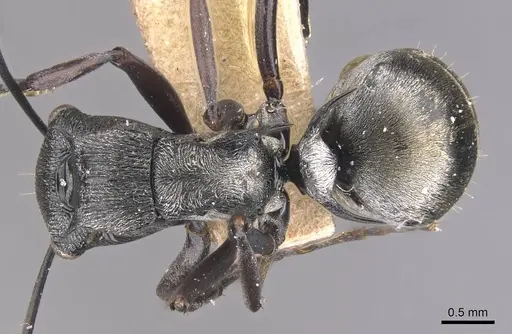
CASENT0906733
View on AntWeb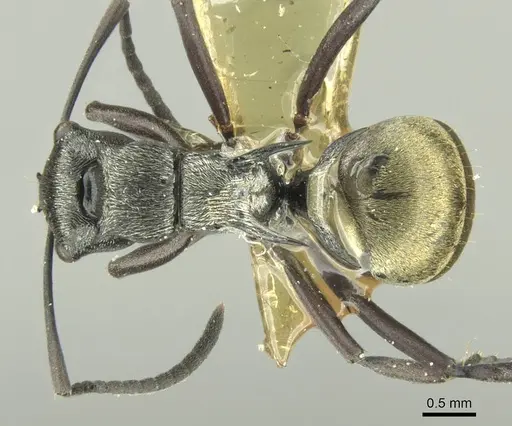
Literature
Loading...Loading products...