

Polyrhachis calypso
- Scientific Name
- Polyrhachis calypso
- Subgenus
- Myrmhopla
- Tribe
- Camponotini
- Subfamily
- Formicinae
- Author
- Forel, 1911
- Distribution
- Found in 2 countries
Polyrhachis calypso Overview
Polyrhachis calypso is an ant species of the genus Polyrhachis. It is primarily documented in 2 countries , including Indonesia, Malaysia. Detailed taxonomic data and occurrence records can be further explored via authoritative databases such as AntWeb or the Global Biodiversity Information Facility (GBIF).
Polyrhachis calypso
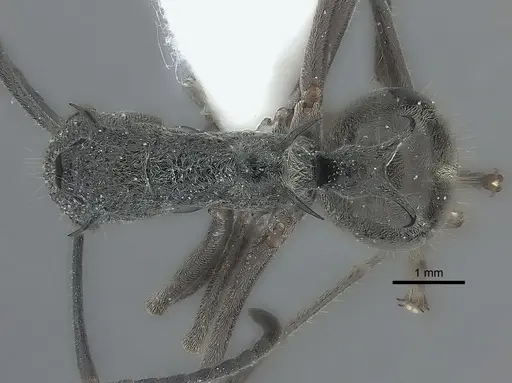
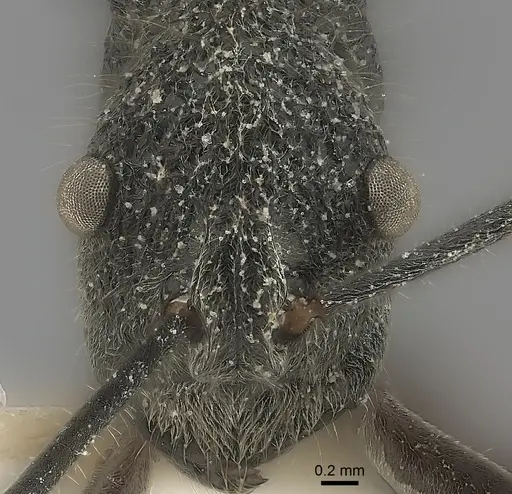
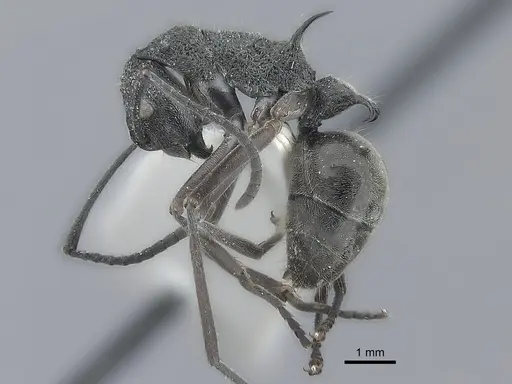
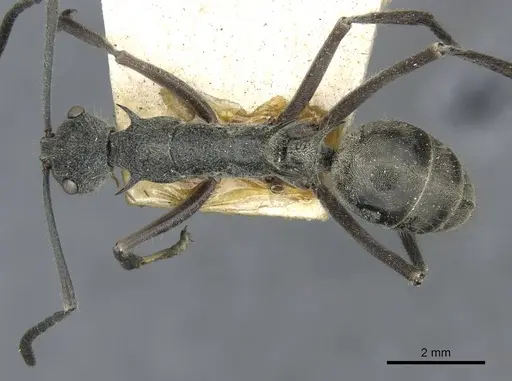
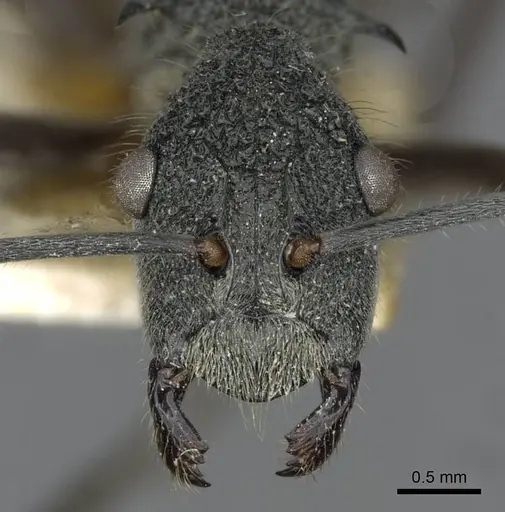
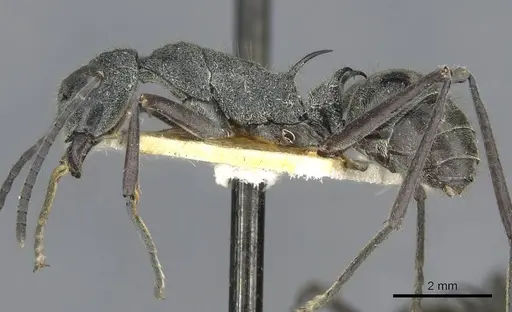
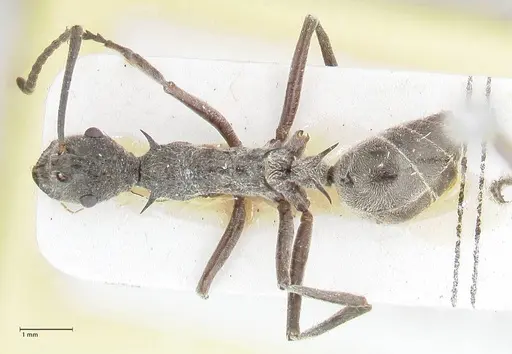
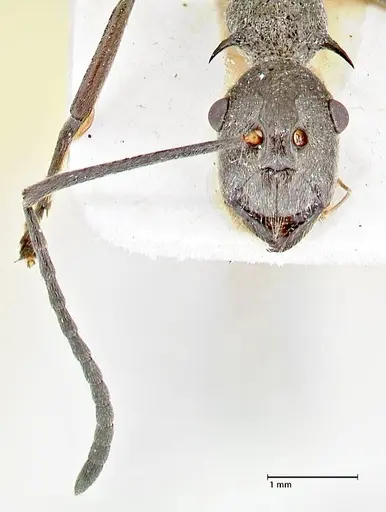
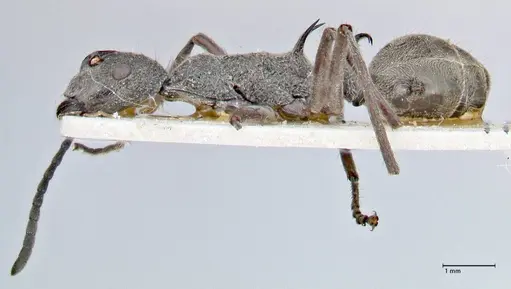
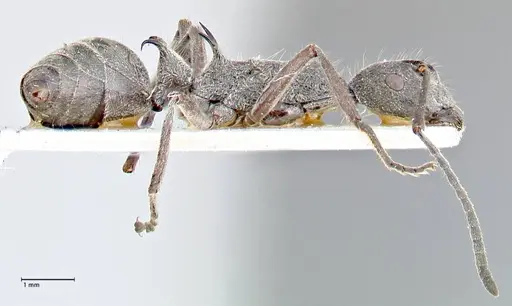
Polyrhachis calypso is a medium-sized arboreal ant belonging to the subgenus Myrmhopla, part of the sexspinosa-group. Workers measure approximately 6-8mm and feature the characteristic hooked spines on the mesosoma (middle body section) common to this group. They have a dark reddish-brown to black coloration with lighter legs. This species ranges across the Indomalaya region, from India through Thailand, Malaysia, Indonesia, and into Borneo and the Philippines [1]. They are canopy-dwelling ants, typically found in lowland dipterocarp forests where they nest in elevated locations rather than on the forest floor [1].
What makes P. calypso interesting is their nesting behavior, like other Myrmhopla species, they use silk to construct protective nest structures, often weaving leaves or other plant material together. They also have pupal cocoons, which is unusual among Formicinae ants and affects how they develop. Their arboreal lifestyle means they are well-adapted to humid, tropical forest conditions and are rarely found at ground level [2][3].
Quick Summary
- Difficulty: Medium
- Origin & Habitat: Native to the Indomalaya region including India, Thailand, Malaysia, Indonesia, Borneo, Brunei, and the Philippines. They inhabit lowland dipterocarp forests and are primarily canopy-dwelling, nesting in elevated locations rather than on the forest floor [1][4].
- Colony Type: Colony structure is not well-documented in scientific literature. Based on genus patterns, likely single-queen (monogyne) colonies. Queens are presumed claustral based on typical Polyrhachis founding behavior.
- Colony: Monogyne
- Founding: Claustral
- Size & Growth:
- Queen: Estimated 9-11mm based on related Myrmhopla species [2].
- Worker: Approximately 6-8mm [2].
- Colony: Likely moderate colonies of several hundred workers based on genus patterns.
- Growth: Moderate, estimated 6-10 weeks from egg to worker at optimal temperature.
- Development: Estimated 6-10 weeks at 24-28°C based on related Polyrhachis species development patterns. (Development may be slightly longer due to cocoon formation, which adds time compared to naked pupae.)
- Antkeeping:
- Temperature: Keep at 24-28°C. They are tropical ants requiring warm, stable temperatures. A gentle gradient is beneficial, provide a warm side around 26-28°C and cooler areas around 24°C for workers to self-regulate.
- Humidity: High humidity of 70-85% is essential. Mimic their canopy forest environment by keeping nesting areas consistently moist but not waterlogged. Regular misting helps maintain humidity levels.
- Diapause: Unlikely required. As a tropical species from Southeast Asia, they do not experience true hibernation. However, slight temperature reduction during cooler months may slow activity naturally.
- Nesting: Arboreal specialists require vertical nest setups. Y-tong (AAC) nests work well, or naturalistic setups with cork or wood branches. Provide materials they can weave with silk, small leaves, moss, or fabric strips. Avoid soil-based substrates as they naturally nest above ground.
- Behavior: Generally calm and non-aggressive compared to many arboreal ants. Workers are active foragers that patrol plant surfaces searching for honeydew and small prey. They are skilled climbers and can escape if given the opportunity. Escape prevention should be moderate, they are not as small as some species but still require attention to gaps. They show moderate activity levels and are primarily active during the day. Unlike ground-nesting ants, they are comfortable in more open setups with good visibility.
- Common Issues: high humidity maintenance is critical, dry conditions quickly stress these ants, arboreal nature means they need vertical space and climbing structures, not horizontal ground space, cocoon care requires careful handling during nest maintenance, do not remove or disturb developing pupae, tropical temperature requirements mean room temperature alone is often insufficient in temperate climates, limited documentation means some care aspects require adaptation from related species
Nest Preferences and Setup
Polyrhachis calypso is an arboreal species that nests in elevated locations, typically in the canopy of tropical forests. In captivity, they do best in setups that mimic this vertical environment. Y-tong (AAC) nests work well because they provide dark, secure chambers while allowing you to create humidity gradients. You can also use naturalistic setups with cork bark, wooden branches, or bamboo sections that the ants can weave with silk. Avoid deep soil substrates, these ants naturally nest above ground. Provide small pieces of leaves, moss, or fabric strips that workers can use for their silk weaving behavior. A hydration system that keeps one area consistently moist while allowing drier retreat options works best. Place the nest in the upper portion of the enclosure rather than on the bottom, reflecting their natural canopy dwelling [2][3].
Feeding and Diet
Like other Polyrhachis species, P. calypso is an omnivore that accepts both sugar sources and protein. In the wild, they forage for honeydew from aphids and scale insects, and hunt small insects. In captivity, offer sugar water or honey regularly as a constant energy source. For protein, provide small insects like fruit flies, small crickets, or mealworms. They are not aggressive hunters but will accept pre-killed prey. Based on their recorded presence patrolling plant shoots in Borneo, they likely have an association with hemipteran honeydew producers [5]. Offering occasional sweet fruits can supplement their diet. Feed protein 2-3 times per week and keep sugar water available at all times. Remove uneaten prey after 24 hours to prevent mold.
Temperature and Humidity Requirements
These tropical ants require warm, humid conditions to thrive. Maintain temperatures between 24-28°C with a slight gradient allowing workers to regulate their body temperature. In cooler climates, a small heating cable on one side of the nest helps maintain appropriate warmth. Avoid temperatures below 22°C for extended periods as this can slow development and weaken the colony. Humidity should remain high at 70-85%. Use a water reservoir in your nest setup and mist regularly to maintain moisture. The key is consistency, sudden changes in humidity stress these ants. A hygrometer helps monitor conditions. Good ventilation is important to prevent mold while maintaining humidity, aim for airflow that prevents stagnant air without creating drafts that dry the nest [1].
Colony Development and Growth
Polyrhachis calypso has pupal cocoons, which is notable because most Formicinae ants have naked pupae. This cocoon formation adds time to their development cycle compared to species like Lasius or Camponotus. Based on related species patterns, expect approximately 6-10 weeks from egg to first worker at optimal temperature (around 26°C). The first workers (nanitics) will be smaller than mature workers but should be active foragers. Growth rate is moderate, colonies typically reach several hundred workers over 1-2 years under good conditions. The presence of cocoons means you should avoid disturbing the nest during pupal development. Handle any nest maintenance gently and never pull apart sections where pupae are developing. Colonies likely peak in size during the warm, wet season when food is most abundant. [2][3]
Behavior and Temperament
P. calypso workers are generally calm and less aggressive than many arboreal ant species. They are active foragers that patrol vertical surfaces rather than the ground. Their hooked spines provide some defense but they rely primarily on their ability to escape and hide rather than attacking. Workers are skilled climbers with good adhesion, allowing them to traverse smooth surfaces easily. They show diurnal activity patterns, being most active during daylight hours. The species is rarely encountered at ground level in the wild, preferring the canopy where humidity is higher and temperatures more stable. In captivity, they adapt well to observation setups but require escape prevention due to their climbing abilities. They do not spray formic acid but may bite if severely threatened. Overall, they are manageable ants suitable for keepers who can provide the humidity and vertical space they need. [1][4][2]
Frequently Asked Questions
How long does it take for Polyrhachis calypso to produce first workers?
Expect 6-10 weeks from egg to first worker at optimal temperature (around 26°C). This is slightly longer than some ants because they form cocoons during pupal development, which adds time compared to naked pupae. Be patient, the first workers (nanitics) will be smaller but should begin foraging quickly.
What is the best nest type for Polyrhachis calypso?
Y-tong (AAC) nests work well for this species. They provide the dark, humid chambers these arboreal ants need while allowing you to control moisture levels. You can also use naturalistic setups with cork bark or wooden branches. Avoid soil-based formicariums, these ants naturally nest above ground in trees, not in the ground.
Do Polyrhachis calypso ants need hibernation?
No, hibernation is not required. As a tropical species from Southeast Asia, they do not experience cold winters that would trigger dormancy. However, slight temperature reductions during cooler months may naturally slow their activity. Keep temperatures consistently warm (24-28°C) year-round for best results.
What do Polyrhachis calypso ants eat?
They are omnivores. Offer a constant sugar source like sugar water or honey, and provide protein 2-3 times per week in the form of small insects like fruit flies, small crickets, or mealworms. They likely also consume honeydew in the wild, so occasional sweet fruits can be offered.
Are Polyrhachis calypso ants aggressive or dangerous?
No, they are generally calm and non-aggressive. Workers are not particularly defensive and rarely bite. They are more likely to flee than to attack when threatened. Their spines provide some physical defense but they are not considered dangerous to humans.
How big do Polyrhachis calypso colonies get?
Based on related species, colonies likely reach several hundred workers over 1-2 years under good conditions. They are not among the largest Polyrhachis species but can still form substantial colonies. Maximum size is not well-documented in scientific literature.
Can I keep multiple Polyrhachis calypso queens together?
This is not recommended. While colony structure is not well-studied for this specific species, Polyrhachis ants are typically single-queen (monogyne) colonies. Combining unrelated queens risks fighting and colony failure. If you acquire a wild colony, it likely has one founding queen.
Why are my Polyrhachis calypso dying?
The most common causes are low humidity (below 70%), temperatures below 22°C, or disturbance during pupal development. These ants are sensitive to dry conditions and require consistent warmth. Also check for escape opportunities, they are skilled climbers. Mold from excessive moisture or uneaten food can also stress colonies.
When should I move Polyrhachis calypso to a formicarium?
Wait until the colony has at least 20-30 workers before moving them. This species does well in test tube setups during founding, then can be moved to a Y-tong or naturalistic nest once the colony is established. The transition is easier when workers are actively foraging and the nest can be connected to a foraging area.
References

This caresheet is licensed under CC BY-SA 4.0 .
Literature
Loading...Loading products...