

Polyrhachis caeciliae
- Scientific Name
- Polyrhachis caeciliae
- Subgenus
- Myrmhopla
- Tribe
- Camponotini
- Subfamily
- Formicinae
- Author
- Forel, 1912
- Distribution
- Found in 1 countries
Polyrhachis caeciliae Overview
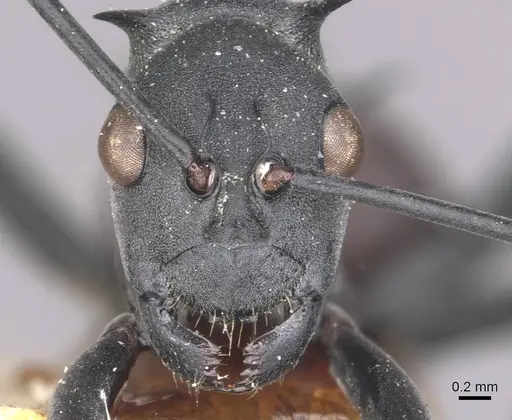
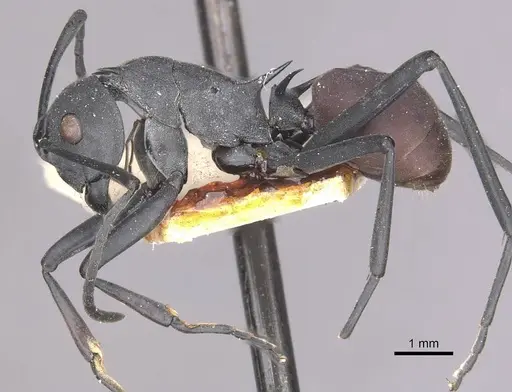
Polyrhachis caeciliae is an ant species of the genus Polyrhachis. It is primarily documented in 1 countries , including Indonesia. Detailed taxonomic data and occurrence records can be further explored via authoritative databases such as AntWeb or the Global Biodiversity Information Facility (GBIF).
Polyrhachis caeciliae
Polyrhachis caeciliae is a tropical ant species from the Indomalaya region, found in Borneo, Sumatra, Java, and Malaysia. Workers are part of the subgenus Myrmhopla, a group of Polyrhachis ants known from forested areas of Southeast Asia. The species was originally described from Sumatra in 1912,with a synonym (Polyrhachis caeciliae) from Java later recognized as the same species [1]. This ant inhabits the humid tropical rainforests of Borneo and surrounding islands, where it likely nests in vegetation or decaying wood. Like other Polyrhachis species, they have spines on the thorax (the 'spiny ants') which help distinguish them from other Formicinae. The specific ecology and behavior of this species remains poorly documented in scientific literature.
Quick Summary
- Difficulty: Medium
- Origin & Habitat: Borneo, Indonesia (Sumatra, Java), and Malaysia, tropical rainforest environments in the Indomalaya region. Recorded in Maliau Basin Conservation Area, Sabah, at elevations typical of lowland tropical forest [2][3].
- Colony Type: Colony structure is unconfirmed. Based on typical Polyrhachis patterns, likely single-queen (monogyne) colonies, though this has not been directly documented for this species.
- Size & Growth:
- Queen: Estimated 8-10mm based on related Polyrhachis species in subgenus Myrmhopla
- Worker: Estimated 5-7mm based on genus patterns for Myrmhopla species [1]
- Colony: Unknown for this specific species, related Polyrhachis species typically reach several hundred workers
- Growth: Moderate, inferred from tropical ant development patterns
- Development: Estimated 6-10 weeks at tropical temperatures (25-28°C), based on typical Formicinae development (Development time is estimated, no specific studies exist for this species. Tropical ant species generally develop faster than temperate species.)
- Antkeeping:
- Temperature: Keep at 24-28°C (warm tropical conditions). A slight temperature gradient allows workers to regulate. Room temperature within this range is acceptable
- Humidity: High humidity (70-80%) mimicking tropical rainforest. Keep nest substrate consistently moist but not waterlogged. Provide a water source for drinking
- Diapause: No, this is a tropical species that does not experience cold winters. They remain active year-round in captivity
- Nesting: Likely semi-arboreal or ground-nesting in decaying wood. In captivity, a naturalistic setup with moist substrate (soil/peat mix) or a Y-tong/plaster nest works well. They prefer tight, dark chambers. Avoid dry conditions
- Behavior: Polyrhachis ants are generally calm and not particularly aggressive. Workers are moderately active foragers, likely hunting small invertebrates and collecting honeydew in nature. They are not known to be escape artists, but use standard barrier precautions. The spines on their thorax serve as defense. They likely show typical Formicinae behavior, moderate activity levels, occasional recruitment to food sources. Escape risk is moderate, standard formicarium precautions are sufficient
- Common Issues: tropical species may struggle if temperatures drop below 22°C, keep warm, high humidity requirements mean drying out is a common problem, monitor substrate moisture, limited scientific data means some care aspects are estimates, observe colony behavior and adjust, wild-caught colonies may carry parasites, quarantine and monitor new colonies, slow founding phase is normal, claustral queens may take weeks to seal and raise first workers
Natural History and Distribution
Polyrhachis caeciliae is endemic to the Indomalaya region, specifically found in Borneo (Malaysia and Indonesia), Sumatra, and Java. The species was first described by Forel in 1912 from Sumatra, with a junior synonym Polyrhachis caeciliae described from Java in 1927,later recognized as the same species by Kohout in 1998 [1]. In Borneo, they have been recorded in the Maliau Basin Conservation Area in Sabah, at locations like Ginseng Camp and Agathis Camp [2][3]. This is a lowland tropical forest species that thrives in the warm, humid conditions typical of Southeast Asian rainforests. The subgenus Myrmhopla contains several similar species, all distributed across this region.
Housing and Nest Preferences
In captivity, Polyrhachis caeciliae does well in setups that mimic their natural tropical forest habitat. A naturalistic terrarium-style setup with moist soil substrate works well, use a mix of soil and peat that holds moisture without becoming waterlogged. Alternatively, a Y-tong (acrylic) nest with narrow chambers and a water reservoir maintains the humidity they need. They prefer dark, tight spaces for their nest chambers. Since this species may be semi-arboreal, adding some vertical elements like twigs or fake plants gives them options. Keep the outworld at room temperature while ensuring the nest stays warm. Always provide a shallow water dish, these ants need access to drinking water.
Temperature and Humidity Requirements
As a tropical species from Borneo, Polyrhachis caeciliae requires warm conditions. Keep the nest area at 24-28°C, this is ideal for brood development. A heating cable or mat on one side of the nest creates a gentle gradient. Room temperature in this range is acceptable. Humidity should be high, around 70-80%. The substrate should feel consistently moist but never soggy. Mist occasionally and use a water reservoir in the nest to maintain humidity. Avoid placing the nest near air conditioning or drafts that could cause temperature swings. These ants are not tolerant of cool conditions, temperatures below 22°C for extended periods can stress the colony.
Feeding and Diet
Like other Polyrhachis species, these ants are omnivorous. Offer protein sources like small insects (fruit flies, small crickets, mealworms) and sugar sources (honey water, sugar water). In nature, they likely forage for small invertebrates and collect honeydew from aphids or scale insects. Feed protein 2-3 times per week, and keep a constant sugar source available. Remove uneaten prey after 24-48 hours to prevent mold. A varied diet helps, try different small prey items to see what they prefer. Fresh killed insects are better than dried. They may accept specialized ant foods as supplements.
Colony Development and Growth
The founding phase for Polyrhachis caeciliae follows typical Formicinae patterns. The queen seals herself in a chamber (claustral founding) and raises the first workers alone using stored fat reserves. First workers (nanitics) are typically smaller than mature workers. Development from egg to worker likely takes 6-10 weeks at optimal tropical temperatures. Growth rate is moderate, don't expect rapid expansion. A healthy colony may reach several hundred workers over several years. Be patient during the founding phase, disturbing the queen or nest during this critical period often leads to failure. Once established, colonies grow steadily but not explosively.
Behavior and Temperament
Polyrhachis ants are generally calm and less aggressive than some genera. Workers are moderately active and will forage in the outworld for food. When food is found, they may recruit nestmates through simple chemical signaling rather than the elaborate tandem running seen in some ants. The spines on their thorax serve as a defense mechanism, they can be harder for predators to handle. They are not particularly aggressive toward keepers and rarely bite. Standard escape prevention (fluon on rim, tight-fitting lids) is sufficient, they are not known as escape artists. Observe your colony's activity patterns and adjust feeding and care accordingly.
Frequently Asked Questions
How long does it take for Polyrhachis caeciliae to produce first workers?
From egg to first worker, expect approximately 6-10 weeks at optimal tropical temperatures (25-28°C). This is an estimate based on related Formicinae species, as no specific studies exist for this species. The queen will remain sealed in her chamber raising the brood until the first nanitic workers emerge.
What temperature do Polyrhachis caeciliae ants need?
Keep them warm at 24-28°C. This tropical species requires consistent warmth, temperatures below 22°C can stress the colony. A heating cable on part of the nest creates a gradient. Room temperature within this range works well.
Do Polyrhachis caeciliae ants need hibernation?
No, they do not hibernate. As a tropical species from Borneo and surrounding regions, they remain active year-round. There is no diapause requirement. Simply maintain normal care throughout winter.
How big do Polyrhachis caeciliae colonies get?
Colony size is not documented specifically, but related Polyrhachis species typically reach several hundred workers. Expect moderate growth over several years. They are not supercolonies like some invasive species.
What do Polyrhachis caeciliae ants eat?
They are omnivorous. Offer small insects (fruit flies, small crickets, mealworms) for protein 2-3 times per week, and keep a constant sugar source available (honey water or sugar water). They likely forage for small invertebrates and honeydew in nature.
Are Polyrhachis caeciliae ants aggressive?
No, they are generally calm and not particularly aggressive. They are not known to bite keepers. Their main defense is the spines on their thorax, which make them harder for predators to handle.
Can I keep multiple Polyrhachis caeciliae queens together?
Colony structure is not documented for this species. Based on typical Polyrhachis patterns, they likely have single-queen colonies. Combining unrelated queens is not recommended without evidence they accept co-founding.
What humidity level do Polyrhachis caeciliae need?
High humidity, around 70-80%. Keep the nest substrate consistently moist but not waterlogged. This mimics the humid tropical rainforest conditions of their native Borneo habitat.
Are Polyrhachis caeciliae good for beginners?
They are rated Medium difficulty. They require warm, humid conditions which may require more equipment than temperate species. However, they are calm and not aggressive. If you can maintain tropical conditions, they are manageable for intermediate antkeepers.
What type of nest is best for Polyrhachis caeciliae?
A naturalistic setup with moist substrate (soil/peat mix) or a Y-tong/plaster nest with a water reservoir works well. They prefer tight, dark chambers. Semi-arboreal elements like twigs are appreciated. Avoid dry conditions.
Why is my Polyrhachis caeciliae colony not growing?
Check temperature (should be 24-28°C), humidity (should be high and consistent), and food quality. Tropical species are sensitive to cool conditions. Also ensure the queen is healthy and laying eggs. If the colony is newly founded, be patient, growth is slow initially.
References

This caresheet is licensed under CC BY-SA 4.0 .
CASENT0906774
View on AntWeb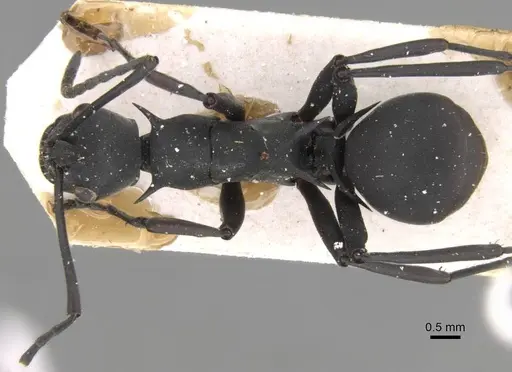
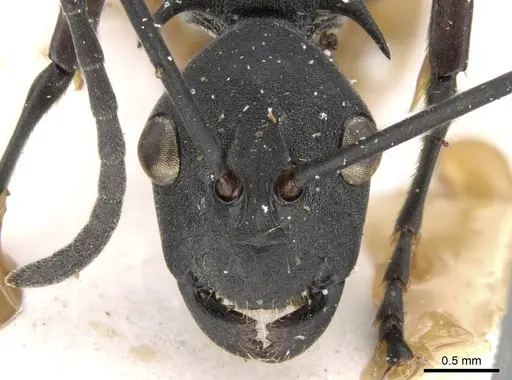
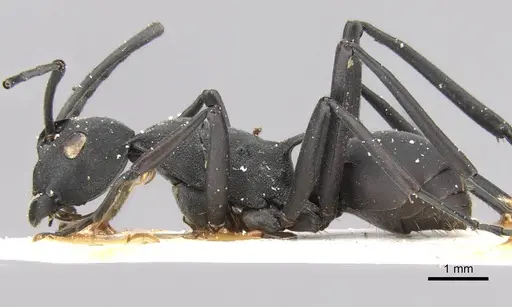
CASENT0910882
View on AntWeb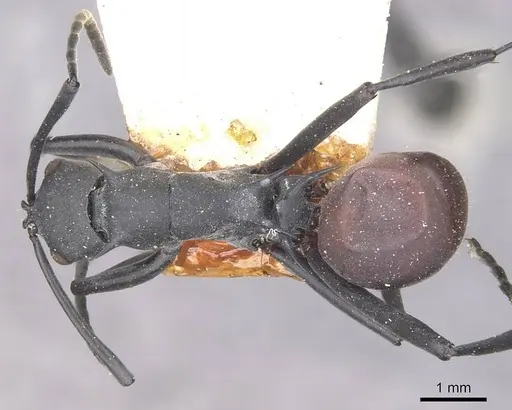
Literature
Loading...Loading products...