

Polyrhachis brevinoda
- Scientific Name
- Polyrhachis brevinoda
- Subgenus
- Cyrtomyrma
- Tribe
- Camponotini
- Subfamily
- Formicinae
- Author
- Kohout, 2006
- Distribution
- Found in 1 countries
Polyrhachis brevinoda Overview
Polyrhachis brevinoda is an ant species of the genus Polyrhachis. It is primarily documented in 1 countries , including Australia. Detailed taxonomic data and occurrence records can be further explored via authoritative databases such as AntWeb or the Global Biodiversity Information Facility (GBIF).
Polyrhachis brevinoda
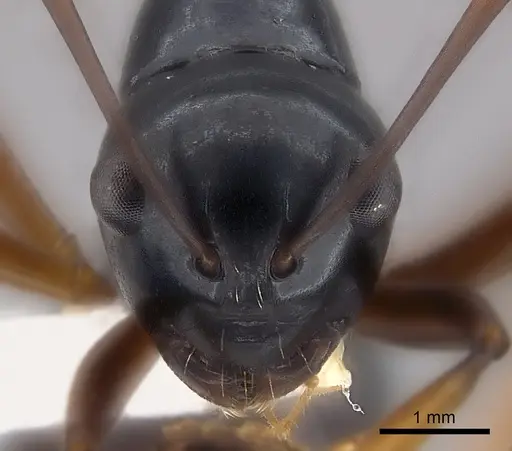
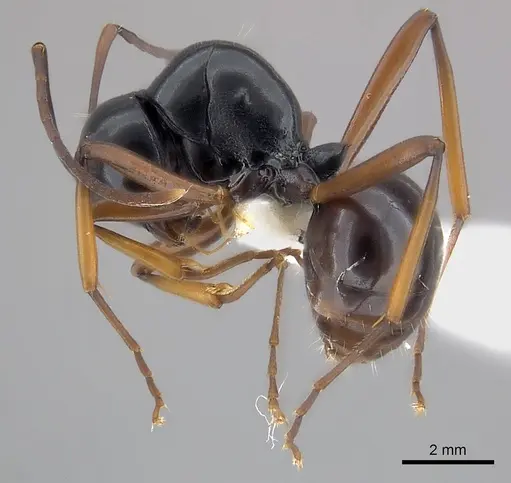
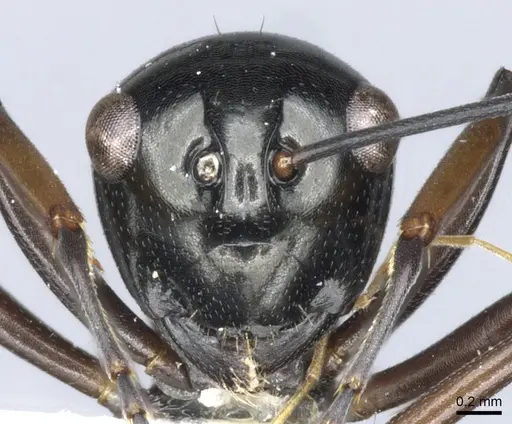
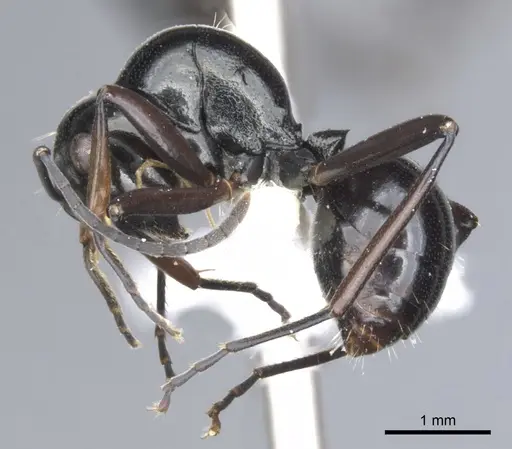
Polyrhachis brevinoda is a small to medium-sized arboreal ant native to the rainforests of north Queensland, Australia and southern Papua New Guinea. Workers measure 4.89-6.05mm and are predominantly black with dark reddish-brown legs and antennae. They belong to the subgenus Cyrtomyrma, characterized by their very short petiolar spines that are reduced to small denticles. The species builds distinctive silk nests between leaves in the lower arboreal zone of rainforests, using silk to bind foliage together into protective chambers. Unlike many ants, they produce naked pupae without cocoons. This is a relatively newly described species (2006) with limited research available on its captive care.
Quick Summary
- Difficulty: Medium
- Origin & Habitat: Rainforests of the Wet Tropics region in north Queensland, Australia, extending to Cape York Peninsula and southern Papua New Guinea. A single specimen has also been recorded from the West Kimberly District in north-western Australia [1].
- Colony Type: Single-queen colonies (monogyne) are typical for this genus, though colony structure has not been extensively studied for this specific species.
- Colony: Monogyne
- Founding: Claustral
- Size & Growth:
- Queen: Approximately 6.75mm [1]
- Worker: 4.89-6.05mm [1]
- Colony: Unknown for this specific species, Polyrhachis colonies typically range from dozens to several hundred workers
- Growth: Moderate, based on typical Polyrhachis patterns
- Development: Estimated 6-8 weeks based on related Formicinae species at optimal temperature (Development time is not specifically documented for this species, estimates based on genus-level patterns for tropical arboreal ants)
- Antkeeping:
- Temperature: Keep at 24-28°C. As a tropical rainforest species from north Queensland, they need warm, stable temperatures. A heating cable on one side of the nest creates a suitable gradient.
- Humidity: High humidity required, aim for 70-80%. These rainforest ants need consistently moist conditions. Keep the nest substrate damp but not waterlogged, with some drier areas available for the ants to regulate their own humidity preferences.
- Diapause: No, as a tropical species from the Wet Tropics region, they do not require hibernation. Maintain warm conditions year-round.
- Nesting: Arboreal nesters that build silk nests between leaves. In captivity, they do well in naturalistic setups with vertical space and live plants or artificial foliage they can bind with silk. Y-tong (AAC) nests or acrylic nests with roughened surfaces also work well. Provide twigs, leaves, or cork bark pieces they can use for nest construction.
- Behavior: Generally peaceful and non-aggressive compared to some other Formicinae. They are arboreal by nature, so they spend most of their time climbing rather than walking on flat surfaces. Workers are moderately active and will forage for honeydew and small prey. Escape risk is moderate, they are good climbers but not particularly small, so standard escape prevention measures work well. They may be more skittish than ground-nesting species and may abandon exposed foraging areas if disturbed.
- Common Issues: high humidity requirements can lead to mold problems if ventilation is inadequate, arboreal nature means they need vertical space and climbing structures, standard horizontal nests may not be ideal, limited availability in the antkeeping hobby since the species was only described in 2006, wild-caught colonies may be difficult to find as they nest in tree foliage, silk-nesting behavior requires specific setup considerations that differ from typical ground-nesting ants
Nest Preferences and Housing
Polyrhachis brevinoda is an arboreal species that naturally builds silk nests between leaves in the lower canopy of rainforests. In captivity, you should provide vertical space and materials they can use for nest construction. Naturalistic setups with live plants or artificial foliage work best, the ants will bind leaves together with silk to create chambers, just as they would in the wild. Alternatively, Y-tong (AAC) nests or acrylic nests with roughened internal surfaces provide good alternatives. Include small twigs, pieces of cork bark, or artificial leaves in the outworld for them to build between. The key is providing vertical climbing surfaces and materials they can manipulate with silk. These ants are not ground-nesters, so horizontal test tube setups are not ideal for established colonies. [1]
Feeding and Diet
Like other Polyrhachis species, these ants are omnivorous with a preference for honeydew and small invertebrates. In captivity, offer sugar water or honey water as a constant energy source. For protein, provide small live prey such as fruit flies, small crickets, or mealworm pieces. They may also accept commercial ant foods, but live prey is preferable for a rainforest species. Feed protein sources 2-3 times per week, and keep sugar water available at all times. Observe your colony's preferences, some individuals may favor certain foods over others. Unlike some ground-nesting species, they may not readily accept seeds or dry foods.
Temperature and Humidity
As a tropical rainforest species from north Queensland's Wet Tropics, Polyrhachis brevinoda requires warm and humid conditions. Maintain temperatures between 24-28°C year-round, they do not tolerate cool conditions well. Use a heating cable or mat on one side of the nest to create a temperature gradient, allowing the ants to regulate their own body temperature by moving between warmer and cooler areas. Humidity should be kept high at 70-80%. Mist the nest regularly and ensure the substrate remains damp but never waterlogged. Good ventilation is essential to prevent mold while maintaining humidity, stagnant air causes more problems than slightly lower humidity with good airflow. [1]
Behavior and Colony Dynamics
This is a relatively peaceful arboreal ant species. Workers are active climbers and spend most of their time on vegetation or nest structures rather than the ground. They are not particularly aggressive and will typically flee rather than attack when disturbed. However, they can deliver a mild sting if handled roughly or when defending their nest. The colony will grow gradually, expect several months before you see significant numbers of workers. Queens are relatively robust at 6.75mm and should lay eggs within the first few weeks after mating. The species produces naked pupae (without cocoons), which is characteristic of the subgenus Cyrtomyrma. [1]
Frequently Asked Questions
How long does it take for Polyrhachis brevinoda to raise their first workers?
Based on typical Formicinae development patterns, expect 6-8 weeks from egg to first worker at optimal temperature (24-28°C). The exact timeline has not been documented for this specific species, so monitor your colony and adjust temperature if development seems slow.
What kind of nest should I use for Polyrhachis brevinoda?
They are arboreal silk-nesting ants, so they need vertical space and materials to build between. Naturalistic setups with live plants or artificial foliage work best. Y-tong (AAC) nests or acrylic nests with roughened surfaces are good alternatives. Avoid horizontal test tube setups, they need to climb and build.
Do Polyrhachis brevinoda ants need hibernation?
No. As a tropical rainforest species from north Queensland, they do not require hibernation. Keep them warm year-round at 24-28°C. They are active throughout the year in their natural habitat.
What do Polyrhachis brevinoda eat?
They are omnivorous. Offer sugar water or honey water constantly for energy, and feed small live prey like fruit flies or small crickets 2-3 times per week. They may accept commercial ant foods, but live prey is preferable for this rainforest species.
Are Polyrhachis brevinoda good for beginners?
They are rated as Medium difficulty. While not the easiest species, they are not particularly aggressive and can be kept by hobbyists who can provide the warm, humid conditions and vertical nesting space they require. Their arboreal nature and specific housing needs make them slightly more challenging than typical ground-nesting ants.
How big do Polyrhachis brevinoda colonies get?
Colony size is not specifically documented for this species, but based on typical Polyrhachis patterns, colonies likely reach several dozen to a few hundred workers. They are not among the largest Polyrhachis species.
Where is Polyrhachis brevinoda found in the wild?
They are native to the rainforests of north Queensland, Australia (Wet Tropics region), with distribution extending to Cape York Peninsula and southern Papua New Guinea. A single specimen has also been recorded from the West Kimberly District in north-western Australia.
Can I keep multiple Polyrhachis brevinoda queens together?
This species is typically monogyne (single queen). Combining unrelated queens is not recommended as they are likely to fight. Only keep one queen per colony unless you are attempting pleometrosis (founding with multiple queens) which has not been documented for this species.
Why is my Polyrhachis brevinoda colony not building silk nests?
They may not build silk nests in captivity if they don't have suitable materials or if the humidity is too low. Provide artificial leaves, cork bark pieces, or other thin materials they can bind with silk. Ensure humidity is high (70-80%). Some colonies may simply prefer to nest in provided cavities rather than build silk structures.
References

This caresheet is licensed under CC BY-SA 4.0 .
CASENT0217422
View on AntWeb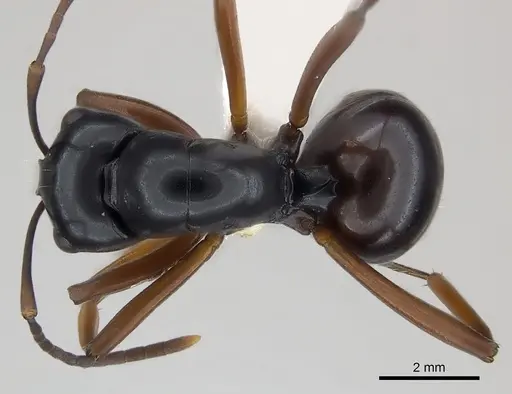
CASENT0903419
View on AntWeb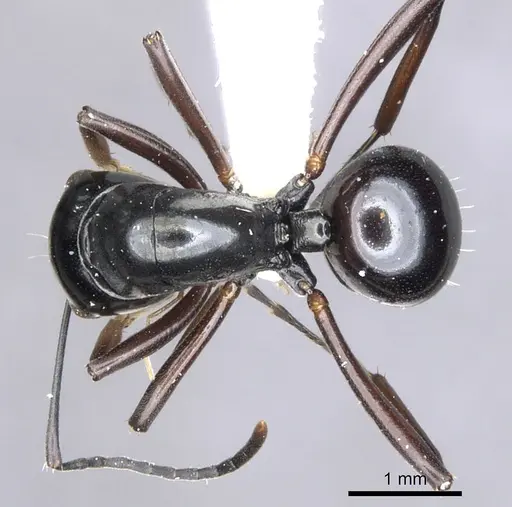
Literature
Loading...Loading products...