

Polyrhachis boltoni
- Scientific Name
- Polyrhachis boltoni
- Subgenus
- Hemioptica
- Tribe
- Camponotini
- Subfamily
- Formicinae
- Author
- Dorow & Kohout, 1995
- Distribution
- Found in 2 countries
Polyrhachis boltoni Overview
Polyrhachis boltoni is an ant species of the genus Polyrhachis. It is primarily documented in 2 countries , including Indonesia, Malaysia. Detailed taxonomic data and occurrence records can be further explored via authoritative databases such as AntWeb or the Global Biodiversity Information Facility (GBIF).
Polyrhachis boltoni
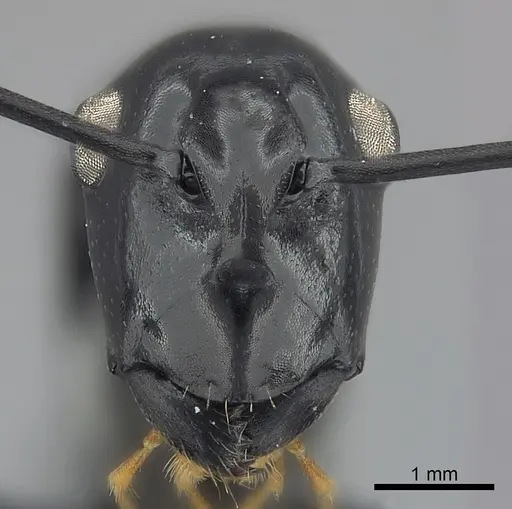
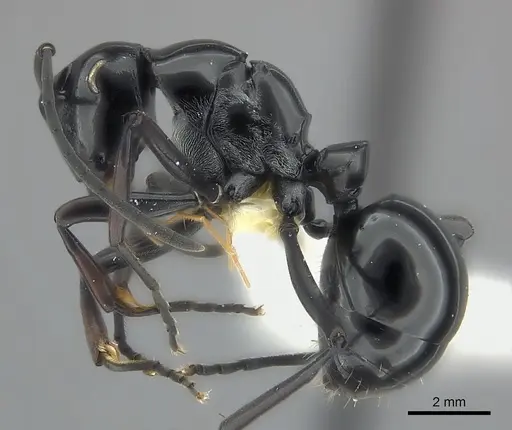
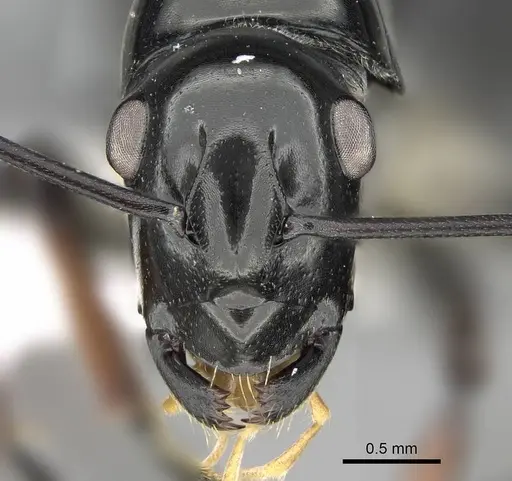
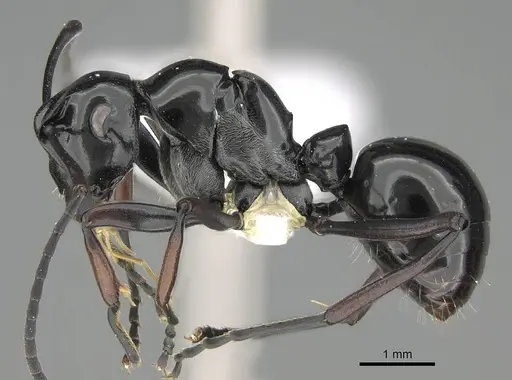
Polyrhachis boltoni is a medium-sized arboreal ant native to the rainforests of Borneo, Brunei, Malaysia, and Indonesia. Workers measure 6.35-7.60mm and are jet black with a highly polished body surface, sometimes showing reddish-brown coloration on the front and middle tibiae. They have distinctive large eyes with unusual posterior blinkers and a distinctly elongated face. This species is a member of the subgenus Hemioptica, known for their silk-weaving behavior when constructing nests. Unlike many ground-nesting ants, P. boltoni builds nests in trees, typically 1.8-4 meters high, using a coarsely woven silk net decorated with dead leaves, wood fragments, and other detritus. The species appears to be polydomous, meaning a single colony occupies multiple connected nests across tree canopy locations [1].
Quick Summary
- Difficulty: Medium
- Origin & Habitat: Lowland dipterocarp rainforests of Borneo, Brunei, Malaysia, and Indonesia. Nests are built arboreally in trees, typically 1.8-4 meters high on leaves, in secondary and primary forest areas [2][1].
- Colony Type: Polydomous, colonies likely occupy multiple connected nests in the canopy. No queen was found in studied nests, suggesting the colony spreads across several arboreal locations. Alates (reproductive ants) were collected from January-February, with a dealate queen collected in late February [1].
- Colony: Monogyne
- Size & Growth:
- Queen: 7.86-8.16mm [1]
- Worker: 6.35-7.60mm [1]
- Colony: 50-85 workers per nest, with multiple nests per colony likely [1]
- Growth: Moderate, estimated based on tropical arboreal ant patterns
- Development: Estimated 6-8 weeks at optimal tropical temperatures based on related Polyrhachis species (Development time is estimated, no specific study found for this species. Tropical species typically develop faster than temperate ones.)
- Antkeeping:
- Temperature: Keep at 24-28°C. As a tropical rainforest species, they need consistently warm conditions. A heating cable on one side of the nest creates a gradient allowing the ants to self-regulate [1].
- Humidity: High humidity (70-85%) is essential. Their natural rainforest canopy habitat is consistently humid. Use a moist setup but ensure ventilation to prevent mold. Mist occasionally and keep nesting area damp but not waterlogged [1].
- Diapause: No, as a tropical species from Southeast Asian rainforests, they do not require hibernation. Keep them warm year-round [1].
- Nesting: Arboreal setup is critical. These ants build silk-woven nests attached to leaves in trees. In captivity, provide materials they can weave with, small leaf pieces, plant matter, and substrates they can incorporate into silk structures. A naturalistic setup with vertical space, live plants or artificial leaves, and weaving materials works best. Avoid fully enclosed test tube setups, they need to construct their characteristic silk and detritus nests [3][4].
- Behavior: P. boltoni is diurnal, with workers actively foraging during daytime hours. They collect detritus from leaves and rotting wood, showing they are scavengers/foragers rather than aggressive predators. Workers are not particularly aggressive and will flee rather than fight when disturbed. Their small size (under 8mm) and arboreal nature mean they can be skilled escape artists, use excellent escape prevention even though they aren't tiny. They are peaceful colony inhabitants that prefer to avoid confrontation [1].
- Common Issues: arboreal nesting requirements make setup challenging, they need vertical space and weaving materials, not standard test tubes, high humidity needs can lead to mold problems if ventilation is poor, escape prevention is important, they will use any gap to reach the canopy, polydomous colonies may be stressed in single-nest setups, consider providing multiple connected nesting areas, tropical warmth requirements year-round mean no winter breaks, consistent heating is essential
Housing and Nest Setup
P. boltoni requires an arboreal setup that mimics their natural rainforest canopy habitat. These ants will not thrive in standard test tube setups or ground-based formicariums. Instead, create a naturalistic setup with vertical space, branches, live or artificial plants, and leaves where they can build their silk-woven nests. Provide materials like small leaf fragments, wood pieces, cotton fibers, or other detritus that they can incorporate into their characteristic silk nets. The nest should be attached to a vertical surface or leaf-like structure, positioned at least 30cm above the floor of the enclosure. Include a water source and ensure the setup maintains high humidity (70-85%) while allowing adequate ventilation to prevent mold. Some keepers use mesh-sided enclosures or bioactive setups with live plants to maintain humidity while providing airflow [3][4][1].
Feeding and Diet
In the wild, P. boltoni workers forage during the day collecting detritus from leaves and rotting wood, including insect remains and fungus material. They are scavengers/foragers rather than active predators. In captivity, offer a varied diet including sugar sources (honey water, sugar water) and protein (small insects like fruit flies, pinhead crickets, mealworms). They will likely accept soft fruits and protein-based foods. Feed small amounts 2-3 times per week, removing uneaten food after 24-48 hours to prevent mold in the humid setup. Fresh water should always be available. Because they collect detritus naturally, you might also offer small pieces of decaying leaves or wood as enrichment [1].
Temperature and Humidity
As a tropical rainforest species from Southeast Asia, P. boltoni needs warm, humid conditions year-round. Maintain temperatures between 24-28°C (75-82°F) consistently. Use a heating cable on one side of the nesting area to create a temperature gradient, allowing ants to self-regulate. Place the heating element on top of the nest area rather than underneath to avoid evaporating moisture too quickly. Humidity should be kept at 70-85%, this is critical for their health and nesting behavior. Use a moisture-retaining substrate or mist the enclosure regularly, but ensure adequate ventilation to prevent stagnant air and mold growth. Do not allow temperatures to drop below 22°C for extended periods, and avoid dry conditions which can be fatal to these canopy-dwelling ants [1].
Colony Structure and Polydomy
P. boltoni appears to be polydomous, a single colony occupies multiple connected nests in different locations within the canopy. This is unusual among ants and has important implications for captivity. In the wild, studied nests contained 50-85 workers each, with 21-29 alate females and 8-9 males. No queen was found in these nests, suggesting the colony spreads its population across several arboreal locations. In captivity, this may cause stress if the colony is confined to a single nest. Consider providing multiple connected nesting areas or a larger naturalistic setup that allows them to establish several nest sites. The colony likely has a single queen in one location, with satellite nests housing workers and brood. Understanding this polydomous structure helps explain why they need more space than typical single-nest ant colonies [1].
Behavior and Activity
P. boltoni is strictly diurnal, workers are active during daylight hours and rest at night. During the day, foragers venture out to collect detritus from leaves and rotting wood, showing a preference for scavenging over hunting. At night, workers remain inside the nest, sitting regularly distributed on the leaf surface. They are not aggressive and will typically flee when threatened rather than engage in combat. Their large eyes with distinctive posterior blinkers may be an adaptation for navigating the complex three-dimensional canopy environment. Workers are monomorphic, meaning all workers are roughly the same size. They are peaceful colony members that prefer to avoid confrontation, making them suitable for observation-focused antkeepers who want to watch their interesting weaving and foraging behaviors [1].
Frequently Asked Questions
Can I keep Polyrhachis boltoni in a test tube?
No, standard test tube setups are not suitable for P. boltoni. This is an arboreal species that builds silk-woven nests attached to leaves in trees. They need a naturalistic setup with vertical space, branches or leaves for nesting, and materials they can weave together. A test tube would prevent their natural nesting behavior and likely stress the colony.
What is the best nest type for Polyrhachis boltoni?
A naturalistic arboreal setup is essential. Provide vertical structures like branches, artificial leaves, or live plants where they can build their silk-woven nests. Include materials like small leaf fragments, wood pieces, and cotton fibers that they can incorporate into nest construction. The nesting area should be positioned above the ground with high humidity (70-85%) and temperatures of 24-28°C.
How long does it take for Polyrhachis boltoni to produce first workers?
Exact development time is unconfirmed for this species, but based on related tropical Polyrhachis species, expect 6-8 weeks from egg to worker at optimal temperatures (24-28°C). Queens likely seal themselves in during founding (claustral), as is typical for the subgenus Hemioptica, but this needs confirmation.
Are Polyrhachis boltoni good for beginners?
P. boltoni is not ideal for beginners due to their specific arboreal nesting requirements, need for high humidity, and year-round tropical warmth. They need a naturalistic setup rather than simple test tubes, which requires more experience. However, they are not aggressive and their interesting silk-weaving behavior makes them rewarding for intermediate to advanced antkeepers who can provide the proper setup.
Do Polyrhachis boltoni need hibernation?
No, as a tropical rainforest species from Southeast Asia, P. boltoni does not require hibernation or winter cooling. Keep them warm year-round at 24-28°C. Unlike temperate ant species, they have no diapause requirement and maintaining consistent tropical conditions is essential for their health.
What do Polyrhachis boltoni eat?
P. boltoni is a scavenger/forager that collects detritus in the wild. In captivity, offer sugar sources (honey water, sugar water) and protein (small insects like fruit flies, mealworms, pinhead crickets). They will likely accept soft fruits and decaying plant matter. Feed 2-3 times per week with fresh water always available.
How big do Polyrhachis boltoni colonies get?
Each nest contains 50-85 workers, but since this is a polydomous species, a single colony likely occupies multiple connected nests. Total colony size in the wild probably reaches several hundred workers. In captivity, expect moderate growth over time with proper care.
Can I keep multiple queens together?
P. boltoni appears to be monogyne (single queen per colony) but polydomous (multiple nest sites). The colony structure involves one queen in a primary nest location with satellite nests for workers. Combining unrelated queens has not been studied and is not recommended. The polydomous nature means they may benefit from multiple connected nesting areas rather than multiple queens.
Why are my Polyrhachis boltoni dying?
Common causes include: low humidity (below 70%), temperatures below 22°C, inappropriate nesting setup (test tubes or ground nests), poor ventilation causing mold, or insufficient space for their polydomous colony structure. Review humidity, temperature, and ensure they have an arboreal setup with weaving materials. These are challenging ants that require specific conditions.
References

This caresheet is licensed under CC BY-SA 4.0 .
CASENT0217421
View on AntWeb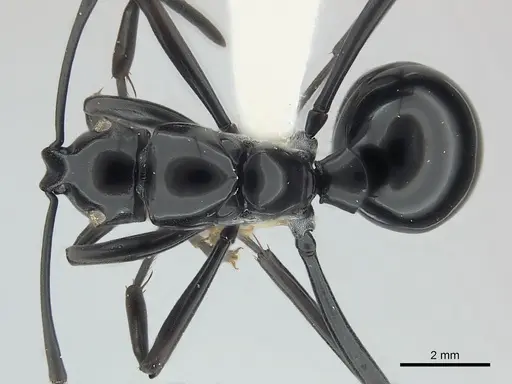
CASENT0919848
View on AntWeb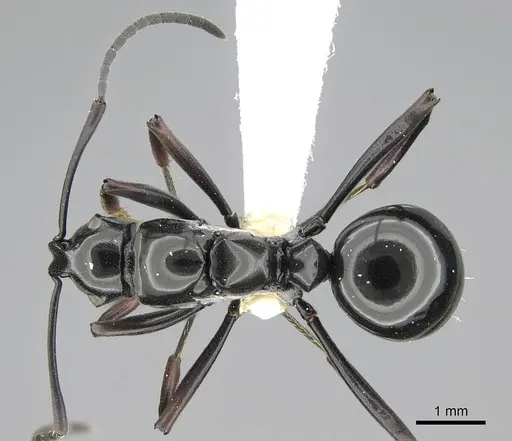
Literature
Loading...Loading products...