

Polyrhachis bismarckensis
- Scientific Name
- Polyrhachis bismarckensis
- Subgenus
- Myrmhopla
- Tribe
- Camponotini
- Subfamily
- Formicinae
- Author
- Forel, 1901
- Distribution
- Found in 1 countries
Polyrhachis bismarckensis Overview
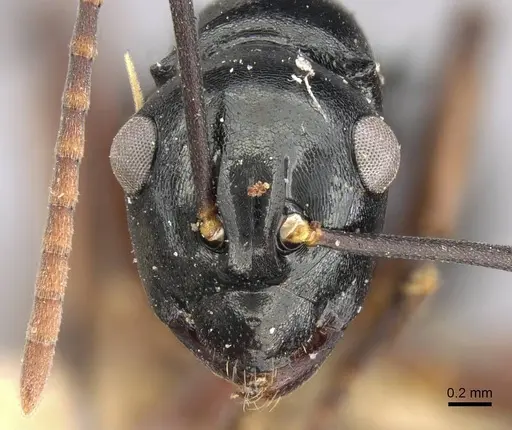
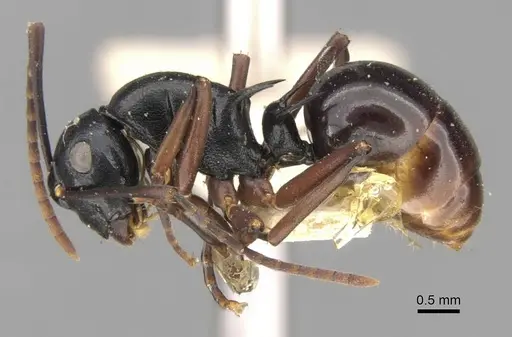
Polyrhachis bismarckensis is an ant species of the genus Polyrhachis. It is primarily documented in 1 countries , including Papua New Guinea. Detailed taxonomic data and occurrence records can be further explored via authoritative databases such as AntWeb or the Global Biodiversity Information Facility (GBIF).
Polyrhachis bismarckensis
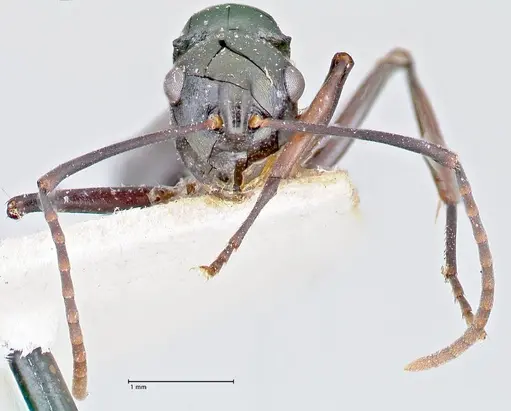
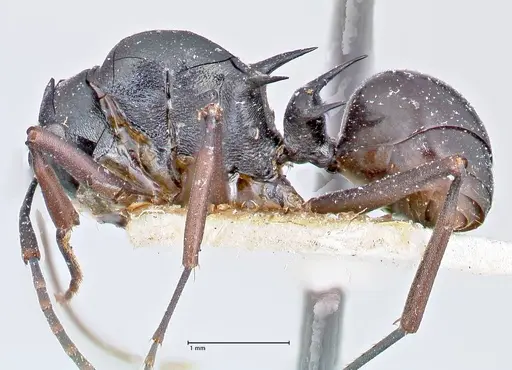
Polyrhachis bismarckensis is a tropical arboreal ant native to the Bismarck Archipelago and Papua New Guinea region [1]. These ants belong to the subgenus Myrmhopla (mucronata-group), characterized by their distinctive curved spines and metallic sheen [2]. Workers are moderate-sized for the genus and display the typical Polyrhachis morphology with spines projecting from the mesosoma. As arboreal ants, they construct nests in trees and shrubs using silk to bind leaves or other plant materials together, creating protective chambers for their colony [2][3].
Quick Summary
- Difficulty: Medium
- Origin & Habitat: Native to New Britain and Papua New Guinea. This species lives in tropical arboreal habitats, building nests in trees and shrubs using silk to bind plant materials [1][2].
- Colony Type: Polygyne, colonies contain multiple queens that work together [3]. The species is also polydomous, meaning colonies occupy multiple connected nests spread across their arboreal territory [2].
- Colony: Polygyne
- Size & Growth:
- Queen: Estimated 10-12mm based on genus patterns for Myrmhopla subgenus
- Worker: Estimated 6-9mm based on genus patterns
- Colony: Likely moderate to large colonies, polygyne Polyrhachis colonies often reach several hundred workers
- Growth: Moderate, typical for tropical arboreal ants
- Development: Estimated 6-8 weeks at tropical temperatures (25-28°C) based on related Polyrhachis species (Development time is estimated from related species in the genus, direct measurements unavailable for this specific species)
- Antkeeping:
- Temperature: Keep at 24-28°C. As a tropical species from Papua New Guinea, they need consistently warm conditions. A small heating cable on one side of the nest creates a temperature gradient [2].
- Humidity: Maintain moderate to high humidity (60-80%). Arboreal ants prefer humid conditions but need ventilation to prevent mold. Mist the outworld regularly and keep the nest substrate slightly moist [2][3].
- Diapause: No, this is a tropical species that does not require hibernation. Keep temperatures consistent year-round.
- Nesting: Arboreal setup is ideal. Provide vertical space with branches, cork bark, or a Y-tong nest with added vertical elements. They use silk to construct nests, so include materials they can manipulate. A naturalistic terrarium-style setup with live plants and branches works well [2].
- Behavior: Generally peaceful and non-aggressive compared to many arboreal ants. Workers are active foragers that search for honeydew and small prey in the vegetation layer. They are moderate escape artists, their size makes them capable of finding gaps, but they are not as small as some tiny ant species. They construct silk nests and will readily use provided materials to build chambers. Polygyne colonies tend to be stable with multiple queens present [3].
- Common Issues: tropical temperature requirements mean colonies can struggle in cool rooms, heating is essential, arboreal setup needs vertical space and enrichment, horizontal-only nests may limit colony development, polygyne colonies can be sensitive to disturbance during queen establishment, avoid frequent colony inspections, silk-nesting behavior requires appropriate materials, without suitable nesting options, they may not thrive, humidity balance is critical, too wet causes mold, too dry causes desiccation
Housing and Nest Setup
Polyrhachis bismarckensis requires an arboreal-focused setup that mimics their natural tree-dwelling lifestyle. Unlike ground-nesting ants, these ants need vertical space and materials they can use for silk nest construction. A naturalistic terrarium with cork bark, branches, and live plants provides ideal conditions. Alternatively, a Y-tong nest with added vertical chambers and cork bark pieces works well. The key is providing elevated spaces and materials the ants can manipulate. Include small pieces of leaves, cotton, or fabric they can bind with silk. Ensure the outworld has branches or mesh that allows them to forage at different heights. Escape prevention should be moderate, these ants are not extremely small, but they are agile climbers [2].
Feeding and Diet
In the wild, Polyrhachis bismarckensis forages for honeydew from aphids and scale insects, and hunts small insects. In captivity, offer a varied diet including sugar water or honey as a constant energy source. Protein should come from small insects like fruit flies, small crickets, or mealworms. Feed protein sources 2-3 times per week, and replace sugar water every few days. Fresh water should always be available. These ants are not extreme predators but will accept most standard ant foods. Observe your colony's preferences, some colonies favor sugar while others focus more on protein. Remove uneaten prey after 24 hours to prevent mold [4].
Temperature and Heating
As a tropical species from Papua New Guinea, Polyrhachis bismarckensis requires warm temperatures year-round. Keep the nest area between 24-28°C. Room temperature alone is often insufficient, especially in cooler climates. Use a small heating cable or heating mat placed on one side of the nest to create a gentle temperature gradient. This allows the ants to self-regulate by moving to warmer or cooler areas. Avoid direct heat on the nest as it can dry out the colony. A thermostat controller helps maintain stable temperatures. Consistent warmth is more important than extreme heat, avoid temperatures above 32°C. The tropical origin means they have no diapause requirement and should be kept warm throughout the year [2].
Colony Structure and Multi-Queen Care
This species is polygyne, meaning colonies naturally contain multiple reproductive queens that coexist and work together [3]. This has important implications for captive care. Unlike monogyne species where you should only have one queen, polygyne colonies can support multiple queens from the start. The presence of multiple queens often leads to faster colony growth and greater colony stability. However, avoid combining unrelated foundress queens in captivity, while wild colonies are polygyne, introducing unfamiliar queens can sometimes lead to aggression. If starting with a wild colony, maintain the queen structure as found. Polygyne colonies are also polydomous, they maintain multiple nests within their territory [2]. In captivity, this means they may utilize several nesting areas if provided.
Silk Nesting Behavior
Polyrhachis bismarckensis belongs to a group of ants that use silk to construct their nests. Workers produce silk from labial glands and use it to bind together leaves, plant fibers, or other materials to create protective chambers [2]. This behavior is similar to weaver ants (Oecophylla) but Polyrhachis typically creates more enclosed, cocoon-like structures. In captivity, provide materials they can work with: small leaf pieces, cotton fibers, tissue paper, or dried moss. Place these materials in the outworld or within the nest. The ants will arrange and bind these materials with silk to create nest chambers. This behavior is fascinating to observe and providing appropriate materials encourages natural nest-building. The presence of cocooned pupae also indicates their silk-producing capability [2].
Growth and Development
Colony growth follows typical ant patterns but may be slightly slower than ground-nesting species due to their arboreal lifestyle. After a queen establishes and lays eggs, expect the first workers (nanitics) to emerge in approximately 6-8 weeks at optimal temperatures. Initial colony growth is slow, the queen alone tends the first brood. Once nanitics arrive, growth accelerates as they assist with brood care and foraging. Polygyne colonies often grow faster than single-queen colonies due to multiple egg-layers. Expect moderate colony size (several hundred workers) over 1-2 years with good care. Growth rate responds well to consistent warmth, proper feeding, and adequate space. Avoid disturbing the queen during founding, stress can cause queen abandonment or brood consumption [4].
Frequently Asked Questions
How long does it take for Polyrhachis bismarckensis to produce first workers?
At optimal temperatures (24-28°C), expect first workers in approximately 6-8 weeks after the queen begins laying eggs. This estimate is based on related Polyrhachis species, as specific development data for bismarckensis is unavailable. Consistent warmth accelerates development, while cool temperatures can significantly delay it.
Can I keep multiple queens together in one colony?
Yes, this species is naturally polygyne, meaning colonies contain multiple queens that work together [3]. Unlike monogyne species, you do not need to separate queens. However, avoid combining unrelated foundress queens as they may fight. If starting with a wild colony, maintain the existing queen structure.
What temperature do Polyrhachis bismarckensis ants need?
Keep them at 24-28°C. As a tropical species from Papua New Guinea, they need consistent warmth. Room temperature alone is often insufficient. Use a small heating cable on one side of the nest to create a gradient, and monitor with a thermometer. Avoid temperatures above 32°C.
Do Polyrhachis bismarckensis ants need hibernation?
No, this is a tropical species that does not require hibernation or diapause. Keep temperatures consistent year-round. Do not attempt to cool the colony, as cold temperatures can harm or kill them.
What do Polyrhachis bismarckensis ants eat?
They accept a varied diet: sugar water or honey for energy, and small insects like fruit flies, small crickets, or mealworms for protein. Offer sugar constantly and protein 2-3 times per week. Remove uneaten prey after 24 hours.
Are Polyrhachis bismarckensis good for beginners?
This species is rated as medium difficulty. They are more challenging than common ground-nesting ants like Lasius or Tetramorium because they require arboreal setups, consistent warmth, and specific humidity management. However, they are not as difficult as some specialized species. Experience with at least one previous ant species is recommended.
What type of nest should I use for Polyrhachis bismarckensis?
An arboreal setup works best. A Y-tong nest with added vertical elements and cork bark pieces allows them to construct silk nests. A naturalistic terrarium with branches, cork bark, and live plants is ideal. Provide materials they can bind with silk: small leaves, cotton, or dried moss.
How big do Polyrhachis bismarckensis colonies get?
Based on related polygyne Polyrhachis species, colonies likely reach several hundred workers over 1-2 years with good care. Polygyne colonies tend to grow larger than single-queen colonies due to multiple egg-layers.
Why are my Polyrhachis bismarckensis dying?
Common causes include: temperatures below 24°C (tropical ants are cold-sensitive), low humidity causing desiccation, mold from excessive moisture, or poor ventilation. Check that heating is adequate, humidity is balanced, and the nest has proper airflow. Also ensure they have appropriate nesting materials for silk nest construction.
When should I move my colony to a formicarium?
Move to a formicarium or larger setup when the colony reaches roughly 50-100 workers and the test tube becomes crowded. For arboreal species like this, ensure the new setup provides vertical space and nesting materials for silk construction. A gradual transition with the formicarium connected to the test tube works well.
References

This caresheet is licensed under CC BY-SA 4.0 .
CASENT0906771
View on AntWeb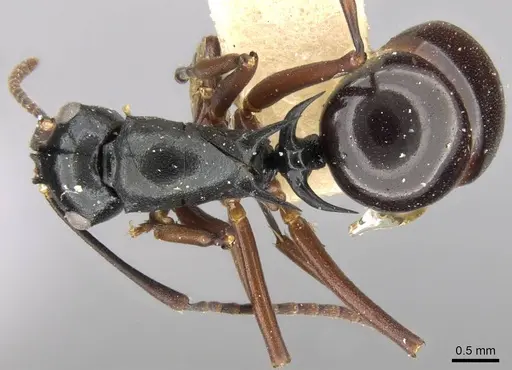
FOCOL2664
View on AntWeb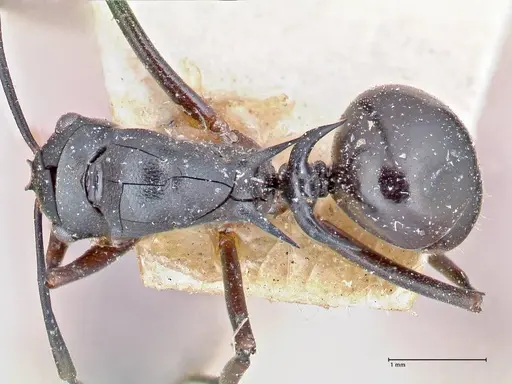
Literature
Loading...Loading products...