

Polyrhachis bihamata
- Scientific Name
- Polyrhachis bihamata
- Tribe
- Camponotini
- Subfamily
- Formicinae
- Author
- Fabricius, 1775
- Distribution
- Found in 9 countries
Polyrhachis bihamata Overview
Polyrhachis bihamata is an ant species of the genus Polyrhachis. It is primarily documented in 9 countries , including Brunei Darussalam, China, Indonesia. Detailed taxonomic data and occurrence records can be further explored via authoritative databases such as AntWeb or the Global Biodiversity Information Facility (GBIF).
Polyrhachis bihamata
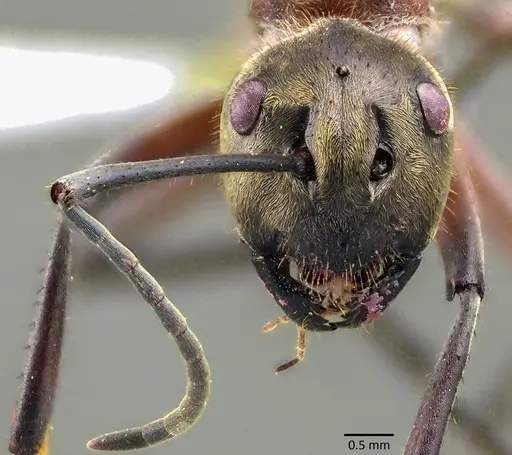
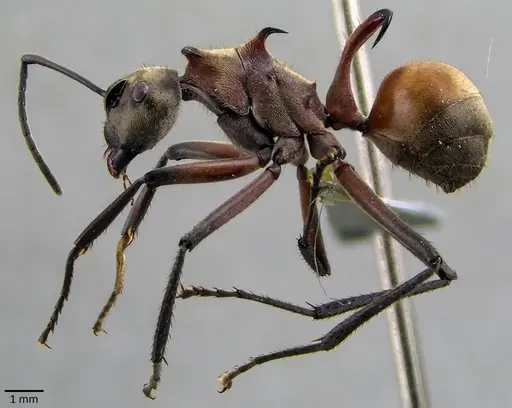
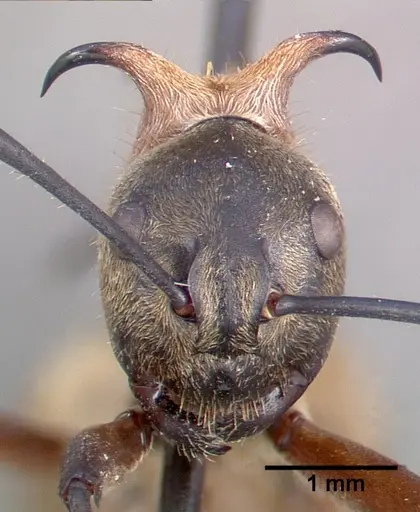
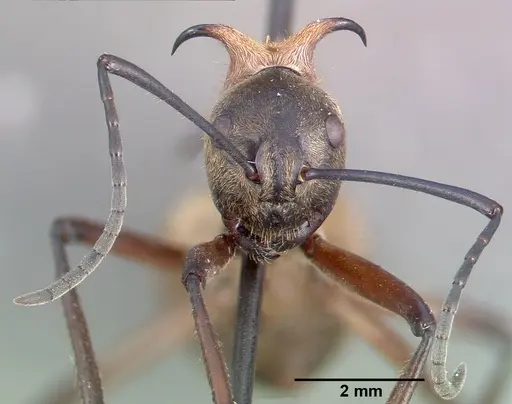
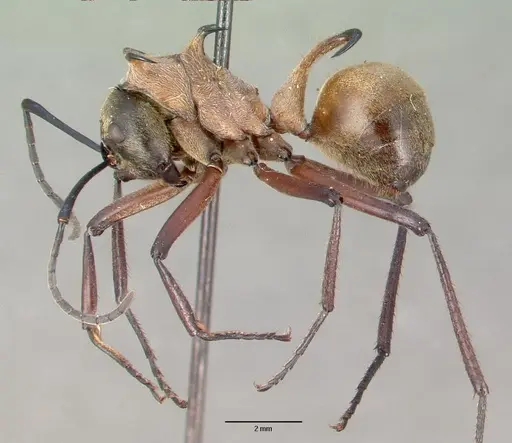
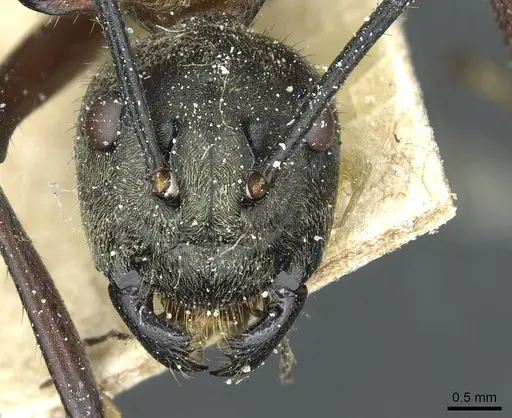
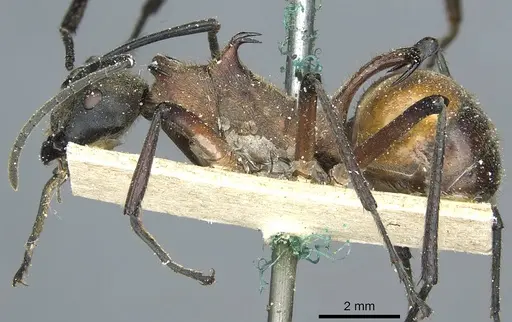
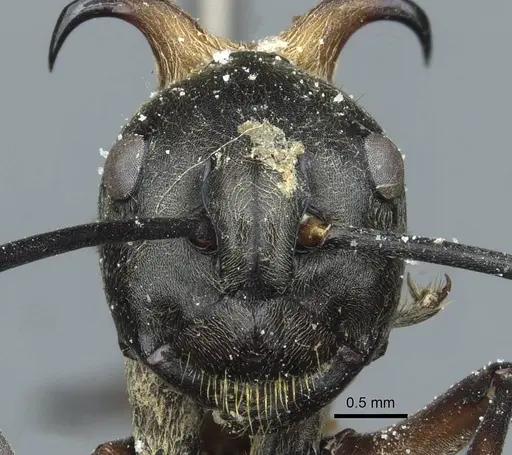
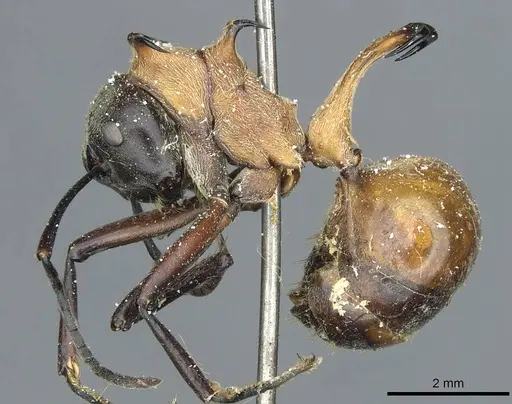
Polyrhachis bihamata is a large, striking ant species native to Southeast Asia, ranging from Vietnam and Thailand through Malaysia to Borneo, Sumatra, and parts of India. Workers measure 9.5-12.0mm and feature a distinctive bicolored pattern: the head, antennae, spine tips, and legs are black, while the mesosoma, petiole, and most of the gaster are a warm orange-brown [1]. Their most recognizable features are the pronotal spines that point backward and the hooked petiolar spines that run parallel for most of their length [1]. This species belongs to the bihamata group within the subgenus Polyrhachis and is known for its arboreal nesting habits, often building nests close to the ground against tree trunks using foliage, woody vines, and silk [2].
What makes P. bihamata stand out from other Polyrhachis species is its dense, golden standing setae (long hairs) covering its body, which separates it from similar species like P. dostali and P. lacroixi that have much reduced pilosity [1]. These ants are diurnal foragers that patrol vegetation in search of honeydew and small prey, and they construct distinctive silk-woven nests by manipulating larval silk [3].
Quick Summary
- Difficulty: Medium
- Origin & Habitat: Southeast Asia, found in Vietnam, Laos, Thailand, Myanmar, Malaysia, Borneo, Sumatra, Java, Bali, the Philippines, India, and southern China. Inhabits primary rainforest environments, nesting close to ground level against tree trunks or inside dead bamboo [2][4].
- Colony Type: Colony structure varies from small monogyne colonies with a few hundred workers to polydomous polygynous colonies with several thousand workers [3]. Multiple queens may coexist in established colonies.
- Colony: Optionally polygyne
- Founding: Claustral
- Size & Growth:
- Queen: Approximately 13.3mm [2]
- Worker: 9.5-12.0mm [1][2]
- Colony: Several hundred to several thousand workers [3]
- Growth: Moderate
- Development: Estimated 6-10 weeks based on typical Polyrhachis development patterns (Development time is inferred from genus-level data, as species-specific timelines are not documented. Polyrhachis species typically have cocooned pupae which adds time to development.)
- Antkeeping:
- Temperature: Keep at 24-28°C. These are tropical ants from warm, humid rainforests. A gentle temperature gradient is beneficial, with the nest area at the warmer end. Avoid temperatures below 20°C for extended periods.
- Humidity: High humidity is essential, aim for 70-85%. These rainforest ants need consistently moist substrate. Provide a water source and mist the outworld occasionally. The nesting area should remain damp but not waterlogged.
- Diapause: No true diapause required. As a tropical species, they do not need hibernation. However, slightly reducing temperatures during winter months (down to around 22°C) may be appropriate if colony activity naturally decreases.
- Nesting: Arboreal nesters in the wild, they build nests against tree trunks using foliage, vines, and silk. In captivity, they do well in naturalistic setups with cork bark or wood pieces, or in acrylic/formicarium nests with plenty of climbing structures. They prefer nests that allow them to weave and attach brood to surfaces. Avoid fully subterranean setups, they need vertical space and surfaces to walk on.
- Behavior: Polyrhachis bihamata is a diurnal, active species that forages on vegetation rather than the ground. They are not particularly aggressive toward keepers but will defend their nest if threatened. Workers are medium-sized and good climbers, they will explore vertical surfaces readily. Escape prevention should be moderate (standard barrier techniques work well for this size). They are not known for biting or stinging significantly. These ants are visual foragers and use their compound eyes extensively for navigation during the day [5].
- Common Issues: high humidity requirements can lead to mold if ventilation is poor, balance is critical, arboreal nesting means they need vertical space and climbing structures, not just horizontal tunnels, wild-caught colonies may be stressed from collection and transport, with higher mortality risk, cocooned pupae require stable humidity, too dry and they desiccate, too wet and they mold, primary forest specialists, they may struggle in secondary habitats or suboptimal captive environments
Housing and Nest Setup
Polyrhachis bihamata requires an arboreal-focused setup rather than a typical horizontal formicarium. In the wild, they nest against tree trunks using foliage and vines, weaving larval silk to bind materials together [2]. For captivity, a naturalistic setup works best: use a vertical frame or acrylic nest with cork bark, twigs, and artificial leaves for workers to walk on and attach brood to. If using a standard formicarium, add multiple perches and ensure the outworld has vertical surfaces. Test tubes can work for founding colonies but should be positioned horizontally with cotton stoppers, then expanded to a larger setup once the colony reaches 20-30 workers. These ants need to be able to hang and walk upside down on surfaces, so smooth vertical walls with textured areas work well. Escape prevention is straightforward for this medium-large size, standard fluon barriers on smooth surfaces are sufficient.
Feeding and Diet
Like most Polyrhachis species, P. bihamata is an opportunistic omnivore with a preference for sweet liquids and protein. In nature, they feed on hemipteran honeydew, extrafloral nectar, and small arthropod prey [3]. In captivity, offer a constant sugar source such as sugar water, honey, or diluted maple syrup in a shallow container. For protein, provide small insects like fruit flies, small crickets, or mealworms. They are diurnal foragers, so offer food during daylight hours for best acceptance. Remove uneaten protein within 24-48 hours to prevent mold. Some keepers report that Polyrhachis accept fruit and small amounts of cake frosting as occasional treats. Feed protein 2-3 times per week for established colonies, and sugar water continuously. Founding colonies will need small prey items they can subdue.
Temperature and Humidity Management
These tropical ants require warm, humid conditions year-round. Maintain temperatures between 24-28°C in the nest area, with a slight gradient allowing workers to choose their preferred zone. A low-wattage heating cable or mat placed on one side of the nest can help maintain warmth without drying out the setup. Humidity should stay at 70-85%, this is critical for brood development, especially for their cocooned pupae. Use a water reservoir connected to the nest via cotton or a hydration system, and mist the outworld occasionally. However, balance humidity with adequate ventilation to prevent mold growth, which can be fatal to colonies. The substrate or hydration chamber should feel consistently damp but never sitting in standing water. If you see condensation constantly pooling, increase ventilation, if the nest appears dry or workers cluster excessively at water sources, increase humidity. [2][3]
Colony Development and Growth
Polyrhachis bihamata colonies develop moderately fast compared to many Formicinae. Queens are large at ~13.3mm and are likely claustral, sealing themselves into a chamber to raise the first brood on stored fat reserves [2]. First workers (nanitics) will be smaller than mature workers but should emerge within 6-10 weeks under optimal conditions. The colony will grow from there, typically reaching several hundred workers within the first year under good care. Unlike some ants that have exposed pupae, Polyrhachis species have cocooned pupae, which means you may not see the pupae clearly until they near eclosion. Cocoons require stable humidity, too dry and they desiccate, too wet and they mold. Workers will attach brood to vertical surfaces in the nest, which is normal behavior for this arboreal species. Colony growth rate is moderate, faster than Camponotus but slower than Crematogaster or small Myrmicinae.
Behavior and Foraging
Polyrhachis bihamata is a diurnal, arboreal forager that spends most of its time walking on vegetation and tree surfaces in search of food [3]. Workers are active during the day and will readily explore vertical surfaces in the enclosure. They are not particularly aggressive but will bite defensively if their nest is threatened, the bite is not medically significant for humans. These ants have well-developed compound eyes and ocelli, which they use for visual navigation during their daytime foraging activities [5]. In captivity, they will readily take sugar water from droppers or shallow dishes and will hunt small prey items. Workers are medium-large and can be handled with reasonable care, though they are faster than some slower Camponotus species. They do not form supercolonies and are not considered invasive.
Seasonal Care
As a tropical species from Southeast Asian rainforests, Polyrhachis bihamata does not require true hibernation or diapause. However, slight seasonal adjustments may benefit established colonies. During winter months in temperate climates, you can reduce temperatures by a few degrees (to around 22-24°C) if colony activity naturally decreases, but this is optional rather than required. More important than temperature cycles is maintaining consistent humidity year-round, dry winter air from heating can quickly desiccate colonies. If your home heating dries the air significantly, consider using a humidifier in the room or reducing ventilation slightly. Do not reduce food during winter unless the colony is clearly less active. These ants do not store food like some species, so consistent feeding year-round is important. Avoid any temperature drops below 18°C, as prolonged cool conditions can weaken and kill colonies. [2]
Frequently Asked Questions
Is Polyrhachis bihamata good for beginners?
Polyrhachis bihamata is rated as medium difficulty. While not the easiest starter species, they are more forgiving than some exotic rainforest ants. The main challenges are their need for high humidity and arboreal-style housing with vertical climbing surfaces. If you can maintain consistent warmth and humidity, and provide a setup with climbing space, they are a rewarding species to keep.
How long does it take for the first workers to emerge?
Based on typical Polyrhachis development, expect first workers (nanitics) within 6-10 weeks after the queen lays her first eggs, assuming temperatures around 26°C. This timeline is estimated from genus-level data, as species-specific development times are not documented. The first workers will be smaller than mature workers but should quickly begin foraging.
What do Polyrhachis bihamata ants eat?
They are omnivores with a sweet tooth. Offer constant access to sugar water, honey, or diluted maple syrup. For protein, feed small insects like fruit flies, pinhead crickets, or small mealworms 2-3 times per week. They are diurnal feeders, so offer food during daylight hours for best acceptance.
Can I keep multiple queens together?
Polyrhachis bihamata can be facultatively polygynous, meaning colonies may have multiple queens. However, introducing unrelated queens to an established colony is risky and not recommended. If you catch a foundress, keep her alone until she establishes her first workers, then consider options if the colony grows large.
What type of nest do they need?
They need an arboreal-style setup with vertical climbing surfaces. A naturalistic setup with cork bark, twigs, and artificial leaves works well. They will attach brood to vertical surfaces, so avoid fully horizontal tunnel-style formicariums. Acrylic nests with chambers and perches, or custom vertical setups, are ideal.
Do they need hibernation?
No. As a tropical Southeast Asian species, they do not require hibernation or a diapause period. Maintain warm temperatures (24-28°C) year-round. Slight temperature reductions in winter are optional but not required.
How big do colonies get?
Colonies can reach several thousand workers in the wild. In captivity, well-established colonies commonly reach 500-2000 workers. Growth is moderate, expect significant growth in the first year under good conditions.
Why are my ants dying?
The most common causes are: low humidity (below 60%), temperatures below 20°C, mold from poor ventilation, or stress from wild collection. Check that the nest substrate is consistently moist, temperatures are in the 24-28°C range, and ventilation is adequate. Wild-caught colonies often have higher initial mortality.
When should I move them to a larger setup?
Move from a founding test tube to a larger nest once the colony reaches 20-30 workers or when the test tube becomes crowded. Signs include workers clustering at the cotton, brood piled up, or the queen moving toward the water tube. Have the new setup ready before the move.
Are they escape artists?
They are medium-large ants, so standard escape prevention works well. Use fluon barriers on smooth surfaces and ensure any gaps in the enclosure are sealed. They are good climbers but cannot squeeze through the tiny gaps that small Myrmicinae can. Standard barriers are sufficient.
References

This caresheet is licensed under CC BY-SA 4.0 .
ANTWEB1041866
View on AntWeb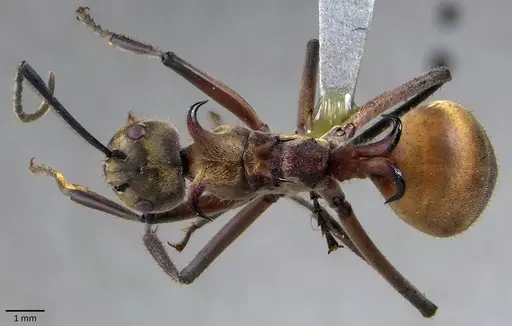
CASENT0010659
View on AntWeb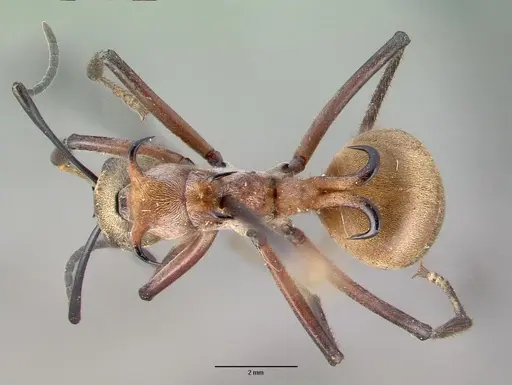
CASENT0912164
View on AntWeb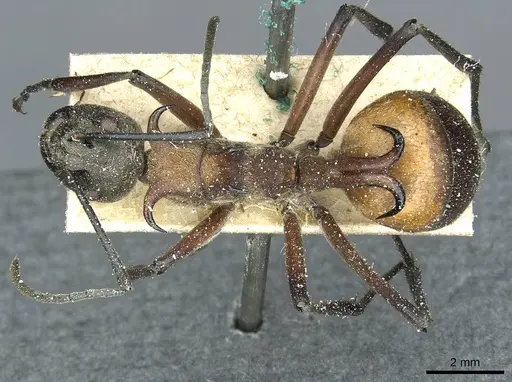
CASENT0912165
View on AntWeb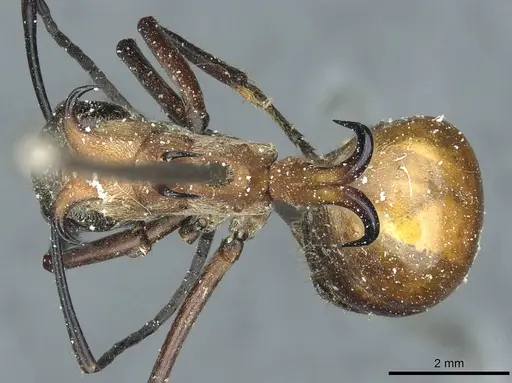
Literature
Loading...Loading products...