
Polyrhachis bicolor shows a January to December flight window. Peak activity occurs in September, with nuptial flights distributed across 9 months. This extended season suggests multiple flight events or varying conditions across its range.

Polyrhachis bicolor
- Scientific Name
- Polyrhachis bicolor
- Subgenus
- Myrmhopla
- Tribe
- Camponotini
- Subfamily
- Formicinae
- Author
- Smith, 1858
- Distribution
- Found in 11 countries
- Nuptial Flight
- from January to December, peaking in September
AI Identifiable
try →
Polyrhachis bicolor Overview
Polyrhachis bicolor is an ant species of the genus Polyrhachis. It is primarily documented in 11 countries , including Australia, China, Indonesia. Detailed taxonomic data and occurrence records can be further explored via authoritative databases such as AntWeb or the Global Biodiversity Information Facility (GBIF).
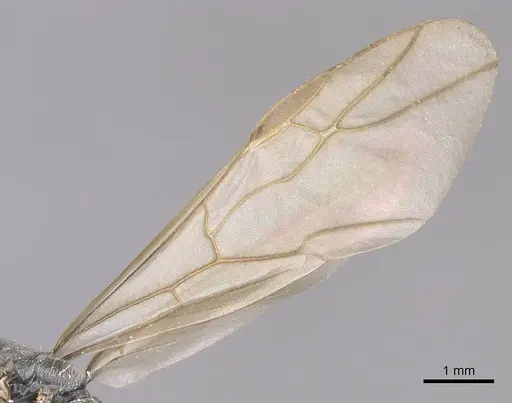
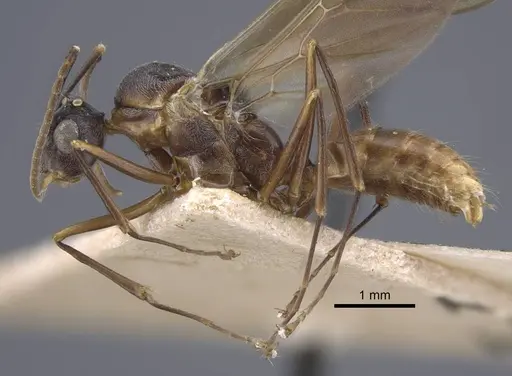
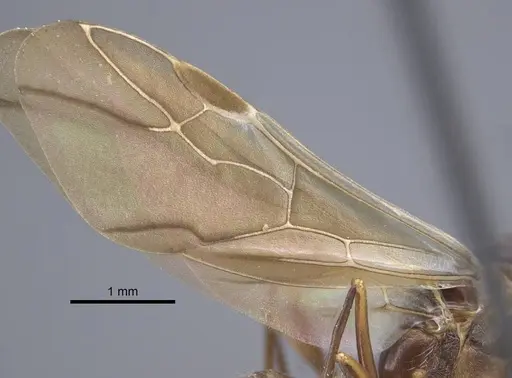
The nuptial flight of Polyrhachis bicolor is a significant biological event, typically occurring from January to December, peaking in September. During this time, winged queens and males leave the nest to mate and establish new colonies.
Polyrhachis bicolor
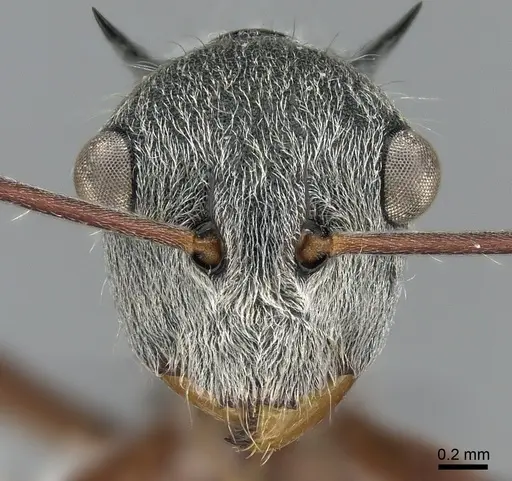
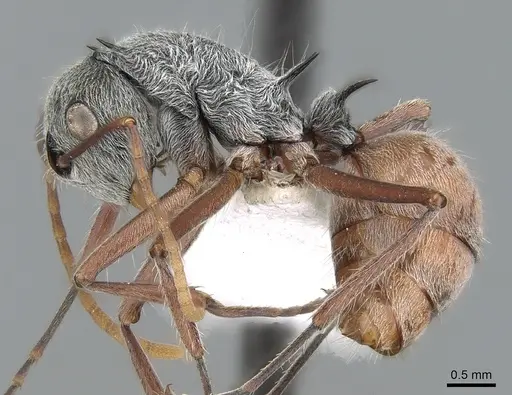
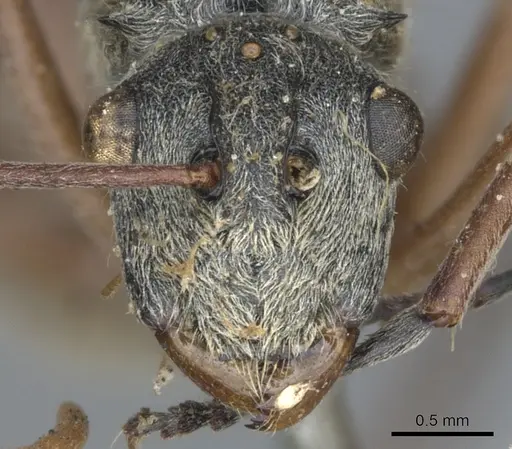
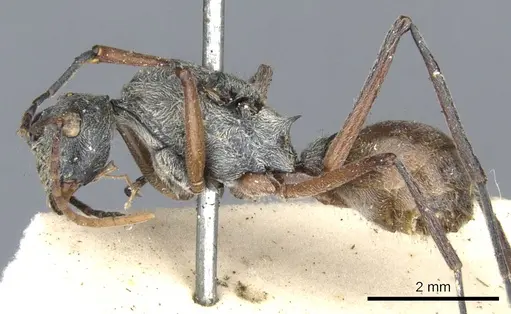
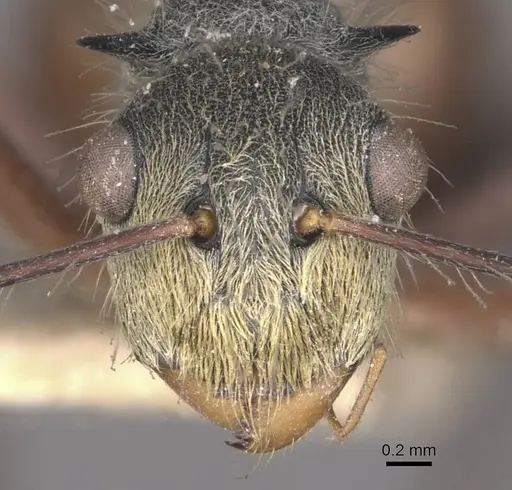
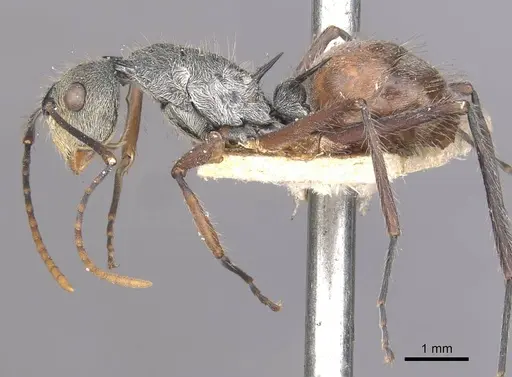
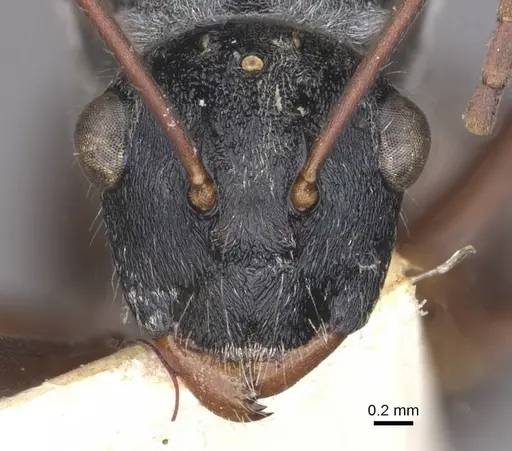
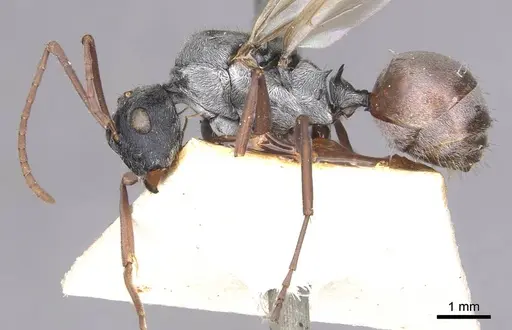
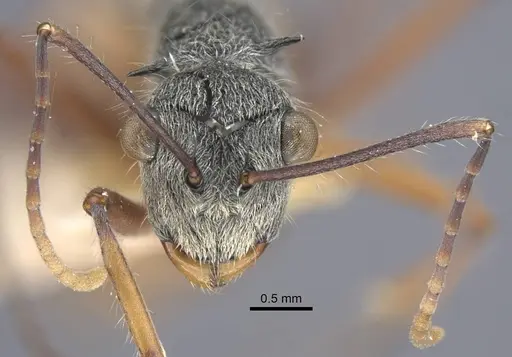
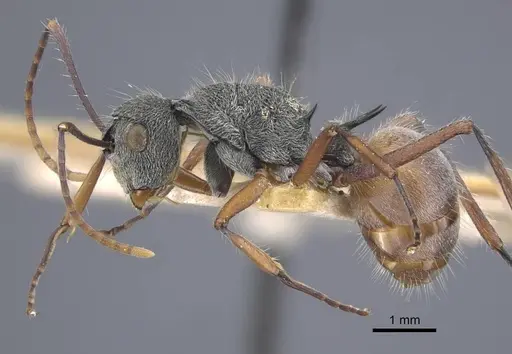
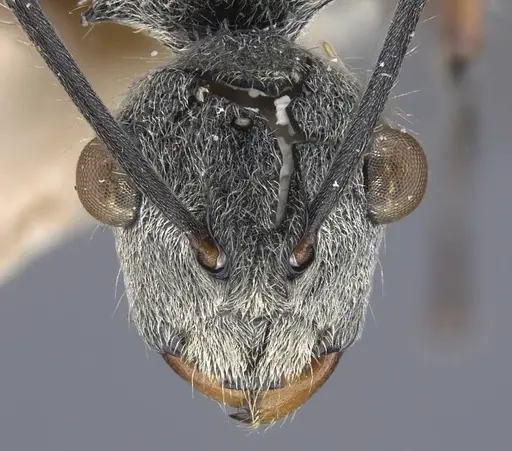
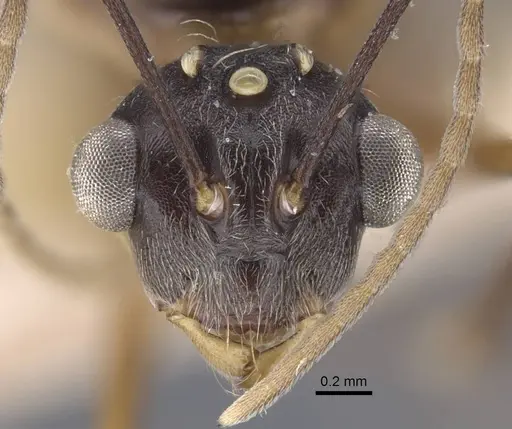
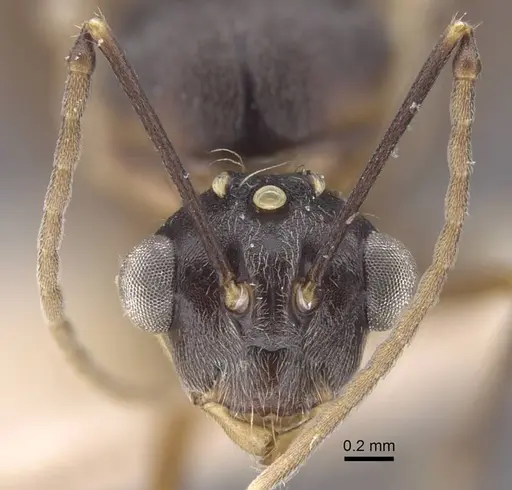
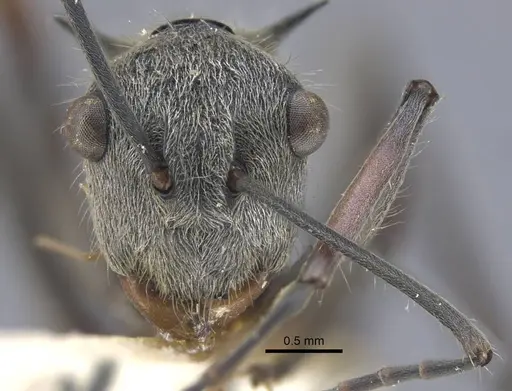
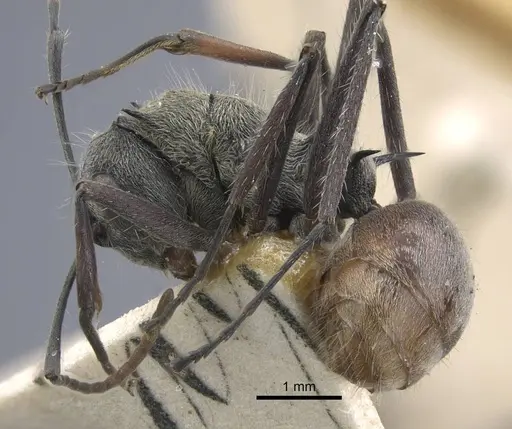
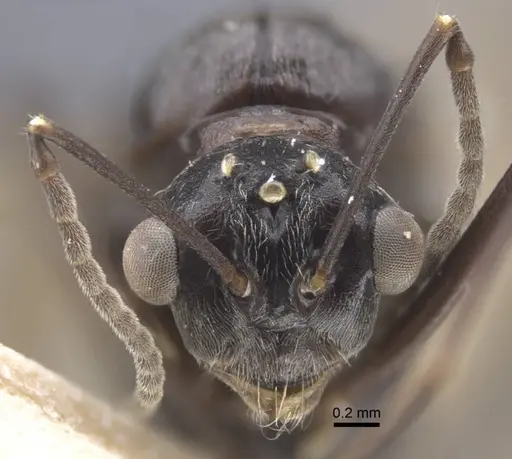
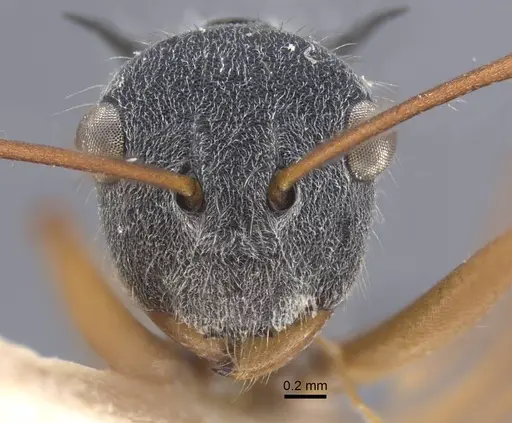
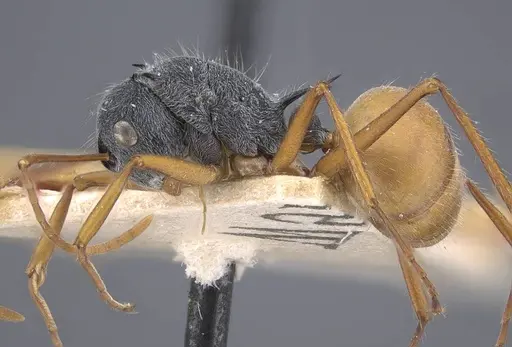
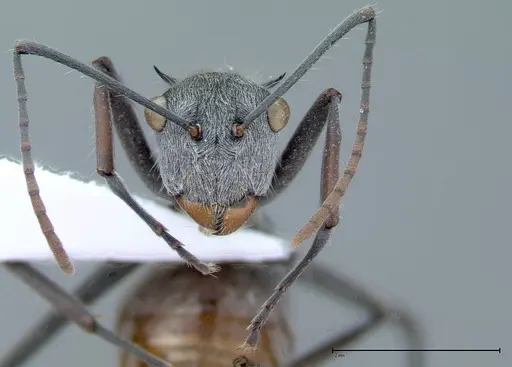
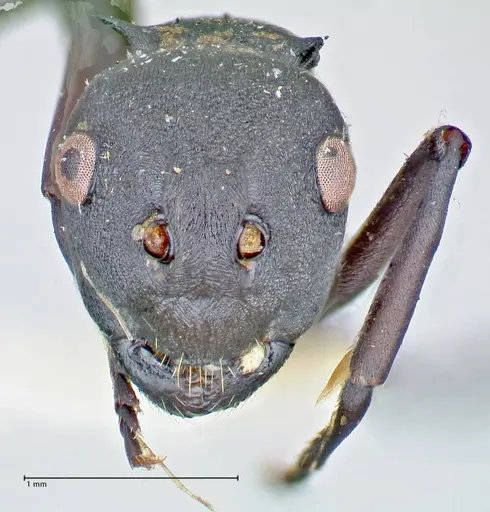
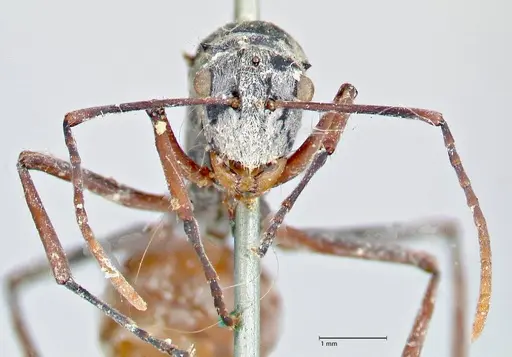
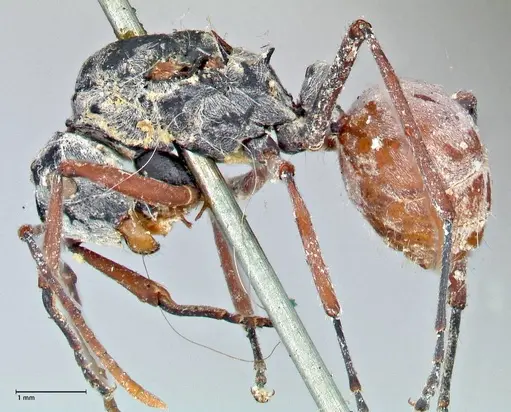
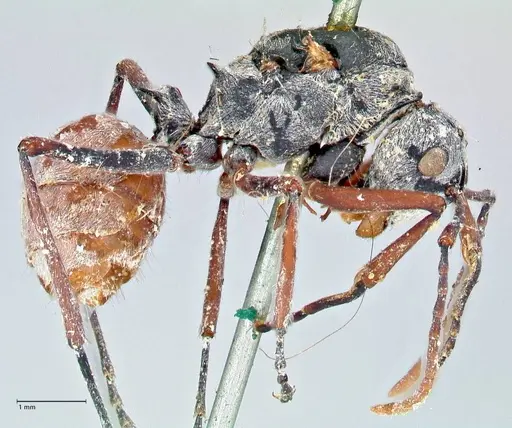
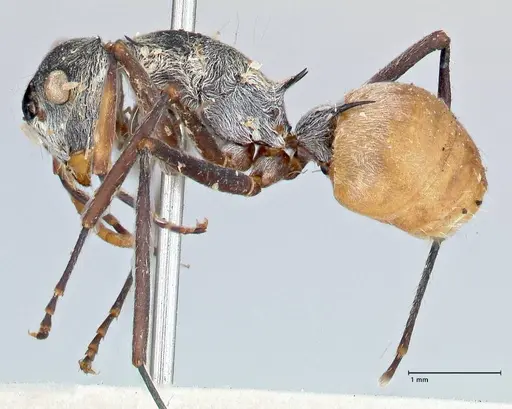
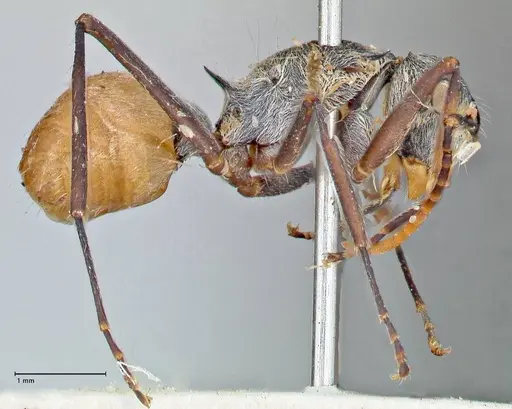
Polyrhachis bicolor is a striking weaver ant with a distinctive two-tone coloration. Workers measure 6-7mm with a black head, mesosoma (middle body), and petiole, while their mandibles, antennae, legs, and gaster (abdomen) are a warm orange to reddish-brown color [1]. This species belongs to the Myrmhopla subgenus and is known for its weaving behavior, workers use silk produced by larvae to bind leaves and vegetation together into nest structures in trees and shrubs [2]. The workers have prominent spines on their shoulders (pronotal humeri), propodeum, and petiole, giving them a spiny appearance [1].
What makes P. bicolor particularly interesting is its polydomous colony structure, the colony spreads across multiple nests woven into the foliage of rainforest trees and shrubs [3]. This is a truly arboreal species that rarely, if ever, nests on the ground. The species ranges from South East Asia through Indonesia and New Guinea to northern Australia, particularly around Darwin in the Northern Territory [4].
Quick Summary
- Difficulty: Medium
- Origin & Habitat: Native to Southeast Asia, Indonesia, New Guinea, and northern Australia. Found in monsoon rainforests and lowland forests, particularly along rainforest margins. Builds arboreal nests among leaves of trees and shrubs [1][4][5].
- Colony Type: Monogyne (single-queen) colonies with polydomous structure, the colony maintains multiple nests spread across different locations in the canopy [3].
- Colony: Monogyne
- Founding: Claustral
- Size & Growth:
- Queen: 8.97 mm [1]
- Worker: 6.00-7.06 mm [1]
- Colony: Estimated several hundred workers based on related Polyrhachis species
- Growth: Moderate, typical for tropical arboreal ants
- Development: Estimated 6-8 weeks at optimal tropical temperatures (25-28°C) based on typical Polyrhachis development patterns (Development times are not directly documented for this species but can be estimated from related tropical weaver ants)
- Antkeeping:
- Temperature: Keep at 24-28°C. As a tropical rainforest species, they need warm, stable temperatures. A heating cable on one side of the nest can create the gradient they prefer [1].
- Humidity: Moderate to high humidity (60-80%). Provide a water tube and mist occasionally, but ensure ventilation to prevent mold. The arboreal nesting means they are accustomed to good air circulation [1][5].
- Diapause: No, being a tropical species, they do not require hibernation. However, slight temperature reductions during winter months (down to 22°C) may be appropriate if your room temperature drops significantly.
- Nesting: Arboreal setup is essential. Provide branches, leaves, or artificial foliage where they can weave their nests. A naturalistic setup with live or artificial plants works well. Alternatively, a Y-tong (AAC) nest with added vertical space for foliage attachment can work. Avoid ground-based-only setups, they need to nest above ground [1][3].
- Behavior: Polyrhachis bicolor is an active, arboreal ant with moderate aggression. They are weaver ants that construct silk nests by manipulating leaves with their larvae. Workers show group recruitment to food sources and establish short-term trails [6]. They are not particularly aggressive toward keepers but will defend their nest if threatened. Escape prevention is straightforward since they are medium-sized ants (6-7mm), standard formicarium barriers work well. They are active foragers that will collect fruit, sap, small prey, and dead insects [6].
- Common Issues: arboreal nesting requirement means standard ground nests are inadequate, they need vertical space and foliage, polydomous colonies may appear to split as they establish multiple nest sites, this is normal behavior, weaver behavior requires larvae to produce silk, colony must be healthy and producing brood for nest construction, tropical humidity needs must be balanced with ventilation to prevent mold in enclosed spaces, escape to foliage or plants outside the formicarium is possible if the setup allows access
Nuptial Flight Activity Analysis 53 observations
Flight Activity by Hour 53 observations
Polyrhachis bicolor nuptial flight activity peaks around 07:00 during the morning. Activity is spread across a 22-hour window (00:00–21:00). Times may be influenced by human observation patterns.
Housing and Nest Setup
Polyrhachis bicolor requires an arboreal setup that mimics their natural canopy-dwelling lifestyle. Unlike most ant species that nest in soil or wood, these weaver ants build their nests among leaves in trees and shrubs. In captivity, you can provide this by including branches, artificial leaves, or live plants in their enclosure. A naturalistic setup with vertical space and foliage works best, you can use artificial plants secured to the formicarium ceiling or back wall. Alternatively, a Y-tong (AAC) nest can work if you add a significant amount of vertical space above the nest chambers for foliage attachment. The key requirement is that they must have materials to weave together. Provide small pieces of leaves, paper, or fabric that workers can manipulate with larvae to create nest structures. Test tube setups alone are generally inadequate for this species long-term, though they can be used for founding colonies if supplemented with weaving materials. [1][3][2]
Feeding and Diet
Polyrhachis bicolor is an omnivorous ant with varied dietary preferences. In the wild, they collect fruit, tree sap, small prey, and dead insects [6]. For captive colonies, offer a varied diet including sugar sources (honey water, sugar water, or ripe fruit) and protein (small insects like fruit flies, small crickets, mealworms). They are active foragers that use group recruitment, so place food in accessible locations where workers can discover it and summon nestmates. Fresh fruit is particularly appreciated, small pieces of banana, apple, or mango work well. Protein should be offered 2-3 times per week depending on colony size. Remove uneaten food after 24-48 hours to prevent mold. Unlike some specialized predators, these ants are not difficult feeders and typically accept a wide range of foods.
Temperature and Humidity
As a tropical species from Southeast Asia, New Guinea, and northern Australia, Polyrhachis bicolor requires warm conditions. Maintain temperatures between 24-28°C for optimal colony health and development. A heating cable placed on one side of the nest can create a gentle temperature gradient. For humidity, aim for 60-80% relative humidity, they are accustomed to rainforest conditions but also need good ventilation since they nest in well-aerated foliage. Provide a water tube for drinking access and mist the setup occasionally, but avoid creating stagnant, overly damp conditions that promote mold. Room temperature may be adequate in warm climates, but most keepers will need supplemental heating to maintain the required 24-28°C range consistently. [1][4]
Weaver Behavior and Colony Structure
One of the most fascinating aspects of keeping Polyrhachis bicolor is observing their weaving behavior. Workers use silk produced by larvae to bind leaves, vegetation fragments, or other materials into protective nest structures, similar to their famous relatives like Oecophylla weaver ants [2]. This requires a healthy colony with larvae present. The polydomous nature of their colonies means your colony may establish multiple nest sites within the enclosure over time, this is normal behavior, not a sign of colony splitting or decline. They maintain multiple nests connected by trails, which allows them to expand their territory within the canopy layer. In captivity, you may notice workers moving brood and themselves between different areas of your setup as they reorganize their nests.
Growth and Development
Colony growth in Polyrhachis bicolor is moderate rather than explosive. A newly mated queen will found her colony claustrally, sealing herself in a chamber and raising the first workers (nanitics) on her stored energy reserves. The first workers will be smaller than mature workers but can begin foraging and caring for subsequent brood. Development from egg to worker likely takes 6-8 weeks at optimal temperatures (25-28°C), based on typical patterns for tropical Polyrhachis species. Colonies may take several months to reach 20-30 workers and a year or more to reach 100+ workers. Patience is key with this species, they are not fast growers but can live for many years once established. The queen can live for well over a decade in good conditions.
Handling and Temperament
Polyrhachis bicolor is a manageable species for antkeepers. Workers are not particularly aggressive and are more likely to flee than bite when disturbed. However, they will defend their nest vigorously if the colony feels threatened. Their moderate size (6-7mm workers) makes them easy to contain with standard formicarium barriers, they are not escape artists like tiny ants, nor are they large enough to pose any sting risk to humans. When foraging, they are active and visible, making them enjoyable to watch. They use group recruitment to food sources, so you may see a trail of workers forming once food is discovered. This makes feeding time particularly engaging as you watch the recruitment behavior unfold. [6]
Frequently Asked Questions
Can I keep Polyrhachis bicolor in a test tube setup?
A test tube alone is not ideal for this species long-term. Polyrhachis bicolor is an arboreal weaver ant that needs materials to weave into nests. A test tube can work for a founding queen, but once workers emerge, you should transfer the colony to an arboreal setup with branches, leaves, or artificial foliage where they can construct their characteristic silk nests.
How long does it take for first workers to appear?
Based on typical tropical Polyrhachis development, expect first workers (nanitics) to emerge around 6-8 weeks after the queen lays eggs, assuming temperatures around 25-28°C. Development is temperature-dependent, so cooler conditions will slow growth.
What do Polyrhachis bicolor eat?
They are omnivores that accept sugar sources (honey, sugar water, fruit) and protein (small insects like fruit flies, crickets, mealworms). In the wild they also collect sap and dead insects. Offer a varied diet with sugar available constantly and protein 2-3 times per week.
Are Polyrhachis bicolor good for beginners?
This species is rated as medium difficulty. While not the easiest species for complete beginners, experienced antkeepers should find them manageable. The main challenge is providing an appropriate arboreal setup with weaving materials, once this is addressed, they are relatively straightforward to maintain.
Do they need hibernation or diapause?
No, Polyrhachis bicolor does not require hibernation. As a tropical species from Southeast Asia and northern Australia, they expect warm temperatures year-round. You can maintain them at 24-28°C consistently throughout the year.
Why is my colony making multiple nests?
This is normal behavior for Polyrhachis bicolor, they are polydomous, meaning a single colony maintains multiple nests connected by trails. In captivity, this may look like the colony is spreading out or establishing separate nest sites. This is not a problem and indicates a healthy, expanding colony.
When should I move them to a formicarium?
Move a founding colony to a proper arboreal setup once the first workers have emerged and the colony is actively foraging. The key requirement is providing vertical space with weaving materials (branches, artificial leaves, fabric strips) from the beginning if possible, rather than trying to retrofit later.
How big do colonies get?
Based on related Polyrhachis species, colonies likely reach several hundred workers over several years. They are not among the largest ant species but can become substantial colonies with multiple nest sites. Lifespan can exceed a decade with a healthy queen.
Can I keep multiple queens together?
No, Polyrhachis bicolor is monogyne, colonies have a single queen. Multiple unrelated queens would likely fight. The polydomous structure refers to multiple NEST sites within one colony, not multiple queens.
References

This caresheet is licensed under CC BY-SA 4.0 .
CASENT0281406
View on AntWeb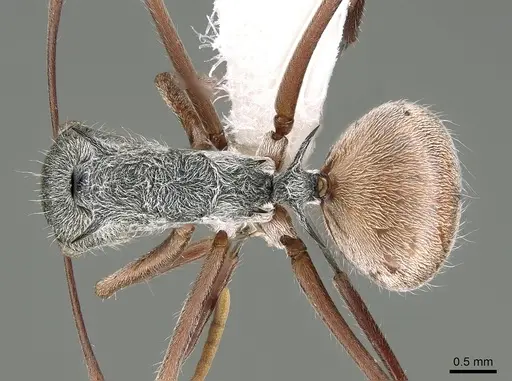
CASENT0903387
View on AntWeb
CASENT0910880
View on AntWeb
CASENT0910881
View on AntWeb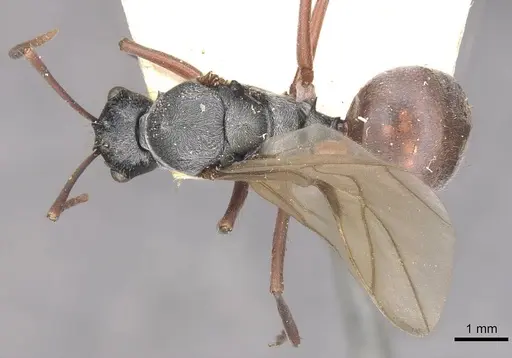
CASENT0917188
View on AntWeb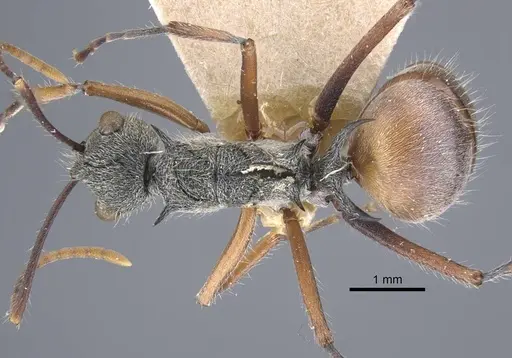

CASENT0917189
View on AntWeb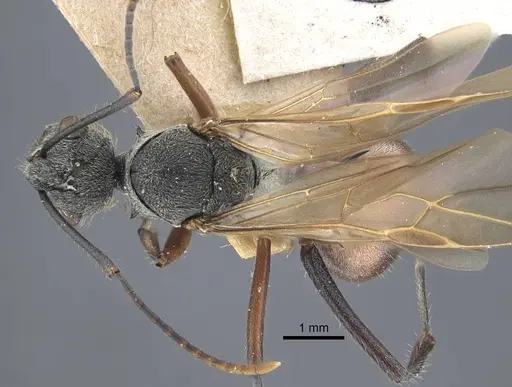


CASENT0917190
View on AntWeb
CASENT0917191
View on AntWeb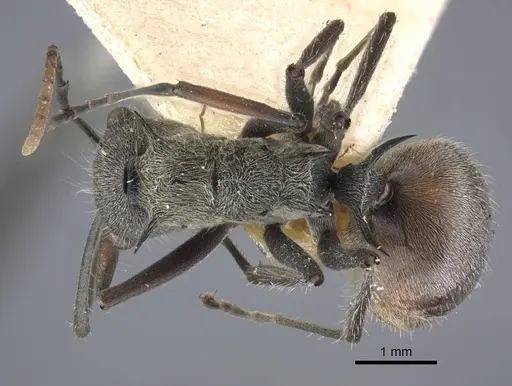

CASENT0917192
View on AntWeb


CASENT0917193
View on AntWeb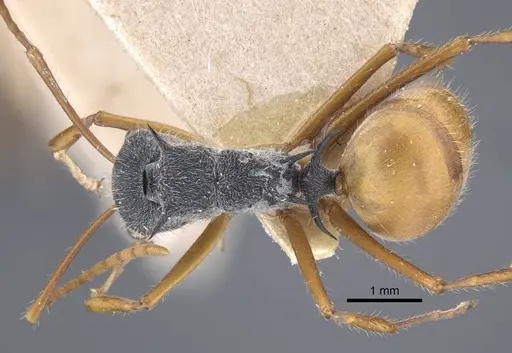

FOCOL0051
View on AntWeb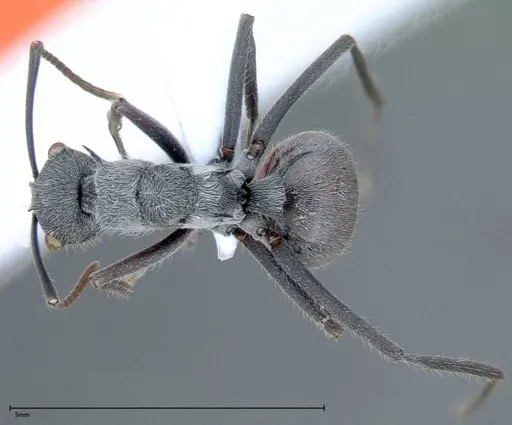

FOCOL2642
View on AntWeb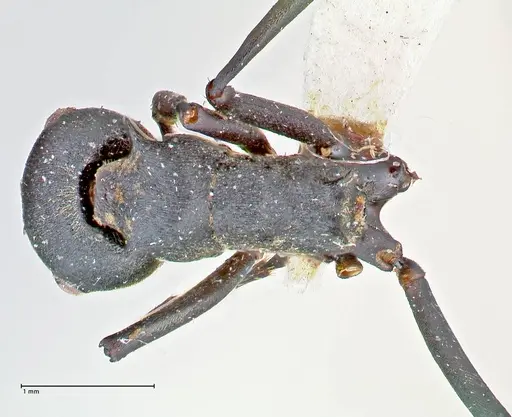

FOCOL2650
View on AntWeb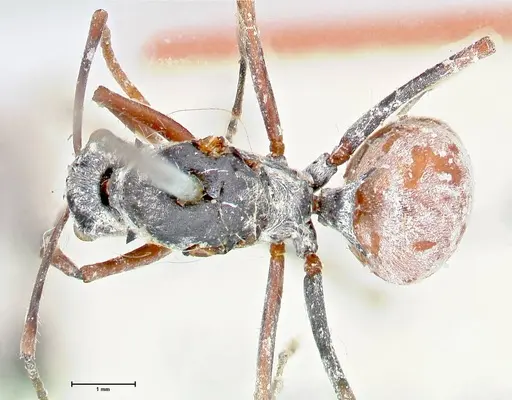
FOCOL2651
View on AntWeb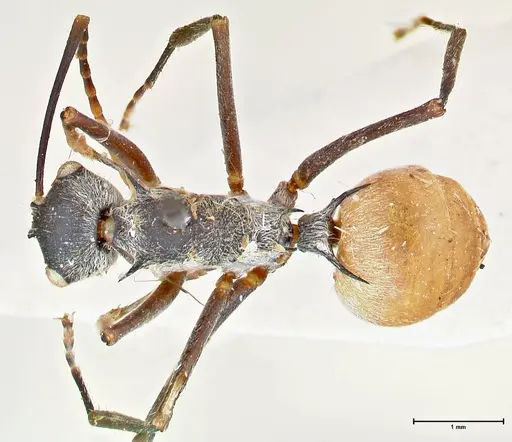

Literature
Loading...Loading products...