

Polyrhachis bellicosa
- Scientific Name
- Polyrhachis bellicosa
- Tribe
- Camponotini
- Subfamily
- Formicinae
- Author
- Smith, 1859
- Distribution
- Found in 4 countries
Polyrhachis bellicosa Overview
Polyrhachis bellicosa is an ant species of the genus Polyrhachis. It is primarily documented in 4 countries , including Australia, Indonesia, Malaysia. Detailed taxonomic data and occurrence records can be further explored via authoritative databases such as AntWeb or the Global Biodiversity Information Facility (GBIF).
Polyrhachis bellicosa
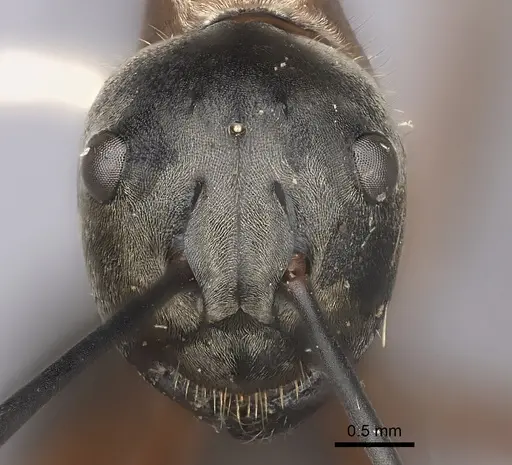
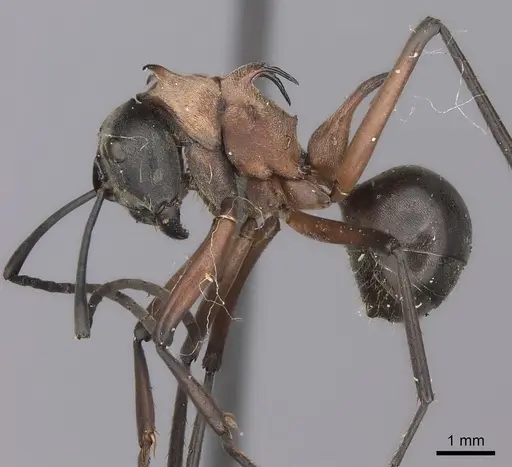
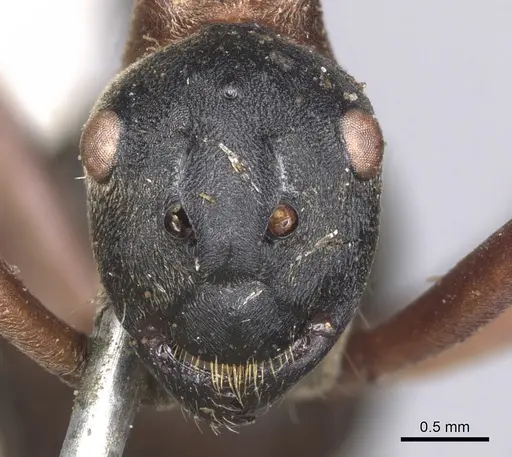
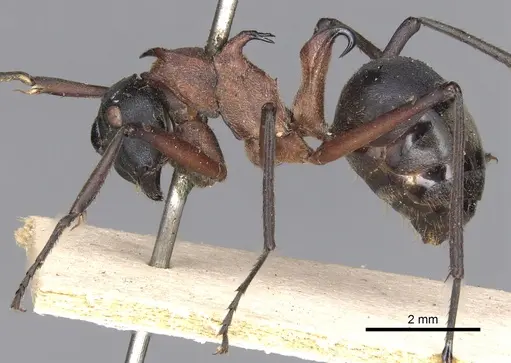
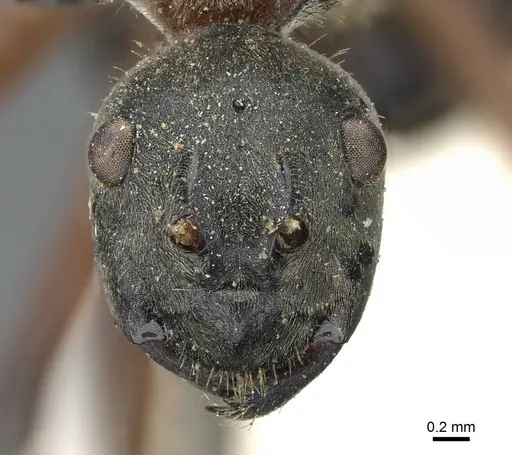
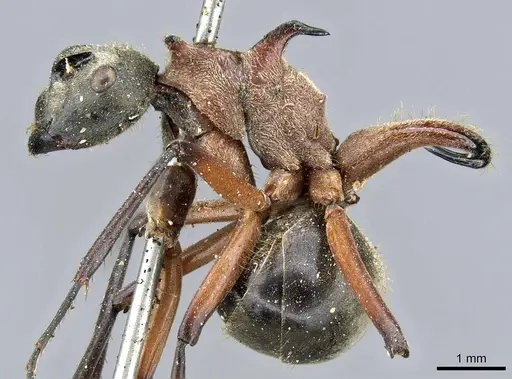
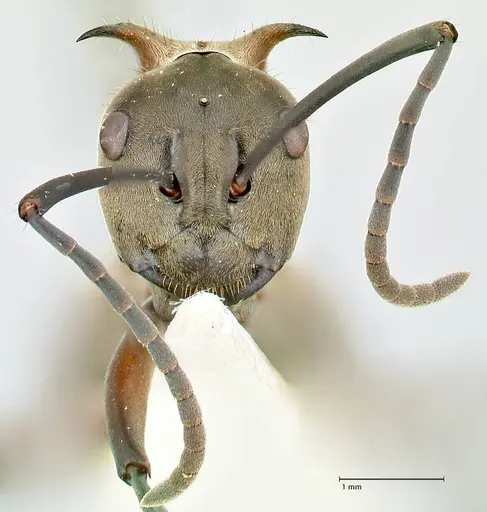
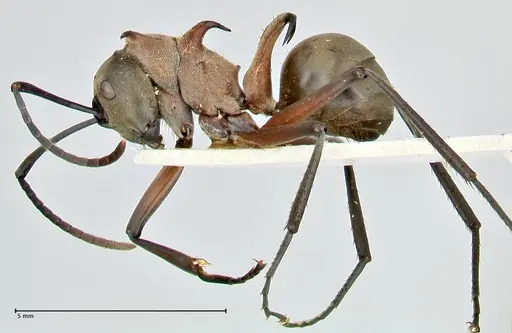
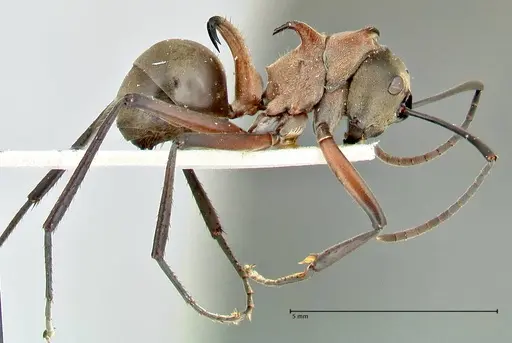
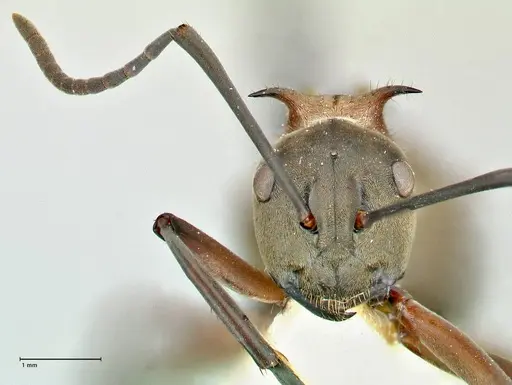
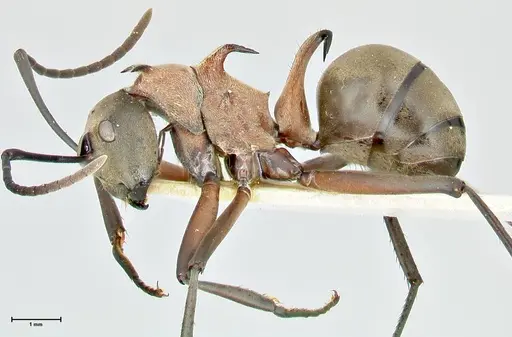
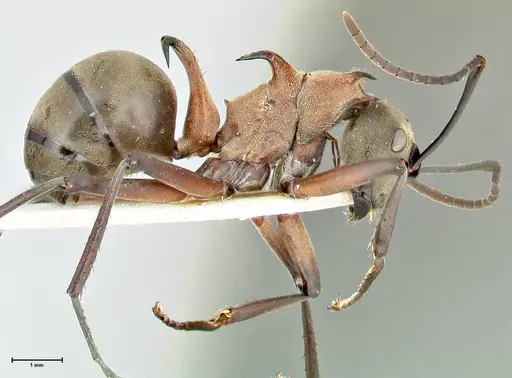
Polyrhachis bellicosa is a large, striking arboreal ant species known for its distinctive spiny mesosoma and glossy dark coloration. Workers measure 7-10mm with a robust build, featuring prominent pronotal and mesonotal spines that give them a dramatic appearance. The gaster is uniformly black or very dark reddish-brown, and the eyes notably protrude beyond the head outline in full-face view. This species ranges from Southeast Asia through Indonesia and New Guinea to northern Australia (Cape York Peninsula), making it the only member of the nominal Polyrhachis subgenus found in Australia [1][2].
What makes P. bellicosa particularly interesting is its sophisticated nest-building behavior. These ants construct impressive nests high in the vegetation (typically 3-5 meters above ground) using vegetation debris bound together with yellowish-brown silk produced by their larvae. One documented nest measured nearly 50cm across and likely contained thousands of workers. They are skilled foragers that maintain long-term trails and tend to trophobionts (honeydew-producing insects) while also hunting small prey [3][2].
Quick Summary
- Difficulty: Medium
- Origin & Habitat: Native to Southeast Asia, Indonesia, New Guinea, and northern Australia (Cape York Peninsula). Found in tropical and subtropical forests where it nests arboreally in vegetation 2-5 meters above ground, attaching nests to tree trunks using lianas and climbing vines [1][2][3].
- Colony Type: Single-queen colonies (monogyne). Each nest contains one queen, and colonies can grow very large with documented nests containing thousands to tens of thousands of workers [3][4][2].
- Colony: Monogyne
- Founding: Claustral
- Size & Growth:
- Queen: 9.77-10.08 mm [2][1]
- Worker: 7.30-8.98 mm [2][1]
- Colony: Very large, documented colonies reach thousands to tens of thousands of workers [2]
- Growth: Moderate, estimated based on tropical arboreal ant patterns
- Development: Estimated 6-8 weeks at tropical temperatures (25-28°C) (Development timeline not directly studied for this species. Estimates based on typical Polyrhachis genus patterns. Pupae are enclosed in cocoons [3].)
- Antkeeping:
- Temperature: Keep at 25-28°C. As a tropical species, they need consistent warmth. A heating cable on one side of the nest creates a suitable gradient. Room temperature may suffice if kept at 25°C or above.
- Humidity: Moderate to high humidity (60-80%). These arboreal ants prefer humid conditions but their nests are constructed to shed water. Provide a water source and keep the nest substrate slightly moist but not waterlogged.
- Diapause: No, as a tropical species, they do not require hibernation. However, slight temperature reductions during winter months (to around 22-24°C) may be appropriate if room temperature drops significantly.
- Nesting: Arboreal nesters that use silk and vegetation debris. In captivity, they do well in naturalistic setups with climbing structures, or in acrylic/formicarium nests with chambers large enough for their size. Provide twigs, branches, or cork bark for them to attach nest material to. They will construct silk-bound nests if given the opportunity [3][4].
- Behavior: Generally calm and non-aggressive compared to many ant species. Workers are active foragers that maintain established trails. They are not known for stinging, their primary defense is the spiny protrusions on their mesosoma. They are escape artists given their arboreal nature and small size relative to the gaps they can squeeze through. Provide excellent escape prevention with tight-fitting lids and fine mesh barriers.
- Common Issues: escape prevention is critical, they are small enough to squeeze through tiny gaps in equipment, tropical temperature requirements mean they may struggle in cooler climates without heating, large colony size requires progressively larger housing as the colony grows, silk nest construction may clog equipment if given access to loose materials, wild-caught colonies may have parasites that can devastate captive populations
Housing and Nest Setup
Polyrhachis bellicosa requires arboreal-style housing that accommodates their natural nesting behavior. These ants naturally build nests 3-5 meters above ground, attaching them to tree trunks using lianas and climbing vines. In captivity, you can provide naturalistic setups with cork bark, branches, or other climbing structures that allow them to construct silk-bound nests. Alternatively, standard acrylic or plaster nests work well, but include vertical or elevated chambers and provide twigs or cork pieces they can incorporate into nest construction. The key is giving them vertical space and materials they can bind with silk. Test tube setups work for founding colonies but will need upgrading as the colony grows. Given their large colony size potential, plan for significant expansion space [3][4][2].
Feeding and Diet
These ants are opportunistic foragers with a varied diet. In the wild, workers maintain long-term foraging trails and tend to trophobionts (aphids, scale insects, and other honeydew-producing insects) for their sweet secretions. They also hunt small prey and scavenge dead insects. In captivity, offer a balanced diet including sugar water or honey as a constant energy source, and protein sources like small crickets, mealworms, or other insects. Feed protein 2-3 times per week for established colonies. They are not particularly aggressive predators but will readily accept dead insects. Fresh fruit can occasionally be offered but is not a primary food source. Always remove uneaten prey after 24-48 hours to prevent mold.
Temperature and Heating
As a tropical species from Southeast Asia, New Guinea, and northern Australia, P. bellicosa requires warm conditions year-round. Maintain temperatures between 25-28°C for optimal colony health and development. This is critical, temperatures below 24°C for extended periods can weaken the colony and slow brood development. Use a heating cable or heating mat on one side of the nest to create a temperature gradient, allowing workers to self-regulate by moving between warmer and cooler areas. Place heating on top of acrylic nests to avoid drying out the substrate. Room temperature may be sufficient in warm climates or heated rooms, but monitor with a thermometer. Unlike temperate species, they do not require winter cooling but may show slightly reduced activity during cooler months.
Colony Development and Growth
Polyrhachis bellicosa colonies can grow to impressive sizes. Documented wild colonies have reached thousands to tens of thousands of workers, with one particularly large nest measuring nearly 50cm across. Queens are relatively large at 9.77-10.08mm and are physogastric (able to distend their abdomen for egg production). Development from egg to worker takes approximately 6-8 weeks at optimal temperatures, based on typical Polyrhachis genus patterns. Pupae are enclosed in protective cocoons, which is important to note when observing brood, this is different from many Formicinae that have naked pupae. Growth rate is moderate, with founding colonies typically producing their first workers (nanitics) within 2-3 months under good conditions. Colonies are long-lived and can persist for many years [2][3].
Behavior and Temperament
This species is known for its relatively calm temperament compared to many ant species. Workers are active and industrious, establishing well-maintained foraging trails. Their most distinctive physical features are the prominent spines on the mesosoma (pronotal and mesonotal spines) which serve as defense. They are not aggressive and rarely sting, the spines are their primary deterrent. Workers are agile climbers and will readily ascend vertical surfaces, which means escape prevention must be excellent. They are diurnal to crepuscular foragers, active during daylight hours and into the evening. Their arboreal nature means they are comfortable moving through complex three-dimensional spaces. When threatened, workers may feign death (thanatosis) rather than engage aggressively.
Unique Nesting Behavior
One of the most fascinating aspects of P. bellicosa is its sophisticated nest construction. Unlike most ants that nest in soil or hollow wood, these ants are arboreal weavers that use larval silk to bind together vegetation debris into a cohesive nest structure. Workers collect leaves, plant fibers, and other debris, then bind them together with yellowish-brown silk secreted by their larvae. This behavior is ancestral within the Polyrhachis genus and creates remarkably sturdy nests that can withstand tropical rains. In captivity, providing natural materials like dried leaves, moss, or small plant fibers allows them to express this natural behavior. The nests are typically attached to supporting structures (in the wild, tree trunks via lianas), so providing vertical surfaces or branches for attachment is beneficial [3][5][2].
Frequently Asked Questions
How long does it take for Polyrhachis bellicosa to produce first workers?
Expect first workers (nanitics) approximately 6-8 weeks after the queen lays eggs, at optimal temperatures of 25-28°C. This is an estimate based on typical Polyrhachis genus development, as specific development data for this species is not available.
Can I keep Polyrhachis bellicosa in a test tube setup?
Yes, test tubes work well for founding colonies. Use a standard test tube setup with a water reservoir (cotton ball) for humidity. However, you will need to upgrade to a larger formicarium or naturalistic setup as the colony grows, since they can reach thousands of workers.
What temperature do Polyrhachis bellicosa need?
Keep them at 25-28°C consistently. As a tropical species, they require warm conditions year-round. A heating cable on one side of the nest creates a suitable gradient. Avoid temperatures below 24°C for extended periods.
How big do Polyrhachis bellicosa colonies get?
Very large. Documented wild colonies reach thousands to tens of thousands of workers. One nest was recorded at nearly 50cm across. Plan for significant housing expansion as your colony matures.
Are Polyrhachis bellicosa good for beginners?
They are rated as medium difficulty. They require tropical temperatures and escape prevention, and their large colony size means they need progressively larger housing. They are calmer than many species, which makes them rewarding to keep once you have some antkeeping experience.
What do Polyrhachis bellicosa eat?
They are omnivores. Offer sugar water or honey as a constant energy source, and protein (small insects like crickets or mealworms) 2-3 times per week. They also tend to honeydew-producing insects and will scavenge dead insects.
Do Polyrhachis bellicosa need hibernation?
No, they do not require hibernation. As a tropical species from Southeast Asia and northern Australia, they need consistent warmth year-round. Slight temperature reductions during winter are acceptable if your room temperature drops significantly.
When should I move my colony to a formicarium?
Move from test tubes to a larger setup when the colony reaches around 50-100 workers, or when the test tube becomes crowded. Given their arboreal nature and large colony size, choose a formicarium with vertical space and climbing opportunities.
Why are my Polyrhachis bellicosa dying?
Common causes include: temperatures below 24°C (tropical species need warmth), low humidity, escape through small gaps (excellent escape prevention is essential), parasites from wild-caught colonies, or mold from overwatering/poor ventilation. Check temperature and humidity first.
Can I keep multiple queens together?
No. Polyrhachis bellicosa is monogyne, colonies have a single queen. Combining unrelated queens is not recommended and would likely result in fighting.
What makes Polyrhachis bellicosa different from other ants?
They are arboreal weavers that use larval silk to construct nests from vegetation debris, a behavior shared with other Polyrhachis species but rare among ants. They also have distinctive spines on their mesosoma and can form very large colonies.
References

This caresheet is licensed under CC BY-SA 4.0 .
CASENT0217749
View on AntWeb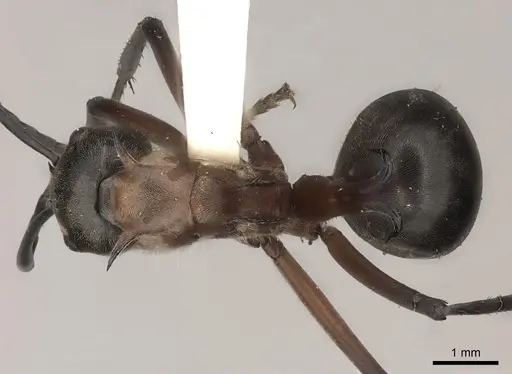
CASENT0901810
View on AntWeb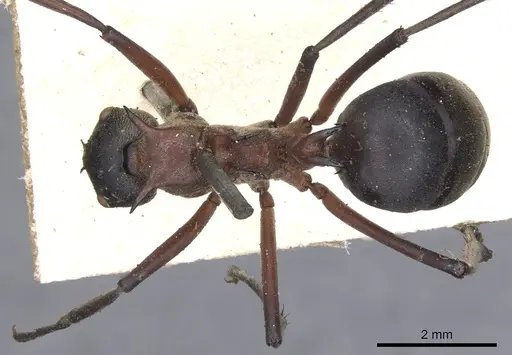
CASENT0905551
View on AntWeb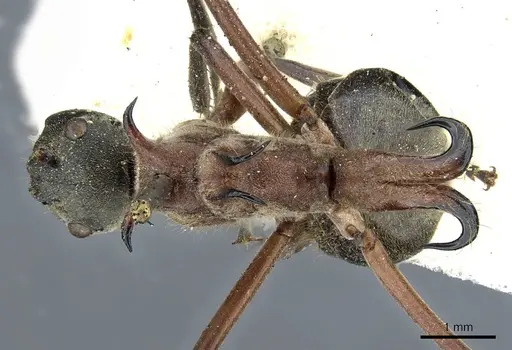
FOCOL2523
View on AntWeb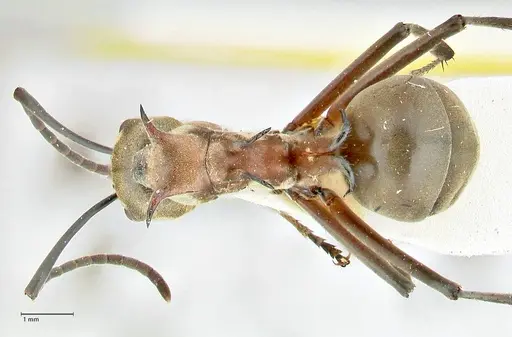
FOCOL2524
View on AntWeb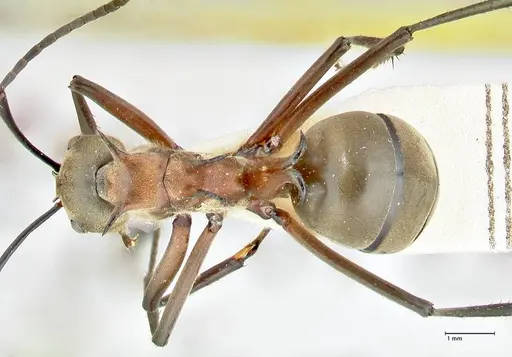
Literature
Loading...Loading products...