

Polyrhachis beccarii
- Scientific Name
- Polyrhachis beccarii
- Subgenus
- Myrma
- Tribe
- Camponotini
- Subfamily
- Formicinae
- Author
- Mayr, 1872
- Distribution
- Found in 2 countries
Polyrhachis beccarii Overview
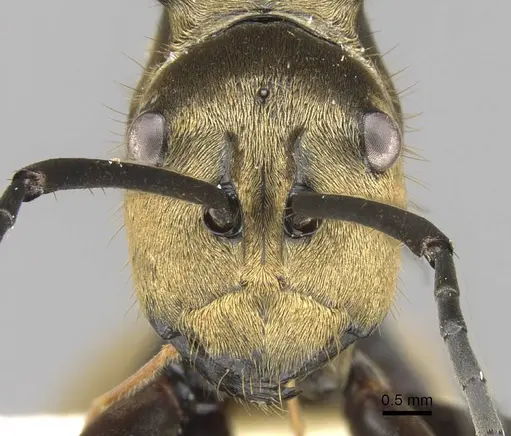
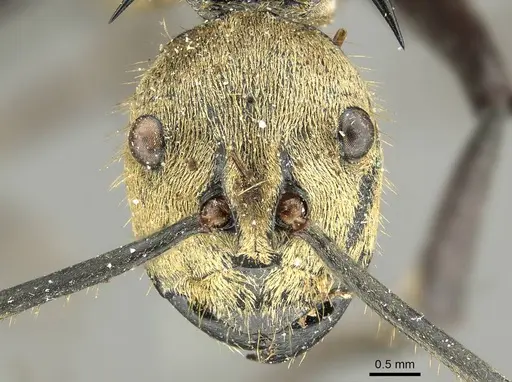
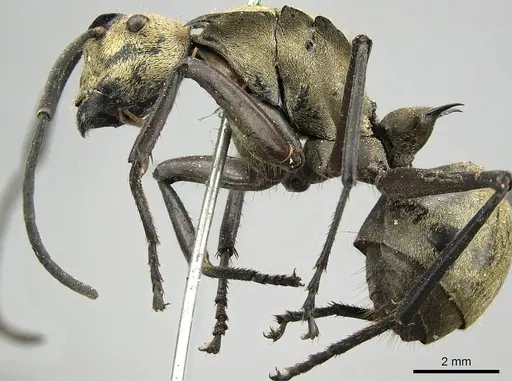
Polyrhachis beccarii is an ant species of the genus Polyrhachis. It is primarily documented in 2 countries , including Brunei Darussalam, Indonesia. Detailed taxonomic data and occurrence records can be further explored via authoritative databases such as AntWeb or the Global Biodiversity Information Facility (GBIF).
Polyrhachis beccarii
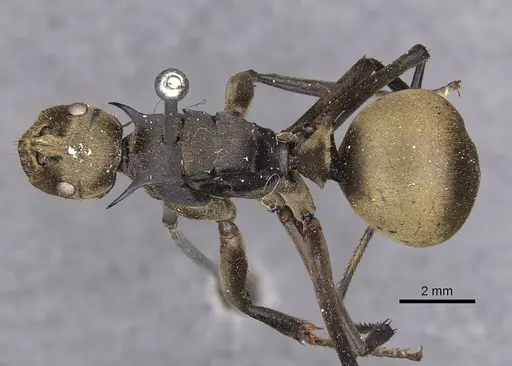
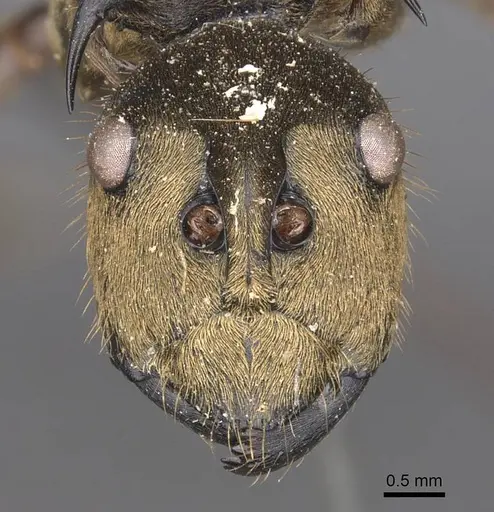
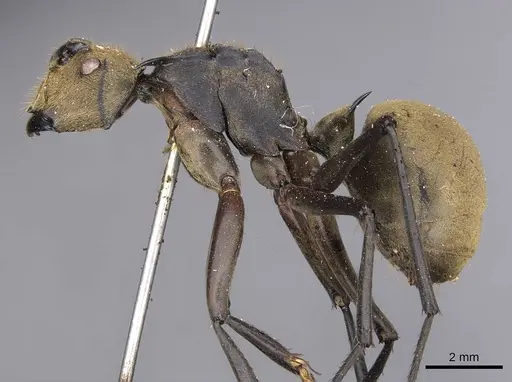
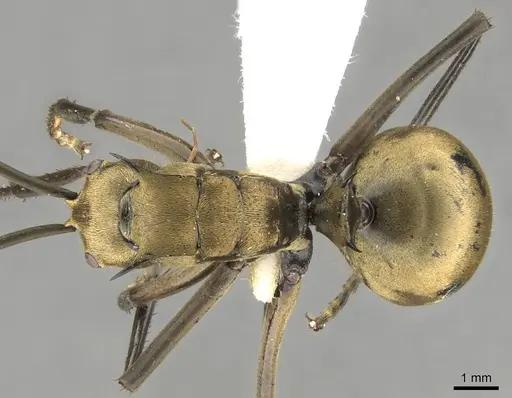
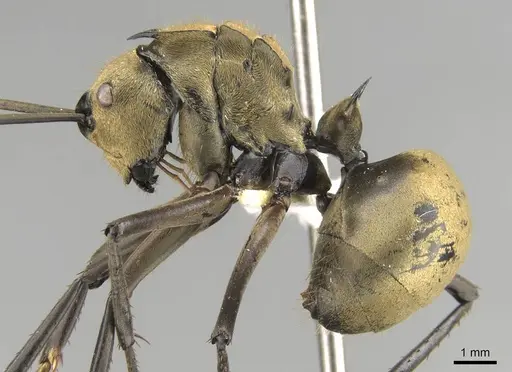
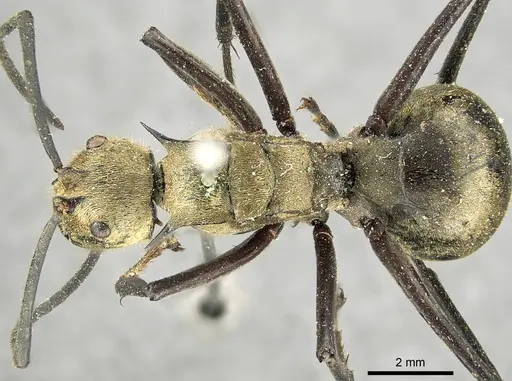
Polyrhachis beccarii is a medium-sized ant belonging to the subgenus Myrma, found across Borneo, Indonesia, Malaysia, and Singapore [1]. Workers are characterized by their spiny thorax and typically measure around 6-8mm, though exact measurements for this species are limited in the literature [2]. These ants inhabit tropical rainforest environments, where they can be found nesting in elevated locations such as in vegetation or under bark [2][3].
The genus Polyrhachis is commonly known as 'spiny ants' due to the distinctive spines projecting from their thorax, which serve as a defense mechanism against predators. P. beccarii is morphologically similar to P. illaudata but notably larger [4]. As a tropical species from Southeast Asian rainforests, these ants require warm and humid conditions in captivity to thrive.
Quick Summary
- Difficulty: Medium
- Origin & Habitat: Borneo, Indonesia, Malaysia, and Singapore, tropical rainforest environments in the Indomalaya region [1][2]
- Colony Type: Likely monogyne (single queen) based on typical Polyrhachis patterns, though colony structure is unconfirmed for this specific species
- Colony: Monogyne
- Founding: Claustral
- Size & Growth:
- Queen: Approximately 8-10mm, estimated based on genus patterns for Myrma subgenus species
- Worker: Approximately 6-8mm based on available descriptions [4]
- Colony: Likely several hundred workers based on typical Polyrhachis colony sizes
- Growth: Moderate, estimated based on tropical Formicinae patterns
- Development: 6-10 weeks, estimated based on related Polyrhachis species and tropical Formicinae development patterns (Development time is estimated as this species has not been specifically studied. Tropical species typically develop faster than temperate ones at optimal temperatures.)
- Antkeeping:
- Temperature: Keep at 24-28°C, these tropical rainforest ants need warm conditions. A heating cable on one side of the nest creates a gentle gradient allowing the colony to regulate its own temperature [2][3].
- Humidity: High humidity required, aim for 70-85% relative humidity. Keep the nest substrate consistently moist but not waterlogged. Mist occasionally and provide a water source. These ants come from damp tropical environments [2][3].
- Diapause: No, as a tropical species, they do not require hibernation or winter dormancy. Maintain consistent warm temperatures year-round.
- Nesting: Polyrhachis ants often nest in elevated locations in the wild, so they adapt well to Y-tong (AAC) nests or naturalistic setups with vertical spaces. They prefer tight, humid chambers. Avoid dry, exposed setups. A formicarium with multiple connected chambers works well [2][3].
- Behavior: Polyrhachis ants are generally not aggressive but will defend their nest if threatened. Workers are active foragers, primarily hunting for small insects and tending honeydew-producing insects. They have moderate escape risk due to their size, standard barrier methods like Fluon work well. These ants are primarily arboreal in the wild, so they may prefer exploring vertical spaces [2][3].
- Common Issues: tropical humidity requirements mean colonies can struggle in dry indoor environments, monitor moisture levels closely, lack of specific care data means keepers must adapt from genus knowledge, observe colony behavior and adjust conditions, wild-caught colonies may carry parasites or diseases that can cause colony failure in captivity, heating too aggressively can dry out the nest and kill the colony, use gentle gradients rather than direct heat
Housing and Nest Setup
Polyrhachis beccarii adapts well to various nest types, but they prefer humid environments with tight chambers. Y-tong (AAC) nests work excellently for this species, providing the darkness and humidity they need. Alternatively, a naturalistic setup with soil and decorative elements can mimic their natural arboreal nesting sites. Ensure the nest has multiple connected chambers so the colony can regulate its own humidity by moving brood between wetter and drier areas. A water test tube connected to the nest area provides constant humidity through evaporation. Avoid mesh-backed nests as these can dry out too quickly for tropical species. [2][3]
Feeding and Diet
In the wild, Polyrhachis ants are omnivorous, primarily hunting small insects and collecting honeydew from aphids and scale insects. In captivity, offer a varied diet including protein sources like small crickets, mealworms, and other small insects twice weekly. Sugar water, honey, or commercial ant nectar should be available constantly. Fresh fruit occasionally is also appreciated. Remove uneaten prey after 24 hours to prevent mold. These ants are active foragers, so place food near the nest entrance where workers can easily find it.
Temperature and Humidity Management
As a tropical species from Southeast Asian rainforests, P. beccarii requires warm and humid conditions. Maintain temperatures between 24-28°C year-round. A heating cable placed on top of the nest (not underneath to avoid drying) creates a gentle thermal gradient. Monitor with a thermometer placed near the nest. Humidity should stay at 70-85%, check substrate moisture regularly and rehydrate when it begins drying. A water reservoir connected to the nest helps maintain consistent humidity. Avoid placing the nest near air conditioning vents or in drafty areas, as temperature fluctuations and dry air can stress the colony. [2][3]
Colony Development and Growth
Polyrhachis colonies grow moderately fast once established. The queen lays eggs which develop through larval and pupal stages before emerging as workers. First workers (nanitics) are typically smaller than mature workers and help with colony maintenance. As the colony grows, larger workers are produced. Expect the colony to reach several hundred workers over time. Growth rate depends on feeding frequency, temperature stability, and humidity levels. Consistent warm temperatures and regular feeding promote faster development. Do not disturb the queen during the founding phase, she needs peace to raise her first brood.
Behavior and Observation
Polyrhachis beccarii workers are active and interesting to observe. They forage individually rather than in large raiding parties, searching for small prey and sugar sources. Workers communicate using chemical trails and will recruit nestmates to large food finds. They are not particularly aggressive toward humans but will defend their nest vigorously if threatened. The spiny thorax provides some defense against predators. These ants are primarily active during the day but can show some nocturnal activity. Provide outworld space for foraging and exploration, this also makes feeding and cleaning easier.
Frequently Asked Questions
How long does it take for Polyrhachis beccarii to produce first workers?
Expect first workers in approximately 6-10 weeks after the queen lays eggs, based on typical Polyrhachis development patterns. This timeline assumes optimal conditions around 26°C and high humidity. The queen will remain in her sealed chamber caring for the brood until nanitics emerge.
What temperature do Polyrhachis beccarii ants need?
Keep them at 24-28°C. These tropical ants need consistent warmth. A heating cable on top of the nest creates a gentle gradient. Avoid temperatures below 22°C as this slows development and can stress the colony.
Do Polyrhachis beccarii ants need hibernation?
No, they do not need hibernation. As a tropical species from Borneo and Southeast Asia, they require warm conditions year-round. Maintain consistent temperatures without seasonal drops.
What do Polyrhachis beccarii ants eat?
They are omnivorous. Feed small insects like crickets or mealworms twice weekly as protein. Keep sugar water, honey, or ant nectar available constantly. They also occasionally accept fresh fruit.
Are Polyrhachis beccarii good for beginners?
They are rated as medium difficulty. While not the easiest species, their requirements are straightforward, warm, humid conditions and regular feeding. Beginners can succeed with this species if they can maintain consistent tropical conditions.
How big do Polyrhachis beccarii colonies get?
Based on typical Polyrhachis sizes, expect colonies of several hundred workers over time. Exact maximum is unknown for this specific species but related Polyrhachis species commonly reach 300-500 workers.
Can I keep multiple Polyrhachis beccarii queens together?
This is not recommended. While colony structure is not fully documented for this species, Polyrhachis are typically monogyne (single queen). Combining unrelated queens risks fighting and colony stress.
When should I move Polyrhachis beccarii to a formicarium?
Move them when the colony reaches 30-50 workers and outgrows their founding setup. Ensure the formicarium provides adequate humidity and chambers scaled to their size. They adapt well to Y-tong nests.
Why is my Polyrhachis beccarii colony declining?
Common causes include: low humidity (tropical species need 70-85%), temperatures too cold (below 22°C), poor nutrition, or parasites from wild-caught colonies. Review your conditions and adjust temperature and humidity first.
References

This caresheet is licensed under CC BY-SA 4.0 .
Literature
Loading...Loading products...