

Polyrhachis batesi
- Scientific Name
- Polyrhachis batesi
- Subgenus
- Myrmhopla
- Tribe
- Camponotini
- Subfamily
- Formicinae
- Author
- Forel, 1911
- Distribution
- Found in 1 countries
Polyrhachis batesi Overview
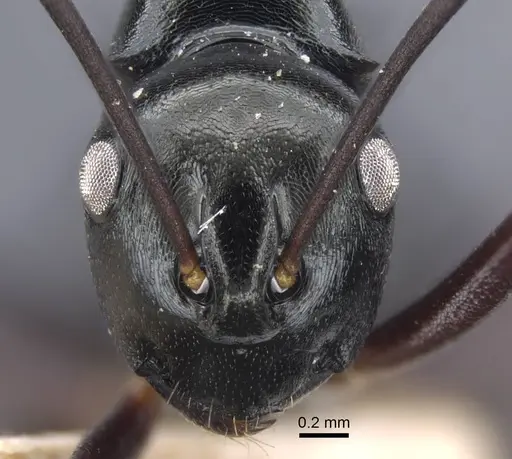
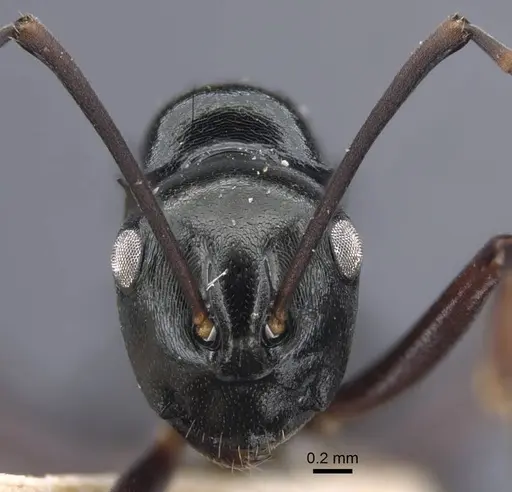
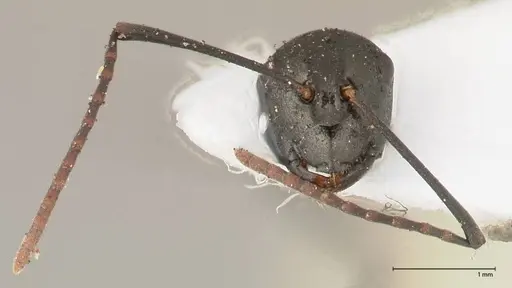
Polyrhachis batesi is an ant species of the genus Polyrhachis. It is primarily documented in 1 countries , including Indonesia. Detailed taxonomic data and occurrence records can be further explored via authoritative databases such as AntWeb or the Global Biodiversity Information Facility (GBIF).
Polyrhachis batesi
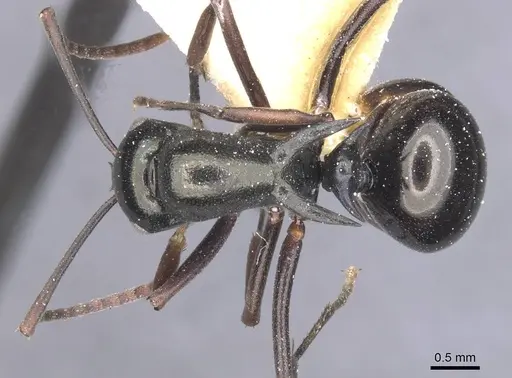
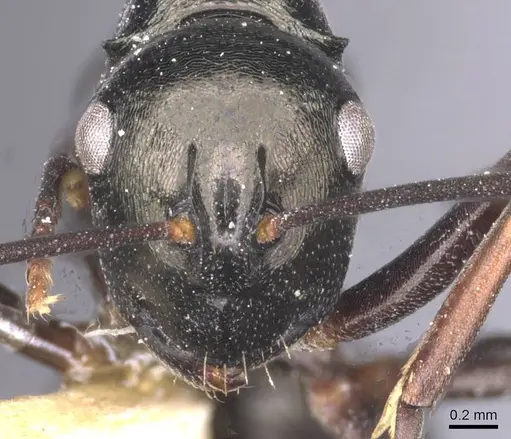
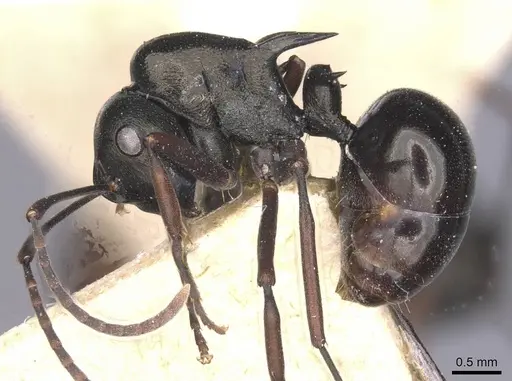
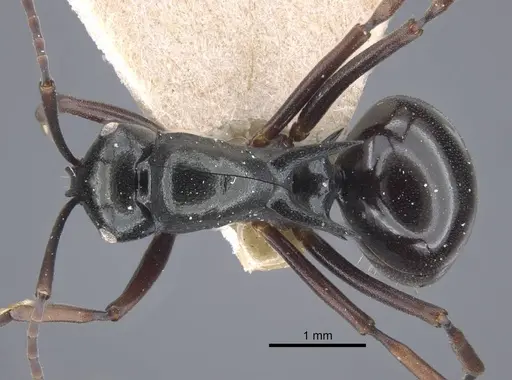
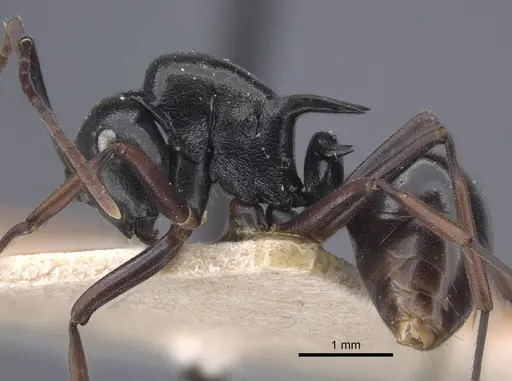
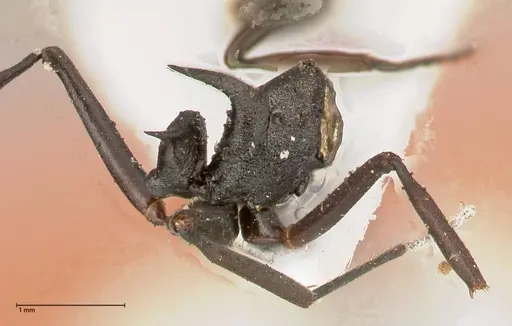
Polyrhachis batesi is a medium-sized ant species belonging to the subgenus Myrmhopla, native to the Maluku Islands of Indonesia [1]. Workers are typical of the genus, with the characteristic hooked spines on the thorax that give Polyrhachis their common name of 'spiny ants.' The species was originally described by Forel in 1911 and was later recognized as synonymous with Polyrhachis batesi described by Karavaiev in 1927 [2]. This ant is endemic to the islands of Ambon and Seram, meaning it's found nowhere else on Earth [1]. The genus Polyrhachis contains over 600 species worldwide, many of which are known for their arboreal nesting habits and intricate nest constructions.
Quick Summary
- Difficulty: Medium
- Origin & Habitat: Native to the Maluku Islands of Indonesia, specifically Seram and Ambon [1]. Found in undisturbed forest habitats [1]. This is a tropical island environment with high humidity and warm temperatures year-round.
- Colony Type: Colony structure is unconfirmed. Most Polyrhachis species are monogyne (single queen colonies), though some can be polygyne. More research is needed on this specific species.
- Founding: Claustral
- Size & Growth:
- Queen: Estimated 10-12mm based on genus typical sizes for Myrmhopla subgenus [2]
- Worker: Estimated 6-9mm based on genus typical sizes [2]
- Colony: Estimated moderate-sized colonies, likely several hundred workers based on related species [2]
- Growth: Moderate, inferred from tropical Formicinae patterns
- Development: Estimated 6-8 weeks at tropical temperatures (25-28°C) based on related Formicinae species (Development time is estimated from genus-level data since specific studies are lacking for this species)
- Antkeeping:
- Temperature: Keep at 24-28°C. This species comes from tropical Indonesian islands, so warmth is essential. A heating cable on one side of the nest creates a gradient allowing workers to self-regulate [2].
- Humidity: High humidity is important, aim for 70-80%. These forest-dwelling ants prefer moist conditions. Keep the nest substrate consistently damp but not waterlogged. Mist occasionally and ensure the water tube is filled [2].
- Diapause: No true diapause required. As a tropical species, they do not need hibernation. However, slight temperature reductions during winter months (dropping to around 22°C) may be beneficial if you're mimicking natural seasonal cues, but this is not mandatory.
- Nesting: Polyrhachis batesi likely nests in vegetation or rotting wood in nature. In captivity, a Y-tong (AAC) nest or plaster nest works well. The chambers should be appropriately sized for their medium size. Provide some substrate like soil or coco fiber if using a naturalistic setup. They may appreciate vertical space for arboreal nesting behaviors.
- Behavior: Polyrhachis ants are generally not aggressive but can be defensive when threatened. Workers are active foragers and may explore their outworld regularly. They are not known to be particularly aggressive toward keepers. Escape risk is moderate, they are not tiny ants but can climb well, so standard barrier precautions are recommended. They likely forage for honeydew, nectar, and small insects in nature.
- Common Issues: tropical species may struggle if temperatures drop below 22°C for extended periods, high humidity requirements mean mold can be an issue if ventilation is poor, limited distribution data means exact care requirements are estimates, wild-caught colonies may have parasites or diseases that affect captive survival, moderate growth rate may test keeper patience compared to faster-growing species
Natural History and Distribution
Polyrhachis batesi is endemic to the Maluku Islands of Indonesia, specifically found on the islands of Seram and Ambon [1]. This makes it a truly specialized species with a very limited natural range. The species was first described by Forel in 1911 from a worker collected on Seram Island, and was later found to be the same species as Polyrhachis batesi described by Karavaiev in 1927 from Ambon Island, with the two being formally synonymized in 1998 [2]. These islands feature tropical rainforest environments with high humidity and consistent warm temperatures throughout the year. The species has been recorded in undisturbed forest habitats, suggesting it prefers mature, intact ecosystems rather than disturbed areas [1]. This limited distribution and forest specialization means wild colonies are vulnerable to habitat loss.
Housing and Nest Preferences
In captivity, Polyrhachis batesi does well in a Y-tong (AAC) nest or a plaster formicarium. These ants are not particularly large but appreciate having appropriately sized chambers, not too tight, not excessively large. Since they likely nest in vegetation or rotting wood in nature, providing some vertical space and potential anchor points for nest attachment can be beneficial. A small outworld connected to the nest allows workers to forage and explore. Ensure your setup has good escape prevention, while not the smallest ants, they can climb smooth surfaces and will explore any gaps. Use Fluon or a similar barrier on the rim of the outworld.
Feeding and Diet
Like most Polyrhachis species, these ants are likely omnivorous generalists. They probably feed on honeydew (a sugary substance excreted by aphids and scale insects) in nature, along with nectar from flowers and small insects. In captivity, offer a constant source of sugar water or honey water. For protein, provide small insects like fruit flies, small crickets, or mealworms. Feed protein sources 2-3 times per week, and keep sugar water available at all times. Remove any uneaten prey after 24-48 hours to prevent mold issues. Some Polyrhachis species will accept fruit, but observe your colony's preferences.
Temperature and Seasonal Care
As a tropical species from the Maluku Islands, Polyrhachis batesi requires warm conditions. Keep the nest area at 24-28°C for optimal colony development and brood growth. A heating cable placed on one side of the nest creates a temperature gradient, allowing ants to move to their preferred temperature zone. Unlike temperate species, they do not require a true diapause or hibernation period. However, if you want to simulate natural seasonal cycles, you can slightly reduce temperatures during winter months to around 22°C, but this is not strictly necessary for their health. Consistency is more important than exact temperatures, avoid sudden fluctuations.
Humidity Requirements
These forest-dwelling ants need high humidity levels, ideally 70-80%. The Maluku Islands have a humid tropical climate, so replicating these conditions is important for captive success. Keep the nest substrate consistently moist but not waterlogged. A water tube connected to the nest provides a constant moisture source. Monitor for condensation, some condensation is good, but excessive moisture can lead to mold problems. If you notice mold, improve ventilation and remove uneaten food promptly. A hygrometer near the nest helps monitor humidity levels.
Frequently Asked Questions
How long does it take for Polyrhachis batesi to produce first workers?
Based on related Formicinae species, expect first workers (nanitics) around 6-8 weeks after the queen lays eggs, when kept at optimal tropical temperatures of 25-28°C. This is an estimate since specific development data for this species is not available.
Can I keep multiple Polyrhachis batesi queens together?
The colony structure for this specific species is not well documented. Most Polyrhachis species are monogyne (single queen), but some can be polygyne. It is generally not recommended to combine unrelated foundress queens, as they may fight. If you acquire multiple queens, it is best to house them separately.
What is the best nest type for Polyrhachis batesi?
A Y-tong (AAC) nest or plaster formicarium works well for this species. They are medium-sized ants, so chambers should be appropriately scaled. Ensure good humidity retention and provide access to a small outworld for foraging.
Do Polyrhachis batesi need hibernation?
No, they do not require hibernation. As a tropical species from the Maluku Islands of Indonesia, they need consistent warmth year-round. Do not expose them to temperatures below 20°C for extended periods.
How big do Polyrhachis batesi colonies get?
Colony size is not specifically documented, but based on related species, expect colonies of several hundred workers. Growth is moderate, these are not fast-growing ants like some tropical species.
What do Polyrhachis batesi eat?
They are omnivorous generalists. Offer sugar water or honey water constantly, and provide protein sources like small insects (fruit flies, small crickets, mealworms) 2-3 times per week. They may also accept nectar or fruit.
Is Polyrhachis batesi a good species for beginners?
This species is rated as Medium difficulty. While not the most challenging species, the specific care requirements (high humidity, warm temperatures) require some attention. Beginners should be prepared to monitor and maintain proper conditions.
Where is Polyrhachis batesi found naturally?
This species is endemic to the Maluku Islands of Indonesia, specifically found on Seram and Ambon islands. It is recorded in undisturbed forest habitats.
Why are my Polyrhachis batesi dying?
Common causes include: temperatures below 22°C (tropical species are cold-sensitive), low humidity (they need 70-80%), mold from excessive moisture or uneaten food, or stress from wild-caught origins. Review your temperature and humidity levels first.
References

This caresheet is licensed under CC BY-SA 4.0 .
Literature
Loading...Loading products...