

Polyrhachis bamaga
- Scientific Name
- Polyrhachis bamaga
- Subgenus
- Hirtomyrma
- Tribe
- Camponotini
- Subfamily
- Formicinae
- Author
- Kohout, 1990
- Distribution
- Found in 1 countries
Polyrhachis bamaga Overview
Polyrhachis bamaga is an ant species of the genus Polyrhachis. It is primarily documented in 1 countries , including Australia. Detailed taxonomic data and occurrence records can be further explored via authoritative databases such as AntWeb or the Global Biodiversity Information Facility (GBIF).
Polyrhachis bamaga
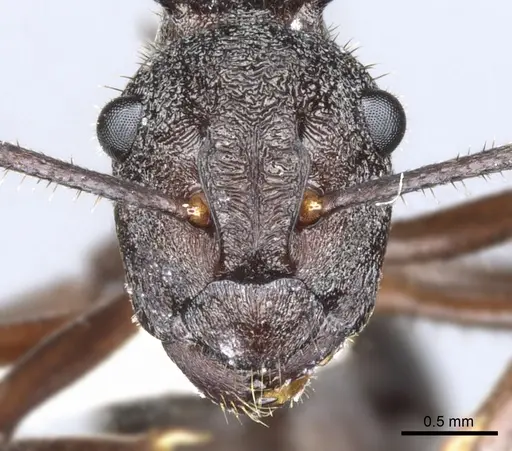
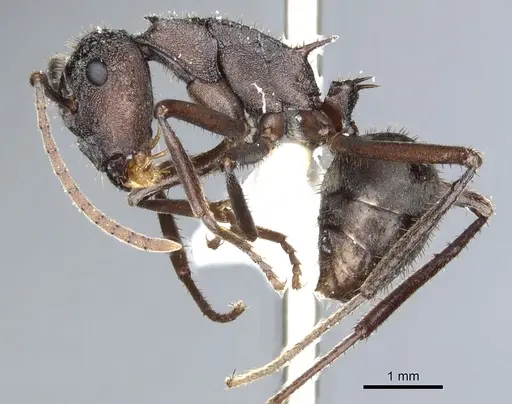
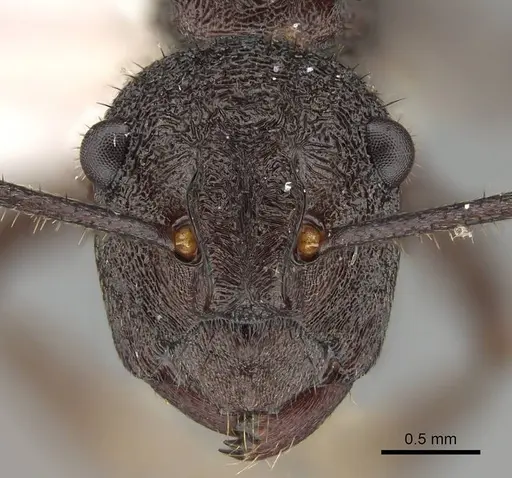
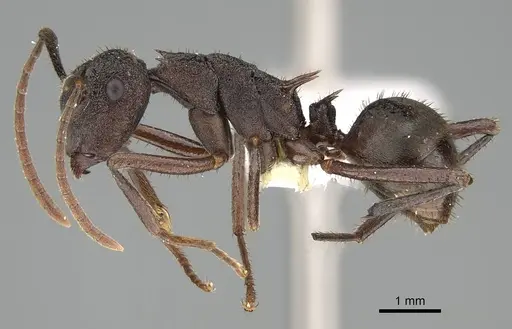
Polyrhachis bamaga is a medium-sized ant belonging to the subgenus Hirtomyrma, native to Cape York Peninsula in northern Queensland, Australia. Workers measure approximately 7-8mm with a distinctive very dark reddish-brown coloration and prominent spines on the propodeum and petiole. The species is characterized by 5-dentate mandibles, opaque striation at the base of the first gastral tergite, and long bristle-like hairs concentrated on the gaster. This ant inhabits the edge of lowland riverine rainforest, where it forages over low vegetation [1][2].
This species is exceptionally rare in the wild, it is only known from the original type specimens collected at Bamaga, and despite dedicated searching, no additional specimens have been found. This makes P. bamaga one of the least-documented Polyrhachis species in Australia, and virtually nothing is known about its captive care requirements [3].
Quick Summary
- Difficulty: Expert
- Origin & Habitat: Cape York Peninsula, Queensland, Australia (Bamaga at 10°53'S,142°23'E). Found along the edge of lowland riverine rainforest, foraging over low vegetation [1][2][3].
- Colony Type: Unconfirmed, colony structure (single-queen or multi-queen) has not been documented in scientific literature
- Size & Growth:
- Queen: Unknown, queen has not been described
- Worker: 7.00-8.01mm total length [1][2]
- Colony: Unknown, only type series of workers collected
- Growth: Unknown
- Development: Unknown, no development data exists for this species (Estimated 6-8 weeks based on typical Polyrhachis patterns at tropical temperatures, but this is a rough inference)
- Antkeeping:
- Temperature: Keep warm at 24-28°C. Based on tropical Australian origin and rainforest-edge habitat [1].
- Humidity: Maintain high humidity (70-85%), rainforest edge habitat suggests need for moist conditions. Provide damp substrate and hydration opportunities.
- Diapause: Likely minimal or no true diapause, tropical species from northern Australia may have reduced seasonal dormancy. However, a slight cooling period during winter months may be beneficial.
- Nesting: No specific nesting data exists. Based on related Polyrhachis species and collection habitat, they likely nest in dead wood, under bark, or in vegetation cavities. Provide a naturalistic setup with multiple small chambers, dead leaves, and bark pieces.
- Behavior: No specific behavioral observations documented. Based on genus patterns, they are likely moderately active foragers that search for honeydew and small prey on vegetation. Escape risk is moderate, medium-sized ants but good climbers. Use standard barrier methods.
- Common Issues: extremely rare in captivity, virtually no established husbandry practices exist, no documented colony founding or queen behavior to reference, unknown if this species accepts sugar or protein foods in captivity, tropical requirements mean temperature must be carefully maintained, no known established breeding populations in antkeeping, availability is extremely limited
Rarity and Availability
Polyrhachis bamaga is one of the rarest ants in the antkeeping hobby, it is only known from a handful of specimens collected at its type locality in Bamaga, Cape York Peninsula, Australia. Despite dedicated field searches by researchers, no additional specimens have been found since the original collection [3]. This means the species is essentially unavailable to antkeepers, and no established captive husbandry practices exist. If you encounter this species for sale, exercise extreme caution, verify the source and ensure they were legally obtained. The extreme rarity makes this an expert-only species that most keepers will never encounter.
The species was originally described by Rudolf J. Kohout in 1990,with subsequent reviews in 2010 confirming its very limited distribution [1][3].
Natural History and Habitat
This species is known only from the edge of lowland riverine rainforest along the Pascoe River near Bamaga in far northern Cape York Peninsula. The area features tropical rainforest conditions with high humidity and warm temperatures year-round. Specimens were collected foraging over low vegetation and flood debris in association with another Polyrhachis species (P. paxilla) [1][3].
The collection location at approximately 10°53'S places this species in a tropical climate zone with minimal seasonal temperature variation. The rainforest edge habitat suggests this species prefers sheltered, humid microclimates with access to vegetation for foraging. The association with P. paxilla during foraging indicates similar ecological niches or foraging strategies.
Nothing is known about nest construction, colony size, or reproductive behavior in the wild. The lack of specimens despite targeted collecting efforts suggests either very small colony sizes, highly localized populations, or specialized habitat requirements that make this species difficult to find.
Based on the subgenus Hirtomyrma characteristics, these ants likely nest in pre-existing cavities in dead wood, under bark, or in vegetation rather than excavating soil [2].
Temperature and Humidity Requirements
As a tropical species from northern Queensland, Polyrhachis bamaga requires warm and humid conditions. Maintain temperatures in the range of 24-28°C, with a slight gradient allowing the ants to select their preferred zone. This aligns with typical tropical rainforest conditions and the known preferences of related Polyrhachis species.
Humidity should be kept high at 70-85%. The riverine rainforest edge habitat indicates this species thrives in consistently moist conditions. Use a moisture-retaining substrate and consider misting or a water reservoir in the nest to maintain humidity levels. Ensure adequate ventilation to prevent mold while retaining moisture.
Regarding winter dormancy, this species likely has minimal diapause requirements due to its tropical origin. A slight temperature reduction during winter months (dropping to around 20-22°C) may be appropriate but is not strictly necessary. Monitor colony activity levels, if they remain active year-round, maintain consistent temperatures.
Always use a heating method that doesn't directly dry out the nest. If using heating cables or mats, place them on the SIDE of the nest rather than underneath to avoid evaporating moisture too quickly. [1]
Feeding and Diet
The specific diet of P. bamaga has not been documented, but based on typical Polyrhachis behavior and the foraging observations (foraging over low vegetation), they likely are omnivorous with a preference for honeydew, nectar, and small invertebrates. The collection observation shows them running over vegetation and flood debris, suggesting they forage for both sugary secretions and protein sources.
In captivity, offer a varied diet including sugar water or honey as a constant carbohydrate source. For protein, provide small insects such as fruit flies, small crickets, or mealworms. Given their medium size (7-8mm workers), they can handle prey items proportional to their size.
Since this species has never been kept in captivity, start with conservative feeding, offer sugar sources first and observe acceptance, then gradually introduce small protein prey. Remove uneaten food after 24-48 hours to maintain cleanliness. The rainforest edge habitat suggests they may also benefit from occasional misting or access to water droplets.
Always ensure fresh water is available. Polyrhachis species often drink from water droplets or moist surfaces rather than using water tubes. [1]
Housing and Nesting
No specific nesting data exists for P. bamaga, but based on related species in the Hirtomyrma subgenus and the collection habitat, a naturalistic setup would be most appropriate. Provide a nest with multiple small chambers, access to dead leaves, bark pieces, or rotting wood pieces that the ants can use as nesting sites.
Given their known foraging behavior (over low vegetation), consider a setup that allows them to climb and forage in the upper portions of the enclosure. A hybrid setup combining a nest chamber with a spacious outworld with live plants or vegetation would mimic their natural habitat.
For escape prevention, use standard barriers. While not as small as some species, medium-sized ants can still escape through small gaps. Ensure all connections are secure and consider fluon barriers on smooth surfaces.
The species' extreme rarity means there are no established 'best practices' for captive housing. Start with conditions that match the natural habitat (warm, humid, vegetation-rich) and adjust based on colony behavior. Document your observations carefully, any captive husbandry information would be valuable for this poorly understood species. [2][1]
Frequently Asked Questions
Is Polyrhachis bamaga available for antkeepers?
No. This species is extremely rare, it is only known from the original type specimens collected in 1988 at Bamaga, Cape York Peninsula, Australia. Despite dedicated field searches by researchers, no additional specimens have been found. There are no established breeding populations in the antkeeping hobby, and you are extremely unlikely to encounter this species for sale legally.
How do I care for Polyrhachis bamaga?
Care requirements are not established since this species has never been kept in captivity. Based on its tropical Australian origin and rainforest edge habitat, provide warm temperatures (24-28°C), high humidity (70-85%), and a naturalistic setup with vegetation and climbing surfaces. This would be an expert-only species requiring specialized knowledge even if specimens became available.
What does Polyrhachis bamaga look like?
Workers are medium-sized at 7-8mm with a distinctive very dark reddish-brown coloration. They have prominent spines on the propodeum and petiole,5-toothed mandibles, and long bristle-like hairs concentrated on the gaster. The base of the first gastral segment has a distinctive opaque, transversely striated texture [1][2].
Where does Polyrhachis bamaga live?
This species is known only from Cape York Peninsula in northern Queensland, Australia, specifically the Bamaga area along the edge of lowland riverine rainforest. The type locality is at approximately 10°53'S,142°23'E [1][3].
How big do Polyrhachis bamaga colonies get?
Unknown. Only a small number of worker specimens have ever been collected, and no colony size data exists. Based on related Polyrhachis species, colonies likely reach several hundred workers, but this is purely speculative.
Does Polyrhachis bamaga need hibernation?
Likely no true hibernation is required. As a tropical species from northern Australia, seasonal temperature variations are minimal. A slight cooling during winter months may be beneficial but is not strictly necessary. Monitor colony activity, if they remain active year-round, maintain consistent warm conditions.
What do Polyrhachis bamaga eat?
Specific diet is unknown, but based on related species and observed foraging behavior (running over low vegetation), they likely feed on honeydew, nectar, and small invertebrates. In captivity, offer sugar water or honey as a constant carbohydrate source and small insects for protein. Start with conservative feeding and observe acceptance.
Is Polyrhachis bamaga good for beginners?
No. This species is not recommended for any level of keeper. It is extremely rare with no established captive husbandry practices, and specimens are essentially unavailable. Even experienced keepers would face significant challenges with a species that has never been maintained in captivity.
How long does it take for Polyrhachis bamaga to develop from egg to worker?
Unknown, no development data exists for this species. Based on typical Polyrhachis patterns at tropical temperatures, a rough estimate would be 6-8 weeks, but this is highly speculative. Any development timeline would be an educated guess rather than documented care practice.
References

This caresheet is licensed under CC BY-SA 4.0 .
CASENT0903354
View on AntWeb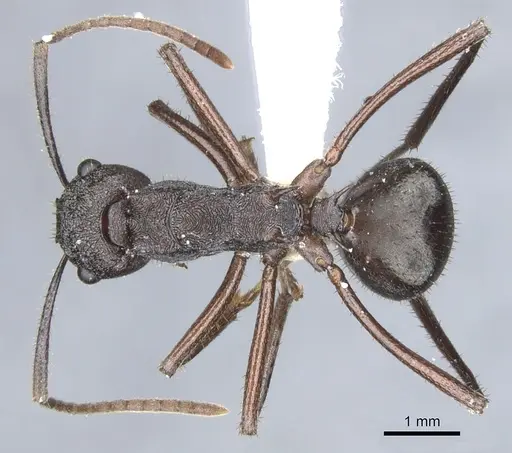
CASENT0919846
View on AntWeb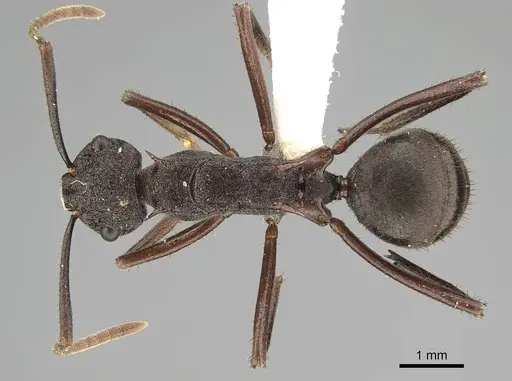
Literature
Loading...Loading products...