
Polyrhachis australis shows a October to December flight window. Peak activity occurs in November, with nuptial flights distributed across 3 months.
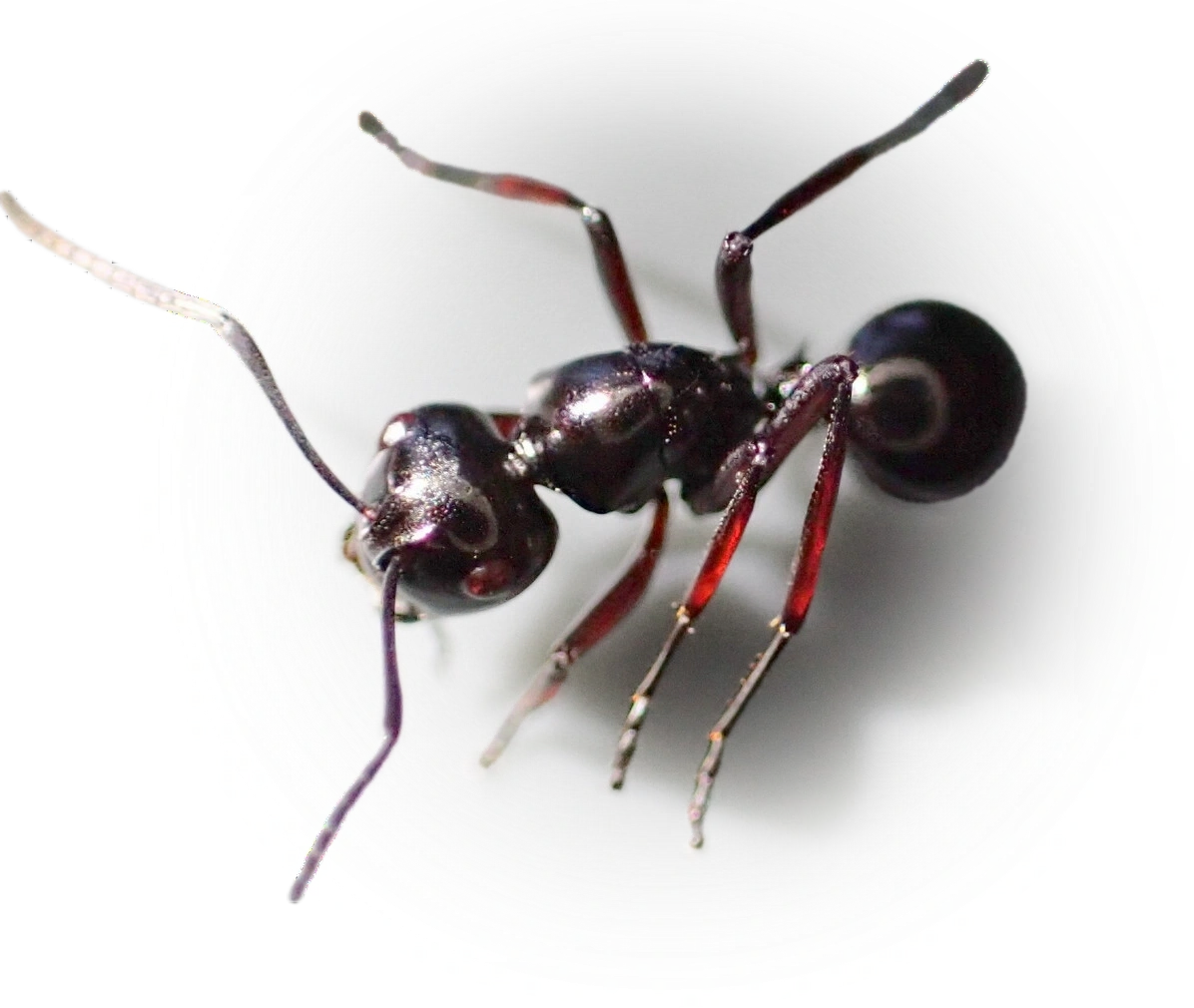
Polyrhachis australis
- Scientific Name
- Polyrhachis australis
- Subgenus
- Cyrtomyrma
- Tribe
- Camponotini
- Subfamily
- Formicinae
- Author
- Mayr, 1870
- Distribution
- Found in 1 countries
- Nuptial Flight
- from October to December, peaking in November
AI Identifiable
try →
Polyrhachis australis Overview
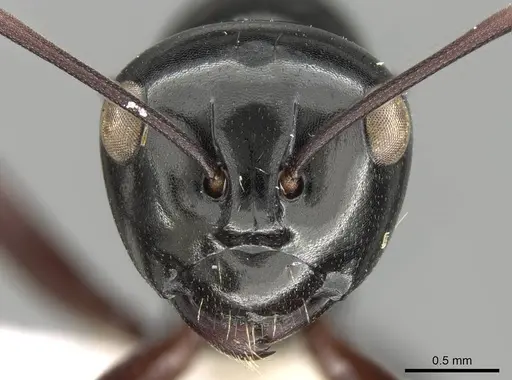
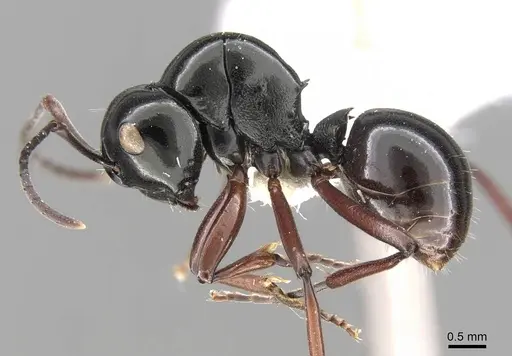
Polyrhachis australis is an ant species of the genus Polyrhachis. It is primarily documented in 1 countries , including Australia. Detailed taxonomic data and occurrence records can be further explored via authoritative databases such as AntWeb or the Global Biodiversity Information Facility (GBIF).
The nuptial flight of Polyrhachis australis is a significant biological event, typically occurring from October to December, peaking in November. During this time, winged queens and males leave the nest to mate and establish new colonies.
Polyrhachis australis
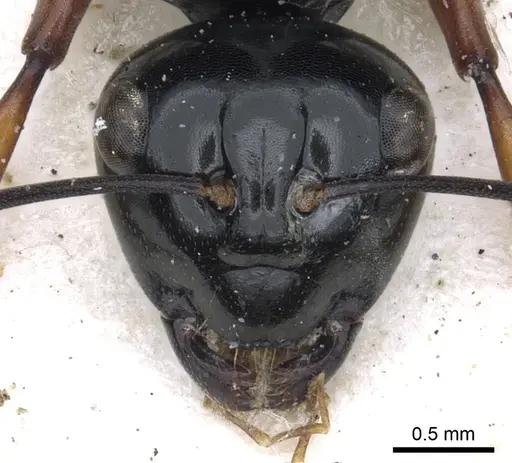
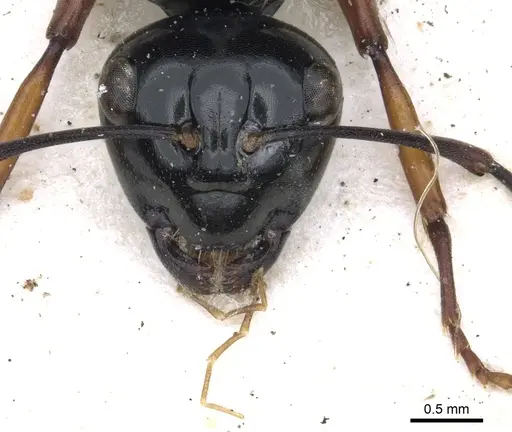
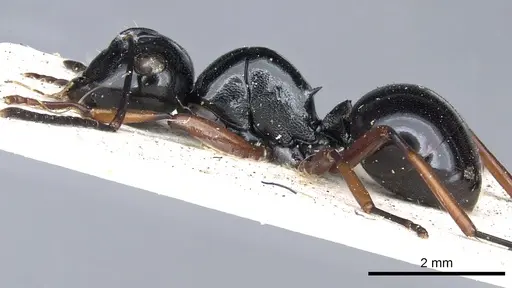
Polyrhachis australis is a medium-sized arboreal ant native to the tropical and subtropical coasts of eastern Australia. Workers measure around 6-8mm and have distinctive spines on their thorax and petiole. They are famous for their weaving behavior, they construct nests by spinning silk from their larvae to bind leaves and vegetation together, creating distinctive leaf-enclosed nests suspended in trees and shrubs [1][2]. Unlike most ants, they lack metapleural glands and their pupae do not spin cocoons [3]. This species is polygynous, meaning colonies can have multiple queens, and polydomous, meaning they maintain multiple nests across their territory [4].
Quick Summary
- Difficulty: Medium
- Origin & Habitat: Eastern Australia (Cairns to Queensland-New South Wales border), found in lowland rainforest margins and woodlands where they build silk nests between leaves of trees and shrubs [5].
- Colony Type: Polygynous (multiple queens per colony) and polydomous (multiple nests per colony). Colonies can have many queens working together, and they build several nests across their territory [4].
- Colony: Polygyne
- Founding: Claustral
- Size & Growth:
- Queen: Approximately 8mm, queens are brachypterous (have short, non-functional wings)[5].
- Worker: 6-8mm [6].
- Colony: Colonies can grow large with hundreds of workers across multiple nests.
- Growth: Moderate
- Development: Approximately 6-8 weeks at tropical temperatures (estimate based on related Polyrhachis species). (Development time is typical for tropical Formicinae, faster than temperate species due to year-round warm conditions.)
- Antkeeping:
- Temperature: Keep at 24-28°C. As a tropical Australian species, they need warm conditions year-round. Room temperature (around 24°C) is suitable, with slight heating if needed [5].
- Humidity: Moderate to high humidity (60-80%). Their natural habitat is rainforest edges with good moisture. Mist the outworld regularly and provide a water source.
- Diapause: No, being tropical, they do not require hibernation. Keep warm year-round.
- Nesting: Arboreal setup is essential. Provide live potted plants or artificial leaves/branches where they can weave nests. A naturalistic setup with living vegetation works best. They will bind leaves together with larval silk to create suspended nests [7].
- Behavior: Weaver ants are active foragers with a moderate temperament. Workers patrol actively and will defend their nest vigorously. They are not particularly aggressive toward keepers but will bite if threatened. Their escape risk is moderate, they are good climbers but not as small as some escape artists. They communicate using chemical trails and will establish foraging routes. The unique weaving behavior is fascinating to watch as workers coordinate to manipulate leaves [1].
- Common Issues: arboreal setup is essential, they will not thrive in standard ground-based nests, escape prevention matters, they are excellent climbers and can escape through small gaps, polygyne colonies may have queen conflicts during establishment, monitor initially, they need live plants or structures to weave nests onto, bare enclosures cause stress, humidity must be maintained, dry conditions cause brood loss
Nuptial Flight Activity Analysis 120 observations
Flight Activity by Hour 120 observations
Polyrhachis australis nuptial flight activity peaks around 09:00 during the morning. Activity is spread across a 12-hour window (06:00–17:00). A secondary activity peak occurs around 13:00. Times may be influenced by human observation patterns.
Housing and Nest Setup
Polyrhachis australis requires an arboreal setup, this is non-negotiable for successful keeping. Unlike ground-nesting ants, they need vertical space and vegetation to weave their characteristic silk nests. The best approach is a naturalistic setup with a potted plant (like a small fern or bush) inside the outworld. Workers will weave leaves together using silk from their larvae, creating suspended nests exactly as they do in the wild [7]. Alternatively, you can provide artificial structures like plastic leaves or mesh that they can weave into. A standard test tube setup will not work, they need to display their natural weaving behavior to thrive. The outworld should be tall enough for them to build suspended nests, with branches or plants reaching toward the top.
Feeding and Diet
Polyrhachis australis is omnivorous like most Formicinae. They will accept sugar sources (honey water, sugar water) and protein (insects like fruit flies, small crickets, mealworms). In the wild, they forage actively and are known to tend aphids for honeydew [5]. Feed them a varied diet: offer sugar water constantly and protein prey 2-3 times per week. Remove uneaten prey after 24 hours to prevent mold. They are active foragers, so ensure food is accessible in the outworld. Being tropical, they maintain year-round activity and will eat consistently throughout the year.
Temperature and Seasonal Care
As a tropical Australian species, Polyrhachis australis needs warm conditions year-round. Keep the colony at 24-28°C. They do not tolerate cold well, temperatures below 20°C for extended periods can be harmful. Room temperature in most homes is suitable, but you may need a small heating cable or mat during winter if your home is cool. Do not hibernate this species, they have no diapause requirement. Maintain consistent warmth and humidity throughout the year. A slight temperature drop at night is natural and acceptable, but avoid cold drafts near the colony. [5]
Understanding Their Unique Biology
Polyrhachis australis has several unusual traits that make them fascinating. They are weaver ants, one of only a few ant genera that use larval silk to construct nests [1][8]. Unlike most ants, they lack metapleural glands (the antibiotic glands most ants use for colony hygiene) [1][2]. Their pupae do not spin cocoons before emerging as adults [3]. Colonies are polygynous (multiple queens) and polydomous (multiple nests spread across territory) [4]. Queens are brachypterous, they have short, non-functional wings and cannot fly. These traits mean they spread through colony budding rather than nuptial flights. Understanding these unique features helps you provide appropriate care.
Colony Structure and Multi-Queen Dynamics
Polyrhachis australis is polygynous, meaning colonies naturally have multiple queens [4]. This is unusual compared to many ant species and affects how you house them. Multiple queens can coexist peacefully in established colonies. If you acquire a founding queen, she may eventually accept other queens if the colony grows. Do not be alarmed if you see multiple gravid queens, this is normal for the species. The colony will also be polydomous, meaning they prefer to maintain multiple nests. In captivity, this means they will likely expand to use more of their enclosure rather than consolidating into one nest. Provide enough space for multiple nest sites.
Behavior and Foraging
Workers of Polyrhachis australis are active foragers that patrol established trails. They are competent climbers and will readily ascend plants, branches, and walls of the enclosure. They are moderately defensive, they will respond to threats by biting, though their bite is not particularly painful for humans. The most fascinating behavior is their weaving: workers coordinate to hold leaves in position while larvae produce silk to bind them together [7]. You may observe this behavior in your setup if you provide suitable plants. They also communicate using chemical trail pheromones, similar to other weaver ants. Expect to see regular foraging activity during daylight hours.
Frequently Asked Questions
Can I keep Polyrhachis australis in a test tube?
No, they are arboreal weaver ants and need vertical space with plants or structures to weave nests. A test tube alone will not work. You need a naturalistic setup with live plants or artificial branches where they can build their characteristic silk nests.
What is the best nest type for Polyrhachis australis?
A naturalistic arboreal setup with potted plants is ideal. They will weave leaves together using larval silk. Alternatively, provide artificial structures like plastic plants or mesh that they can manipulate. Standard ground nests are not appropriate for this species.
How long until first workers in Polyrhachis australis?
Expect first workers (nanitics) approximately 6-8 weeks after the queen lays eggs, at tropical temperatures around 26°C. This is typical for tropical Formicinae species.
How fast do Polyrhachis australis colonies grow?
Growth rate is moderate. Colonies can reach several hundred workers over time, but they are not among the fastest-growing ants. Patience is required, they will grow steadily given proper care.
Can I keep multiple queens together?
Yes, this species is naturally polygynous, meaning multiple queens can coexist in a colony. This is normal behavior for Polyrhachis australis. You do not need to separate queens.
Will Polyrhachis australis queens fight?
Queens typically do not fight in this species, they are naturally polygynous and coexist peacefully. Unlike monogyne species where queens may fight, multiple queens of P. australis can live together harmoniously.
How big do Polyrhachis australis colonies get?
Colonies can grow to several hundred workers across multiple nests. Being polydomous, they spread their colony across several nest sites rather than consolidating into one large nest.
Are Polyrhachis australis dangerous?
No, they are not dangerous to humans. They may bite if handled roughly or if their nest is threatened, but the bite is mild. They are not aggressive toward keepers under normal circumstances.
How often to feed Polyrhachis australis?
Offer sugar water (honey water) constantly, they will drink it as needed. Offer protein (insects) 2-3 times per week. Remove uneaten prey after 24 hours to prevent mold.
What do Polyrhachis australis eat?
They are omnivorous. They accept sugar sources (honey water, sugar water) and protein (small insects like fruit flies, crickets, mealworms). In the wild, they also forage for honeydew from aphids.
What are the temperature requirements for Polyrhachis australis?
Keep them warm at 24-28°C. As a tropical species, they need year-round warmth. Room temperature is usually suitable. Do not hibernate this species, they have no diapause requirement.
Are Polyrhachis australis good for beginners?
They are intermediate difficulty. The main challenge is providing an appropriate arboreal setup with plants for weaving. If you are comfortable with naturalistic setups and can provide warm, humid conditions, they are rewarding. They are not the best choice for complete beginners, but experienced antkeepers will find them fascinating.
Do Polyrhachis australis need hibernation?
No, being a tropical Australian species, they do not require hibernation or diapause. Keep them warm and active year-round. Cold temperatures can harm them.
Why are my Polyrhachis australis dying?
Common causes: too cold (below 20°C), too dry (low humidity), lack of proper weaving structures, or inadequate protein. Ensure they have warm temperatures (24-28°C), moderate humidity, and suitable plants/structures to weave nests. Check that they have constant access to sugar water and regular protein.
References

This caresheet is licensed under CC BY-SA 4.0 .
CASENT0903425
View on AntWeb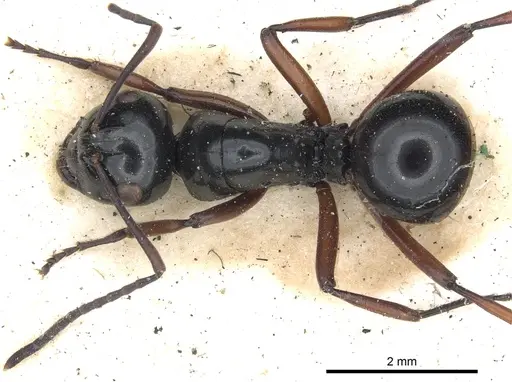
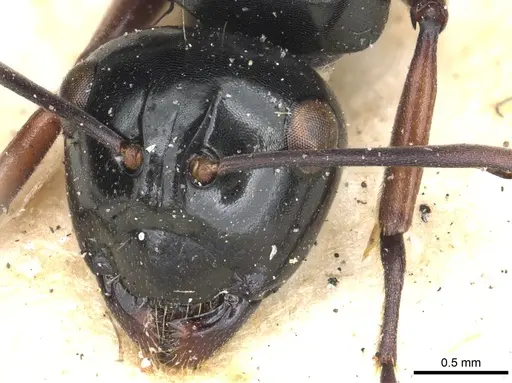
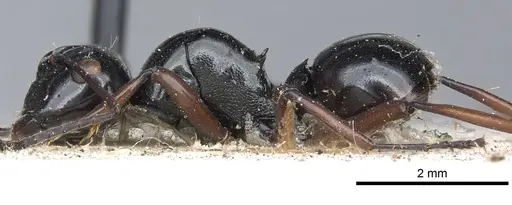
CASENT0903426
View on AntWeb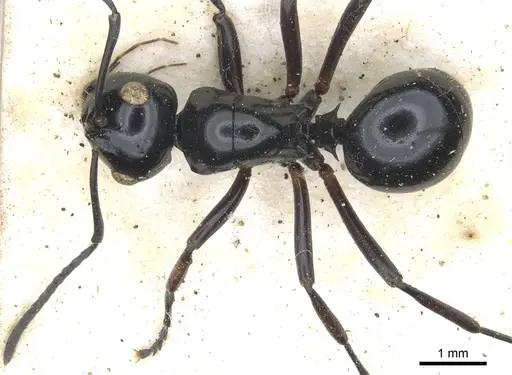
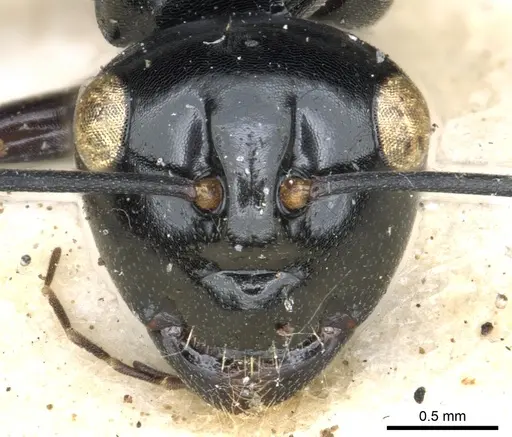
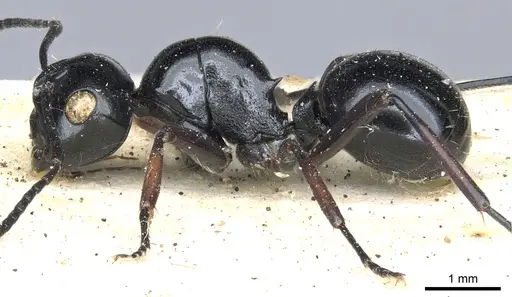
CASENT0903427
View on AntWeb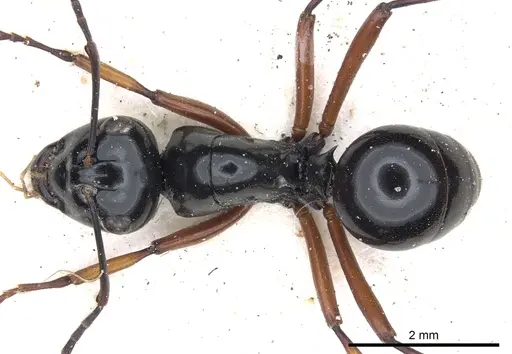
CASENT0906792
View on AntWeb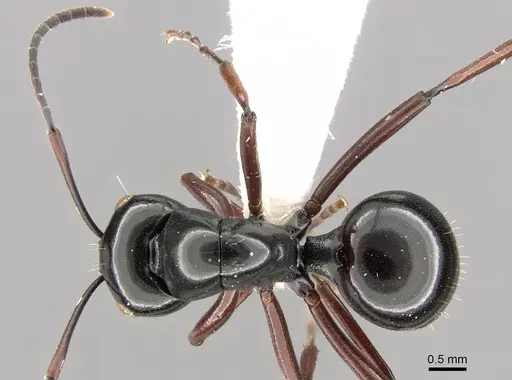
Literature
Loading...Loading products...