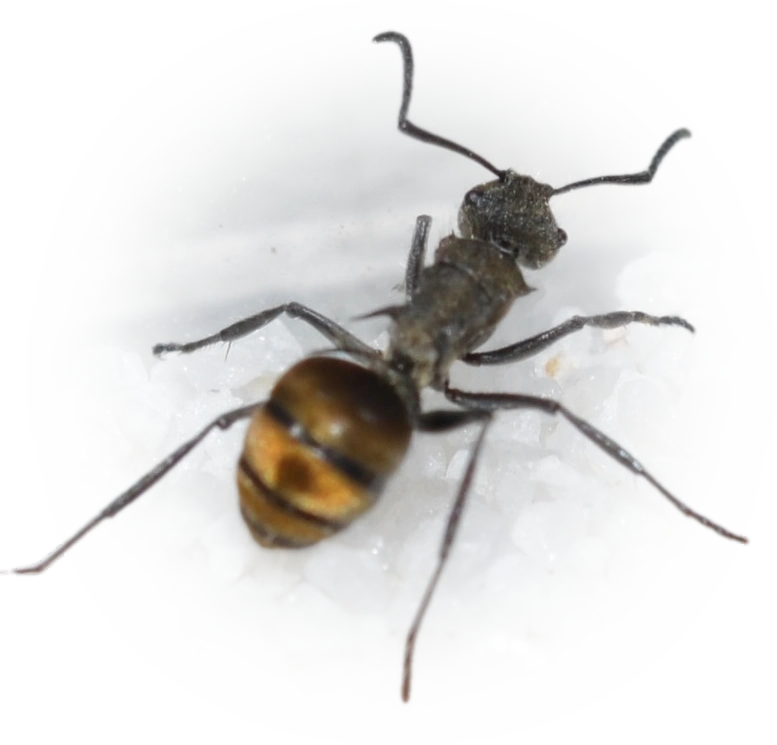

Polyrhachis aurea
- Scientific Name
- Polyrhachis aurea
- Subgenus
- Chariomyrma
- Tribe
- Camponotini
- Subfamily
- Formicinae
- Author
- Mayr, 1876
- Distribution
- Found in 2 countries
Polyrhachis aurea Overview
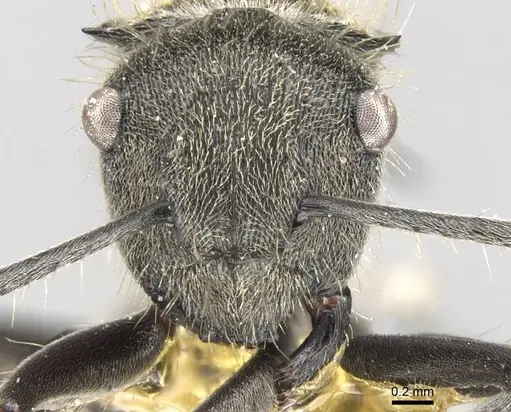
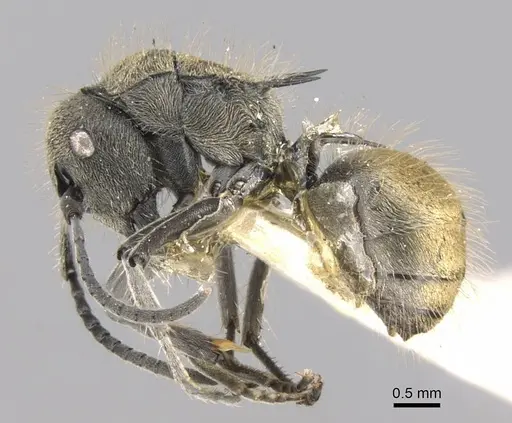
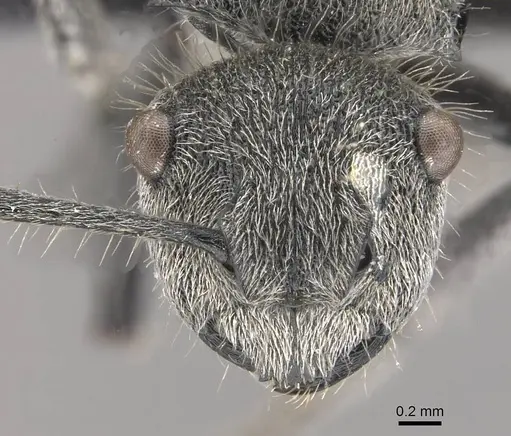
Polyrhachis aurea is an ant species of the genus Polyrhachis. It is primarily documented in 2 countries , including Australia, Vanuatu. Detailed taxonomic data and occurrence records can be further explored via authoritative databases such as AntWeb or the Global Biodiversity Information Facility (GBIF).
Polyrhachis aurea
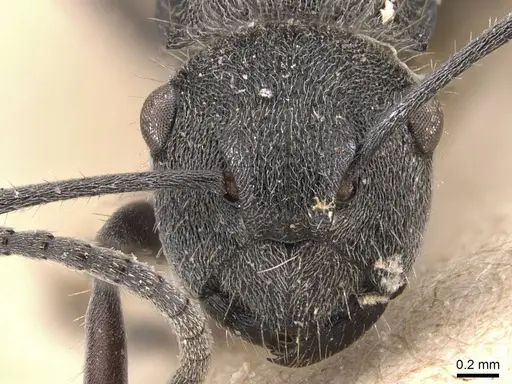
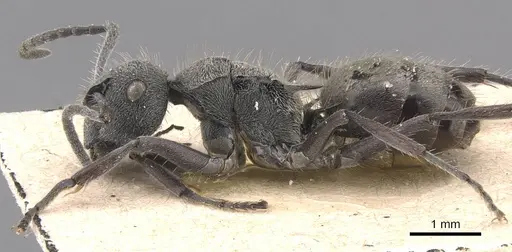
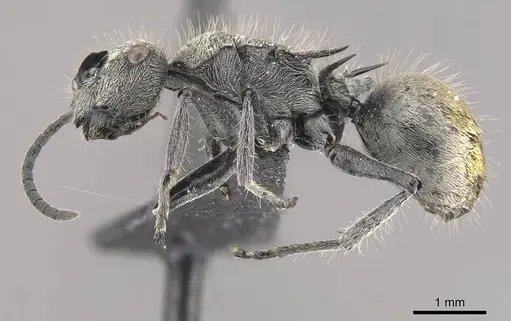
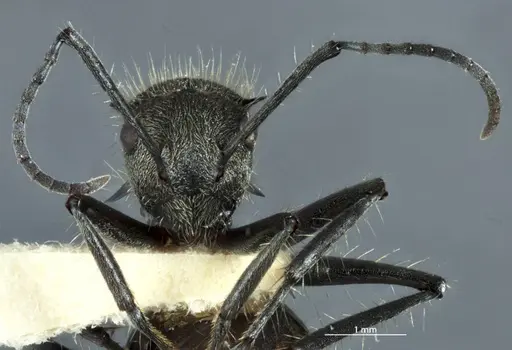
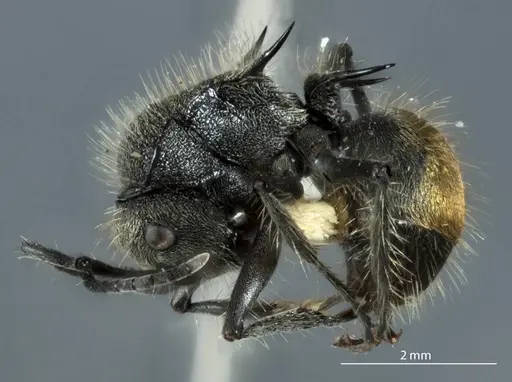
Polyrhachis aurea is a spiny ant species native to Australia and the Australasian region, including Papua New Guinea and the Solomon Islands. These ants get their common name from the spines that protrude from their thorax and the golden or reddish-bronze coloration that many workers display. Workers are moderately sized, typically ranging from 6-10mm, with a distinctive metallic sheen. The genus Polyrhachis is known for the spines on the mesosoma (the middle body section), which serve as a defense mechanism against predators. This species nests subterranean, meaning underground, and constructs simple nests in soil without additional materials like plant matter [1]. They are part of the Formicinae subfamily, which includes other familiar ants like carpenter ants and weaver ants.
Quick Summary
- Difficulty: Medium
- Origin & Habitat: Australia, Papua New Guinea, and Solomon Islands. This species inhabits subtropical to tropical regions and nests underground in soil [1][2].
- Colony Type: Likely single-queen colonies (monogyne) based on typical Polyrhachis colony structure, though specific documentation for P. aurea is limited.
- Colony: Monogyne
- Founding: Claustral
- Size & Growth:
- Queen: Estimated 10-12mm based on genus patterns for Polyrhachis species
- Worker: Estimated 6-10mm based on genus typical sizes
- Colony: Estimated several hundred workers based on related species
- Growth: Moderate
- Development: Estimated 6-8 weeks at optimal temperature based on typical Formicinae development (Development time is inferred from genus-level data since species-specific measurements are unavailable)
- Antkeeping:
- Temperature: Keep nest area around 24-28°C. Australian species tolerate a range from roughly 22-30°C. Provide a temperature gradient so ants can choose their preferred zone.
- Humidity: Maintain moderate to high substrate moisture. Keep the nest substrate consistently damp but not waterlogged. Subterranean nesting suggests they prefer stable humidity conditions.
- Diapause: Unconfirmed for this specific species. Many Australian Polyrhachis may experience reduced activity during cooler months but true hibernation is not well-documented.
- Nesting: Subterranean nesters, they dig chambers in soil. In captivity, a naturalistic setup with compacted soil or a Y-tong/plaster nest with narrow chambers works well. Avoid overly dry or sandy substrates.
- Behavior: Polyrhachis ants are generally not aggressive but will defend their nest using their spines. Workers are active foragers, searching for food both on the ground and on low vegetation. They are omnivorous, accepting both sugary liquids and protein sources. Escape risk is moderate, their medium size makes standard barrier methods effective, but ensure lids fit tightly.
- Common Issues: subterranean nesting means they need deeper substrate or compact nest chambers to feel secure, cocoons present, take care when moving brood as the pupae are enclosed in protective silk cases, moderate growth rate may test keeper patience during founding phase, wild-caught colonies may be difficult to locate as they nest underground rather than in visible locations
Nest Preferences and Housing
Polyrhachis aurea is a subterranean nester, meaning they naturally dig their nests in soil underground [1]. In captivity, you should replicate this by providing compact, damp substrate rather than loose sandy soil. A naturalistic setup with a deep soil layer (at least 5-10cm) allows them to create proper chambers. Alternatively, Y-tong (acrylic) nests with narrow, tight-fitting chambers work well, or you can use plaster nests with built-in water chambers to maintain humidity. The key is providing enough depth and compact substrate for them to feel secure, they may abandon shallow or overly loose setups. Avoid test tube setups designed for smaller ants, as these don't accommodate their subterranean nature.
Feeding and Diet
Like most Polyrhachis species, P. aurea is omnivorous. Workers forage for nectar, honeydew from aphids, and small insects. In captivity, offer a constant sugar source such as sugar water, honey, or diluted maple syrup. For protein, provide small insects like fruit flies, small crickets, mealworms, or other appropriately-sized prey. Feed protein sources 2-3 times per week, and remove any uneaten prey after 24 hours to prevent mold. Observe your colony's appetite, established colonies with many workers will consume more than founding queens.
Temperature and Heating
As an Australian species from subtropical to tropical regions, Polyrhachis aurea prefers warm conditions. Keep the nest area at 24-28°C for optimal brood development. You can achieve this using a heating cable or heating mat placed on one side of the nest to create a temperature gradient. Always place heating elements on top of the nest, not underneath, to prevent excessive drying and moisture loss. Room temperature (around 22-24°C) may be acceptable in warmer climates or during summer months. If workers seem sluggish or cluster together, slightly increase the temperature. If they avoid the heated area, reduce heat.
Humidity and Water
Subterranean ants like P. aurea require stable, moderate to high humidity. Keep the nest substrate consistently moist but never waterlogged, the soil should feel damp to the touch like a wrung-out sponge. Allow some variation by having one area slightly drier so ants can self-regulate. In Y-tong or plaster nests, fill the water reservoir regularly and check for condensation inside the nest chambers. Mist the outworld occasionally but avoid direct spraying on the nest. Poor humidity can lead to failed ecdysis (molting) in developing brood and worker mortality. [1]
Behavior and Temperament
Polyrhachis aurea workers are moderately active and will forage both on the ground and up low vegetation. They are not typically aggressive toward keepers but will defend their nest if threatened. The spines on their thorax serve as a physical defense, making them harder for predators to handle. Workers can be somewhat shy initially in new setups but will become more active once the colony establishes. They use chemical trails to recruit nestmates to food sources. Colonies are moderately sized and should be given adequate space as they grow. Escape prevention is straightforward due to their medium size, standard barriers and tight-fitting lids are usually sufficient.
Colony Development and Growth
Colony founding begins when a newly mated queen seals herself into a small underground chamber (claustral founding). She relies on stored fat reserves to survive and feed her first brood without leaving the nest. The first workers, called nanitics, are typically smaller than mature workers and emerge within 6-8 weeks under warm conditions. After the nanitics arrive, the queen stops foraging and is fed by workers. The colony then grows gradually as more workers are produced. Polyrhachis species typically have pupal cocoons [1], which means the pupal stage is enclosed in a protective silk case, this is important to note when handling brood during nest maintenance. Full colony maturity may take 1-2 years.
Frequently Asked Questions
How long does it take for Polyrhachis aurea to produce first workers?
Expect first workers (nanitics) to emerge in approximately 6-8 weeks after the queen lays eggs, assuming optimal temperature around 26°C. This timeline is based on typical Formicinae development patterns since species-specific data is unavailable.
What do Polyrhachis aurea ants eat?
They are omnivorous. Offer constant sugar water, honey, or maple syrup. For protein, feed small insects like fruit flies, small crickets, or mealworms 2-3 times per week.
Can I keep Polyrhachis aurea in a test tube setup?
Not recommended. This species is a subterranean nester that prefers compact, damp soil or soil-filled naturalistic setups. Test tubes don't provide the proper underground environment they need to feel secure.
What temperature do Polyrhachis aurea need?
Keep nest temperatures between 24-28°C. A heating cable on one side of the nest creates a gradient that allows ants to choose their preferred temperature zone.
Are Polyrhachis aurea good for beginners?
They are rated as medium difficulty. While not the easiest species, their straightforward care requirements make them manageable for intermediate antkeepers who understand basic subterranean nesting needs.
How big do Polyrhachis aurea colonies get?
Based on related species, colonies likely reach several hundred workers over 1-2 years. They are not among the largest Polyrhachis species.
Do Polyrhachis aurea need hibernation?
Diapause requirements are unconfirmed for this specific species. Many Australian ants reduce activity during cooler months but may not require true hibernation like temperate species.
When should I move my colony to a formicarium?
Wait until the colony has at least 20-30 workers and is actively using the outworld for foraging. Moving too early can stress the colony. Ensure the formicarium provides proper soil depth and humidity.
Why is my Polyrhachis aurea colony not growing?
Check temperature (should be 24-28°C), humidity (substrate should be damp but not wet), and food availability. Slow growth is normal during founding, be patient. Ensure the queen is still laying eggs and workers are healthy.
References

This caresheet is licensed under CC BY-SA 4.0 .
CASENT0887792
View on AntWeb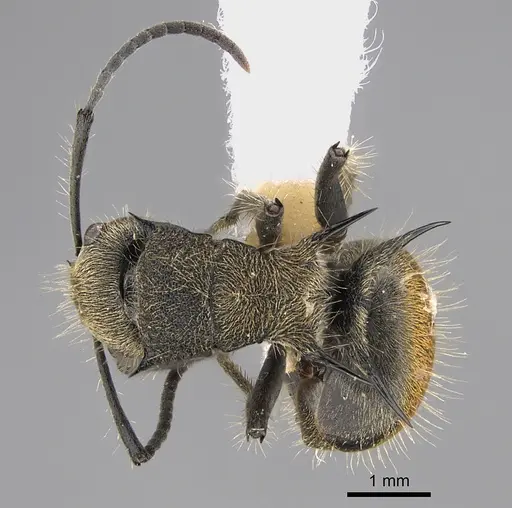
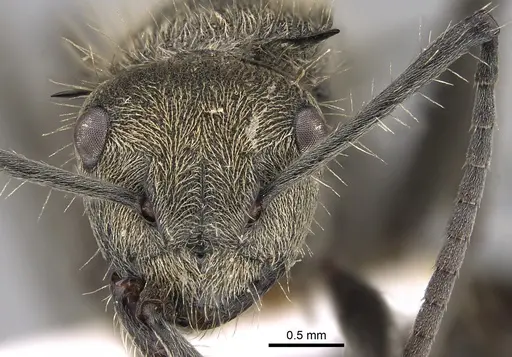
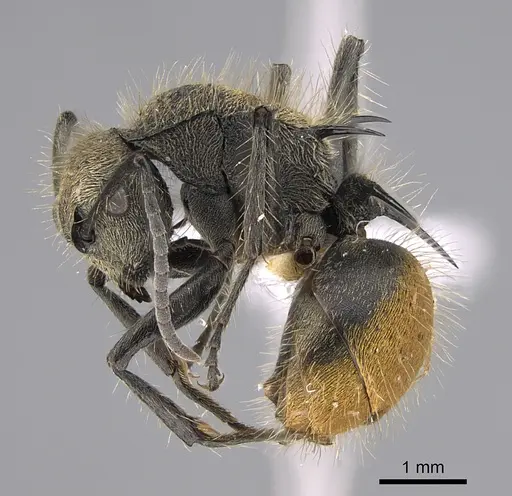
CASENT0905582
View on AntWeb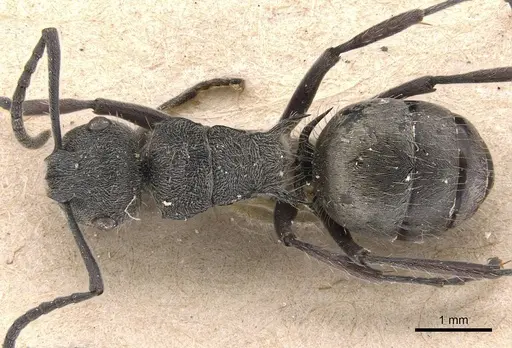
CASENT0906752
View on AntWeb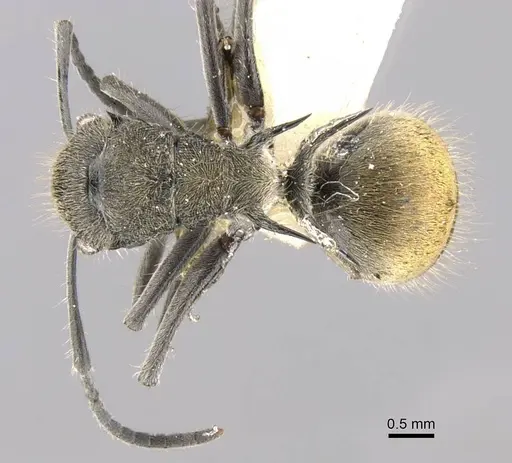
CASENT0910818
View on AntWeb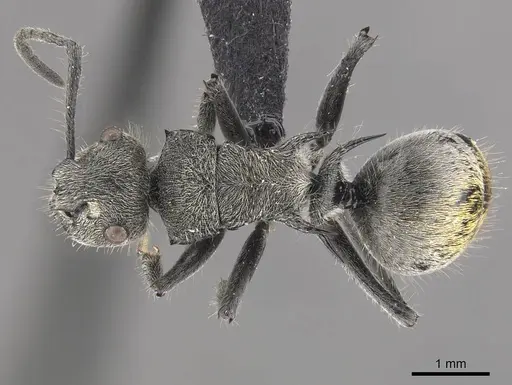
CASENT0915609
View on AntWeb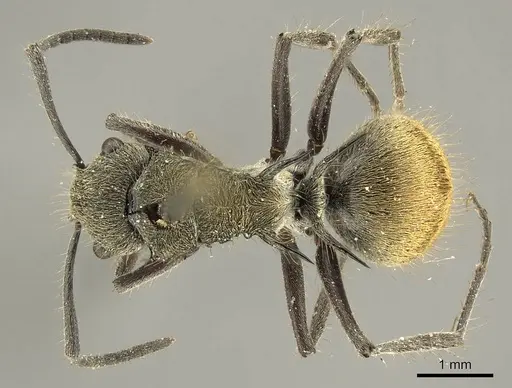
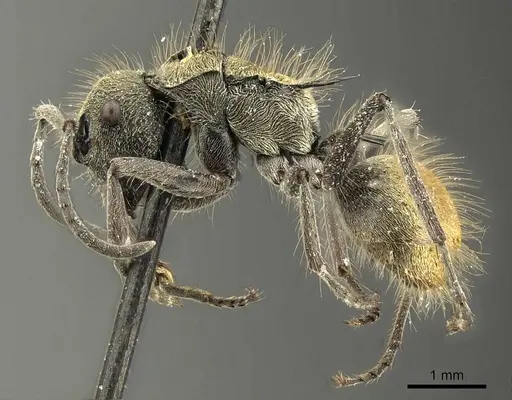
CASENT0915815
View on AntWeb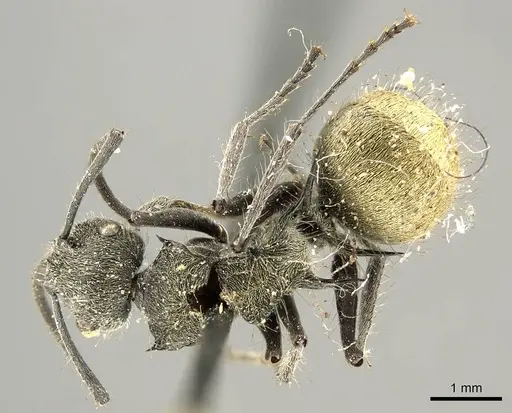
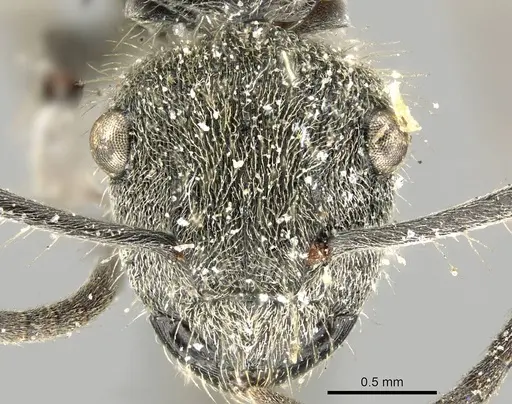
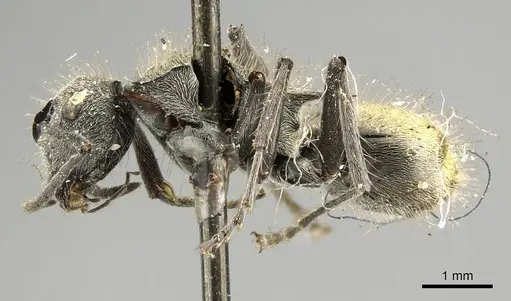
JDM32-002131
View on AntWeb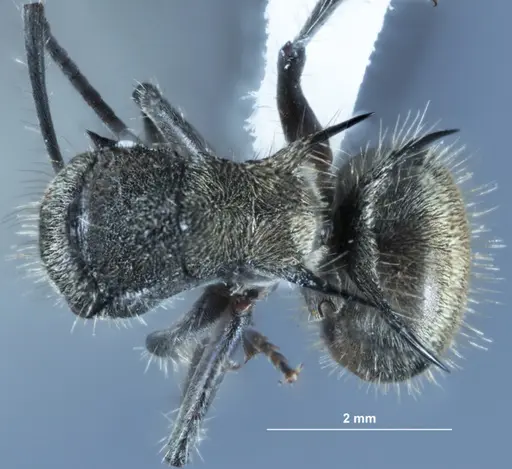
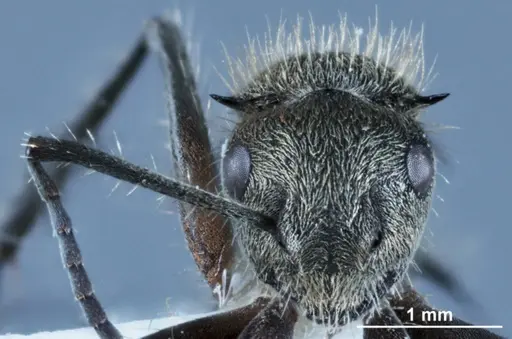
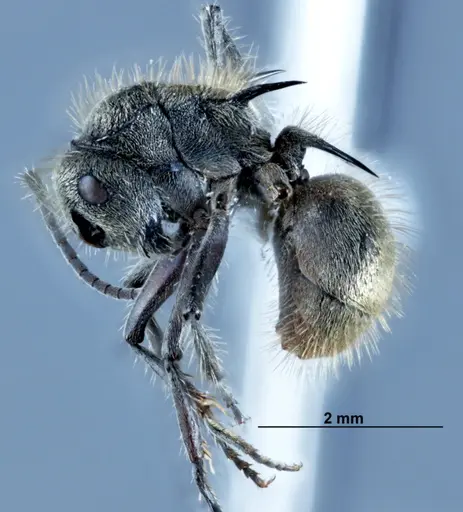
JDM32-002150
View on AntWeb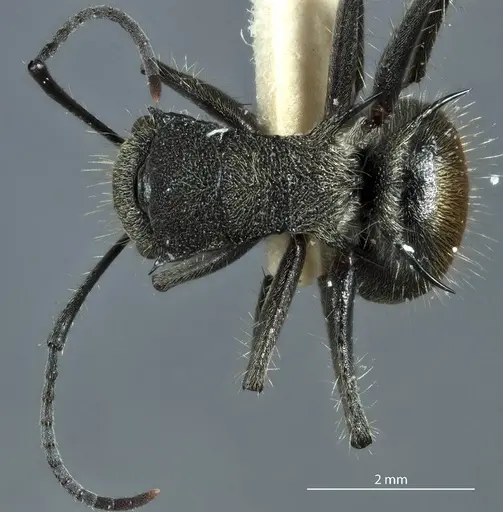
Literature
Loading...Loading products...