

Polyrhachis argenteosignata
- Scientific Name
- Polyrhachis argenteosignata
- Subgenus
- Chariomyrma
- Tribe
- Camponotini
- Subfamily
- Formicinae
- Author
- Emery, 1900
- Distribution
- Found in 2 countries
Polyrhachis argenteosignata Overview
Polyrhachis argenteosignata is an ant species of the genus Polyrhachis. It is primarily documented in 2 countries , including Australia, Papua New Guinea. Detailed taxonomic data and occurrence records can be further explored via authoritative databases such as AntWeb or the Global Biodiversity Information Facility (GBIF).
Polyrhachis argenteosignata
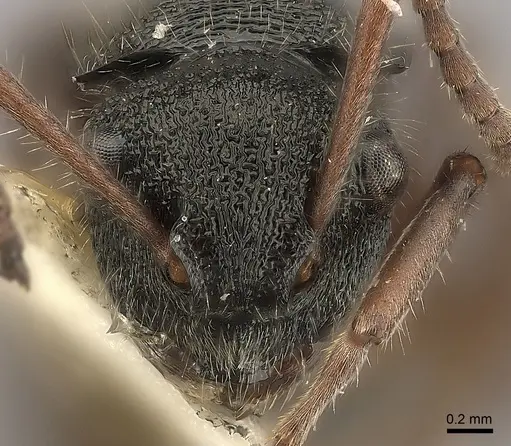
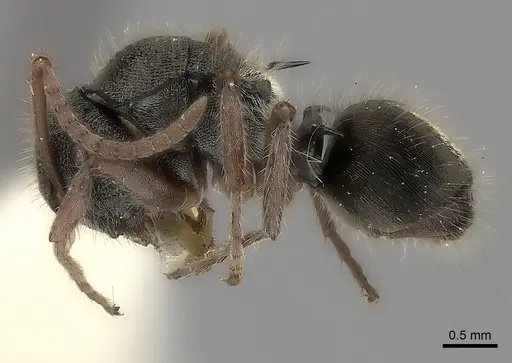
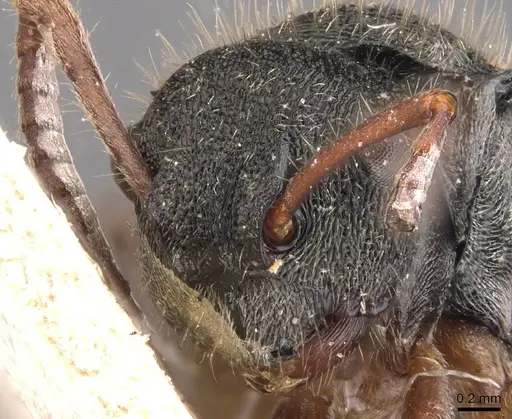
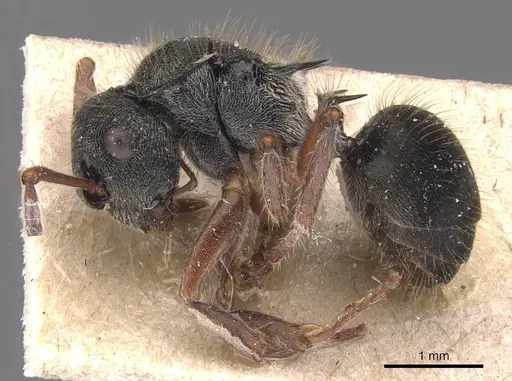
Polyrhachis argenteosignata is a tropical ant species originally described from New Guinea by Emery in 1900. It belongs to the subgenus Chariomyrma, a group of Polyrhachis ants primarily found in Australia and the Australasian region. The species name 'argenteosignata' means 'silver-marked, ' suggesting these ants have distinctive silvery markings on their body. Workers are moderate-sized, typical of the Polyrhachis genus, which is known for its spiny propodeum and often metallic or iridescent appearance. The species has been recorded from New Britain and Papua New Guinea, with additional records from northern Australia [1][2].
This species is part of the Formicinae subfamily, making it related to well-known genera like Camponotus. Like other Polyrhachis species, they are likely arboreal or semi-arboreal, nesting in vegetation, under bark, or in hollow twigs rather than in ground nests. The specific biology and behavior of P. argenteosignata remains poorly documented in scientific literature, making this a species for experienced keepers who enjoy working with less-studied tropical ants.
Quick Summary
- Difficulty: Medium
- Origin & Habitat: Tropical Australasian region, Papua New Guinea, New Britain, and northern Australia. They inhabit rainforest and moist forest habitats in lowland areas [1][2].
- Colony Type: Colony structure is unconfirmed. Most Polyrhachis species are monogyne (single queen colonies), but polygyny has been documented in some related species. More research is needed to confirm the exact colony structure of this species.
- Colony: Monogyne
- Founding: Claustral
- Size & Growth:
- Queen: Estimated 10-12mm based on genus patterns for medium-sized Polyrhachis species
- Worker: Estimated 6-9mm based on genus patterns
- Colony: Likely several hundred workers based on typical Polyrhachis colony sizes
- Growth: Moderate, typical for tropical Formicinae
- Development: Estimated 6-8 weeks at tropical temperatures (25-28°C) (Development time is inferred from related Polyrhachis and Formicinae species. Actual timing may vary.)
- Antkeeping:
- Temperature: Keep at 24-28°C. These are tropical ants that need warm, stable conditions. A heating cable on one side of the nest creates a suitable gradient. Avoid temperatures below 22°C for extended periods.
- Humidity: Moderate to high humidity (60-80%). Provide a moist nest substrate but ensure adequate ventilation to prevent mold. Mist occasionally, but allow the nest to dry slightly between waterings.
- Diapause: No, as a tropical species, they do not require hibernation. However, they may reduce activity during cooler periods.
- Nesting: Polyrhachis ants are arboreal and semi-arboreal. They prefer nests that mimic their natural habitat, wooden formicariums, acrylic nests with wood chambers, or naturalistic setups with bark, twigs, and vegetation. They do not do well in pure soil nests. Provide climbing structures and vertical space.
- Behavior: Polyrhachis ants are generally calm and not particularly aggressive. Workers are active foragers, both on vegetation and on the ground. They may have a mild sting, but most species are too small to penetrate human skin noticeably. They are good climbers and may attempt escapes, so ensure barriers are secure. They are diurnal and become active when temperatures rise.
- Common Issues: tropical species are sensitive to temperature drops, keep warm year-round, arboreal nature means they need vertical space and climbing structures, flat horizontal nests are not ideal, escape prevention is important, they are good climbers and will find gaps in lids, poorly documented species means less guidance is available, experience with related species helps, humidity control is critical, too wet causes mold, too dry causes desiccation
Housing and Nest Preferences
Polyrhachis argenteosignata is an arboreal or semi-arboreal species, meaning it naturally nests in above-ground locations like hollow twigs, under bark, or in vegetation. In captivity, they do best in wooden formicariums or acrylic nests with wood chambers that mimic their natural nesting sites. Provide climbing structures such as twigs, branches, or cork bark within the outworld. They need vertical space to explore and forage. Test tubes can work for founding colonies, but transfer to a more suitable nest once the colony reaches 20-30 workers. Avoid pure soil or sand nests, as these do not match their natural arboreal preferences. The outworld should include small live prey items and a water source. [2]
Feeding and Diet
Like most Polyrhachis species, these ants are omnivorous. They likely forage for honeydew, nectar, and small insects in nature. In captivity, offer sugar water or honey as a constant energy source. For protein, provide small live insects like fruit flies, pinhead crickets, or mealworms. They are not specialized predators, so a varied diet works well. Feed protein 2-3 times per week, and keep sugar sources available at all times. Remove uneaten prey after 24 hours to prevent mold. Some Polyrhachis species accept fruit, but observe your colony's preferences.
Temperature and Seasonal Care
As a tropical species from Papua New Guinea and northern Australia, Polyrhachis argenteosignata requires warm conditions year-round. Maintain temperatures between 24-28°C (75-82°F). A heating cable or heat mat on one side of the nest creates a temperature gradient that allows the ants to regulate their own exposure. Room temperature may be insufficient in cooler climates, monitor with a thermometer. They do not require hibernation or diapause. During cooler periods, activity may decrease naturally, but avoid allowing temperatures to drop below 22°C for extended periods. High humidity (60-80%) complements the warm conditions, simulating their tropical rainforest origin. [1]
Behavior and Handling
Polyrhachis ants are generally calm and less aggressive than many other ant genera. Workers are active foragers that explore both vertical and horizontal surfaces. They are good climbers, so ensure that any enclosure has secure, tight-fitting lids with no gaps. While they may have a stinger, it is typically too small to cause noticeable pain to humans. The colony will likely establish foraging trails in the outworld, especially if you provide interesting terrain with climbing opportunities. Observe their activity patterns, they are diurnal and become more active when temperatures are optimal. A well-designed outworld with hiding spots and foraging areas will keep them engaged.
Frequently Asked Questions
How long does it take for Polyrhachis argenteosignata to produce first workers?
Based on typical Formicinae development, expect first workers (nanitics) approximately 6-8 weeks after the queen lays eggs, provided temperatures are maintained at 25-28°C. Development may be slower if temperatures are lower.
What is the best nest type for Polyrhachis argenteosignata?
Wooden formicariums or acrylic nests with wood chambers work best. These ants are arboreal and prefer above-ground nesting sites with climbing opportunities. Avoid pure soil nests.
Can I keep multiple queens together?
This has not been documented for this specific species. Most Polyrhachis species are monogyne (single queen). It is not recommended to combine unrelated queens, as fighting is likely.
What do Polyrhachis argenteosignata eat?
They are omnivorous. Offer sugar water or honey constantly, and protein (small insects like fruit flies or mealworms) 2-3 times per week.
Are Polyrhachis argenteosignata good for beginners?
This is not an ideal beginner species due to limited documented care information and their specific arboreal nesting requirements. Experience with related Polyrhachis or tropical ant species is recommended.
Do they need hibernation?
No. As a tropical species from Papua New Guinea and northern Australia, they do not require hibernation. Keep them warm year-round at 24-28°C.
How big do colonies get?
Based on related Polyrhachis species, colonies likely reach several hundred workers. Exact maximum size is unknown for this specific species.
Why are my ants not moving much?
Check your temperatures first. If temperatures are below 22°C, activity will decrease significantly. Also ensure humidity is adequate and there are no other stressors. Tropical ants become sluggish in cool conditions.
When should I move them to a formicarium?
Transfer from a test tube to a proper nest once the colony reaches 20-30 workers or when the test tube becomes cramped. Ensure the new nest has appropriate arboreal features like wood chambers and climbing structures.
References

This caresheet is licensed under CC BY-SA 4.0 .
CASENT0217746
View on AntWeb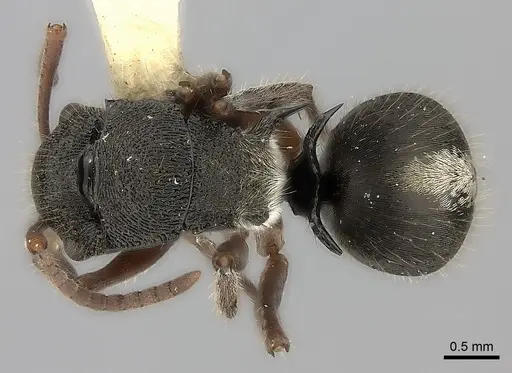
CASENT0905586
View on AntWeb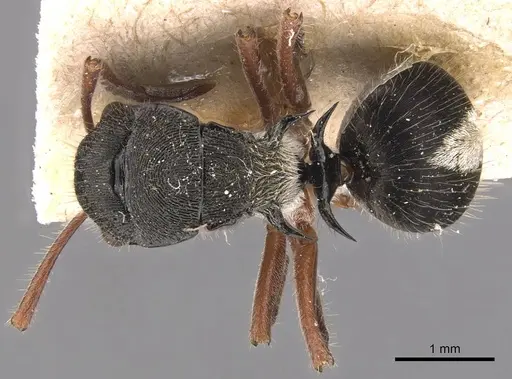
Literature
Loading...Loading products...