

Polyrhachis arcuata
- Scientific Name
- Polyrhachis arcuata
- Subgenus
- Chariomyrma
- Tribe
- Camponotini
- Subfamily
- Formicinae
- Author
- Le Guillou, 1842
- Distribution
- Found in 2 countries
Polyrhachis arcuata Overview
Polyrhachis arcuata is an ant species of the genus Polyrhachis. It is primarily documented in 2 countries , including Indonesia, Malaysia. Detailed taxonomic data and occurrence records can be further explored via authoritative databases such as AntWeb or the Global Biodiversity Information Facility (GBIF).
Polyrhachis arcuata
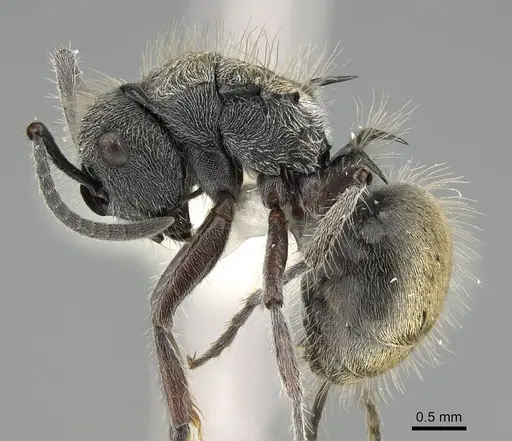
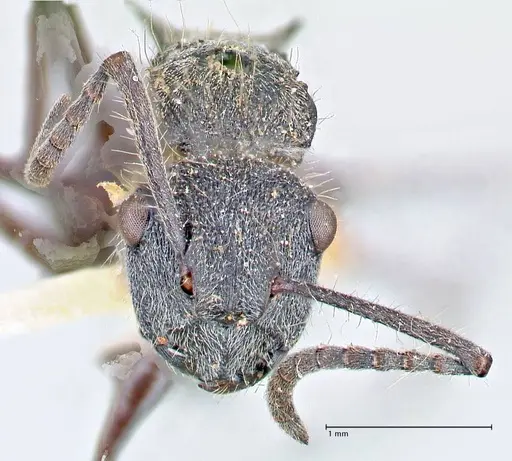
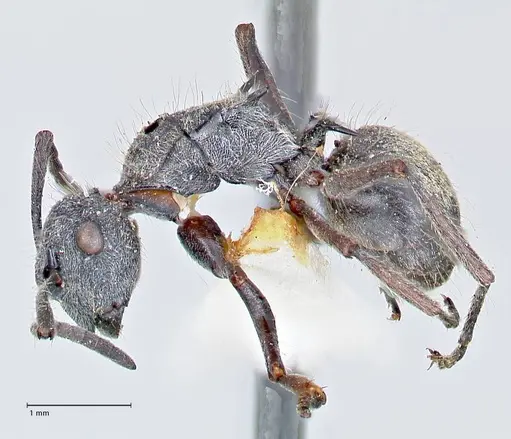
Polyrhachis arcuata is a medium-sized ant belonging to the subgenus Chariomyrma, easily recognized by the distinctive toothed pronotal humeri and short, straight, diverging propodeal spines on the back of the thorax. Workers are typically dark brown to black with a glossy appearance, and they measure around 6-8mm. This species has a wide distribution across the Indo-Australian region, found in Australia, Borneo, Indonesia, the Philippines, Malaysia, Singapore, Sulawesi, and Thailand [1].
These ants are primarily arboreal or ground-nesting in tropical forest habitats. They are known for their relatively calm temperament compared to some other Polyrhachis species, making them an interesting choice for antkeepers interested in this genus. The species has several junior synonyms including Polyrhachis arcuata and Polyrhachis arcuata, reflecting historical confusion in taxonomic classification [2][3].
Quick Summary
- Difficulty: Medium
- Origin & Habitat: Tropical Indo-Australian region including Australia, Borneo, Indonesia, Philippines, Malaysia, Singapore, Sulawesi, and Thailand. Found in undisturbed forests and tropical urban areas [4][5].
- Colony Type: Likely single-queen (monogyne) colonies based on typical Polyrhachis patterns. Colony structure in this specific species has not been extensively studied.
- Colony: Monogyne
- Founding: Claustral
- Size & Growth:
- Queen: Estimated 9-11mm based on genus patterns, Polyrhachis queens are typically larger than workers
- Worker: Estimated 6-8mm based on genus patterns
- Colony: Estimated several hundred workers based on related species, Polyrhachis colonies can reach moderate sizes
- Growth: Moderate, typical for tropical Formicinae
- Development: Estimated 6-8 weeks at optimal temperature based on typical Polyrhachis development (Development time is inferred from related species in the genus. Warmer temperatures within the suitable range may accelerate development.)
- Antkeeping:
- Temperature: Keep at 24-30°C, these are tropical ants requiring warm conditions. A heating cable on one side of the nest creates a gentle gradient allowing workers to self-regulate. Room temperature in heated homes may suffice during summer months.
- Humidity: Moderate to high humidity (60-80%). Keep the nest substrate slightly moist but not waterlogged. Mist occasionally and provide a water tube for drinking. These ants come from tropical environments with regular rainfall.
- Diapause: No true diapause required, as a tropical species, they do not need hibernation. However, slight temperature reductions during winter months (keeping above 20°C) may slow activity naturally.
- Nesting: Polyrhachis arcuata nests in soil, under stones, or in rotting wood in nature. In captivity, a Y-tong (AAC) nest or plaster formicarium works well. Provide a layer of moist substrate (like sand or soil mix) for them to dig in if they choose. A naturalistic setup with flat stones and soil mimics their natural habitat.
- Behavior: These ants are generally calm and not particularly aggressive. Workers are active foragers, both on the ground and low vegetation. They are not known to be escape artists, but standard escape prevention (fluon on rim edges) is still recommended. They accept a variety of food sources including sugar water, honey, and protein foods like insects. Their moderate size makes them easy to house, and they are relatively forgiving of minor care mistakes.
- Common Issues: tropical species are sensitive to cold, temperatures below 20°C for extended periods can weaken or kill colonies, overheating is a risk, direct sunlight or heating cables set too hot can desiccate and kill ants, colonies may be slow to establish, patience is needed during the founding stage, wild-caught colonies may carry parasites that can cause problems in captivity, too-dry conditions will cause colony decline, monitor humidity regularly
Housing and Nest Setup
Polyrhachis arcuata can be housed in various setups, but Y-tong (acrylic) nests or plaster formicariums work best for maintaining the humidity they need. A test tube setup can work for founding colonies, but you'll need to move them to a proper formicarium once the colony grows. For the outworld, a simple plastic container with high walls works fine since they aren't particularly good climbers. Use a water tube or cotton ball in a small container as a hydration source. Add some substrate like sand or a soil mix in part of the setup if using a naturalistic approach, these ants may burrow if given the opportunity. Escape prevention is straightforward: a rim coated with fluon or petroleum jelly is usually sufficient since they aren't especially agile climbers like some other Formicinae. [1]
Feeding and Diet
These ants are omnivorous and accept a variety of foods. Offer sugar water or diluted honey as a constant energy source, they will readily take it. For protein, offer small insects like fruit flies, small crickets, or mealworms. In nature, they forage for nectar and honeydew from aphids and scale insects, plus small arthropods. Feed them 2-3 times per week with protein, and keep sugar water available at all times. Remove uneaten food after 24-48 hours to prevent mold. A varied diet helps promote healthy colony growth. Some keepers report success with commercial ant gels and powders as supplements.
Temperature and Seasonal Care
As a tropical species, Polyrhachis arcuata requires warm conditions year-round. Keep the nest area between 24-30°C, with 26-28°C being ideal for growth. A heating cable placed on one side of the nest creates a temperature gradient that workers can use to regulate their own conditions. Place the heating on TOP of the nest, not underneath, to avoid drying out the substrate. During winter in temperate climates, you may need to supplement room heating. Avoid temperatures below 20°C for extended periods. They do not require hibernation or diapause, maintaining stable warmth year-round is key. If your room temperature naturally drops in winter, consider using a small thermostat-controlled heater for the ant room or enclosure.
Colony Founding and Growth
Like most Polyrhachis species, P. arcuata queens are claustral, they seal themselves in a chamber and raise the first brood using stored fat reserves. The founding process takes several months, with the first workers (nanitics) typically appearing after 6-8 weeks under optimal conditions. These initial workers are smaller than mature workers but will begin foraging to support further growth. Colony growth is moderate, don't expect rapid expansion. A healthy established colony may reach several hundred workers over 1-2 years. Be patient during the founding stage as disturbing the queen or allowing conditions to fluctuate can cause colony failure. Once established, these are relatively hardy ants that tolerate minor variations in care.
Behavior and Observation
Polyrhachis arcuata workers are active foragers, patrolling their territory both on the ground and on low vegetation. They are diurnal, being most active during daylight hours. Compared to some other ants in the genus, they are relatively docile and won't readily attack if disturbed. Workers communicate through chemical trails and can recruit nestmates to food sources. Watching them discover and exploit a food item, then recruit others, is one of the most rewarding aspects of keeping this species. They are not particularly aggressive toward humans and their sting is mild to moderate, most keepers report minimal discomfort if stung. The species is not known for any unusual behaviors like slave-making or temporary parasitism.
Frequently Asked Questions
How long does it take for Polyrhachis arcuata to raise first workers?
Expect first workers (nanitics) to emerge in about 6-8 weeks under optimal warm conditions (around 26-28°C). This is typical for Polyrhachis species. The exact timing depends on temperature, warmer within the suitable range speeds development, while cooler temperatures slow it down.
What do Polyrhachis arcuata ants eat?
They are omnivorous. Offer sugar water or honey constantly for energy, and feed protein (small insects like fruit flies, crickets, or mealworms) 2-3 times per week. They will also consume honeydew if you keep aphids, and some commercial ant foods.
Do Polyrhachis arcuata ants need hibernation?
No, they do not require hibernation. As a tropical species, they need warm conditions year-round. Maintain temperatures between 24-30°C even during winter. Slight temperature reductions may naturally slow activity, but don't allow temperatures to drop below 20°C.
Are Polyrhachis arcuata good for beginners?
They are rated as medium difficulty. They are more forgiving than some tropical species but do require consistent warmth and humidity. If you have experience with other Formicinae like Camponotus, this species should be manageable. Beginners should be prepared to provide heating and maintain proper humidity levels.
What size colony do Polyrhachis arcuata colonies reach?
Based on related species, colonies likely reach several hundred workers over 1-2 years. They are not among the largest Polyrhachis species but can still become impressive colonies. Exact maximum size is not well-documented in scientific literature.
What temperature is best for Polyrhachis arcuata?
Keep nest temperatures between 24-30°C, with 26-28°C being ideal. Use a heating cable on one side of the nest to create a gradient. Place heating on TOP of the nest to avoid drying. Room temperature may suffice in heated homes during summer, but supplemental heating is usually needed.
Can I keep multiple Polyrhachis arcuata queens together?
This species is likely monogyne (single-queen) based on typical Polyrhachis patterns. Combining unrelated queens is not recommended and likely unnecessary. If you obtain a colony, it will typically have one founding queen.
When should I move Polyrhachis arcuata to a formicarium?
Move them when the colony reaches around 20-30 workers or when the test tube setup becomes cramped. A Y-tong or plaster nest works well. For founding colonies, keep them in the test tube until the first workers appear and the colony is established.
Where is Polyrhachis arcuata found in the wild?
This species lives across the Indo-Australian region: Australia, Borneo, Indonesia, Philippines, Malaysia, Singapore, Sulawesi, and Thailand. They inhabit tropical forests, including undisturbed areas and sometimes disturbed urban habitats [4][5][1].
References

This caresheet is licensed under CC BY-SA 4.0 .
CASENT0217745
View on AntWeb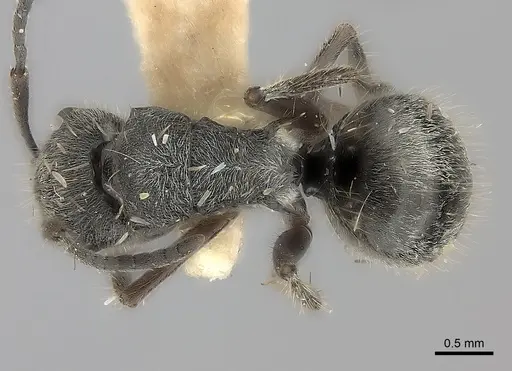
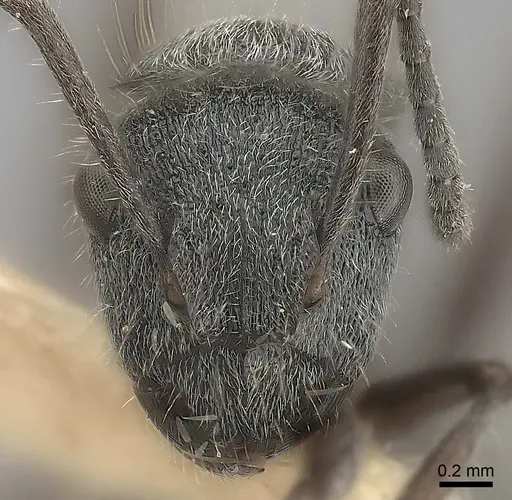
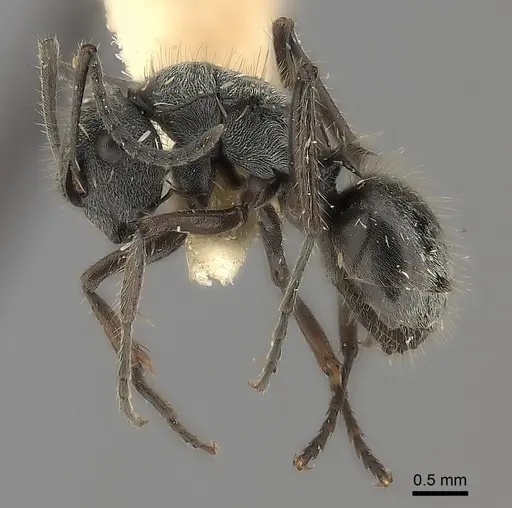
CASENT0740791
View on AntWeb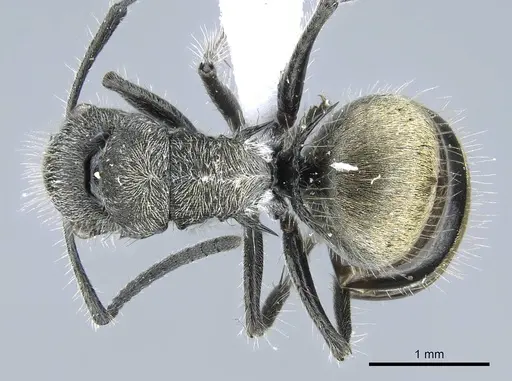
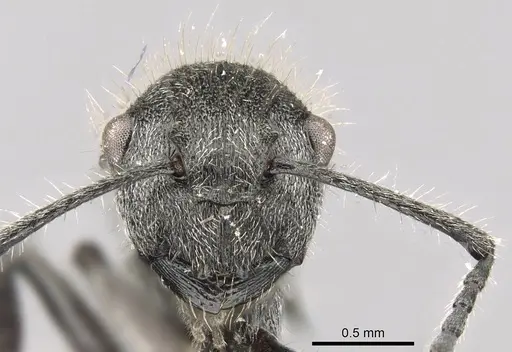
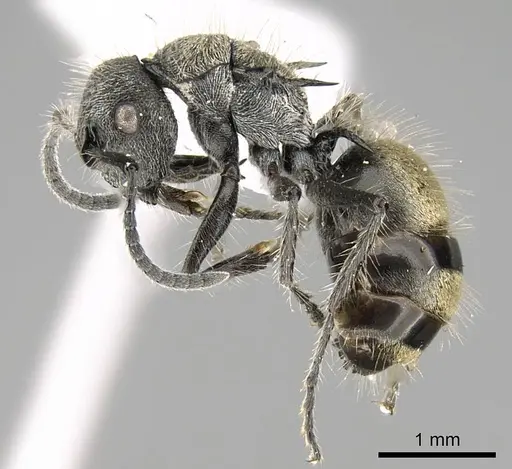
CASENT0905826
View on AntWeb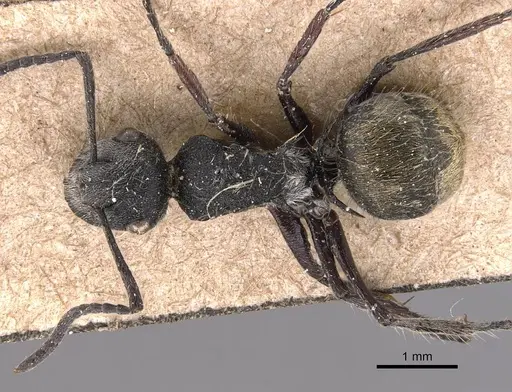
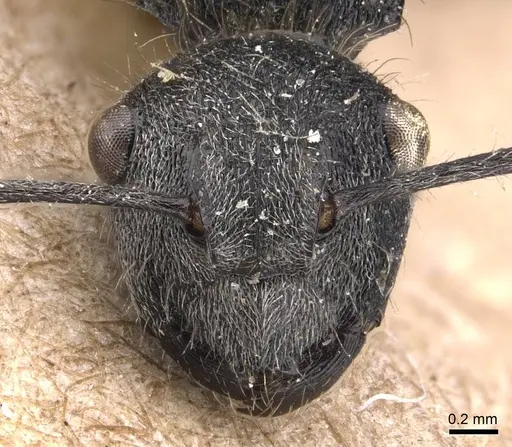
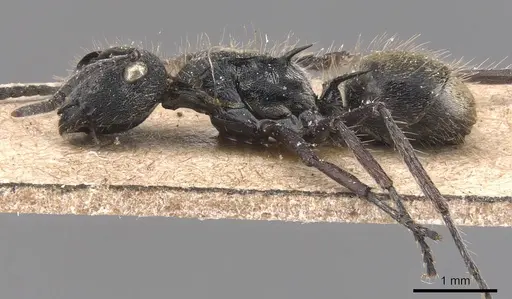
CASENT0906744
View on AntWeb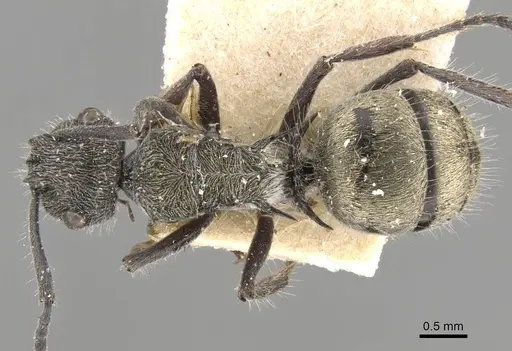
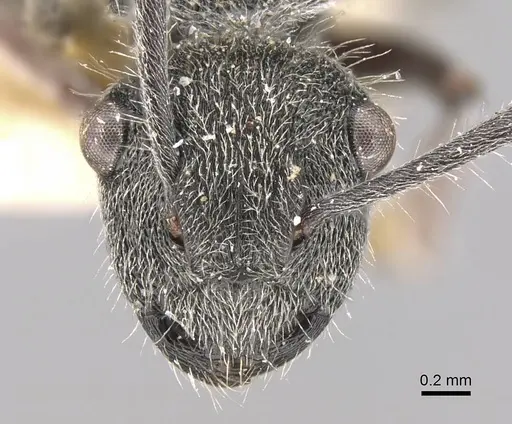
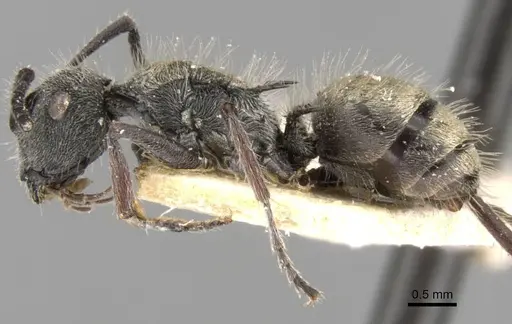
CASENT0910816
View on AntWeb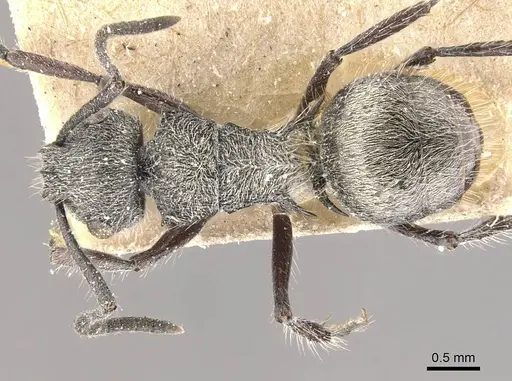
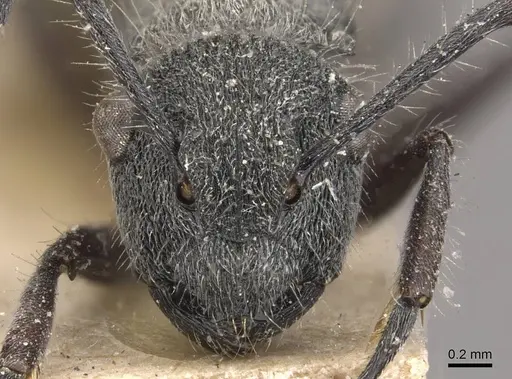
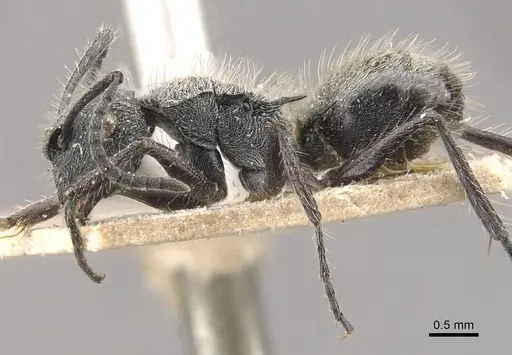
CASENT0910817
View on AntWeb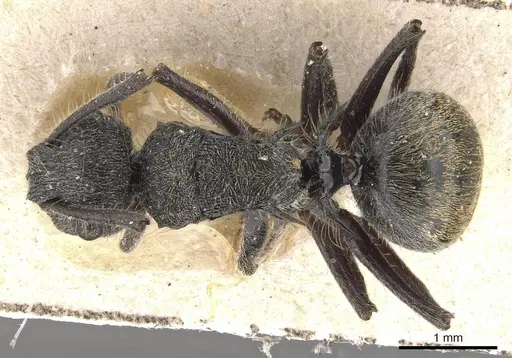
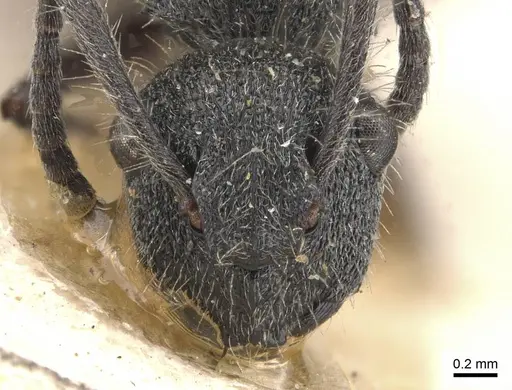
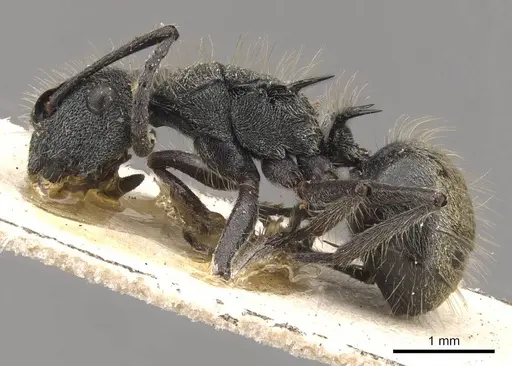
CASENT0919883
View on AntWeb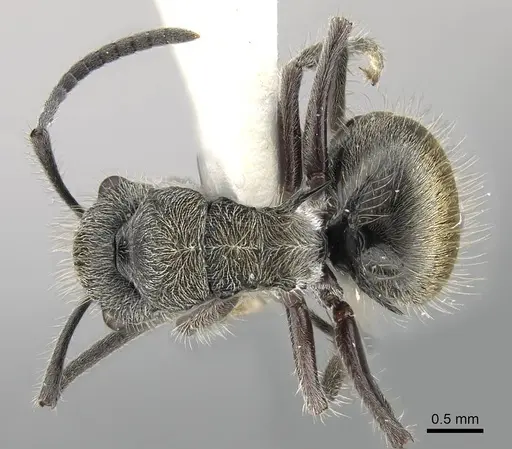
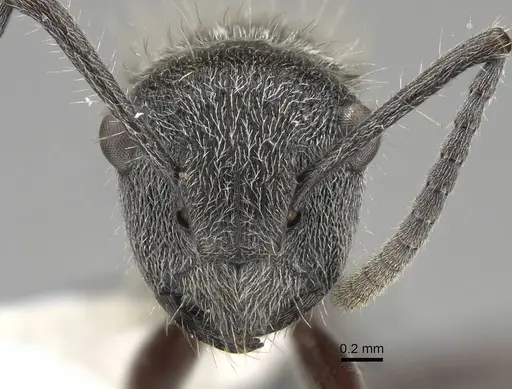
FOCOL2612
View on AntWeb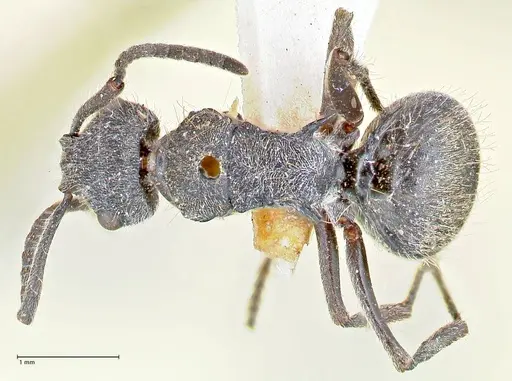
Literature
Loading...Loading products...