

Polyrhachis appendiculata
- Scientific Name
- Polyrhachis appendiculata
- Subgenus
- Chariomyrma
- Tribe
- Camponotini
- Subfamily
- Formicinae
- Author
- Emery, 1893
- Distribution
- Found in 1 countries
Polyrhachis appendiculata Overview
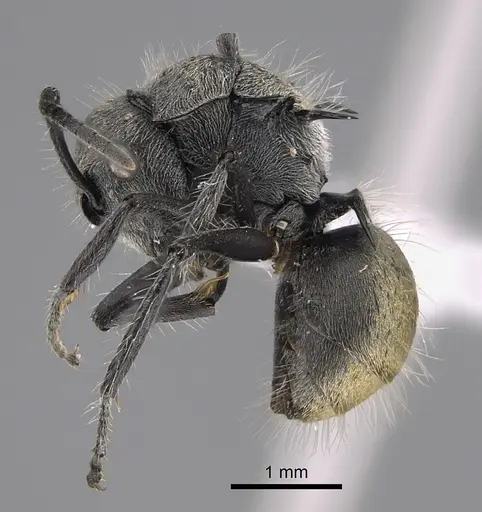
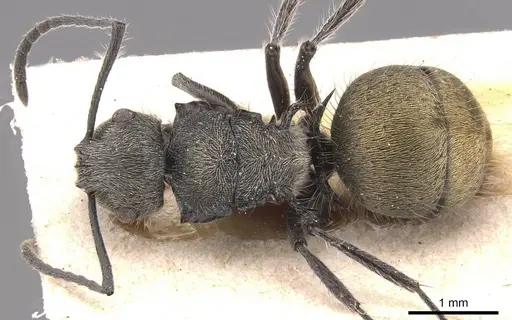
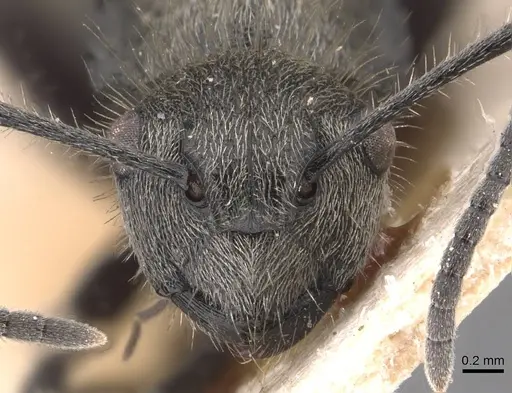
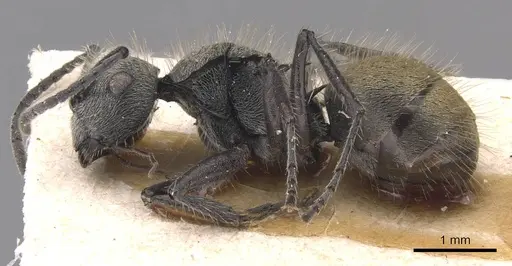
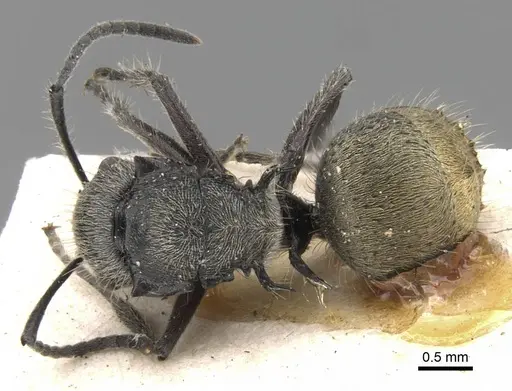
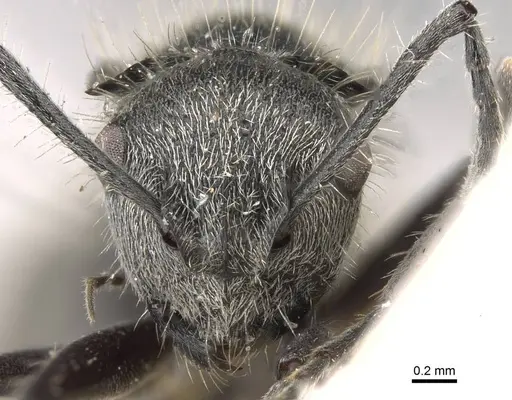
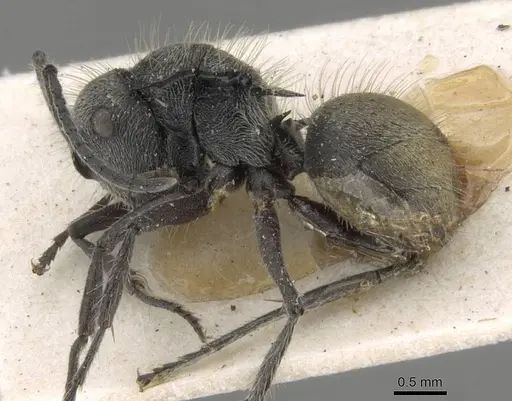
Polyrhachis appendiculata is an ant species of the genus Polyrhachis. It is primarily documented in 1 countries , including Australia. Detailed taxonomic data and occurrence records can be further explored via authoritative databases such as AntWeb or the Global Biodiversity Information Facility (GBIF).
Polyrhachis appendiculata
Polyrhachis appendiculata is a species of spiny ant described by Carlo Emery in 1896,found exclusively in Queensland, Australia [1]. These ants belong to the genus Polyrhachis, known for their distinctive spines projecting from the petiole (the narrow waist section), giving them their common name. The genus contains over 600 species distributed throughout the Old World, with Australia hosting numerous endemic species. Queensland's tropical to subtropical climate provides the warm, humid conditions these ants require. Polyrhachis ants are generally moderate-sized, with workers typically ranging from 5-10mm depending on the species, and are known for their often striking coloration including metallic greens, blues, and golds.
Quick Summary
- Difficulty: Medium
- Origin & Habitat: Queensland, Australia, found in the tropical to subtropical regions of this state [1]. In their natural habitat, these ants typically nest in soil, under rocks, or in rotting wood in forested areas.
- Colony Type: Colony structure is unconfirmed for this specific species. Many Polyrhachis species are monogyne (single queen) but some can be polygynous. Further research is needed to confirm the typical colony structure.
- Size & Growth:
- Queen: Estimated 8-12mm based on genus typical sizes, not directly measured for this species
- Worker: Estimated 5-10mm based on genus typical sizes, not directly measured for this species
- Colony: Unknown for this species, but Polyrhachis colonies typically reach several hundred to a few thousand workers
- Growth: Moderate, based on typical genus development patterns
- Development: Estimated 6-10 weeks at optimal temperature, based on typical Polyrhachis development patterns (Development time is inferred from related species, specific data for P. appendiculata is not available)
- Antkeeping:
- Temperature: Keep at 24-28°C. Queensland's climate is tropical to subtropical, so these ants prefer warm conditions. A heating cable on one side of the nest can create a temperature gradient.
- Humidity: Moderate to high humidity (60-80%). Keep the nest substrate slightly moist but not waterlogged. Mist occasionally and provide a water tube for drinking.
- Diapause: Likely minimal or no true diapause. Queensland experiences mild winters, so a period of reduced activity (around 15-18°C for 2-3 months) may benefit colonies but is not strictly required.
- Nesting: Use a naturalistic setup with soil or a Y-tong/plaster nest. They prefer nesting in damp substrate with some cover. Provide hiding spots and a foraging area.
- Behavior: Polyrhachis appendiculata is generally calm and not particularly aggressive. Workers are active foragers, typically hunting for small insects and tending honeydew-producing insects. They are not known for painful stings. Escape risk is moderate, they're not tiny ants but can squeeze through small gaps, so standard barrier precautions are recommended.
- Common Issues: colonies may fail if kept too cold, maintain warm temperatures year-round, poor escape prevention can lead to losses despite their moderate size, overfeeding can cause mold issues in the nest, wild-caught colonies may carry parasites that affect captive survival, slow growth can frustrate beginners who may overfeed or disturb the colony
Housing and Nest Setup
Polyrhachis appendiculata can be kept in various setups including test tubes for founding colonies, Y-tong nests, plaster nests, or naturalistic setups with soil. For naturalistic setups, use a mix of soil and sand as substrate, keeping it slightly moist. Provide hiding spots like small rocks or pieces of bark. These ants are semi-arboreal in the wild, so including some vertical structure can encourage natural behavior. A simple outworld for foraging works well, a shallow dish or container connected to the nest area. Ensure all connections between nest and outworld are secure to prevent escapes.
Feeding and Diet
In the wild, Polyrhachis ants are omnivorous, feeding on honeydew, small insects, and nectar. In captivity, offer a varied diet including sugar water or honey as a constant energy source, and protein sources like small crickets, mealworms, or fruit flies. Feed protein 2-3 times per week, removing any uneaten prey after 24 hours. Some Polyrhachis species accept fruit and other sweet substances. Always provide fresh water, a small water tube with a cotton plug works well.
Temperature and Seasonal Care
As Queensland natives, these ants prefer warm conditions. Keep the nest area at 24-28°C during the active season. A heating cable placed on top of the nest (never underneath where it can dry out the substrate) can provide gentle warmth and create a gradient. During Queensland's cooler months (roughly June-August), you can reduce temperatures to 18-22°C to simulate seasonal changes, but true hibernation is not required. Avoid temperatures below 15°C for extended periods. Maintain stable temperatures, sudden drops or swings can stress the colony.
Behavior and Handling
Polyrhachis appendiculata workers are generally calm and not prone to biting or stinging. They are active foragers and will readily search for food in the outworld. Workers communicate through chemical trails and can form foraging highways when food sources are discovered. Unlike some aggressive ant species, these ants are suitable for observation, you can watch them interact with minimal disturbance. They are not known for creating escape emergencies, but standard barrier methods (fluon on rim edges, tight-fitting lids) should still be used.
Frequently Asked Questions
How long does it take for Polyrhachis appendiculata to raise first workers?
Based on typical Polyrhachis development, expect 6-10 weeks from egg to first worker at optimal temperature (around 26°C). This is an estimate since specific development data for this species is not available.
Can I keep Polyrhachis appendiculata in a test tube?
Yes, test tubes work well for founding colonies. Use a standard test tube setup with a water reservoir sealed with cotton. Once the colony reaches 20-30 workers, consider moving to a larger setup like a Y-tong or naturalistic formicarium.
What temperature do Polyrhachis appendiculata need?
Keep them warm at 24-28°C. Queensland's climate is tropical to subtropical, so these ants thrive in warm conditions. A slight temperature gradient allows workers to choose their preferred spot.
Are Polyrhachis appendiculata good for beginners?
They are considered medium difficulty. They are more forgiving than some tropical species but require warm temperatures and proper humidity. Their calm temperament makes them enjoyable to watch.
How big do Polyrhachis appendiculata colonies get?
Colony size is not documented for this specific species, but Polyrhachis colonies typically reach several hundred to a few thousand workers. Growth is moderate over several years.
Do Polyrhachis appendiculata need hibernation?
True hibernation is not required. Queensland has mild winters, so a period of reduced activity at 15-18°C for 2-3 months may be beneficial but is not strictly necessary.
What do Polyrhachis appendiculata eat?
They are omnivorous. Offer sugar water or honey constantly, and protein sources like small insects (crickets, mealworms, fruit flies) 2-3 times per week. Some keepers report acceptance of fruit.
Can I keep multiple queens together?
The colony structure for this species is unconfirmed. Many Polyrhachis species are monogyne (single queen), but some are polygynous. Without specific data, keeping a single queen is the safer approach for founding colonies.
When should I move my colony to a formicarium?
Move from test tube to a larger setup once the colony reaches 20-30 workers and the test tube shows signs of degradation. A Y-tong or naturalistic setup with soil works well for this species.
References

This caresheet is licensed under CC BY-SA 4.0 .
Literature
Loading...Loading products...