

Polyrhachis annae
- Scientific Name
- Polyrhachis annae
- Subgenus
- Hedomyrma
- Tribe
- Camponotini
- Subfamily
- Formicinae
- Author
- Mann, 1919
- Distribution
- Found in 1 countries
Polyrhachis annae Overview
Polyrhachis annae is an ant species of the genus Polyrhachis. It is primarily documented in 1 countries , including Solomon Islands. Detailed taxonomic data and occurrence records can be further explored via authoritative databases such as AntWeb or the Global Biodiversity Information Facility (GBIF).
Polyrhachis annae
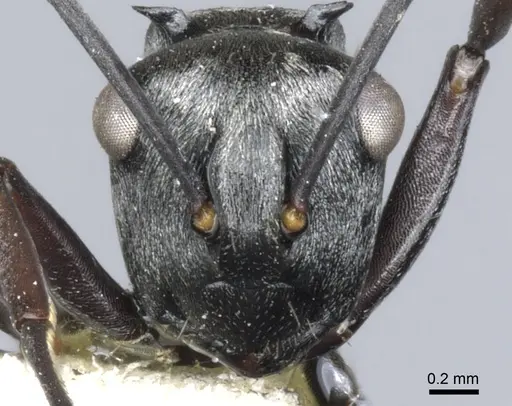
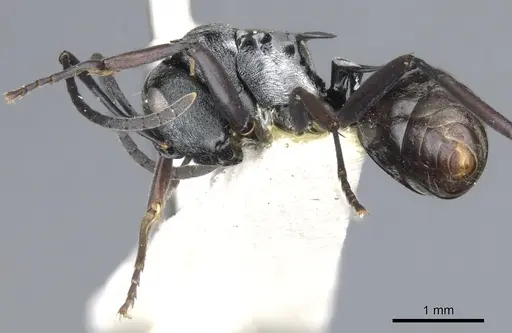
Polyrhachis annae is a medium-sized ant species native to the Solomon Islands and Santa Cruz Islands in the South Pacific. Workers have the characteristic spines on their thorax and petiole that give Polyrhachis their common name of 'spiny ants'. Queens measure 6-6.5mm, making them notably larger than workers. This species nests in soil and rotting wood, and unlike many Formicinae, their pupae develop inside protective cocoons [1]. The ants display a dense golden pubescence across their body, giving them a somewhat iridescent appearance. They inhabit tropical island environments where temperatures remain warm year-round and humidity stays high.
This species belongs to the Hedomyrma subgenus, a group known for their distinctive spiny morphology and flexible nesting habits. While not commonly kept in captivity, their tropical origin and interesting appearance make them an intriguing option for experienced antkeepers seeking something different from typical temperate species.
Quick Summary
- Difficulty: Medium
- Origin & Habitat: Solomon Islands and Santa Cruz Islands, tropical Pacific islands with warm, humid climate [2][3]
- Colony Type: Likely monogyne (single queen) based on typical Polyrhachis patterns, though colony structure is not directly documented for this species
- Colony: Monogyne
- Founding: Claustral
- Size & Growth:
- Queen: 6-6.5mm [4]
- Worker: Estimated 4-6mm based on genus patterns
- Colony: Unknown for this species, related Polyrhachis species typically reach several hundred workers
- Growth: Moderate, tropical species with year-round development potential
- Development: Estimated 6-8 weeks at optimal tropical temperatures based on related species (Development likely faster than temperate species due to tropical origin, estimate based on genus-level data for Polyrhachis)
- Antkeeping:
- Temperature: Keep at 24-28°C (warm tropical conditions). A heating cable on one side of the nest creates a suitable gradient. Do not let temperatures drop below 22°C for extended periods
- Humidity: High humidity required, aim for 70-85%. Keep the nest substrate consistently moist but not waterlogged. Mist occasionally and provide a water tube for drinking water
- Diapause: No, being tropical, they do not require hibernation. Maintain warm temperatures year-round
- Nesting: Prefers moist substrate with access to wood or wood-like materials. Y-tong (AAC) nests, plaster nests, or naturalistic setups with rotting wood work well. They are subterranean/lignicolous, meaning they nest in soil and rotting wood [1][5]
- Behavior: Generally calm temperament, Polyrhachis ants are not typically aggressive and rarely sting. Workers are active foragers but not particularly fast-moving. They may be somewhat shy compared to more common genus like Camponotus. Escape risk is moderate, use standard barrier methods but they are not known escape artists like some tiny species.
- Common Issues: tropical species may decline if temperatures drop too low, keep consistently warm, high humidity needs can lead to mold if ventilation is poor, limited availability in the antkeeping hobby means established colonies are rare, wild-caught queens may be difficult to find outside their native range, slow establishment phase, founding colonies take time to grow
Nest Preferences
Polyrhachis annae is a subterranean and lignicolous species, meaning it nests in both soil and rotting wood [1][5]. In captivity, they do well in Y-tong (AAC) nests, plaster nests, or naturalistic setups that provide moist substrate. The key is maintaining consistently damp conditions without waterlogging. Add some rotting wood pieces or wood-like materials to the setup to mimic their natural nesting preferences. A water tube should always be available since they need access to drinking water. Avoid dry, airy nests, these ants come from humid tropical islands and will struggle in dry conditions.
Feeding and Diet
Polyrhachis annae is an omnivorous species. They likely consume honeydew from aphids and scale insects in nature, along with small insects and other protein sources. In captivity, offer a mix of sugar sources (honey water, sugar water) and protein (small insects like fruit flies, mealworms, crickets). Feed protein roughly twice weekly and provide constant access to sugar water. They are not specialized predators, so a standard ant diet works well. Remove uneaten food after 24-48 hours to prevent mold.
Temperature and Care
Being from the Solomon Islands, Polyrhachis annae requires warm conditions year-round. Keep the nest area at 24-28°C, this is ideal for tropical species. A heating cable placed on one side of the nest creates a temperature gradient that allows ants to regulate their own exposure to warmth. Never let temperatures drop below 22°C for extended periods, especially during the founding stage. Unlike temperate species, they do not require hibernation or cooling periods. Maintain warmth consistently throughout the year to support continuous colony growth.
Behavior and Temperament
Polyrhachis ants are generally calm and not prone to aggression. Workers go about their tasks methodically rather than rushing around. They are not known to be particularly defensive and rarely sting, when they do, the sting is mild due to their relatively small venom quantity. They are active foragers but can be somewhat shy, often retreating rather than confronting threats. Escape risk is moderate, they are not tiny ants and standard barrier methods work well. However, always use fluon or other barriers as a precaution, especially during feeding times when workers may be more active.
Frequently Asked Questions
How long does it take for Polyrhachis annae to produce first workers?
Expect first workers (nanitics) in approximately 6-8 weeks after the queen lays eggs, assuming optimal temperatures around 26°C. Being a tropical species, development is faster than temperate ants. The exact timeline may vary based on temperature and feeding.
Can I keep Polyrhachis annae in a test tube?
Test tubes can work for founding colonies, but you must monitor humidity closely. These ants need higher humidity than species that do well in simple test tubes. Consider moving to a proper nest (Y-tong or plaster) once the colony reaches 20-30 workers to provide more space and better humidity control.
What temperature do Polyrhachis annae need?
Keep them warm at 24-28°C. This is a tropical species from the Solomon Islands and does not tolerate cool temperatures. A heating cable on part of the nest helps maintain these temperatures.
Are Polyrhachis annae good for beginners?
They are rated medium difficulty. While not aggressive, they have specific humidity and temperature requirements that make them better suited for keepers who have already successfully kept at least one other ant species. Their limited availability in the hobby is also a factor.
How big do Polyrhachis annae colonies get?
Based on related species, colonies likely reach several hundred workers. They are not among the largest Polyrhachis species but can still become substantial colonies over several years.
Do Polyrhachis annae need hibernation?
No. Being a tropical species from the Solomon Islands, they do not require hibernation. Keep them warm year-round to support continuous colony growth.
What do Polyrhachis annae eat?
They are omnivorous. Offer sugar sources (honey water, sugar water) constantly and protein (small insects like fruit flies, mealworms) roughly twice weekly. They will also consume other ant species' brood if available.
When should I move Polyrhachis annae to a formicarium?
Move them when the colony reaches around 30-50 workers. Before that, a test tube setup with a water reservoir works fine for the founding colony. Make sure any formicarium provides adequate humidity and, ideally, some wood material for nesting.
Why are my Polyrhachis annae dying?
The most common causes are: temperatures too low (below 22°C), humidity too low (dry substrate), or poor ventilation causing mold. Check these parameters first. Also ensure they have access to fresh water and are being fed appropriately.
References

This caresheet is licensed under CC BY-SA 4.0 .
CASENT0217743
View on AntWeb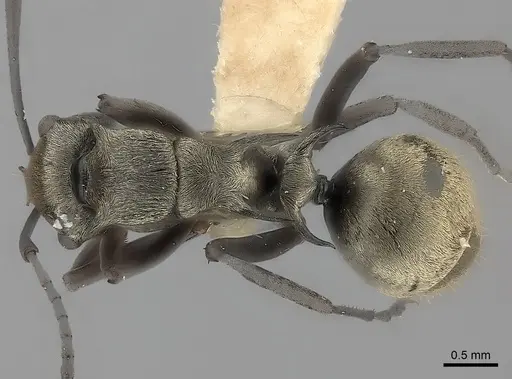
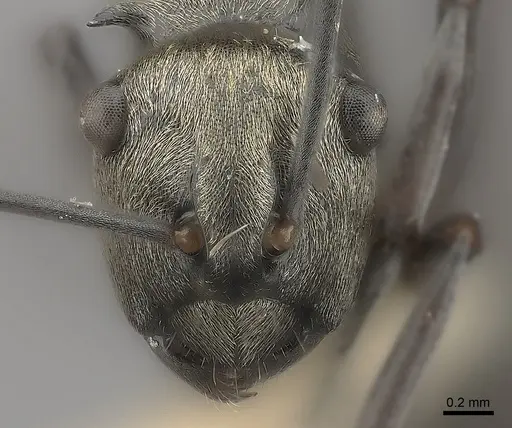
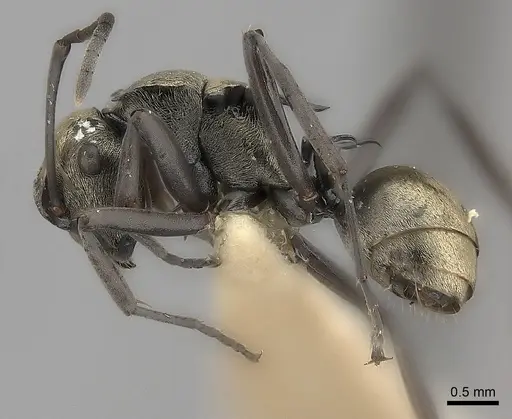
CASENT0903340
View on AntWeb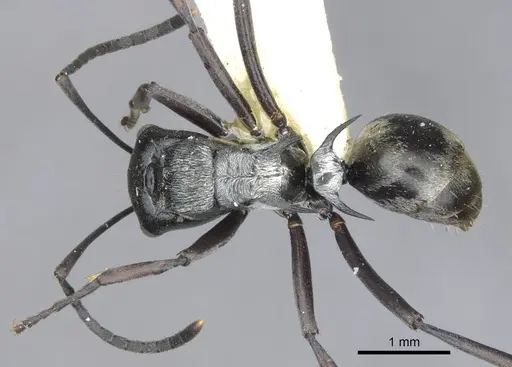
CASENT0905576
View on AntWeb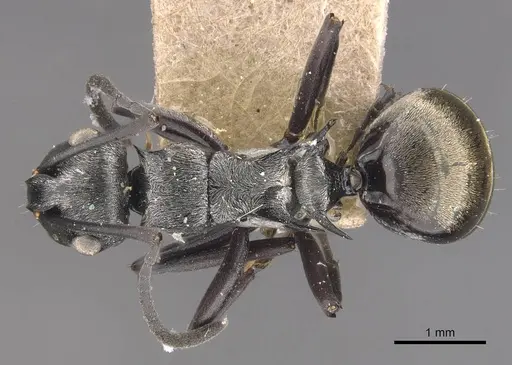
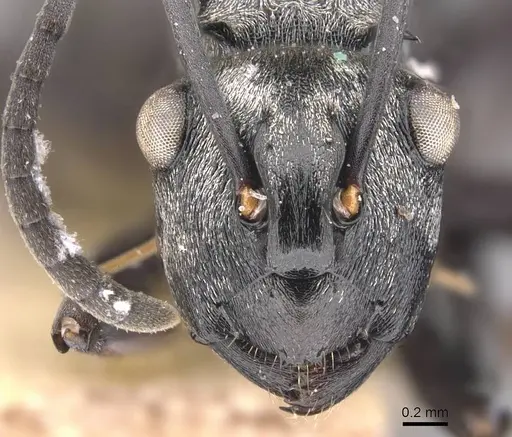
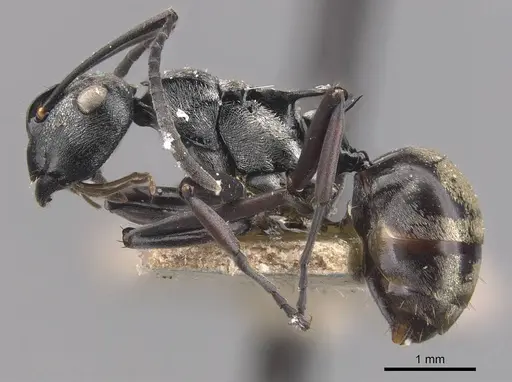
CASENT0923481
View on AntWeb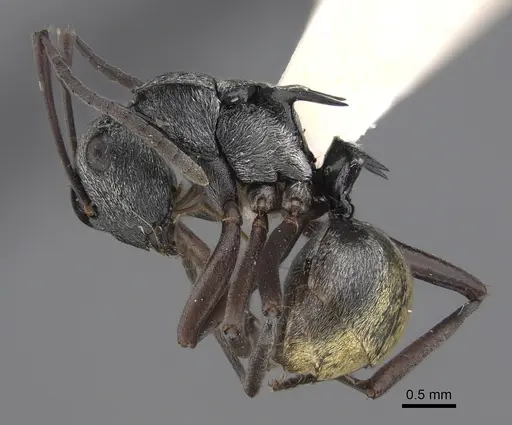
Literature
Loading...Loading products...