

Polyrhachis andromache
- Scientific Name
- Polyrhachis andromache
- Subgenus
- Myrma
- Tribe
- Camponotini
- Subfamily
- Formicinae
- Author
- Roger, 1863
- Common Name
- Pure Gold Spiny Sugar ant
- Distribution
- Found in 3 countries
Polyrhachis andromache Overview
Polyrhachis andromache (commonly known as the Pure Gold Spiny Sugar ant) is an ant species of the genus Polyrhachis. It is primarily documented in 3 countries , including Australia, Indonesia, Papua New Guinea. Detailed taxonomic data and occurrence records can be further explored via authoritative databases such as AntWeb or the Global Biodiversity Information Facility (GBIF).
Polyrhachis andromache - "Pure Gold Spiny Sugar ant"
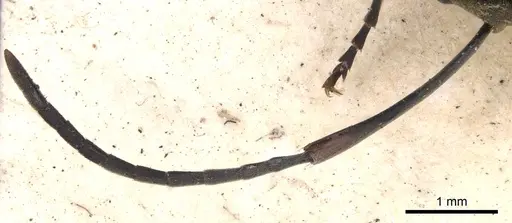
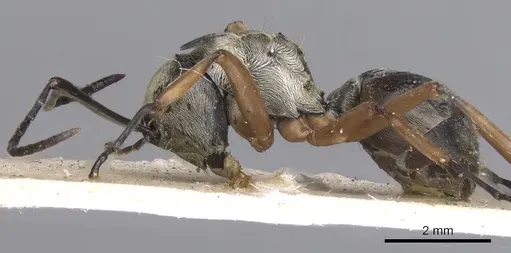
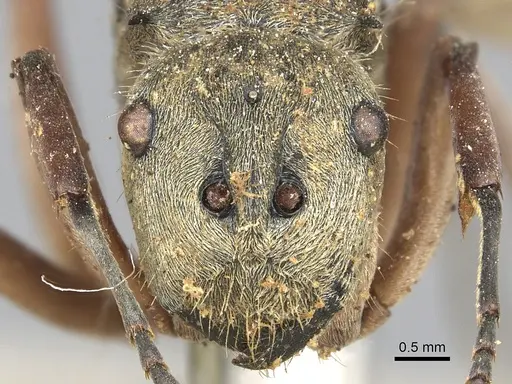
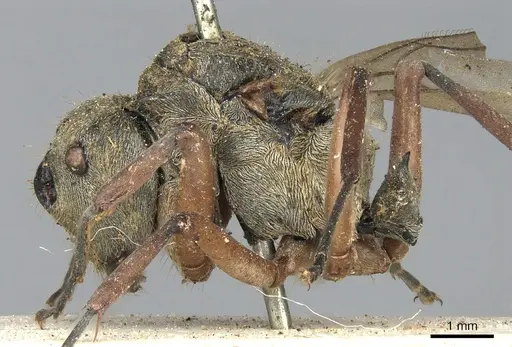
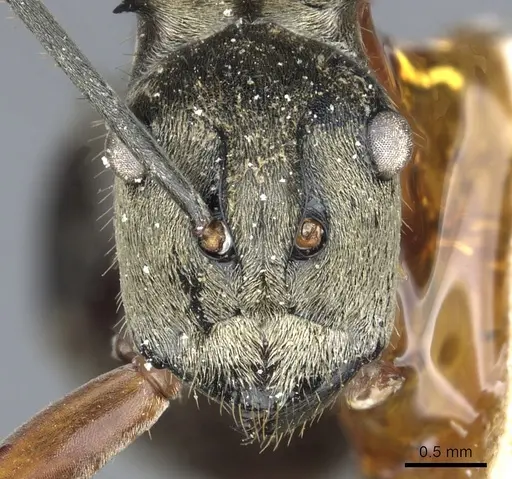
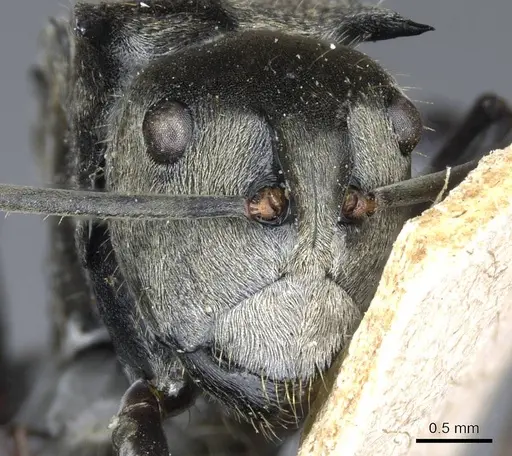
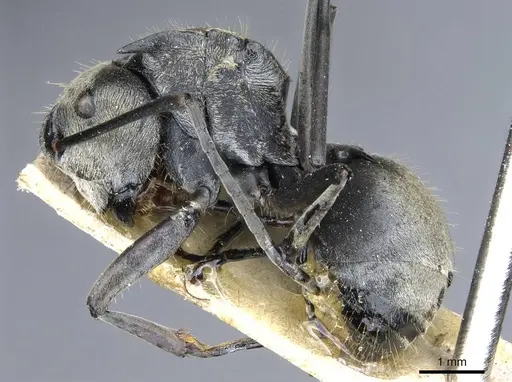
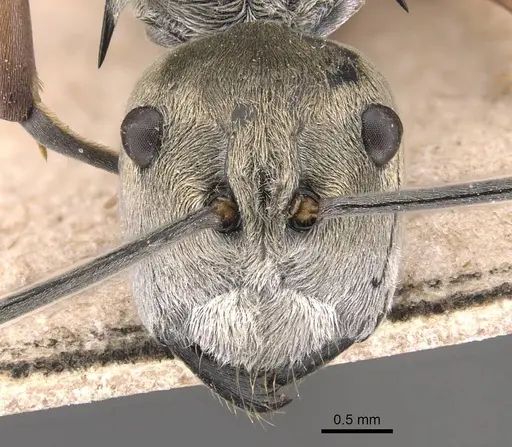
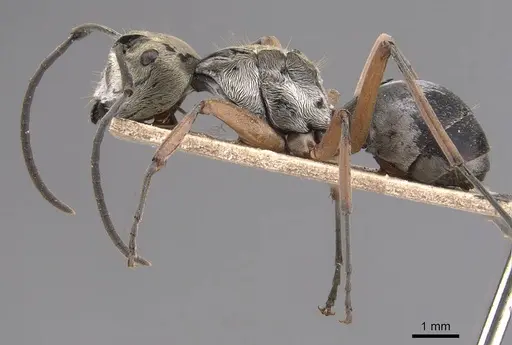
Polyrhachis andromache is a striking arboreal ant species found across northern Australia, New Guinea, Indonesia, and the Solomon Islands. Workers measure 7.6-9.7mm and feature abundant golden to silvery pubescence that gives them a fuzzy, metallic appearance, along with distinctive yellow or orange legs and antennae [1]. This species builds silk and vegetation debris nests inside tree cavities and hollow bamboo stems, making them a true arboreal nester [1]. They are relatively common in Australian lowland rainforests north of the 14th parallel [1]. Unlike many ants, they construct woven silk chambers rather than simply using existing cavities.
Quick Summary
- Difficulty: Medium
- Origin & Habitat: Northern Australia (Cape York Peninsula), New Guinea, Torres Strait Islands, Solomon Islands, and Indonesia. In Australia, restricted to lowland rainforests north of 14° latitude [1]. Naturally found in tree cavities and hollow bamboo stems [1].
- Colony Type: Single-queen colonies (monogyne). Colonies can have multiple connected nests in different tree locations [2].
- Colony: Monogyne
- Founding: Claustral
- Size & Growth:
- Queen: 9.98-11.59mm [1]
- Worker: 7.58-9.73mm [1]
- Colony: Unknown, likely moderate sized based on related species
- Growth: Moderate, estimated based on tropical arboreal Polyrhachis patterns
- Development: Estimated 6-10 weeks at optimal temperature based on genus patterns (Development time inferred from related Polyrhachis species, specific data unavailable for this species)
- Antkeeping:
- Temperature: Keep around 24-28°C, they are a tropical species from warm rainforests. A gentle gradient allowing warmer and cooler areas is ideal.
- Humidity: High humidity required (70-85%). Their natural rainforest habitat is consistently humid. Provide moisture through damp substrate and occasional misting, but ensure ventilation to prevent mold.
- Diapause: No, as a tropical species from northern Australia and New Guinea, they do not require hibernation. Keep temperatures stable year-round.
- Nesting: Arboreal setup is essential. Provide vertically oriented nests with chambers they can line with silk. Y-tong (AAC) nests work well, or create a naturalistic arboreal setup with cork bark or artificial bamboo sections. They need climbing structures and will not thrive in ground-level setups.
- Behavior: Generally calm and non-aggressive compared to many ants. They are arboreal and will spend most of their time in elevated areas of the enclosure. Workers are medium-sized and relatively slow-moving. They are not known to be particularly defensive. Escape risk is moderate, they are not tiny but can climb well, so standard barriers work well. They construct silk webs to line their nests, which is a unique behavior to observe.
- Common Issues: arboreal setup is essential, ground-based nests will cause stress and poor colony development, low humidity leads to desiccation and colony failure, their rainforest origins mean they need consistent moisture, temperature drops below 20°C can slow or stop brood development, inadequate climbing structures will result in workers clustering at the bottom of the enclosure, poor ventilation combined with high humidity can cause mold problems
Housing and Nest Setup
Polyrhachis andromache requires an arboreal setup, this is non-negotiable for successful keeping. In the wild, they nest in tree cavities and hollow bamboo stems, often building silk-lined chambers [1][3]. For captivity, a Y-tong (AAC) formicarium oriented vertically works well, or you can create a naturalistic setup using cork bark rounds or artificial bamboo sections. The key is providing elevated chambers they can access and line with silk. Include plenty of climbing structures like branches, vines, or cork bark pieces. The outworld should also be vertically oriented or include climbing surfaces. A hydration system that keeps the nest substrate moist without flooding is ideal. These ants are poor climbers on smooth surfaces like glass, so provide textured climbing routes.
Feeding and Diet
Like most Polyrhachis species, P. andromache is omnivorous. They likely forage for honeydew and small insects in their natural habitat. In captivity, offer a mix of sugar sources (honey water, sugar water) and protein (small crickets, mealworms, fruit flies). They are not aggressive predators but will accept most standard ant foods. Feed protein 2-3 times per week and keep a sugar source available at all times. Remove uneaten food promptly to prevent mold. Some keepers report that Polyrhachis can be finicky about accepting new foods, if they ignore something, try variety. Fresh fruit and occasional live prey items help maintain colony health.
Temperature and Humidity
Maintain temperatures between 24-28°C for optimal colony development. This is a tropical species from northern Australia and New Guinea, so they expect warm, stable conditions. Temperatures below 20°C will slow brood development significantly. Use a gentle heat source on one side of the nest if your room temperature is below 24°C. Humidity should stay high at 70-85%, think rainforest conditions. The nest substrate should remain consistently damp but never waterlogged. Poor humidity is one of the most common causes of colony failure with this species. Use a moisture meter to monitor substrate dampness. Provide good ventilation to prevent mold while maintaining humidity. [1]
Colony Development
Queens measure 9.98-11.59mm and workers are 7.58-9.73mm [1]. As a claustral species, the queen seals herself in a chamber and raises the first brood alone using stored fat reserves. The first workers (nanitics) will be smaller than normal workers. Based on related Polyrhachis species, expect 6-10 weeks from egg to first worker at optimal temperature. Colonies grow moderately, not as fast as some tropical species but steady with good feeding. The colony will eventually produce multiple connected nests if given enough space. They produce cocooned pupae, which is typical for the subgenus Myrma [2]. Be patient, arboreal species often develop more slowly than ground-nesting ants.
Unique Behaviors
Polyrhachis andromache has one of the most interesting nesting behaviors among ants, they weave silk using larval secretions to construct and line their nests [3]. This silk-weaving behavior is ancestral within the genus Polyrhachis. In captivity, you may observe workers pulling silk-like material to create partitions within their nest chambers. They are also known to have multiple nests within a single colony (polydomous), with workers moving freely between nest sites [2]. This means they can utilize several connected chambers rather than a single central nest. Their golden/silvery pubescence is not just cosmetic, it likely helps with camouflage in their rainforest canopy habitat. These ants are relatively calm and not prone to stinging, making them observable and interesting pets.
Frequently Asked Questions
Can I keep Polyrhachis andromache in a test tube setup?
Test tubes are not ideal for this species. They are arboreal ants that need vertical space and climbing structures. A Y-tong (AAC) nest or naturalistic arboreal setup with cork bark is much more appropriate. Test tubes can work for temporary housing during founding, but the colony will need a proper arboreal setup to thrive long-term.
How long does it take for the first workers to emerge?
Based on related Polyrhachis species, expect approximately 6-10 weeks from egg to first worker at optimal temperature (24-28°C). This is an estimate as specific development data for P. andromache is not available. Be patient, arboreal species often develop more slowly than ground-nesting ants.
Can I keep multiple queens together?
No. This species is monogyne, colonies have a single queen [2]. Multiple queens will fight. Only introduce a queen to an established colony if you are attempting pleometrosis with a compatible species (not recommended for this species), otherwise keep one queen per colony.
What temperature should I keep my colony at?
Keep them at 24-28°C. This is a tropical species from northern Australia and New Guinea that expects warm, stable conditions. Temperatures below 20°C will slow or stop brood development. A gentle heat gradient allowing workers to choose their preferred temperature is ideal.
Do they need hibernation or diapause?
No. As a tropical species from northern Australia and New Guinea, they do not require hibernation. Keep temperatures stable year-round without attempting to cool them for winter. They are active throughout the year in their natural range.
Why are my ants not using the nest I provided?
This is likely because the nest orientation or setup does not match their arboreal preferences. They need vertically oriented chambers with climbing access. If the nest is horizontal or at ground level, they may cluster on the ceiling or refuse to enter. Provide a vertically oriented Y-tong or naturalistic setup with cork bark at various heights.
Are Polyrhachis andromache good for beginners?
They are intermediate difficulty. While not aggressive, they have specific requirements, particularly the need for an arboreal setup and high humidity. If you have kept ground-nesting ants successfully and are willing to set up a proper vertical arboreal enclosure, they can be rewarding. The silk-weaving behavior is fascinating to observe.
How big do colonies get?
Exact colony size data is not available for this species, but related Polyrhachis species typically reach several hundred workers. With proper care, you can expect a moderate-sized colony over several years. They are not among the largest Polyrhachis but can still become impressive display colonies.
References

This caresheet is licensed under CC BY-SA 4.0 .
CASENT0217742
View on AntWeb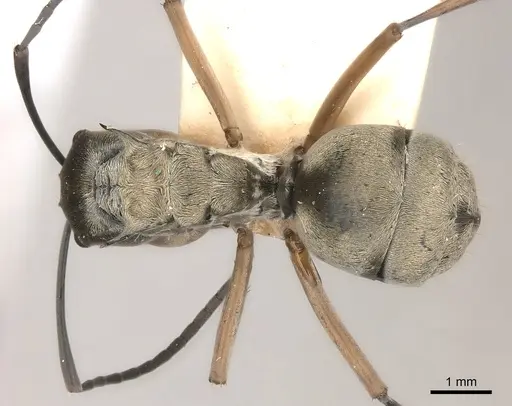
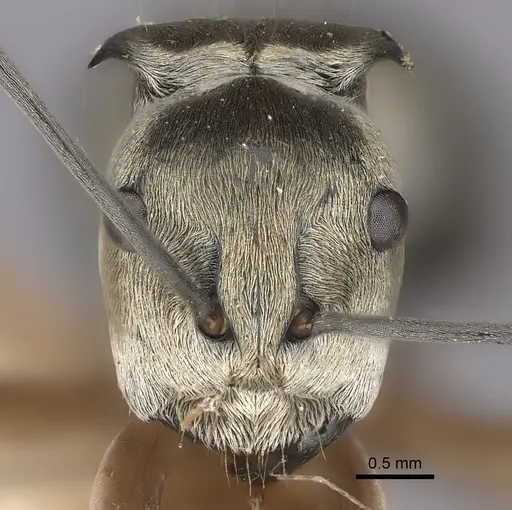
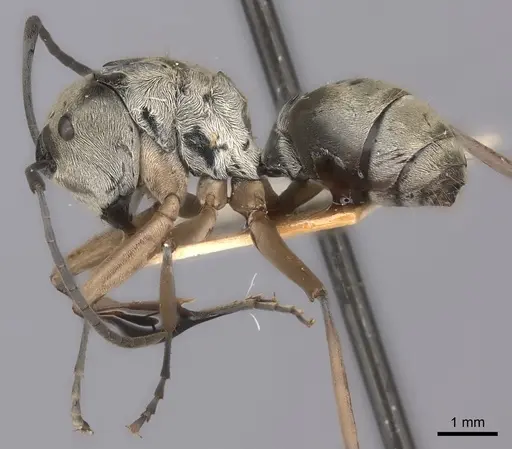
CASENT0281393
View on AntWeb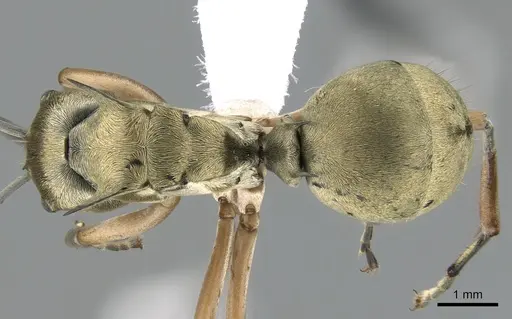
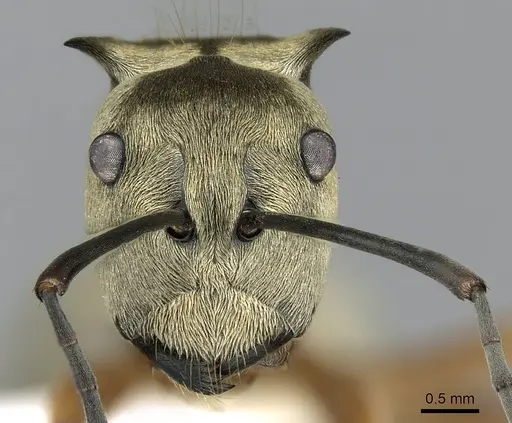
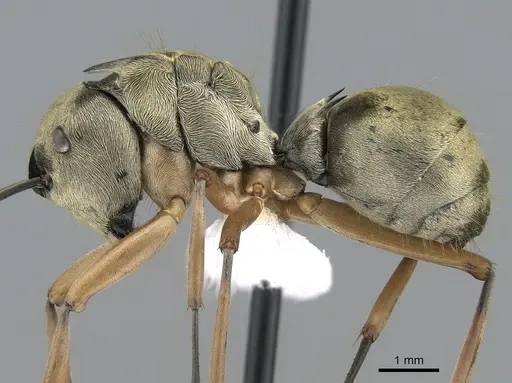
CASENT0901812
View on AntWeb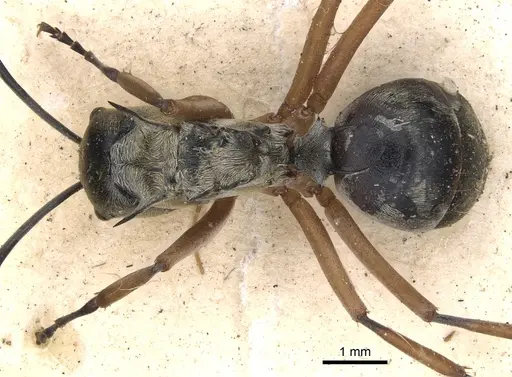
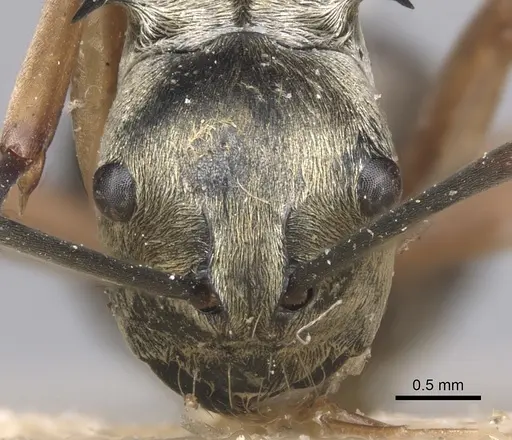
CASENT0901871
View on AntWeb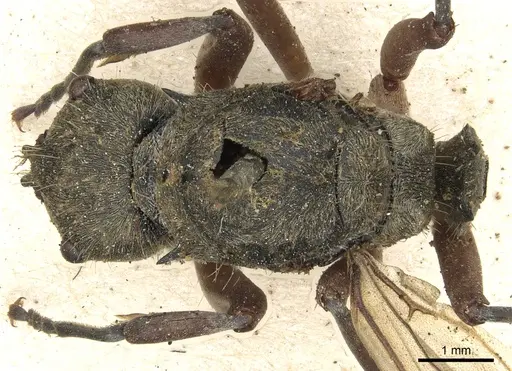
CASENT0903436
View on AntWeb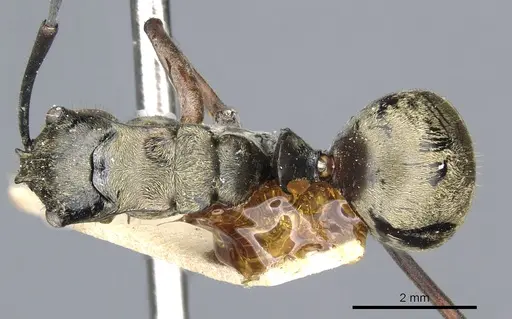
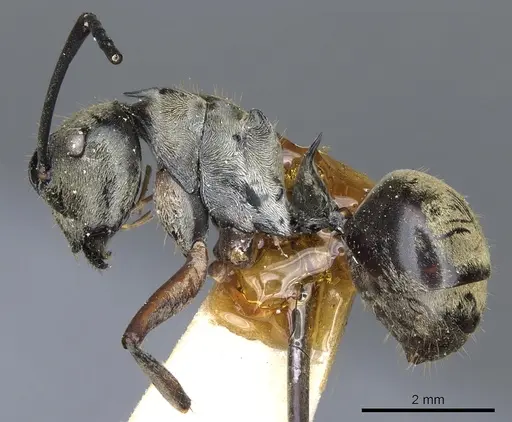
CASENT0903437
View on AntWeb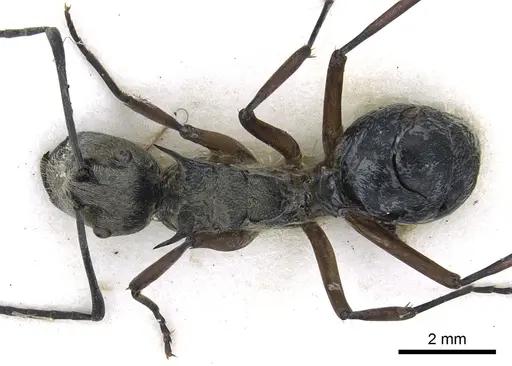
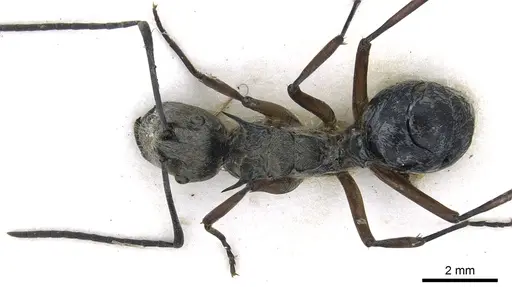
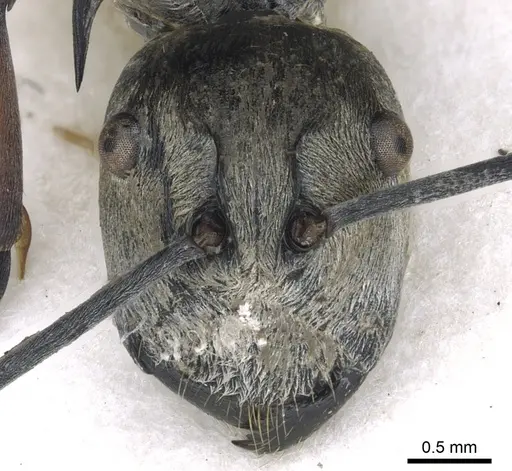
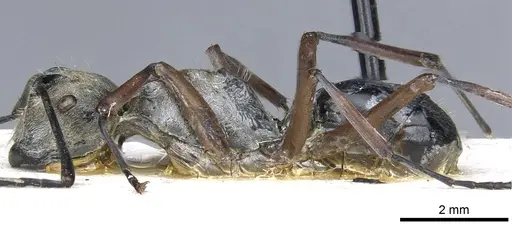
CASENT0905607
View on AntWeb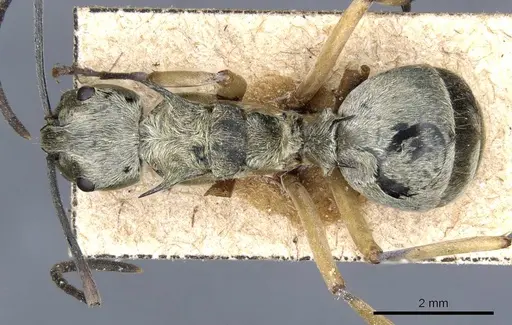
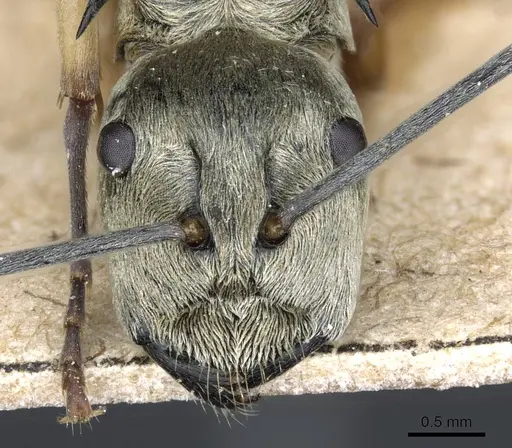
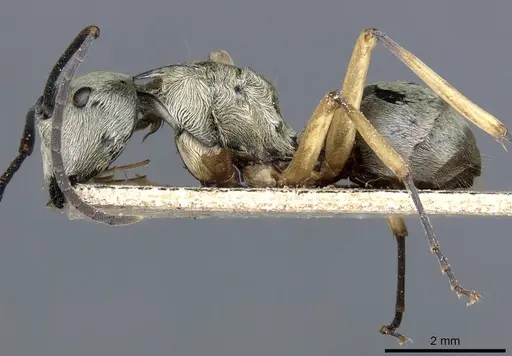
CASENT0905610
View on AntWeb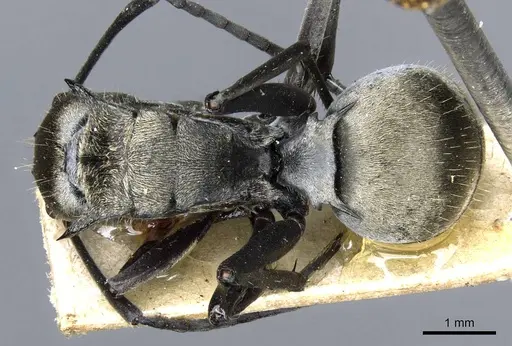
CASENT0905816
View on AntWeb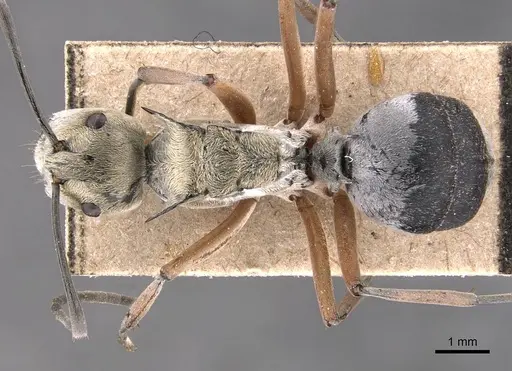
Literature
Loading...Loading products...