

Polyrhachis alphea
- Scientific Name
- Polyrhachis alphea
- Subgenus
- Myrmatopa
- Tribe
- Camponotini
- Subfamily
- Formicinae
- Author
- Smith, 1863
- Distribution
- Found in 2 countries
Polyrhachis alphea Overview
Polyrhachis alphea is an ant species of the genus Polyrhachis. It is primarily documented in 2 countries , including Australia, Papua New Guinea. Detailed taxonomic data and occurrence records can be further explored via authoritative databases such as AntWeb or the Global Biodiversity Information Facility (GBIF).
Polyrhachis alphea
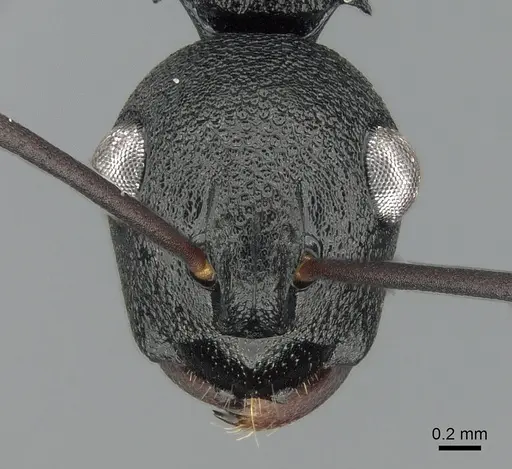
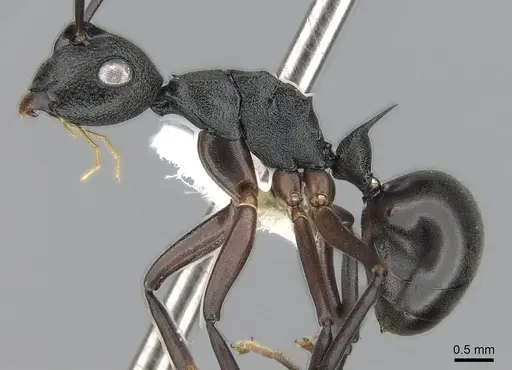
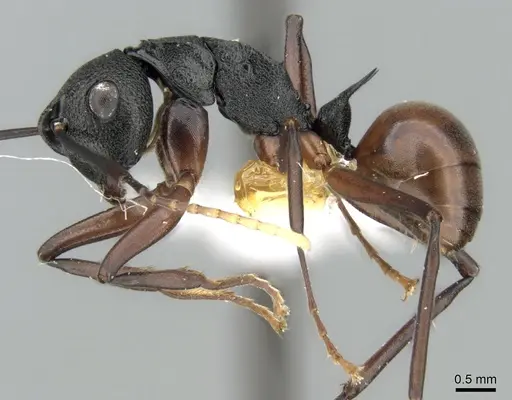
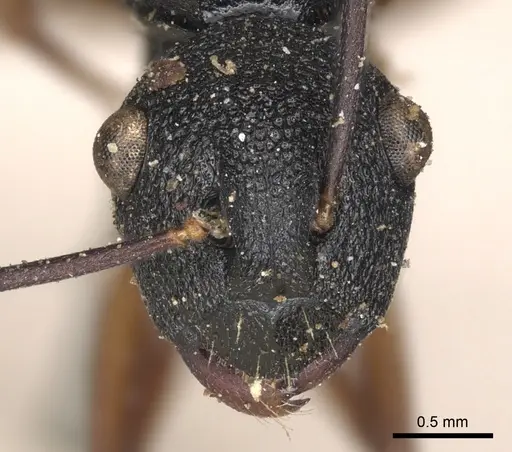
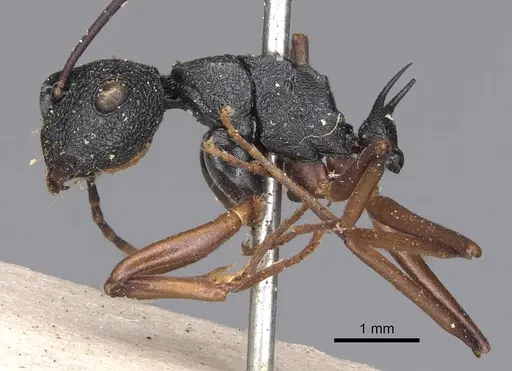
Polyrhachis alphea is a striking arboreal ant species with a patchy distribution across New Guinea, neighboring islands, and the extreme tip of Cape York Peninsula in Australia [1]. Workers measure 5.14-6.75mm and are predominantly black with distinctive reddish-brown legs and long, diverging spines on the petiole (the narrow waist segment) [1]. Queens are larger at 8.32-8.87mm and closely resemble workers aside from typical queen reproductive features [1]. This species is considered rather uncommon, with Australian records limited to a single colony found in the Lockerbie Scrub [1]. As a member of the subgenus Myrmatopa, these ants are arboreal nesters that incorporate silk into their nest construction [2].
Quick Summary
- Difficulty: Medium
- Origin & Habitat: Tropical rainforests of New Guinea, neighboring islands, and far northern Cape York Peninsula in Australia [1]. This species is arboreal, nesting in trees and vegetation rather than on the ground.
- Colony Type: Colony structure is unconfirmed. Based on typical Polyrhachis patterns, likely single-queen colonies.
- Size & Growth:
- Queen: 8.32-8.87mm [1]
- Worker: 5.14-6.75mm [1]
- Colony: Unknown, limited field data available
- Growth: Moderate, based on typical Polyrhachis growth patterns
- Development: Estimated 6-10 weeks at optimal temperature based on genus-level data (Direct development data unavailable, estimate based on related Polyrhachis species)
- Antkeeping:
- Temperature: Keep at 24-28°C. Being a tropical species from New Guinea and northern Australia, they need warm conditions year-round [1].
- Humidity: High humidity (70-85%), arboreal ants from tropical rainforest environments need moist conditions. Provide water access but ensure ventilation prevents stagnation.
- Diapause: Likely minimal or no true diapause. As a tropical species, they probably do not require hibernation, but may slow slightly during cooler periods.
- Nesting: Arboreal setup is essential. These ants nest in trees in the wild, so provide elevated spaces, branches, or a vertical formicarium. They use silk to bind nest materials together [2].
- Behavior: Active and agile arboreal ants. They are not particularly aggressive but will defend their nest. Workers are medium-sized and can escape through small gaps, ensure escape prevention is adequate. They forage in trees and vegetation rather than on the ground.
- Common Issues: tropical humidity requirements mean mold can be an issue without proper ventilation, arboreal nature requires vertical space, horizontal-only nests may cause stress, escape prevention is important as workers are active and can climb well, limited availability in the antkeeping hobby means established colonies are rare, warm temperature needs year-round may require heating in cooler climates
Housing and Nest Setup
Polyrhachis alphea requires an arboreal-style setup rather than a typical ground-based formicarium. In the wild, these ants nest in trees and vegetation, using silk to bind together leaf litter, debris, or materials within tree hollows [2]. For captive care, provide a vertical or multi-level setup that allows them to build elevated nests. A Y-tong (AAC) nest with narrow chambers can work, but many keepers success with naturalistic setups featuring branches, cork bark, or artificial plant material that the ants can use for nest construction. Ensure the setup has adequate humidity while preventing mold growth through proper ventilation. The absence of pupal cocoons means brood is more visible and may require slightly different humidity management than cocoon-producing species [2][3].
Temperature and Heating
As a tropical species from New Guinea and northern Australia, Polyrhachis alphea needs consistently warm temperatures. Aim for 24-28°C in the nest area, with a slight gradient allowing workers to self-regulate. Room temperature alone is often insufficient in temperate climates, use a heating cable or mat on one side of the nest to maintain warmth. Avoid temperatures below 20°C for extended periods. The patchy distribution across tropical regions suggests they are adapted to stable, warm conditions year-round [1]. Monitor colony activity, if workers become sluggish or cluster together excessively, the temperature may be too low.
Feeding and Diet
Polyrhachis ants are typically omnivorous, foraging for nectar, honeydew, and small insects. Offer sugar water or honey as a constant energy source, supplemented with small protein sources like fruit flies, small crickets, or mealworms. Being arboreal foragers, they may prefer food presented at elevated locations rather than on the ground. Observe your colony's preferences, some Polyrhachis species favor sugar sources while others show stronger interest in protein. Remove uneaten food after 24-48 hours to prevent mold in the humid environment they require.
Humidity and Water
High humidity is critical for this species, aim for 70-85% relative humidity. Arboreal ants from tropical rainforests are adapted to moist conditions. Use a water reservoir in your setup and monitor substrate moisture, keeping it damp but not waterlogged. Mist the outworld occasionally, but rely on a water reservoir for consistent humidity. Good ventilation is essential to prevent mold while maintaining moisture, avoid sealed setups. The combination of high humidity and warmth creates ideal conditions, but stagnant air can quickly lead to mold problems. [1]
Colony Development
Queens measure 8.32-8.87mm, significantly larger than workers at 5.14-6.75mm [1]. The species appears uncommon with limited field records, suggesting colonies may not reach enormous sizes. Based on typical Polyrhachis development, expect 6-10 weeks from egg to first worker at optimal temperature. The first workers (nanitics) will likely be smaller than mature workers. Growth rate is moderate, these ants are not particularly fast-growing but steady under good conditions. Colonies in captivity may remain relatively modest in size compared to some ground-nesting species.
Frequently Asked Questions
How long does it take for Polyrhachis alphea to produce first workers?
Based on typical Polyrhachis development patterns, expect 6-10 weeks from egg to first worker at optimal temperature (24-28°C). Direct development data for this specific species is unavailable, so this is an estimate.
What size formicarium do I need for Polyrhachis alphea?
These are arboreal ants that need vertical space. A Y-tong nest with narrow chambers works, but a naturalistic arboreal setup with branches or cork bark is more appropriate for their natural behavior. Start with a small setup and expand as the colony grows.
Do Polyrhachis alphea ants need hibernation?
No. As a tropical species from New Guinea and northern Australia, they do not require true hibernation. They may slow slightly during cooler periods but should be kept warm year-round at 24-28°C.
Are Polyrhachis alphea good for beginners?
This species is rated as Medium difficulty. While not the hardest species, their arboreal nature, high humidity requirements, and need for warm conditions year-round make them better suited for keepers with some experience. Their rarity in the hobby also makes established colonies hard to find.
What do Polyrhachis alphea eat?
They are omnivorous. Offer sugar water or honey as a constant energy source, supplemented with small insects like fruit flies, small crickets, or mealworms for protein. Present food at elevated locations since they are arboreal foragers.
Why are my Polyrhachis alphea dying?
Common causes include: temperature too low (below 20°C), humidity too low or too high without ventilation (causing mold), poor escape prevention, or stress from inappropriate nest setup. Review each parameter and ensure the arboreal setup meets their needs.
Can I keep multiple queens together?
Colony structure is unconfirmed for this species. Polyrhachis species can vary, some are single-queen, others can be multi-queen. Until more is known about this specific species, it is not recommended to combine unrelated queens.
References

This caresheet is licensed under CC BY-SA 4.0 .
CASENT0217740
View on AntWeb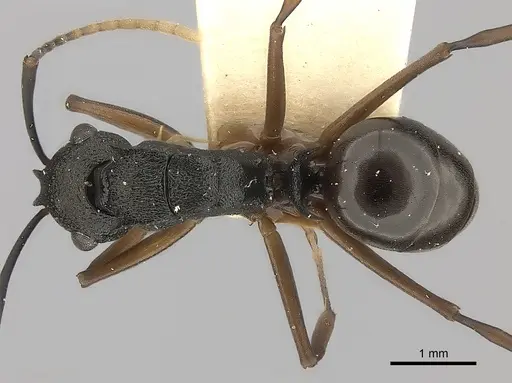
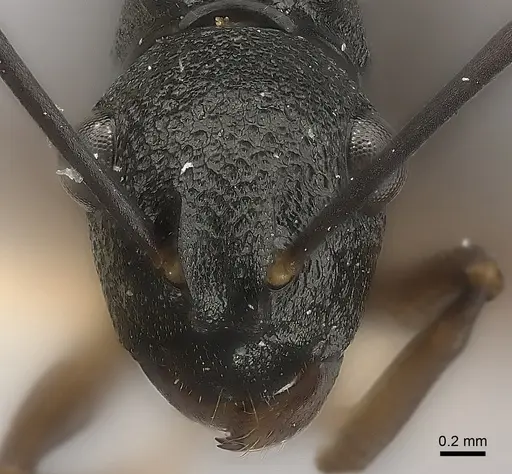
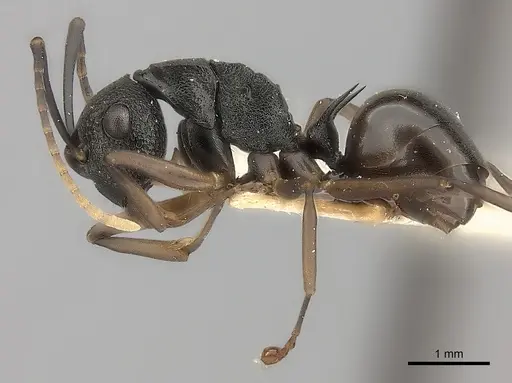
CASENT0281414
View on AntWeb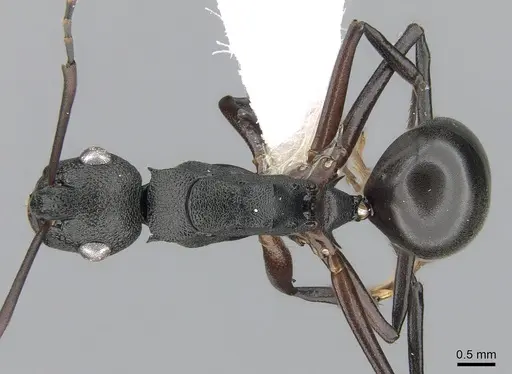
CASENT0281415
View on AntWeb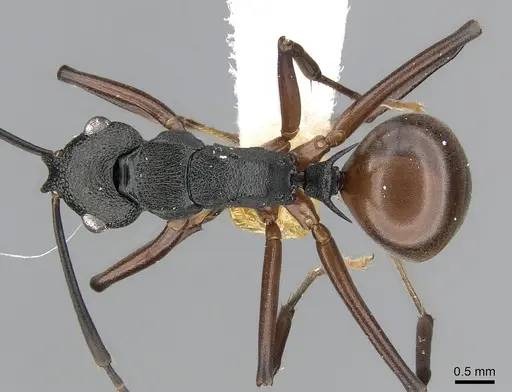
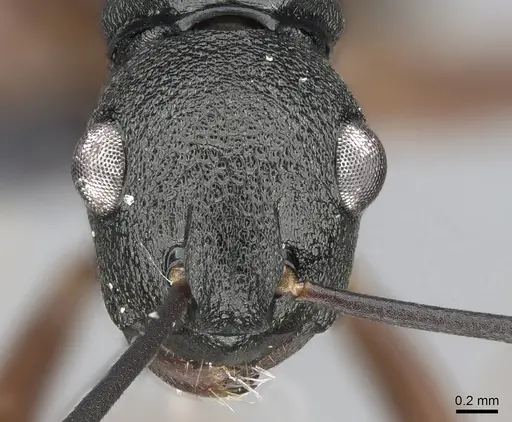
CASENT0901816
View on AntWeb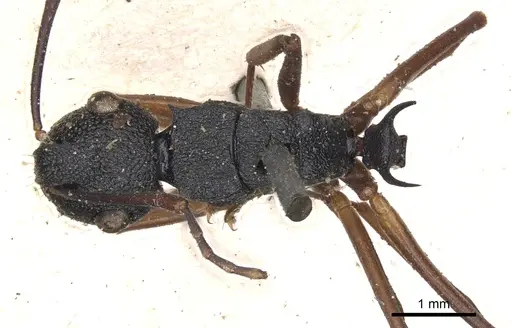
Literature
Loading...Loading products...