

Pogonomyrmex wheeleri
- Scientific Name
- Pogonomyrmex wheeleri
- Tribe
- Pogonomyrmecini
- Subfamily
- Myrmicinae
- Author
- Olsen, 1934
- Distribution
- Found in 1 countries
Pogonomyrmex wheeleri Overview
Pogonomyrmex wheeleri is an ant species of the genus Pogonomyrmex. It is primarily documented in 1 countries , including Mexico. Detailed taxonomic data and occurrence records can be further explored via authoritative databases such as AntWeb or the Global Biodiversity Information Facility (GBIF).
Pogonomyrmex wheeleri
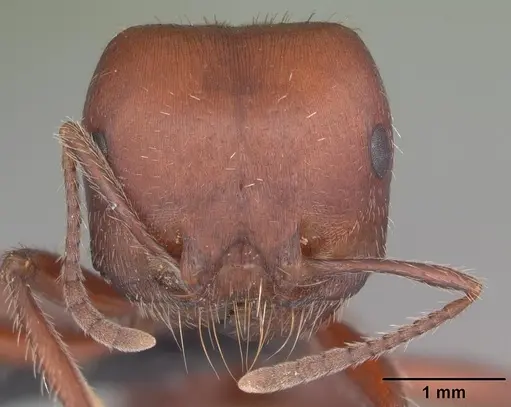
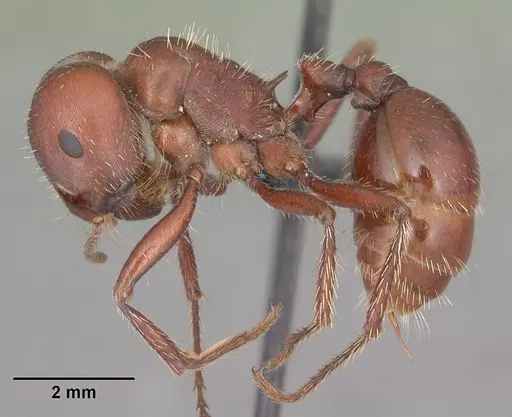
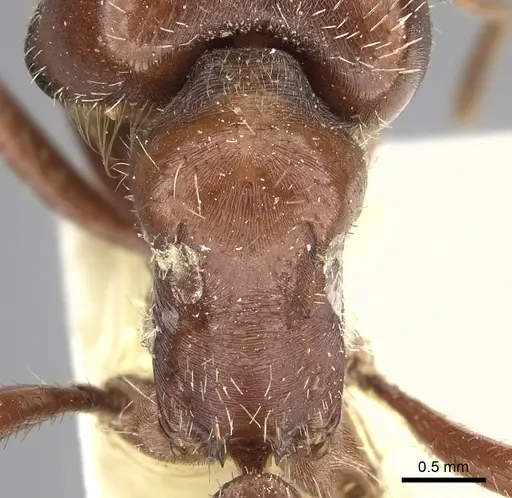
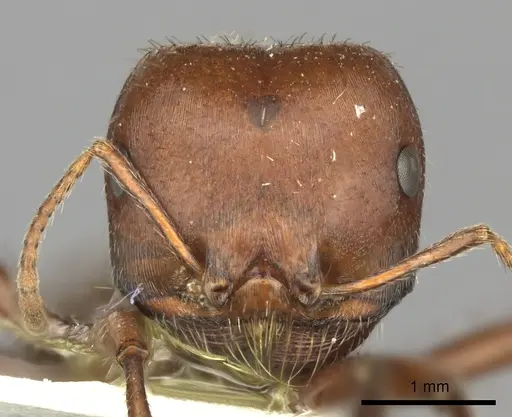
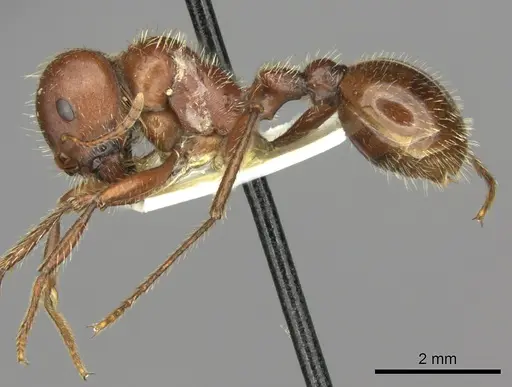
Pogonomyrmex wheeleri is a large harvester ant species native to western Mexico, specifically found in Sinaloa and northern Nayarit regions [1]. Workers are the largest of all known North American Pogonomyrmex species, measuring 2.72-2.89mm in head width with a distinctive finely rugulose head texture that gives a silky appearance [1]. Their body is a concolorous light to medium ferrugineous red with a deep brown pronotal projection [1]. These ants nest in sandy-gravelly or clayey soils, building characteristic low domed mounds (1-4 inches high) that can reach 2-3 feet in diameter, with distinct foraging trails radiating through surrounding vegetation [1]. Colonies are very populous and maintain a single central entrance surrounded by a cleared area [1].
Quick Summary
- Difficulty: Medium
- Origin & Habitat: Western Mexico (Sinaloa and northern Nayarit), with additional records from Baja California, Baja California Sur, Sonora, Chihuahua, Coahuila, and Nuevo León. Inhabits sandy-gravelly or clayey soils at sea level to elevations under 500 feet [2][1].
- Colony Type: Monogyne, single queen colonies. Colonies are very populous [1].
- Colony: Monogyne
- Founding: Claustral
- Size & Growth:
- Queen: Described by Snelling (1982), exact measurements not provided in available sources [1]
- Worker: 2.72-2.89mm head width (HL 2.32-2.47mm), largest of all North American Pogonomyrmex species [1]
- Colony: Very populous colonies [1]
- Growth: Moderate, typical for Pogonomyrmex genus
- Development: Estimated 6-10 weeks based on genus-level data for Pogonomyrmex species (Development timeline not specifically studied for this species, estimates based on related harvester ants)
- Antkeeping:
- Temperature: Keep at 24-28°C. This species comes from tropical/subtropical western Mexico where temperatures are warm year-round. A heating cable on one side of the nest creates a suitable gradient [1].
- Humidity: Low to moderate. These ants inhabit dry to semi-arid regions of western Mexico. Keep nest substrate dry to slightly moist but never waterlogged. Provide a shallow water dish in the outworld [1].
- Diapause: Unlikely, native range in western Mexico has mild winters without extended cold periods. However, some keepers in cooler climates simulate a brief cool period (15-18°C for 4-6 weeks) to simulate seasonal slowdown [1].
- Nesting: Ground-nesting species that prefers sandy or gravelly soil. In captivity, a naturalistic setup with deep substrate (at least 4-6 inches) or a plaster/acrylic nest works well. Provide sand-gravel mix for tunneling. They do well in Y-tong nests with loose substrate chambers [1].
- Behavior: Extremely pugnacious and defensive, workers swarm toward intruders at a rapid gait and sting readily with effective venom [1]. Forages solitarily with limited recruitment, using trunk trail strategies to collect seeds [3][4]. Escape risk is moderate, these are large ants but excellent climbers. Use tight-fitting lids and barrier gel on container edges. Their sting is painful and can cause reactions in sensitive individuals, handle with caution [1][5].
- Common Issues: sting pain, their venom causes significant pain, use gloves and caution when working with colonies, escape prevention, despite large size, they are active climbers and will escape through small gaps, overheating risk, warm temperatures are needed but excessive heat can kill colonies quickly, humidity management, too much moisture leads to mold and colony stress in this dry-habitat species, aggressive defense, colony transfers require planning as workers attack rapidly when disturbed
Housing and Nest Setup
Pogonomyrmex wheeleri is a ground-nesting harvester ant that requires proper substrate for tunneling. In captivity, a naturalistic setup with a deep soil chamber (at least 4-6 inches of sandy-gravelly mix) works best, as it mimics their natural nesting conditions in Sinaloa [1]. You can also use Y-tong (AAC) nests with loose substrate chambers, which allow for natural tunneling behavior. The nest should be placed on a stable surface away from direct sunlight. Since these ants come from dry regions of western Mexico, the nesting area should remain relatively dry while the outworld can have a shallow water dish. Provide a sand-gravel mixture (roughly 70% sand,30% gravel) in the nesting chamber to allow workers to excavate and maintain tunnels [1].
Feeding and Diet
As seed-harvester ants, Pogonomyrmex wheeleri primarily collects and consumes seeds from surrounding vegetation [4]. In captivity, offer a variety of seeds including grass seeds, millet, and commercial ant seed mixes. They also readily accept protein sources, offer small insects like fruit flies, mealworms, or crickets twice weekly. Sugar water or honey can be offered occasionally, though they rely primarily on seeds. Remove uneaten seeds and prey after 48 hours to prevent mold. Fresh water should always be available in a shallow dish [3][4].
Temperature and Seasonal Care
Keep your colony at 24-28°C for optimal growth and activity. This species originates from tropical western Mexico where temperatures remain warm throughout the year. Use a heating cable placed on one side of the nest to create a temperature gradient, allowing ants to self-regulate. Avoid temperatures above 32°C as this can stress or kill colonies. During winter in cooler climates, you can reduce temperatures to 18-20°C for a brief period (4-6 weeks), but this is not required given their subtropical origin. Monitor colony behavior, active workers clustering near heat sources indicate they need it warmer, while avoiding heated areas suggests temperatures are too high [1].
Handling and Safety
Pogonomyrmex wheeleri workers are extremely pugnacious and will attack intruders without hesitation [1]. Their sting is effective and painful, use long-handled tools when working in the enclosure and consider wearing gloves. When moving colonies or cleaning the setup, work quickly but carefully to minimize time with the enclosure open. The venom has an LD50 of 0.60 mg/kg in mice, making it moderately potent [5]. For most people, the sting causes localized pain and swelling, but those with insect venom allergies should exercise extreme caution. Always use excellent escape prevention, these large ants are still capable climbers and can escape through surprisingly small gaps when alarmed [1].
Colony Growth Expectations
Pogonomyrmex wheeleri colonies grow to be very populous, with mature colonies containing thousands of workers [1]. Founding colonies develop slowly at first, the claustral queen seals herself in a chamber and raises the first workers (nanitics) alone, which takes 6-10 weeks based on genus patterns. Once the first workers emerge, colony growth accelerates but remains moderate compared to some faster-growing Myrmicinae. Expect 6-12 months to reach 100 workers, and 2-3 years to reach a mature colony size. The large worker size (among the largest in North American Pogonomyrmex) means each worker is more resource-efficient, but colony development still requires patience. Regular feeding with seeds and protein, stable warm temperatures, and proper humidity will support healthy growth [1].
Frequently Asked Questions
What do Pogonomyrmex wheeleri ants eat?
They are seed-harvester ants that primarily collect and consume seeds, but also readily accept protein sources like small insects. Offer grass seeds, millet, or commercial seed mixes, along with insects like fruit flies or mealworms twice weekly. Sugar water or honey can be offered occasionally [4].
How long does it take for Pogonomyrmex wheeleri to raise first workers?
Based on typical Pogonomyrmex development, expect 6-10 weeks from egg to first worker (nanitic) at optimal temperatures (24-28°C). The claustral queen seals herself in and raises the first brood alone using stored fat reserves [1].
Can I keep Pogonomyrmex wheeleri in a test tube?
Test tubes are suitable for founding colonies, but these ants need more space as they grow. Once the colony reaches 30-50 workers, transfer to a larger setup with proper sandy substrate for tunneling. A naturalistic setup with deep substrate or a Y-tong nest works best for established colonies [1].
Do Pogonomyrmex wheeleri need hibernation?
Probably not. This species comes from western Mexico (Sinaloa, Nayarit) which has mild winters without extended cold periods [1]. However, some keepers in cooler climates provide a brief cool period (15-18°C for 4-6 weeks) to simulate seasonal slowdown, but this is not required.
How big do Pogonomyrmex wheeleri colonies get?
Colonies become very populous, with mature colonies containing thousands of workers [1]. They are among the largest North American Pogonomyrmex species in worker size, which contributes to their impressive colony sizes.
Are Pogonomyrmex wheeleri good for beginners?
No, this species is rated as Medium difficulty. Their extremely pugnacious behavior and effective sting make them challenging for beginners. They require careful handling, excellent escape prevention, and specific temperature/humidity conditions. Consider starting with a less aggressive species before attempting Pogonomyrmex wheeleri [1].
What temperature do Pogonomyrmex wheeleri need?
Keep them at 24-28°C. Use a heating cable on one side of the nest to create a gradient. Avoid temperatures above 32°C. Their native habitat in western Mexico is warm year-round [1].
Why are my Pogonomyrmex wheeleri dying?
Common causes include: excessive humidity (they prefer dry conditions), temperatures too low or too high, stress from too frequent disturbance, or mold from uneaten food. Check that the nest substrate is not too moist, temperatures are stable at 24-28°C, and remove uneaten food promptly. Their aggressive nature means disturbing the colony frequently can cause stress [1].
Can I keep multiple Pogonomyrmex wheeleri queens together?
No, this is a monogyne (single-queen) species. Multiple unrelated queens will fight to the death. Only keep one queen per colony. If you find multiple queens in the wild, they represent either pleometrosis (temporary multiple founding) or are from separate colonies [1].
References

This caresheet is licensed under CC BY-SA 4.0 .
CASENT0103055
View on AntWeb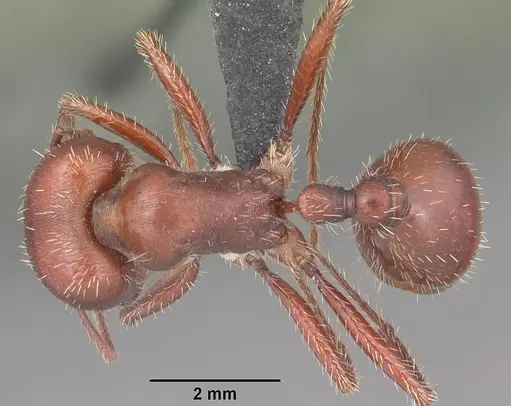
CASENT0235332
View on AntWeb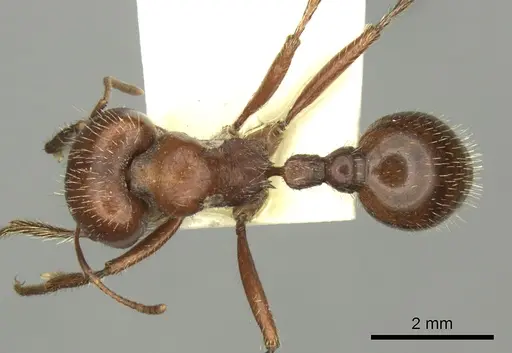
Literature
Loading...Loading products...