

Pogonomyrmex tinogasta
- Scientific Name
- Pogonomyrmex tinogasta
- Tribe
- Pogonomyrmecini
- Subfamily
- Myrmicinae
- Author
- Johnson, 2015
- Distribution
- Found in 1 countries
Pogonomyrmex tinogasta Overview
Pogonomyrmex tinogasta is an ant species of the genus Pogonomyrmex. It is primarily documented in 1 countries , including Argentina. Detailed taxonomic data and occurrence records can be further explored via authoritative databases such as AntWeb or the Global Biodiversity Information Facility (GBIF).
Pogonomyrmex tinogasta
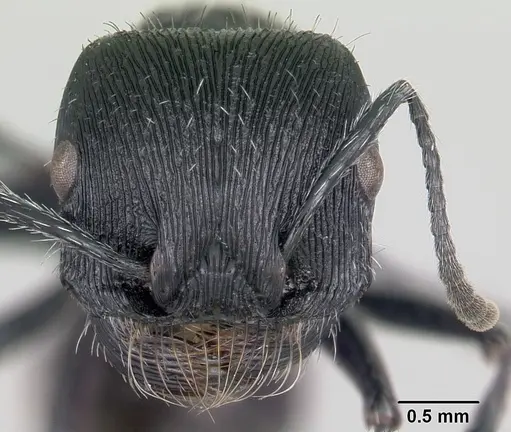
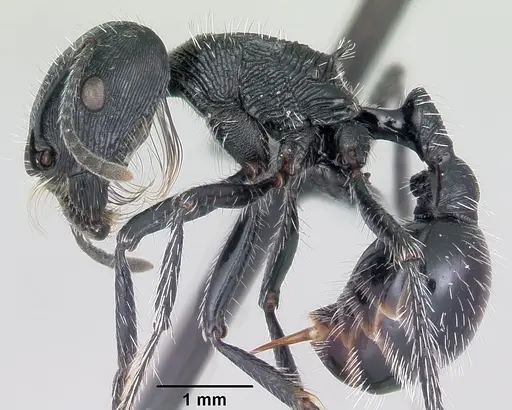
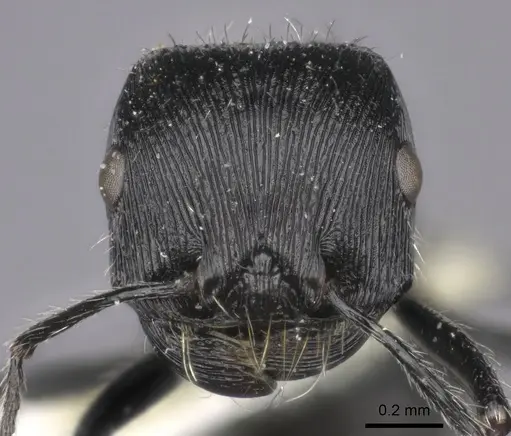
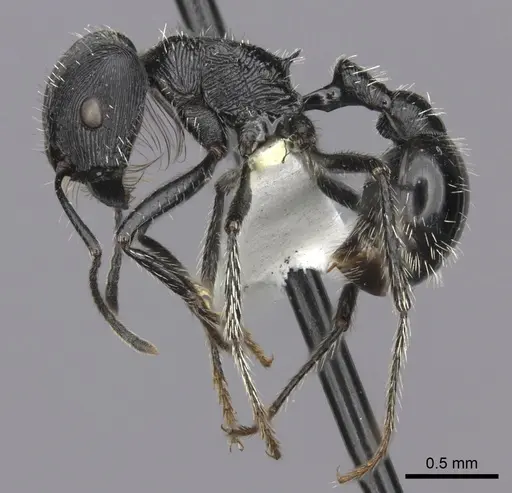
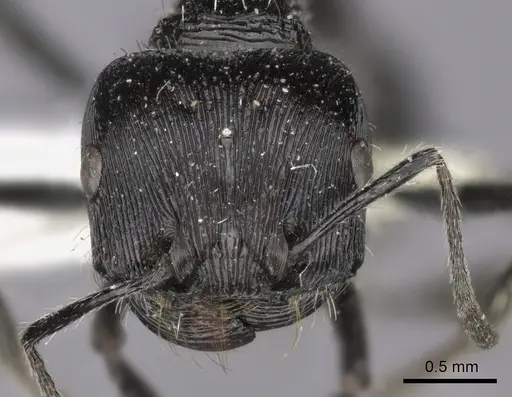
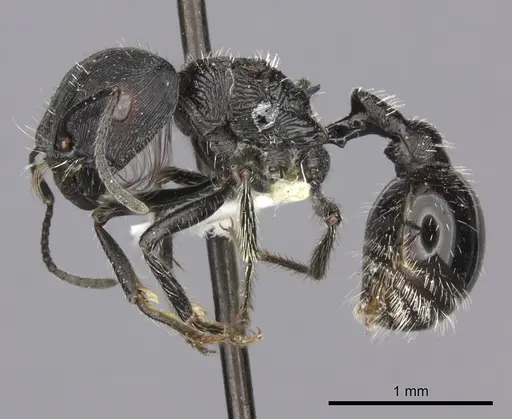
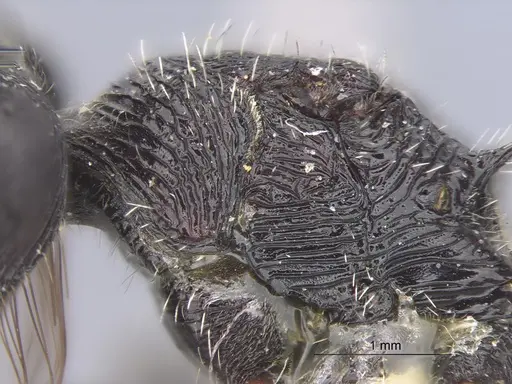
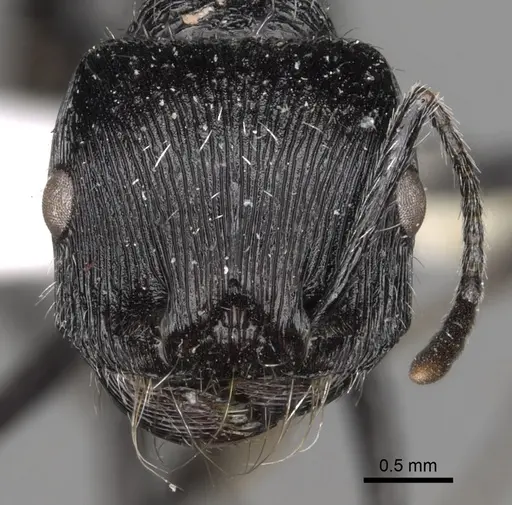
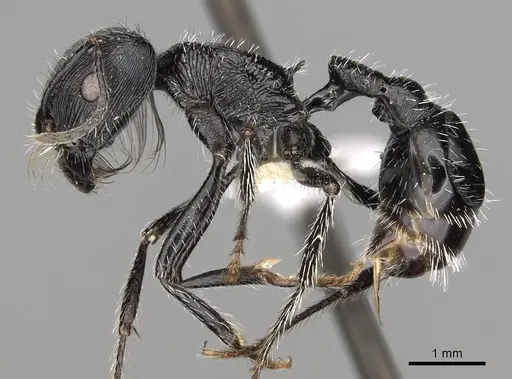
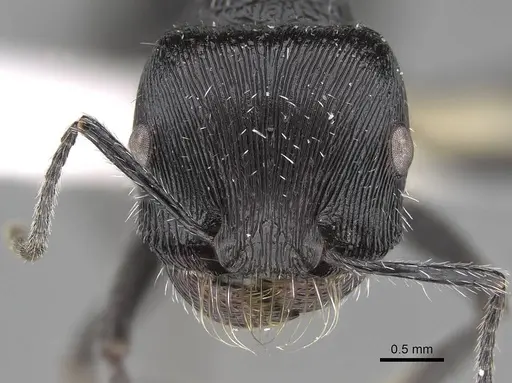
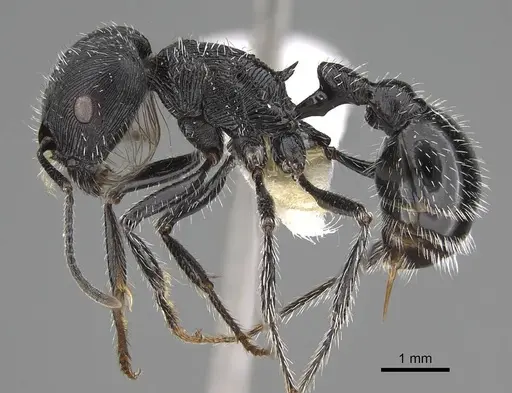
Pogonomyrmex tinogasta is a small seed-harvesting ant native to the High Monte Desert of Argentina. Workers are mostly black with a distinctive dark reddish band encircling each eye, measuring about 1.7-2.2mm in head width. Queens are unusual, they are brachypterous, meaning they have short, non-functional wings, and they can sometimes be found foraging outside the nest alongside workers. This species belongs to the laticeps group of Pogonomyrmex ants and was only described as a species in 2015 [1].
What makes P. tinogasta truly unique is its queen behavior. Unlike most ant species where the queen stays deep in the nest, several dealate (wingless) queens of this species have been found foraging outside the nest and near the surface. This is rare among ants and suggests these queens may sometimes skip mating and help with tasks like foraging, similar to workers but with queen morphology. Nests feature a distinctive tumulus (mound) of excavated soil about 15-25cm wide, with external seed chaff middens indicating they harvest grass seeds as a primary food source.
Quick Summary
- Difficulty: Medium
- Origin & Habitat: Central High Monte Desert ecoregion in Catamarca Province, Argentina. Found at elevations of 1100-1330m in sandy soils and sand dunes with rocky substrate, in Monte Desert woodland dominated by creosote bush (Larrea), Parkinsonia, Prosopis, Bulnesia, and Acacia [2].
- Colony Type: Single-queen colonies with unusual brachypterous (short-winged) queens. Queens sometimes forage outside the nest, which is rare for Pogonomyrmex. Colonies reach approximately 300-500 workers [2].
- Colony: Monogyne
- Founding: Semi-claustral
- Size & Growth:
- Queen: 2.19-2.38mm head length (2.44-2.64mm head width) [2]
- Worker: 1.74-2.02mm head length (1.79-2.23mm head width) [2]
- Colony: Approximately 300-500 workers per colony [2]
- Growth: Moderate, estimated based on typical Pogonomyrmex development patterns
- Development: Estimated 8-12 weeks at optimal temperature based on genus patterns (Direct development data unavailable for this species, estimates based on related Pogonomyrmex species. Colony growth is moderate rather than fast.)
- Antkeeping:
- Temperature: Keep at 24-28°C, mimicking warm desert conditions. A heating cable on one side of the nest creates a temperature gradient. This species comes from elevations around 1100-1330m in a warm desert environment, so they prefer temperatures on the warmer side for the genus [2].
- Humidity: Keep nest substrate moderately dry, these are desert ants adapted to arid conditions. Provide a water tube for drinking but avoid damp substrate. The Monte Desert is a dry environment, so aim for 30-50% humidity in the nest area.
- Diapause: Yes, Pogonomyrmex species require a winter rest period. Reduce temperature to 10-15°C for 2-3 months during winter, mimicking their natural seasonal cycle in the Argentine desert.
- Nesting: Use a dry, sandy substrate for the nest chamber, these ants naturally nest in sand dunes and sandy soils with rocky substrate. A Y-tong (AAC) nest or plaster formicarium with sand-filled chambers works well. Provide a connection to an outworld for foraging. The nest should have a tumulus area where they can deposit excavated soil.
- Behavior: Pogonomyrmex tinogasta are seed-harvesting ants that forage solitarily. They collect grass seeds and store them in the nest, creating external seed middens near the entrance. Workers are moderately aggressive when defending the nest, they have the typical Pogonomyrmex painful sting. They are active foragers and will readily collect seeds and protein. Escape risk is moderate since workers are a decent size (about 2mm), but standard barrier methods work well. The most notable behavior is that queens sometimes forage outside the nest, which is unusual for this genus.
- Common Issues: desert species is sensitive to excess moisture, keep substrate dry to prevent mold and fungal growth, sting is painful, handle carefully and use appropriate protection if needed, slow colony growth may frustrate beginners, these ants take time to reach full colony size, brachypterous queens may have different founding behavior than typical claustral species, queen may need to forage during founding, seed-harvesting creates debris in the outworld, regular cleaning helps maintain colony health
Housing and Nest Setup
Pogonomyrmex tinogasta does well in a Y-tong (AAC) nest or a plaster formicarium with sandy chambers. Since they are desert ants, keep the nest relatively dry, the substrate should feel like dry sand, not damp soil. Connect the nest to an outworld where they can forage. Provide a water tube with fresh water at all times. These ants naturally build nests in sand dunes and sandy soils with rocky substrate, so include some small rocks or sand in the nest chamber to mimic their natural environment. The nest entrance should be narrow enough to help them feel secure. A small depression or dish in the outworld works well for offering seeds and protein. [1][2]
Feeding and Diet
As seed-harvesting ants, their primary diet in the wild consists of grass seeds they collect and store in their nest. In captivity, offer a variety of seeds, grass seeds, millet, flax, and small bird seed mixes work well. They also need protein, so offer small insects like fruit flies, pinhead crickets, or mealworms twice weekly. Unlike some Pogonomyrmex that are strictly granivorous, they will accept protein sources. Remove uneaten seeds periodically to prevent mold. A constant supply of seeds plus occasional protein is ideal. They may also accept sugar water or honey occasionally, though seeds are their primary food source. [2]
Temperature and Seasonal Care
Keep the nest at 24-28°C during the active season. A small heating cable on one side of the nest creates a temperature gradient they can choose from. These ants come from the warm Monte Desert at elevations around 1100-1330m, so they prefer temperatures on the warmer end of what Pogonomyrmex tolerates. During winter (roughly November through February in the Northern Hemisphere), reduce temperature to 10-15°C for a diapause period. This mimics their natural seasonal cycle in the Argentine desert. Do not feed during diapause and keep moisture minimal. Return to normal temperatures gradually in spring to trigger renewed activity. [1][2]
Understanding Their Unique Queens
The most fascinating aspect of P. tinogasta is their queen morphology and behavior. Unlike typical ant queens that are fully winged (alate) and never leave the nest after mating, P. tinogasta queens are brachypterous, they have short, non-functional wings and cannot fly. These queens have been observed foraging outside the nest alongside workers, which is extremely rare. While their exact reproductive status was not determined, similar behavior in related species suggests these queens may be unmated and help with foraging tasks rather than just reproduction. This means founding behavior may differ from typical claustral species, the queen may need to leave the nest to forage during colony establishment. If you obtain a queen, provide access to food during founding. [1][2]
Behavior and Defense
Workers forage solitarily, searching for seeds and small insects across the substrate. They create distinctive nest mounds (tumuli) about 15-25cm in diameter with external seed middens, piles of chaff from processed seeds near the entrance. This is one way to identify active colonies. When threatened, they will sting, Pogonomyrmex stings are known to be painful, similar to a bee sting, due to their venom. Handle with care and avoid provoking them. They are not particularly aggressive but will defend the nest vigorously if disturbed. Workers are moderately active and will establish clear foraging trails once the colony is established. [2]
Frequently Asked Questions
How long does it take for Pogonomyrmex tinogasta to produce first workers?
Expect 8-12 weeks from egg to first worker at optimal temperature (around 26°C). This is based on typical development times for related Pogonomyrmex species, as specific development data for P. tinogasta is not available. Growth is moderate, don't expect the rapid colony expansion seen in some faster-growing species.
Can I keep multiple Pogonomyrmex tinogasta queens together?
No, this species is monogyne (single-queen). Multiple unrelated queens will fight. Only keep one queen per colony. If you find multiple dealate queens near a nest in the wild, they are likely from the same colony and should not be combined with unrelated queens.
What do I feed Pogonomyrmex tinogasta?
Their primary food is seeds, offer grass seeds, millet, flax, or small bird seed mixes. They also need protein, so provide small insects like fruit flies, pinhead crickets, or mealworms twice weekly. They may occasionally accept sugar water or honey. Keep seeds available constantly and remove any uneaten prey after 24 hours.
Do Pogonomyrmex tinogasta need hibernation?
Yes, they require a winter diapause period. Reduce temperatures to 10-15°C for 2-3 months during winter (roughly November-February). Stop feeding during this period and keep moisture minimal. This mimics their natural seasonal cycle in the Argentine Monte Desert. Gradually warm them in spring to restart activity.
How big do Pogonomyrmex tinogasta colonies get?
Colonies reach approximately 300-500 workers at maturity. This is moderate for Pogonomyrmex, not as large as some species that can reach thousands, but substantial enough to require adequate space. Growth is gradual over 1-2 years to reach full size.
Why is my queen foraging outside the nest?
This is normal for P. tinogasta! Unlike most ant species, these queens are brachypterous (short-winged) and have been observed foraging outside the nest in the wild. Your queen may leave the nest to search for food during founding, this is unusual but documented for this species. Ensure she has access to the outworld and offer small seeds and protein near her.
Are Pogonomyrmex tinogasta good for beginners?
They are moderate difficulty, not the easiest but not the hardest. The main challenges are: they need a dry desert-style setup, they require winter diapause, they grow moderately slowly, and they have a painful sting. If you have kept another Pogonomyrmex species successfully, this one should be manageable. Beginners might prefer an easier species like Lasius or Tetramorium first.
When should I move Pogonomyrmex tinogasta to a formicarium?
Wait until the colony has at least 20-30 workers before moving to a formicarium. Test tube setups work fine for founding colonies and smaller groups. Once the colony reaches this size and you notice they need more space for seed storage, transfer to a Y-tong or plaster nest with sandy chambers. Make sure the new nest has appropriate dry conditions.
Why are my Pogonomyrmex tinogasta dying?
Common causes include: too much moisture (these are desert ants, keep substrate dry), poor nutrition (ensure constant seeds and regular protein), temperature stress (keep at 24-28°C, not too hot or cold), or improper diapause (they need winter rest). Check that the nest is not too damp and that you are providing a proper winter cooling period. Also ensure good ventilation to prevent mold.
References

This caresheet is licensed under CC BY-SA 4.0 .
CASENT0103264
View on AntWeb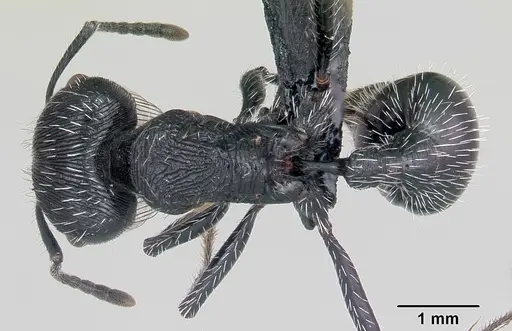
CASENT0235286
View on AntWeb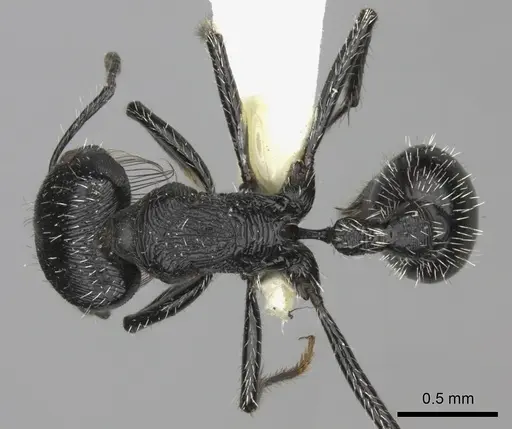
CASENT0235287
View on AntWeb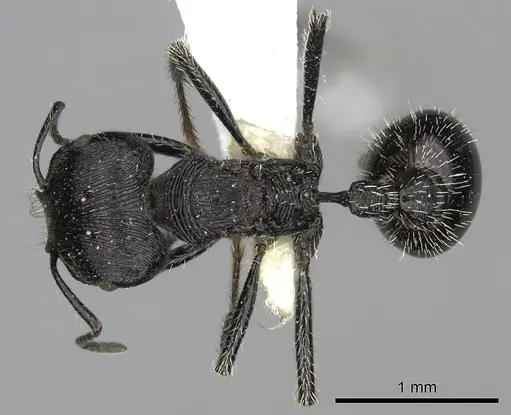
CASENT0281107
View on AntWeb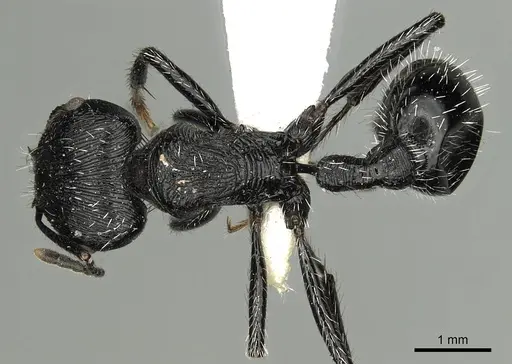
CASENT0914133
View on AntWeb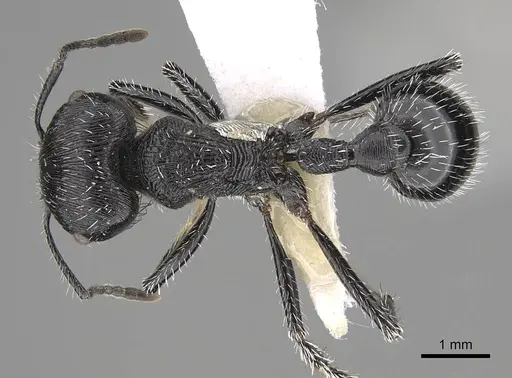
Literature
Loading...Loading products...