

Pogonomyrmex salinus
- Scientific Name
- Pogonomyrmex salinus
- Tribe
- Pogonomyrmecini
- Subfamily
- Myrmicinae
- Author
- Olsen, 1934
- Common Name
- Owyhee Harvester Ant
- Distribution
- Found in 1 countries
Pogonomyrmex salinus Overview
Pogonomyrmex salinus (commonly known as the Owyhee Harvester Ant) is an ant species of the genus Pogonomyrmex. It is primarily documented in 1 countries , including United States of America. Detailed taxonomic data and occurrence records can be further explored via authoritative databases such as AntWeb or the Global Biodiversity Information Facility (GBIF).
Pogonomyrmex salinus - "Owyhee Harvester Ant"
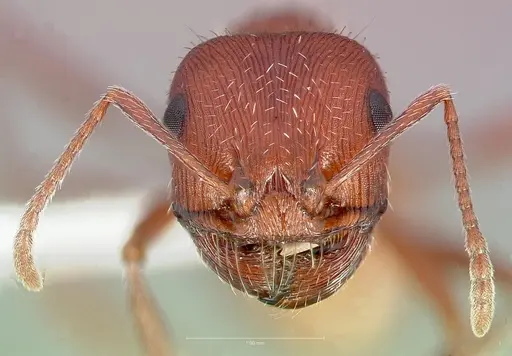
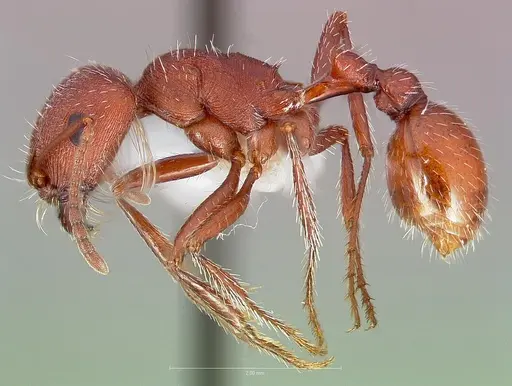
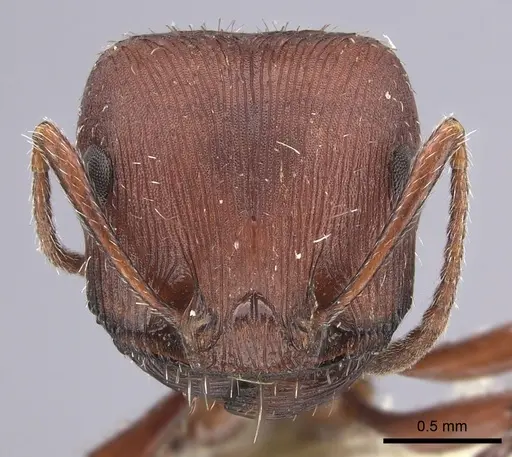
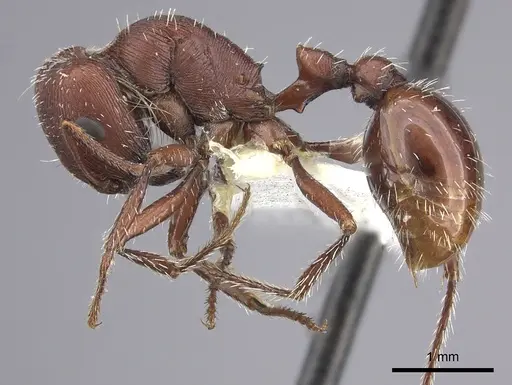
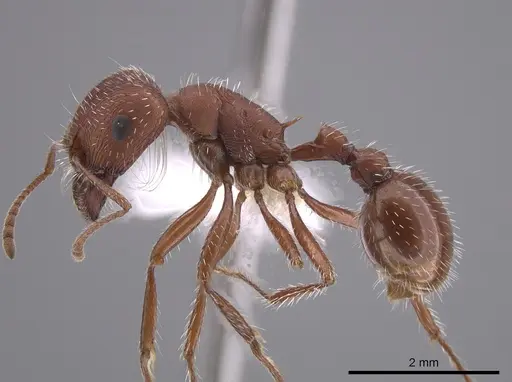
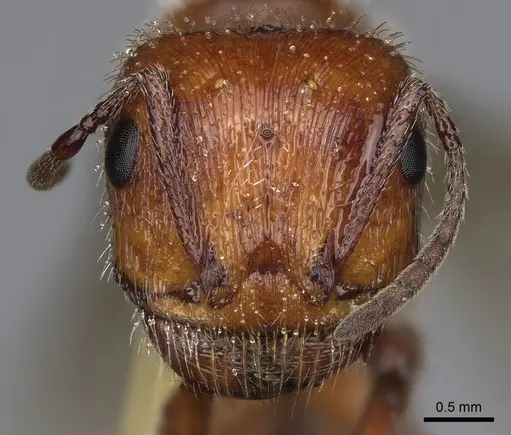
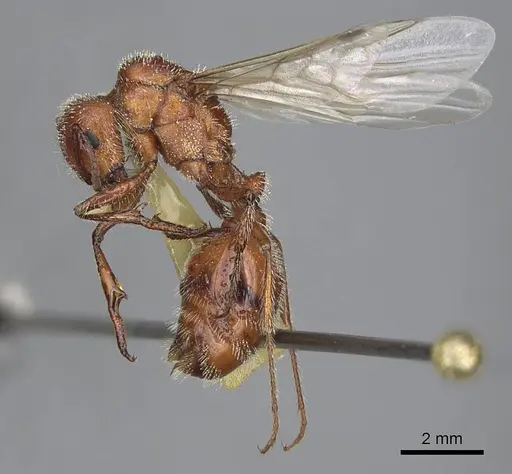
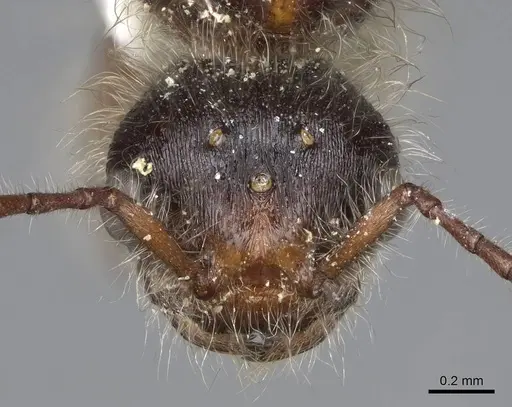
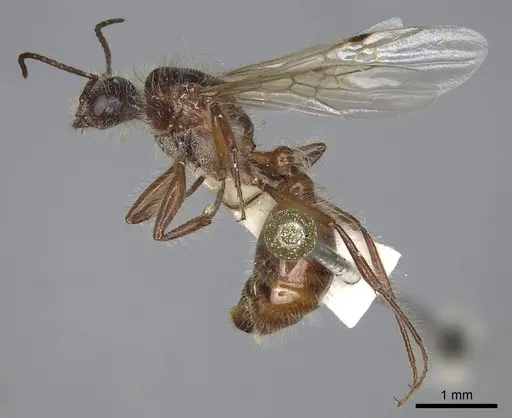
Pogonomyrmex salinus is a small harvester ant native to the western United States and southwestern Canada. Workers measure 1.41-1.63mm and are a deep ferrugineous red color, making them notably smaller than many other Pogonomyrmex species [1][2]. Queens are larger at 1.63-1.86mm with a similar reddish coloration [1]. This species constructs distinctive conical pebble mounds with a single entrance at the base, surrounded by a cleared area where they harvest seeds [1][2]. They are found across Washington, Oregon, Idaho, Montana, Nevada, extreme southern Utah, northwestern Wyoming, and eastern California, typically in semi-arid rangeland habitats [2][3].
Quick Summary
- Difficulty: Medium
- Origin & Habitat: Western United States and southwestern Canada, semi-arid rangeland with sparse vegetation, typically at elevations between 3,000-4,500 feet [2]. They prefer areas with sandy or loamy soils where they can construct their characteristic pebble mound nests [2][4].
- Colony Type: Monogyne, single-queen colonies with documented worker replacement reproductives if the queen dies [5]. Research confirms colonies are uniformly single-queened and hostile to foreign queens [5].
- Colony: Monogyne
- Founding: Semi-claustral
- Size & Growth:
- Queen: 1.63-1.86mm [1]
- Worker: 1.41-1.63mm [1]
- Colony: Up to approximately 3,700 workers based on winter excavations [2]. Colonies can live 14-30 years with a mean of 17 years [5][6].
- Growth: Moderate, first brood takes 38-55 days, subsequent broods 30-45 days [2].
- Development: 6-8 weeks for first brood,4-6 weeks for subsequent broods [2]. This is based on field observations in Oregon where egg laying begins around May 15,first larvae appear June 1,and first workers emerge by mid-July [2]. (Development times vary with temperature, warmer conditions accelerate development while cooler temperatures slow it down [2]. First reproductive brood takes longer (38-55 days) than worker broods (30-45 days) [2].)
- Antkeeping:
- Temperature: Keep nest area at 20-26°C. Activity begins around 16-20°C, with full foraging at 20-23°C [2]. They aestivate (stop foraging) when soil surface reaches 50-53°C, so avoid overheating above 50°C [2]. A temperature gradient allowing workers to move between warmer and cooler areas is ideal.
- Humidity: Low to moderate, these are desert-adapted ants that prefer dry conditions. Keep nest substrate relatively dry with occasional moist areas. Avoid constant dampness which can kill colonies. Provide a water source via a test tube with cotton but do not over-moisten the nesting area.
- Diapause: Yes, colonies enter winter dormancy when soil temperature at 6-inch depth drops below 13.5°C (56°F) [2]. In captivity, simulate winter by reducing temperature to 5-10°C for 3-4 months (November-February in most regions). Do not feed during diapause.
- Nesting: Y-tong (acrylic) nests work well for this species. They prefer干燥 conditions so avoid plaster or soil nests that retain moisture. Provide a shallow foraging area with sand or small gravel substrate, they enjoy clearing areas similar to their natural pebble mound behavior. A test tube setup works for founding colonies.
- Behavior: Pogonomyrmex salinus is a seed-harvesting ant with a painful sting. Workers are aggressive toward intruders and will defend their nest vigorously [1]. They forage individually rather than using trunk trails, though they may form temporary trails to productive food sources [7][8]. They are territorial and will fight neighboring colonies, encounters can be lethal with workers dying in combat [3]. Foragers have a short lifespan of approximately 14 days, making them a disposable caste [9][10]. Escape prevention is important as workers can climb smooth surfaces easily, use fluon on container edges.
- Common Issues: sting pain, these ants have a painful sting that causes swelling and redness lasting 24+ hours in sensitive individuals [2], overheating, colonies will stop foraging above 50°C and can die at 58°C [2], founding difficulty, semi-claustral queens must forage during founding, so they need access to small seeds and insects from the start [11], moisture sensitivity, too much humidity kills colonies, keep nesting area dry, territorial aggression, if keeping multiple colonies, ensure they cannot interact or fatal fights will occur [3]
Nest Preferences and Setup
In the wild, Pogonomyrmex salinus builds distinctive conical pebble mounds with a single entrance at the base, surrounded by a cleared area where they process and store seeds [1][2]. The mounds can reach 72 inches in diameter and 14 inches in height, with cleared areas extending up to 30 feet [2]. For captive care, a Y-tong (acrylic) nest works well because it allows you to control humidity precisely, these ants prefer dry conditions. Fill the foraging area with a thin layer of sand or small gravel (2-3mm) to mimic their natural pebble substrate. They will clear this area similar to wild colonies. A test tube setup works for founding colonies, use a small test tube with a water reservoir and provide access to small seeds immediately. The nest should have chambers scaled to their small worker size (1.4-1.6mm workers need narrow passages).
Feeding and Diet
As seed harvesters, Pogonomyrmex salinus primarily collects and stores seeds. In the wild, they harvest 29+ seed species including Bromus tectorum (cheatgrass), Phacelia linearis, Hordeum jubatum, and Sisymbrium altissimum [2][13]. They are not selective and will collect a wide variety of seeds, plus dead insects including tenebrionids, flies, bees, and grasshoppers [2]. In captivity, offer a seed mix suitable for small harvester ants, millet, flax, chia, and small grass seeds work well. Also provide protein sources like small crickets, mealworms, or fruit flies weekly. They do not require sugar water as their primary energy source comes from seeds, but you can offer occasional honey or sugar water. Rejected materials get placed in 'kitchen middens' at the colony's edge, this is normal behavior [2].
Temperature and Seasonal Care
Pogonomyrmex salinus is adapted to variable temperatures in their semi-arid habitat. Workers begin activity when mound surface reaches 16-20°C (air 14-18°C), with full foraging starting at 20-23°C [2]. They aestivate (become inactive) when soil surface reaches 50-53°C and will resume foraging when temperatures drop [2]. In captivity, maintain nest temperatures between 20-26°C. A heating cable on one side of the nest creates a gradient allowing workers to thermoregulate. CRITICAL: Never exceed 50°C, workers die within 30 seconds at 58°C [2]. For winter dormancy, reduce temperatures to 5-10°C for 3-4 months (roughly November through February in most regions). This mimics natural conditions where colonies become dormant when soil temperature at 6 inches drops below 13.5°C [2]. Do not feed during diapause but provide a water source.
Behavior and Defense
These ants are well-known for their aggressive defense and painful sting. Workers are equally antagonistic to intruders as Pogonomyrmex occidentalis and sting with full vigor [1]. The sting causes pain, swelling, and redness with individual reactions varying, some people experience symptoms lasting 24+ hours [2]. Handle with extreme caution. Foraging is primarily solitary with limited recruitment, though they may form temporary trails to abundant food sources [7][8]. They are highly territorial, encounters between neighboring colonies can be lethal, with about 25% of aggressive contests resulting in death to one or both combatants [3]. Foragers have very short lifespans (~14 days) and are considered a disposable caste [9][10]. Workers will clear vegetation around their nest similar to wild colony behavior, this is enrichment and should be allowed in a spacious foraging area.
Colony Founding
Pogonomyrmex salinus uses a facultative colony founding strategy, queens do not fully seal themselves in like claustrals do, but must leave the nest to forage for food during the founding period [11]. Research shows almost all observed foundresses needed to forage to produce brood [11]. Foundresses dig relatively deep nests (averaging 13.46cm total depth) with extensive branching [12]. The mean wet mass of foundresses is 15.48mg, notably smaller than claustral Pogonomyrmex species [11]. Nuptial flights are triggered by rain, with a window of approximately 30 days during monsoonal rains [11]. For captive founding, provide your queen with access to small seeds and small insects immediately after claustration. She will need to leave the nest chamber to forage, this is normal and necessary for semi-claustral species. Expect 6-10 weeks until first workers (nanitics) appear.
Frequently Asked Questions
How long does it take for Pogonomyrmex salinus to get their first workers?
First workers typically appear in 6-8 weeks (38-55 days) under good conditions [2]. This is slower than some ants because P. salinus is semi-claustral, the queen must forage during founding rather than living solely on stored fat. Subsequent broods develop faster (30-45 days) once the colony has workers to help [2].
Do Pogonomyrmex salinus ants sting?
Yes, they have a painful sting. These ants are aggressive defenders and will sting if threatened [1][2]. The sting causes pain, swelling, and redness that can last 24+ hours in sensitive individuals [2]. Handle with extreme caution and use proper protective equipment when working with the colony.
What do I feed Pogonomyrmex salinus?
They are seed harvesters, offer a mix of small seeds like millet, flax, chia, and grass seeds [2][13]. Also provide protein weekly through small insects like fruit flies, pinhead crickets, or mealworms [2]. They occasionally accept sugar water or honey but seeds are their primary food. Remove uneaten seeds periodically to prevent mold.
Do Pogonomyrmex salinus need hibernation?
Yes, they require a winter diapause period. In the wild, colonies become dormant when soil temperature drops below 13.5°C [2]. In captivity, reduce temperatures to 5-10°C for 3-4 months during winter (typically November-February). Do not feed during this period but provide a water source.
Can I keep multiple Pogonomyrmex salinus queens together?
No. This species is monogyne, colonies have a single queen and are hostile to foreign queens [5]. Combining unrelated queens will result in fatal fights. If you capture a wild colony, ensure only one queen is present. Queens are also hostile to each other during nuptial flights.
How big do Pogonomyrmex salinus colonies get?
Mature colonies can reach approximately 3,700 workers based on field excavations [2]. Colonies can live 14-30 years with a mean of 17 years [5][6]. Growth is moderate, the colony expands each year with new worker broods.
What temperature range is best for Pogonomyrmex salinus?
Keep the nest at 20-26°C. Activity begins around 16-20°C and full foraging starts at 20-23°C [2]. They will aestivate (stop foraging) above 50°C and can die at 58°C [2]. Use a temperature gradient with a heating cable on one side so workers can choose their preferred temperature.
Are Pogonomyrmex salinus good for beginners?
They are rated as medium difficulty. While relatively hardy once established, the semi-claustral founding (queen must forage), painful sting, and specific temperature/humidity requirements make them better suited for keepers with some experience. Their long colony lifespan (decades) is rewarding for committed keepers.
Why is my Pogonomyrmex salinus queen dying during founding?
Semi-claustral queens MUST have access to food during founding, they cannot survive on stored fat alone like claustral species [11]. Ensure she has small seeds and tiny insects available immediately. Also check humidity, these desert ants prefer dry conditions and excess moisture can kill founding queens. Finally, ensure she is not disturbed excessively during the founding period.
When should I move Pogonomyrmex salinus to a formicarium?
Wait until the colony has 50+ workers before moving to a formicarium. Founding colonies do well in test tubes with a small foraging area. Once the colony is established and growing steadily, you can move them to a Y-tong or acrylic nest with a proper foraging area. They prefer dry conditions so avoid plaster nests.
References

This caresheet is licensed under CC BY-SA 4.0 .
CASENT0005719
View on AntWeb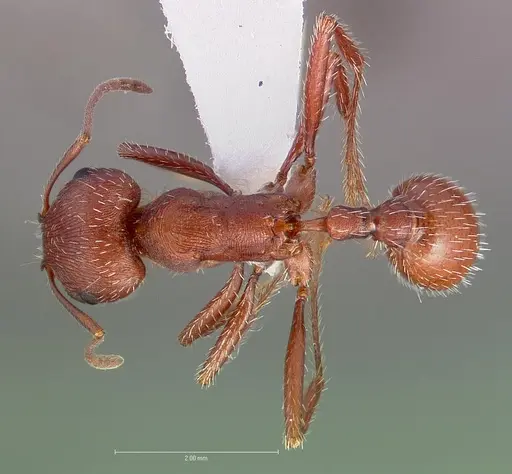
CASENT0217281
View on AntWeb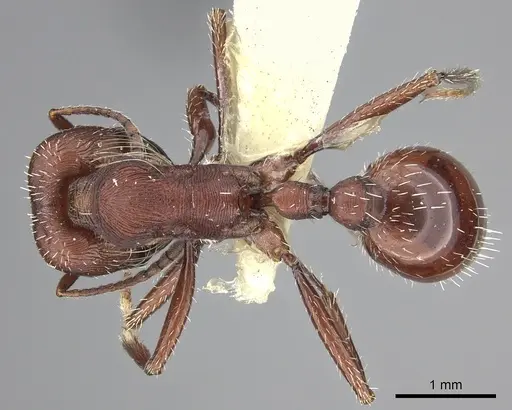
CASENT0652325
View on AntWeb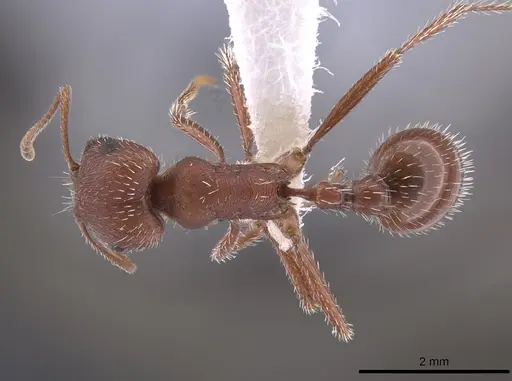
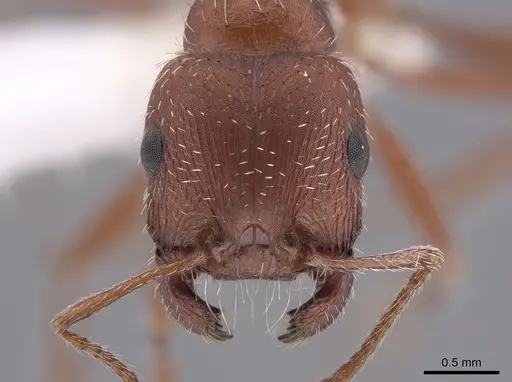
CASENT0914108
View on AntWeb
CASENT0923074
View on AntWeb
CASENT0923075
View on AntWeb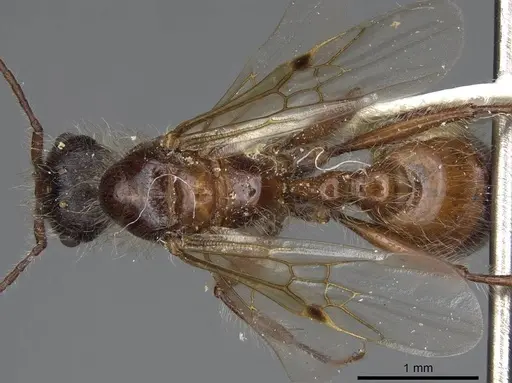
Literature
Loading...Loading products...