

Pogonomyrmex rastratus
- Scientific Name
- Pogonomyrmex rastratus
- Tribe
- Pogonomyrmecini
- Subfamily
- Myrmicinae
- Author
- Mayr, 1868
- Distribution
- Found in 1 countries
Pogonomyrmex rastratus Overview
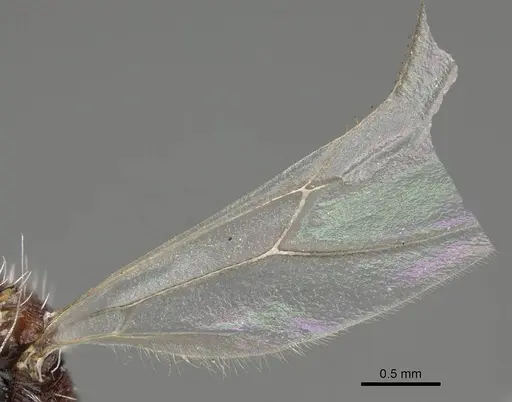
Pogonomyrmex rastratus is an ant species of the genus Pogonomyrmex. It is primarily documented in 1 countries , including Argentina. Detailed taxonomic data and occurrence records can be further explored via authoritative databases such as AntWeb or the Global Biodiversity Information Facility (GBIF).
Pogonomyrmex rastratus
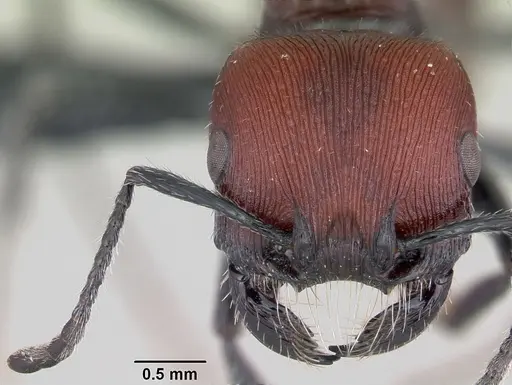
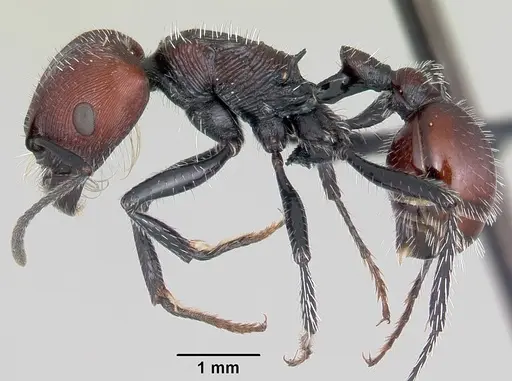
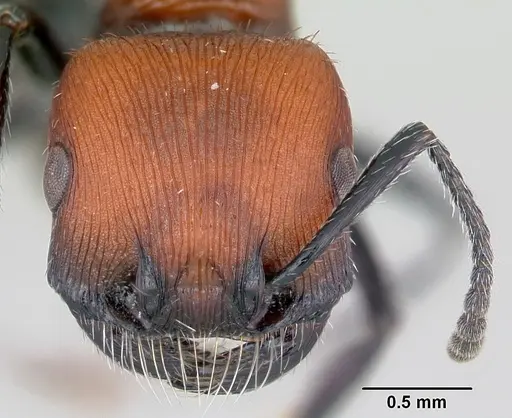
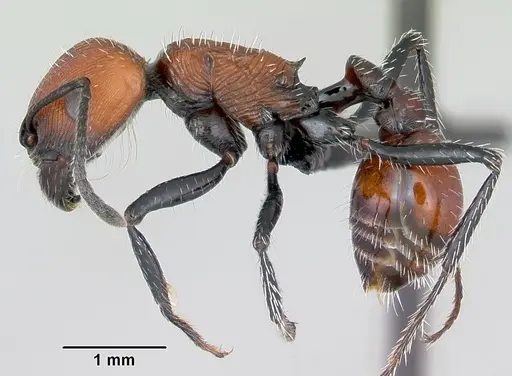
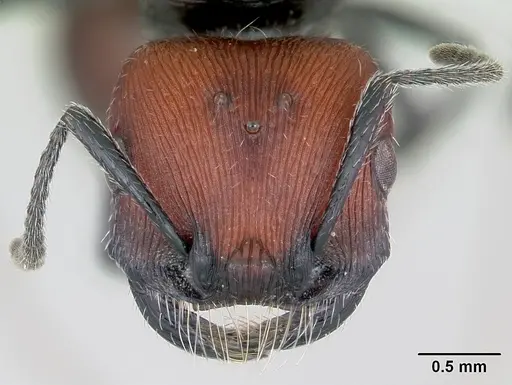
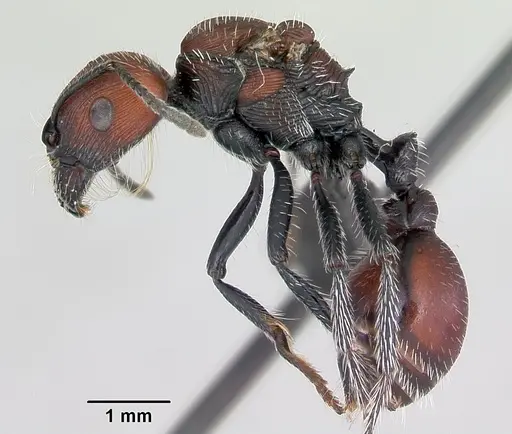
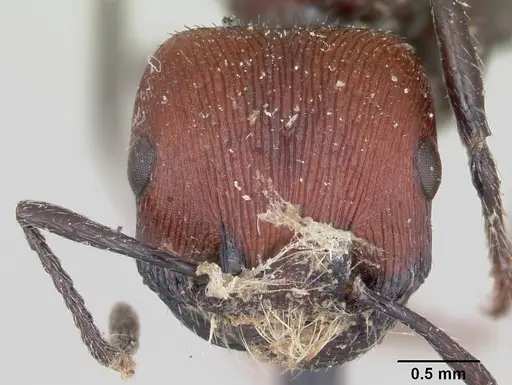
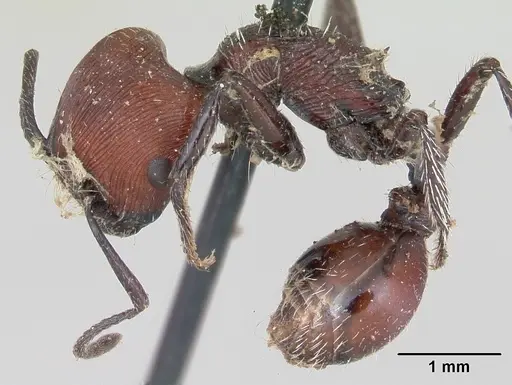
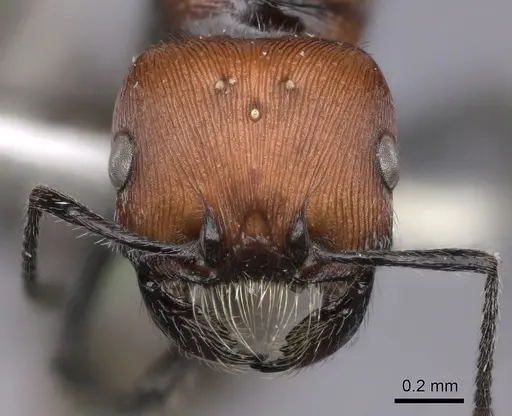
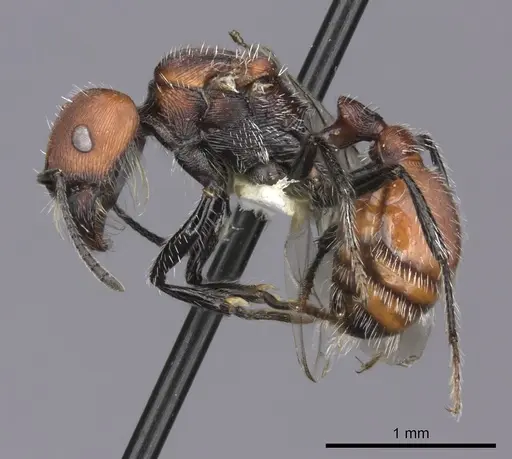
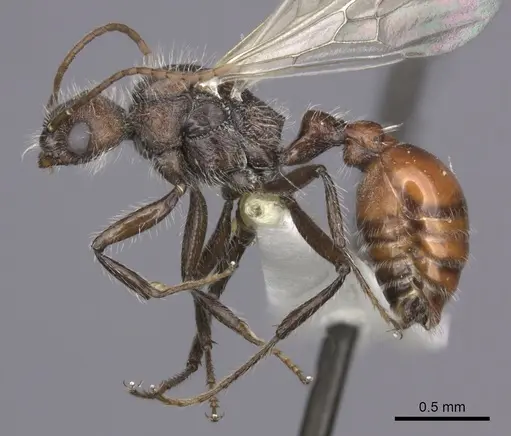
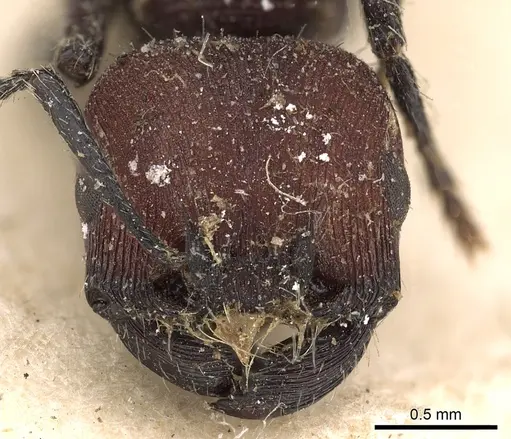
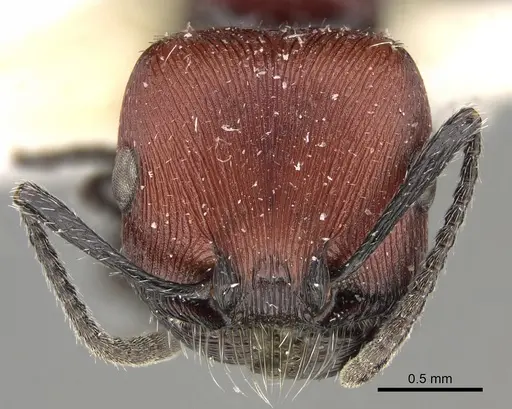
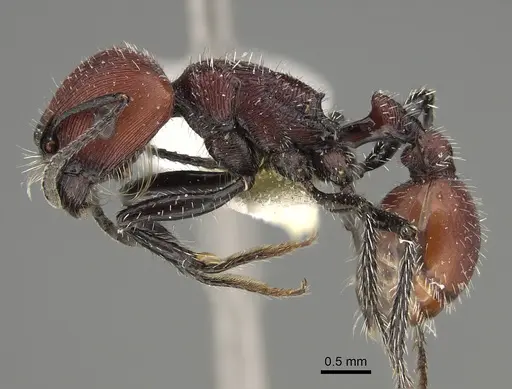
Pogonomyrmex rastratus is a medium-sized seed-harvester ant native to the Monte Desert region of Argentina. Workers measure 1.79-2.15mm in head width with a distinctive ferruginous orange to reddish-orange coloration on the head and mesosoma [1]. These ants are specialist granivores that primarily collect grass seeds, though they show dietary flexibility when preferred seeds are scarce. Colonies are relatively small compared to their North American relatives, typically containing 300-1100 workers [2][3]. They employ individual foraging strategies, with workers searching independently for seeds within about 3-4 meters of their nest entrance [3]. The species is exclusively diurnal and shows remarkable behavioral plasticity in response to temperature and seed availability.
Quick Summary
- Difficulty: Medium
- Origin & Habitat: Monte Desert, Argentina, Central Andean puna and Southern Andean steppe ecoregions [1]. They nest in open areas with sparse vegetation, often near roads and exposed microsites, and prefer sandy or loose soil [2][4].
- Colony Type: Single-queen colonies (monogyne) with a single nest entrance (monocalic). Colonies contain 300-1100 workers with larvae, pupae, and occasional seed storage in the same chambers [2].
- Colony: Monogyne
- Founding: Claustral
- Size & Growth:
- Queen: Not directly measured, estimated 8-10mm based on genus patterns
- Worker: 1.79-2.15mm head width [1]
- Colony: 300-1100 workers [2][3]
- Growth: Moderate, colonies reach up to ~600 workers with development timeline typical of Myrmicinae
- Development: Estimated 6-10 weeks based on related Pogonomyrmex species (Development time is inferred from genus patterns as specific timing has not been documented for this species)
- Antkeeping:
- Temperature: 60°C) in summer by foraging during morning and afternoon hours [4]. Provide a warm zone around 26°C with cooler areas available.
- Humidity: Low to moderate, these are desert ants adapted to dry conditions. Keep nest substrate moderately dry with occasional misting. Avoid constant dampness. Provide a water tube as their primary moisture source.
- Diapause: Yes, they are active from October to April (Southern Hemisphere spring to autumn) and reduce activity during winter months (May-September). Reduce temperature to around 15-18°C during this rest period [4].
- Nesting: Y-tong (AAC) or plaster nests work well. They prefer compact chambers with narrow tunnels (~5mm diameter matching their natural nest structure). Provide a sand or sandy-loam outworld area for foraging. Avoid tall, open spaces, they prefer confined nesting areas.
- Behavior: These ants are docile but can deliver a painful sting if threatened. They are exclusively diurnal foragers with individual (solitary) foraging strategies, workers leave the nest in various directions searching independently for seeds [2]. They are not aggressive toward keepers but will defend their nest. Escape risk is moderate, use standard barrier methods. They are efficient seed collectors, removing 50,000-60,000 seeds per colony per season [5][3].
- Common Issues: colonies are relatively small, slow growth may frustrate beginners expecting rapid colony development, desert species prone to mold if kept too humid, avoid over-misting and ensure good ventilation, stingers can deliver painful stings, handle with care and use gloves if necessary, seed-harvester diet requires appropriate food, they primarily need grass seeds, not just protein, winter rest is required, colonies may struggle if kept warm year-round
Nest Preferences
In the wild, Pogonomyrmex rastratus builds nests with a single entrance hole and shallow first chambers at just 2-3cm depth, with tunnels about 5mm in diameter forming a network within roughly 40cm of the entrance. The deepest chambers reach about 1.3m underground [2]. For captive care, Y-tong (acrylic) nests or plaster nests work well. Provide chambers scaled to their medium size, passages around 5mm work well. They do not store seeds in specialized chambers like some harvester ants, instead, seeds and brood are sometimes found in the same chambers [2]. The outworld should contain a sandy area where they can forage and sort seeds. Avoid tall, open spaces as they prefer more confined nesting areas.
Feeding and Diet
These are specialist granivores with a strong preference for grass seeds. In the Monte Desert, they primarily consume seeds from Aristida, Pappophorum, Trichloris crinita, and Stipa species [3]. In choice experiments, they strongly preferred large caryopses (seeds) of Pappophorum, removing them first in 90% of trials. However, they show dietary flexibility, in spring when grass seeds are scarce, their diet can include up to 50% invertebrates, plant structures, flowers, and fruits [4]. They forage individually, searching for seeds within about 3-4 meters of their nest [3]. For captive care, provide a mix of grass seeds (canary grass, millet, timothy grass work well) as a staple. Offer protein sources like small insects occasionally, especially if seeds are not readily accepted. They do not need sugar, they get energy from seeds.
Temperature and Seasonal Care
Pogonomyrmex rastratus is active from October to April (Southern Hemisphere spring through autumn), with peak activity during summer months [4]. Their daily activity pattern changes seasonally: in spring and autumn they are unimodal, foraging mainly at midday when soil temperatures exceed 20°C. In summer they become bimodal, with foraging peaks in the morning and afternoon while avoiding extreme midday surface temperatures that can exceed 60°C [4]. For captive care, maintain nest temperatures around 24-28°C with a gradient allowing workers to thermoregulate. During the active season (roughly April to October in Northern Hemisphere), keep them warm. In winter (roughly November to March), reduce temperature to 15-18°C to simulate their natural rest period. This diapause is essential for colony health.
Behavior and Foraging
This species uses individual (solitary) foraging, workers leave the nest almost in any direction and search independently for seeds rather than forming foraging trails [2]. They are capable of detecting seed availability and adjusting their activity accordingly, when researchers experimentally increased preferred seeds near nests, colonies notably increased their foraging activity [4]. Workers typically discard seed structures before carrying seeds into the nest, they remove the seed husk at the collection site rather than bringing whole seeds inside [2]. They are exclusively diurnal and not aggressive toward humans, but like all Pogonomyrmex, they possess a stinger and can deliver a painful sting if handled roughly or if their nest is threatened. They are not escape artists but standard barrier methods should still be used.
Growth and Development
Colony size is modest compared to North American Pogonomyrmex species. Wild colonies contain approximately 300-1100 workers, with an average of around 600 workers [2][3]. The colony population consists of about 80.5% workers,9.8% larvae, and 6.2% pupae [2]. Approximately 10% of workers are foragers at any given time [4]. Growth is moderate, it takes time for colonies to reach their maximum size. First workers (nanitics) will be smaller than mature workers. Based on related species, expect 6-10 weeks from egg to first worker at optimal temperatures. Colonies are monocalic (single nest) rather than forming networks of connected nests.
Frequently Asked Questions
Are Pogonomyrmex rastratus good for beginners?
They are rated as medium difficulty. They require less humidity than tropical ants and are forgiving of temperature variations, but their specific dietary needs (grass seeds) and seasonal rest requirements make them better suited for keepers who have already kept a few colonies successfully.
What do Pogonomyrmex rastratus eat?
They are specialist seed-eaters. Provide grass seeds as a staple, canary grass, millet, and timothy grass seeds work well. They occasionally accept small insects for protein, especially when seeds are scarce, but seeds should make up the majority of their diet.
How long until first workers appear?
Based on related Pogonomyrmex species, expect approximately 6-10 weeks from egg to first worker at optimal temperatures (around 26°C). This is an estimate as specific development timing has not been documented for this species.
How big do colonies get?
Colonies reach 300-1100 workers, with typical colonies around 600 workers. This is relatively small compared to North American Pogonomyrmex species which can have thousands of workers.
Do they need hibernation?
Yes. In the wild they are active from October to April and reduce activity during winter. In captivity, reduce temperatures to 15-18°C during the winter months (roughly November to March in the Northern Hemisphere) to allow the colony to rest.
Can I keep multiple queens together?
No. This species is monogyne (single-queen). Multiple unrelated queens will fight. Only keep one queen per colony.
What temperature do they need?
Keep the nest at 24-28°C with a temperature gradient. They are active when soil temperatures exceed 20°C but avoid extreme heat. A warm zone around 26°C with cooler areas available works best.
When should I move them to a formicarium?
You can keep them in a test tube setup initially. Move to a formicarium (Y-tong or plaster nest) once the colony reaches 50-100 workers and the test tube becomes crowded. They prefer compact chambers with narrow passages.
Why are my ants not eating seeds?
They may need time to accept new seed types. Try offering fresh grass seeds (like canary grass) which they strongly prefer. Make sure seeds are dry, they may discard wet seeds. If the colony is small, they may not yet have foragers focused on seed processing.
Are they aggressive?
They are not particularly aggressive toward keepers but will defend their nest if threatened. They are docile during routine care but can sting if provoked. Standard caution is advised.
What humidity level do they need?
Low to moderate. These are desert ants adapted to dry conditions. Keep the nest moderately dry with a water tube for moisture. Avoid constant dampness which can cause mold problems.
References

This caresheet is licensed under CC BY-SA 4.0 .
CASENT0103268
View on AntWeb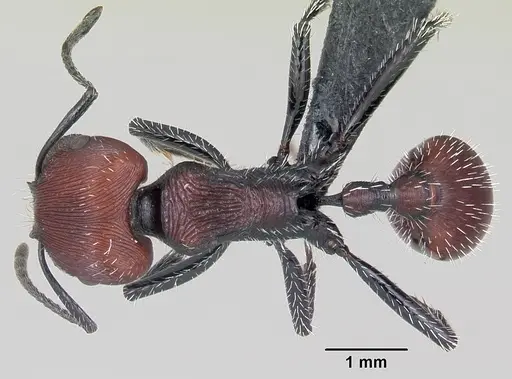
CASENT0172671
View on AntWeb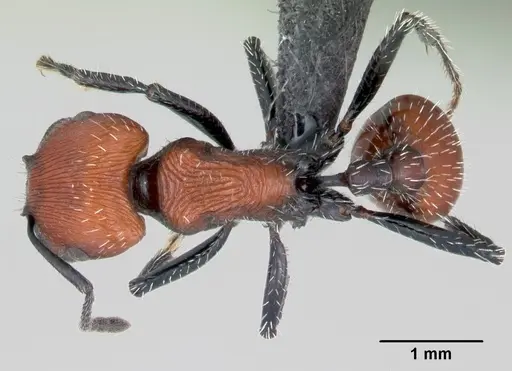
CASENT0172672
View on AntWeb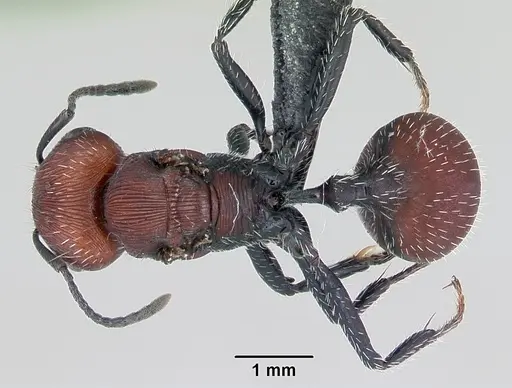
CASENT0172673
View on AntWeb
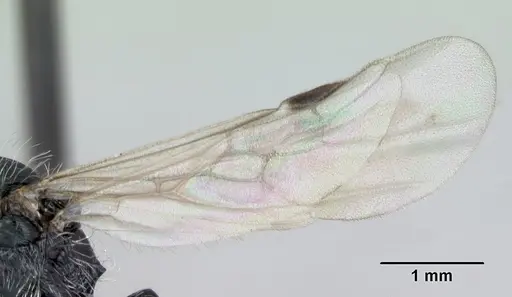
CASENT0173352
View on AntWeb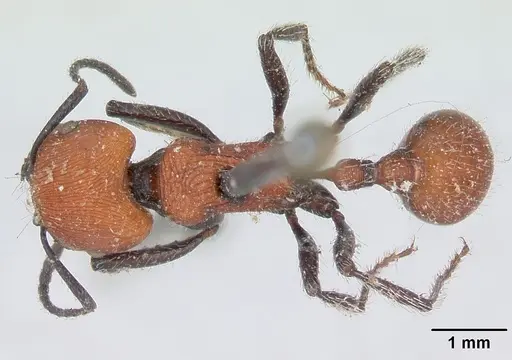
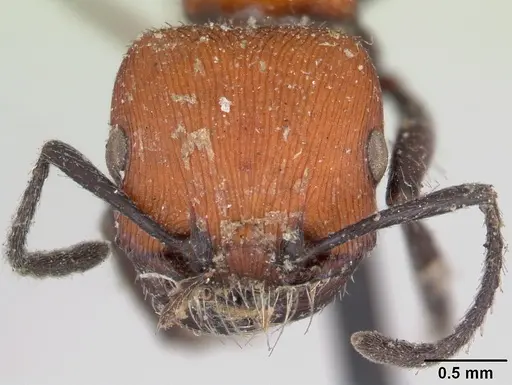
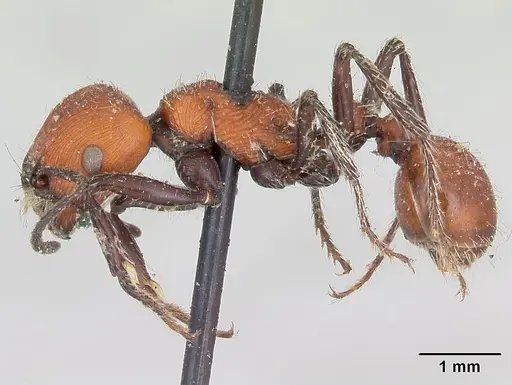
CASENT0173353
View on AntWeb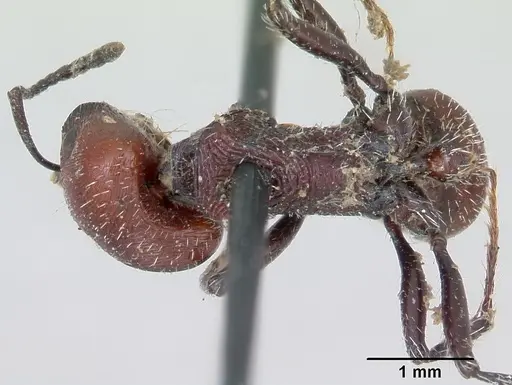
CASENT0235291
View on AntWeb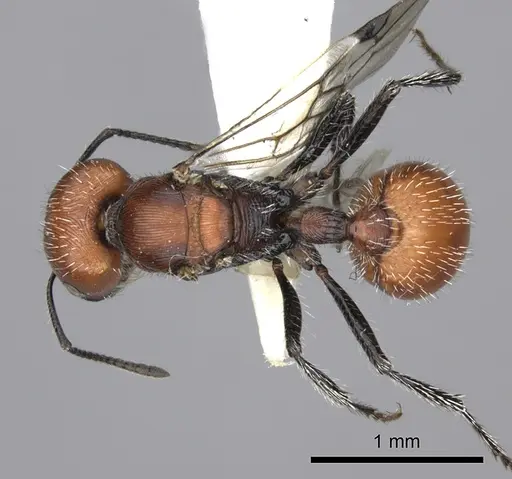
CASENT0235292
View on AntWeb
CASENT0900385
View on AntWeb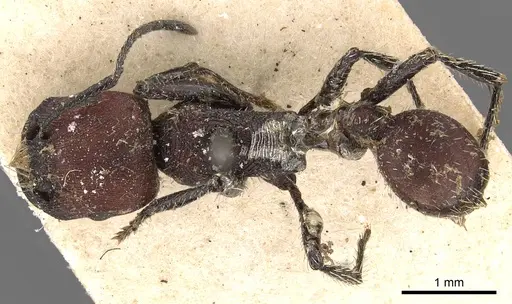
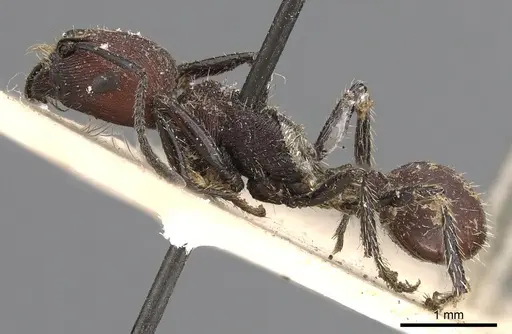
CASENT0922458
View on AntWeb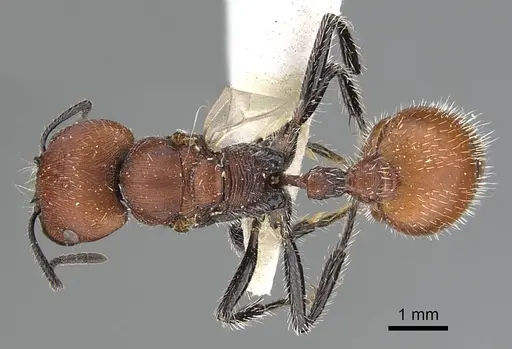
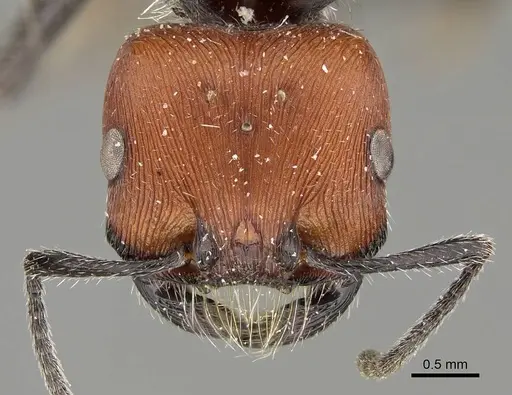
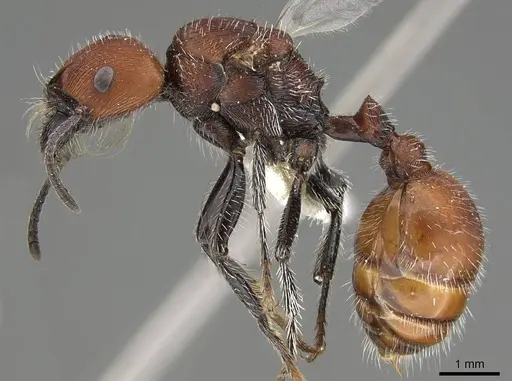
CASENT0923350
View on AntWeb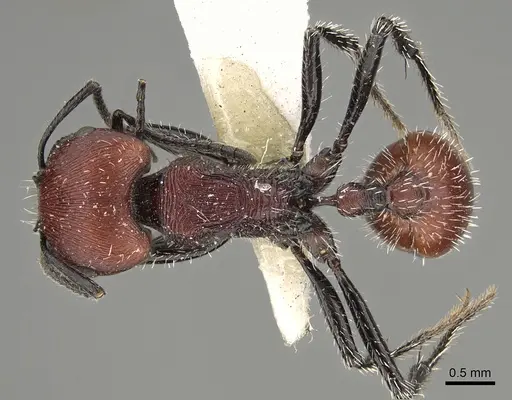
Literature
Loading...Loading products...