

Pogonomyrmex pronotalis
- Scientific Name
- Pogonomyrmex pronotalis
- Tribe
- Pogonomyrmecini
- Subfamily
- Myrmicinae
- Author
- Santschi, 1922
- Distribution
- Found in 1 countries
Pogonomyrmex pronotalis Overview
Pogonomyrmex pronotalis is an ant species of the genus Pogonomyrmex. It is primarily documented in 1 countries , including Argentina. Detailed taxonomic data and occurrence records can be further explored via authoritative databases such as AntWeb or the Global Biodiversity Information Facility (GBIF).
Pogonomyrmex pronotalis
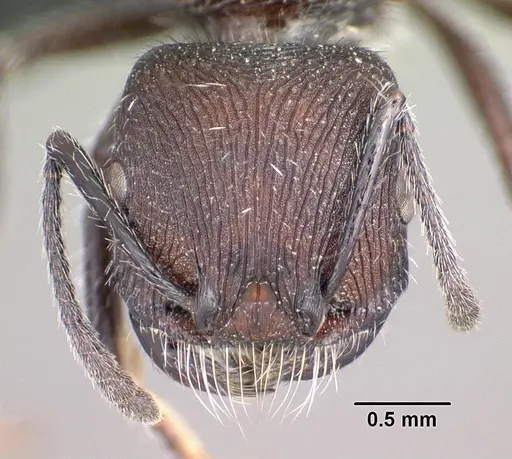
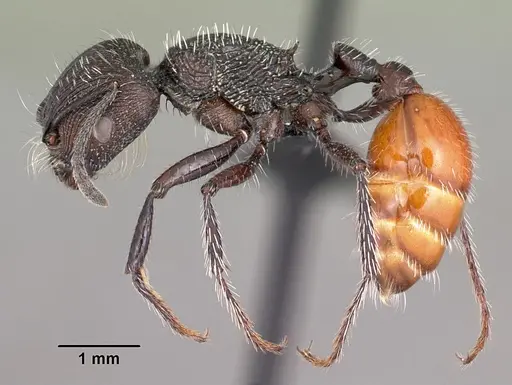
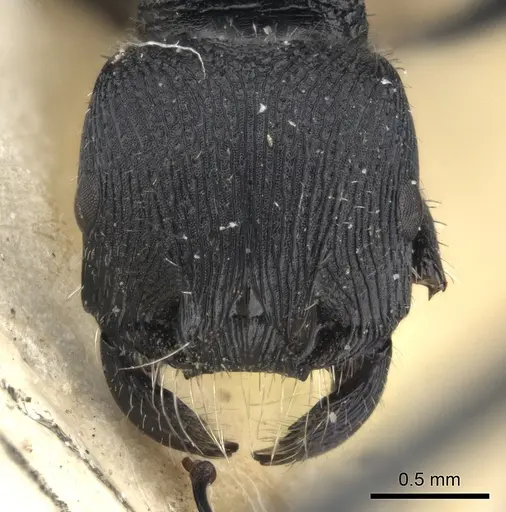
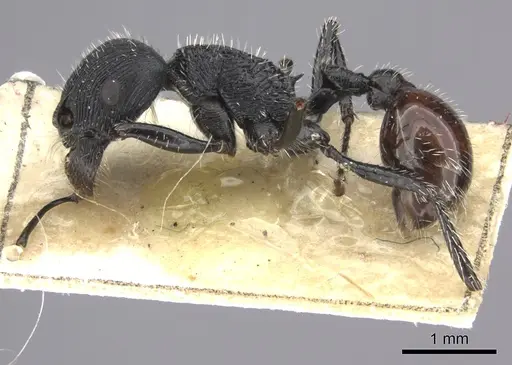
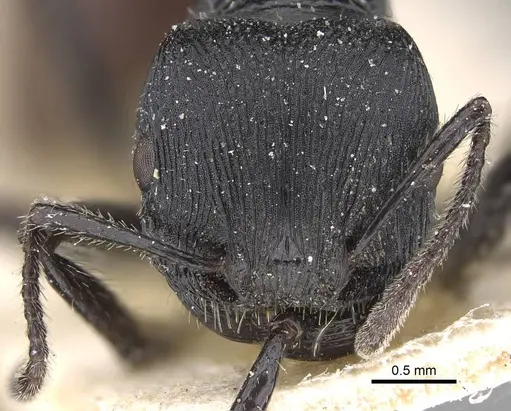
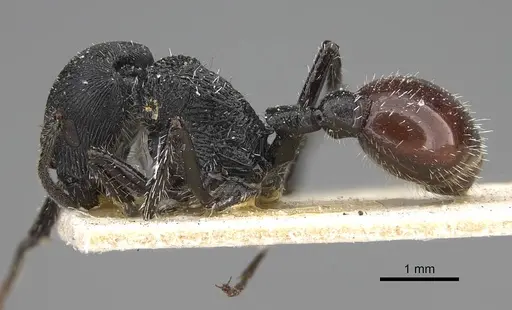
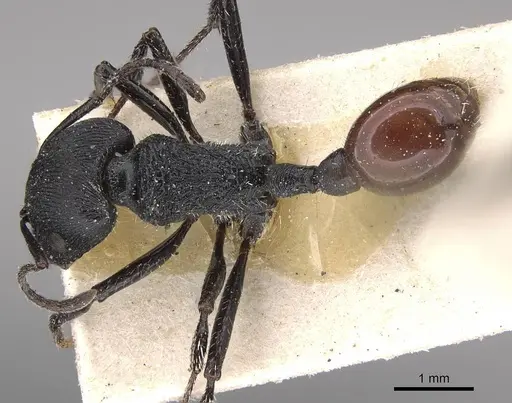
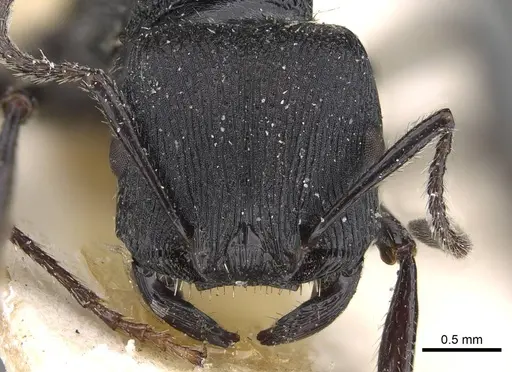
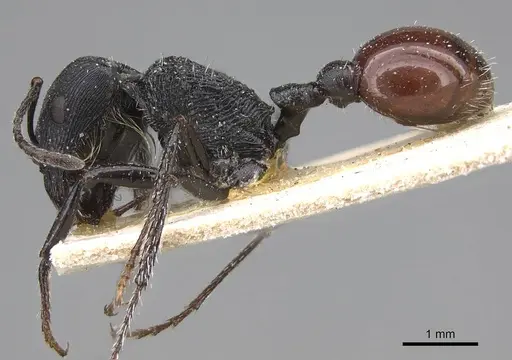
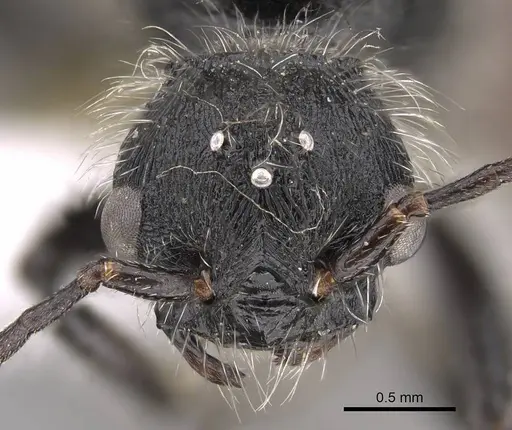
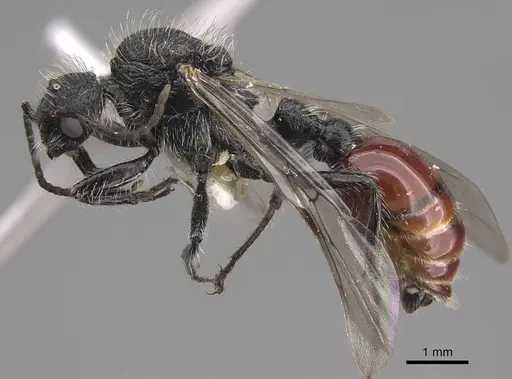
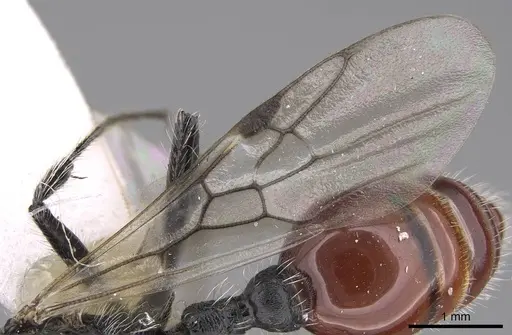
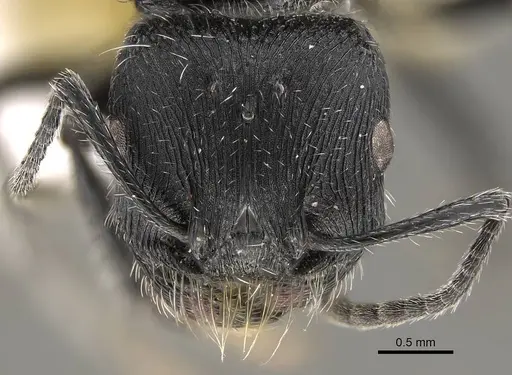
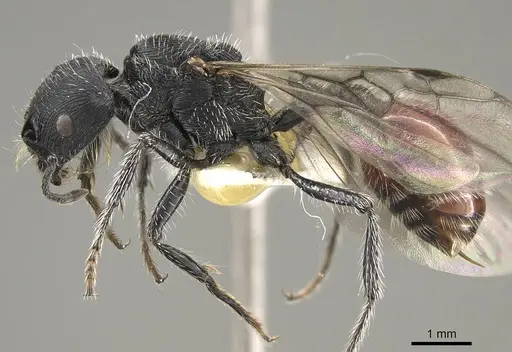
Pogonomyrmex pronotalis is a medium-sized seed-harvester ant native to central Argentina, found in the Monte Desert region at elevations between 1630-2560 meters in the Southern Andean steppe [1]. Workers have a distinctive appearance with a blackish to black head and mesosoma, while the gaster (abdomen) ranges from light to dark ferruginous orange [1]. This species is notable for being a highly specialized granivore, one of the most seed-dependent ants in the region, harvesting roughly 50,000 seeds per colony annually and preferring grass seeds like Aristida and Pappophorum [2][3]. Colonies contain 400-700 workers and nest in sandy soil under rocks or within clumps of Stipa grass, building small tumulus mounds up to 15 cm in diameter [1].
Quick Summary
- Difficulty: Medium
- Origin & Habitat: Central Monte Desert, Argentina, high elevation (1630-2560m) Andean steppe ecoregion with arid to semi-arid conditions [1][2]
- Colony Type: Monogyne (single queen colonies). Queens are highly polyandrous, they mate with multiple males (effective mating frequency ~9.78), which is unusual for Pogonomyrmex [4].
- Colony: Monogyne
- Founding: Claustral
- Size & Growth:
- Queen: Queens: HL 1.58-1.79mm, HW 1.77-1.88mm [1]
- Worker: Workers: HL 1.58-1.82mm, HW 1.61-1.81mm [1]
- Colony: 400-700 workers per colony (from partial nest excavations) [1]
- Growth: Moderate, colonies grow to moderate sizes typical of South American Pogonomyrmex which are smaller than North American relatives [2]
- Development: Estimated 6-10 weeks based on genus-level patterns for Pogonomyrmex in temperate climates (Development time is inferred from related species, direct measurements not available for this species. South American Pogonomyrmex generally develop slower than tropical species due to cooler native temperatures.)
- Antkeeping:
- Temperature: Keep at 20-26°C with a gentle gradient. This species is adapted to high-elevation desert conditions with warm summers and cool winters. Room temperature (around 22°C) should work well, avoid overheating above 30°C [1].
- Humidity: Low to moderate, Monte Desert is an arid region. Keep nest substrate dry to slightly moist, not humid. Provide a dry outworld area for foraging. Mist sparingly and allow substrate to dry between waterings [2].
- Diapause: Yes, these ants are active mainly during spring and summer in their native habitat. Expect reduced activity in winter. Keep at cooler temperatures (10-15°C) for 2-3 months during winter rest [2].
- Nesting: Sandy soil nests work best, they naturally nest in sandy soil under rocks or in grass clumps. Y-tong or plaster nests with sand-filled chambers mimic their natural conditions well. Provide a test tube water reservoir but keep the nesting area relatively dry.
- Behavior: Workers are solitary foragers, they don't use recruitment trails but search for seeds individually across the desert floor [1]. They are diurnal, foraging during daylight hours [5]. They are not aggressive toward humans but will defend their nest. Escape risk is moderate, these are medium-sized ants but can climb smooth surfaces. Use standard barrier methods. Their powerful mandibles can give a painful pinch if handled roughly.
- Common Issues: colonies can die if kept too humid, their desert habitat means they need dry conditions, overheating is dangerous, avoid temperatures above 30°C, slow growth compared to tropical ants may frustrate beginners expecting fast development, seed-specialized diet means they may reject protein foods, offer appropriate seeds, winter dormancy is required, colonies kept active year-round may decline
Housing and Nest Setup
Pogonomyrmex pronotalis naturally nests in sandy soil under rocks or within clumps of Stipa grass in the Monte Desert [1]. For captivity, a Y-tong or plaster nest filled with sandy substrate works well. Keep the nesting chamber relatively dry, these are desert ants that prefer arid conditions. Provide a test tube water reservoir attached to the nest for humidity control, but don't saturate the nesting material. The outworld should be completely dry with a small dish of water for drinking. Use a escape-proof setup, while not exceptional climbers, they can navigate through small gaps. A standard fluon barrier on the rim of the outworld provides adequate protection.
Feeding and Diet
This is a highly specialized seed harvester, seeds make up 64-85% of their diet depending on season [3]. They prefer grass seeds, especially Aristida spp. and Pappophorum spp., and tend to collect larger seeds than related species like P. rastratus and P. inermis [3]. In captivity, offer a variety of small seeds suitable for harvester ants: millet, sesame, flax, and grass seeds work well. They prefer intermediate-sized seeds [3]. While primarily granivorous, they may accept some protein like small insects, but seeds should be the staple food. A constant seed supply in the outworld is essential, they will store seeds in the nest. Remove old seeds that become moldy.
Temperature and Seasonal Care
Keep colonies at 20-26°C during the active season. These ants inhabit high elevations (1630-2560m) in the Southern Andean steppe, so they experience warm summers but cool to cold winters [1]. In the Monte Desert, they are active mainly during spring and summer [2]. Room temperature is usually appropriate. Avoid temperatures above 30°C, overheating can be fatal. During winter (roughly November-February in the Southern Hemisphere), reduce temperature to 10-15°C to induce dormancy. This winter rest period is important for colony health. Do not keep them active year-round.
Colony Structure and Development
Pogonomyrmex pronotalis forms monogyne colonies with a single queen. Notably, queens are highly polyandrous, they mate with multiple males (effective mating frequency of 9.78), which is unusual for the genus [4]. This high polyandry means colonies have high genetic diversity. Partial nest excavations found 400-700 workers per colony [1], which is smaller than typical North American Pogonomyrmex species, South American species generally have smaller colony sizes [2]. Growth is moderate. First workers (nanitics) will be smaller but should develop normally within a couple months. The colony will grow steadily over several years.
Foraging Behavior
Workers are solitary foragers, they do not use tandem-running or recruitment trails to direct nestmates to food [1]. Instead, each worker searches independently for seeds across the desert floor. They are diurnal, foraging during daylight hours [5]. In the wild, they harvest seeds directly from plant stalks (a specialized behavior) as well as from the soil surface [2]. In captivity, scatter seeds across the outworld and workers will find them individually. They store seeds in the nest for later consumption. Expect moderate activity levels, these are not hyperactive ants but will maintain consistent foraging.
Frequently Asked Questions
How long does it take for Pogonomyrmex pronotalis to have first workers?
Expect first workers (nanitics) around 6-10 weeks after the queen lays eggs, based on typical Pogonomyrmex development patterns. This is an estimate since specific development data isn't available for this species. The queen will remain claustrated, sealed in her founding chamber, until the first workers emerge.
What do Pogonomyrmex pronotalis ants eat?
They are specialized seed eaters, seeds should make up 80%+ of their diet. Offer grass seeds like millet, sesame, flax, and wild grass seeds. They prefer intermediate-sized seeds and tend to take larger seeds than related species. You can occasionally offer small insects for protein, but seeds are essential.
Do Pogonomyrmex pronotalis ants need hibernation?
Yes, they need a winter rest period. In their native Monte Desert habitat, they are active mainly during spring and summer. Reduce temperatures to 10-15°C for 2-3 months during winter (roughly November-February). Keeping them active year-round can harm the colony.
How big do Pogonomyrmex pronotalis colonies get?
Colonies reach 400-700 workers in the wild [1]. This is smaller than many North American Pogonomyrmex species, South American species naturally have smaller colony sizes. Expect moderate growth over 2-4 years to reach full size.
Are Pogonomyrmex pronotalis good for beginners?
They are medium difficulty. The main challenges are their specialized seed diet (which is different from most pet ants), their need for dry desert conditions, and their winter dormancy requirement. If you can provide seeds and proper seasonal care, they are manageable. Their moderate colony size and non-aggressive nature make them workable.
Can I keep multiple Pogonomyrmex pronotalis queens together?
No, this species is monogyne, meaning colonies have a single queen. Unlike some Pogonomyrmex that can be polygynous, P. pronotalis forms single-queen colonies. Only one queen per colony should be kept.
What temperature do Pogonomyrmex pronotalis need?
Keep them at 20-26°C during the active season. Room temperature (around 22°C) is ideal. Avoid temperatures above 30°C, these high-elevation desert ants don't tolerate heat well. A heating cable on one side of the nest can create a useful gradient.
When should I move Pogonomyrmex pronotalis to a formicarium?
Keep founding colonies in a simple setup (test tube or small container with sand) until the colony reaches 30-50 workers. Once they outgrow the founding setup, transfer to a Y-tong or plaster nest with sandy chambers. They prefer dry nesting conditions.
Why are my Pogonomyrmex pronotalis dying?
Common causes: too much humidity (they need dry conditions), temperatures above 30°C (they overheat easily), or lack of winter dormancy. Also ensure they have constant access to seeds. If the colony is new, the queen may have been fertilized poorly, P. pronotalis queens are highly polyandrous and need multiple matings.
References

This caresheet is licensed under CC BY-SA 4.0 .
CASENT0102688
View on AntWeb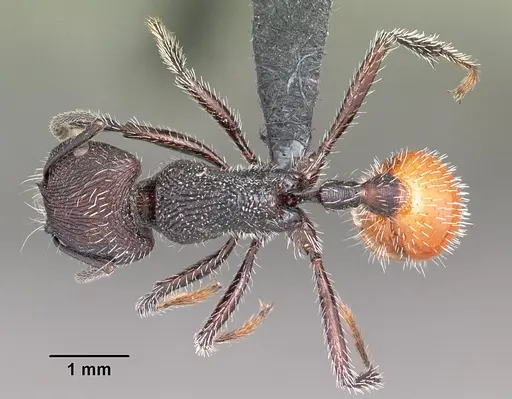
CASENT0235277
View on AntWeb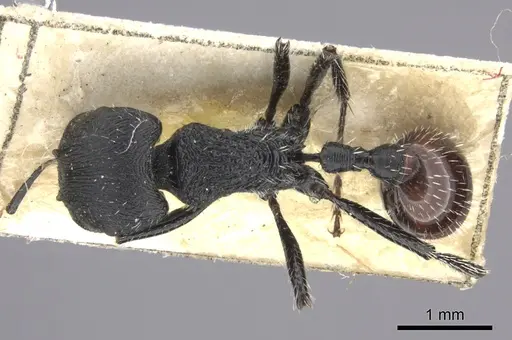
CASENT0914122
View on AntWeb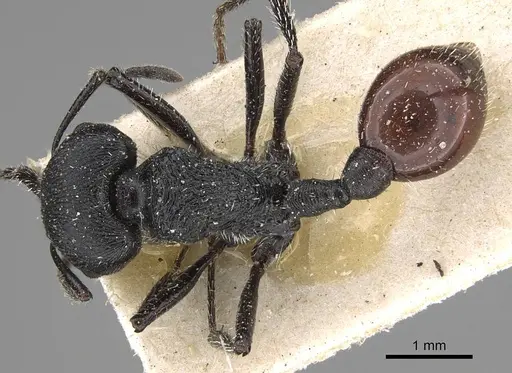
CASENT0914123
View on AntWeb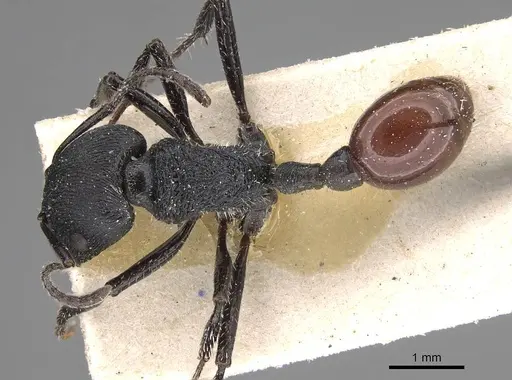
CASENT0914369
View on AntWeb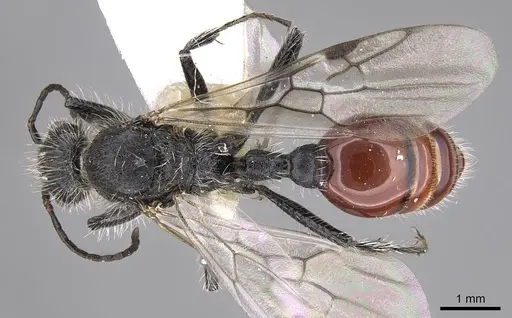
CASENT0914370
View on AntWeb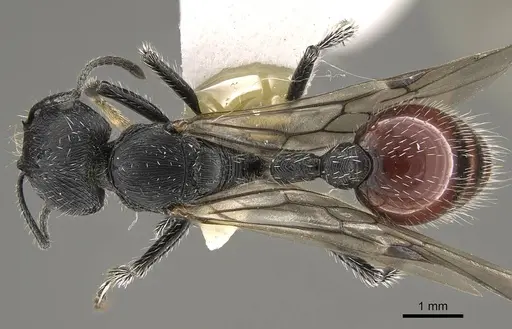
Literature
Loading...Loading products...