

Pogonomyrmex pima
- Scientific Name
- Pogonomyrmex pima
- Tribe
- Pogonomyrmecini
- Subfamily
- Myrmicinae
- Author
- Wheeler, 1909
- Common Name
- Pima Harvester Ant
- Distribution
- Found in 2 countries
Pogonomyrmex pima Overview
Pogonomyrmex pima (commonly known as the Pima Harvester Ant) is an ant species of the genus Pogonomyrmex. It is primarily documented in 2 countries , including Mexico, United States of America. Detailed taxonomic data and occurrence records can be further explored via authoritative databases such as AntWeb or the Global Biodiversity Information Facility (GBIF).
Pogonomyrmex pima - "Pima Harvester Ant"
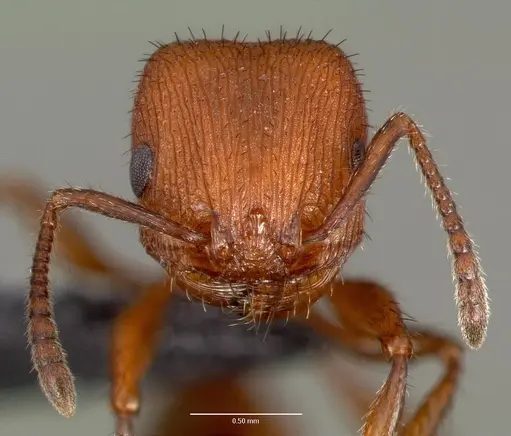
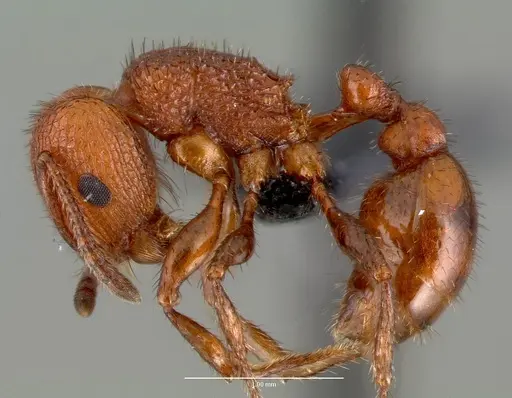
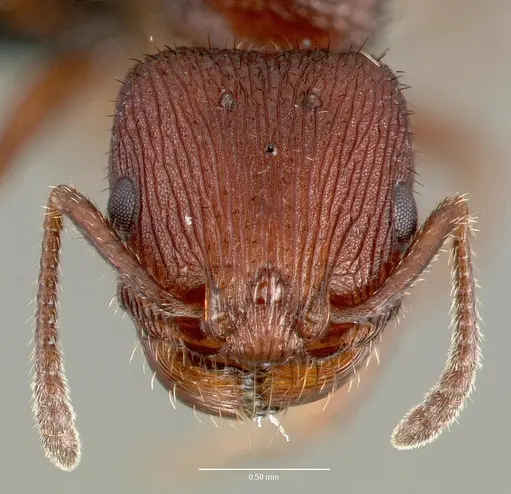
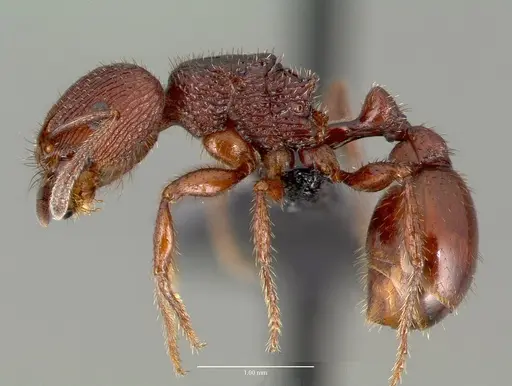
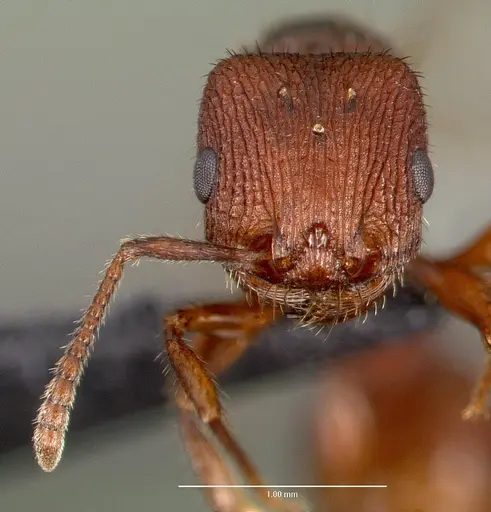
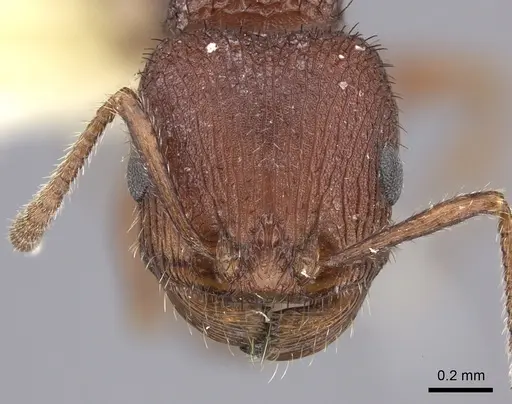
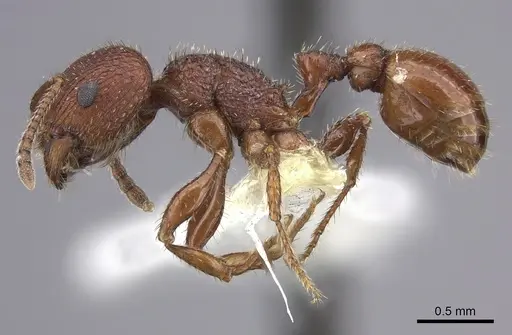
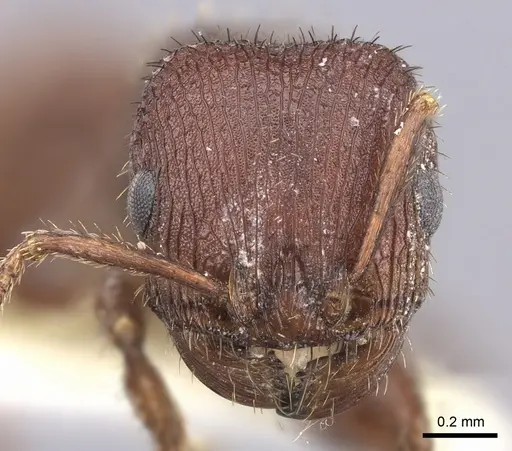
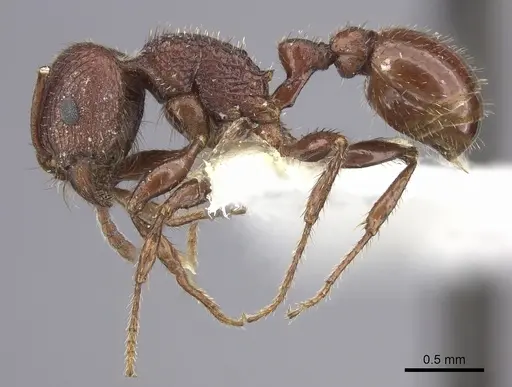
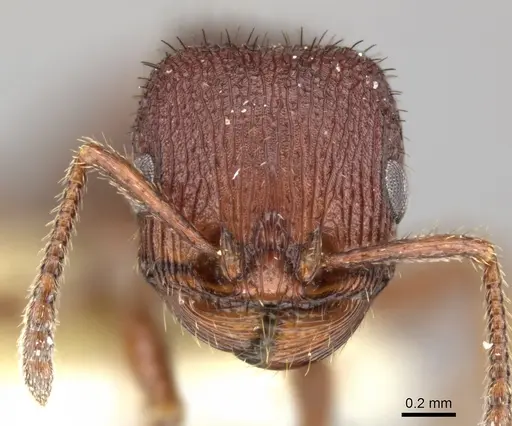
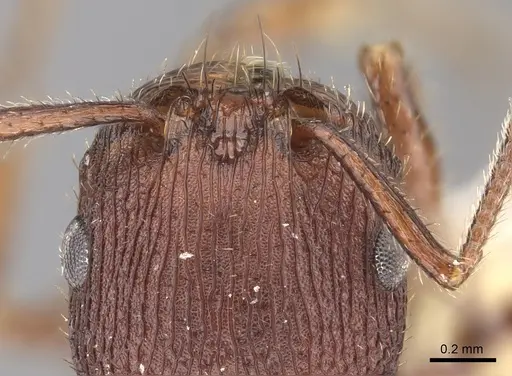
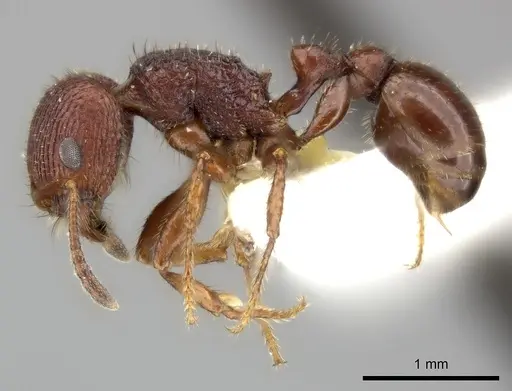
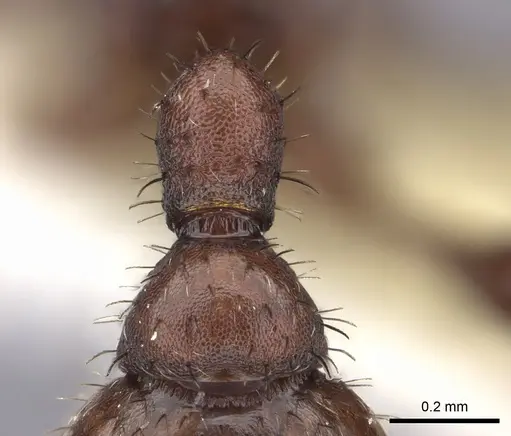
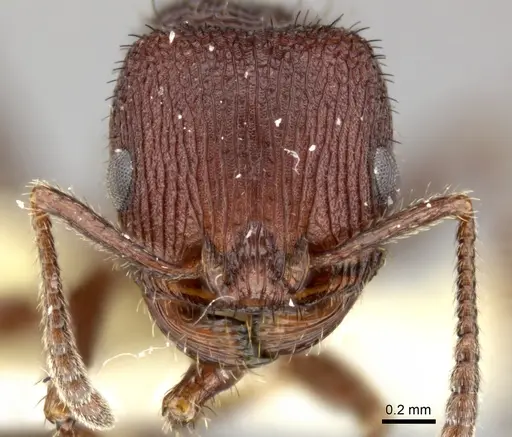
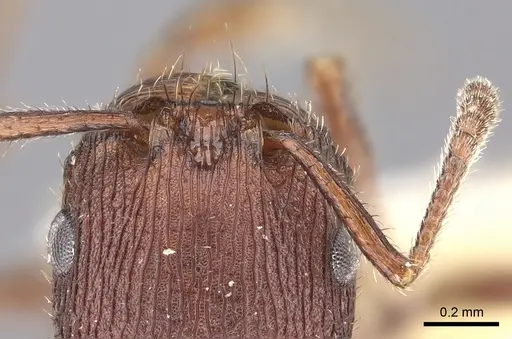
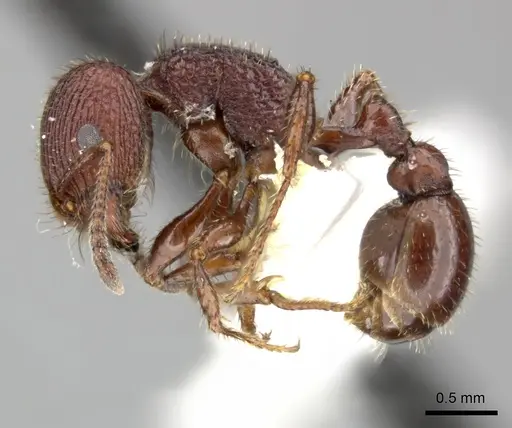
Pogonomyrmex pima is a small seed-harvester ant native to the desert Southwest, found in southern Arizona and Sonora, Mexico [1][2]. Workers measure around 4.5mm and have a deep ferrugineous red coloration [3]. These ants are famous for their extremely docile temperament, they rarely sting and forage slowly and steadily, making them one of the gentler Pogonomyrmex species. They build nests either under stones or in open ground, sometimes with small crater mounds about 3 inches in diameter.
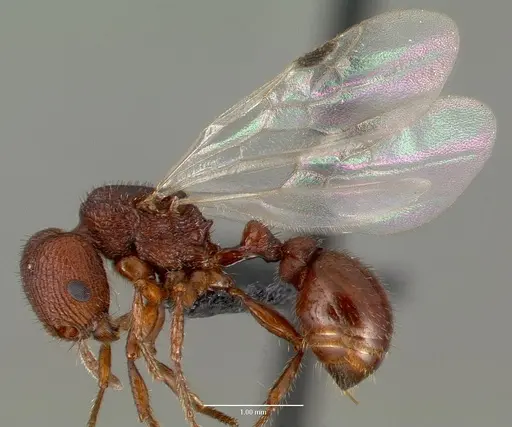
What makes P. pima truly fascinating is their queen system, they produce two types of queens: winged (alate) queens that can fly and wingless (ergatoid or intermorphic) queens that are fully reproductive without wings [4][5]. This is rare among ants. Additionally, most colonies have multiple queens working together, researchers found 79% of nests contained multiple queens, averaging 8 per nest [4]. The type of queen a colony produces depends on location: wetter areas produce more wingless queens while drier areas produce more winged queens [5].
Quick Summary
- Difficulty: Medium
- Origin & Habitat: Desert habitats in southern Arizona (USA) and Sonora (Mexico), from sea level to 2,400 feet elevation [1][2]. Found in desert and semi-arid regions, typically nesting under stones or in open ground with small crater mounds.
- Colony Type: Polygynous (multi-queen) colonies with typically 8 queens per nest. Produces two queen types: winged (alate) and wingless (ergatoid/intermorphic), both fully reproductive. Wingless queens can forage and may produce males [4].
- Colony: Optionally polygyne
- Founding: Semi-claustral
- Size & Growth:
- Queen: Intermorph (wingless) queens are intermediate in size between workers and alate queens [4]. Alate queens have dry mass of 1.5mg [5].
- Worker: Workers are 1.11-1.19mm head length, approximately 4.5mm body length [3].
- Colony: Colonies reach 52-326 workers, typically over 100 workers [4].
- Growth: Moderate, colonies grow to 100+ workers
- Development: Estimated 6-10 weeks based on typical Pogonomyrmex development patterns (Development time is inferred from genus-level data as species-specific measurements are not available)
- Antkeeping:
- Temperature: Keep at 24-28°C (75-82°F). As a desert species from Arizona, they prefer warm conditions but can tolerate room temperature. Provide a temperature gradient so ants can choose their preferred zone.
- Humidity: Low to moderate, desert species. Keep nest substrate dry to slightly moist, not wet. Provide a water tube but avoid excessive moisture.
- Diapause: Yes, they experience a winter rest period in their native desert habitat. Reduce temperature to 15-18°C for 2-3 months during winter.
- Nesting: Y-tong (AAC) nests work well for this species. They prefer干燥 conditions but need access to water. Can also use naturalistic setups with sand or soil substrates. Provide a foraging area with seeds.
- Behavior: Extremely docile, these ants rarely sting even when disturbed. They forage singly at a slow, steady pace, collecting seeds and occasionally dead insects[6]. Workers are not aggressive and can be handled gently. Escape risk is moderate, they are not particularly small but can climb smooth surfaces. Use standard escape prevention.
- Common Issues: colonies may fail if kept too wet, they are desert ants adapted to dry conditions, multiple queens can cause competition or aggression during colony integration if not done carefully, slow growth compared to tropical species may frustrate beginners expecting fast development, seed-harvester diet requires appropriate food, they need seeds as a primary food source, winter diapause is required for healthy colony function, skipping hibernation can weaken the colony
Housing and Nest Setup
Pogonomyrmex pima does well in Y-tong (acrylic) nests or naturalistic setups with a sand/soil mix. As desert ants, they prefer drier conditions than most ants, keep the nest substrate barely moist, not wet. Provide a water tube or cotton ball with fresh water at all times. A foraging area is essential since they collect seeds, a shallow dish or container works well. These ants are not particularly good climbers, but standard escape prevention (fluon on rims) is still recommended. They do not need high humidity, so ventilation is less critical than for tropical species, but avoid completely sealed nests that can trap stale air. [4]
Feeding and Diet
As seed-harvester ants, their diet should be primarily seeds, millet, sesame, flax, and other small seeds are readily accepted. They also consume dead insects as a protein source[6]. Offer a constant supply of small seeds in the foraging area. Protein (dead insects, mealworms) should be offered weekly. Sugar water or honey is sometimes accepted but seeds are the natural primary food. Remove uneaten seeds periodically to prevent mold. In the wild, they forage singly for seeds and dead arthropods.
Temperature and Seasonal Care
Keep colonies at 24-28°C (75-82°F). They are adapted to desert conditions and can tolerate higher temperatures briefly, but avoid overheating. During winter (roughly November-February), reduce temperature to 15-18°C to allow for diapause, this rest period is important for colony health and triggers reproductive cycles. In the wild, mating flights are triggered by summer rainfall [5], so you can simulate this by slightly increasing humidity and temperature during summer months. Do not feed or disturb the colony heavily during diapause.
Colony Structure and Multi-Queen Dynamics
This species is polygynous, most wild colonies contain multiple queens (average 8 per nest) [4]. Interestingly, colonies produce either winged or wingless (ergatoid) queens, not both in the same colony [4]. Wingless queens are fully reproductive and can even forage outside the nest, researchers observed 3-33% of foraging trips being made by queens [4]. When keeping this species, you may receive colonies with multiple queens. They generally coexist peacefully. If starting from a single queen, expect slower initial growth but the colony will eventually produce more queens if conditions allow.
Behavior and Temperament
Pogonomyrmex pima is one of the most docile Pogonomyrmex species, workers rarely sting and can be gently handled. They forage slowly and steadily, singly rather than in groups. This calm temperament makes them easier to work with than many other harvester ants. Workers are reddish-brown and relatively small at about 4.5mm. They are not aggressive defenders of their nest, so you can observe them without much concern for stings. However, they still have functional stingers as part of the Myrmicinae family, so respect their space. [3]
Frequently Asked Questions
Can I keep Pogonomyrmex pima in a test tube?
Yes, test tubes work for founding colonies. Keep the test tube in a warm, dry area and provide seeds once workers emerge. However, as the colony grows past 20-30 workers, transfer to a proper nest (Y-tong or naturalistic) with space for seed storage and foraging.
How long until Pogonomyrmex pima has first workers?
First workers (nanitics) typically appear within 6-10 weeks after the queen lays eggs, depending on temperature. Warmer temperatures (around 26-28°C) speed development, while cooler temperatures slow it down. Ergatoid (wingless) queens may develop slightly faster as they can forage for food during founding.
Can I keep multiple queens together in one colony?
Yes, this species is naturally polygynous, wild colonies typically have multiple queens (average 8 per nest) [4]. Queens can coexist peacefully. If you have multiple unrelated foundress queens, you can attempt pleometrosis (founding together), but monitor for aggression. Many keepers simply keep multi-queen colonies as they are received.
What do Pogonomyrmex pima eat?
They are seed-harvester ants, their primary food is small seeds (millet, sesame, flax). They also eat dead insects for protein[6]. Offer a constant supply of seeds and occasional protein. Sugar water or honey is sometimes accepted but is not required.
How big do Pogonomyrmex pima colonies get?
Colonies reach 52-326 workers in the wild, typically over 100 workers [4]. In captivity, well-fed colonies can reach similar sizes over 1-2 years. They are not among the largest Pogonomyrmex species, expect a moderately-sized colony.
Do Pogonomyrmex pima need hibernation?
Yes, they benefit from a winter diapause period. Reduce temperature to 15-18°C for 2-3 months during winter (roughly November-February in the Northern Hemisphere). This rest period helps trigger reproductive cycles and keeps the colony healthy long-term.
Are Pogonomyrmex pima good for beginners?
They are moderately difficult, easier than aggressive Pogonomyrmex species but require attention to their seed-based diet and need for dry conditions. Their docile nature makes them pleasant to observe. However, their semi-claustral founding (queen may need to forage) and multi-queen dynamics add some complexity. A beginner with basic antkeeping knowledge should do well with this species.
Why are some Pogonomyrmex pima queens wingless?
This species produces two types of queens: winged (alate) and wingless (ergatoid/intermorphic). Both are fully reproductive [4]. The proportion depends on location, wetter areas produce more wingless queens, drier areas produce more winged queens [5]. Wingless queens can forage and may leave the nest to found new colonies independently.
When do Pogonomyrmex pima have nuptial flights?
In the wild, mating flights are triggered by summer rainfall [5]. In captivity, you can simulate this by slightly increasing humidity and temperature during summer months. Alate (winged) queens and males are produced by colonies with dealate queens, while colonies with wingless queens produce only males [4].
References

This caresheet is licensed under CC BY-SA 4.0 .
CASENT0006291
View on AntWeb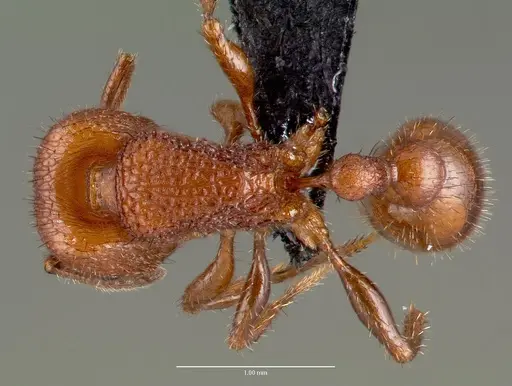
CASENT0006300
View on AntWeb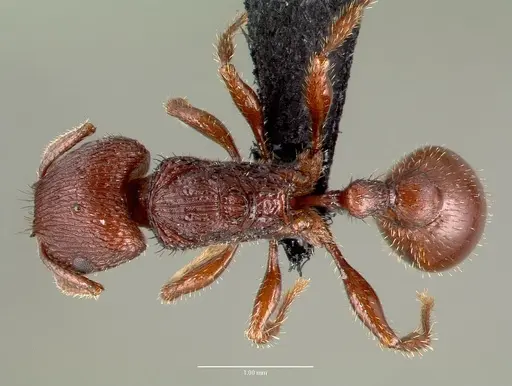
CASENT0006304
View on AntWeb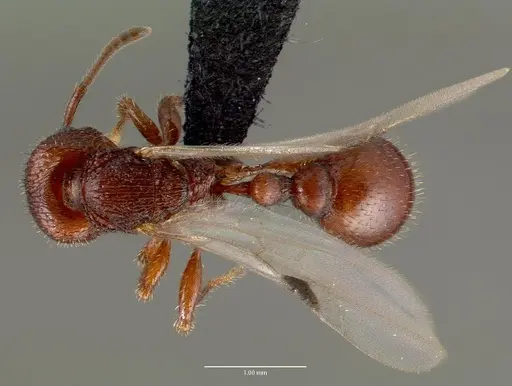
CASENT0217269
View on AntWeb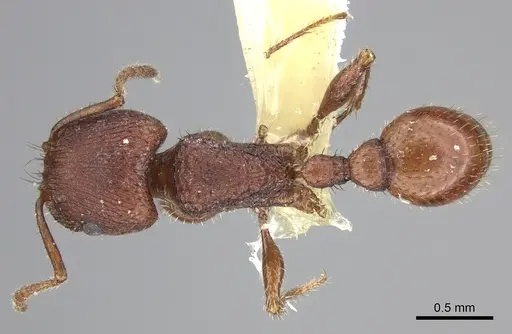
CASENT0217279
View on AntWeb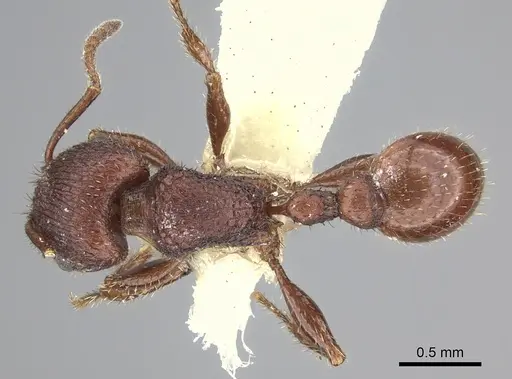
CASENT0235318
View on AntWeb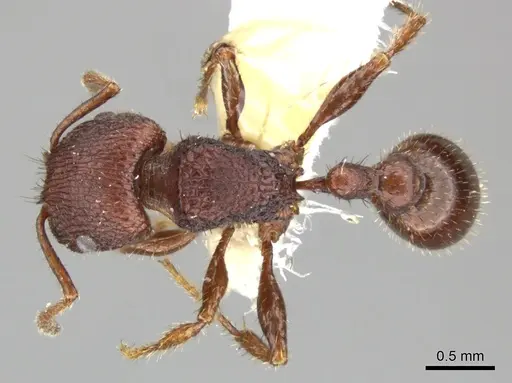
CASENT0235319
View on AntWeb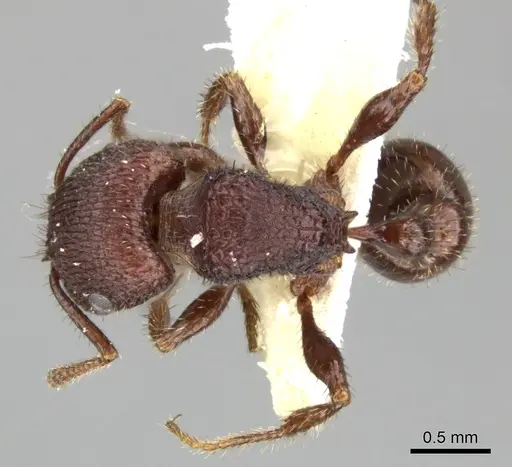
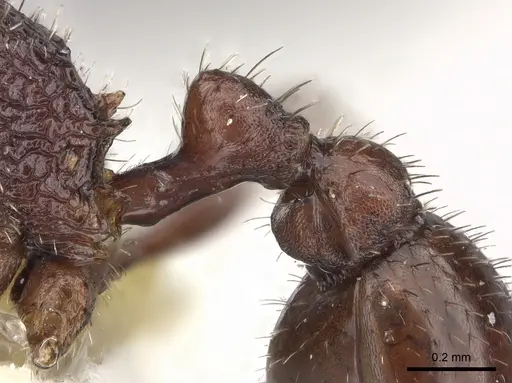
CASENT0914105
View on AntWeb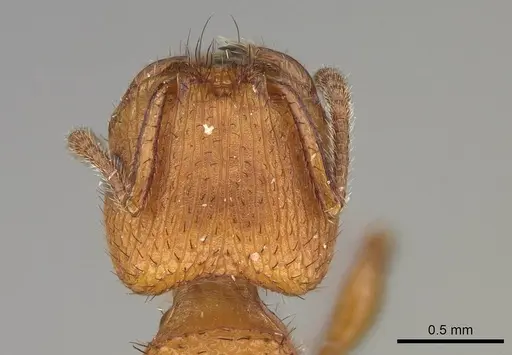
Literature
Loading...Loading products...