

Pogonomyrmex micans
- Scientific Name
- Pogonomyrmex micans
- Tribe
- Pogonomyrmecini
- Subfamily
- Myrmicinae
- Author
- Forel, 1914
- Distribution
- Found in 1 countries
Pogonomyrmex micans Overview
Pogonomyrmex micans is an ant species of the genus Pogonomyrmex. It is primarily documented in 1 countries , including Argentina. Detailed taxonomic data and occurrence records can be further explored via authoritative databases such as AntWeb or the Global Biodiversity Information Facility (GBIF).
Pogonomyrmex micans
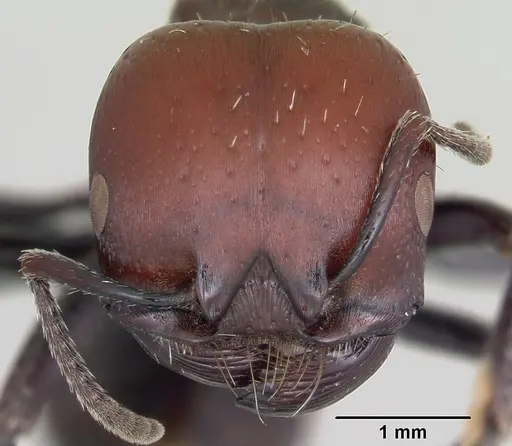
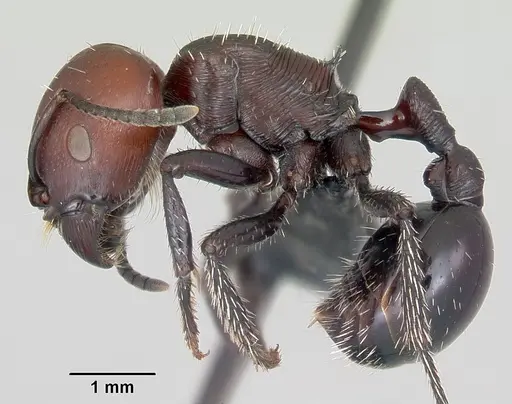
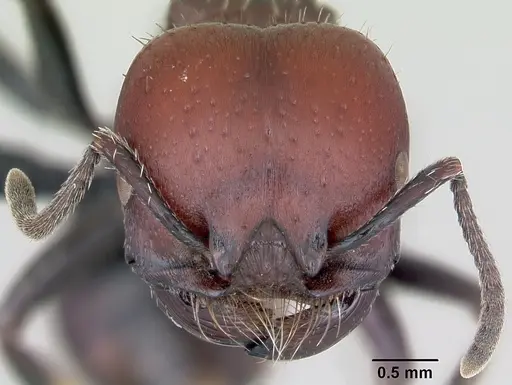
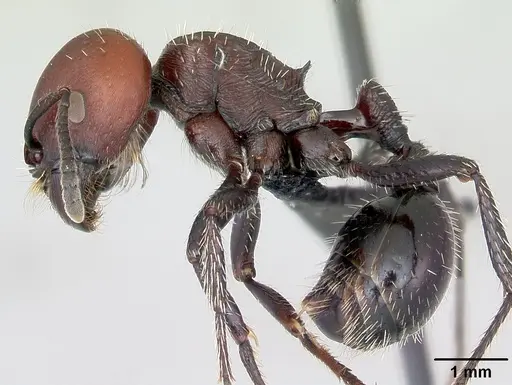
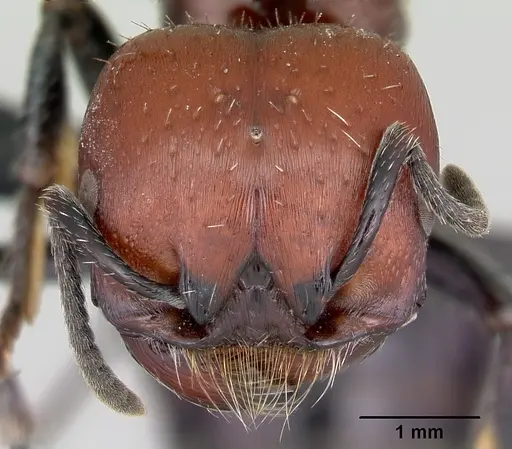
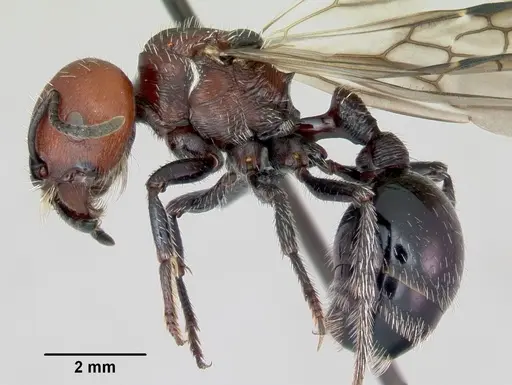
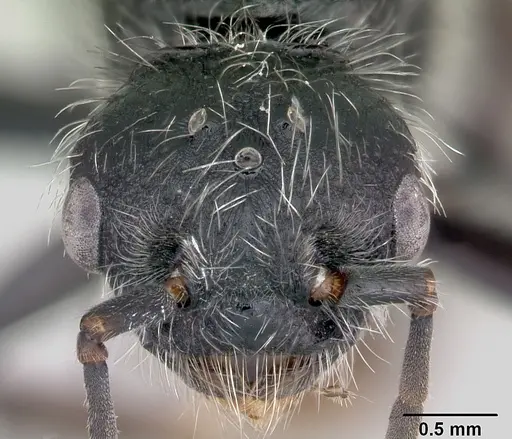
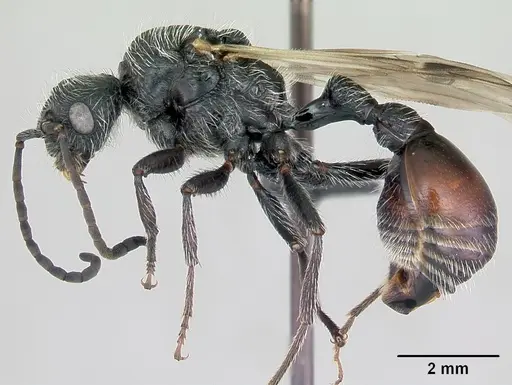
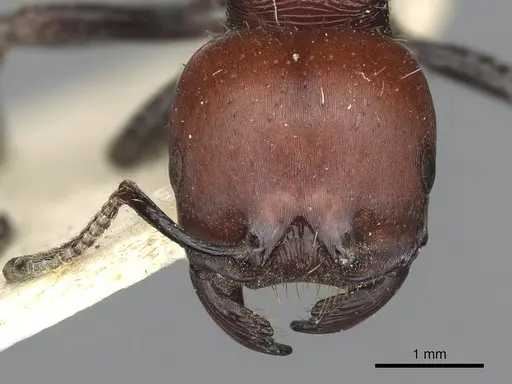
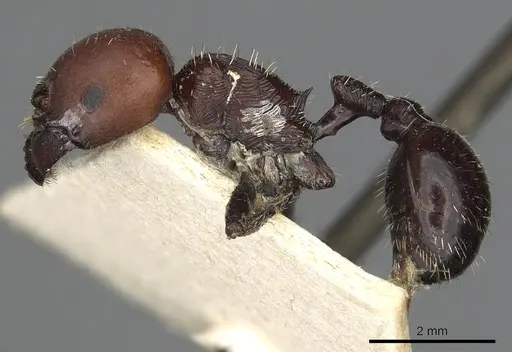
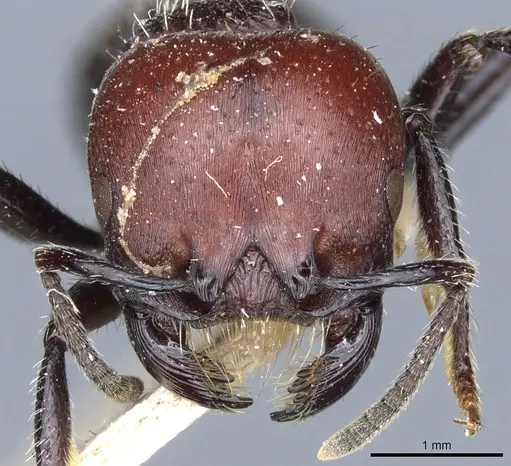
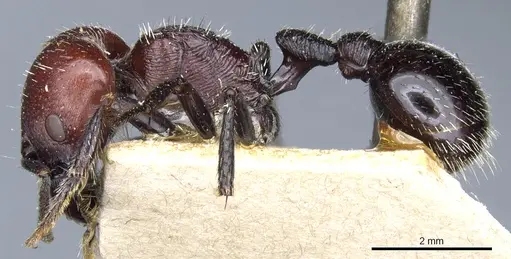
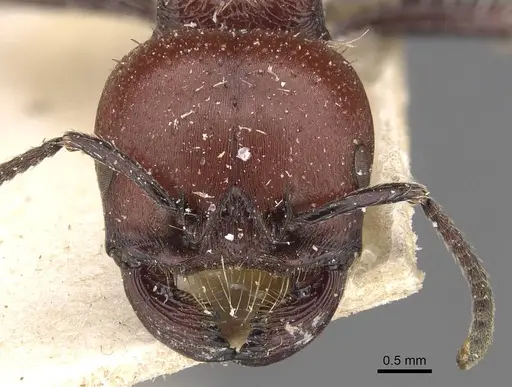
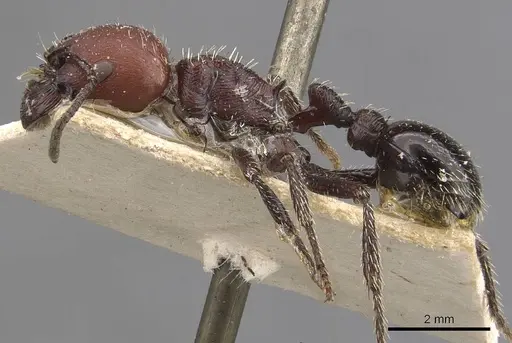
Pogonomyrmex micans is a medium-sized seed-harvester ant native to the lowlands of Argentina and Paraguay. Workers measure 2.1-2.8mm and feature a distinctive bicolored appearance, their head is reddish-brown while the mesosoma, petiole, and postpetiole range from reddish-brown to blackish-red, with the gaster being reddish-black to nearly black [1]. This species belongs to the coarctatus-group and can be identified by the fine, dense longitudinal striae covering their head and the coarse rugae on their petiolar node [1]. Unlike some Pogonomyrmex that form large foraging columns, P. micans is primarily a solitary forager that harvests seeds from various grass and non-grass species, though loose scattered foragers have also been observed [2]. Nests vary from simple entrances without mounds to those with tumuli up to 15cm in diameter.
Quick Summary
- Difficulty: Medium
- Origin & Habitat: Native to the lowlands of Argentina and Paraguay, specifically the Dry Chaco, Humid Chaco, and eastern edge of the Low Monte Desert ecoregions at elevations of 145-910m [2].
- Colony Type: Single-queen (monogyne) colonies. Queens are large at 2.94-3.09mm head width with an average of 12.5 ovarioles [1]. Colonies likely reach up to 2000 workers based on similar species (P. coarctatus) [2].
- Colony: Monogyne
- Founding: Claustral
- Size & Growth:
- Queen: 2.94-3.09mm head width [1]
- Worker: 2.10-2.80mm [1]
- Colony: Up to ~2000 workers (estimated from P. coarctatus) [2]
- Growth: Moderate
- Development: 6-10 weeks (estimated based on related Pogonomyrmex species) (Development timeline not specifically studied for this species, estimates based on genus patterns)
- Antkeeping:
- Temperature: As a lowland species from warm Chaco regions, keep nest areas at 24-28°C. Provide a temperature gradient allowing workers to self-regulate.
- Humidity: Prefers drier conditions, the Dry Chaco is a semi-arid region. Keep nest substrate moderately dry, with a moisture gradient. Avoid overly damp conditions.
- Diapause: Yes, as a species from temperate South America, colonies will need a winter rest period (diapause) during the austral winter (roughly May-August). Reduce temperature to 15-18°C during this period.
- Nesting: Natural nests are variable, from simple entrances to mounds up to 15cm. In captivity, a dry formicarium or Y-tong nest works well. Provide sand or sandy soil as substrate since they are seed-harvesters that naturally nest in soil.
- Behavior: Solitary foragers that harvest seeds, they do not form large columns like some Pogonomyrmex. Workers are active foragers and will collect seed stores. They have a potent sting for their size, so handle with care. Escape risk is moderate, standard barrier methods work well for ants of this size.
- Common Issues: colonies may fail if kept too humid, this is a dry Chaco species that prefers drier nest conditions, slow growth can frustrate keepers, expect moderate development timelines, potentially aggressive defenders with stings, use caution when servicing nests, hibernation failure is common, ensure proper temperature reduction during winter rest period
Housing and Nest Setup
Pogonomyrmex micans does well in dry formicariums or Y-tong nests. Since they come from the semi-arid Dry Chaco, keep the nest relatively dry, damp conditions can be harmful. Use a sandy substrate or provide a sand area within the formicarium, as these are natural seed-harvesters that interact with soil. A test tube setup works for founding colonies, but be sure to provide a dry foraging area once the colony grows. Outworlds should have a sand layer for seed storage and foraging. Ensure escape prevention is adequate, while not tiny, these ants can squeeze through small gaps. [1][2]
Feeding and Diet
As seed-harvesters, their diet should center on seeds, grass seeds, millet, sunflower seeds, and similar small seeds are ideal. They also need protein sources, offer small insects like fruit flies, small crickets, or mealworms periodically. Unlike purely granivorous ants, Pogonomyrmex workers are omnivorous and will scavenge insect matter. Provide a constant sugar source like honey or sugar water, though they may prefer seeds. Remove uneaten seeds periodically to prevent mold. In the outworld, scatter seeds in the sand area where they naturally forage. [2]
Temperature and Seasonal Care
Keep the nest at 24-28°C, with a gradient so workers can choose their preferred temperature. As a lowland species from warm regions, they do not tolerate cold well. During the austral winter (roughly May-August in the Southern Hemisphere), reduce temperatures to 15-18°C for a diapause period. This mimics their natural seasonal cycle in the Chaco ecoregions. Do not feed during deep hibernation, but ensure a small water source is available. Resume normal feeding and warming gradually in spring. [2]
Behavior and Defense
Pogonomyrmex micans workers are solitary foragers rather than column-formers, they search for seeds individually. They are effective defenders and possess a stinger, making them capable of delivering painful stings. When disturbing their nest, expect defensive behavior. They are not aggressive toward humans when not threatened, but will readily attack if their nest is disturbed. Colony activity increases during warmer months when foragers search extensively for seeds to store in the nest. [2]
Colony Development
Queens are relatively large at 2.94-3.09mm head width and contain around 12.5 ovarioles for egg production [1]. Colony growth is moderate, founding queens raise first workers (nanitics) alone, then the colony expands. Based on similar species, colonies likely reach 1000-2000 workers. Nuptial flights occur during the austral summer (January-February) based on collection dates of sexuals from December 26 to January 22 [2]. If you maintain a colony, new queens and males may appear seasonally.
Frequently Asked Questions
How long does it take for Pogonomyrmex micans to produce first workers?
Based on related Pogonomyrmex species, expect 6-10 weeks from egg to first worker. Development is claustral, the queen seals herself in and raises the first brood without leaving to forage.
What do Pogonomyrmex micans ants eat?
They are seed-harvesters, provide various small seeds (grass, millet, sunflower) as their primary food. Also offer protein (small insects like fruit flies or mealworms) and occasional sugar sources like honey water.
Do Pogonomyrmex micans ants sting?
Yes, they have a potent stinger and will use it if threatened. Handle with care and avoid disturbing the nest unnecessarily. Their sting is painful for their size.
What temperature do Pogonomyrmex micans need?
Keep nest areas at 24-28°C as a warm lowland species. Provide a temperature gradient so workers can self-regulate. They do not tolerate cold well.
Do Pogonomyrmex micans need hibernation?
Yes, they require a winter diapause period. Since they come from temperate South America, simulate the austral winter by reducing temperatures to 15-18°C for several months (roughly May-August).
How big do Pogonomyrmex micans colonies get?
Based on similar species (P. coarctatus), colonies likely reach up to 2000 workers. Growth is moderate, expect several months to a year before seeing significant numbers.
Can I keep multiple Pogonomyrmex micans queens together?
No, this is a monogyne (single-queen) species. Multiple unrelated queens will fight. Only keep one queen per colony.
What humidity level do Pogonomyrmex micans need?
Keep them relatively dry, they come from the semi-arid Dry Chaco. Avoid damp conditions in the nest. A dry formicarium with a moisture gradient works best.
Are Pogonomyrmex micans good for beginners?
They are intermediate difficulty. Seed-harvesting behavior is interesting, but they require proper temperature gradients, dry nesting conditions, and a winter diapause. Their sting also requires careful handling.
When do Pogonomyrmex micans have nuptial flights?
Based on collection dates, mating flights occur during the austral summer, primarily January-February. Queens and males appear seasonally in established colonies.
References

This caresheet is licensed under CC BY-SA 4.0 .
CASENT0103265
View on AntWeb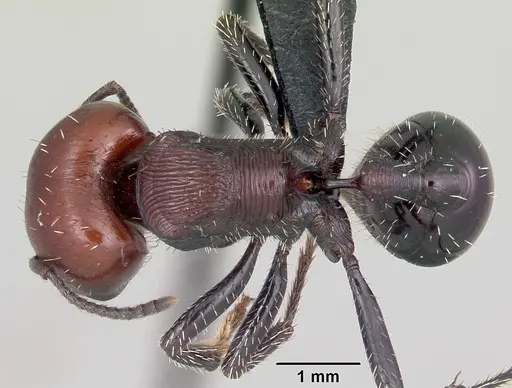
CASENT0172674
View on AntWeb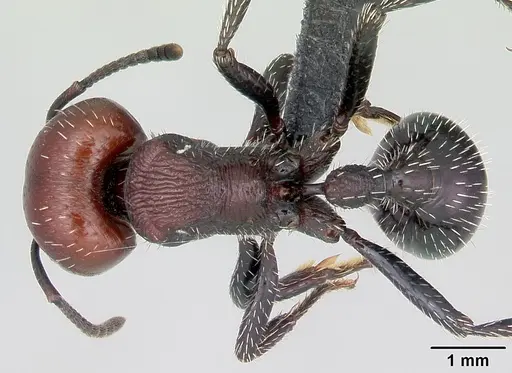
CASENT0172675
View on AntWeb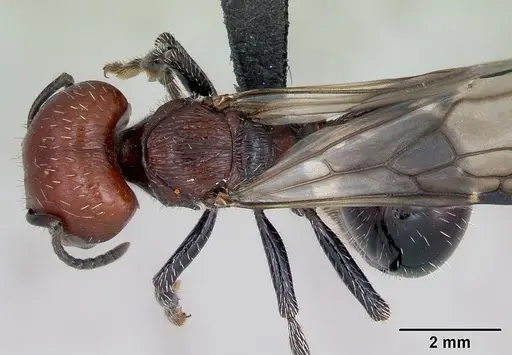
CASENT0172676
View on AntWeb
CASENT0217254
View on AntWeb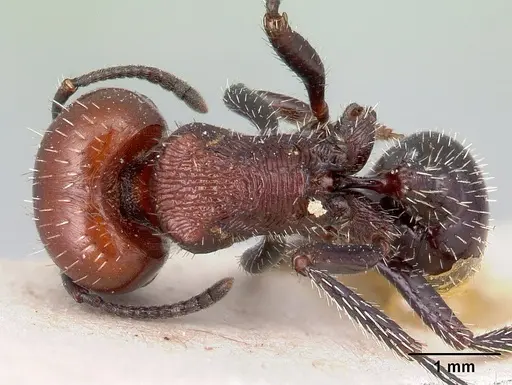
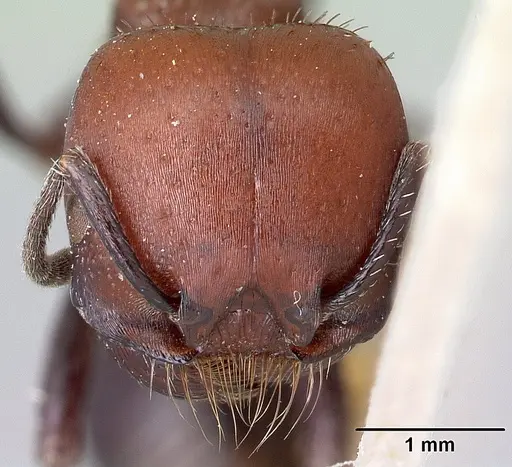
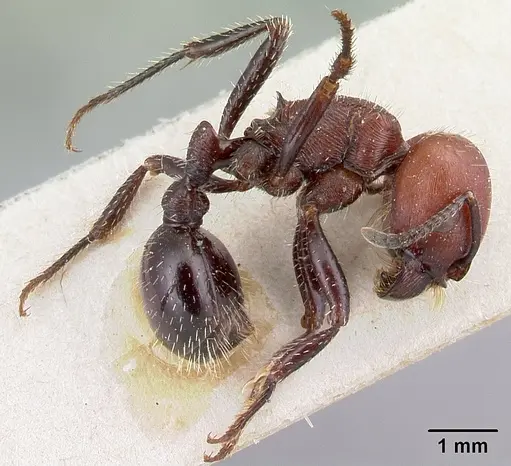
CASENT0869787
View on AntWeb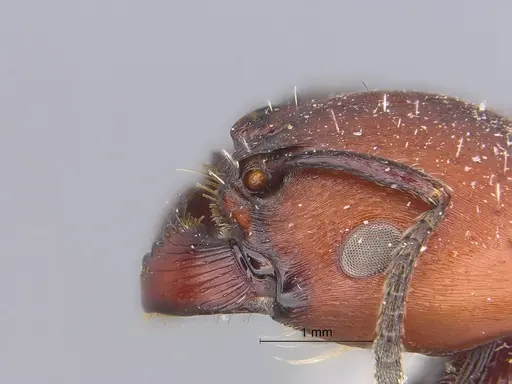
CASENT0901491
View on AntWeb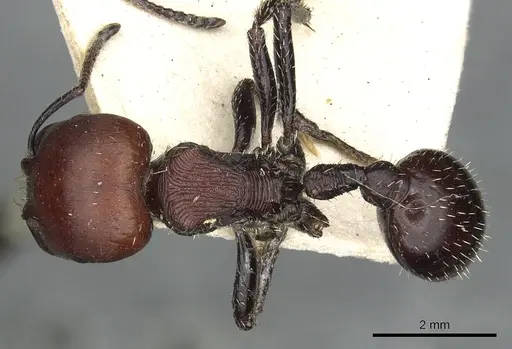
CASENT0904104
View on AntWeb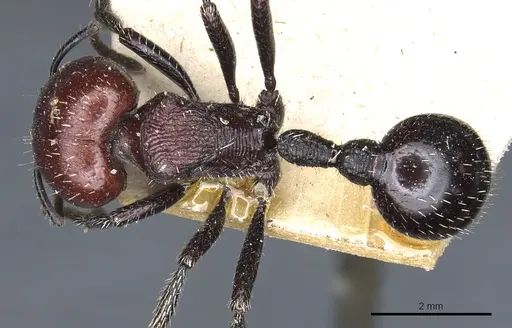
CASENT0907668
View on AntWeb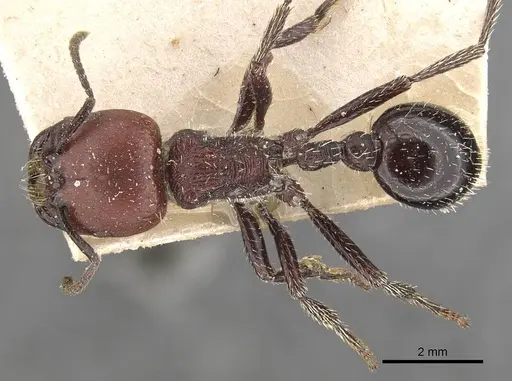
Literature
Loading...Loading products...