

Pogonomyrmex mendozanus
- Scientific Name
- Pogonomyrmex mendozanus
- Tribe
- Pogonomyrmecini
- Subfamily
- Myrmicinae
- Author
- Cuezzo & Claver, 2009
- Distribution
- Found in 1 countries
Pogonomyrmex mendozanus Overview
Pogonomyrmex mendozanus is an ant species of the genus Pogonomyrmex. It is primarily documented in 1 countries , including Argentina. Detailed taxonomic data and occurrence records can be further explored via authoritative databases such as AntWeb or the Global Biodiversity Information Facility (GBIF).
Pogonomyrmex mendozanus
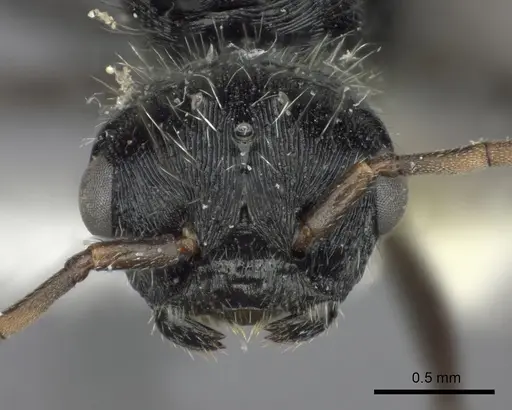
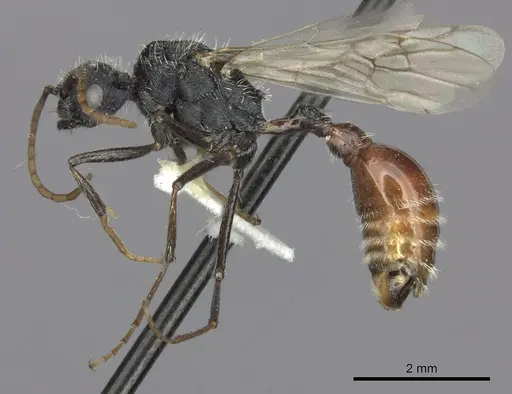
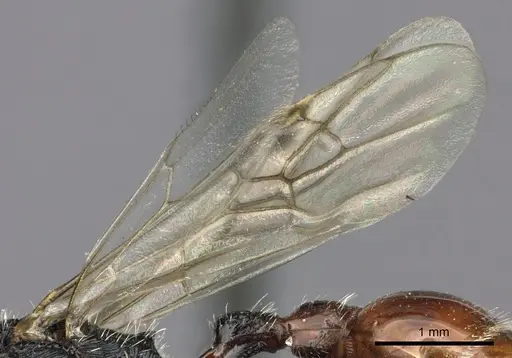
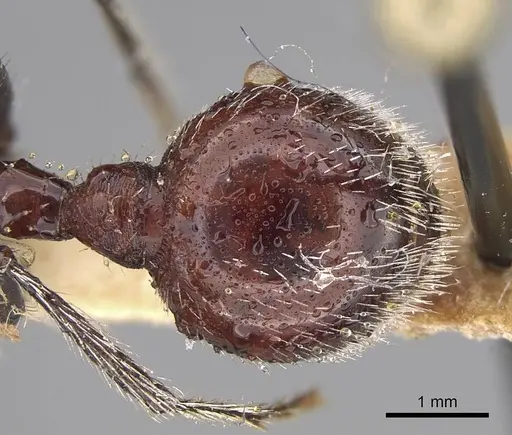
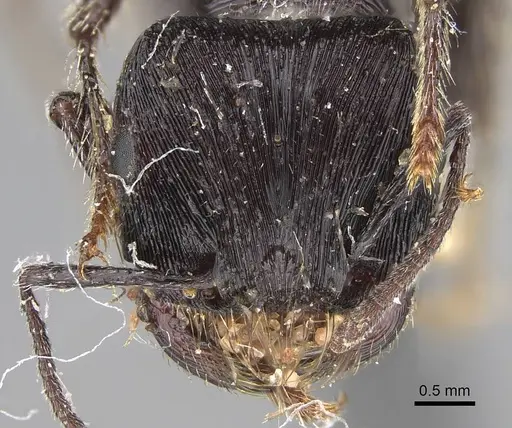
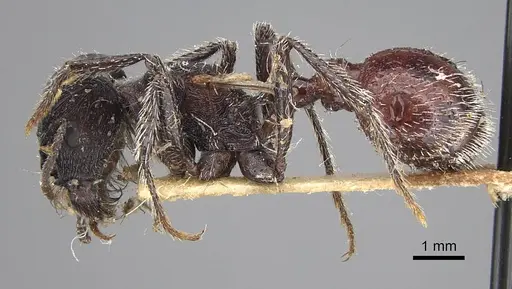
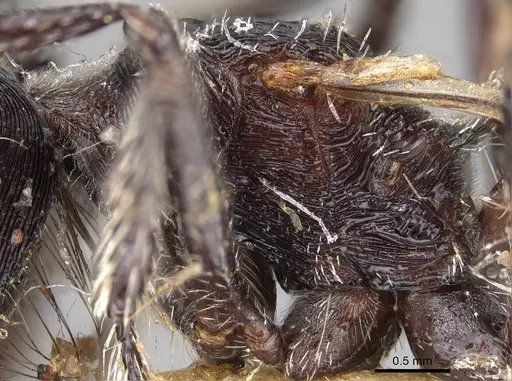
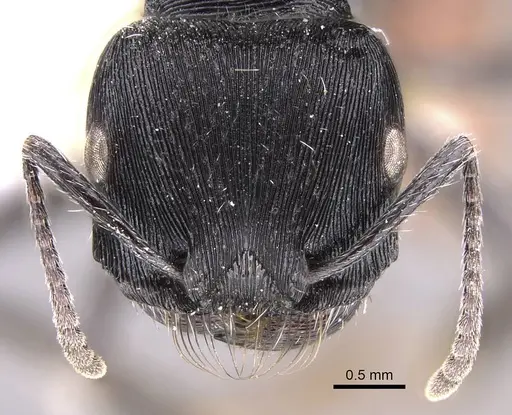
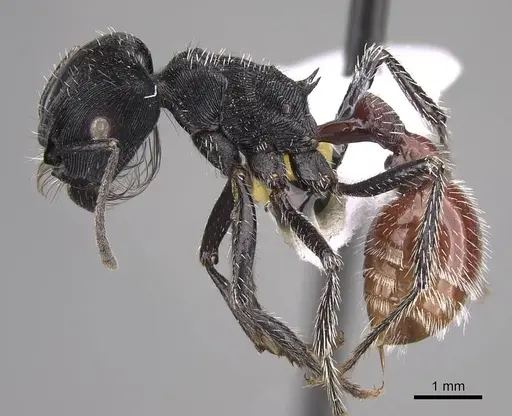
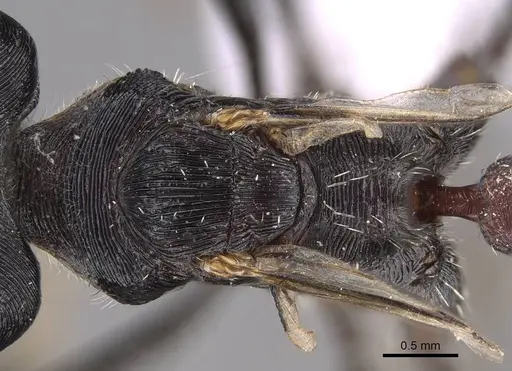
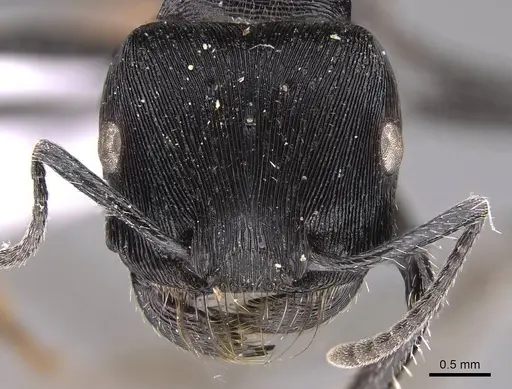
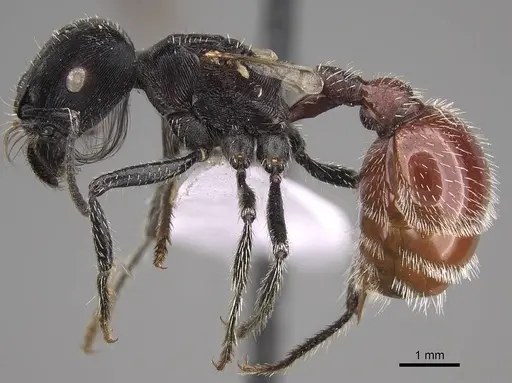
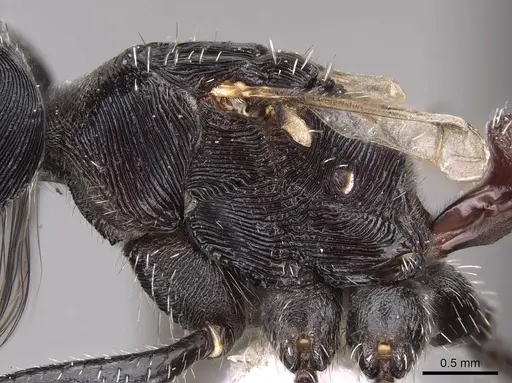
Pogonomyrmex mendozanus is a medium-sized seed-harvester ant native to the Monte Desert region of Argentina. Workers measure 1.5-2mm and have a distinctive appearance: the head and mesosoma are black to blackish brown, while the gaster is yellow to reddish brown. They belong to the laticeps species group and are identified by their fine, regular, incised rugae (grooves) on the head and mesosoma. Queens are brachypterous, meaning they have very short wings that make them unable to fly, they mate on vegetation near their natal nest and must walk to establish new colonies [1][2].
This species is notable for its specialized granivorous diet and flexible foraging strategy. While they primarily harvest grass seeds, they can switch to other food sources when preferred seeds are scarce. Colonies are relatively small for Pogonomyrmex, typically containing around 600-900 workers. They build nests in loose, sandy soils with characteristic mound structures and can forage individually or recruit nestmates to rich seed patches [3][4]. Workers are extremely aggressive when disturbed and deliver painful bites.
Quick Summary
- Difficulty: Medium
- Origin & Habitat: Monte Desert, Argentina (Mendoza Province) at elevations 465-545m. This species is restricted to the northern third of the Low Monte Desert ecoregion and inhabits open areas with deep, loose, sandy soils, often in disturbed areas like roadsides [1][5].
- Colony Type: Monogyne, colonies contain a single reproductive queen. All examined colonies (n=19) had one queen [3]. Queens are brachypterous (short-winged) and must walk to find mates and establish new colonies.
- Colony: Monogyne
- Founding: Semi-claustral
- Size & Growth:
- Queen: 2.075-2.3mm [1]
- Worker: 1.5-2.0mm [1]
- Colony: Approximately 615 workers on average, with colonies reaching 900+ total individuals including brood [3]. Foragers represent about 10-13% of the worker population.
- Growth: Moderate
- Development: Unknown for this specific species. Based on typical Pogonomyrmex development patterns, expect 2-4 months from egg to first worker at warm temperatures. (Development time is estimated from genus-level data since specific timing has not been documented for P. mendozanus.)
- Antkeeping:
- Temperature: Keep nest area at 24-28°C during active season. These ants are adapted to desert conditions with extreme heat tolerance, they avoid surface temperatures above 60°C by shifting activity to morning and afternoon in summer. A temperature gradient allowing workers to choose their preferred zone works well.
- Humidity: Low to moderate. They inhabit dry desert environments and prefer well-drained sandy substrate. Keep nesting area slightly moist but not wet, allow portions to dry out between waterings.
- Diapause: Yes, these ants are active from October to April and enter dormancy during winter months (approximately May-September in the Southern Hemisphere). Reduce temperature to 10-15°C during this period.
- Nesting: Provide a naturalistic setup with deep, sandy substrate (at least 10-15cm deep). They prefer loose, sandy soil similar to their native Monte Desert habitat. A formicarium with sand-filled chambers or a custom dirt setup works well. Nest chambers should be irregularly distributed at various depths.
- Behavior: Pogonomyrmex mendozanus workers are aggressive defenders of their nest and will bite painfully if threatened. They are primarily diurnal foragers, shifting their activity patterns seasonally: unimodal (midday peak) in spring and autumn when temperatures are moderate, bimodal (morning and afternoon peaks) in summer to avoid extreme midday heat. Workers forage individually but will recruit nestmates when they discover high-density seed patches. They are escape artists, their small size and active nature require excellent barrier prevention.
- Common Issues: painful bites, handle with care and use protective gear when maintaining the colony, specialized diet, they require seed offerings and may reject standard ant foods, grass seeds are preferred, small size enables escapes, use tight-fitting lids and fine mesh barriers, colonies are relatively small and slow-growing compared to many common pet ants, habitat degradation from grazing affects wild colonies, source from reputable breeders rather than disturbing wild populations
Housing and Nest Setup
Pogonomyrmex mendozanus requires housing that mimics their natural sandy desert habitat. Provide a deep nesting area with at least 10-15cm of loose, well-drained sandy substrate. They build irregular chambers throughout the nest depth, with seed storage chambers typically at deeper levels (30cm+ in the wild). A naturalistic setup with sand-filled chambers works best, or you can use a formicarium with a dirt/gypsum mix that holds tunnel structures. Ensure the nest has some vertical depth to allow for proper chamber distribution. Outworld should be simple with a sand floor area for foraging. Use excellent escape prevention, these small, active ants will find any gap. [1][3]
Feeding and Diet
As specialized seed-harvesters, these ants primarily need grass seeds in their diet. They prefer seeds from grasses like Trichloris crinita, Pappophorum caespitosum, and Digitaria californica. Offer a variety of small seeds and watch for preferences. In spring when natural seed availability is low, they supplement with up to 50% other foods including small invertebrates. You can offer occasional protein sources like small insects or mealworms, but seeds should form the bulk of their diet. They discard the outer plant structures and only store the actual seeds (caryopses) in their nest. Fresh water should always be available. [1][4]
Temperature and Seasonal Care
These desert ants tolerate a wide temperature range. Keep the nest at 24-28°C during the active season (roughly April-October in the Northern Hemisphere). They are active from spring to fall in the wild, with activity patterns shifting seasonally: unimodal (single midday peak) in cooler months when soil temperatures exceed 20°C, bimodal (morning and afternoon peaks) in summer to avoid surface temperatures above 60°C. During winter (approximately November-March in their native range), they enter diapause and should be kept at 10-15°C in a cool, dark location. Do not disturb them during this resting period. [4][1]
Behavior and Foraging
Pogonomyrmex mendozanus uses a flexible foraging strategy. Workers typically forage individually (solitary foraging), searching for seeds independently and covering their nest surroundings thoroughly. However, when they discover high-density seed patches, they can recruit nestmates to exploit these resources efficiently. They forage mostly within 3-4 meters of their nest, preferring exposed microsites near grasses where seeds naturally accumulate. Workers are extremely aggressive when their nest is disturbed and deliver painful bites, handle with caution. They run with their gaster curved forward beneath their body, likely to protect it from the hot desert ground surface. [1][3][4]
Colony Development
Colonies are relatively small for Pogonomyrmex, typically containing 600-900 total individuals including workers, brood, and the queen. Approximately 10-13% of workers are foragers at any given time. The brachypterous queen phenotype is unusual, she has very short wings and cannot fly. Mating occurs on vegetation near the natal nest in aggregations of 20-30 queens (sometimes over 100), typically from late December to mid-March. After mating, queens must walk to find and excavate a new nest site, making independent colony founding. Queens mate with multiple males (average 8.75 partners), which helps genetic diversity. [1][2][3]
Frequently Asked Questions
Can I keep Pogonomyrmex mendozanus in a test tube?
Test tubes are not ideal for this species. They require deep, sandy substrate for proper nest construction and seed storage chambers. A naturalistic setup with at least 10-15cm of loose, well-drained sandy soil is much better suited to their natural behaviors.
What do Pogonomyrmex mendozanus eat?
They are specialized seed-harvesters. Offer grass seeds as their primary food, they prefer grass seeds over dicot or shrub seeds. You can occasionally supplement with small insects, but seeds should make up the majority of their diet.
How long until first workers appear?
Specific development time is unconfirmed for this species. Based on typical Pogonomyrmex patterns, expect 2-4 months from egg to first worker at optimal warm temperatures (around 26°C).
Are Pogonomyrmex mendozanus good for beginners?
This species is rated as Medium difficulty. While not the most challenging ant species, they have specialized dietary requirements (seed-based diet), need specific sandy housing, and have painful bites. They are better suited for keepers with some experience.
Do they need hibernation?
Yes. In their native Monte Desert habitat, they are active from October to April and enter dormancy during winter months. Reduce temperatures to 10-15°C for 4-5 months to simulate their natural seasonal cycle.
How big do colonies get?
Colonies are relatively small compared to many Pogonomyrmex species. Mature colonies typically reach 600-900 total individuals, with around 600 workers being average. Only about 10-13% of workers are foragers.
Can I keep multiple queens together?
No. This species is monogyne, colonies naturally have only a single queen. Multiple unrelated queens will fight. Only keep one queen per colony.
When should I move them to a formicarium?
Move them once the colony reaches 50-100 workers and the test tube setup becomes cramped. Ensure your formicarium has deep sandy substrate (10-15cm+) to accommodate their natural nesting behavior.
Why are my ants dying?
Common causes include: incorrect humidity (too wet, they prefer dry, well-drained conditions), poor diet (they need seeds, not just sugar water), temperatures outside their tolerance range, or escape-related losses. Also ensure they have proper winter dormancy period.
References

This caresheet is licensed under CC BY-SA 4.0 .
CASENT0102692
View on AntWeb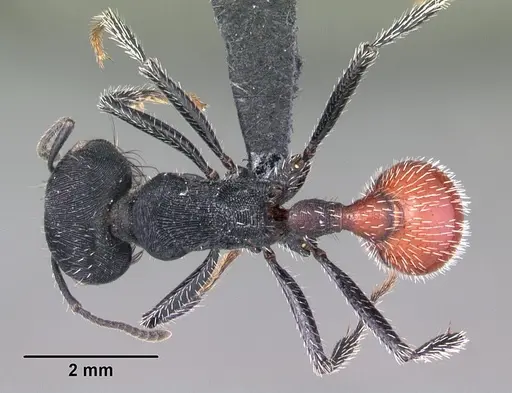
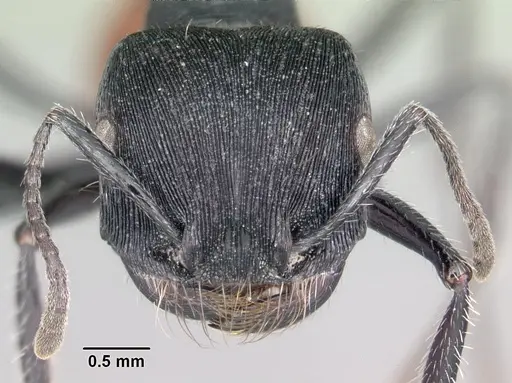
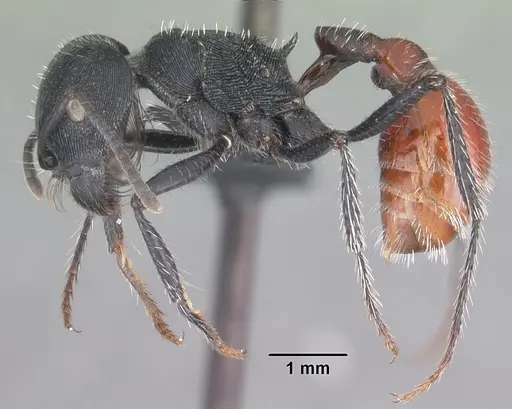
CASENT0235299
View on AntWeb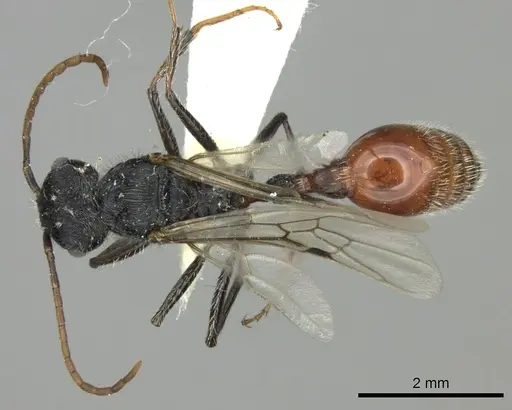
CASENT0914120
View on AntWeb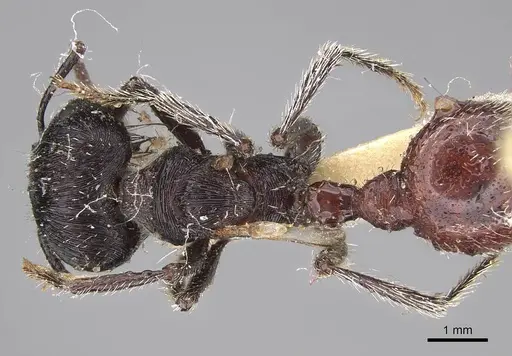
CASENT0914385
View on AntWeb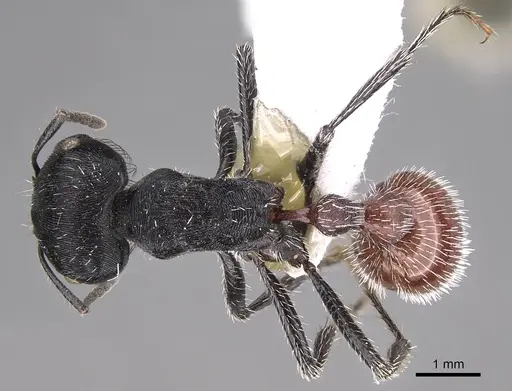
CASENT0914403
View on AntWeb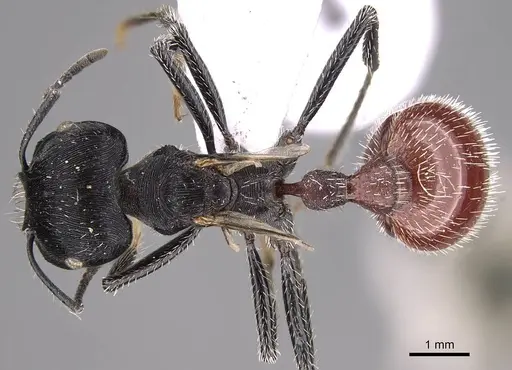
Literature
Loading...Loading products...