

Pogonomyrmex longibarbis
- Scientific Name
- Pogonomyrmex longibarbis
- Tribe
- Pogonomyrmecini
- Subfamily
- Myrmicinae
- Author
- Gallardo, 1931
- Distribution
- Found in 1 countries
Pogonomyrmex longibarbis Overview
Pogonomyrmex longibarbis is an ant species of the genus Pogonomyrmex. It is primarily documented in 1 countries , including Argentina. Detailed taxonomic data and occurrence records can be further explored via authoritative databases such as AntWeb or the Global Biodiversity Information Facility (GBIF).
Pogonomyrmex longibarbis
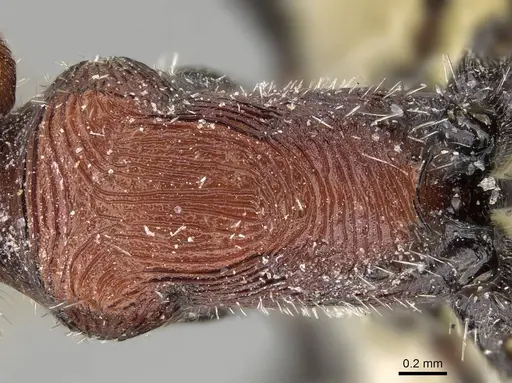
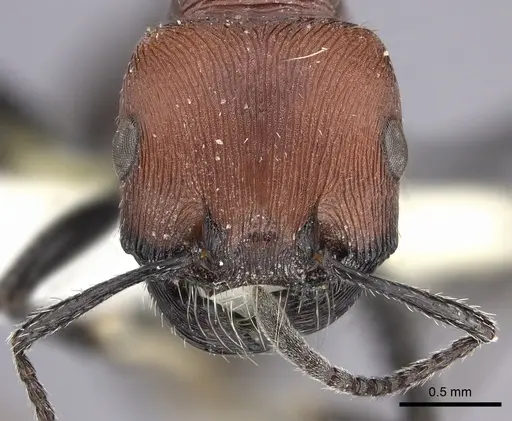
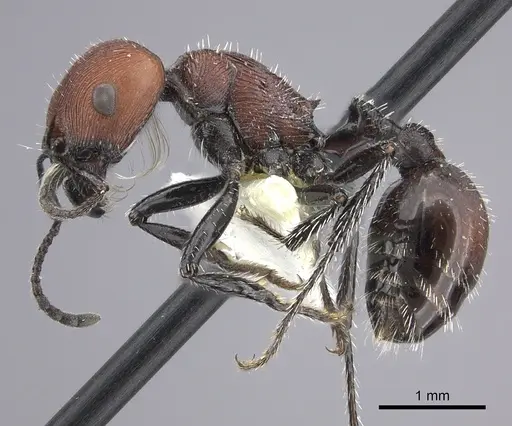
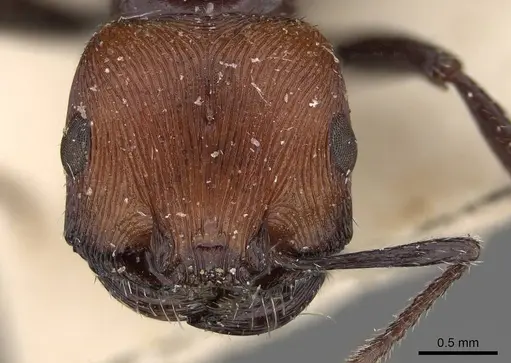
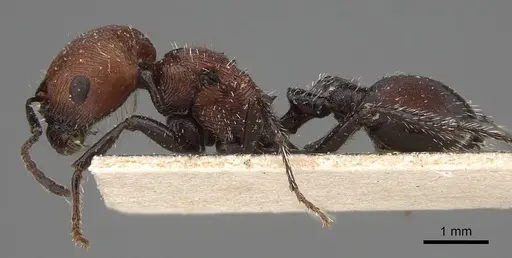
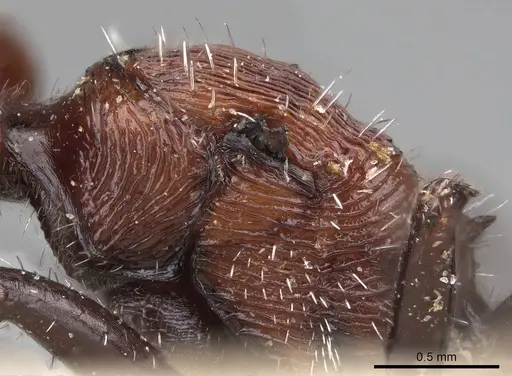
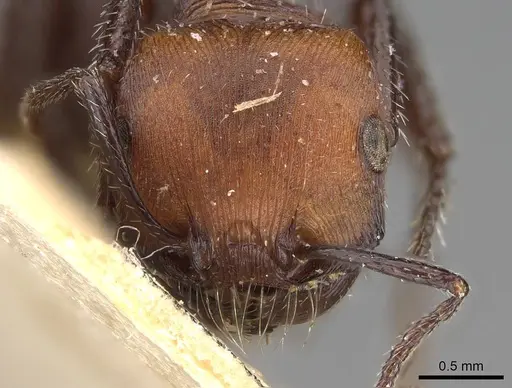
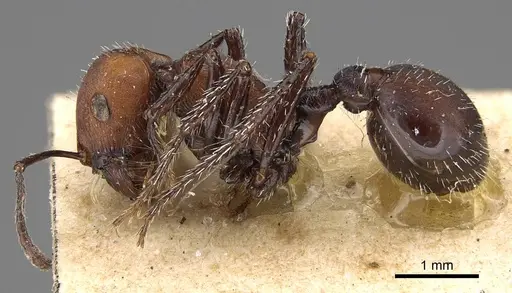
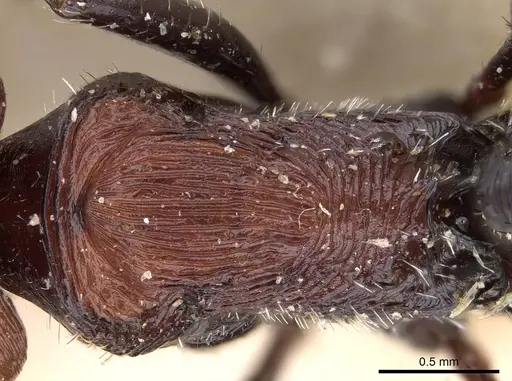
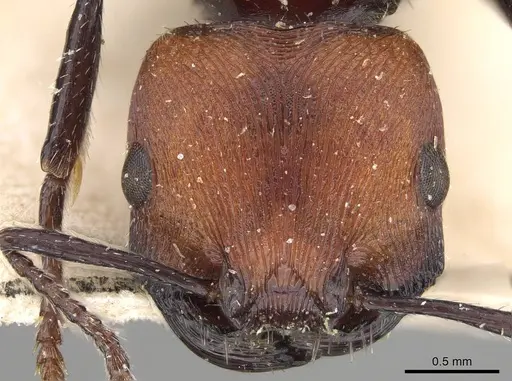
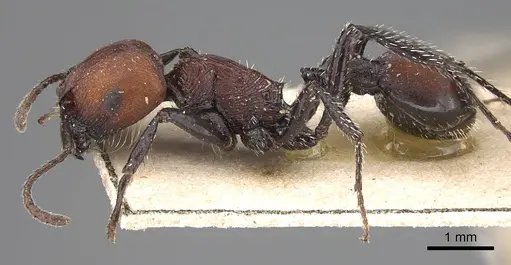
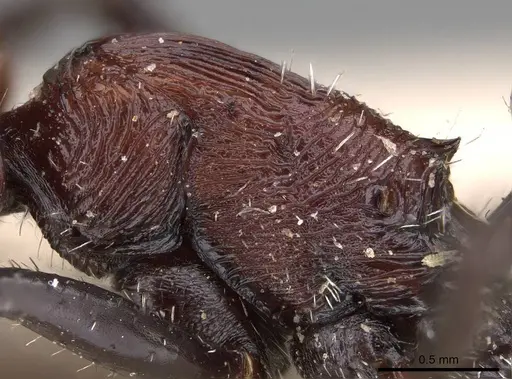
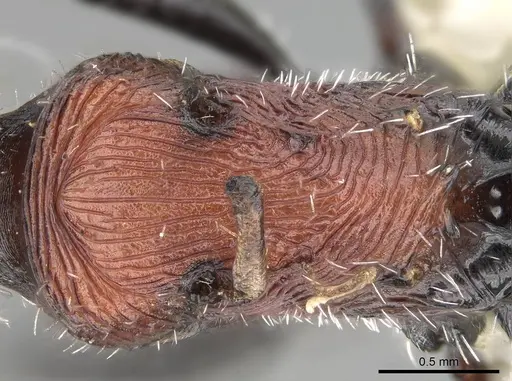
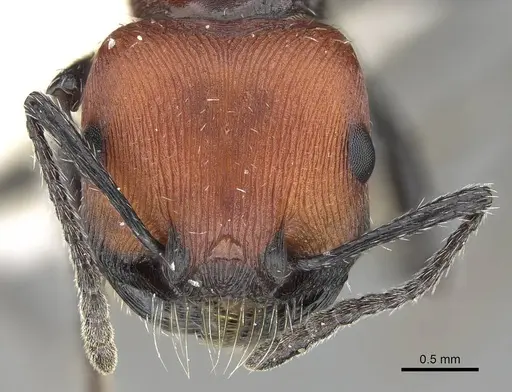
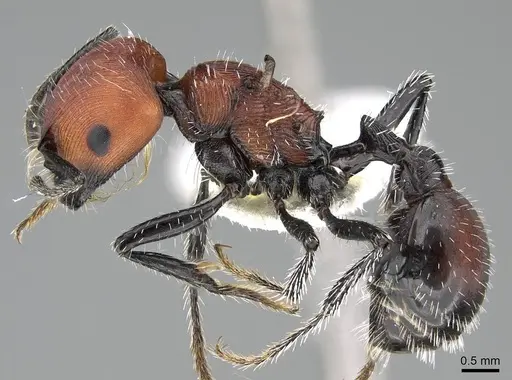
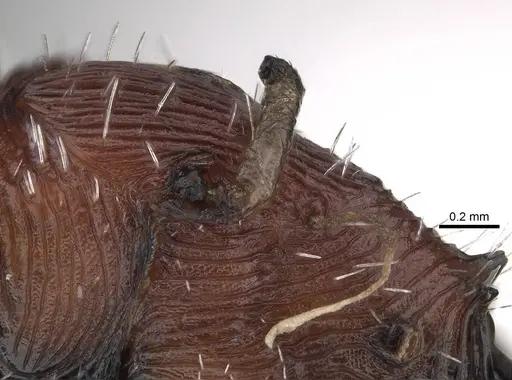
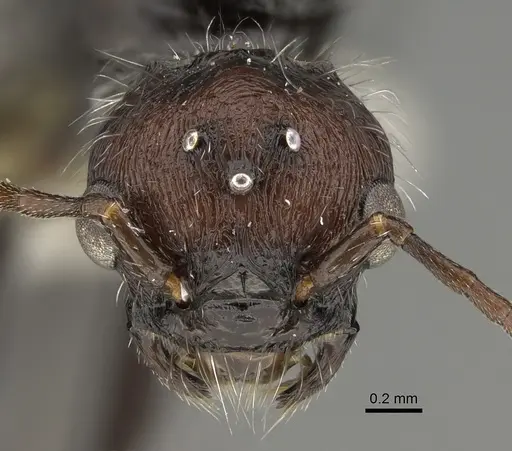
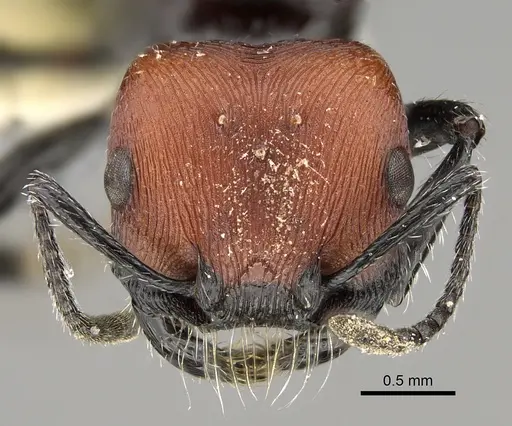
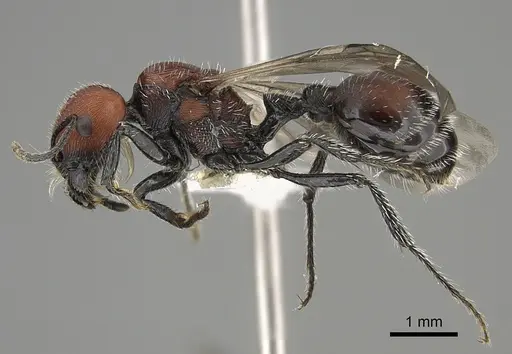
Pogonomyrmex longibarbis is a seed-harvester ant species native to the high-altitude regions of Argentina and Bolivia in the Andes Mountains. Workers are relatively small Myrmicinae ants measuring around 1.5mm in head length, with the characteristic rough texture and longitudinal striae on the head that defines this genus. The species is notable for its extreme elevation range, colonies have been documented from 3335m up to 4545m, making it the highest-dwelling Pogonomyrmex species ever recorded [1]. This ant inhabits the Central Andean puna and Southern Andean steppe ecoregions, harsh environments with significant temperature fluctuations and low oxygen at high altitude [1].
Quick Summary
- Difficulty: Medium
- Origin & Habitat: Native to Argentina and Bolivia in the high-altitude Andes Mountains (3335-4545m elevation). Inhabits Central Andean puna and Southern Andean steppe ecoregions, cold, arid, high-elevation grasslands [1].
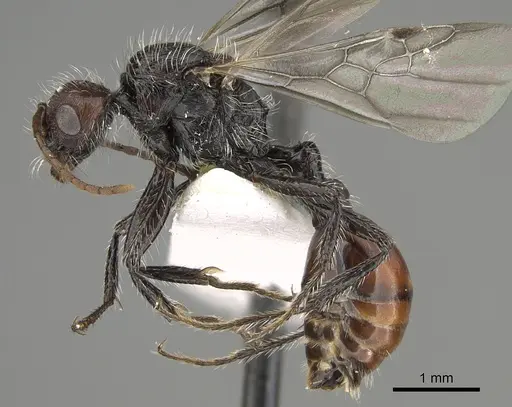
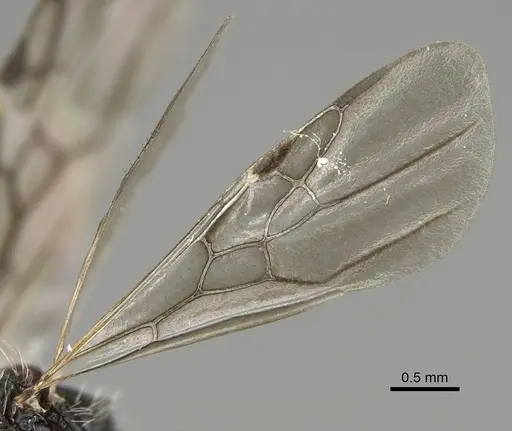
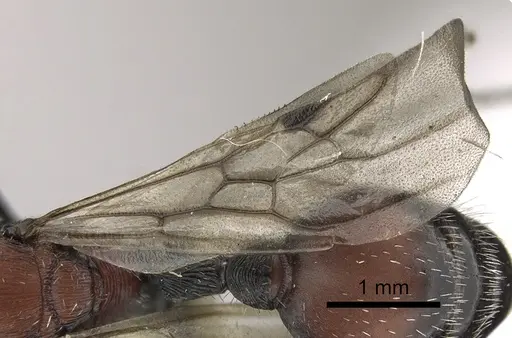
- Colony Type: Single-queen colonies (monogyne) with approximately 1000 workers per colony based on partial nest excavations [1]. Queens are dimorphic, both winged (alate) and brachypterous (short-winged) forms occur in this species [1].
- Colony: Monogyne
- Founding: Claustral
- Size & Growth:
- Queen: Alate queens: 1.63-1.88mm head length, brachypterous queens: 1.74-1.75mm [1]. Signal: measured from specimens.
- Worker: 1.47mm head length (lectotype), range 1.46-1.79mm [1]. Signal: measured from specimens.
- Colony: Approximately 1000 workers per colony [1]. Signal: partial nest excavation.
- Growth: Moderate, based on typical Pogonomyrmex development patterns.
- Development: Estimated 8-12 weeks at optimal temperature based on genus-level data for Pogonomyrmex species. Signal: inferred from related species. (Development time is likely slower than lowland species due to the cold high-altitude environment they naturally inhabit.)
- Antkeeping:
- Temperature: Keep at room temperature (20-24°C) with a slight warm area (up to 26°C). This species naturally experiences cold conditions at high altitude, so they are more tolerant of cooler temperatures than most ants. Avoid overheating, do not exceed 30°C. Signal: inferred from high-elevation habitat.
- Humidity: Low to moderate humidity (40-60%). These ants come from arid puna and steppe environments, so they prefer drier conditions. Keep nest substrate moderately dry, not waterlogged. Signal: inferred from arid high-altitude habitat.
- Diapause: Yes, a winter dormancy period is recommended. Based on their high-altitude origin and the documented January-February nuptial flight timing (austral summer), they likely experience seasonal cold periods. Keep at 10-15°C for 2-3 months during winter. Signal: inferred from seasonal climate at high elevation.
- Nesting: Y-tong (AAC) nests or plaster nests work well. These ants are adapted to digging in hard, dry soil at high altitude, so they can handle moderately compact nesting media. Provide a sand-clay mix as substrate if using a naturalistic setup. Signal: inferred from natural nesting in Andean soils.
- Behavior: Pogonomyrmex longibarbis is a seed-harvester ant, they collect and process seeds as their primary food source, though they likely also supplement with insects. Workers are active foragers that search for seeds and other food items. Like all Pogonomyrmex species, they have a potent sting and will defend their nest aggressively. Escape risk is moderate, workers are small but not tiny, so standard escape prevention (fluon barriers, tight-fitting lids) is sufficient. They are diurnal and will actively forage during daylight hours. Signal: inferred from genus behavior patterns.
- Common Issues: colonies grow slowly due to high-altitude origins, don't overfeed or mold will develop, winter dormancy is essential for this species, skipping hibernation may harm the colony, their small size and high-energy seed diet means food spoilage can be an issue, brachypterous queens may not disperse far, colony foundation can be challenging, high-elevation ants are sensitive to overheating, keep away from direct heat sources
Housing and Nest Setup
Pogonomyrmex longibarbis does well in Y-tong (AAC) nests or plaster formicariums. Since they come from high-altitude Andean regions with hard, dry soils, they can handle moderately compact nesting media. A sand-clay mix (roughly 70:30 ratio) works well for naturalistic setups. The outworld should be spacious enough for foraging, these are active ants that will carry seeds back to the nest. Use a water tube for humidity but keep the nest itself relatively dry. Escape prevention is important but not as critical as for tiny species, standard fluon barriers on smooth surfaces will work. Provide a shallow sand area in the outworld for seed storage behavior if desired. This species does not require heating pads since they tolerate cooler temperatures, but a gentle gradient (room temp to 26°C) encourages activity. [1]
Feeding and Diet
As a seed-harvester ant, P. longibarbis primarily eats seeds. Offer a variety of small seeds, millet, sesame, flax, and commercial ant seed mixes work well. They will crack seeds open and consume the internal contents. In captivity, they readily accept protein supplements like small insects (fruit flies, pinhead crickets, mealworms) and will take sugar water or honey as an occasional treat. Feed seeds constantly (refill when depleted) and offer protein 1-2 times per week. Remove uneaten seeds periodically to prevent mold. The high-altitude environment means food spoilage is less likely than in warm conditions, but still monitor for mold growth. Fresh water should always be available.
Temperature and Seasonal Care
This species is adapted to cool high-altitude conditions and is more cold-tolerant than most ants. Keep the nest area at 20-24°C with a warm spot around 26°C for foraging activity. They can tolerate temperatures down to 15°C without issue. A critical part of keeping this species is providing a proper winter dormancy period. During the austral winter (roughly May-August in their native range), reduce temperatures to 10-15°C and reduce feeding. Keep them in this dormant state for 2-3 months. Do not skip hibernation, it is essential for colony health and triggering reproductive behavior. The documented January nuptial flights confirm they follow a seasonal breeding cycle tied to summer warmth followed by winter rest. [1]
Colony Foundation and Growth
New colonies start when a winged (alate) or brachypterous queen digs a founding chamber and seals herself inside. The claustral queen relies on her stored fat reserves to survive and raise the first brood until nanitic workers emerge. This process typically takes 2-3 months. The first workers (nanitics) are smaller than mature workers but will begin foraging for seeds and caring for subsequent brood. Colony growth is moderate, expect 6-12 months to reach 50 workers, with full maturity (several hundred workers) taking 2-3 years. The documented colony size of around 1000 workers represents mature colonies. Brachypterous queens have reduced wings and may found colonies closer to the parent nest, which is an interesting adaptation to high-altitude conditions where dispersal is more difficult. [1]
Behavior and Defense
Pogonomyrmex longibarbis workers are active foragers that search for seeds and insects during daylight hours. They communicate through chemical trails and will recruit nestmates to good food sources. Like all Pogonomyrmex species, they possess a potent sting and will use it defensively when the nest is disturbed. The sting is painful but not medically significant for healthy humans, handle with care and use proper observation tools. Workers are not particularly aggressive toward humans when not defending the nest, but will readily attack perceived threats. Their small size (around 1.5mm) makes them less intimidating than larger Pogonomyrmex, but the sting still packs punch. Provide deep outworlds as they may dig and move substrate.
Frequently Asked Questions
How long does it take for Pogonomyrmex longibarbis to have first workers?
First workers (nanitics) typically emerge 8-12 weeks after the queen lays eggs, assuming optimal temperatures around 24°C. This is slower than many lowland ant species, the high-altitude origins of this species mean their development is adapted to cooler conditions. Be patient during founding, disturbing the nest can cause the queen to abandon or eat the brood.
What do Pogonomyrmex longibarbis eat?
They are seed-harvester ants, their primary diet is seeds which they crack open to eat. Offer small seeds like millet, sesame, or commercial ant seed mixes. They also accept protein sources like small insects (fruit flies, pinhead crickets) and will take sugar water or honey as treats. Seeds should be available constantly, protein 1-2 times weekly.
Do Pogonomyrmex longibarbis need hibernation?
Yes, a winter dormancy period is recommended. These high-altitude ants are adapted to seasonal temperature changes. Keep them at 10-15°C for 2-3 months during winter (roughly November-February in captivity). Reduce feeding during this period. Skipping hibernation can weaken the colony and prevent reproductive behavior.
How big do Pogonomyrmex longibarbis colonies get?
Mature colonies reach around 1000 workers based on partial nest excavations in the wild [1]. In captivity, expect 2-3 years to reach full colony size. Growth is moderate, not as fast as tropical species but faster than some cold-climate ants.
Can I keep multiple Pogonomyrmex longibarbis queens together?
No, this species is monogyne, colonies have a single queen. Unlike some Pogonomyrmex species that can be polygynous, P. longibarbis forms single-queen colonies. Introducing multiple unrelated queens will result in fighting. Only keep one queen per colony.
What temperature is best for Pogonomyrmex longibarbis?
Keep them at 20-24°C with a warm spot around 26°C. They are more cold-tolerant than most ants due to their high-altitude origins, so room temperature is suitable. Avoid overheating, do not exceed 30°C. They can tolerate brief cool periods down to 15°C without issue.
Are Pogonomyrmex longibarbis good for beginners?
They are intermediate in difficulty. The seed-harvester diet is straightforward, and they are more forgiving of cooler temperatures. However, the requirement for proper winter hibernation and their slower growth compared to tropical species makes them better suited for keepers who have kept ants through at least one full seasonal cycle. Their sting is also a consideration.
When do Pogonomyrmex longibarbis have nuptial flights?
Based on specimens collected in late January (January 28-29), mating flights occur during the austral summer [1]. In captivity, if you provide proper hibernation, you may see alates develop around late winter to early spring (roughly January-March in the Northern Hemisphere if you simulate opposite seasons, or July-September if mimicking natural Southern Hemisphere timing).
References

This caresheet is licensed under CC BY-SA 4.0 .
CASENT0235273
View on AntWeb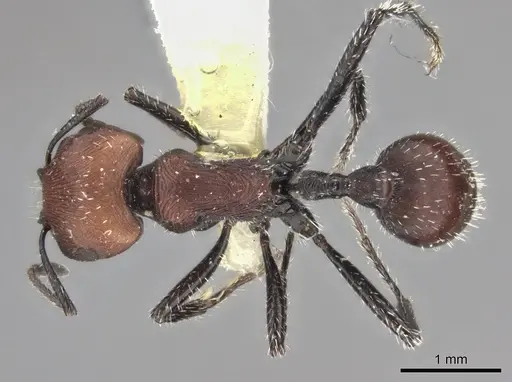
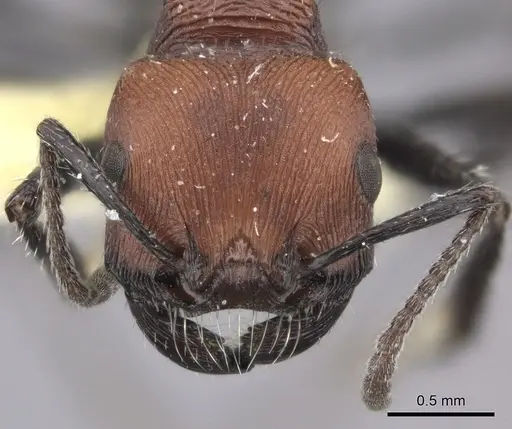
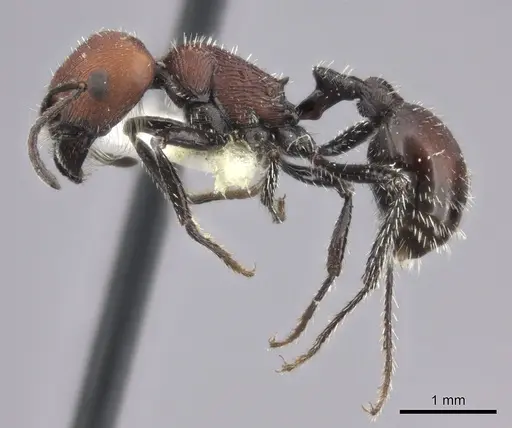
CASENT0249056
View on AntWeb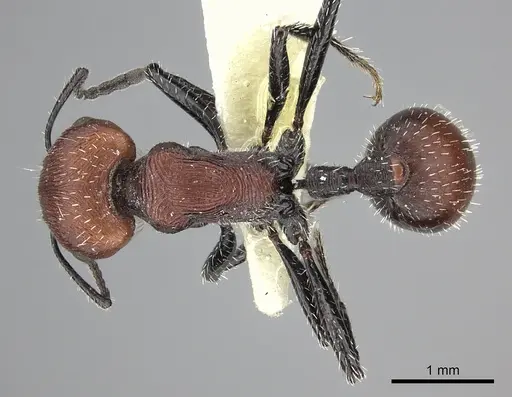
CASENT0281103
View on AntWeb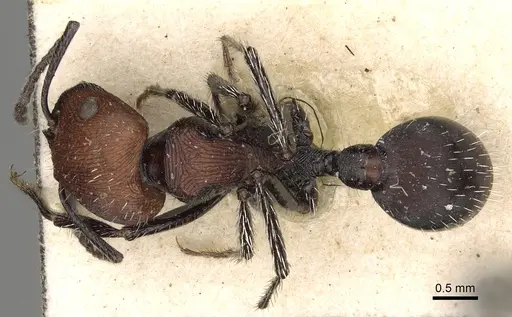
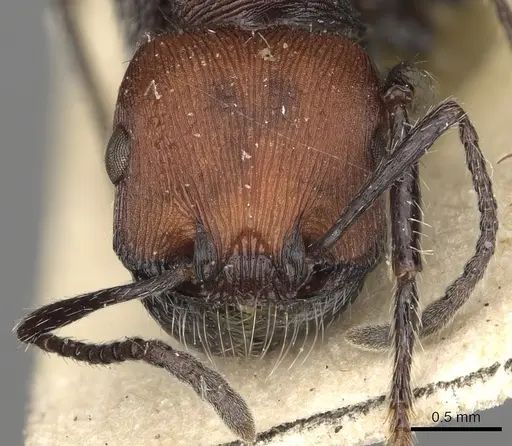
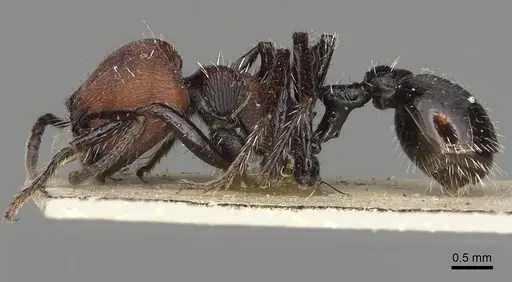
CASENT0914115
View on AntWeb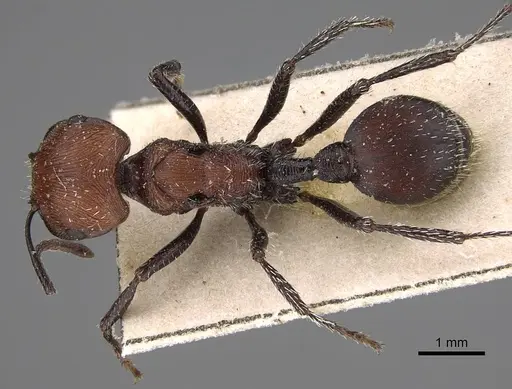
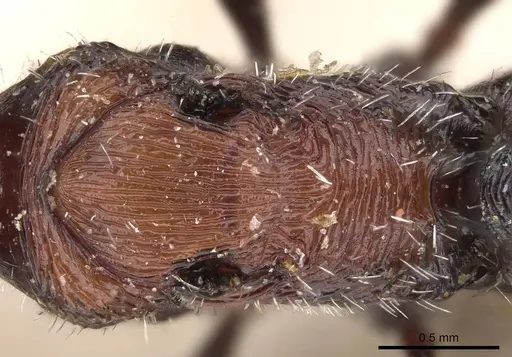
CASENT0914116
View on AntWeb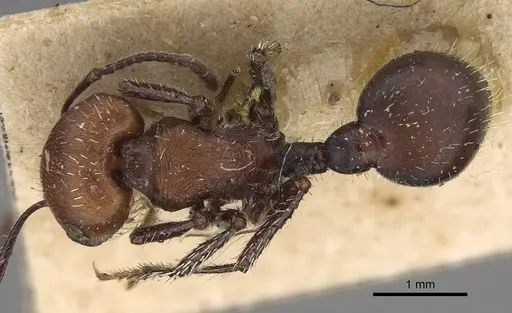
CASENT0914117
View on AntWeb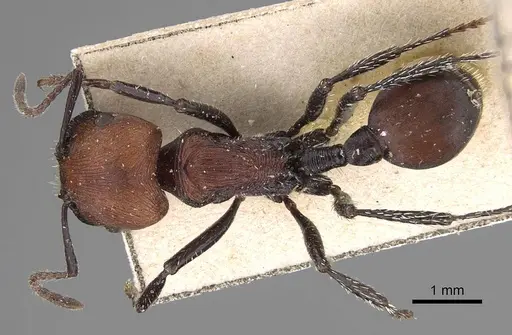
CASENT0922099
View on AntWeb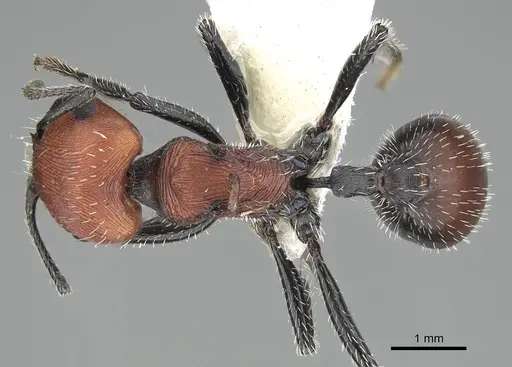
CASENT0923348
View on AntWeb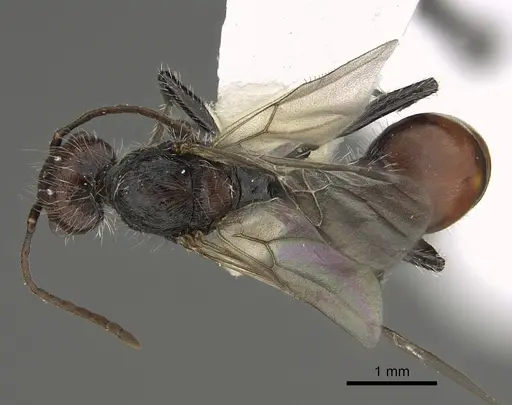
CASENT0923349
View on AntWeb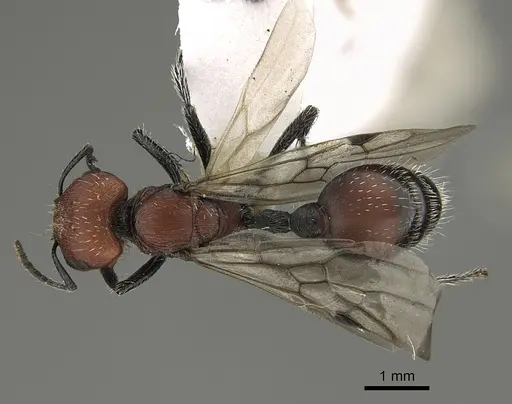
Literature
Loading...Loading products...