

Pogonomyrmex laticeps
- Scientific Name
- Pogonomyrmex laticeps
- Tribe
- Pogonomyrmecini
- Subfamily
- Myrmicinae
- Author
- Santschi, 1922
- Distribution
- Found in 1 countries
Pogonomyrmex laticeps Overview
Pogonomyrmex laticeps is an ant species of the genus Pogonomyrmex. It is primarily documented in 1 countries , including Argentina. Detailed taxonomic data and occurrence records can be further explored via authoritative databases such as AntWeb or the Global Biodiversity Information Facility (GBIF).
Pogonomyrmex laticeps
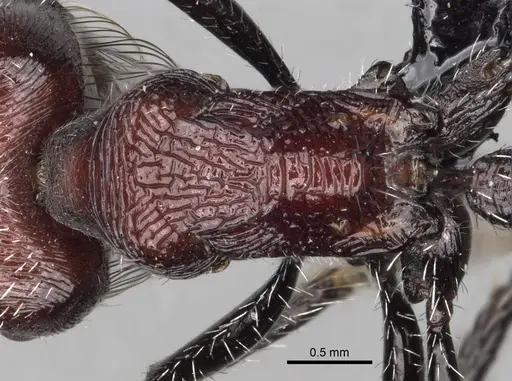
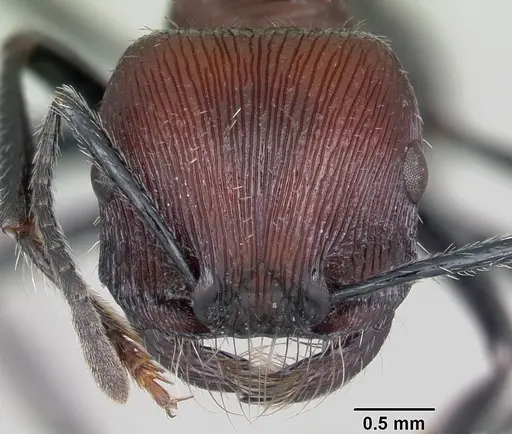
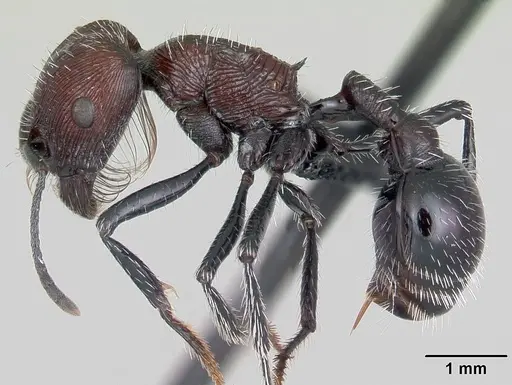
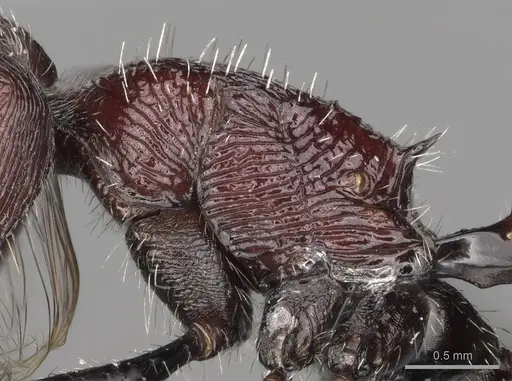
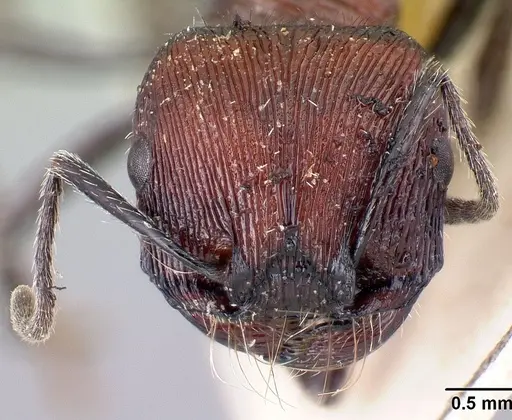
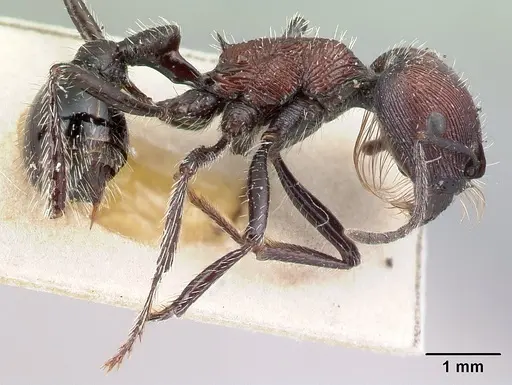
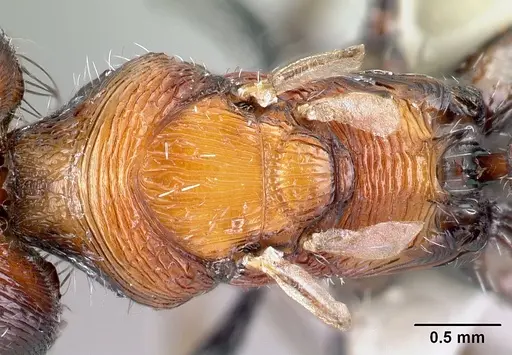
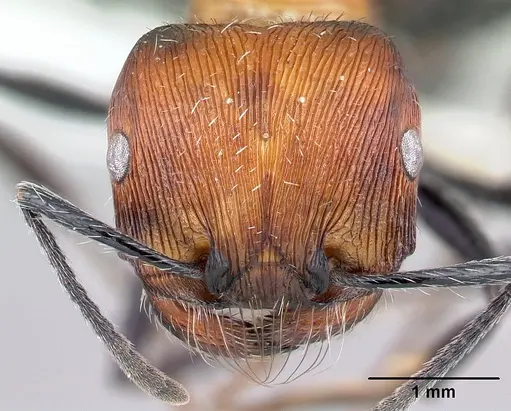
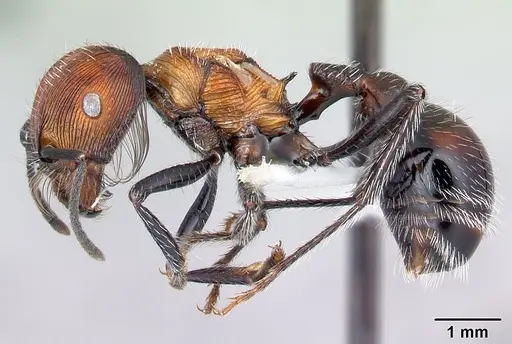
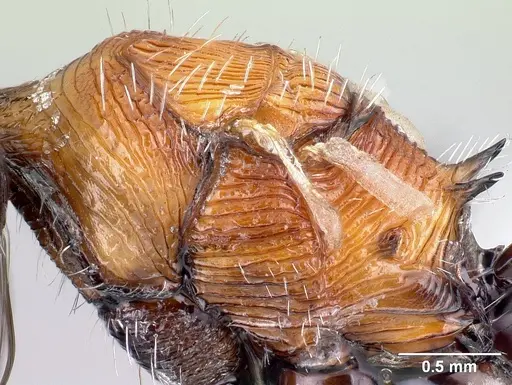
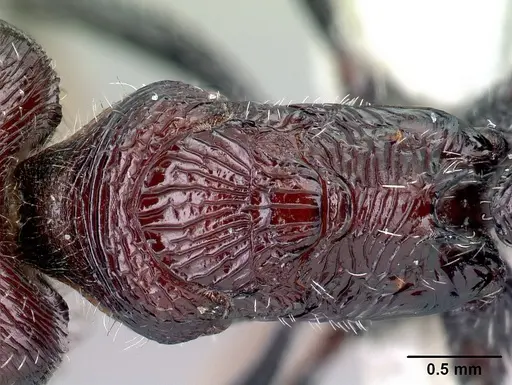
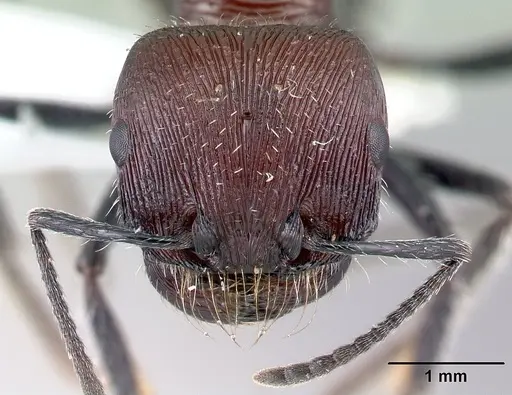
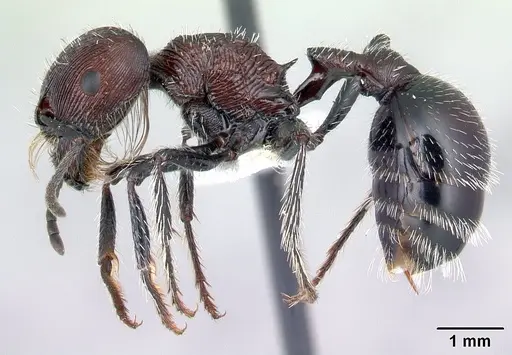
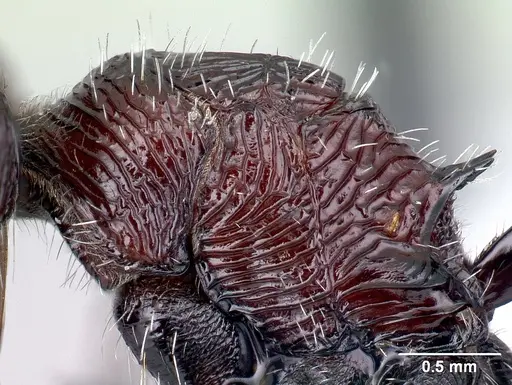
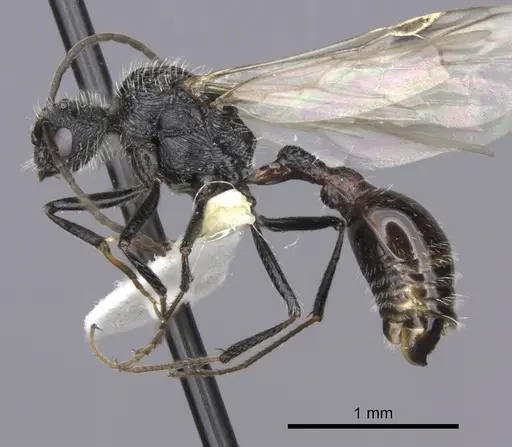
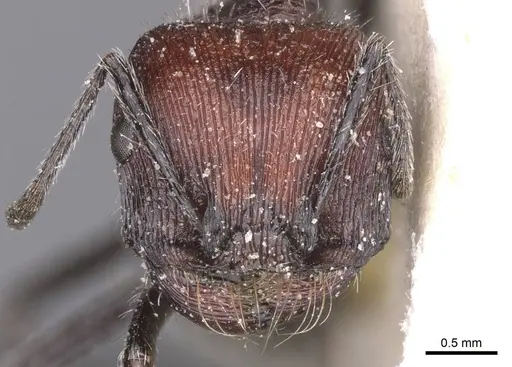
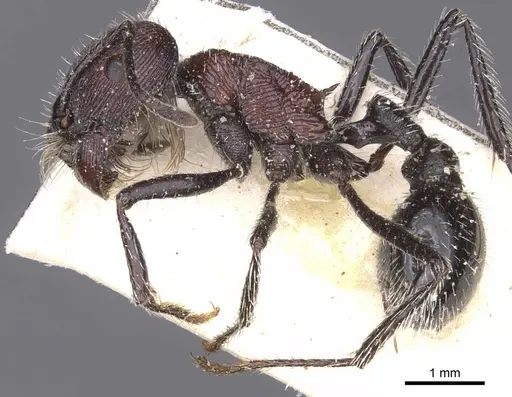
Pogonomyrmex laticeps is a medium-to-large seed-harvester ant native to Argentina, easily recognized by its dark reddish-black head and mesosoma with a black gaster. Workers measure 1.65-2.25mm in head width, making them relatively chunky harvester ants with coarse, irregular rugae (ridges) on the head and mesosoma. This species is remarkable for having two distinct non-flying queen phenotypes: ergatoid queens are permanently wingless, while brachypterous queens have short, non-functional wings. Both queen types must forage for food during colony founding, making them semi-claustral. Colonies inhabit the High Monte Desert and Dry Chaco ecoregions of northwestern to central Argentina, building nests with small mounds up to 15cm in diameter.
Quick Summary
- Difficulty: Medium
- Origin & Habitat: Argentina (High Monte Desert and Dry Chaco ecoregions), elevations 240-2135m [1]
- Colony Type: Single-queen colonies (monogyne). Colonies produce either ergatoid (wingless) OR brachypterous (short-winged) queens, not both. Both queen types can found colonies independently and are obligate foragers [2][1].
- Colony: Monogyne
- Founding: Semi-claustral
- Size & Growth:
- Queen: Ergatoid: 1.99-2.32mm HW, Brachypterous: 2.09-2.49mm HW [2]
- Worker: 1.65-2.25mm head width [1]
- Colony: Typically 300-400 workers, up to 1000 in southern parts of range [1]
- Growth: Moderate
- Development: Unknown, no direct development data available for this species (Development timeline has not been studied. Related Pogonomyrmex species typically take 6-10 weeks at warm temperatures. Expect moderate growth rate based on colony size estimates.)
- Antkeeping:
- Temperature: Keep at 24-28°C. This species comes from warm, dry desert regions of Argentina, so they prefer temperatures in the low-to-mid 20s°C. A heating cable on one side of the nest creates a gradient for them to choose their preferred temperature.
- Humidity: Keep relatively dry, these are desert-adapted ants. The nest substrate should be lightly moist but allow drying between waterings. Provide a water tube but avoid excessive moisture. Think arid to semi-arid conditions, not rainforest humidity.
- Diapause: Yes, based on seasonal activity patterns in their native habitat. Reduce temperature to 15-18°C for 2-3 months during winter months (roughly November-February in the Southern Hemisphere). This mimics their natural seasonal cycle in the Monte Desert.
- Nesting: Y-tong (AAC) nests work well for this species, or a plaster/acrylic formicarium with dry to slightly moist conditions. They prefer compact chambers and will build small mounds at nest entrances in the wild. Avoid overly humid setups.
- Behavior: These are docile but active seed-harvesting ants. Workers forage individually (solitary foragers) rather than in columns, searching for seeds and grains. They are not aggressive toward keepers and rarely bite. Their sting is present but mild, these ants are not considered dangerous to humans. Escape risk is moderate, their larger worker size (compared to tiny ants) makes them easier to contain with standard barriers, but they can still climb smooth surfaces. Use Fluon on test tube rims or formicarium edges as a precaution.
- Common Issues: semi-claustral founding means queens MUST leave the nest to forage, providing small seeds/grains near the founding chamber is essential for colony establishment, desert species prone to mold in overly humid setups, keep nesting area relatively dry, non-flying queens mate and found colonies on foot, you may observe queens walking outside during nuptial season rather than swarming, small colony sizes mean slower growth, don't overfeed or mold will develop in the nest, test tube setups need excellent escape prevention, workers can climb and will explore gaps
Housing and Nest Setup
Pogonomyrmex laticeps does well in Y-tong (AAC) nests, acrylic formicariums, or plaster nests. These are desert-adapted ants, so keep the nesting area relatively dry, moisture levels should be lower than what tropical ants require. A small water tube for drinking is sufficient, they get most of their moisture from seeds. For the founding stage, use a test tube setup with a small chamber (like a founding box or small plastic container) connected to a feeding area. The queen will need to leave the chamber to forage, so provide easy access to small seeds, grains, and a drop of sugar water. Once workers arrive, you can transition to a standard formicarium. Because they build small mounds in the wild, they do well with compact nest chambers rather than elaborate tunnel systems. [1]
Feeding and Diet
As seed harvesters, these ants primarily collect and store seeds. Offer a variety of seeds, millet, sesame, flax, and small grains work well. They will crack seeds open to eat the nutritious insides. They also accept protein sources like small insects (fruit flies, small mealworms) and will take sugar water or honey as a supplemental energy source. During founding, the queen MUST forage, provide tiny seeds and occasional small insects near her chamber. Feed established colonies seeds constantly (always available) plus protein 1-2 times per week. Remove uneaten seeds periodically to prevent mold. These ants are foragers rather than hunters, so focus on seeds as the primary food source. [1]
Temperature and Seasonal Care
Keep your colony at 24-28°C during the active season. This species comes from warm regions of Argentina (High Monte Desert and Dry Chaco), so they prefer temperatures in the low-to-mid 20s°C. A heating cable on one side of the nest creates a temperature gradient, allowing ants to regulate by moving between warmer and cooler areas. During winter (roughly November-February, matching Southern Hemisphere seasons), reduce temperature to 15-18°C for a 2-3 month diapause period. This mimics their natural seasonal cycle. Keep them slightly cooler during hibernation and reduce feeding. The colony will become less active but should not be completely frozen, room temperature during winter rest is fine if your home stays above 15°C. [1][2]
Understanding the Non-Flying Queens
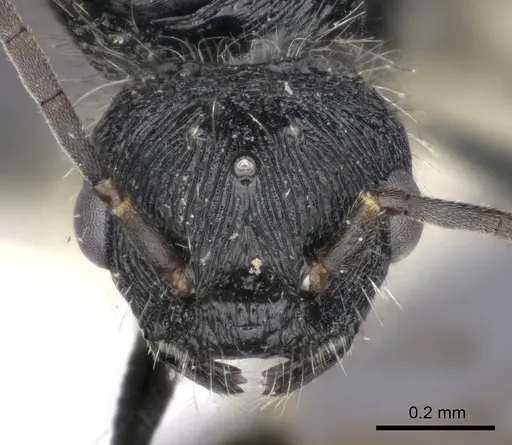
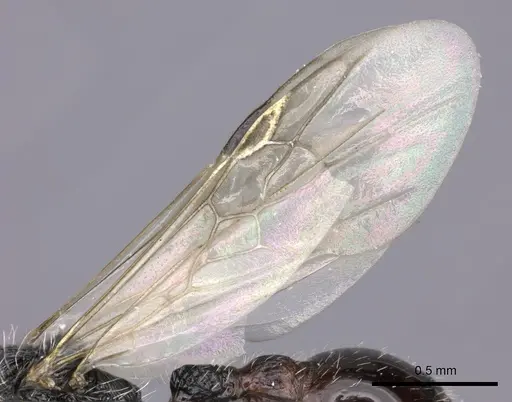
This is one of the most fascinating aspects of Pogonomyrmex laticeps, they have two completely different queen types that both cannot fly. Ergatoid queens are permanently wingless and look more like large workers with small ocelli (simple eyes) on their head. Brachypterous queens have tiny, non-functional wings that are often broken off shortly after emergence. Both types have reduced thoracic structures since they lack flight muscles. Critically for keepers: both queen types are SEMI-CLAUSTRAL, meaning they MUST leave the nest to forage during founding. They cannot survive on stored fat alone like fully claustral queens. When you receive a founding queen, she will need access to small seeds and insects right away. Queens mate on the ground (not in flight), which you may observe during the nuptial season. [2][1]
Behavior and Colony Dynamics
Pogonomyrmex laticeps is a solitary forager, workers search for seeds individually rather than forming foraging columns. This is different from some other Pogonomyrmex species that forage in groups. Colonies are relatively small compared to many ants, typically reaching 300-400 workers, though southern populations can reach 1000. Nests in the wild have a small tumulus (mound) about 15cm in diameter, sometimes with a midden of seed chaff outside. Workers are not aggressive and rarely bite. They have a mild sting but are not considered dangerous to humans. The colony structure is monogyne, one queen per colony. Different populations produce different queen types (either ergatoid OR brachypterous), so your colony will have one type or the other depending on its origin. [1][2]
Growth and Development
Colony growth is moderate, these are not fast-growing ants. The queen lays eggs that develop through larvae and pupae to become workers. No specific development timeline has been documented for this species, but related Pogonomyrmex seed-harvesters typically take 6-10 weeks from egg to worker at optimal temperatures. The first workers (nanitics) will be smaller than normal workers. Since the queen must forage during founding, growth depends on her finding enough food. Established colonies grow steadily but max out around 300-400 workers in most cases. The two queen types have similar reproductive potential (12-15 ovarioles), so both can produce substantial numbers of gynes (new queens) when the colony is mature. [2][1]
Frequently Asked Questions
How long does it take for Pogonomyrmex laticeps to produce first workers?
The exact timeline is unconfirmed for this species, but based on related Pogonomyrmex species, expect 6-10 weeks from egg to first worker at 24-28°C. Since queens are semi-claustral and must forage, growth may be slightly slower than fully claustral species.
Do Pogonomyrmex laticeps queens need to forage during founding?
Yes, this is critical. Both queen phenotypes (ergatoid and brachypterous) are semi-claustral and must leave the nest to find food. Unlike claustral queens that seal themselves in and survive on fat reserves, P. laticeps queens will starve if denied access to food. Provide small seeds and tiny insects near the founding chamber.
Can I keep multiple Pogonomyrmex laticeps queens together?
No. This species is monogyne, colonies have a single queen. Unlike some ants that can form multi-queen colonies, P. laticeps colonies will likely fight if you introduce additional queens. Only one queen per colony.
What do Pogonomyrmex laticeps ants eat?
They are seed harvesters, seeds and grains make up the bulk of their diet. Offer millet, sesame, flax, and similar small seeds. They also accept small insects (fruit flies, small mealworms) for protein and will take sugar water or honey. Seeds should be constantly available, protein can be offered 1-2 times per week.
What temperature do Pogonomyrmex laticeps need?
Keep them at 24-28°C during the active season. They prefer warm, dry conditions matching their desert habitat in Argentina. A heating cable on part of the nest creates a gradient. During winter diapause, reduce to 15-18°C.
How big do Pogonomyrmex laticeps colonies get?
Colonies typically reach 300-400 workers, with some southern populations reaching up to 1000. This is relatively small compared to many Pogonomyrmex species. Growth is moderate, expect several months to a year to reach 50+ workers.
Do Pogonomyrmex laticeps need hibernation?
Yes. Reduce temperature to 15-18°C for 2-3 months during winter (roughly November-February). This mimics their natural seasonal cycle in the Southern Hemisphere. Reduce feeding during this period.
Are Pogonomyrmex laticeps good for beginners?
They are rated Medium difficulty. The main challenge is understanding their semi-claustral founding, queens MUST forage, which is different from more common claustral species. Once established, they are straightforward to care for. Their larger size makes them easier to handle than tiny ants.
Why do some Pogonomyrmex laticeps have wings and others don't?
This species has two distinct queen types. Ergatoid queens are permanently wingless. Brachypterous queens have tiny, non-functional wings that are often broken off shortly after emergence. Both types cannot fly, they mate and disperse on foot. Different wild populations produce one type or the other.
When will my Pogonomyrmex laticeps queen lay eggs?
After mating, which occurs on the ground (not in flight). The queen will begin laying eggs once she establishes a nest chamber. Since she must forage during founding, egg-laying may be slower than claustral species. Provide good food access to encourage reproduction.
References

This caresheet is licensed under CC BY-SA 4.0 .
CASENT0103263
View on AntWeb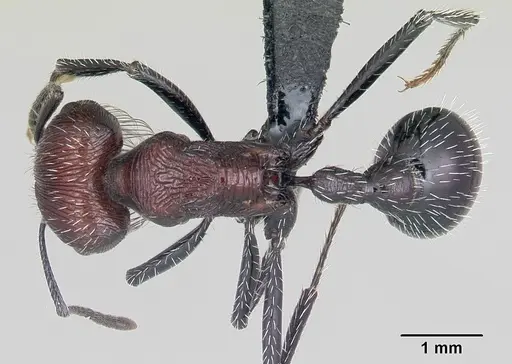
CASENT0217255
View on AntWeb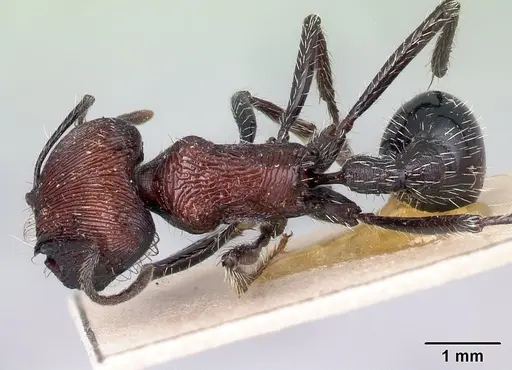
CASENT0217265
View on AntWeb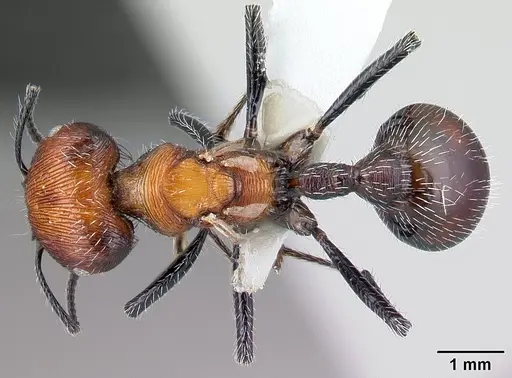
CASENT0217266
View on AntWeb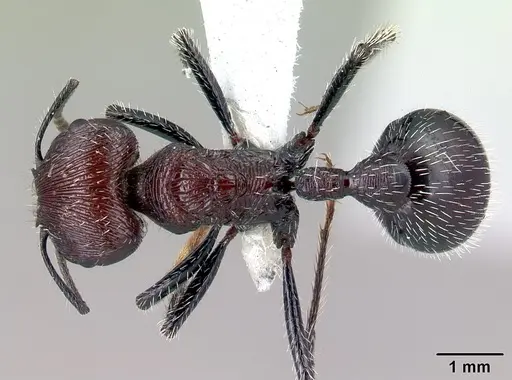
CASENT0235297
View on AntWeb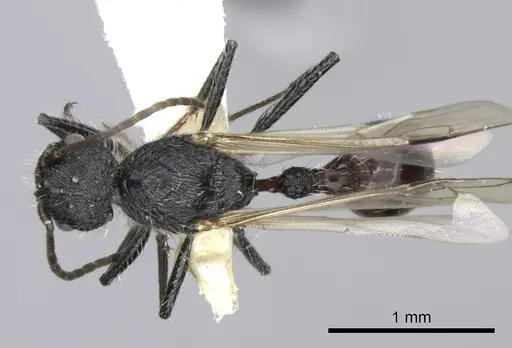
CASENT0913097
View on AntWeb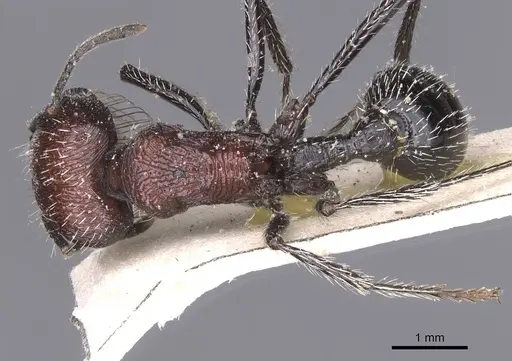
Literature
Loading...Loading products...