

Pogonomyrmex laevinodis
- Scientific Name
- Pogonomyrmex laevinodis
- Tribe
- Pogonomyrmecini
- Subfamily
- Myrmicinae
- Author
- Snelling, 1982
- Distribution
- Found in 1 countries
Pogonomyrmex laevinodis Overview
Pogonomyrmex laevinodis is an ant species of the genus Pogonomyrmex. It is primarily documented in 1 countries , including Mexico. Detailed taxonomic data and occurrence records can be further explored via authoritative databases such as AntWeb or the Global Biodiversity Information Facility (GBIF).
Pogonomyrmex laevinodis
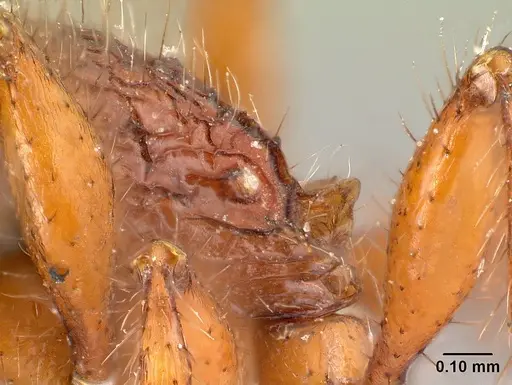
Pogonomyrmex laevinodis is a small harvester ant species endemic to the Baja California peninsula in Mexico. Workers are modest in size, typically measuring 4-6mm, with the characteristic reddish-brown to dark coloration typical of Pogonomyrmex. As a member of the pima species group, these ants are adapted to arid to semi-arid environments and are known for their seed-harvesting behavior. The genus Pogonomyrmex is famous for their painful stings, and this species is no exception, they possess a functional stinger capable of delivering venom [1]. This species represents one of the more localized Pogonomyrmex species, found only in the unique desert ecosystems of Baja California and Baja California Sur [2][3].
Quick Summary
- Difficulty: Medium
- Origin & Habitat: Baja California and Baja California Sur, Mexico, arid desert and semi-arid scrubland environments of the Nearctic-Neotropical transition zone [4][2]. Found at elevations from sea level to around 55m in coastal areas [5].
- Colony Type: Likely monogyne (single queen colonies) based on typical Pogonomyrmex patterns. Colony size reaches up to several thousand workers in mature colonies [1].
- Colony: Monogyne
- Founding: Claustral
- Size & Growth:
- Queen: Estimated 7-9mm based on genus patterns, no direct species measurement found
- Worker: 4-6mm [1]
- Colony: Several thousand workers in mature colonies [1]
- Growth: Moderate, typical for Pogonomyrmex
- Development: Estimated 6-10 weeks based on related Pogonomyrmex species at optimal temperature (Development time inferred from genus-level data, specific timing for this species unconfirmed)
- Antkeeping:
- Temperature: Keep at 24-30°C, with a warm zone around 28°C. These are desert-adapted ants that tolerate higher temperatures well [1].
- Humidity: Low to moderate, arid-adapted species. Keep nest substrate relatively dry, with a small water tube for humidity. Avoid damp conditions.
- Diapause: Yes, provide a winter rest period of 2-3 months at 10-15°C. This matches typical Pogonomyrmex overwintering requirements [1].
- Nesting: Y-tong or acrylic nests work well. Provide a sand-based substrate for their natural seed-harvesting behavior. They do well in dry, warm conditions with minimal moisture in the nest chamber.
- Behavior: These are active foragers with a strong seed-harvesting instinct. Workers forage solitarily for seeds and dead insects [6]. They are defensive and will readily sting if threatened. Escape prevention is important, while not the smallest ants, they are active and will explore gaps. Their stinger is functional and delivers a painful sting, so handle with care. They are diurnal, foraging during daylight hours.
- Common Issues: stinger inflicts painful stings, keep fingers away from colony and use caution during feeding and nest maintenance, desert species prone to mold in overly humid conditions, keep nest dry, slow founding phase means colonies take time to establish, patience required, wild-caught colonies may have parasites or diseases that cause colony failure, seed-harvesting behavior requires appropriate substrate and food variety
Housing and Nest Setup
Pogonomyrmex laevinodis does well in Y-tong (acrylic) nests or test tube setups. As a desert species, they prefer dry conditions in the nest chamber itself. Provide a sand or sandy-soil mixture in the outworld to allow their natural seed-harvesting behavior. A small water tube for humidity is sufficient, avoid creating damp conditions in the nest. These ants are moderate escape artists, ensure your setup has tight-fitting lids and consider Fluon on container edges. The outworld should be simple with a sand substrate deep enough for them to manipulate and store seeds. [1]
Feeding and Diet
As harvester ants, P. laevinodis primarily collects and consumes seeds [6]. In captivity, offer a variety of seeds including grass seeds, millet, and commercial ant seed mixes. They also accept dead insects as a protein source [6]. Offer small insects like fruit flies, small crickets, or mealworms periodically. Sugar water or honey can be offered occasionally but is not a primary food source for this seed-harvester. Fresh seeds should always be available in the outworld. Remove any moldy seeds promptly to prevent contamination.
Temperature and Heating
These desert-adapted ants thrive at warm temperatures between 24-30°C, with an ideal zone around 28°C. Provide heat using a heating cable or heating mat placed on one side of the nest to create a temperature gradient. This allows the colony to self-regulate by moving between warmer and cooler areas. During summer active months, room temperature in the low-to-mid 20s°C is often adequate. In winter, they require a diapause period, reduce temperature to 10-15°C for 2-3 months to simulate natural seasonal cycles. This rest period is important for colony health and queen reproduction. [1]
Behavior and Defense
Pogonomyrmex laevinodis workers are defensive and will aggressively defend their nest. They possess a functional stinger and will use it when threatened, the sting is painful to humans, similar to other Pogonomyrmex species. Workers forage solitarily, leaving the nest to search for seeds and small insects [6]. They are diurnal and most active during daylight hours. When keeping this species, avoid disturbing the nest unnecessarily and use caution during feeding and maintenance. They are not aggressive toward humans unless provoked, but a defensive response is quick and decisive.
Colony Development
Colony founding is claustral, the queen seals herself in a chamber and raises the first workers on her stored fat reserves. This founding phase can take several months. Initial workers (nanitics) are smaller than mature workers but will begin foraging once the colony has a small worker population. Growth is moderate, expect 6-10 weeks from egg to first worker based on genus patterns. Mature colonies can reach several thousand workers over several years. The colony grows fastest during warm summer months when foraging activity is highest. Regular feeding with seeds and protein supports healthy colony development. [1]
Frequently Asked Questions
How long does it take for Pogonomyrmex laevinodis to produce first workers?
Expect 6-10 weeks from egg to first worker at optimal temperature (around 28°C). This is based on typical Pogonomyrmex development patterns, specific timing for this species may vary.
What do Pogonomyrmex laevinodis eat?
They are seed-harvesters, offer a variety of seeds like grass seeds, millet, and commercial ant seed mixes. They also accept dead insects as protein. Sugar water can be offered occasionally.
Can I keep multiple Pogonomyrmex laevinodis queens together?
No, this species is monogyne (single queen). Multiple unrelated queens will fight. Only keep one queen per colony.
Do Pogonomyrmex laevinodis need hibernation?
Yes, provide a winter rest period of 2-3 months at 10-15°C. This simulates their natural seasonal cycle in the Baja California desert.
What temperature is best for Pogonomyrmex laevinodis?
Keep them warm at 24-30°C, ideally around 28°C. They are desert-adapted and tolerate heat well.
How big do Pogonomyrmex laevinodis colonies get?
Mature colonies can reach several thousand workers over several years.
Are Pogonomyrmex laevinodis good for beginners?
They are medium difficulty, not the easiest but manageable for intermediate antkeepers. Their sting and desert habitat requirements make them better suited for those with some experience.
When should I move Pogonomyrmex laevinodis to a formicarium?
Wait until the colony has at least 50-100 workers and is actively using the outworld space. For this species, a test tube setup works well for the founding phase, then transition to a Y-tong or acrylic nest as the colony grows.
Why is my Pogonomyrmex laevinodis colony declining?
Common causes include: too much humidity (they prefer dry conditions), poor nutrition (ensure seeds and protein are available), temperature issues (too cold or inconsistent), or parasites. Check that the nest is dry, food is varied, and temperatures are stable.
References

This caresheet is licensed under CC BY-SA 4.0 .
CASENT0006280
View on AntWeb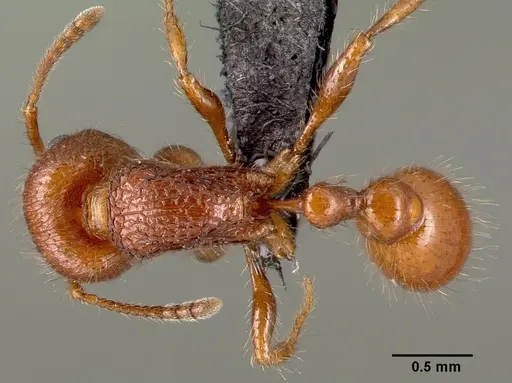
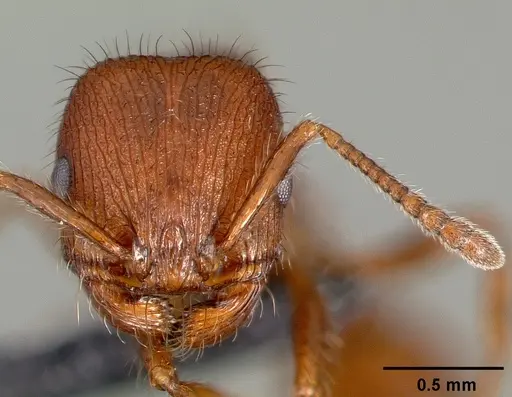
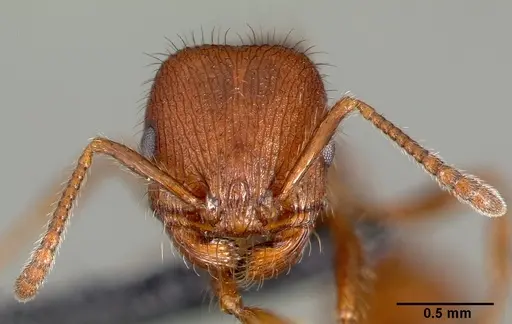
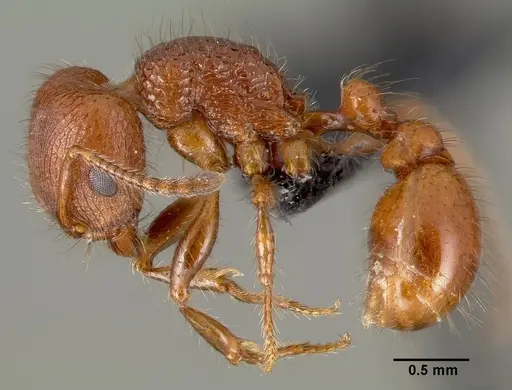
CASENT0217271
View on AntWeb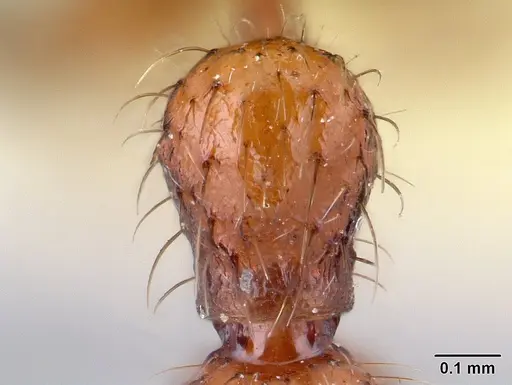
Literature
Loading...Loading products...