

Pogonomyrmex inermis
- Scientific Name
- Pogonomyrmex inermis
- Tribe
- Pogonomyrmecini
- Subfamily
- Myrmicinae
- Author
- Forel, 1914
- Distribution
- Found in 1 countries
Pogonomyrmex inermis Overview
Pogonomyrmex inermis is an ant species of the genus Pogonomyrmex. It is primarily documented in 1 countries , including Argentina. Detailed taxonomic data and occurrence records can be further explored via authoritative databases such as AntWeb or the Global Biodiversity Information Facility (GBIF).
Pogonomyrmex inermis
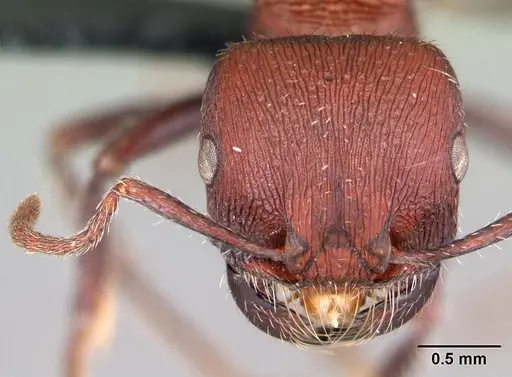
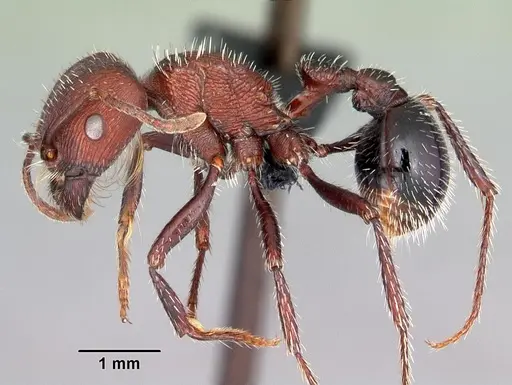
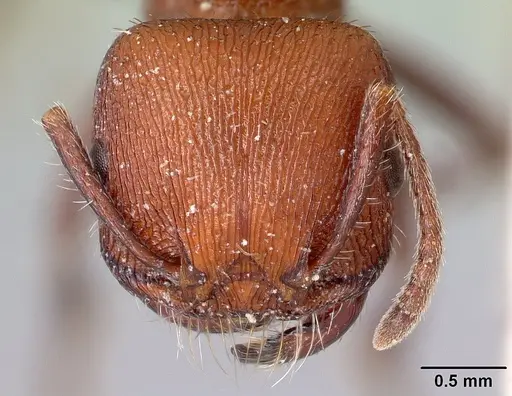
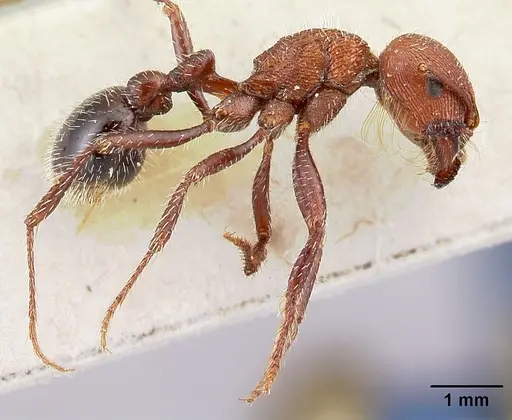
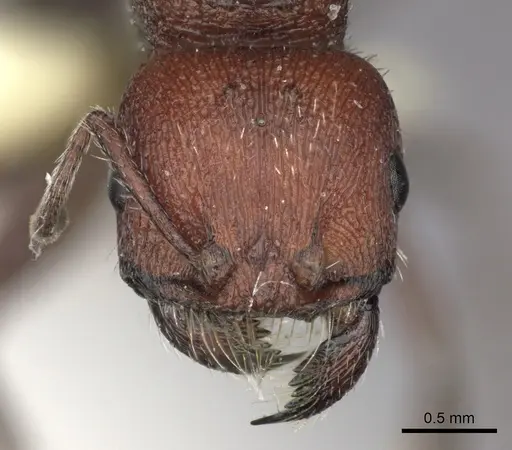
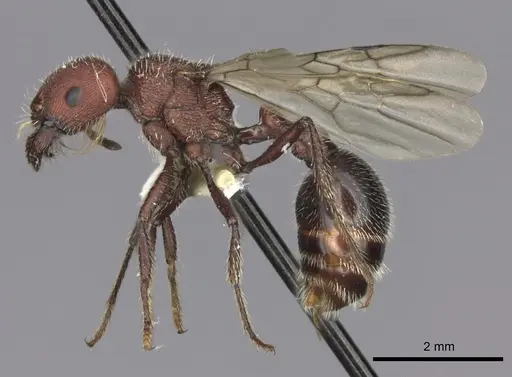
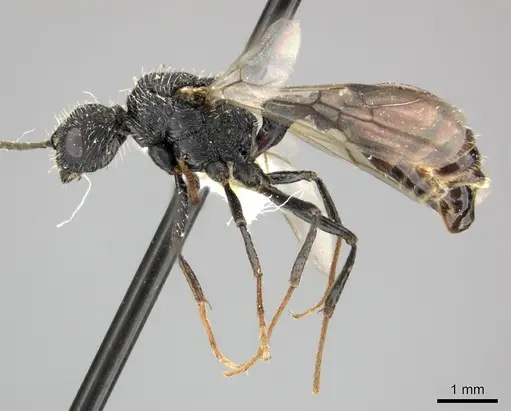
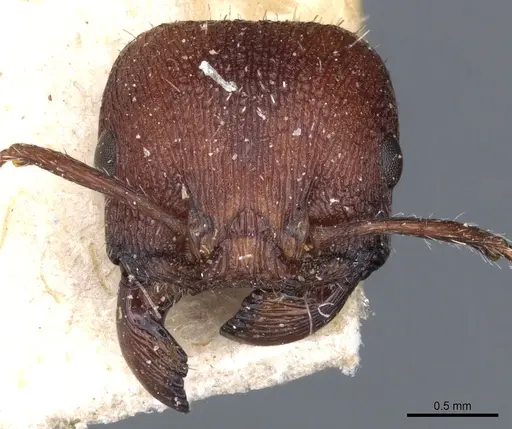
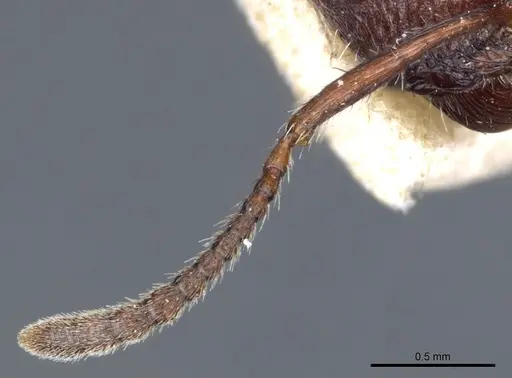
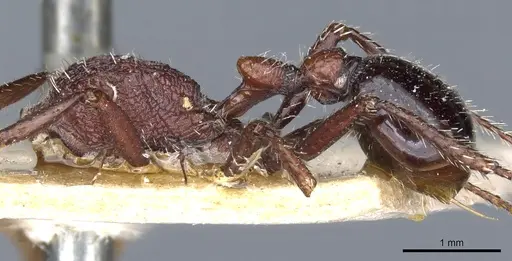
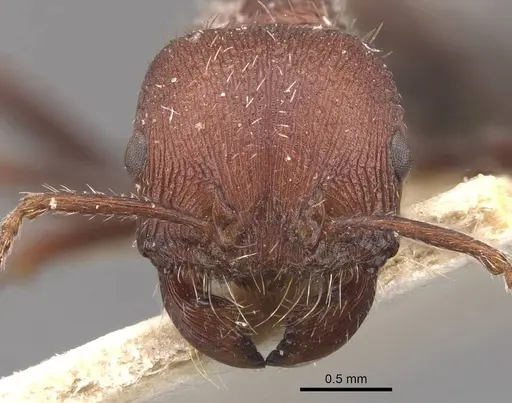
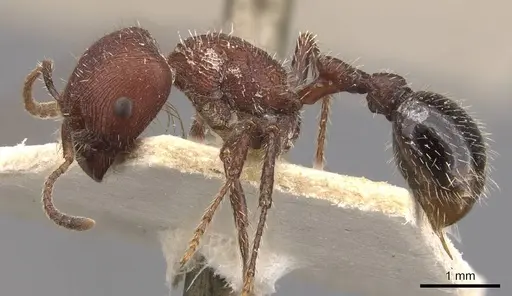
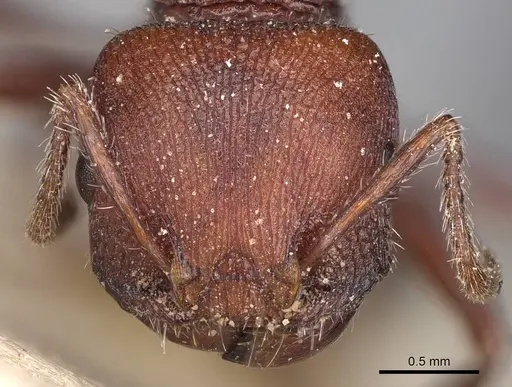
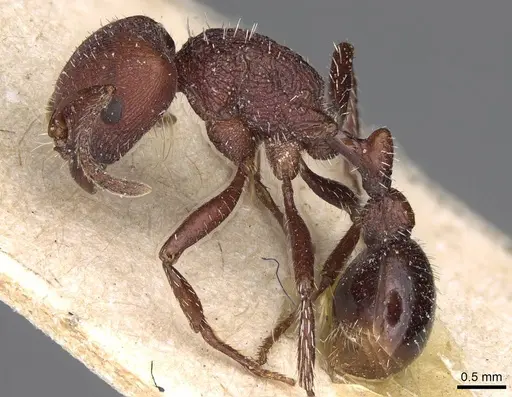
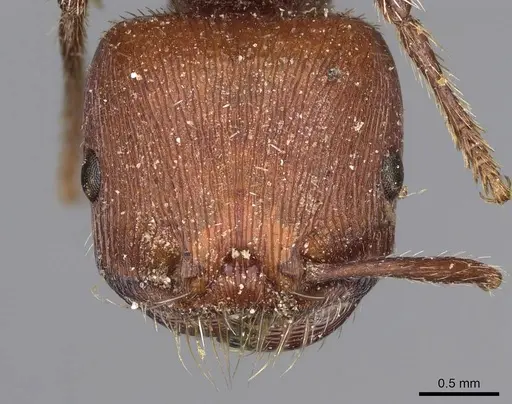
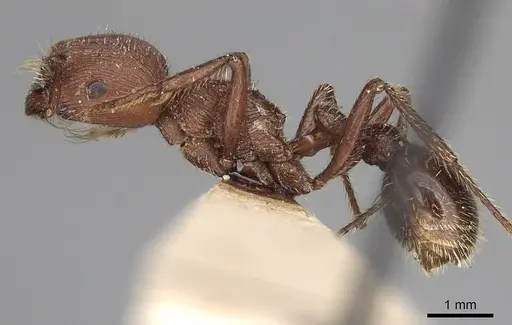
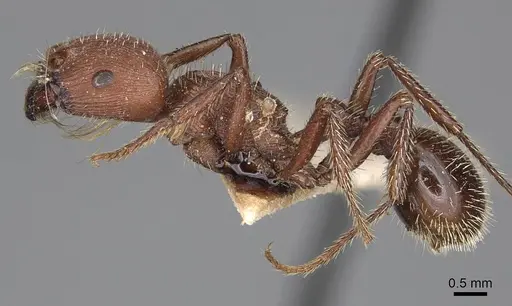
Pogonomyrmex inermis is a small seed-harvesting ant native to Argentina, measuring 1.6-1.9mm for workers. The species name 'inermis' means 'unarmed' in Latin, referring to its lack of prominent propodeal spines, a key identification feature within the bispinosus species group [1]. Workers are tannish-brown with a notably darker gaster, and they have well-developed psammophore (specialized hairs for carrying sand particles). This ant is one of the more well-studied Pogonomyrmex species in Argentina, known for its highly specialized granivorous diet focused on grass seeds [2]. Colonies are relatively small for the genus, typically containing 200-1000 workers, with distinctive large seed chaff middens (15-20cm diameter) surrounding nest entrances [3].
Quick Summary
- Difficulty: Medium
- Origin & Habitat: Central Monte Desert, Argentina (elevations 95-1370m). Found in Lower Monte Desert, southern Humid Chaco, southern Espinal, and southwestern Humid Pampas ecoregions [4].
- Colony Type: Haplometrotic (single-queen colonies). Queens are polyandrous, mating with an average of 6-7 males [4].
- Colony: Monogyne
- Founding: Claustral
- Size & Growth:
- Antkeeping:
- Temperature: Keep nest around 20-24°C with a gentle gradient. Activity patterns show they are active when soil temperatures exceed 20°C in spring/autumn, and avoid extreme heat above 60°C surface temperature in summer [5].
- Humidity: Low, desert species. Keep substrate dry to moderately moist, avoid damp conditions. Provide a dry area for seed storage.
- Diapause: Yes, seasonal dormancy from roughly May to September (autumn/winter in Argentina). Activity occurs October through April [5].
- Nesting: Naturalistic setup with dry, sandy substrate works well. Provide areas for external waste piles (seed chaff middens). Y-tong or plaster nests with dry conditions are suitable. Nest chambers at 2-3cm depth initially, with deeper chambers up to 1.3m [3].
- Behavior: Workers are diurnal and use group foraging with limited recruitment, they do not form conspicuous trails but concentrate foraging in 2-3 well-defined directions [3]. They are not aggressive but will defend their nest. Foraging range is small, typically 3-4m from nest [5]. Escape risk is moderate, use standard barrier methods.
- Common Issues: overhydration, desert species prone to mold in damp conditions, dietary specialization, may refuse non-grass seeds, requiring specific grass seed offerings, small colony size means slower growth than larger Pogonomyrmex species, external waste piles require space outside the nest area, hibernation timing differs from Northern Hemisphere, adjust to Southern Hemisphere seasons
Housing and Nest Setup
Pogonomyrmex inermis does well in a naturalistic setup with dry, sandy substrate. In the wild, they build nests with single entrances and shallow first chambers at 2-3cm depth, with tunnels forming a network within about 40cm of the entrance and the deepest chambers reaching 1.3m [3]. For captivity, a Y-tong nest or plaster formicarium with dry conditions works well. A critical feature is providing space for external waste piles, these ants create conspicuous seed chaff middens (15-20cm diameter) near the nest entrance where they discard unusable seed parts [3]. Without space for this behavior, colonies may become stressed. Use a test tube setup for founding colonies, then transition to a more naturalistic setup as the colony grows.
Feeding and Diet
This species is a specialized granivore with a strong preference for grass seeds. In the Monte Desert, their diet consists almost exclusively of grass seeds including Pappophorum spp., Digitaria californica, Trichloris crinita, and Stipa ichu [2]. They show much lower preference for non-grass seeds [6]. Workers forage individually or in small groups, concentrating on areas close to the nest (typically 3-4m) in exposed microsites near grasses [5]. In captivity, offer a variety of grass seeds, you can collect dried grass seed heads from your area or purchase millet, canary grass seed, or similar small grass seeds. They prefer larger grass seeds but will also consume smaller ones [2]. Unlike some Pogonomyrmex that accept protein, this species is highly specialized on seeds. Offer a small dish of mixed grass seeds constantly, and remove any moldy seeds promptly.
Temperature and Seasonal Care
Keep the nest area at roughly 20-24°C with a gentle gradient. In the wild, these ants are active from October through April when soil temperatures exceed 20°C [5]. They adjust their daily activity pattern seasonally: unimodal (single peak at midday) in spring and autumn, but bimodal in summer with peaks in morning and afternoon to avoid extreme surface soil temperatures above 60°C [5]. This means you should provide a cooler area in summer if your room is warm. During the inactive season (roughly May-September), reduce temperature to around 15-18°C to simulate winter. Do not feed during this dormancy period. The key is matching their activity cycle to Southern Hemisphere seasons if possible, or simply reducing food and temperature during winter months.
Foraging Behavior
Unlike many Pogonomyrmex species that form obvious foraging columns, P. inermis uses a group foraging strategy with limited recruitment [3]. Workers leave the nest in a few well-defined directions rather than spreading out in all directions. They do not form conspicuous trails to high-density seed patches, and recruitment seems limited by the small number of foragers [3]. Only about 15% of workers in a colony are foragers, roughly 47-70 foragers per colony [5]. When you observe your colony, you will see workers departing in specific directions rather than a chaotic spread. This is normal behavior. They are also capable of detecting seed availability and adjusting their activity accordingly, when preferred seeds become available near the nest, colonies notably increase foraging activity [5].
Colony Growth and Development
Colonies are relatively small for Pogonomyrmex, typically reaching 200-1000 workers [5]. Two excavated wild colonies contained 299 and 997 workers respectively, plus 54 larvae/pupae on average [3]. Growth is moderate, expect several months for first workers (nanitics) to emerge after founding. Queens are polyandrous, mating with an average of 6-7 males, which may contribute to colony genetic diversity and resilience [4]. Nuptial flights occur during the austral summer (December-January) based on collection dates of sexuals and finding dealate queens in January [4]. If you are breeding this species, mimic these conditions for mating flights.
Common Problems
The biggest challenge with P. inermis is their dietary specialization, they strongly prefer grass seeds and may ignore other foods. If your colony refuses seeds, try collecting fresh grass seed heads from your area (ensure they are pesticide-free). Overhydration is a serious issue, as a desert species, they are prone to fungal problems in damp conditions. Keep the nest substrate dry, providing only a small water tube for drinking. Escape risk is moderate, standard barriers work well but ensure connections between outworld and nest are secure. Finally, remember they need space for waste disposal, without an area to create their characteristic seed chaff middens, they may struggle. If using a formicarium, provide an outworld space where they can discard seed husks. [2][3]
Frequently Asked Questions
What do Pogonomyrmex inermis eat?
They are specialized seed eaters, almost exclusively grass seeds. Offer varieties like Pappophorum, Digitaria, or store-bought grass seeds (millet, canary grass). They prefer larger grass seeds but will eat smaller ones too. Unlike other Pogonomyrmex, they rarely accept protein or insects.
How long does it take for first workers to appear?
Exact development time is unconfirmed, but based on typical Pogonomyrmex patterns, expect 8-12 weeks from egg to worker at optimal temperature (around 22°C). Founding colonies may take several months to establish.
Do Pogonomyrmex inermis need hibernation?
Yes, they are seasonally active (October-April) and enter dormancy during the cooler months. Reduce temperature to 15-18°C and stop feeding during winter. If keeping in the Northern Hemisphere, this means reduced activity roughly May-September.
How big do colonies get?
Colonies reach 200-1000 workers, making them relatively small for Pogonomyrmex. Average is around 300-500 workers. Only about 15% are foragers.
Can I keep multiple queens together?
No. This species is haplometrotic, colonies have a single queen. Multiple queens will fight. Only combine unrelated queens during pleometrosis if documented (which it is not for this species).
What makes Pogonomyrmex inermis different from other Pogonomyrmex?
They lack prominent propodeal spines (the 'inermis' name means 'unarmed'), have the smallest body size among Monte Desert Pogonomyrmex, show very limited recruitment foraging, and create conspicuous external waste piles. Their diet is more restricted to grass seeds than related species.
What nest type is best?
A naturalistic setup with dry, sandy substrate works best. Y-tong or plaster nests with low humidity are suitable. Critical requirement: provide space outside the nest for seed chaff waste piles, this is a natural behavior they must perform.
Why are my ants not foraging?
Check if it is during their inactive season (roughly May-September). Also verify temperature is above 20°C when they should be active. Low grass seed abundance triggers reduced activity, try offering fresh preferred seeds.
Are they good for beginners?
Moderate difficulty. Their dietary specialization and need for external waste space make them slightly more challenging than generalist seed-eaters. However, their small colony size and docile nature are manageable for intermediate keepers.
References

This caresheet is licensed under CC BY-SA 4.0 .
CASENT0102694
View on AntWeb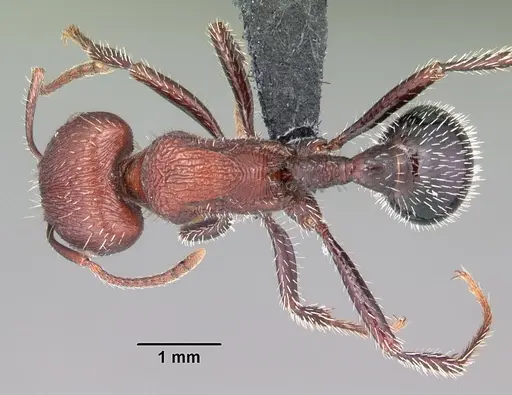
CASENT0217257
View on AntWeb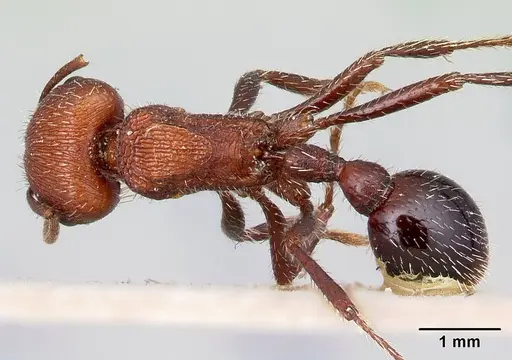
CASENT0235305
View on AntWeb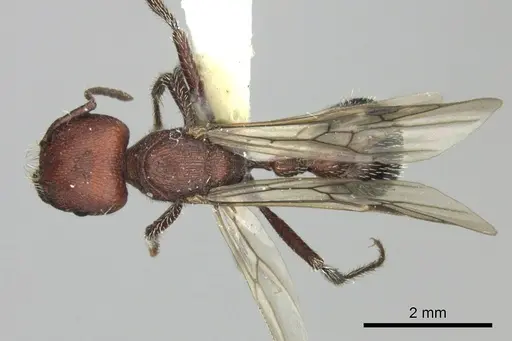
CASENT0235306
View on AntWeb
CASENT0904106
View on AntWeb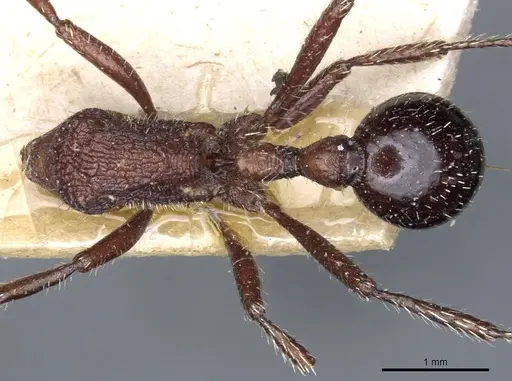
CASENT0907671
View on AntWeb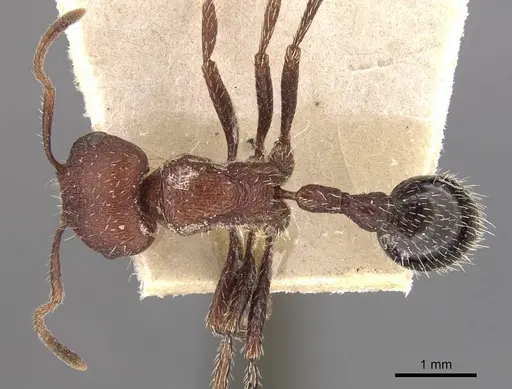
CASENT0914203
View on AntWeb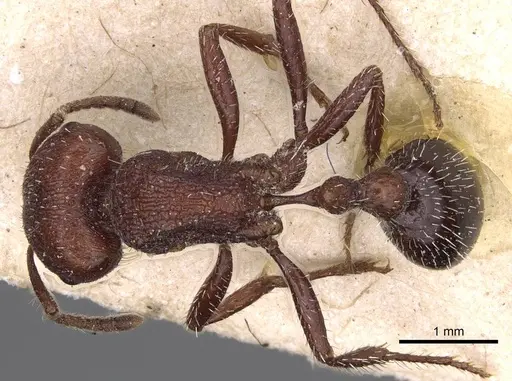
CASENT0914207
View on AntWeb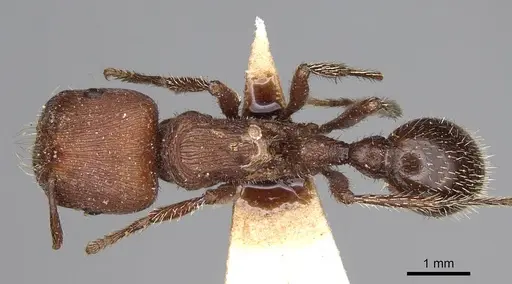
Literature
Loading...Loading products...