

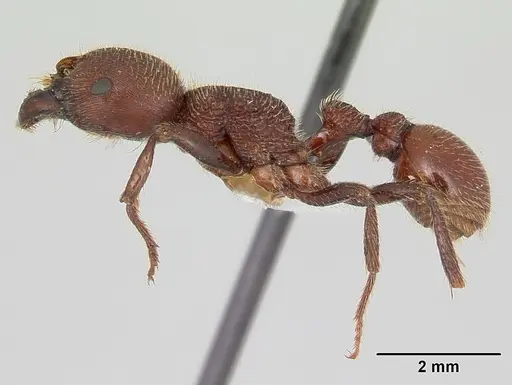
Pogonomyrmex humerotumidus
- Scientific Name
- Pogonomyrmex humerotumidus
- Tribe
- Pogonomyrmecini
- Subfamily
- Myrmicinae
- Author
- Vásquez-Bolaños & Mackay, 2004
- Distribution
- Found in 1 countries
Pogonomyrmex humerotumidus Overview
Pogonomyrmex humerotumidus is an ant species of the genus Pogonomyrmex. It is primarily documented in 1 countries , including Mexico. Detailed taxonomic data and occurrence records can be further explored via authoritative databases such as AntWeb or the Global Biodiversity Information Facility (GBIF).
Pogonomyrmex humerotumidus
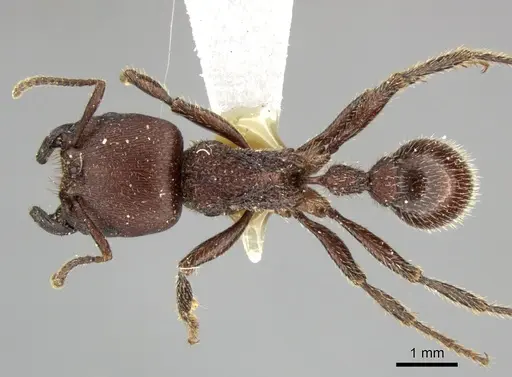
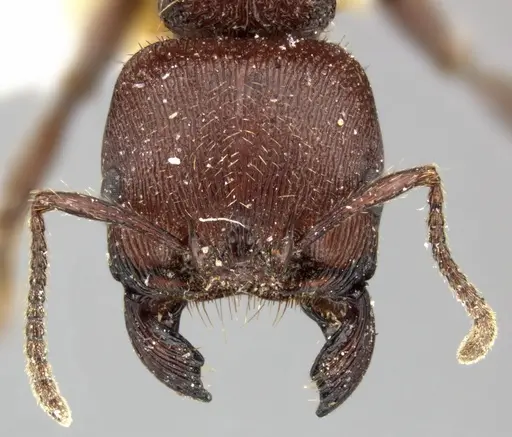
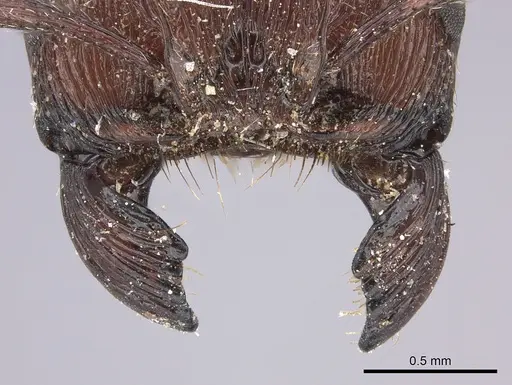
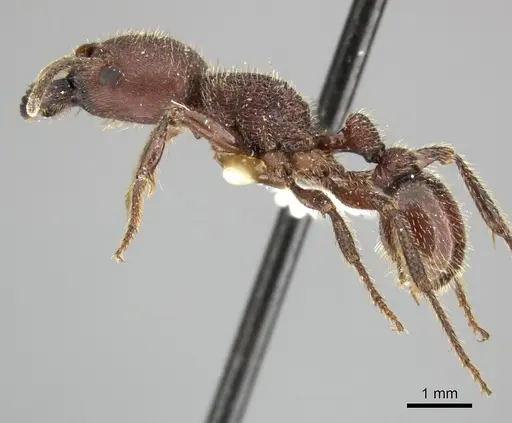
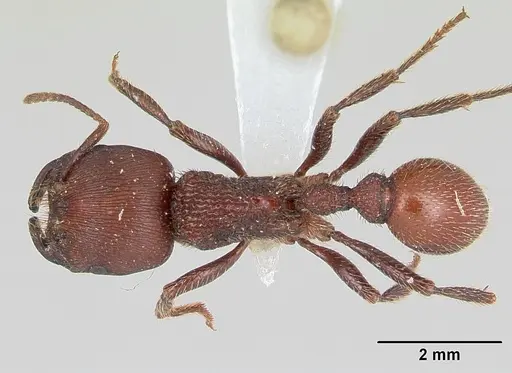
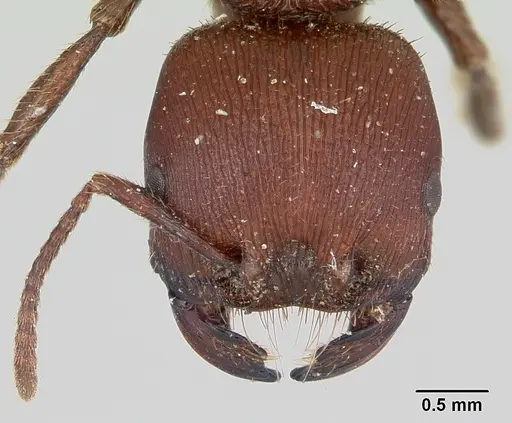
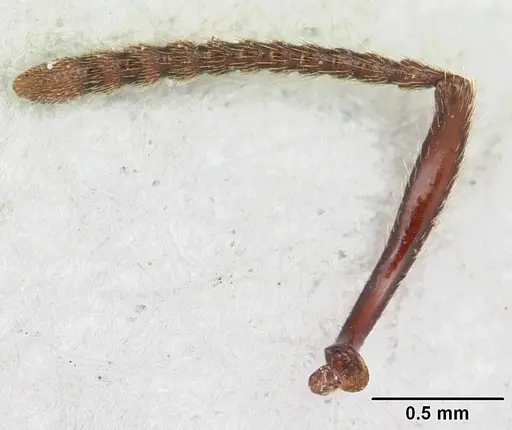
Pogonomyrmex humerotumidus is a small harvester ant endemic to western Mexico, specifically found in Michoacán and Jalisco states. Workers were originally described in 2004 by Vásquez-Bolaños and Mackay, making this a relatively recently described species [1]. The species belongs to the guatemaltecus group within Pogonomyrmex, a genus known for seed-harvesting behavior and potent stings. These ants are part of the Myrmicinae subfamily and are adapted to the warm, dry conditions of their native Mexican habitat. As a Pogonomyrmex species, they likely possess the characteristic robust build and specialized mandibles for seed processing that define this genus.
Quick Summary
- Difficulty: Medium
- Origin & Habitat: Native to western Mexico, specifically Michoacán and Jalisco states. This species inhabits the Neotropical region at elevations around 195 meters in areas like La Huacana, Michoacán [2]. They likely nest in soil in warm, dry to semi-arid habitats typical of Pogonomyrmex species.
- Colony Type: Unconfirmed. Most Pogonomyrmex species are monogyne (single-queen colonies), but colony structure has not been documented for this specific species.
- Size & Growth:
- Queen: Unknown, not described in original worker description or subsequent literature
- Worker: Unknown, only the worker caste has been described [1]
- Colony: Unknown, no colony size data available
- Growth: Unknown
- Development: Unconfirmed, likely 6-10 weeks based on typical Pogonomyrmex development patterns (Development timeline has not been directly studied. Related Pogonomyrmex species typically develop from egg to worker in 6-10 weeks at optimal temperatures.)
- Antkeeping:
- Temperature: Keep warm, around 24-28°C. Pogonomyrmex species thrive in warm conditions reflecting their native desert and semi-arid habitats. A heating cable on one side of the nest creates a suitable gradient.
- Humidity: Low to moderate humidity. These are dryland ants, keep the nest relatively dry with just minimal moisture. Allow the substrate to dry between waterings.
- Diapause: Likely required. Most Pogonomyrmex species from temperate and subtropical regions benefit from a winter rest period of 2-3 months at reduced temperatures (10-15°C).
- Nesting: Use a dry, well-drained nest setup. Y-tong (acrylic) nests or plaster nests work well for Pogonomyrmex. Avoid overly humid conditions that can cause fungal problems.
- Behavior: Pogonomyrmex humerotumidus is likely similar to other harvester ants in this genus, they are active foragers that collect seeds and may tend aphids for honeydew. All Pogonomyrmex species have functional stingers and can deliver painful stings if provoked. They are likely more defensive than typical house ants. Escape prevention is important though they are not particularly small. Workers likely forage individually rather than using chemical recruitment trails.
- Common Issues: limited data makes specific care requirements uncertain, use genus-level guidance, sting pain potential means handling should be minimized, overheating risk is greater than for temperate species, avoid temperatures above 35°C, dry nesting conditions are critical, too much humidity can kill colonies, wild-caught colonies may have parasites that affect survival in captivity
Species Identification and Background
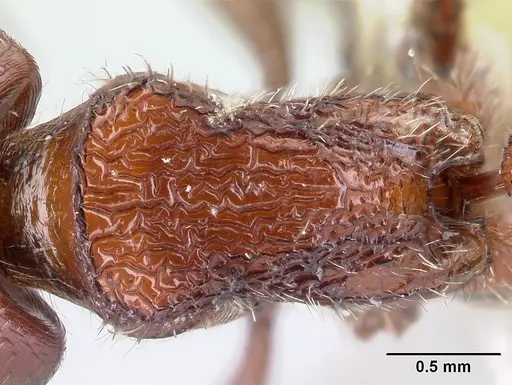
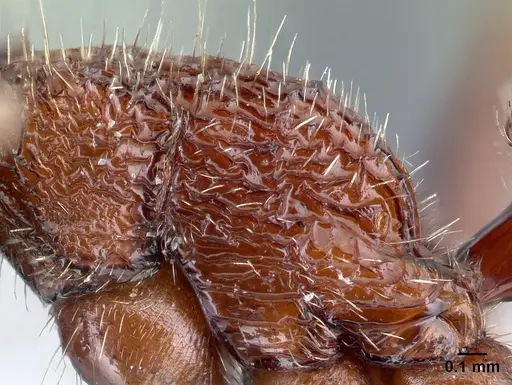
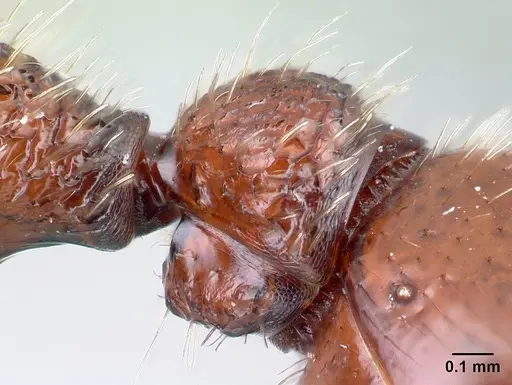
Pogonomyrmex humerotumidus was formally described in 2004 by Vásquez-Bolaños and Mackay, making it one of the more recently described species in this genus [1]. The species name 'humerotumidus' refers to the swollen appearance of the humeral area (the shoulder region of the ant's thorax). This ant belongs to the guatemaltecus species group, which contains several similar-looking harvester ant species found throughout Mexico and Central America. Only the worker caste has been described, queen and male castes remain undescribed in scientific literature. The species is endemic to western Mexico, with confirmed records from Michoacán and Jalisco states [1][2].
Natural History and Foraging Behavior
As a Pogonomyrmex species, P. humerotumidus is likely a seed-harvesting ant that collects and stores seeds as a primary food source, similar to other members of this genus. These ants typically create nests in soil, often with characteristic crater-shaped entrances. Workers forage individually, gathering seeds and possibly tending aphids for honeydew. The genus is known for its aggressive defense of nest entrances and foragers. While specific foraging behavior has not been documented for this species, related Pogonomyrmex species are known to be active foragers during warmer parts of the day, avoiding extreme midday heat. Their sting is a primary defense mechanism, Pogonomyrmex stings are known to be quite painful and can cause allergic reactions in sensitive individuals.
Housing and Nest Setup
For Pogonomyrmex humerotumidus, use a dry nest setup that mimics their native semi-arid habitat. Y-tong (acrylic) nests or plaster nests work well, providing good visibility while allowing control over humidity levels. These ants prefer nesting chambers that are not overly moist. A test tube setup can work for founding colonies, but transition to a proper nest once the colony reaches 20-30 workers. Ensure the outworld (foraging area) is escape-proof, while not tiny ants, they are agile and determined. Provide a sand or soil substrate in the outworld if you want to observe natural foraging behavior. A water tube should be available but positioned so the nest area stays dry.
Feeding and Nutrition
Pogonomyrmex humerotumidus likely feeds primarily on seeds, which they harvest and store in granaries within their nest, this is the characteristic behavior that gives the genus its common name 'harvester ants.' Offer a variety of small seeds appropriate for ant consumption, such as grass seeds, millet, or commercially available ant seed mixes. They will also likely accept protein sources like small insects (fruit flies, small crickets, mealworms) and may collect honeydew from aphids if available. Sugar water or honey can be offered occasionally, though seeds should form the staple diet. Feed seeds continuously and protein 1-2 times per week, adjusting based on colony consumption.
Temperature and Seasonal Care
Keep Pogonomyrmex humerotumidus at warm temperatures, ideally 24-28°C. These ants are adapted to warm conditions and will be most active and grow fastest when kept warm. A heating cable placed on one side of the nest creates a temperature gradient allowing ants to regulate their own temperature. During winter, reduce temperatures to around 10-15°C for 2-3 months to simulate natural seasonal changes. This winter rest period (diapause) helps maintain colony health and may trigger reproductive behavior in spring. Avoid temperatures below 5°C or above 35°C.
Handling and Safety
All Pogonomyrmex species possess a functional stinger and can deliver painful stings. This species should be handled with care, use gentle puffing from formicarium adapters or plastic tubes for transport rather than direct handling. If stung, the pain is typically sharp and can last for several minutes, some individuals may have allergic reactions requiring medical attention. When working with the colony, do so in a well-lit area where escapes can be quickly noticed. Keep the ant keeping area clean of food spills to reduce aggressive foraging outside the nest.
Frequently Asked Questions
How long does it take for Pogonomyrmex humerotumidus to produce first workers?
The exact development timeline has not been documented for this species. Based on typical Pogonomyrmex development patterns, expect first workers (nanitics) approximately 6-10 weeks after the queen lays eggs, assuming optimal temperatures around 26°C. Growth rate depends heavily on temperature and feeding.
What do Pogonomyrmex humerotumidus ants eat?
Like other harvester ants in this genus, they primarily eat seeds. Offer a variety of small seeds (grass, millet, commercial ant seed mixes) as a staple diet. They also accept protein sources like small insects and may take honeydew from aphids or sugar water occasionally.
What temperature should I keep Pogonomyrmex humerotumidus at?
Keep them warm at 24-28°C. A heating cable on part of the nest creates a gradient. They are adapted to warm, dry conditions and will be most active in this temperature range.
Do Pogonomyrmex humerotumidus colonies need hibernation?
Likely yes. Most Pogonomyrmex species benefit from a winter rest period of 2-3 months at reduced temperatures (10-15°C). This helps maintain colony health and may trigger spring reproduction.
How big do Pogonomyrmex humerotumidus colonies get?
Colony size has not been documented for this specific species. Most Pogonomyrmex species form colonies of several hundred to a few thousand workers. Expect moderate growth over several years.
Is Pogonomyrmex humerotumidus a good species for beginners?
This is a medium-difficulty species. While not as challenging as some exotic ants, the limited species-specific data means you should have some ant-keeping experience. Their sting and specific temperature/humidity needs require attention.
Can I keep multiple Pogonomyrmex humerotumidus queens together?
Colony structure has not been documented for this species. Most Pogonomyrmex are monogyne (single queen). Until documented otherwise, it is not recommended to house multiple unrelated queens together.
What type of nest should I use for Pogonomyrmex humerotumidus?
Use a dry, well-drained nest. Y-tong (acrylic) nests or plaster nests work well. Avoid humid setups, these are dryland ants that prefer relatively dry nesting conditions.
Where is Pogonomyrmex humerotumidus native to?
This species is endemic to western Mexico, specifically Michoacán and Jalisco states. It was first described in 2004 and belongs to the guatemaltecus species group.
References

This caresheet is licensed under CC BY-SA 4.0 .
Literature
Loading...Loading products...