

Pogonomyrmex cunicularius
- Scientific Name
- Pogonomyrmex cunicularius
- Tribe
- Pogonomyrmecini
- Subfamily
- Myrmicinae
- Author
- Mayr, 1887
- Common Name
- Argentine Harvester Ant
- Distribution
- Found in 3 countries
Pogonomyrmex cunicularius Overview
Pogonomyrmex cunicularius (commonly known as the Argentine Harvester Ant) is an ant species of the genus Pogonomyrmex. It is primarily documented in 3 countries , including Argentina, Bolivia, Plurinational State of. Detailed taxonomic data and occurrence records can be further explored via authoritative databases such as AntWeb or the Global Biodiversity Information Facility (GBIF).
Pogonomyrmex cunicularius - "Argentine Harvester Ant"
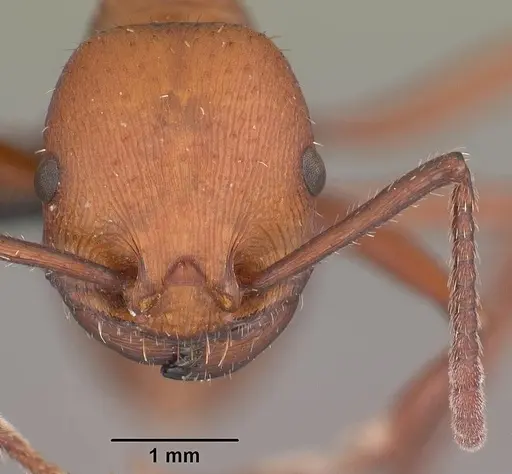
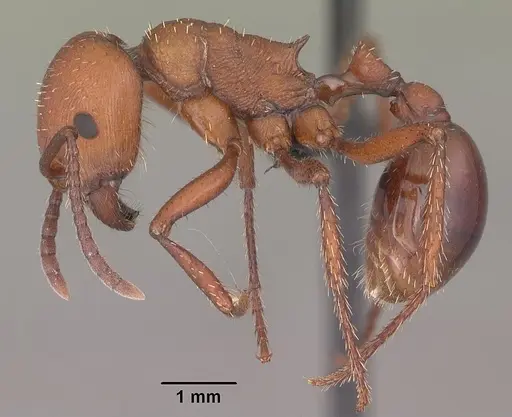
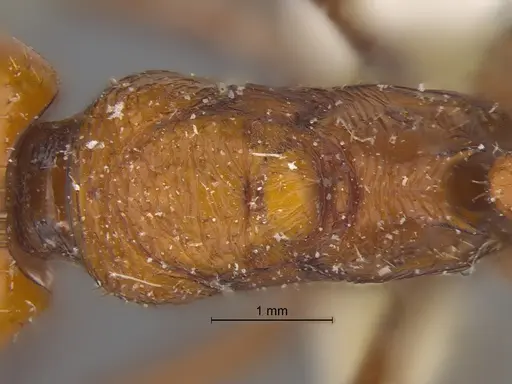
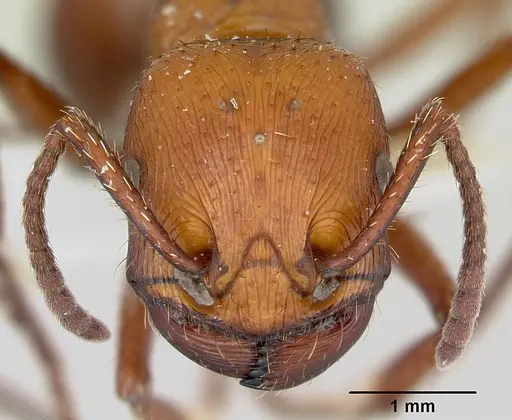
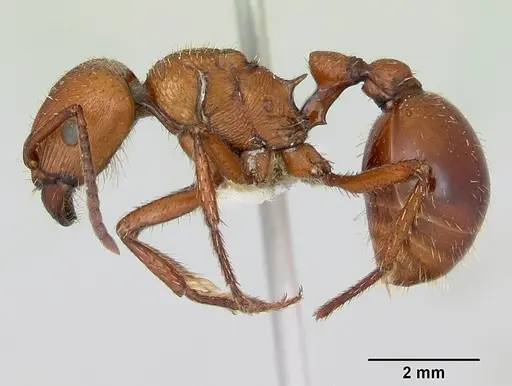
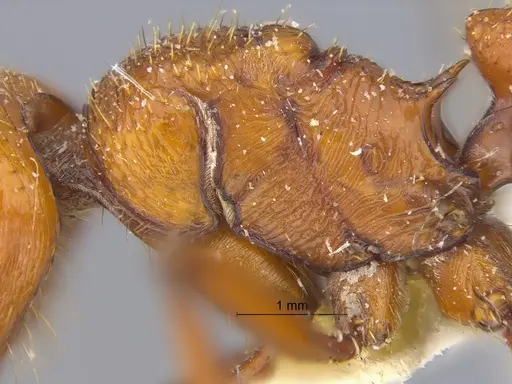
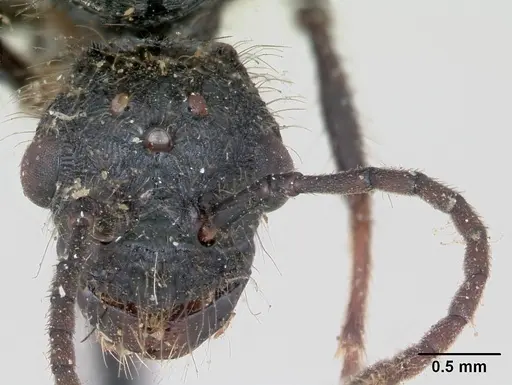
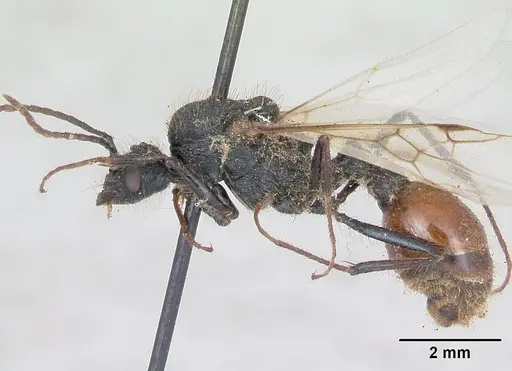
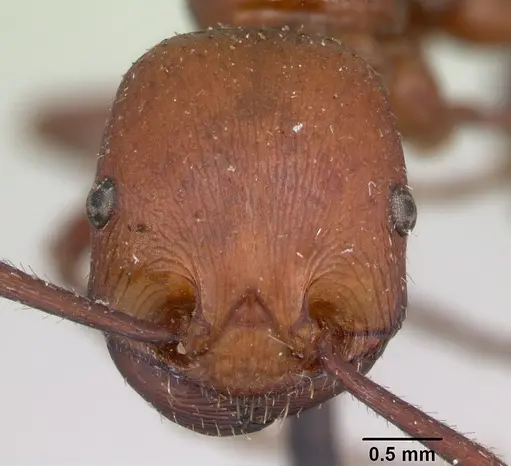
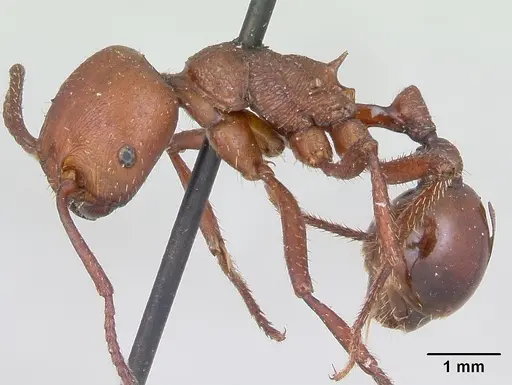
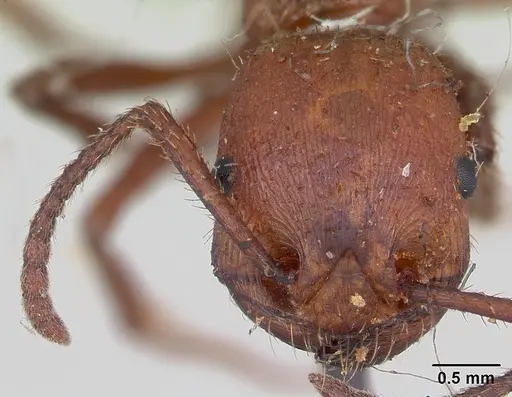
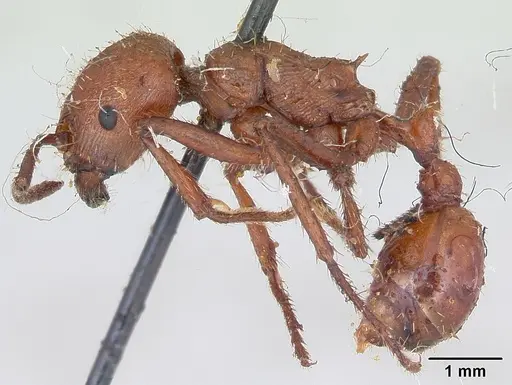
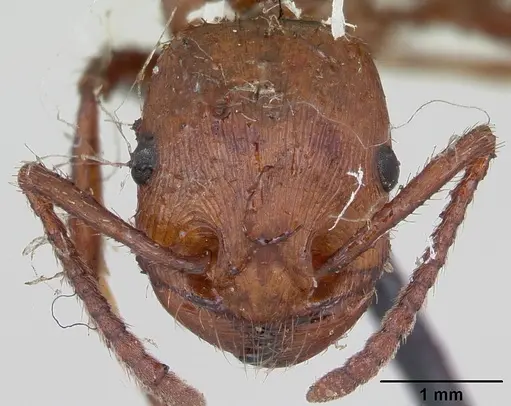
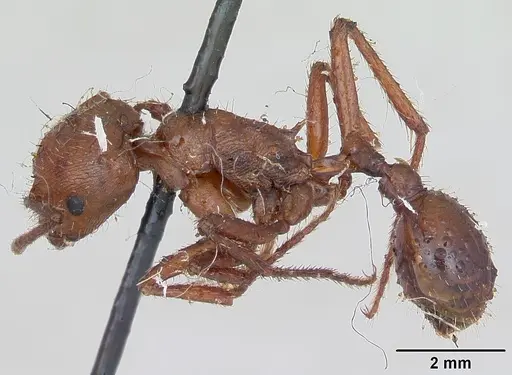
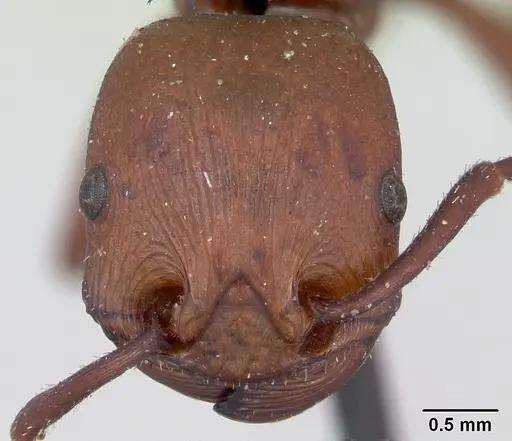
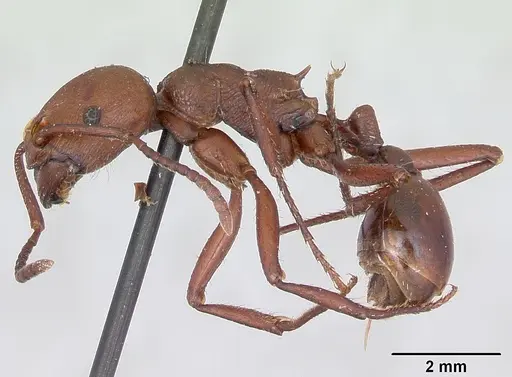
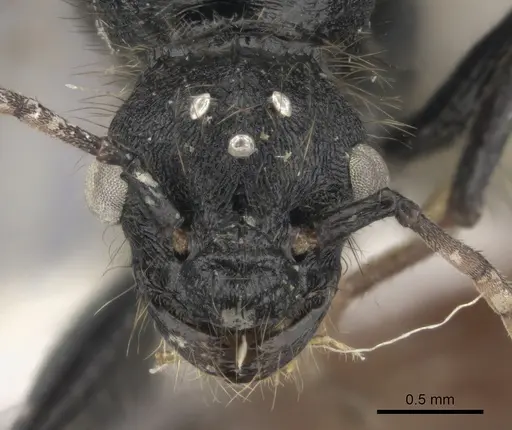
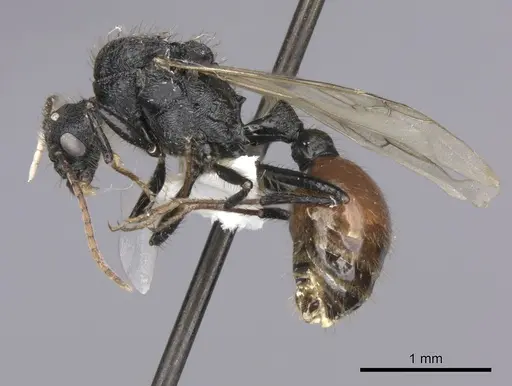
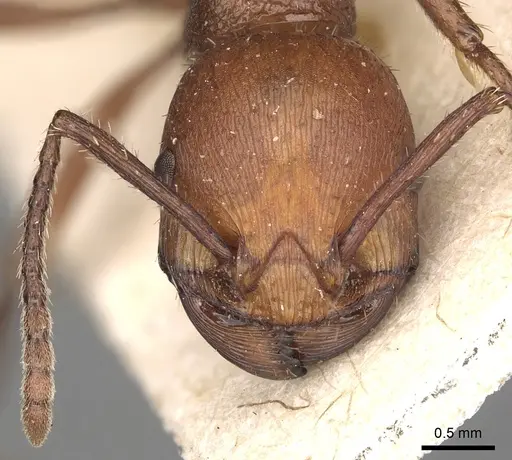
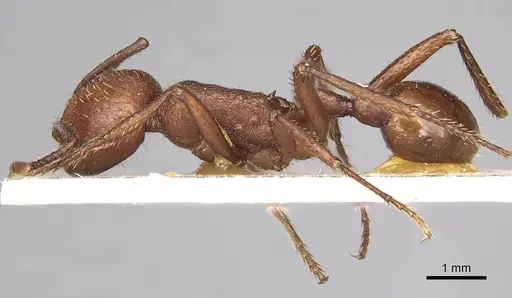
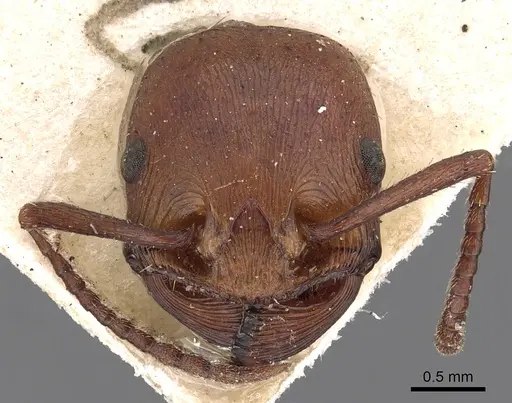
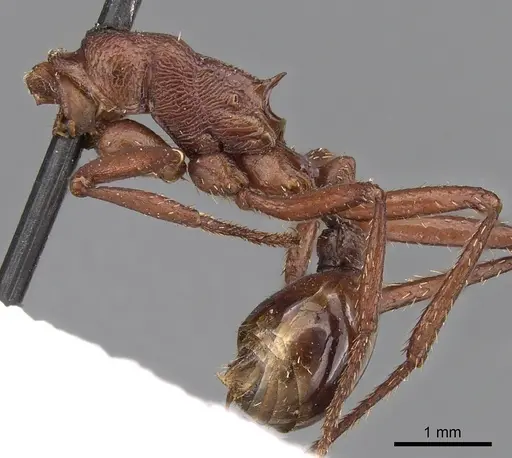
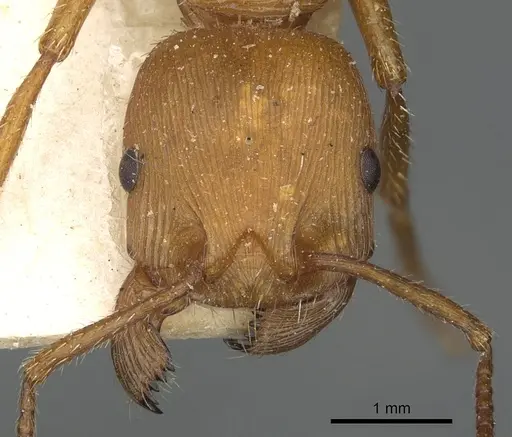
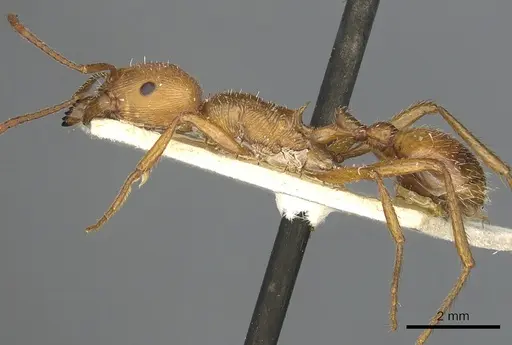
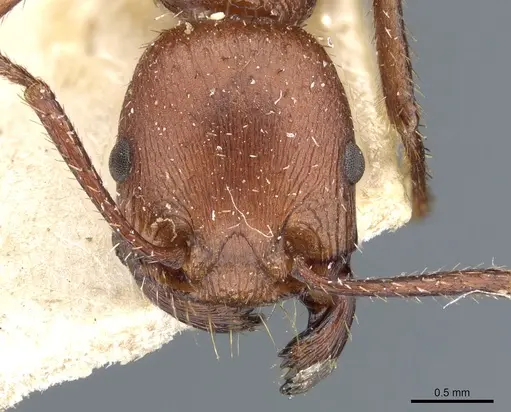
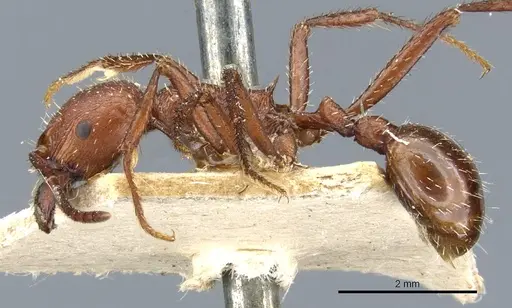
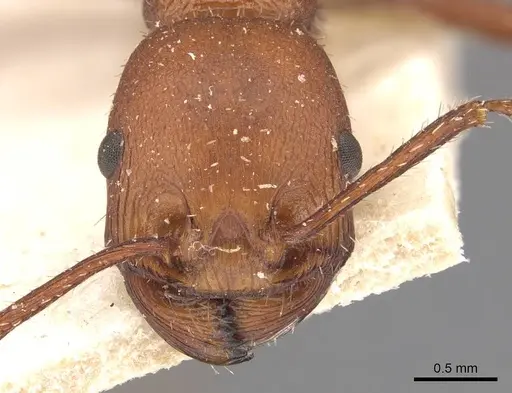
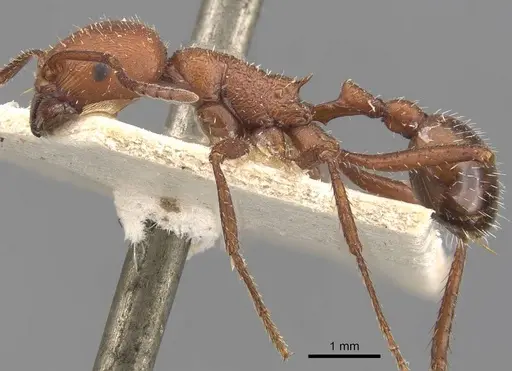
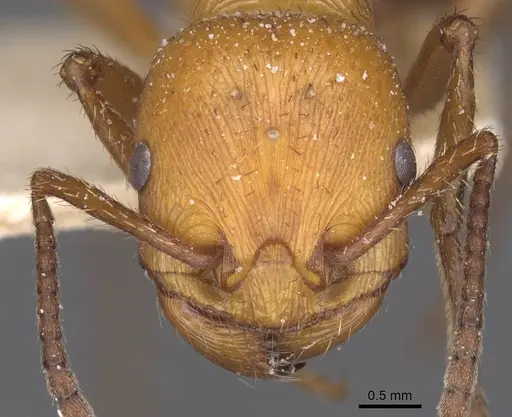
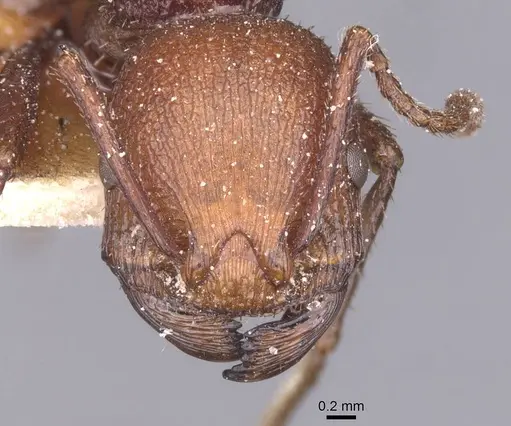
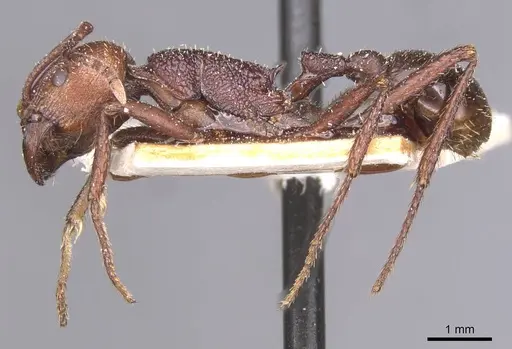
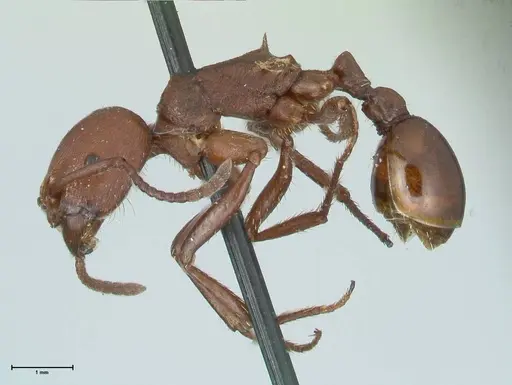
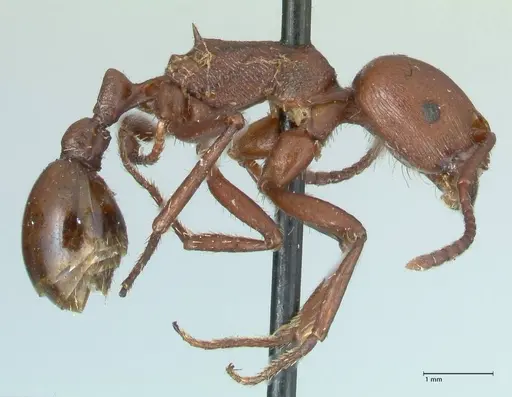
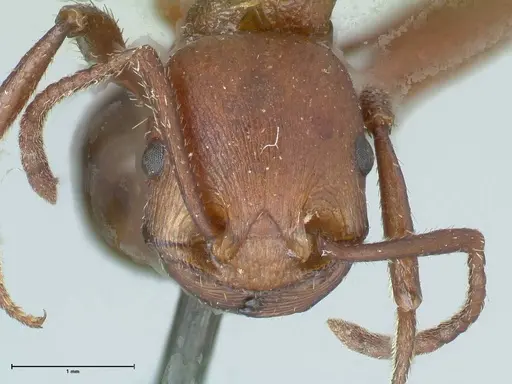
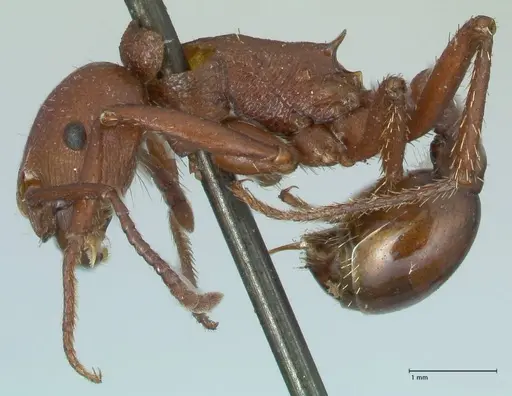
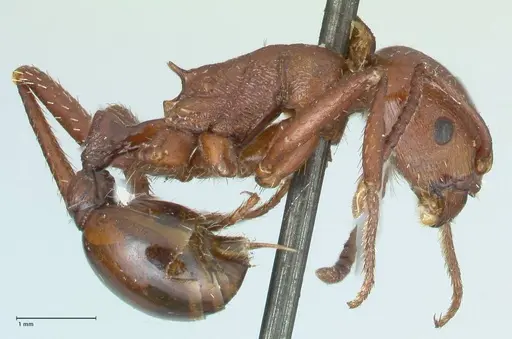
Pogonomyrmex cunicularius is a medium-sized seed-harvester ant native to Argentina and Uruguay. Workers measure 9-9.5mm in total length and have a distinctive tannish-orange to tannish-red coloration with a smooth, strongly shining first gastral segment. The species is easily identified within the cunicularius group by its broadly rounded petiolar node and moderately long superior propodeal spines. This ant inhabits arid and semi-arid lowlands of the Espinal and Humid Pampas ecoregions east of the Río Paraná at elevations between 20-90m [1][2].
This species has several remarkable traits that set it apart from many other Pogonomyrmex. Colonies produce over 100 ergatoid (wingless) queens, which is unusual in the ant world. These queens can found colonies independently by foraging for food during the founding stage, a behavior documented in very few ant species. They are also extremely heat-tolerant, remaining active when soil temperatures reach 61°C, making them one of the most thermophilic ants known. Additionally, they exhibit tool use, placing small stones and sticks on food to absorb and transport oils back to the nest [2][3].
Quick Summary
- Difficulty: Medium
- Origin & Habitat: Argentina and Uruguay, east of Río Paraná in the Espinal, Uruguayan Savanna, and Humid Pampas ecoregions. Lowland species found at 20-90m elevation in arid to semi-arid habitats [1][2].
- Colony Type: 100 ergatoid queens and can have 500-1000 workers. Queens are semi-claustral, meaning they leave the nest to forage during colony founding [1][3].
- Colony: Polygyne
- Founding: Semi-claustral
- Size & Growth:
- Queen: Ergatoid queens: 2.26-2.66mm head length, slightly larger than workers with vestigial ocelli [1][2]
- Worker: 9-9.5mm total length [2]
- Colony: 500-1000 workers, averaging around 600 [1][2]
- Growth: Moderate, estimated based on similar Pogonomyrmex species
- Development: Unknown, no direct development data for this species. Based on related Pogonomyrmex species, expect 6-10 weeks at optimal temperature. (Development timeline has not been directly studied. Related Pogonomyrmex species typically take 6-10 weeks from egg to worker.)
- Antkeeping:
- Temperature: Keep warm, around 26-32°C. This species is highly thermophilic and active in extreme heat in the wild, they forage when soil temperatures reach 61°C. Provide a temperature gradient allowing workers to choose their preferred warmth [2].
- Humidity: Low to moderate, arid habitat. Keep nest substrate relatively dry, similar to their natural semi-arid environment. Provide a small water tube but avoid excessive moisture.
- Diapause: Likely minimal or none required. This species is active year-round in subtropical Argentina and Uruguay. A slight cooling period during winter months may be beneficial but is not required.
- Nesting: Deep nests with multiple chambers. In the wild, nests reach ~60cm depth with 10-27 chambers. Use a deep formicarium or naturalistic setup with compact soil chambers. Nest entrance typically has a pebble crater 15-25cm diameter [2].
- Behavior: Subordinate, peaceful ants that avoid conflict with other species. They are solitary foragers, each worker searches independently for food rather than using recruitment trails. When challenged by more dominant ants, they typically abandon baits rather than fight. However, they employ an opportunistic stealing behavior: when another species monopolizes food, P. cunicularius quickly grabs a piece and retreats rapidly to the nest. They are strictly diurnal, becoming active late morning (~9:00-9:30h) when sun reaches the nest, with peak activity from 15:00-18:00h. Workers can travel over 25m from the nest to forage [2][1]. Escape risk is moderate, they are medium-sized ants but active climbers. Use standard escape prevention.
- Common Issues: Venom is potent, sting pain rating 3 with LD50 of 0.088 mg/kg, making it one of the most lethal harvester ant venoms. Handle with caution [4][5]., Deep nesting requirement, colonies need vertical space of 60cm+ for proper chamber development. Shallow nests may stress colonies [2]., Heat sensitivity in captivity, while heat-tolerant, extreme temperatures in small enclosures can be dangerous. Use temperature gradients rather than uniform heating., Subordinate behavior, they may struggle in multi-species setups and abandon food when competing ants are present. Feed separately if keeping multiple species., Wild-caught colonies may have parasites. Quarantine and monitor new colonies carefully.
Nest Preferences and Housing
Pogonomyrmex cunicularius requires deep nesting structures that mimic their natural habitat. In the wild, colonies build nests reaching ~60cm depth with 10-27 chambers distributed asymmetrically, most chambers are in the superficial 20cm, with fewer chambers at deeper levels. The nest entrance is surrounded by a distinctive pebble crater or disk of coarse soil particles, typically 15-25cm in diameter [2].
For captive care, use a deep formicarium with multiple chambers. A Y-tong (AAC) nest with deep chambers or a custom-built deep acrylic setup works well. Alternatively, a naturalistic setup with compacted sandy soil allows them to excavate their own tunnels. The nest should have a vertical depth of at least 40-50cm to accommodate their natural chamber distribution. Provide a small water tube for humidity, but keep the nest relatively dry, these are arid-adapted ants that prefer lower humidity than tropical species. The outworld should include a sandy area where they can exhibit their natural debris-clearing behavior [2].
Feeding and Diet
Pogonomyrmex cunicularius is primarily a scavenger with a varied diet. In the wild, their diet consists of approximately 62% insects (mostly dead, including other ant species),22% seeds,12% plant material, and 2% animal parts. They readily scavenge dead insects and will collect seeds from various plant species including Jatropha, Prosopis, Acacia, and Celtis [2].
In captivity, offer a varied diet: protein sources like mealworms, small crickets, and other feeder insects 2-3 times per week. They also accept seeds, harvester ant mixes work well. Unlike some Pogonomyrmex that focus purely on seeds, P. cunicularius shows flexibility and will scavenge protein aggressively. Provide a constant sugar source like honey or sugar water, though they are less dependent on sweets than some species. One fascinating behavior observed in captivity is tool use, workers place small stones and sticks on fatty foods to absorb oils, then carry the soaked materials back to the nest. This suggests they can process and transport liquids using improvised tools [2].
Temperature and Seasonal Care
This species is highly thermophilic and requires warm conditions. In the wild, they remain active during the hottest parts of the day when soil temperatures reach extreme values up to 61°C. They are strictly diurnal, becoming active around 9:00-9:30 in the morning when sun first reaches the nest entrance, with peak foraging activity between 15:00 and 18:00h. A midday hiatus of 1-2 hours occurs around noon when temperatures peak [2].
Keep the nest at 26-32°C with a temperature gradient so workers can self-regulate. A heating cable on one side of the nest creates appropriate warmth zones. Because they are adapted to extreme heat, you can safely provide warmer areas than for most ant species, but always include cooler zones so they can escape if overheated. During winter, a slight temperature reduction is acceptable but not required, they are active year-round in their subtropical range. Do not hibernate this species as you would temperate ants [2].
Behavior and Colony Dynamics
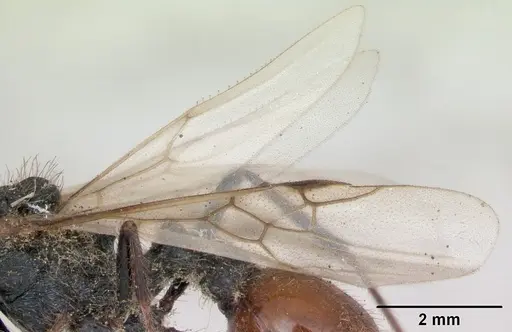
Pogonomyrmex cunicularius has fascinating social and foraging behaviors that make them interesting to observe. Colonies are polygynous (multi-queen) with ergatoid queens, wingless females that develop from the same brood as workers but retain queen characteristics including ocelli. A single colony can produce over 100 ergatoid queens, which is unusual in ants. These ergatoid queens can found new colonies independently, leaving the nest to forage for food during the founding stage, a behavior called semi-claustral founding [3][1].
Foragers work alone rather than in recruited groups. Each worker follows a random route until finding food, then returns independently. This solitary foraging means they don't form the dense foraging trails common in some harvester ants. They are subordinate in the ant dominance hierarchy, when confronted by more aggressive species, they typically abandon their food rather than fight. However, they compensate with clever opportunistic stealing: when another species monopolizes a food source, P. cunicularius workers quickly grab a piece and run. They also exhibit tool use, placing debris on liquid foods to absorb and transport them [2].
Reproduction and Nuptial Flights
100 per colony) suggests this is the primary reproduction strategy. One excavated founding queen was haplometrotic (single queen founding), though pleometrosis (multiple queen founding) may also occur [3][1].
Frequently Asked Questions
How long does it take for Pogonomyrmex cunicularius to produce first workers?
The exact development timeline has not been directly studied for this species. Based on related Pogonomyrmex species, expect 6-10 weeks from egg to first worker at optimal temperature (around 26-28°C). Be patient, this is a moderate grower compared to some faster tropical species.
Can I keep multiple Pogonomyrmex cunicularius queens together?
Yes, this is natural for this species. P. cunicularius is polygynous, colonies naturally produce over 100 ergatoid (wingless) queens that can coexist. However, when combining unrelated foundresses in captivity, introduce them carefully and monitor for aggression. Multiple ergatoid queens in a founding setup may either coexist or one may eliminate the others [1].
What do Pogonomyrmex cunicularius eat?
They are scavengers with a varied diet. Offer protein (dead insects like mealworms, crickets) 2-3 times weekly, seeds (harvester ant seed mix), and occasional sugar water or honey. They are less dependent on sugar than some species but will accept it. Their diet in the wild is about 62% insects,22% seeds, and 12% plant material [2].
Are Pogonomyrmex cunicularius good for beginners?
They are intermediate difficulty. They require warm temperatures, deep nesting space, and have potent venom, all factors to consider. Their subordinate nature and specific thermal needs make them better suited for keepers with some experience. However, they are not overly aggressive and their interesting behaviors (tool use, stealing tactics) make them rewarding [2].
Do Pogonomyrmex cunicularius need hibernation?
No, hibernation is not required. This species is active year-round in subtropical Argentina and Uruguay. A slight temperature reduction during winter months may be beneficial but is not necessary. They are adapted to warm conditions and should be kept at 26-32°C year-round [2].
How big do Pogonomyrmex cunicularius colonies get?
Mature colonies reach 500-1000 workers, with an average of around 600 workers. Colonies can produce over 100 ergatoid queens. This is a medium-sized colony compared to some Pogonomyrmex that can reach several thousand workers [1][2].
What type of nest is best for Pogonomyrmex cunicularius?
They need deep nests, in the wild, colonies excavate chambers down to 60cm. Use a deep formicarium with multiple chambers or a naturalistic setup with compacted sandy soil at least 40-50cm deep. A Y-tong nest with deep chambers works well. The nest entrance area should allow for their natural pebble-crater building behavior [2].
Why is my Pogonomyrmex cunicularius colony declining?
Common causes include: too cold temperatures (they need 26-32°C), excessive humidity (they prefer dry conditions), shallow nesting space, or insufficient protein in their diet. Also check for parasites. Their venom is potent but they are not aggressive, stress from improper conditions is more likely the cause than aggression from nestmates.
Are Pogonomyrmex cunicularius aggressive?
No, they are subordinate and peaceful. They avoid conflict with other ant species, typically abandoning food when challenged rather than fighting. They compensate with opportunistic stealing behavior, quickly grabbing food when dominant species are distracted. Within the colony, they are calm and not particularly aggressive toward keepers [2].
References

This caresheet is licensed under CC BY-SA 4.0 .
CASENT0103052
View on AntWeb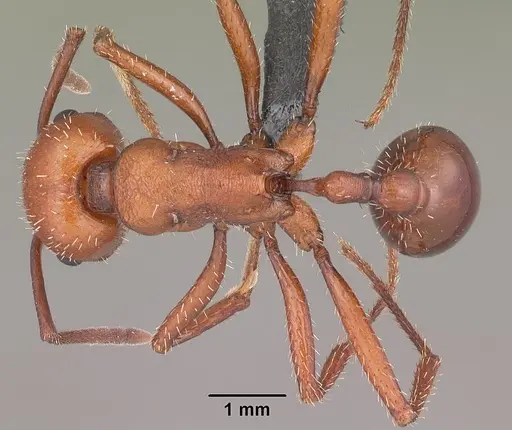
CASENT0173109
View on AntWeb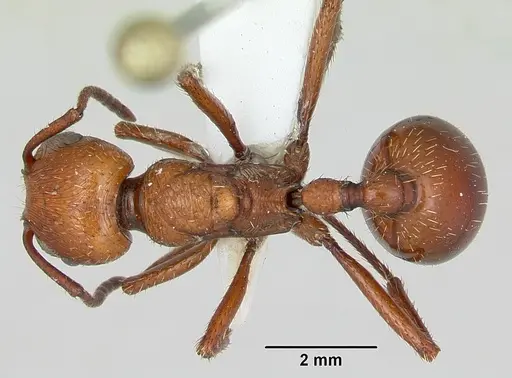
CASENT0173361
View on AntWeb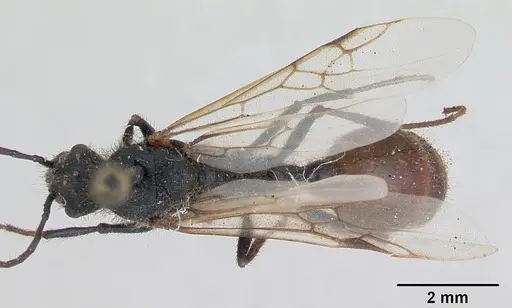
CASENT0173365
View on AntWeb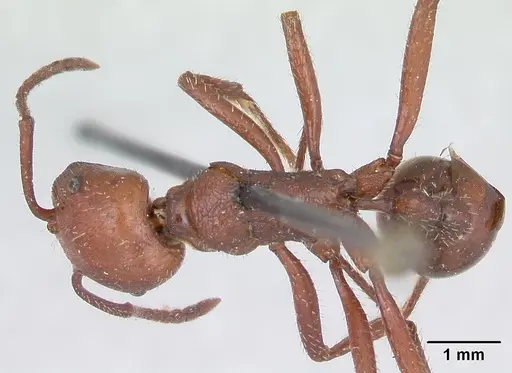
CASENT0173366
View on AntWeb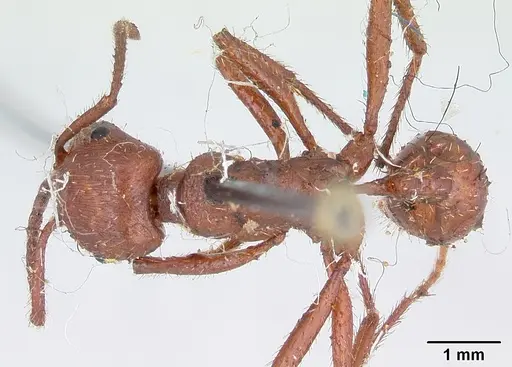
CASENT0173369
View on AntWeb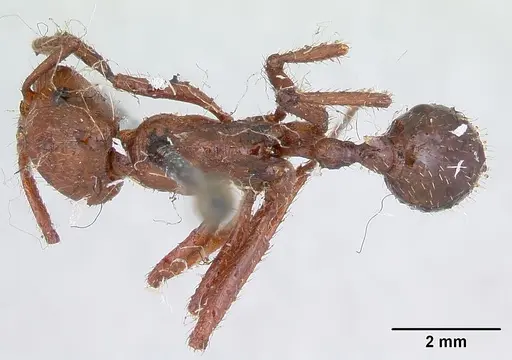
CASENT0173372
View on AntWeb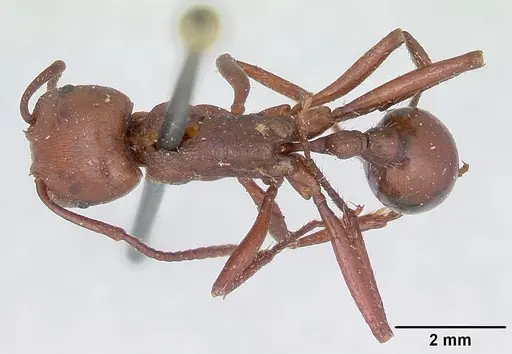
CASENT0235298
View on AntWeb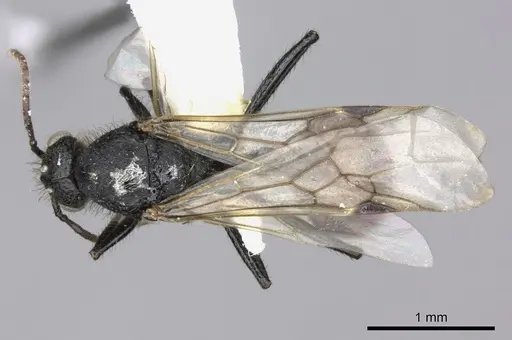
CASENT0249048
View on AntWeb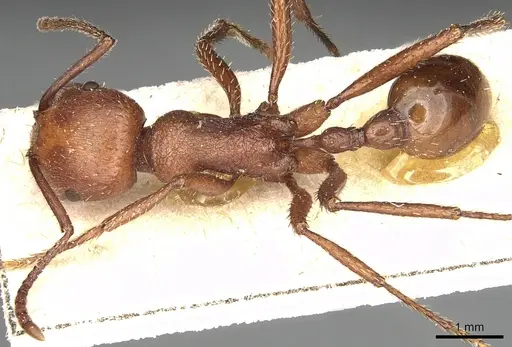
CASENT0900386
View on AntWeb
CASENT0901490
View on AntWeb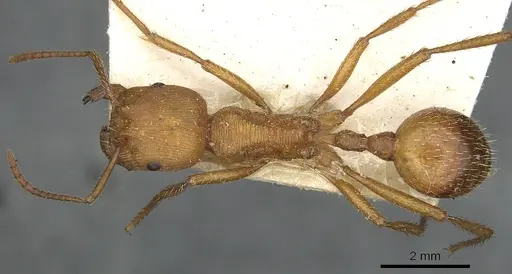
CASENT0904102
View on AntWeb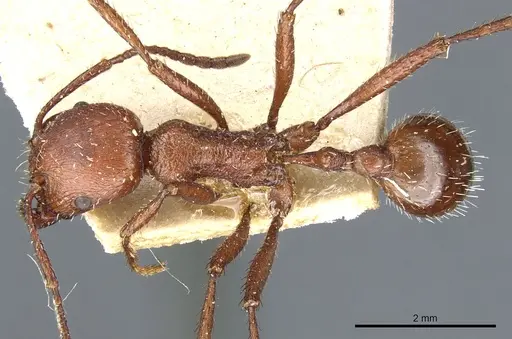
CASENT0907669
View on AntWeb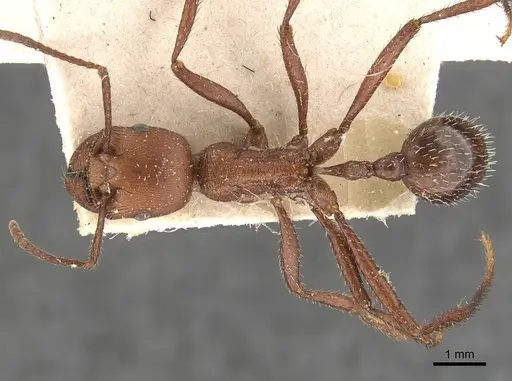
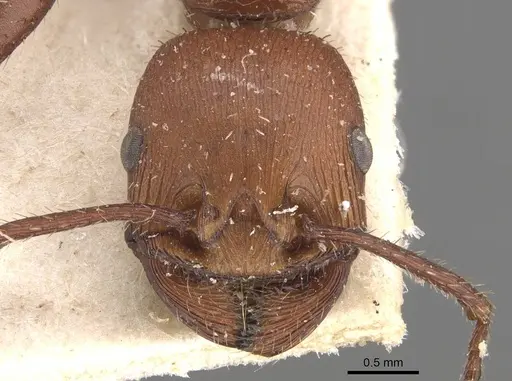
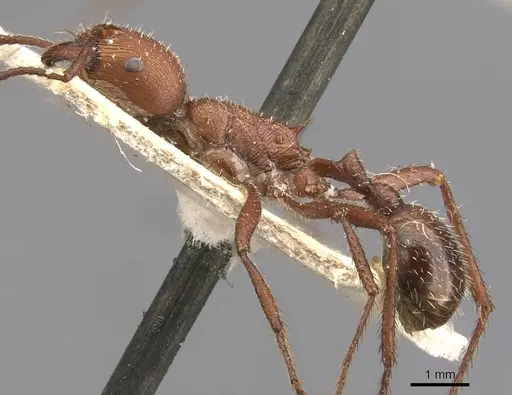
CASENT0907670
View on AntWeb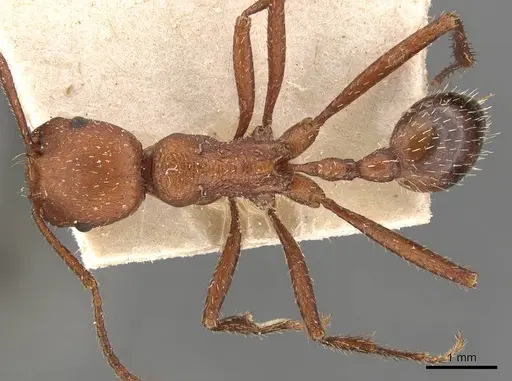
CASENT0913092
View on AntWeb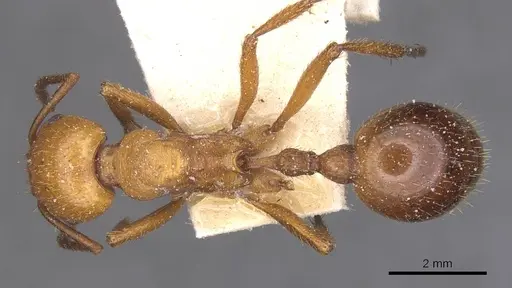
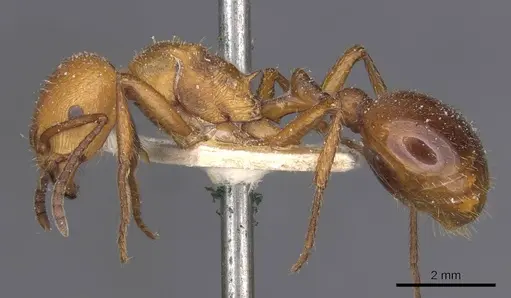
CASENT0913093
View on AntWeb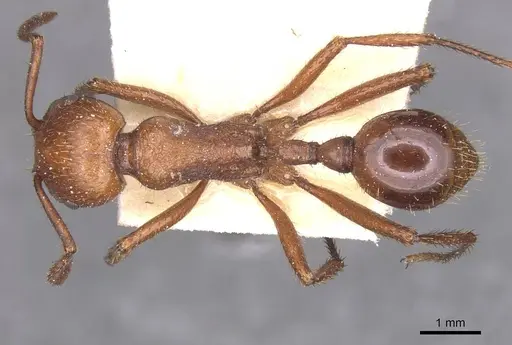
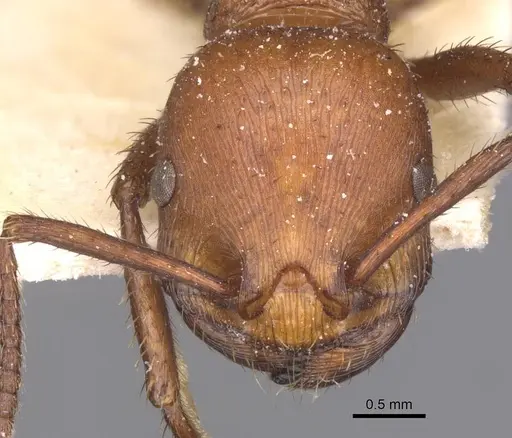
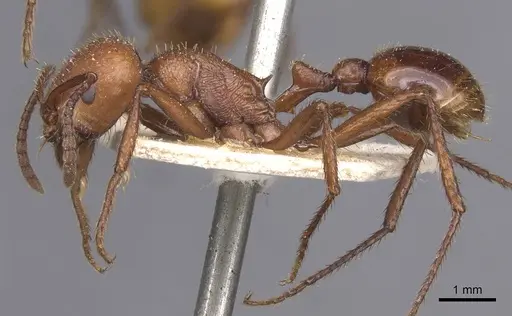
CASENT0913094
View on AntWeb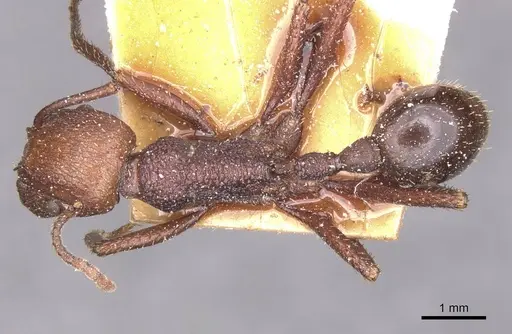
CASENT0913095
View on AntWeb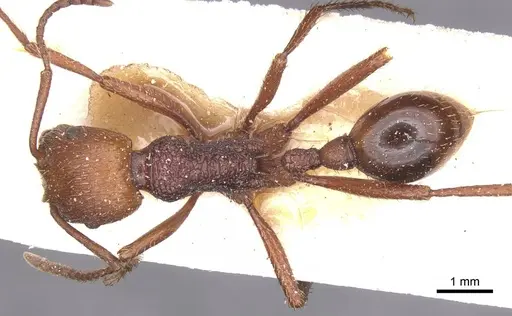
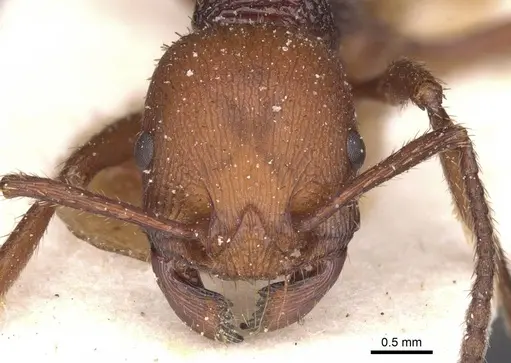
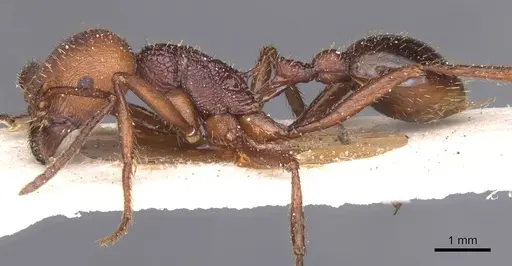
FOCOL1211
View on AntWeb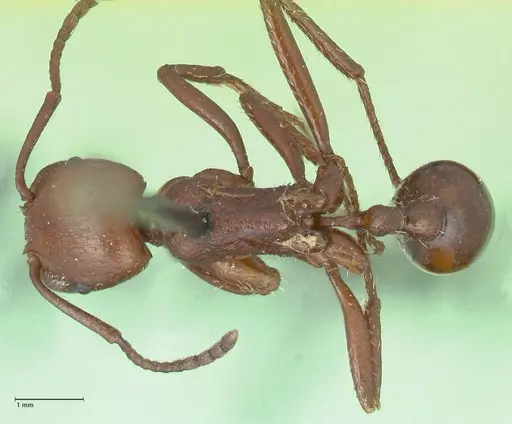
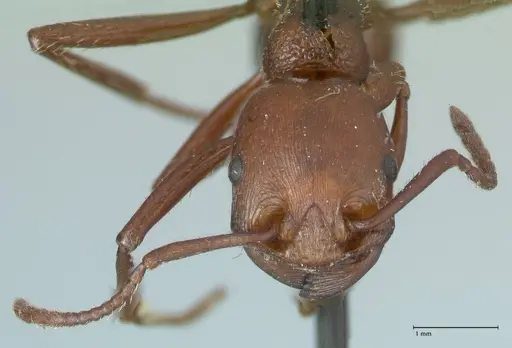
FOCOL1212
View on AntWeb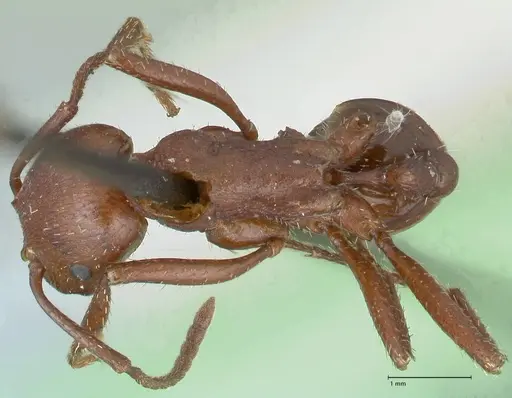
Literature
Loading...Loading products...