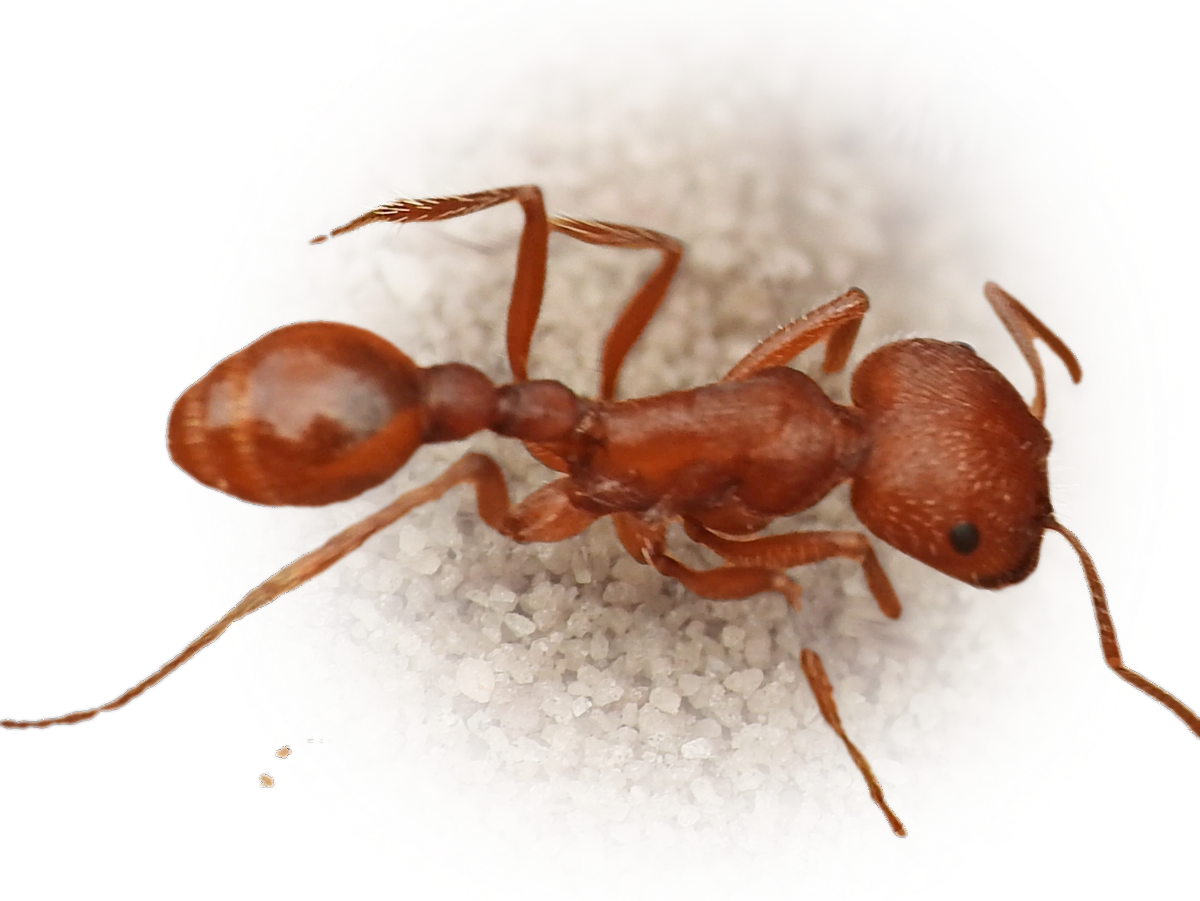

Pogonomyrmex comanche
- Scientific Name
- Pogonomyrmex comanche
- Tribe
- Pogonomyrmecini
- Subfamily
- Myrmicinae
- Author
- Wheeler, 1902
- Common Name
- Comanche harvester ant
- Distribution
- Found in 1 countries
Pogonomyrmex comanche Overview
Pogonomyrmex comanche (commonly known as the Comanche harvester ant) is an ant species of the genus Pogonomyrmex. It is primarily documented in 1 countries , including United States of America. Detailed taxonomic data and occurrence records can be further explored via authoritative databases such as AntWeb or the Global Biodiversity Information Facility (GBIF).
Pogonomyrmex comanche - "Comanche harvester ant"
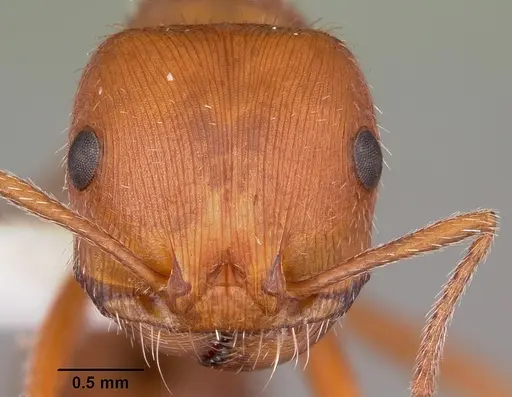
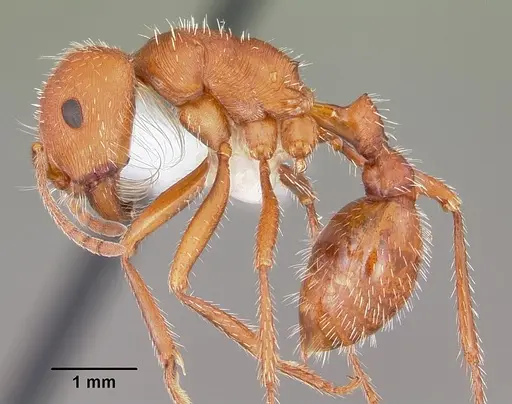
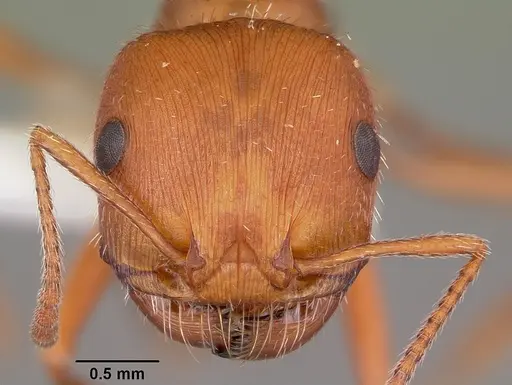
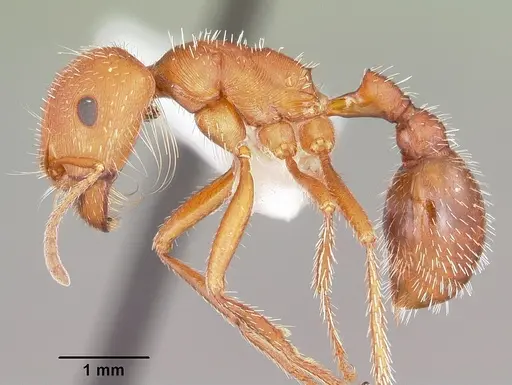
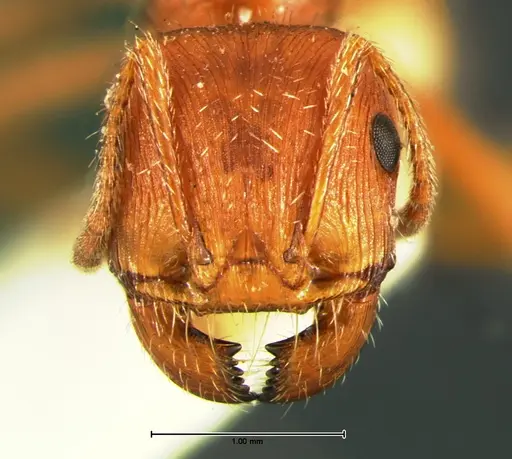
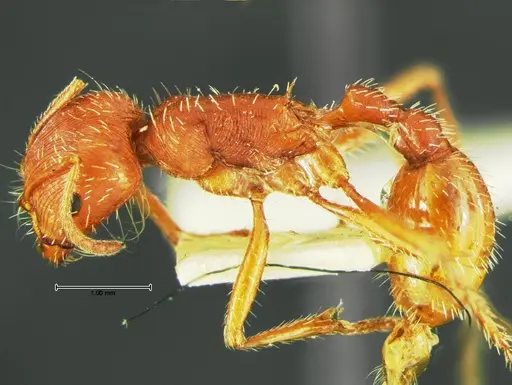
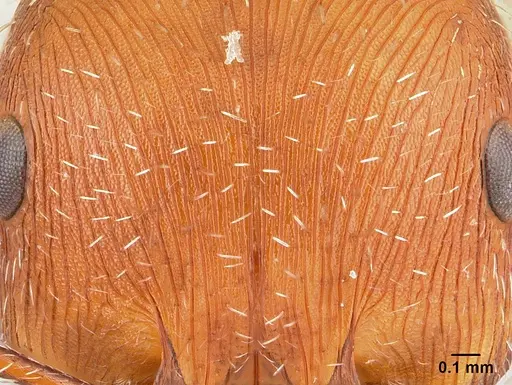
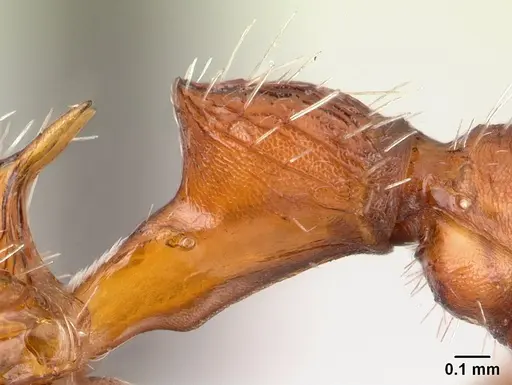
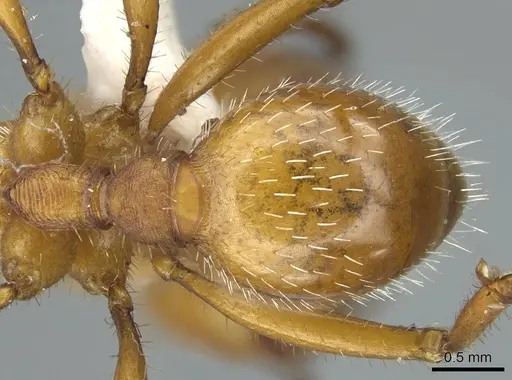
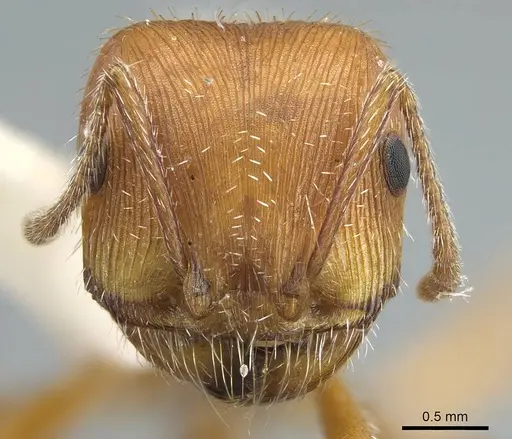
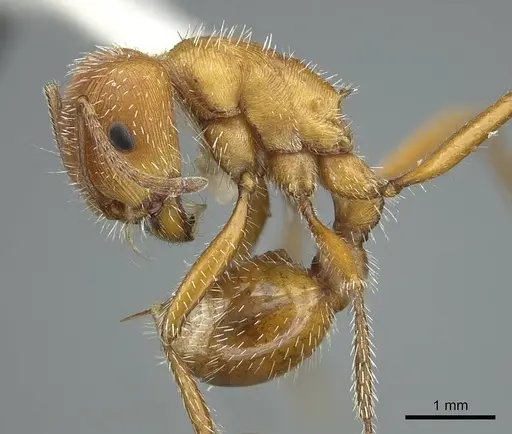
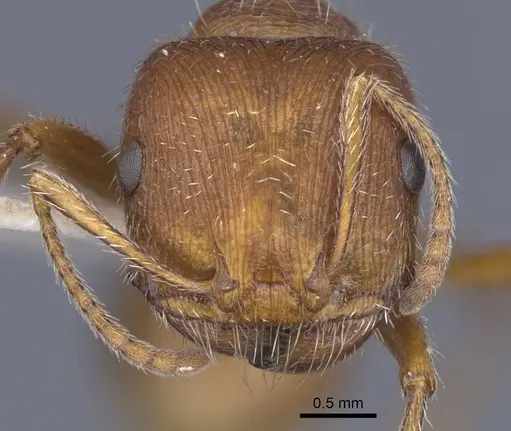
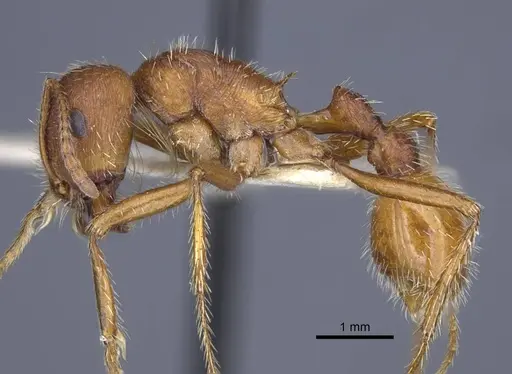
Pogonomyrmex comanche is a medium-sized harvester ant native to the south-central United States, ranging from western Louisiana through Texas, Kansas, Oklahoma, and Arkansas. Workers measure 1.18-1.87mm with a distinctive rich reddish-ferrugineous color, while queens are larger at 1.87-1.90mm. This species is easily identified by its prominently flattened petiolar node with a longitudinal groove and coarse wavy rugae. Unlike many Pogonomyrmex species, P. comanche has an unusually specific habitat requirement, it nests almost exclusively in sandy areas directly adjacent to post-oak groves, building characteristic circular craters around their nest entrances. These ants are seed-harvesters with a notably painful sting capable of autotomization (leaving the stinger in victims), making them a species to handle with care.
Quick Summary
- Difficulty: Medium
- Origin & Habitat: Native to the south-central United States (western Louisiana, Texas, Kansas, Oklahoma, Arkansas), found exclusively in sandy areas near post-oak woodlands with deep, well-drained soils [1][2].
- Colony Type: Single-queen (monogyne) colonies. Queens establish nests in sandy soil, building distinctive circular crater entrances.
- Colony: Monogyne
- Founding: Claustral
- Size & Growth:
- Queen: 1.87-1.90mm [2]
- Worker: 1.18-1.87mm [2]
- Colony: Colony size data limited, but related Pogonomyrmex species typically reach several thousand workers. Based on habitat specialization and related species, moderate-sized colonies expected.
- Growth: Moderate, typical for Pogonomyrmex genus
- Development: Estimated 6-10 weeks at optimal temperature based on genus-level data for Pogonomyrmex species (Development time inferred from related harvester ants, specific data for P. comanche not available)
- Antkeeping:
- Temperature: Keep at 24-28°C (75-82°F). As a species from the warm south-central US, they prefer temperatures in the upper room temperature range. Provide a thermal gradient allowing workers to self-regulate.
- Humidity: Low to moderate. These ants naturally inhabit dry, sandy soils with excellent drainage. Keep nest substrate dry to slightly moist but never waterlogged. Avoid high humidity.
- Diapause: Yes, likely requires winter dormancy similar to other Pogonomyrmex species. Provide 3-4 months of reduced temperatures (10-15°C/50-59°F) during winter.
- Nesting: Requires sandy, well-drained nesting substrate. In captivity, use a mix of sand and soil or a sandy formicarium setup. Avoid compact, damp substrates. Natural nests feature a circular crater entrance, provide enough depth for the colony to construct their typical nest architecture.
- Behavior: Pogonomyrmex comanche is a seed-harvesting ant with solitary foraging strategies and limited recruitment [3][4]. Workers collect seeds and bring them back to the nest for storage and consumption. This species has a notably painful sting and is known to autotomize (detach) its stinger into victims, remaining embedded like a honey bee stinger [5]. They are not aggressive toward humans unless threatened, but will defend their nest vigorously. Escape risk is moderate, workers are a manageable size and standard formicarium barriers work well.
- Common Issues: painful stings, handle with care and use proper protection, escape prevention, while not tiny, they are active foragers and need secure setups, humidity sensitivity, too much moisture causes fungal problems and colony decline, slow founding, claustral queens take time to establish first workers, habitat specificity, may be sensitive to substrate conditions unlike more adaptable species
Housing and Nest Setup
Pogonomyrmex comanche requires sandy, well-drained nesting conditions that mimic their natural habitat in post-oak sandhills. In captivity, use a substrate mix of coarse sand and loamy soil (roughly 70:30 sand to soil ratio works well). The substrate should drain quickly and never become waterlogged. These ants naturally build distinctive circular crater nests with a single central entrance, so provide enough depth (at least 10-15cm) for them to construct their typical nest architecture. For the outworld, a simple foraging area with a water source and seed dish is sufficient. Use a test tube setup for founding colonies, transitioning to a formicarium with sandy substrate once the colony reaches 20-30 workers. Escape prevention is important, while not tiny, these are active foragers, so standard barriers are recommended. [1][2]
Feeding and Diet
As seed-harvesters, Pogonomyrmex comanche's primary food source is seeds. Offer a variety of seeds including grass seeds, millet, sunflower seeds (cracked), and commercial ant seed mixes. They will also accept protein sources like small insects (fruit flies, small crickets, mealworms) especially during brood development. Sugar water or honey can be offered occasionally, though seeds should form the bulk of their diet. Unlike some Pogonomyrmex species that heavily recruit to food sources, P. comanche uses solitary foraging with limited recruitment [3][4], so don't be surprised if only a few workers discover food at a time. Remove uneaten seeds periodically to prevent mold, but note that these ants store seeds in their nest as a food reserve.
Temperature and Seasonal Care
Pogonomyrmex comanche comes from the warm south-central United States and prefers temperatures in the 24-28°C (75-82°F) range. Provide a thermal gradient in the setup so workers can choose their preferred temperature zone. A heating cable on one side of the nest (placed on top of the formicarium, not underneath to avoid drying) can help maintain warmth. During winter, this species requires a diapause period similar to other Pogonomyrmex species, reduce temperatures to 10-15°C (50-59°F) for 3-4 months. This mimics the natural seasonal cycle and supports healthy colony development. Do not skip hibernation as it can weaken the colony over time. [2]
Defense and Sting Management
This species has a notably painful sting and is one of the Pogonomyrmex species known to autotomize, meaning the stinger apparatus can detach and remain embedded in the victim, continuing to pump venom [5]. This is similar to honey bee sting behavior. The venom has a documented lethality to mice of 0.53 mg/kg, confirming its potent nature [5]. For antkeepers, this means exercising caution during colony maintenance. Use gentle handling techniques, avoid disturbing the nest unnecessarily, and consider using smoke or gentle air currents to encourage workers away before performing maintenance. If stung, remove the stinger promptly by scraping sideways (don't squeeze). The pain is significant but temporary, Schmidt pain rating would be in the higher range typical of Pogonomyrmex species.
Colony Founding
Pogonomyrmex comanche queens are claustral, meaning they seal themselves in a chamber and raise the first brood alone without leaving to forage. The queen uses stored fat reserves to produce eggs and feed the larvae until the first workers (nanitics) emerge. During founding, provide the queen with a small chamber in moist but not wet sandy soil. Do not feed the founding queen, claustral queens do not forage and may become stressed by food presence. After the first workers emerge (typically 6-10 weeks depending on temperature), you can begin offering small seeds and occasional protein. The colony will grow slowly at first, then accelerate once the first workers are established.
Natural History and Conservation
Pogonomyrmex comanche has a remarkably specific habitat requirement, it is almost always found in sandy areas directly adjacent to post-oak (Quercus stellata) groves [2]. This discontinuous distribution pattern makes it a species of conservation concern in some states like Arkansas, where it is limited to rare sandhill woodland communities [1]. The species nests in open areas with deep, well-drained sands, avoiding areas with heavy clay soils or poor drainage. Their nests are marked by distinctive circular or crescentic craters of sand, typically 3 inches to nearly 2 feet in diameter, with a single central entrance [2]. In the wild, they play an important role in seed dispersal and serve as prey for horned lizards and other predators.
Frequently Asked Questions
What do Pogonomyrmex comanche ants eat?
They are seed-harvesters, so seeds should form the bulk of their diet. Offer grass seeds, millet, cracked sunflower seeds, and commercial ant seed mixes. They also accept small insects like fruit flies and mealworms, especially when raising brood.
How long does it take for Pogonomyrmex comanche to raise first workers?
Based on related Pogonomyrmex species, expect 6-10 weeks from egg to first worker at optimal temperatures (24-28°C). Growth is slow initially but accelerates once the first workers emerge.
Do Pogonomyrmex comanche ants need hibernation?
Yes, similar to other Pogonomyrmex species, they require a winter dormancy period. Provide 3-4 months of reduced temperatures around 10-15°C (50-59°F) during winter months.
What type of nest substrate is best for Pogonomyrmex comanche?
Use sandy, well-drained substrate, these ants naturally inhabit sandy soils in post-oak woodlands. A 70:30 mix of coarse sand to loamy soil works well. The substrate should drain quickly and never become waterlogged.
Are Pogonomyrmex comanche ants good for beginners?
This species is rated as medium difficulty. While their care requirements are straightforward, the painful sting and specific habitat needs make them better suited for keepers with some experience. Their slow founding phase also requires patience.
How big do Pogonomyrmex comanche colonies get?
Colony size data is limited for this specific species, but related Pogonomyrmex species typically reach several thousand workers. Expect moderate growth over 2-4 years to reach full colony size.
Can I keep multiple Pogonomyrmex comanche queens together?
No, this is a monogyne (single-queen) species. Multiple unrelated queens will fight. Only introduce a second queen during pleometrosis (multiple queen founding) if natural to the species, which has not been documented for P. comanche.
Is Pogonomyrmex comanche aggressive?
They are not aggressive toward humans unless threatened, but they will defend their nest vigorously. Workers are solitary foragers rather than highly aggressive defenders, but they have potent stings as a last resort. Give them space and avoid disturbing the nest.
References

This caresheet is licensed under CC BY-SA 4.0 .
CASENT0104840
View on AntWeb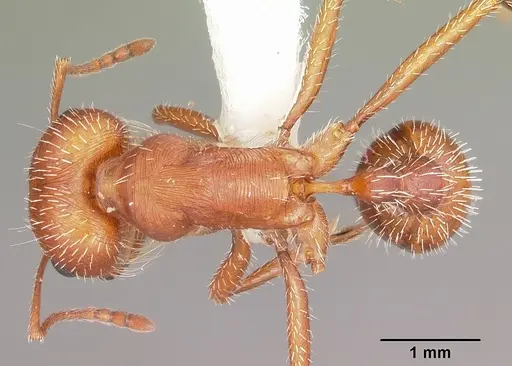
CASENT0104841
View on AntWeb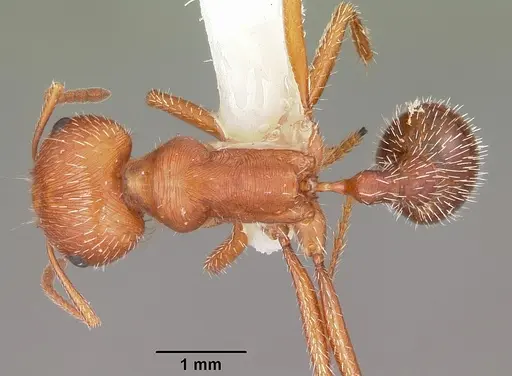
CASENT0105654
View on AntWeb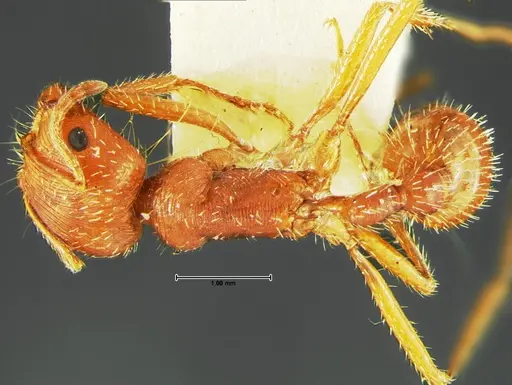
CASENT0178912
View on AntWeb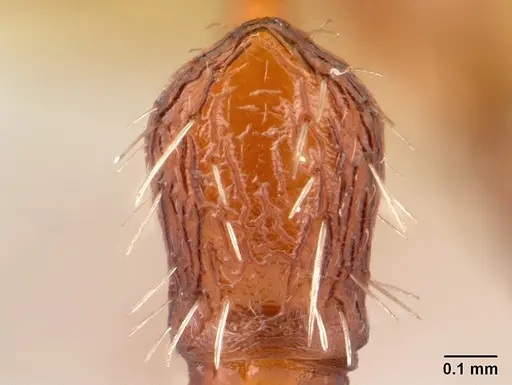
CASENT0178913
View on AntWeb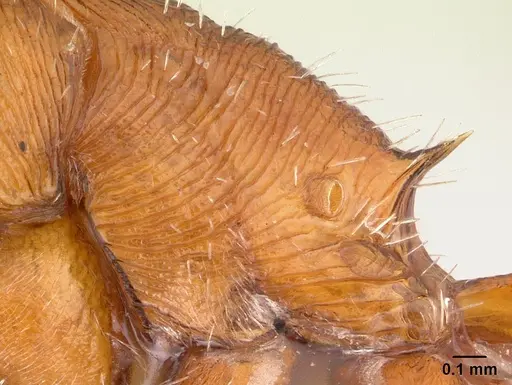
CASENT0914458
View on AntWeb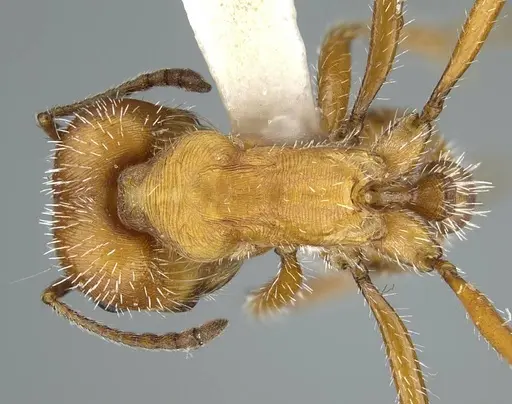
CASENT0916912
View on AntWeb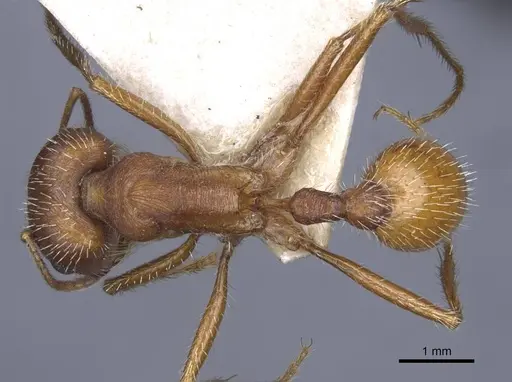
Literature
Loading...Loading products...