

Pogonomyrmex catanlilensis
- Scientific Name
- Pogonomyrmex catanlilensis
- Tribe
- Pogonomyrmecini
- Subfamily
- Myrmicinae
- Author
- Gallardo, 1931
- Distribution
- Found in 1 countries
Pogonomyrmex catanlilensis Overview
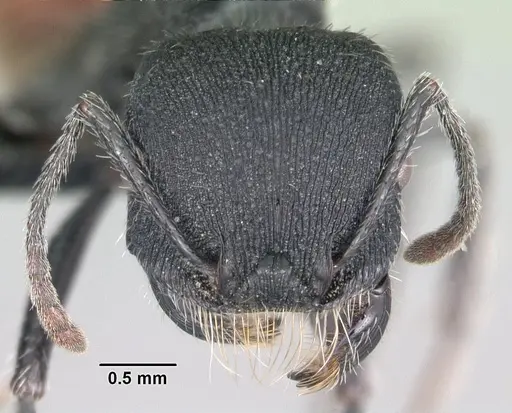
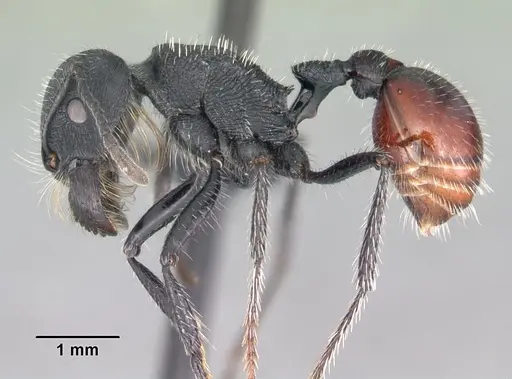
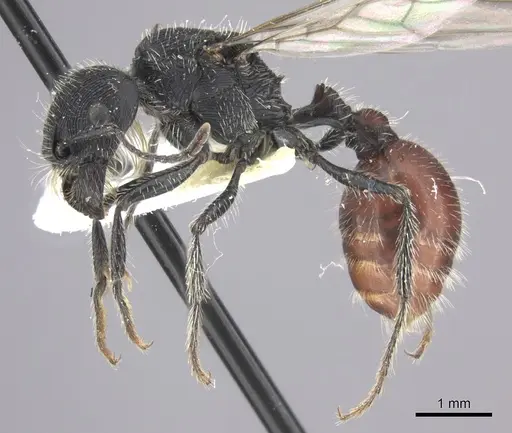
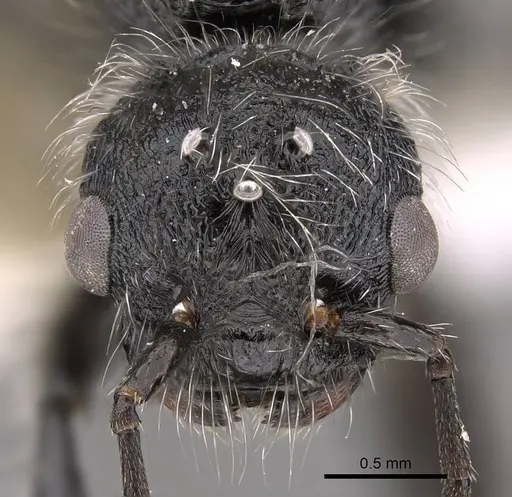
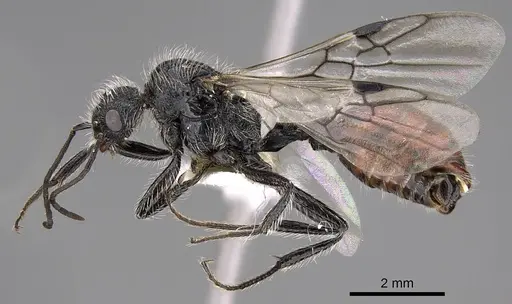
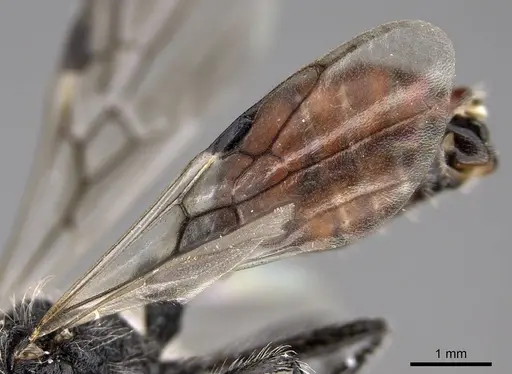
Pogonomyrmex catanlilensis is an ant species of the genus Pogonomyrmex. It is primarily documented in 1 countries , including Argentina. Detailed taxonomic data and occurrence records can be further explored via authoritative databases such as AntWeb or the Global Biodiversity Information Facility (GBIF).
Pogonomyrmex catanlilensis
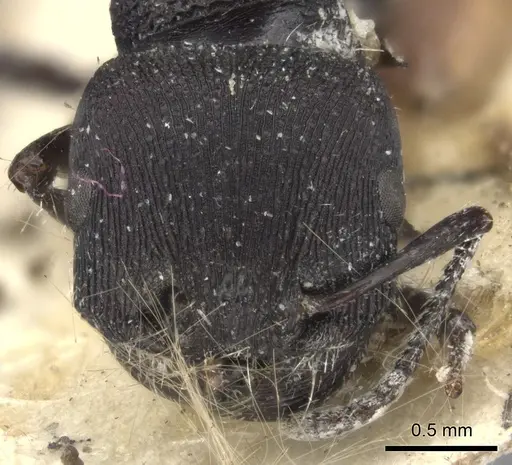
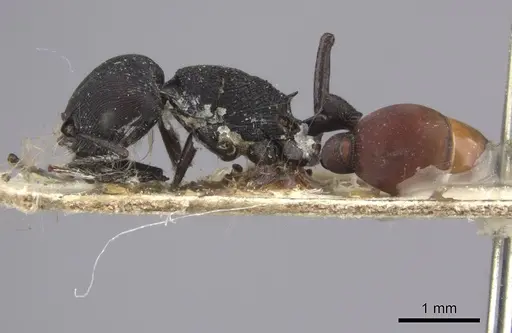
Pogonomyrmex catanlilensis is a seed-harvester ant species native to Argentina, specifically found in the Southern Andean and Patagonian steppe regions. Workers measure approximately 1.6-2mm in head width, while queens reach 2.0-2.2mm, making them a medium-sized Pogonomyrmex species [1]. They build characteristic mound nests (tumens) reaching 10-15cm in diameter, typically located in clumps of Stipa grass, under shrubs, or beneath rocks at elevations between 790-1520 meters [1].
This species is part of the rastratus species group and is a solitary forager that collects seeds as their primary food source. Like other Pogonomyrmex species, they are known for their potent sting, a characteristic defense mechanism of the genus. Colonies can grow to approximately 2000 workers, making them a moderately sized species compared to some other Pogonomyrmex that can reach much larger colonies [1].
Quick Summary
- Difficulty: Medium
- Origin & Habitat: Native to Argentina, specifically the Southern Andean steppe and Patagonian steppe ecoregions in the Neuquén region. They nest at elevations between 790-1520 meters in open, arid to semi-arid habitats [1].
- Colony Type: Monogyne (single-queen colonies). This follows the typical pattern for Pogonomyrmex species, which generally form single-queen colonies.
- Colony: Monogyne
- Founding: Claustral
- Size & Growth:
- Queen: 2.0-2.2mm [1]
- Worker: 1.6-2.0mm head width [1]
- Colony: Up to approximately 2000 workers [1]
- Growth: Moderate, typical for seed-harvester ants
- Development: Estimated 6-10 weeks based on typical Pogonomyrmex development patterns (Development time is inferred from genus-level data, as species-specific development has not been directly studied. Temperature will significantly affect development speed.)
- Antkeeping:
- Temperature: Keep at 24-28°C during active season. These are Andean/Patagonian steppe ants, so they prefer warm but not extreme temperatures. A slight gradient allowing cooler areas (around 22°C) is beneficial.
- Humidity: Low to moderate. As steppe inhabitants, they prefer drier conditions than tropical ants. Keep nest substrate moderately dry with occasional moisture zones. Avoid constant dampness.
- Diapause: Yes, likely required. Based on the seasonal data showing sexual production from January-February and the temperate to cool nature of their native habitat (Patagonian steppe), they likely need a winter rest period of 2-3 months at reduced temperatures (10-15°C).
- Nesting: Y-tong (AAC) nests or plaster nests work well. They prefer compact chambers and will create granary-like storage for seeds. Natural setups with a sand-clay substrate mimic their native mound-building behavior. Avoid overly humid setups.
- Behavior: Workers are solitary foragers that actively collect seeds and bring them back to the nest for storage, typical harvester ant behavior. They are defensive and will readily sting if threatened. Escape risk is moderate, they are not particularly small but are active foragers so ensure barrier methods are in place. They are diurnal, foraging during daylight hours.
- Common Issues: colonies may fail if kept too humid, these are steppe ants that prefer drier conditions, their potent sting makes them a handling risk, use caution when servicing the nest, slow founding phase if queen is disturbed, claustral queens need complete darkness and quiet during founding, seed storage can mold if humidity is too high in the nest area, winter dormancy is likely required but timing and temperature must be correct to avoid colony loss
Housing and Nest Setup
Pogonomyrmex catanlilensis does well in Y-tong (AAC) nests or plaster formicariums designed for seed-harvester ants. The key requirement is providing a dry to moderately humid environment that mimics their native Patagonian steppe habitat. Use a sand-clay mixture (roughly 70:30 sand to clay) as substrate if creating a naturalistic setup, as this allows them to build and maintain their characteristic mound structures.
The nest should have compact chambers rather than large open spaces. Include a dedicated granary area where workers can store collected seeds, this is natural behavior for harvester ants. Ensure the outworld provides easy access to both protein foods and sugar water, as well as a designated seed dumping area. Because they are moderate-sized ants, standard escape prevention measures work well, but their active foraging nature means gaps in tubing and connections should be minimized. [1]
Feeding and Diet
As seed-harvester ants, their primary diet consists of collected seeds, this is reflected in their common name. In captivity, offer a variety of seeds appropriate for their size: millet, chia, flax, and small sunflower seeds work well. They will crack seeds open and consume the nutritious insides, storing the rest in granary chambers.
While seeds form the backbone of their diet, they also need protein. Offer small insects like fruit flies, small crickets, or mealworms twice weekly. Sugar water or honey should be provided regularly as an energy source, especially during colony growth and when queens are producing brood. Fresh water must always be available.
One important note: avoid overfeeding protein during founding. A claustral queen raising her first workers does not need protein, she relies entirely on stored fat reserves. Once workers emerge, gradually introduce protein sources. [1]
Temperature and Seasonal Care
Maintain temperatures between 24-28°C during the active season (spring through fall). These ants come from elevated steppe regions in Argentina, so they can tolerate some temperature variation. A thermal gradient within the nest (warmer on one end, cooler on the other) allows the colony to self-regulate.
Winter care requires a diapause period. Based on their native Patagonian range and the timing of sexual production (January-February), reduce temperatures to 10-15°C for 2-3 months during winter. This mimics the natural seasonal cycle and is essential for colony health and sexual production in subsequent seasons. Do not feed during diapause but ensure water is available.
Avoid temperatures above 30°C for extended periods, while they are warmth-loving, extreme heat can stress the colony. [1]
Behavior and Defense
Pogonomyrmex catanlilensis workers are solitary foragers, meaning they search for food individually rather than in groups. This differs from some ant species that use recruitment pheromones. Workers actively patrol the outworld and will carry seeds back to the nest, often storing them in dedicated chambers.
Their primary defense mechanism is a potent sting. Pogonomyrmex ants are notorious among antkeepers for the painful sting they deliver when threatened. This species is no exception, workers will sting if the nest is disturbed or if they feel their colony is threatened. When working with them, move slowly and use gentle techniques to minimize defensive responses.
Colony temperament is moderate, they are not particularly aggressive toward the outworld but will defend their nest vigorously. They are not escape artists in the sense of being tiny, but their active foraging means all connections should be secure. [1]
Colony Development
Colonies reach approximately 2000 workers at maturity [1]. Growth is moderate, seed-harvester ants typically develop more slowly than some other genera because they invest heavily in each worker rather than producing large numbers quickly. The founding phase takes several months as the queen raises her first brood alone.
A claustral queen seals herself in a chamber during founding and does not forage. She relies entirely on stored fat reserves to survive and feed her first larvae. This phase typically lasts 4-8 weeks before the first nanitic (first-generation) workers emerge. These initial workers are smaller than normal workers but immediately begin foraging to support colony growth.
Colony growth accelerates once the first workers establish a foraging pattern. Expect 6-12 months to reach 100 workers, with full maturity (1000+ workers) taking 2-3 years under optimal conditions.
Frequently Asked Questions
How long does it take for Pogonomyrmex catanlilensis to produce first workers?
First workers (nanitics) typically emerge 6-10 weeks after the queen lays eggs, assuming temperatures around 26°C. This timeline is based on typical Pogonomyrmex development patterns, as species-specific data is not available. The claustral queen raises the first brood entirely alone.
What do Pogonomyrmex catanlilensis eat?
They are seed-harvester ants, so seeds form their primary diet. Offer millet, chia, flax, and small sunflower seeds. They also need protein (small insects like fruit flies or mealworms) and sugar sources (honey or sugar water).
Can I keep multiple Pogonomyrmex catanlilensis queens together?
No, this species is monogyne (single-queen). Pogonomyrmex catanlilensis forms single-queen colonies. Combining unrelated queens will likely result in fighting.
Do Pogonomyrmex catanlilensis need hibernation?
Yes, they likely require a diapause period. As ants from the Patagonian steppe, they are adapted to seasonal temperature changes. Provide 2-3 months at 10-15°C during winter.
How big do Pogonomyrmex catanlilensis colonies get?
Colonies can reach approximately 2000 workers at maturity [1]. This is moderate compared to some Pogonomyrmex species that can grow much larger.
What humidity level do Pogonomyrmex catanlilensis need?
Keep them on the dry side, they are steppe ants. Maintain low to moderate humidity, avoiding constant dampness. The nest substrate should be mostly dry with occasional moisture zones.
What temperature is ideal for Pogonomyrmex catanlilensis?
Keep them at 24-28°C during the active season. They prefer warmth but can tolerate some variation. A thermal gradient allowing cooler areas around 22°C is beneficial.
Are Pogonomyrmex catanlilensis good for beginners?
They are rated as medium difficulty. While not the most challenging species, their sting, specific humidity needs, and likely diapause requirement make them better suited for keepers with some experience. Beginners should start with easier species.
When do Pogonomyrmex catanlilensis have nuptial flights?
Based on collection data showing sexual production from January 25 to February 27,nuptial flights likely occur during late January through February in the Southern Hemisphere [1].
References

This caresheet is licensed under CC BY-SA 4.0 .
CASENT0102695
View on AntWeb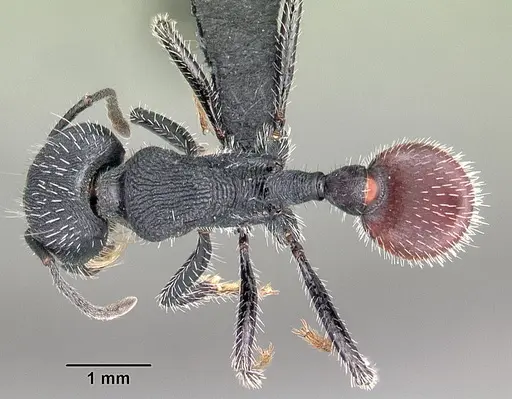
CASENT0235275
View on AntWeb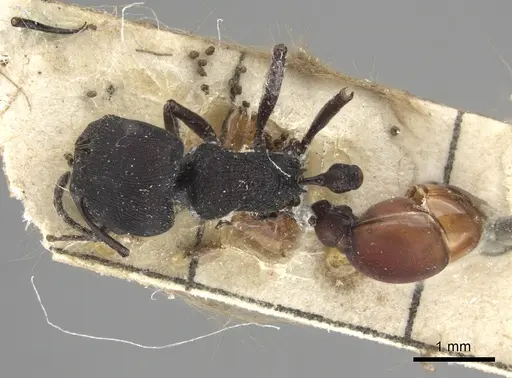
CASENT0235276
View on AntWeb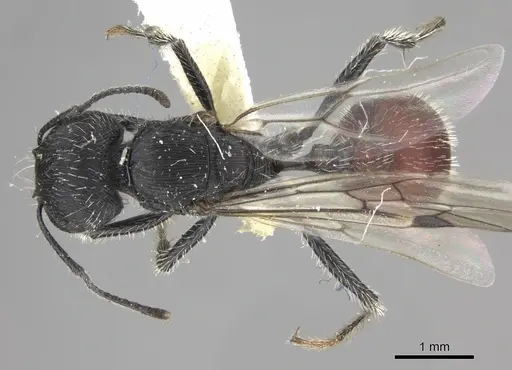
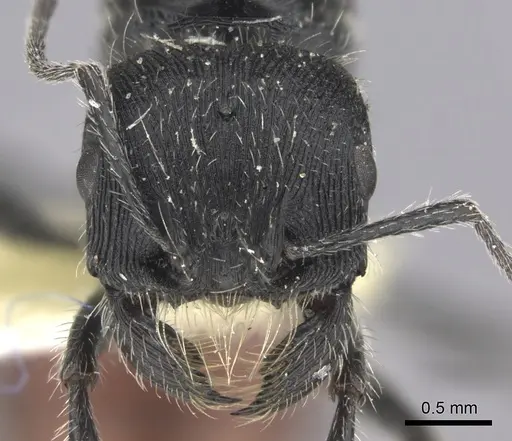
CASENT0914362
View on AntWeb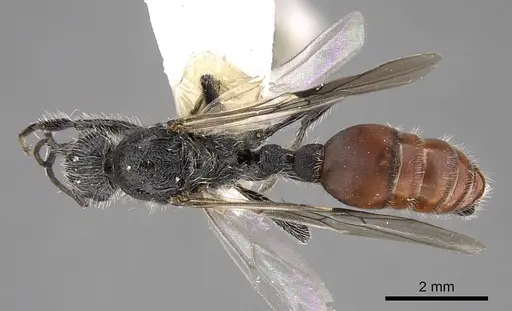
Literature
Loading...Loading products...