

Pogonomyrmex carbonarius
- Scientific Name
- Pogonomyrmex carbonarius
- Tribe
- Pogonomyrmecini
- Subfamily
- Myrmicinae
- Author
- Mayr, 1868
- Distribution
- Found in 1 countries
Pogonomyrmex carbonarius Overview
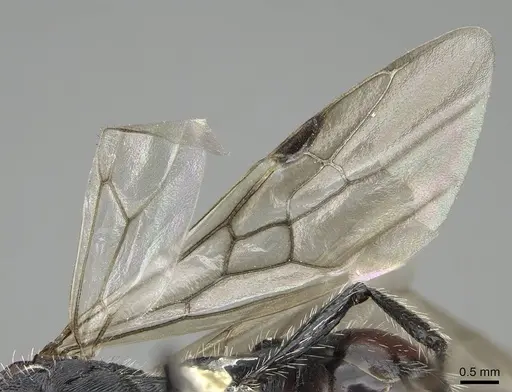
Pogonomyrmex carbonarius is an ant species of the genus Pogonomyrmex. It is primarily documented in 1 countries , including Argentina. Detailed taxonomic data and occurrence records can be further explored via authoritative databases such as AntWeb or the Global Biodiversity Information Facility (GBIF).
Pogonomyrmex carbonarius
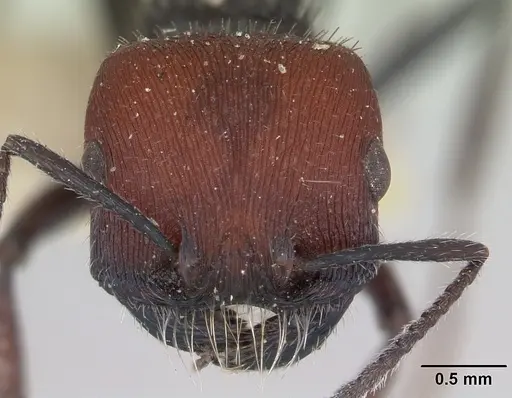
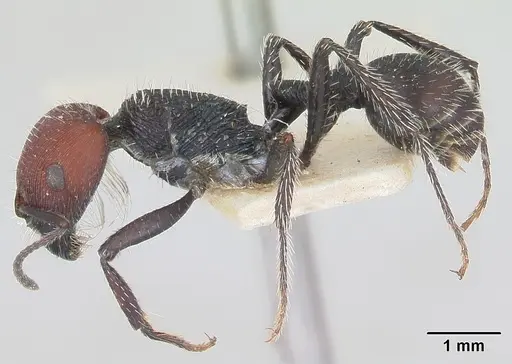
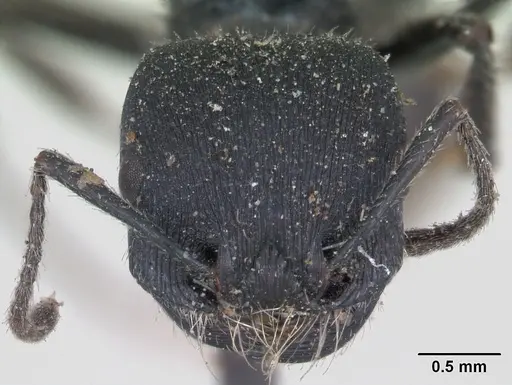
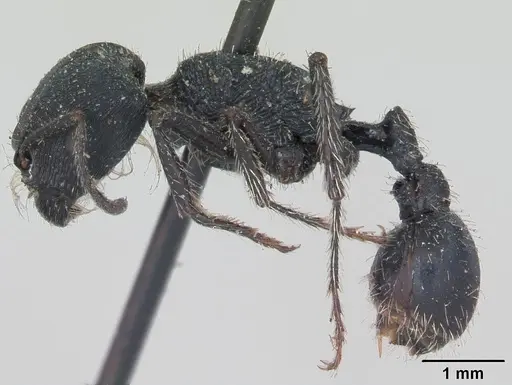
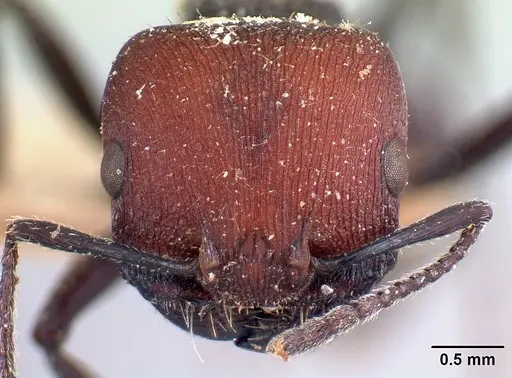
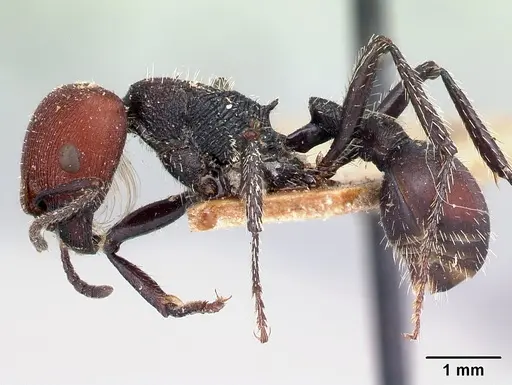
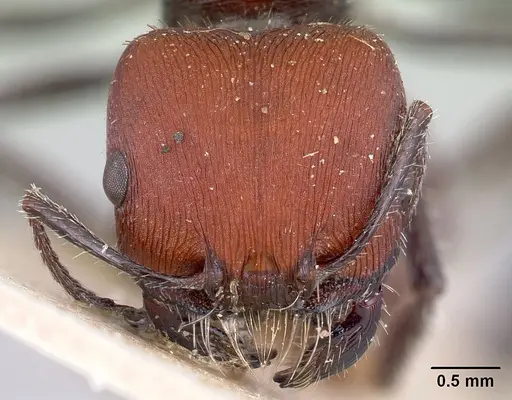
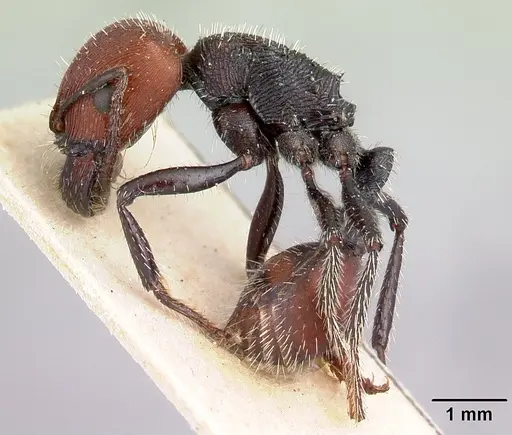
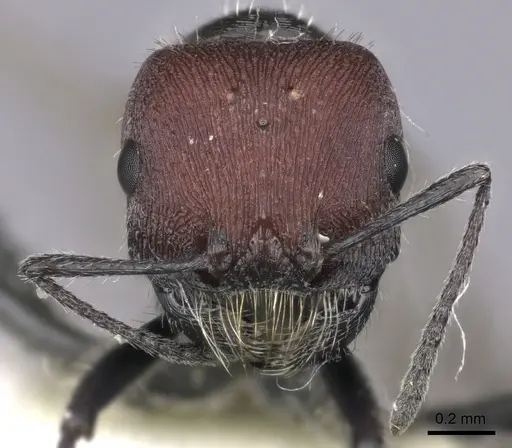
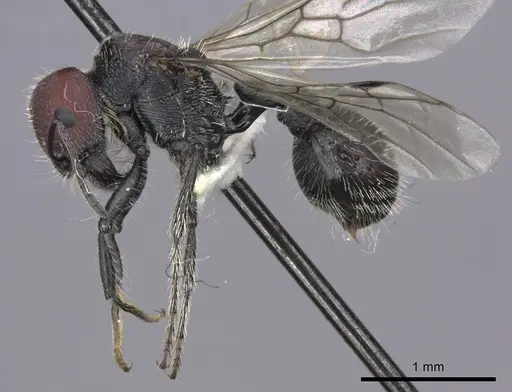
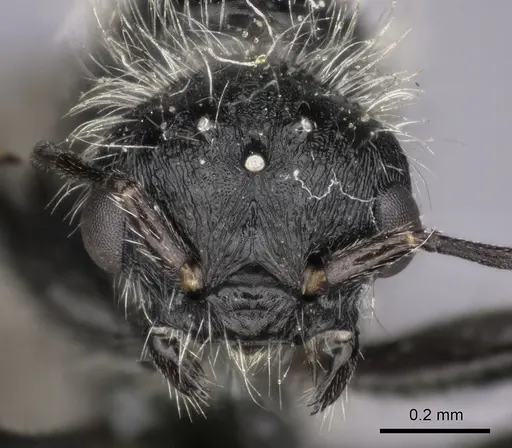
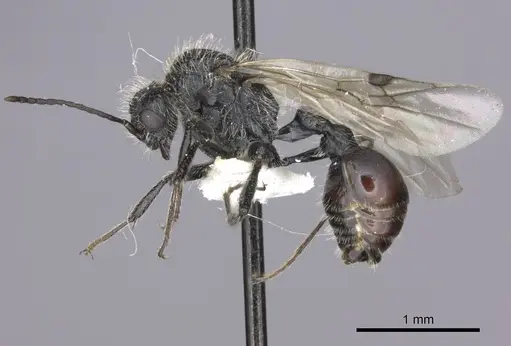
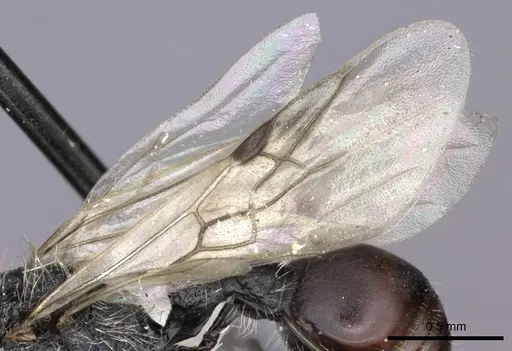
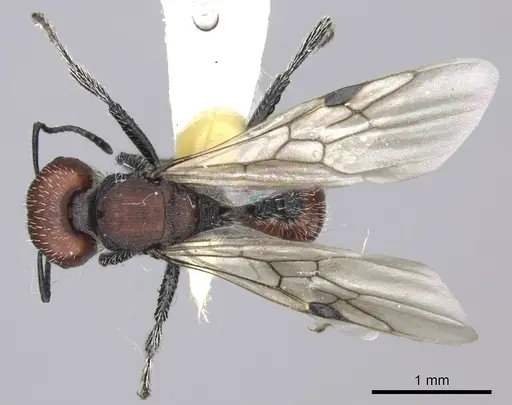
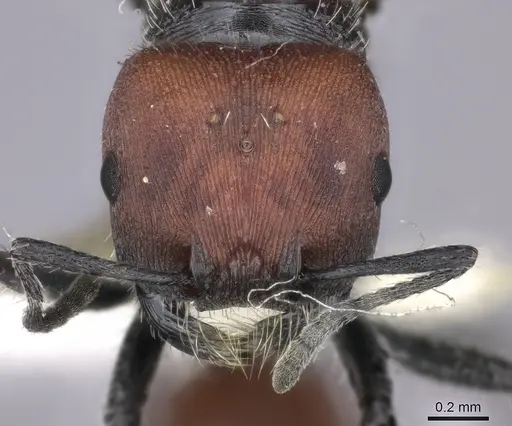
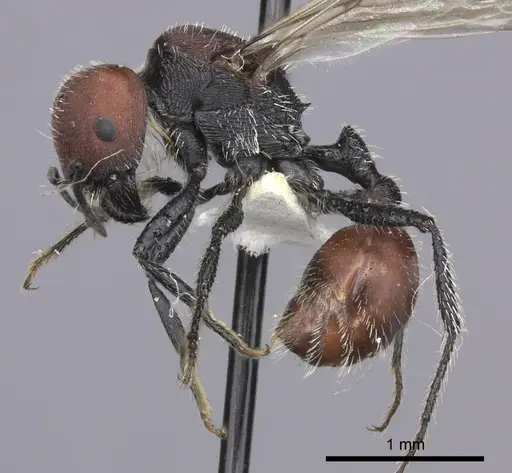
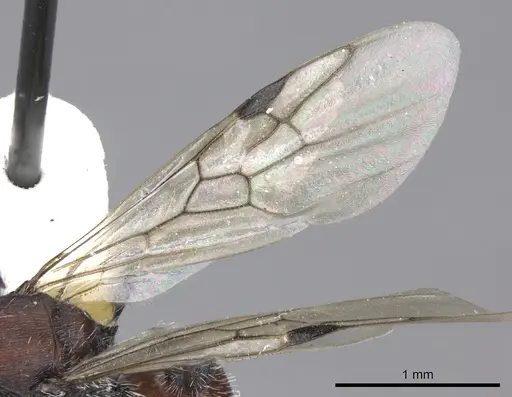
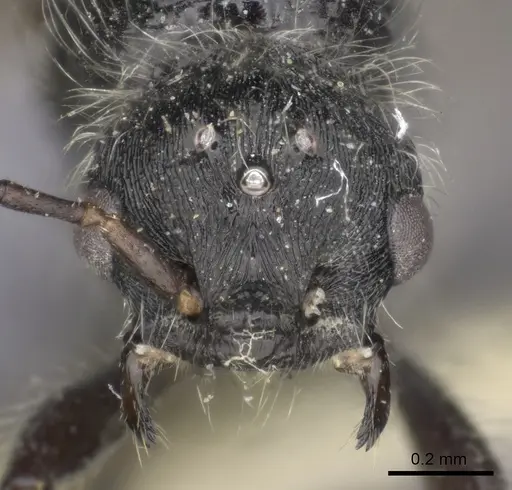
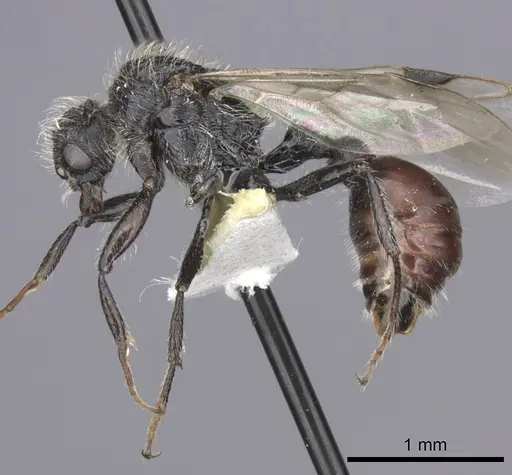
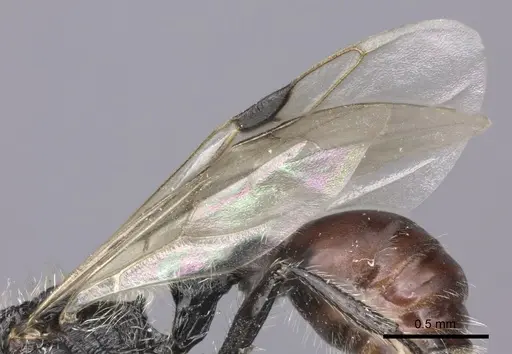
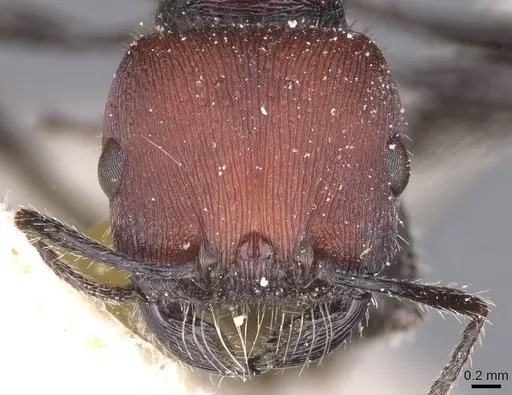
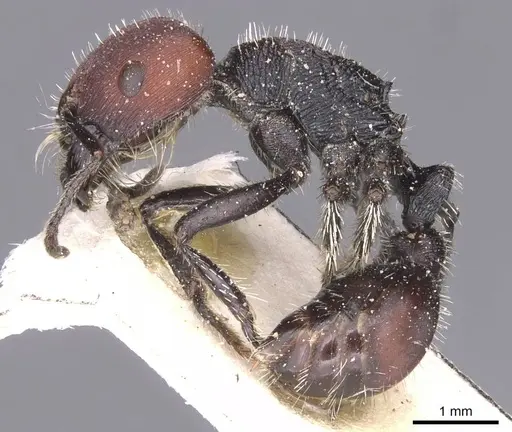
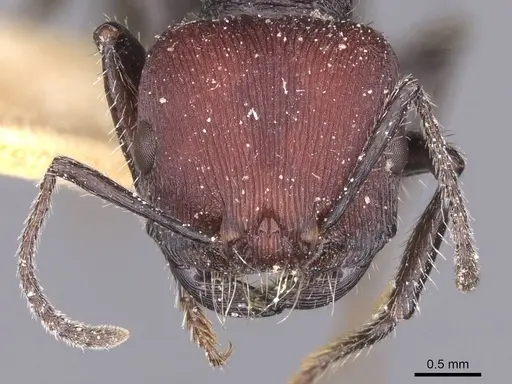
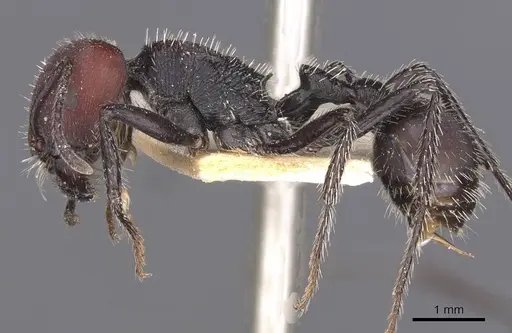
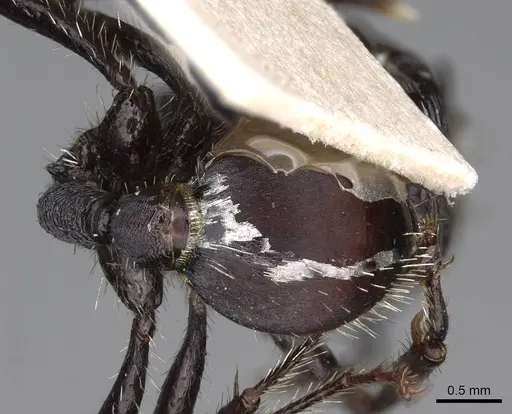
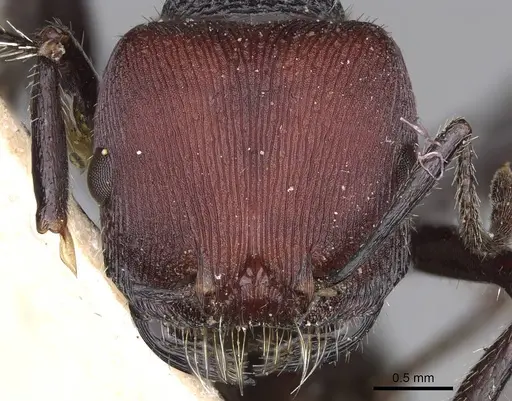
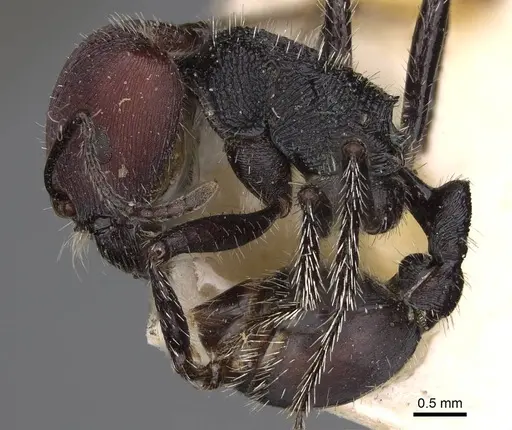
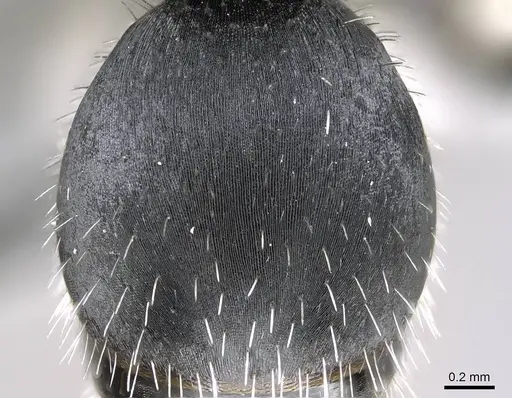
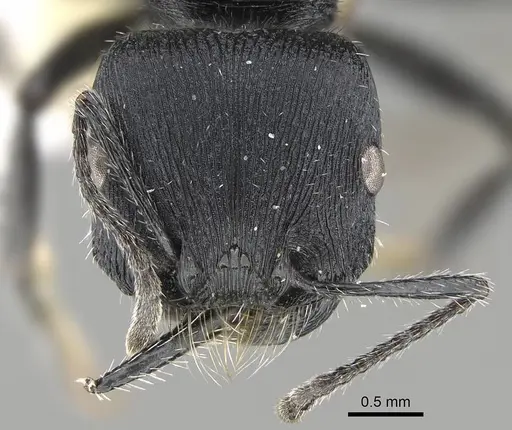
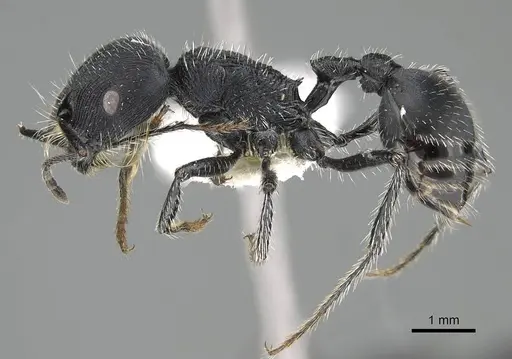
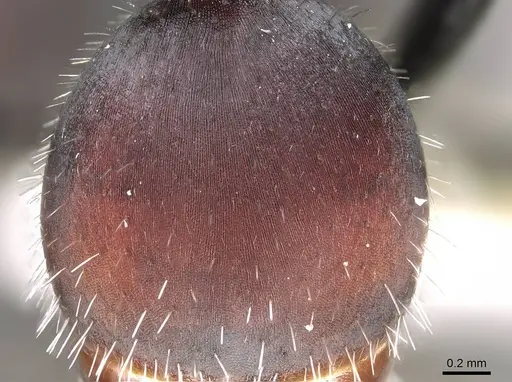
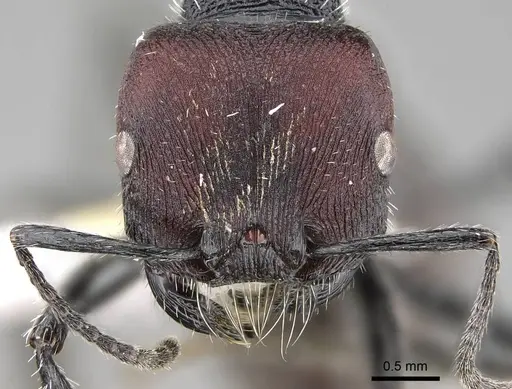
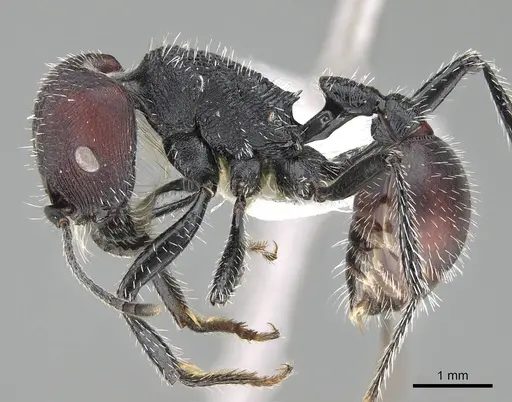
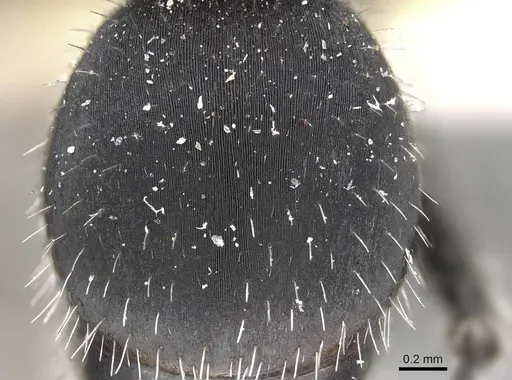
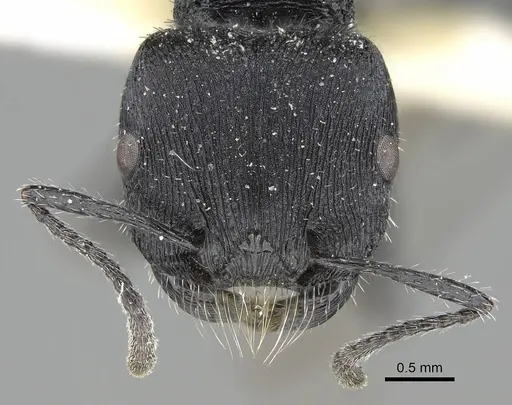
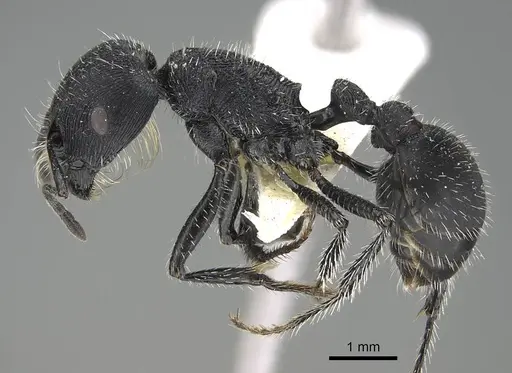
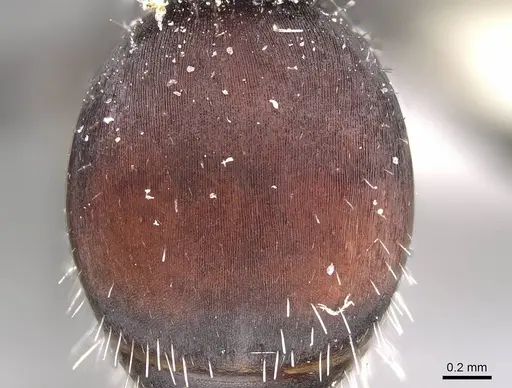
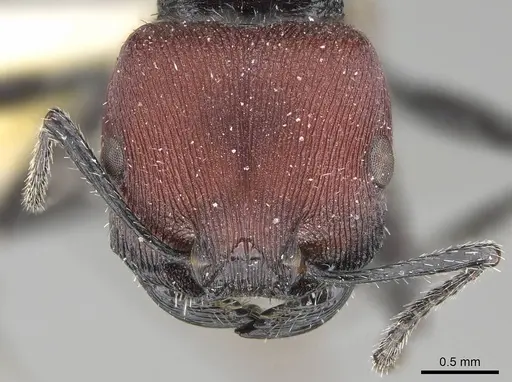
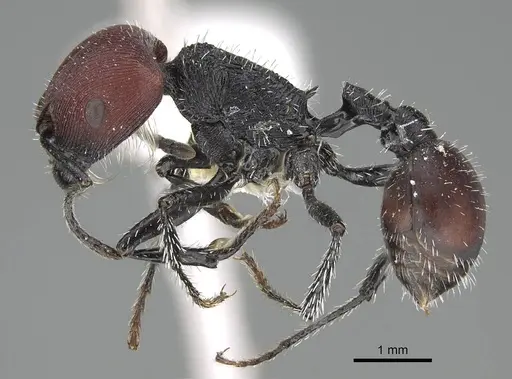
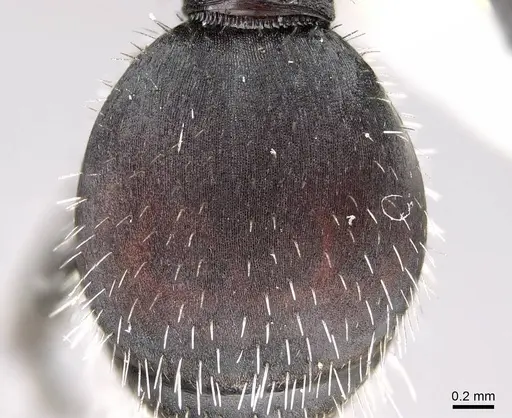
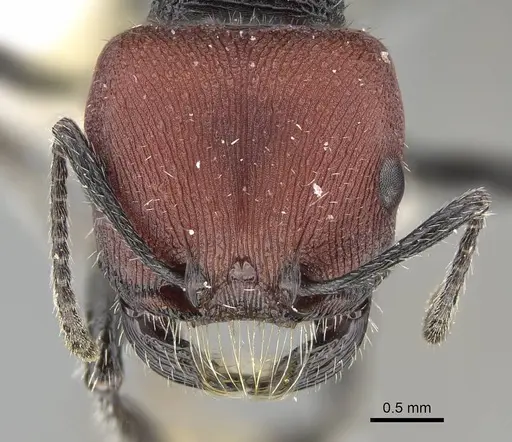
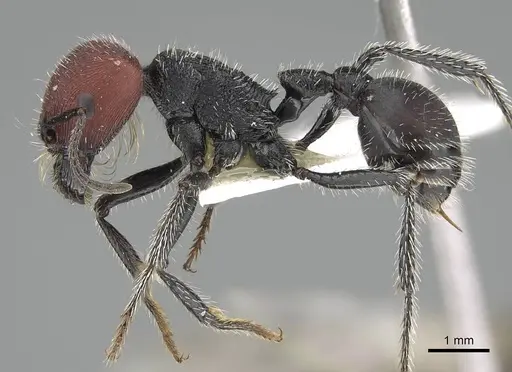
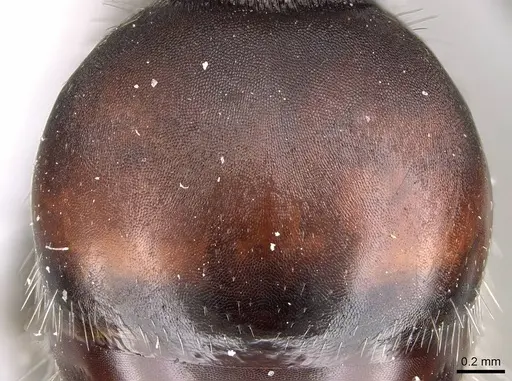
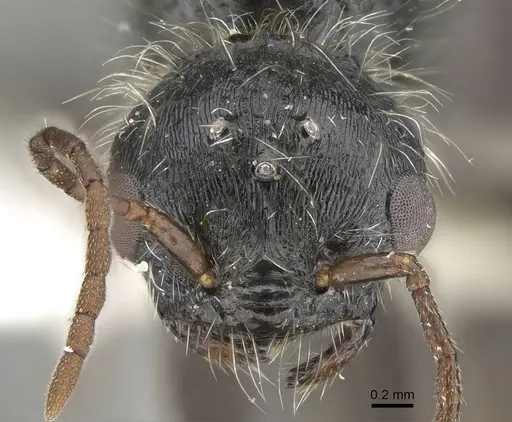
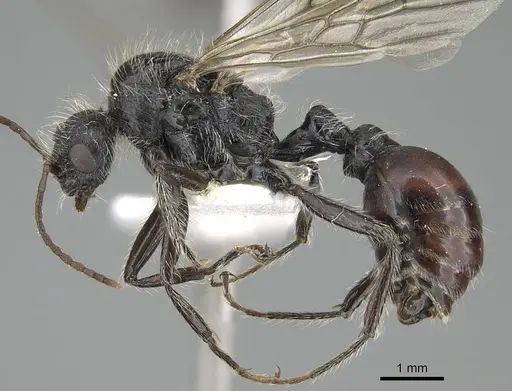
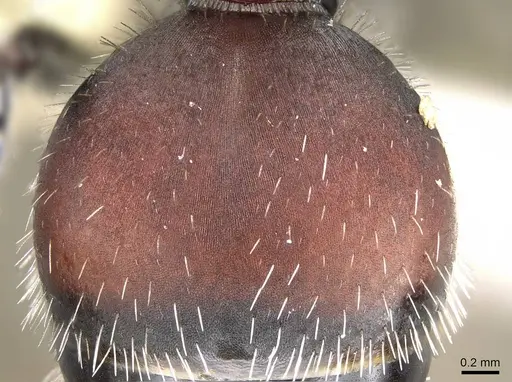
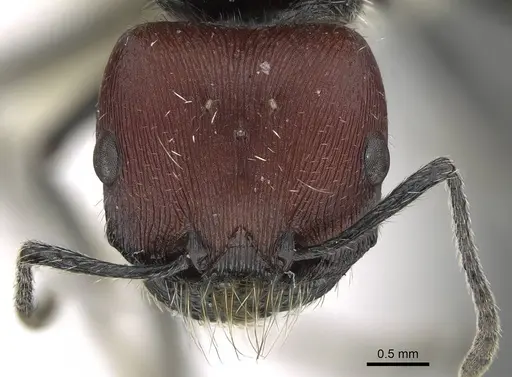
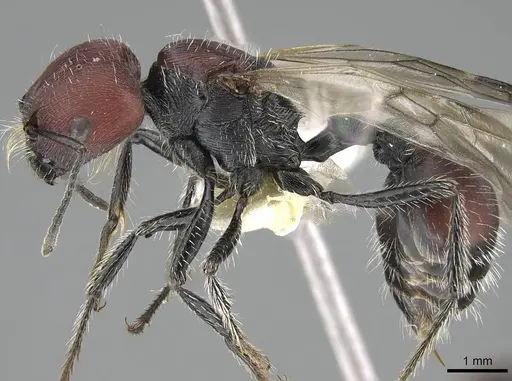
Pogonomyrmex carbonarius is a medium-sized seed harvester ant native to northern Patagonia in Argentina. Workers measure 1.7-2.25mm with a distinctive appearance: the head ranges from orange to reddish-brown while the mesosoma, petiole, and gaster are black to blackish-brown. They have well-developed propodeal spines and a psammophore (a basket-like structure of hairs beneath the head for carrying seeds). This species builds exposed nests in open areas with characteristic tumulus mounds up to 35cm in diameter, and workers are solitary foragers that collect seeds from native grasses [1]. What makes this species particularly interesting is its strong preference for native plant seeds over introduced species, making them important for maintaining ecosystem balance in the Patagonian steppe [2].
Quick Summary
- Difficulty: Medium
- Origin & Habitat: Native to northern Patagonia, Argentina, where it inhabits the Patagonian steppe, Lower Monte, and Southern Andean steppe ecoregions at elevations from 20-1865m. Nests are built in open areas with no surrounding vegetation [3][1].
- Colony Type: Single-queen (monogyne) colonies with documented colony sizes of approximately 500-1000 workers [1].
- Colony: Monogyne
- Founding: Claustral
- Size & Growth:
- Antkeeping:
- Temperature: Keep nest area around 20-24°C. This species comes from the temperate Patagonian region, so they prefer cooler conditions than many tropical ants. A heating cable on one side of the nest can create a gentle gradient if room temperature is below 20°C.
- Humidity: Low to moderate. These ants naturally inhabit dry steppe environments. Keep the nest substrate dry with a small water reservoir available in the outworld. Avoid excessive moisture.
- Diapause: Yes, this species likely requires a winter rest period (diapause) given its Patagonian origin. Reduce temperature to around 10-15°C for 2-3 months during winter.
- Nesting: Y-tong (acrylic) nests work well for this species. They prefer干燥 conditions and will do best in nests that don't retain excess moisture. A small sand or soil area in the outworld allows them to exhibit natural seed-harvesting behavior.
- Behavior: Workers are solitary foragers that actively collect seeds, particularly from native grasses. They are aggressive defenders of their nest and have a painful sting, handle with caution. Workers are active in two daily bouts (morning and evening), matching their natural foraging patterns in the Patagonian steppe [3]. Escape prevention is important though not as critical as for tiny ants, standard barriers work well for workers this size.
- Common Issues: colonies may decline if kept too warm or humid, their steppe habitat means they prefer drier, cooler conditions, seed storage can lead to mold if the nest is too humid, ensure good ventilation, their painful sting makes them unsuitable for handling by children or those with ant sting allergies, wild-caught colonies may have parasites, quarantine and monitor new colonies carefully, slow founding phase means colonies need patience during the claustral period
Housing and Nest Setup
Pogonomyrmex carbonarius does well in Y-tong (acrylic) nests or plaster nests with minimal moisture retention. These are dry-environment ants from the Patagonian steppe, so avoid setups that trap humidity. The outworld should include a small area with sand or fine soil where workers can exhibit their natural seed-sorting and storage behaviors. A test tube water reservoir connected to the outworld provides drinking water without adding humidity to the nest itself. Escape prevention is straightforward, these are medium-sized ants and standard barriers like fluon or oil work effectively. [1][3]
Feeding and Diet
As seed harvesters, these ants primarily collect and store seeds. In captivity, offer a variety of seeds (grass seeds, millet, sunflower seeds chopped small) as a constant food source. They also accept protein sources like mealworms, crickets, and other small insects. A sugar water or honey offering can supplement their diet though seeds should form the foundation. In the wild, they show a strong preference for native grass seeds (particularly Pappostipa speciosa) over introduced plant species [2]. Offer seeds in a shallow dish to allow natural sorting and storage behavior.
Temperature and Seasonal Care
Keep the nest area at 20-24°C, which reflects their temperate Patagonian origin. They are adapted to cooler conditions than many ant species, so avoid overheating. A heating cable on one side of the nest creates a temperature gradient if needed. During winter (roughly November-February in the Southern Hemisphere corresponding to their natural cycle), reduce temperatures to 10-15°C for a diapause period of 2-3 months. This winter rest is important for colony health and reproduction. If you cannot provide natural seasonal cooling, a refrigerator hibernation (5-10°C) for 2-3 months can substitute. [1]
Behavior and Defense
Workers are solitary foragers, actively searching for seeds rather than using recruitment trails. They are aggressive defenders of their nest and possess a painful sting, this species should not be handled without proper protection. The sting is among the more painful in the ant world, similar to other Pogonomyrmex species. When threatened, workers readily launch defensive attacks. For keepers, this means using caution during nest inspections and avoiding hand contact with workers. Their activity patterns in captivity will likely show two daily peaks (morning and evening) matching their natural foraging bouts. [3][1]
Colony Development
Colonies start when a claustral queen seals herself in a chamber and raises the first brood alone using stored fat reserves. The founding phase takes several months, be patient and avoid disturbing the queen during this critical period. Once the first nanitic workers emerge, the colony begins growing. Maximum colony size reaches approximately 500-1000 workers [1]. Growth is moderate, expect several months before the colony reaches 50+ workers. Sexual brood (alates) is produced in mature colonies, with sexuals collected in the wild from January 24 to February 17 [1].
Frequently Asked Questions
How long does it take for Pogonomyrmex carbonarius to raise first workers?
Expect 8-12 weeks from egg to first worker at optimal temperature (around 22°C). The claustral queen seals herself in and raises the first brood alone, be patient and avoid disturbing her during this founding phase.
Do Pogonomyrmex carbonarius ants sting?
Yes, they have a painful sting. This species should be handled with caution, they are aggressive defenders and their sting is among the more painful in the ant world. Use protection and avoid hand contact with workers.
What do Pogonomyrmex carbonarius eat?
They are seed harvesters, seeds should form the foundation of their diet. Offer various small seeds (grass, millet, chopped sunflower) plus protein sources like mealworms or crickets. Sugar water or honey can supplement their diet.
Are Pogonomyrmex carbonarius good for beginners?
They are medium difficulty. Their dry habitat requirements and painful sting make them better suited for keepers with some experience. They require patience during founding and proper winter cooling for diapause.
How big do Pogonomyrmex carbonarius colonies get?
Colonies reach approximately 500-1000 workers at maturity [1]. This is a moderate-sized colony for a Pogonomyrmex species.
Do Pogonomyrmex carbonarius need hibernation?
Yes, they require a winter rest period (diapause) due to their Patagonian origin. Reduce temperatures to 10-15°C for 2-3 months during winter, or use refrigerator hibernation at 5-10°C.
Can I keep multiple Pogonomyrmex carbonarius queens together?
No, this is a monogyne (single-queen) species. Only one queen per colony should be kept. Multiple unrelated queens will fight.
What temperature is best for Pogonomyrmex carbonarius?
Keep nest temperatures around 20-24°C. They prefer cooler conditions than tropical ants since they come from temperate Patagonia. Avoid overheating.
When do Pogonomyrmex carbonarius alates appear?
Sexual brood (alates) is produced in mature colonies. In the wild, sexuals have been collected from January 24 to February 17,with dealate queens found in December [1].
Why are my Pogonomyrmex carbonarius dying?
Common causes include: too much humidity (they need dry conditions), temperatures too high (they prefer 20-24°C), disturbing the queen during founding, or parasites from wild-caught colonies. Ensure dry nest conditions and proper temperature.
References

This caresheet is licensed under CC BY-SA 4.0 .
CASENT0173350
View on AntWeb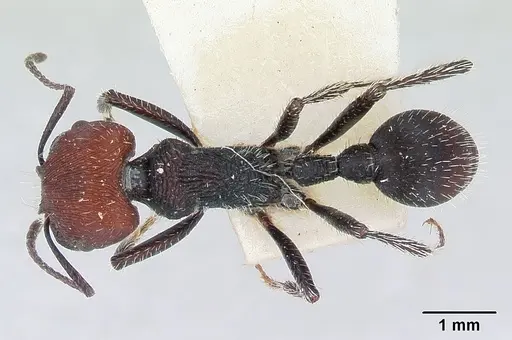
CASENT0173355
View on AntWeb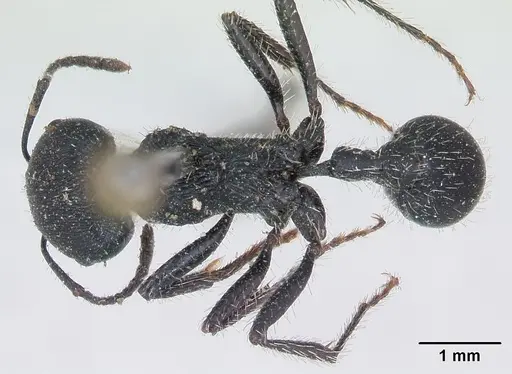
CASENT0217252
View on AntWeb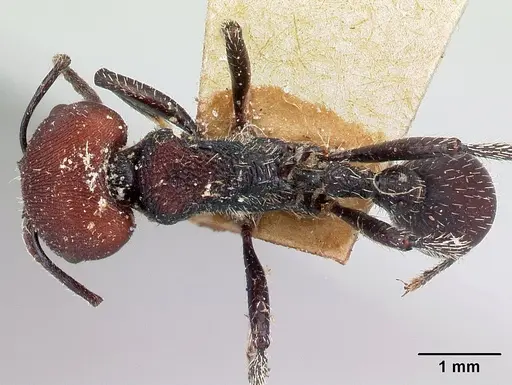
CASENT0217256
View on AntWeb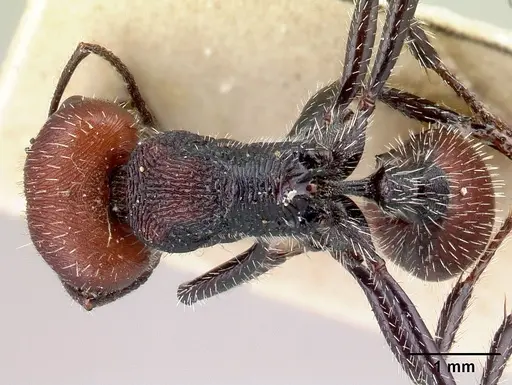
CASENT0235288
View on AntWeb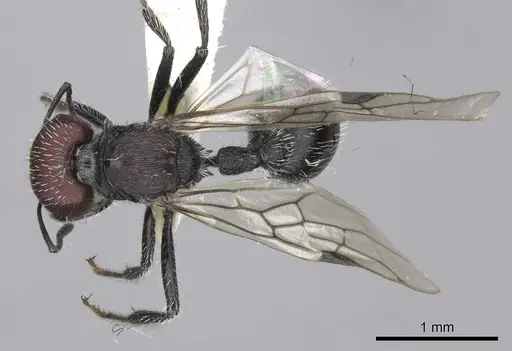
CASENT0235289
View on AntWeb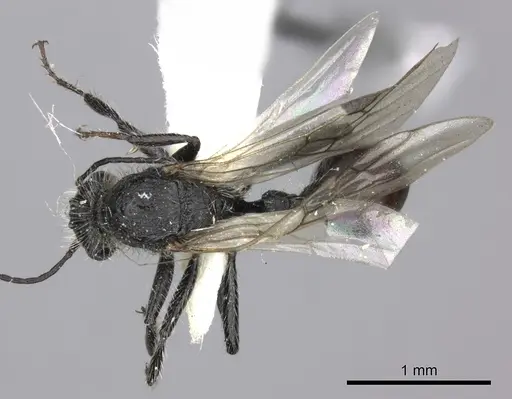
CASENT0235295
View on AntWeb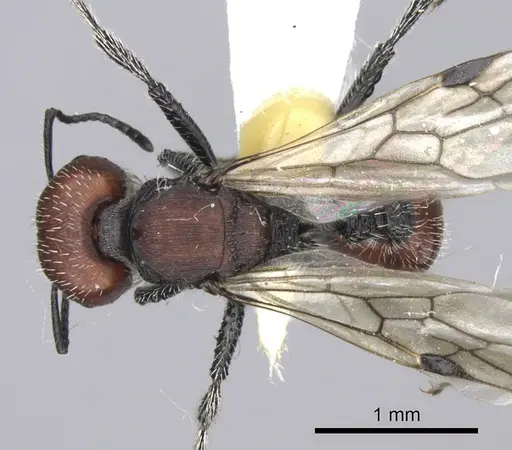
CASENT0235296
View on AntWeb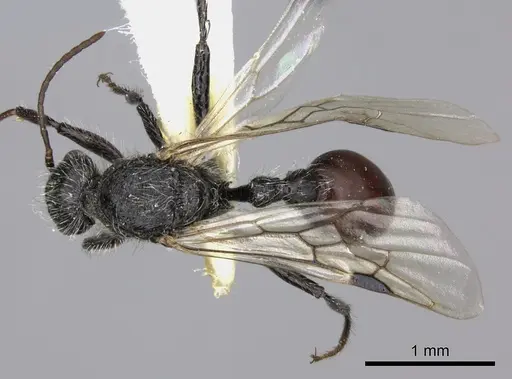
CASENT0913100
View on AntWeb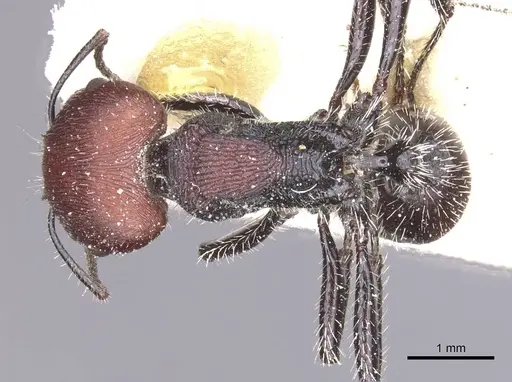
CASENT0913102
View on AntWeb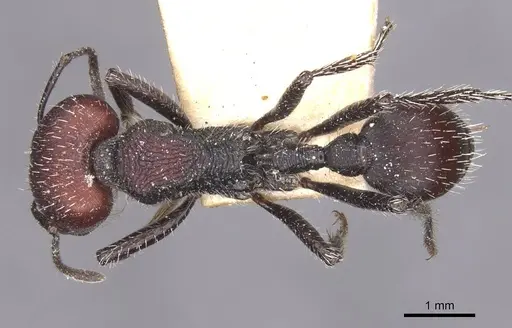
CASENT0914202
View on AntWeb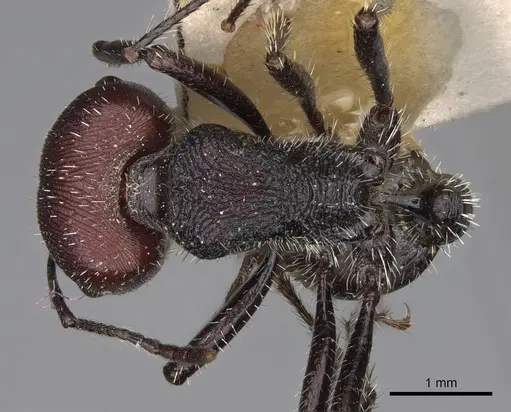
CASENT0922100
View on AntWeb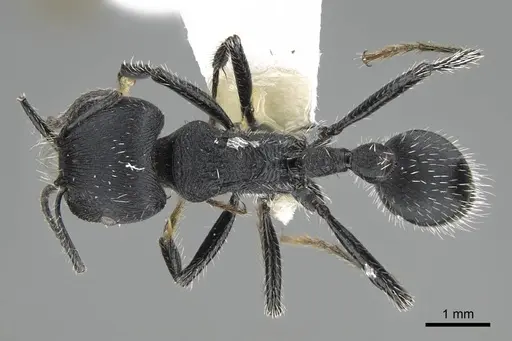
CASENT0922101
View on AntWeb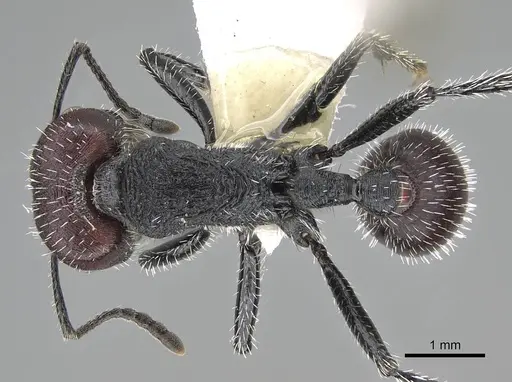
CASENT0922102
View on AntWeb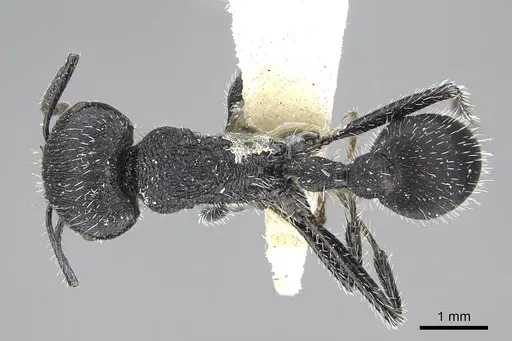
CASENT0922103
View on AntWeb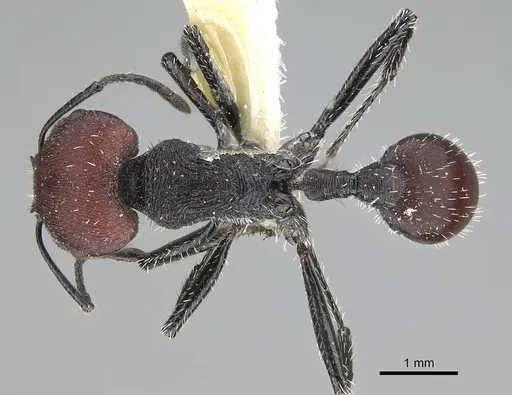
CASENT0922157
View on AntWeb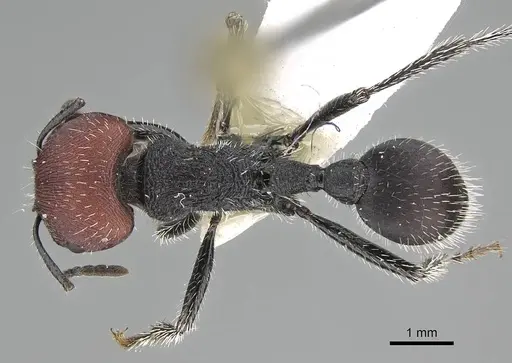
CASENT0922158
View on AntWeb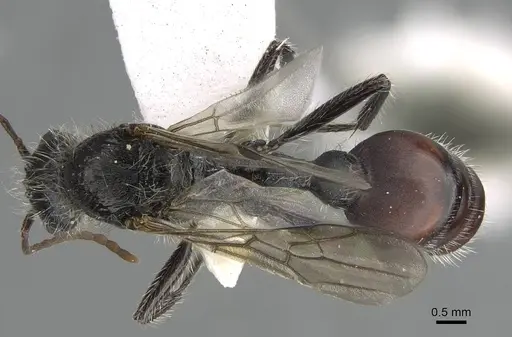
CASENT0922159
View on AntWeb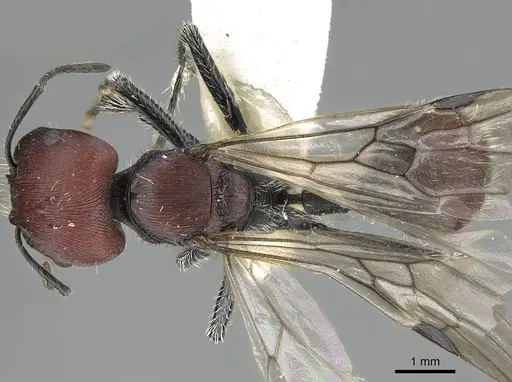
Literature
Loading...Loading products...