

Pogonomyrmex brevispinosus
- Scientific Name
- Pogonomyrmex brevispinosus
- Tribe
- Pogonomyrmecini
- Subfamily
- Myrmicinae
- Author
- Cole, 1968
- Distribution
- Found in 1 countries
Pogonomyrmex brevispinosus Overview
Pogonomyrmex brevispinosus is an ant species of the genus Pogonomyrmex. It is primarily documented in 1 countries , including United States of America. Detailed taxonomic data and occurrence records can be further explored via authoritative databases such as AntWeb or the Global Biodiversity Information Facility (GBIF).
Pogonomyrmex brevispinosus
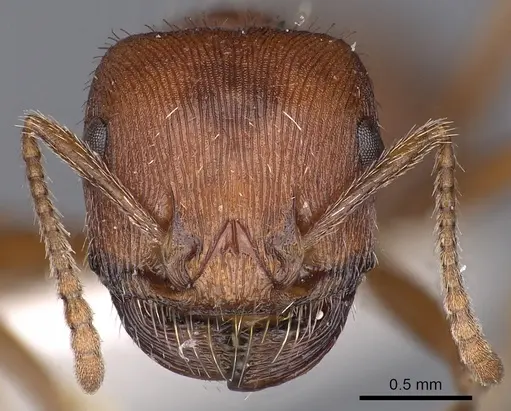
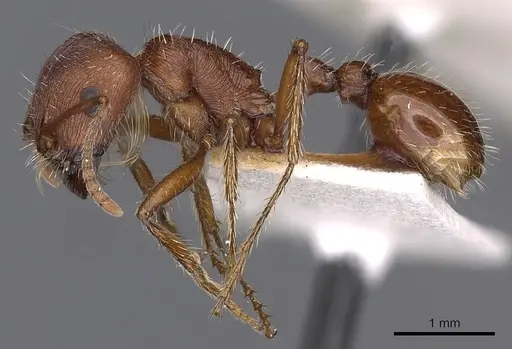
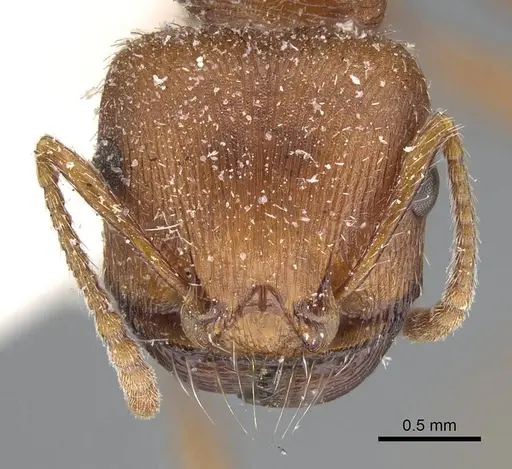
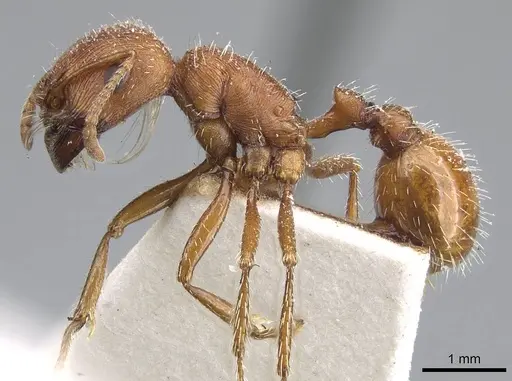
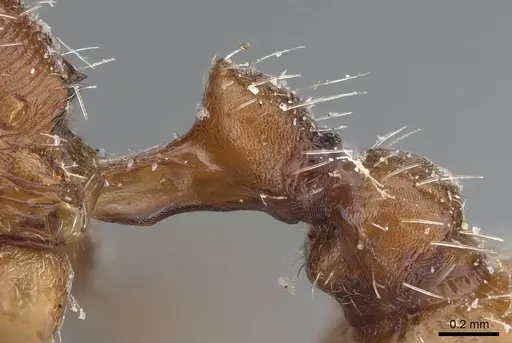
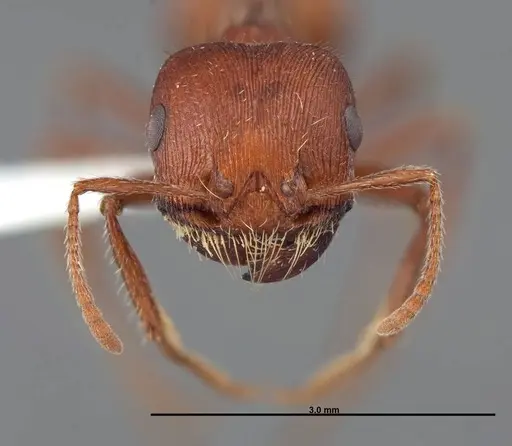
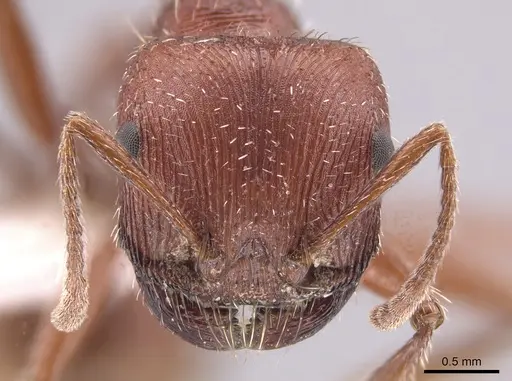
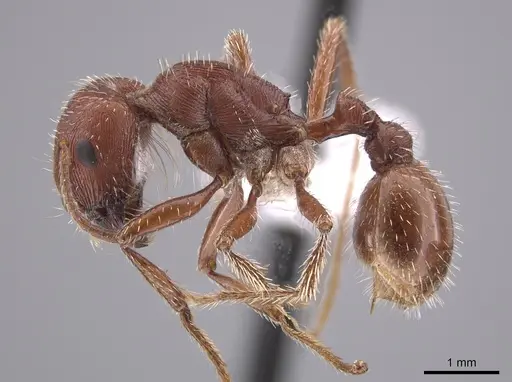
Pogonomyrmex brevispinosus is a harvester ant species native to the desert regions of California and Nevada in the United States. Workers measure 1.56-1.79mm in head width and have a medium ferrugineous red coloration. This species is distinguished by very large, broad, convex frontal lobes and short epinotal spines that can vary from faint angles to prominent pointed spines. Queens are larger at 1.82-1.94mm head width, while males are smaller at 1.14-1.62mm [1].
This species is notable for its docile temperament, unlike many Pogonomyrmex species known for their painful stings, these workers are sluggish and docile, and researchers were unable to elicit a stinging response during field observations. Nests are shallow, typically reaching only 5-12 inches deep, with a distinctive circular crater entrance surrounded by pebbles and debris [1].
Quick Summary
- Difficulty: Medium
- Origin & Habitat: Native to the southwestern United States, specifically California and Nevada. Inhabits desert regions with compact sandy soil, where it builds shallow nests marked by circular craters 3-8 inches in diameter [1].
- Colony Type: Single-queen colonies (monogyne). Colonies are relatively small, typically containing fewer than 200 workers [1].
- Colony: Monogyne
- Founding: Claustral
- Size & Growth:
- Queen: 1.82-1.94mm head width [1]
- Worker: 1.56-1.79mm head width [1]
- Colony: Up to 200 workers [1]
- Growth: Moderate, based on typical Pogonomyrmex development patterns
- Development: 6-10 weeks, estimated based on related Pogonomyrmex species (Development time is estimated as this specific species has not been directly studied. Males were observed in nests from August through November, suggesting late-season mating [1].)
- Antkeeping:
- Temperature: Keep at 24-30°C, mimicking desert conditions. A heating cable on one side of the nest creates a temperature gradient. These are desert ants that tolerate and prefer warmer conditions.
- Humidity: Low to moderate. Keep nest substrate dry to moderately moist, think desert soil, not tropical rainforest. Provide a water tube but avoid excessive moisture.
- Diapause: Yes, this is a temperate/desert species that benefits from a winter rest period. Reduce temperature to 10-15°C for 2-3 months during winter.
- Nesting: Prefers dry, compact sandy soil. A naturalistic setup with compact substrate or a Y-tong/plaster nest works well. The key is providing a dry, stable environment with a shallow nest chamber.
- Behavior: Docile and sluggish temperament, notably less aggressive than most Pogonomyrmex species. Workers forage solitarily for seeds and show limited recruitment behavior [2][3]. They are not effective stingers and will typically flee rather than attack when disturbed. Escape risk is moderate, use standard barrier methods but they are not prolific escape artists.
- Common Issues: small colony size means slower population growth, don't expect rapid expansion, desert species is sensitive to excess moisture, keep nesting area dry, limited foraging recruitment means food discovery is slower, place food near active foragers, late-season mating means nuptial flights occur later than many species, be patient with reproductive alates
Nest Preferences
Pogonomyrmex brevispinosus naturally nests in very compact sandy soil in desert habitats. In the wild, nests are marked by low, circular craters 3-8 inches in diameter with a single central entrance surrounded by a loose pile of small pebbles and bits of dry twigs and leaves. The nests are comparatively shallow, galleries typically reach only about 5 inches to 1 foot deep [1].
For captive care, a naturalistic setup with compact sandy substrate works best. You can also use a Y-tong (acrylic) nest or plaster nest, but ensure the nesting area remains dry. The key is providing a shallow to moderately deep chamber that stays dry. Avoid overly humid conditions, this is a desert species that thrives in drier environments.
Feeding and Diet
As a seed-harvester ant, Pogonomyrmex brevispinosus primarily collects and stores seeds as their main food source [3]. They are solitary foragers, meaning they search for food individually rather than recruiting large numbers of workers to food sources [2].
In captivity, you should provide a mix of seeds appropriate for small harvester ants, millet, sesame, flax, and other small seeds work well. They also accept protein sources like small insects (fruit flies, pinhead crickets, mealworms). Offer seeds constantly in the outworld, and protein 1-2 times per week. Unlike some ants, they are not highly aggressive predators, their foraging strategy is centered on seed collection.
Temperature and Care
This desert species requires warm temperatures to thrive. Keep the nest area at 24-30°C, with a slight gradient if possible. A heating cable placed on top of the nest (never underneath where it can dry out the water reservoir) can help maintain appropriate temperatures.
Because they come from desert regions in California and Nevada, they are adapted to dry conditions. Keep humidity low in the nesting area, think sandy desert rather than tropical forest. A water tube for drinking is necessary, but avoid creating a humid environment. During winter, provide a diapause period by reducing temperatures to 10-15°C for 2-3 months. [1]
Behavior and Temperament
One of the most notable traits of Pogonomyrmex brevispinosus is its docile temperament. Unlike many Pogonomyrmex species known for their painful stings (some have venom lethal enough to kill mice at 0.74mg/kg [4]), these workers are sluggish and researchers were unable to elicit a stinging response during field observations [1]. They will typically amble to cover when disturbed rather than attacking.
Workers forage solitarily with limited recruitment [2], meaning they search for food individually rather than forming chains of foragers. This makes them less exciting to watch than highly recruiting species, but they are still fascinating to observe. Colonies remain relatively small, typically under 200 workers, so don't expect massive swarms.
Colony Growth and Development
Colonies are small, with fewer than 200 workers typical in wild nests [1]. This is smaller than many Pogonomyrmex species. Growth rate is moderate, you can expect a newly mated queen to produce her first workers (nanitics) within 6-10 weeks under optimal conditions, but this is estimated based on related species since this specific species hasn't been studied in detail.
Males have been collected from nests in August, October, and November, suggesting this species mates later in the season than many desert ants [1]. If you're keeping a colony with reproductives, be patient, nuptial flights occur late in the year.
Frequently Asked Questions
How long does it take for Pogonomyrmex brevispinosus to produce first workers?
Estimated 6-10 weeks from egg to first worker under optimal warm conditions. This is based on typical Pogonomyrmex development patterns since this specific species hasn't been studied in detail.
What do Pogonomyrmex brevispinosus eat?
They are seed-harvester ants. Feed them a mix of small seeds (millet, sesame, flax) and occasional protein sources like small insects. They forage solitarily, so place food where active workers can find it.
How big do Pogonomyrmex brevispinosus colonies get?
Colonies remain relatively small, typically fewer than 200 workers. This is smaller than many other Pogonomyrmex species.
Do Pogonomyrmex brevispinosus need hibernation?
Yes, this is a temperate/desert species that benefits from a winter rest period. Reduce temperatures to 10-15°C for 2-3 months during winter.
Are Pogonomyrmex brevispinosus good for beginners?
They are medium difficulty. Their small colony size and slow growth may test beginner patience, but their docile temperament and simple diet (seeds + occasional protein) make them manageable. The main challenges are maintaining proper dry conditions and being patient with growth.
Can I keep multiple Pogonomyrmex brevispinosus queens together?
No, this is a monogyne (single-queen) species. Multiple unrelated queens will fight. Only keep one queen per colony.
What temperature is best for Pogonomyrmex brevispinosus?
Keep nest area at 24-30°C. This desert species prefers warm, dry conditions. A heating cable on top of the nest can help maintain warmth.
When do Pogonomyrmex brevispinosus have nuptial flights?
Based on male collection dates (August through November), mating occurs late in the season compared to many other desert ant species.
Why are my Pogonomyrmex brevispinosus not foraging much?
This species is naturally sluggish and forages solitarily with limited recruitment. They may not be as active as other ants. Also check that temperatures are warm enough (24-30°C) and that the nesting area is dry enough, they are desert ants that prefer drier conditions.
References

This caresheet is licensed under CC BY-SA 4.0 .
CASENT0005715
View on AntWeb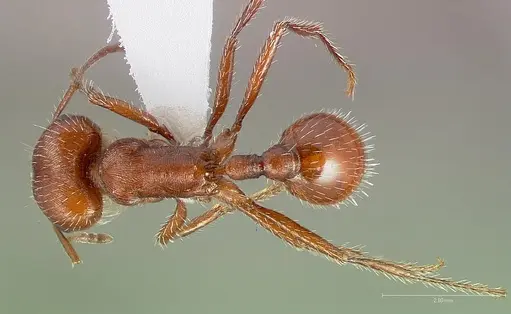
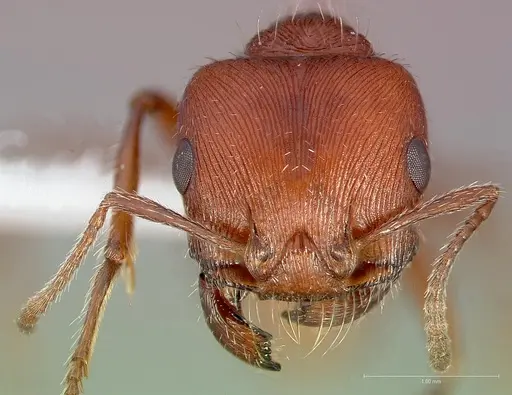
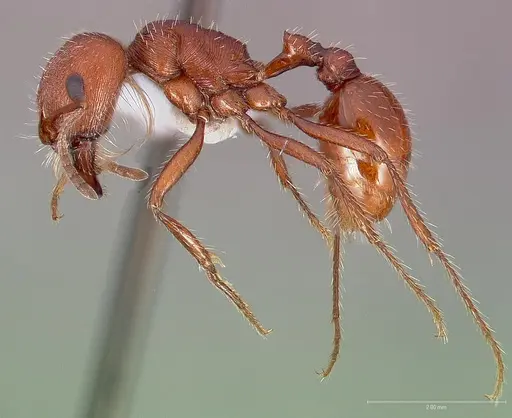
CASENT0900377
View on AntWeb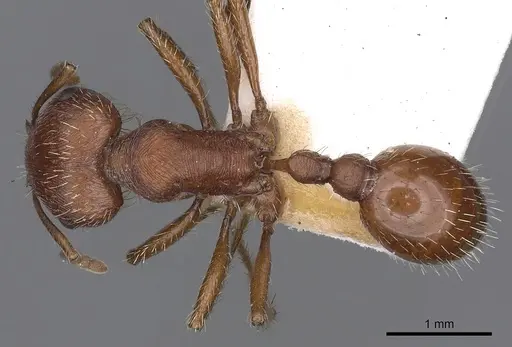
CASENT0914096
View on AntWeb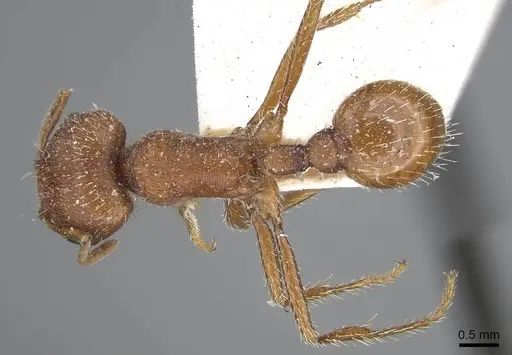
FMNHINS0000058896
View on AntWeb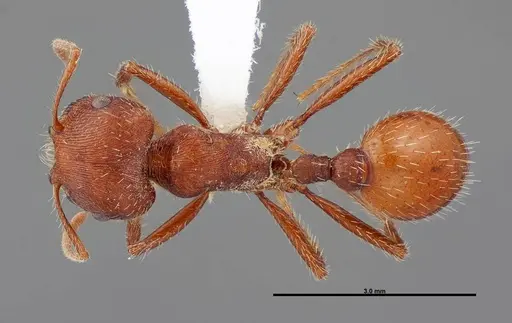
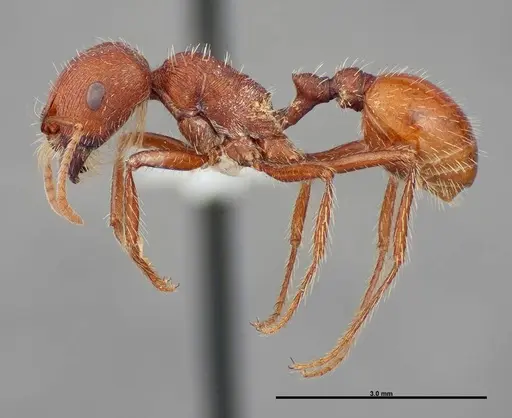
FMNHINS0000083116
View on AntWeb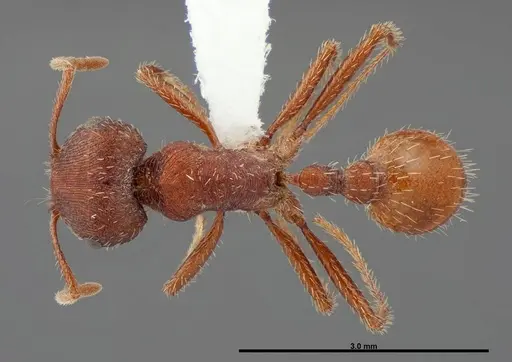
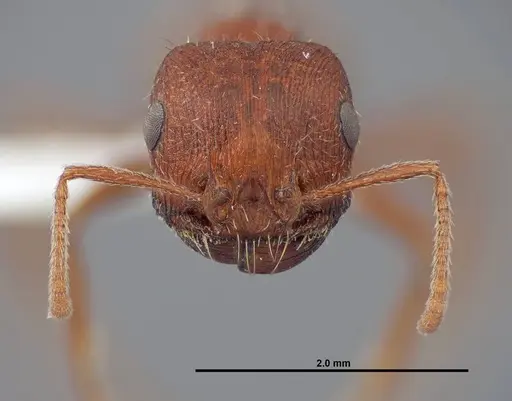
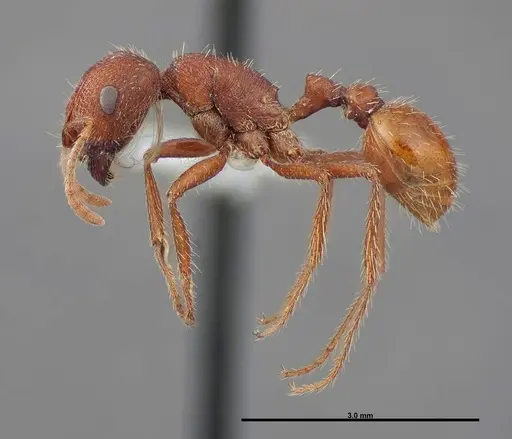
TESC000007978
View on AntWeb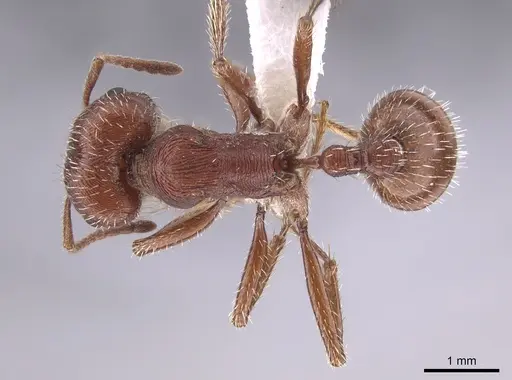
Literature
Loading...Loading products...