

Pogonomyrmex brevibarbis
- Scientific Name
- Pogonomyrmex brevibarbis
- Tribe
- Pogonomyrmecini
- Subfamily
- Myrmicinae
- Author
- Emery, 1906
- Distribution
- Found in 1 countries
Pogonomyrmex brevibarbis Overview
Pogonomyrmex brevibarbis is an ant species of the genus Pogonomyrmex. It is primarily documented in 1 countries , including Argentina. Detailed taxonomic data and occurrence records can be further explored via authoritative databases such as AntWeb or the Global Biodiversity Information Facility (GBIF).
Pogonomyrmex brevibarbis
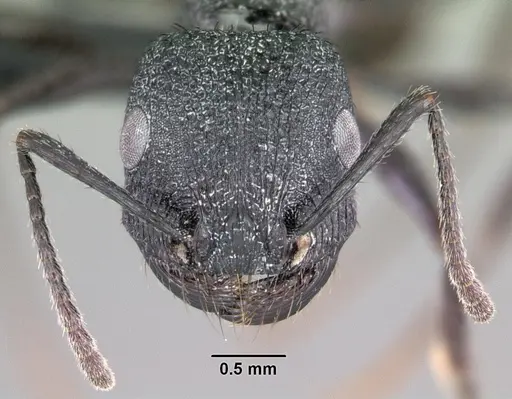
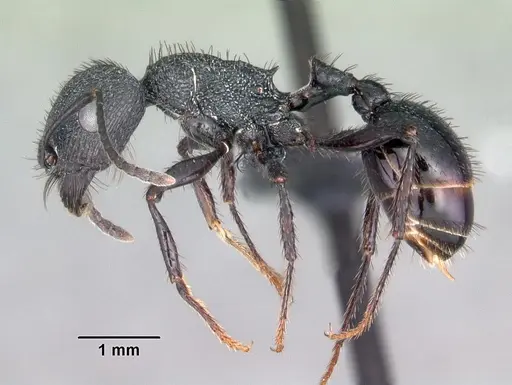
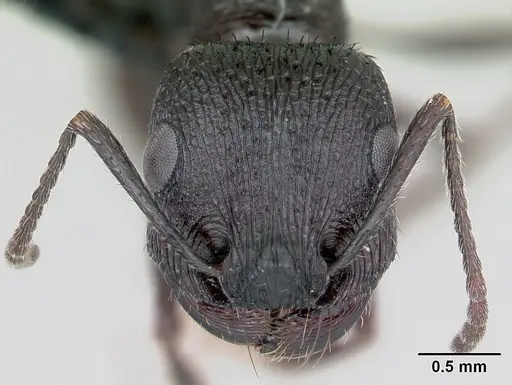
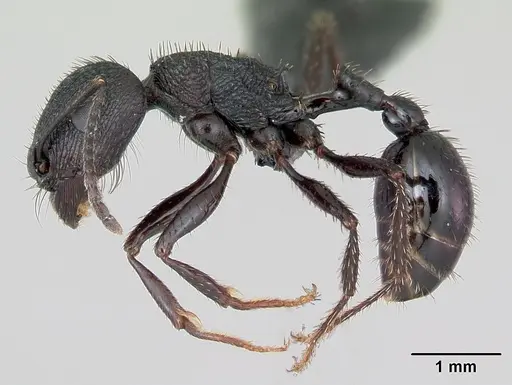
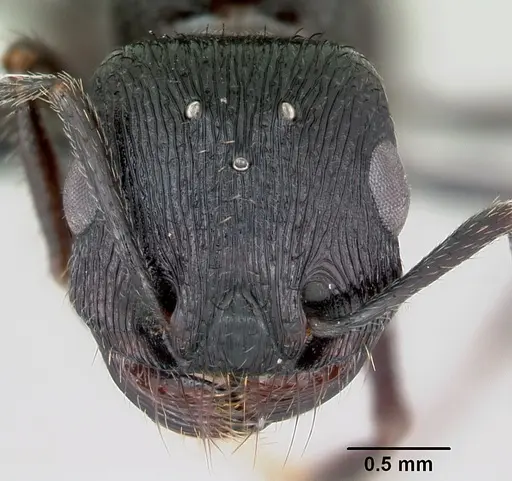
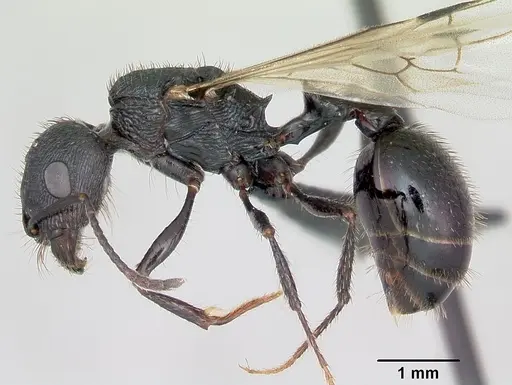
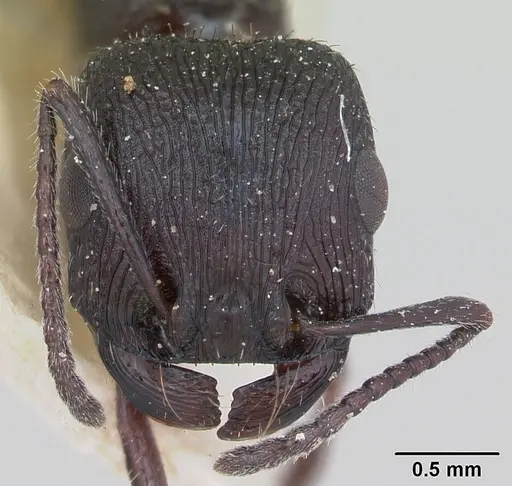
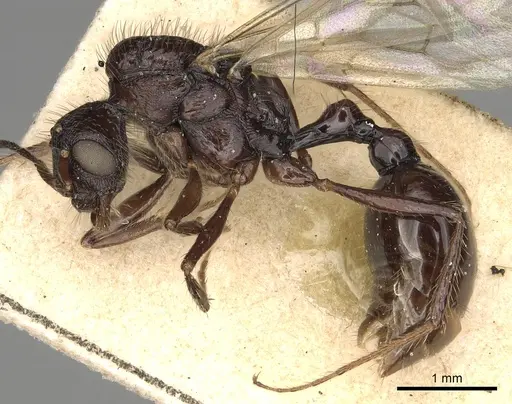
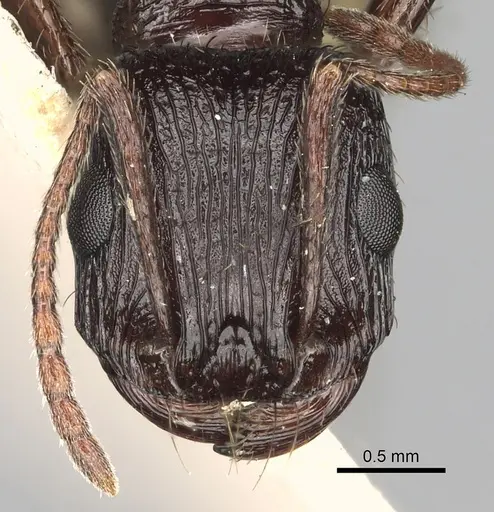
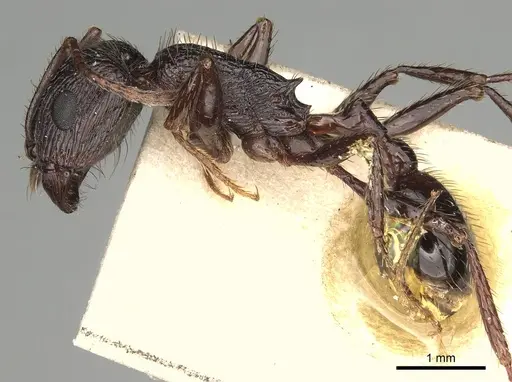
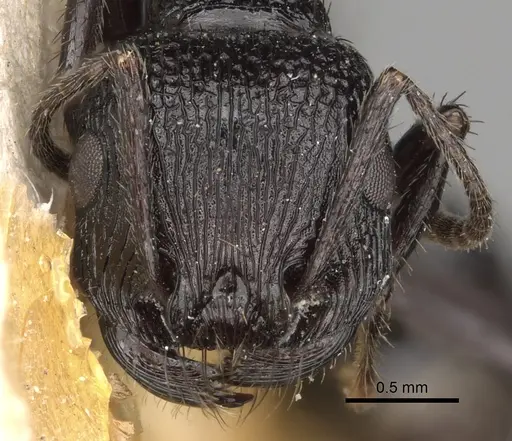
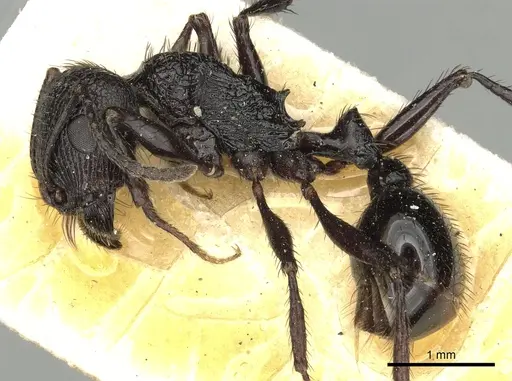
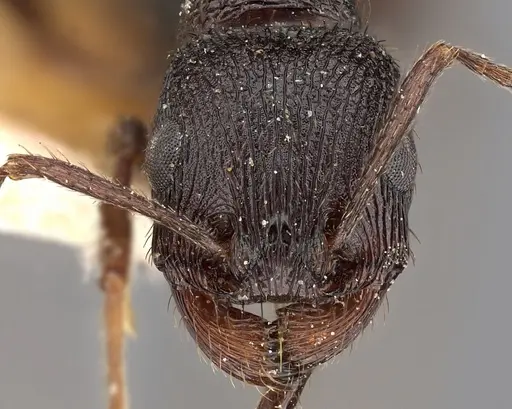
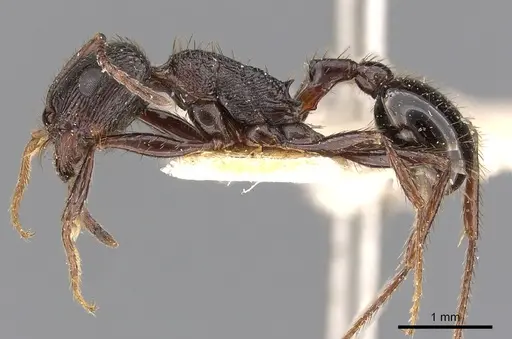
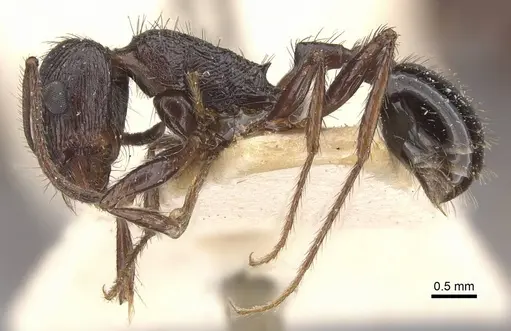
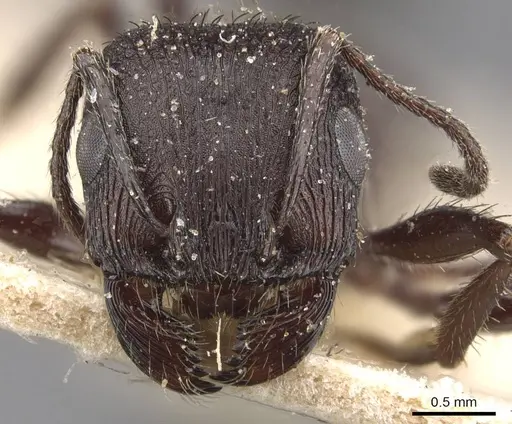
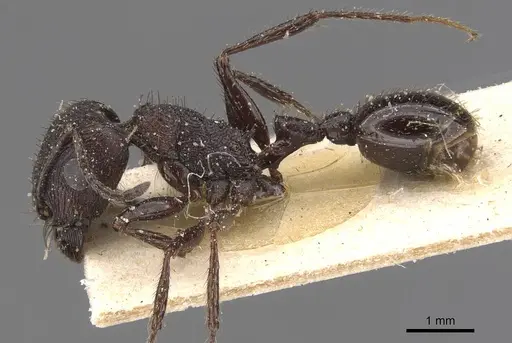
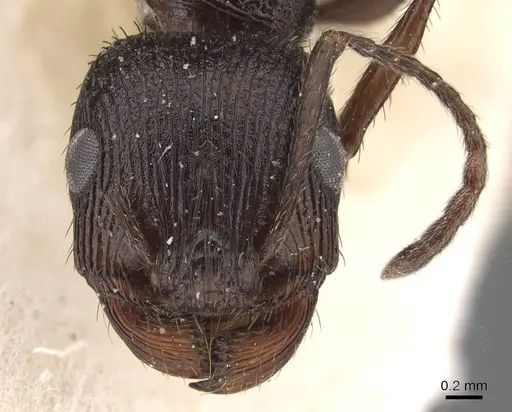
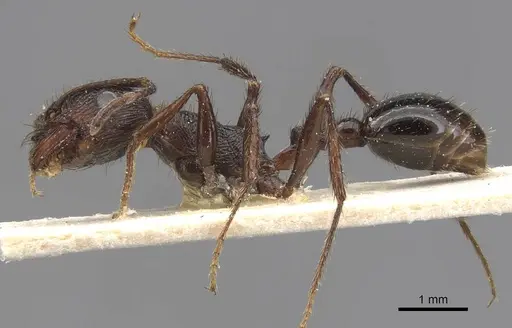
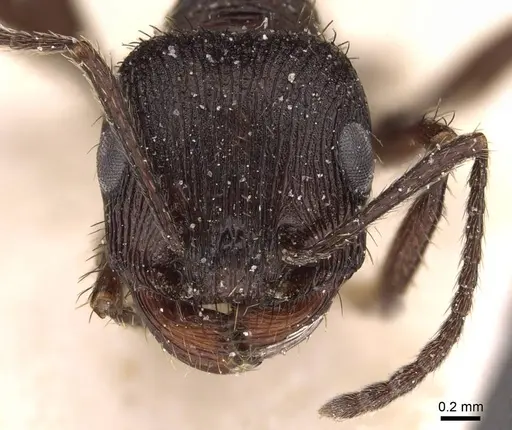
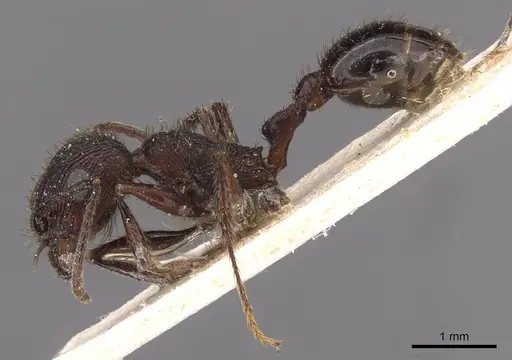
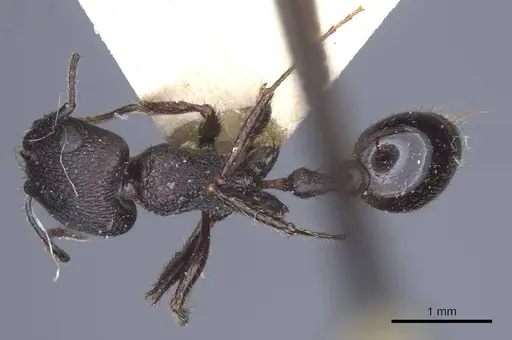
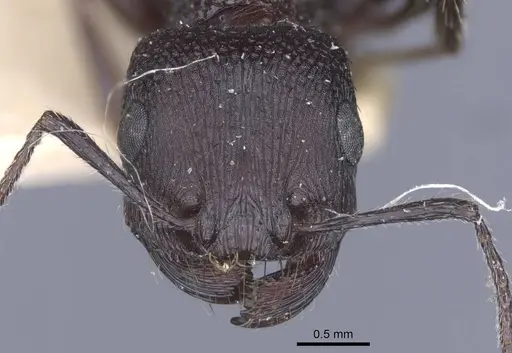
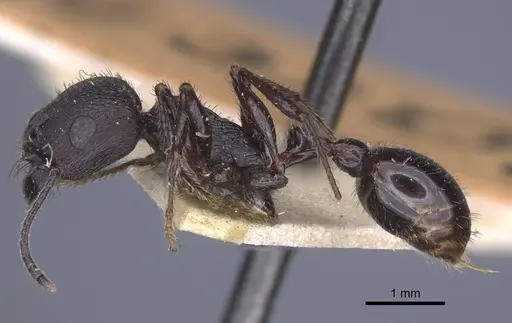
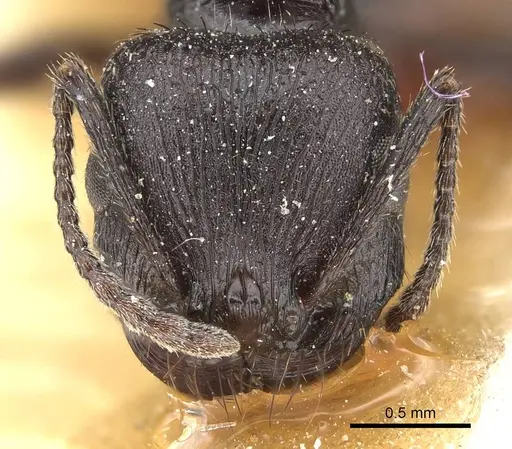
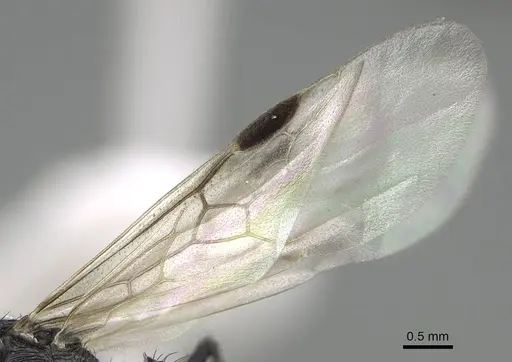
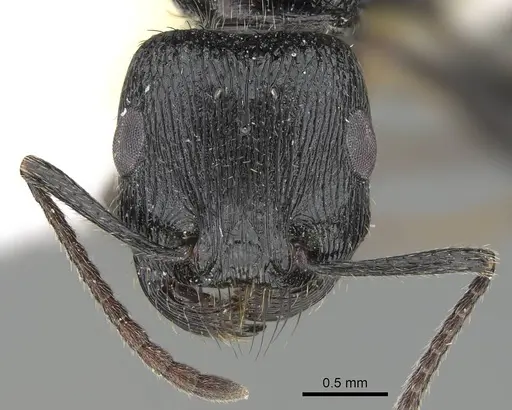
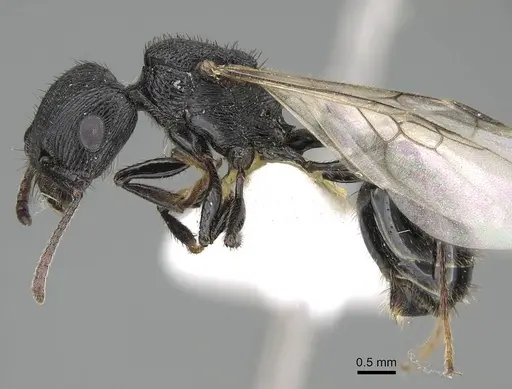
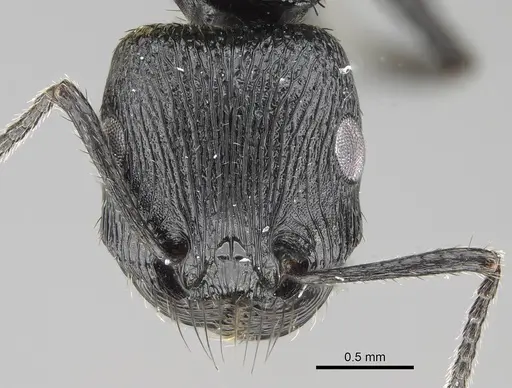
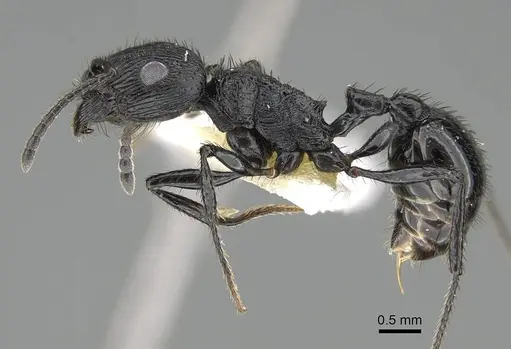
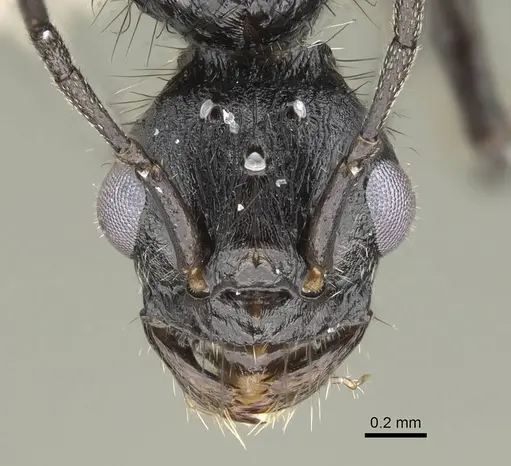
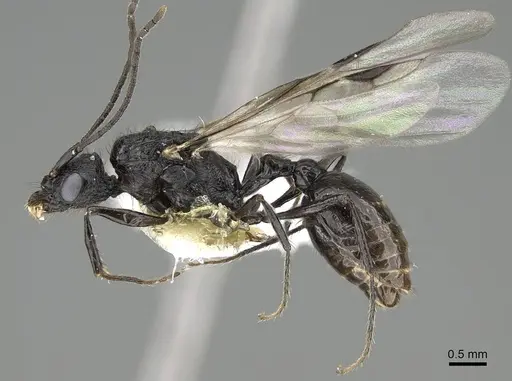
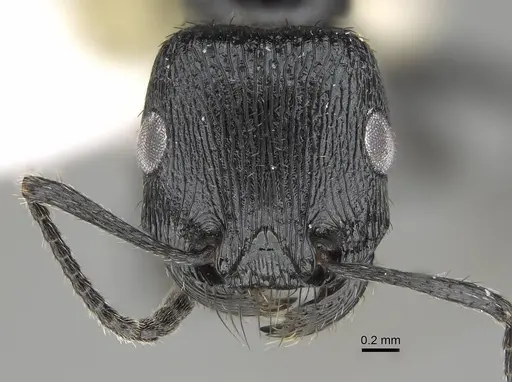
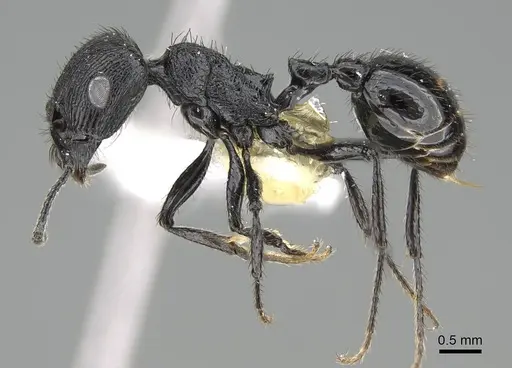
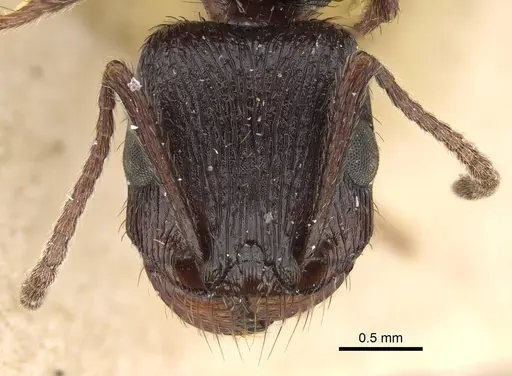
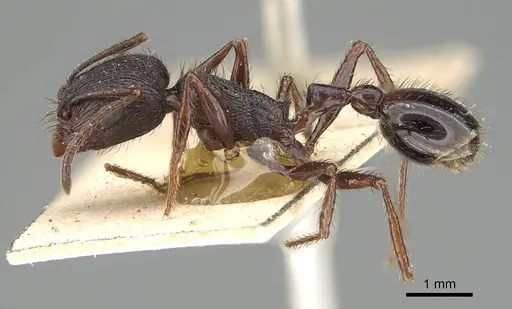
Pogonomyrmex brevibarbis is a small seed-harvester ant native to Argentina. Workers are tiny for a Pogonomyrmex species, measuring just 1.11-1.35mm in head width with a dark reddish-brown coloration [1]. The genus Pogonomyrmex is famous for their seed-harvesting behavior, these ants collect seeds and store them in granaries within their nests. Queens are notably larger than workers at around 1.32mm head width and are dealate (wingless) when founding colonies [1]. This species prefers the arid to semi-arid regions of central Argentina, particularly the Caldenal district [2].
Quick Summary
- Difficulty: Medium
- Origin & Habitat: Central Argentina, specifically the Caldenal district fitogeográfico. This is an arid to semi-arid region with hot summers and mild winters. They nest in soil, typically under stones or in open ground, creating chambers for seed storage [2][3].
- Colony Type: Monogyne (single-queen colonies). Pogonomyrmex species typically have one queen per colony. The colony size for this specific species is not well documented, but related small Pogonomyrmex species typically reach a few hundred workers [1].
- Colony: Monogyne
- Founding: Claustral
- Size & Growth:
- Queen: ~1.32mm head width [1]
- Worker: 1.11-1.35mm head width [1]
- Colony: Likely a few hundred workers based on related species [1]
- Growth: Moderate, seed-harvester ants grow more slowly than purely predatory species
- Development: Estimated 6-10 weeks based on typical Pogonomyrmex development patterns (Development time varies with temperature. Warmer conditions within acceptable range speed up development.)
- Antkeeping:
- Temperature: Keep around 24-28°C. These are ants from warm, arid regions of Argentina and prefer temperatures on the warmer side. A heating cable on one side of the nest creates a gradient allowing workers to regulate their own temperature [3].
- Humidity: Low to moderate. These are desert/semi-desert ants that prefer drier conditions. Keep the nest substrate relatively dry with occasional moisture zones. Allow the substrate to dry out between waterings, aim for a gradient from dry to slightly damp, not constantly wet [3].
- Diapause: Yes. Pogonomyrmex species from temperate Argentina require a winter dormancy period. Reduce temperature to around 10-15°C for 2-3 months during winter months (roughly November-February in the Southern Hemisphere, or June-August in the Northern Hemisphere if you're simulating Southern Hemisphere seasons) [3].
- Nesting: Y-tong (AAC) nests work well for these small ants. They prefer tight chambers scaled to their tiny size. A naturalistic setup with a digging area also works well since they naturally nest in soil. Avoid tall, open spaces, they prefer compact nests [3].
- Behavior: Workers are active foragers that search for seeds along well-defined trails. They are not particularly aggressive toward keepers but will defend their nest vigorously. They have a moderate escape risk due to their small size, use fine mesh barriers and ensure all connections are sealed. Unlike some Pogonomyrmex, this species is relatively small so escape prevention is important. They are daytime foragers, actively searching for seeds during the warmer hours [3].
- Common Issues: seed storage can lead to mold if humidity is too high, keep nesting area dry, small size means escapes are likely without fine mesh barriers, winter dormancy is essential, colonies that aren't cooled properly may decline, overfeeding can cause seed hoarding that attracts mold and pests, foundating colonies are fragile, queen must seal herself in and not be disturbed during claustral founding
Housing and Nest Setup
Pogonomyrmex brevibarbis is a small ant, so your nest chambers should be appropriately sized. Y-tong (AAC) nests work excellently, the narrow chambers match their natural nesting preferences in soil crevices. You can also use a naturalistic setup with a soil-filled area for them to dig their own chambers. The key is providing tight, enclosed spaces rather than large open areas. Connect the nest to an outworld (foraging area) that allows easy access to food. Because of their small size, use fine mesh on any ventilation holes and check all connections regularly for gaps. [1][3]
Feeding and Diet
As seed-harvester ants, their primary diet consists of seeds. Offer a variety of seeds appropriate for their tiny size, grass seeds, millet, and small bird seed mixes work well. They will also accept protein sources like small insects (fruit flies, pinhead crickets, mealworm pieces). Sugar water or honey can be offered occasionally but is not a primary food source for seed harvesters. Remove any uneaten seeds periodically to prevent mold. Feed protein 1-2 times per week and keep seeds available constantly in the outworld. [3]
Temperature and Seasonal Care
These Argentine ants prefer warm conditions. Maintain nest temperatures around 24-28°C during the active season. A heating cable placed on top of the nest (never underneath where it can dry out the water reservoir) creates a nice gradient. During winter, they require a diapause period. Reduce temperatures to 10-15°C for 2-3 months. In the Southern Hemisphere, this corresponds to roughly November-February, in the Northern Hemisphere, simulate this by cooling from June-August. Do not feed during dormancy and keep water available but minimal. [3]
Colony Founding
New colonies start when a mated queen seals herself into a small chamber (claustral founding). The queen uses stored fat reserves to survive and raise her first brood. Do not disturb a founding colony, opening the nest can kill the queen. First workers (nanitics) will be smaller than normal workers. The colony grows slowly at first as the queen focuses on establishing a worker force. Once workers emerge, they will begin foraging for seeds and the colony enters a growth phase. [1][3]
Behavior and Foraging
Workers forage in characteristic Pogonomyrmex style, they establish well-defined trails to food sources. They collect seeds and carry them back to the nest for storage in granaries. Workers are diurnal, most active during warmer parts of the day. They are not particularly aggressive toward humans but will defend their nest aggressively against intruders. Watch for their characteristic seed-carrying behavior, they grasp seeds with their mandibles and transport them individually back to the nest. [3]
Frequently Asked Questions
How long does it take for Pogonomyrmex brevibarbis to produce first workers?
Expect 6-10 weeks from egg to first worker under optimal warm conditions (around 26-28°C). The exact timing depends on temperature, warmer conditions speed development while cooler conditions slow it down.
Can I keep multiple Pogonomyrmex brevibarbis queens together?
No. This is a monogyne species with a single queen per colony. Combining unrelated queens will result in fighting. Only keep one queen per colony.
What temperature do Pogonomyrmex brevibarbis need?
Keep them warm at 24-28°C during the active season. They come from warm regions of Argentina and prefer temperatures on the warmer side. A heating cable on one side of the nest creates a gradient.
Do they need hibernation or diapause?
Yes. Pogonomyrmex brevibarbis requires a winter dormancy period. Reduce temperatures to 10-15°C for 2-3 months during winter. This is essential for colony health and longevity.
What do Pogonomyrmex brevibarbis eat?
They are seed harvesters, their primary food is seeds of various sizes. They also accept small insects for protein. Offer seeds constantly and protein 1-2 times per week.
Are Pogonomyrmex brevibarbis good for beginners?
They are intermediate difficulty. The small size requires good escape prevention, and they need proper winter dormancy. If you can provide warm conditions and a proper hibernation setup, they are rewarding ants to keep.
How big do Pogonomyrmex brevibarbis colonies get?
Based on related species, colonies likely reach a few hundred workers. They are not among the largest Pogonomyrmex species, their small worker size indicates a moderately sized colony.
When should I move them to a formicarium?
You can keep them in a test tube setup for the founding stage. Once the colony reaches 20-30 workers and you see significant seed storage behavior, you can move them to a proper nest (Y-tong or naturalistic).
Why are my ants dying during winter?
This is likely a diapause issue. Make sure temperatures are reduced gradually to 10-15°C, not suddenly dropped. Also ensure the colony is healthy going into dormancy, weak colonies often don't survive winter. Do not feed during dormancy.
References

This caresheet is licensed under CC BY-SA 4.0 .
CASENT0102690
View on AntWeb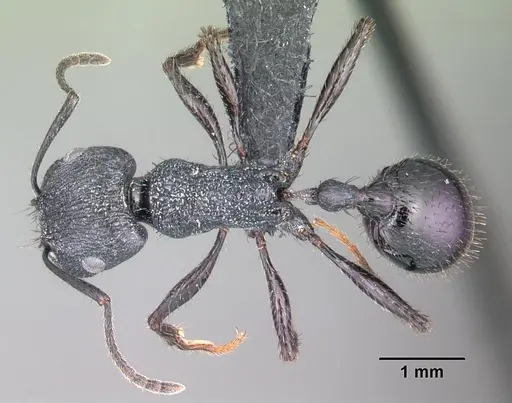
CASENT0172669
View on AntWeb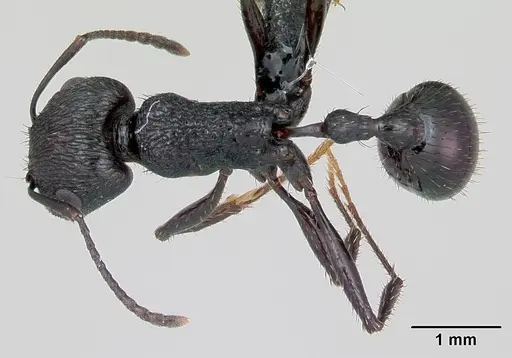
CASENT0172670
View on AntWeb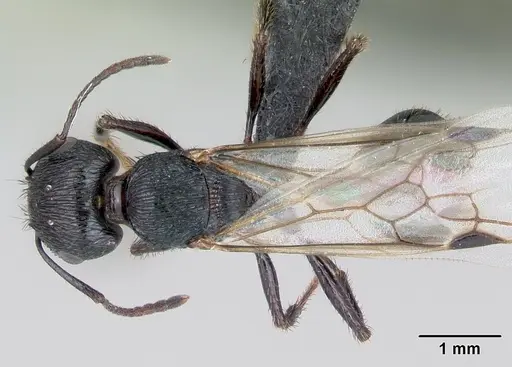
CASENT0173351
View on AntWeb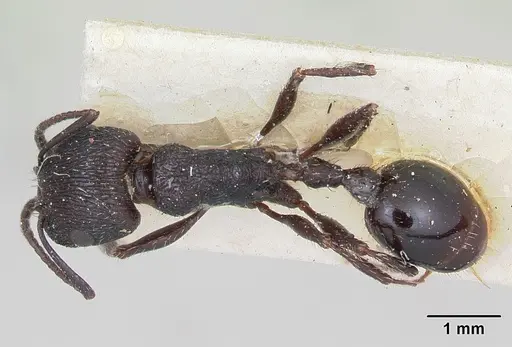
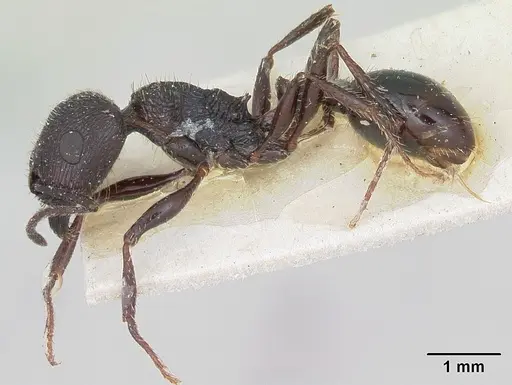
CASENT0191301
View on AntWeb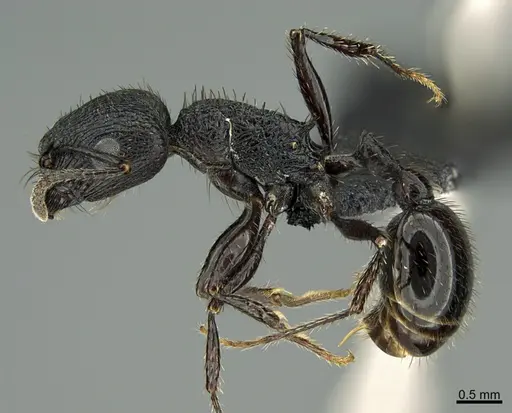
CASENT0281088
View on AntWeb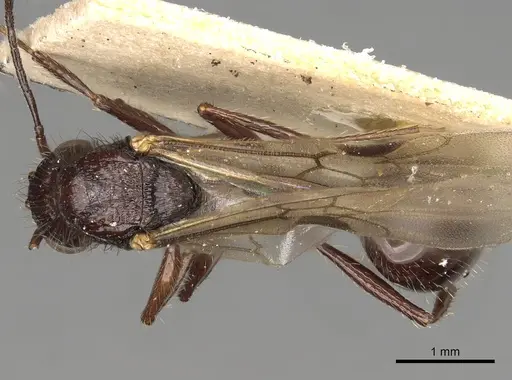
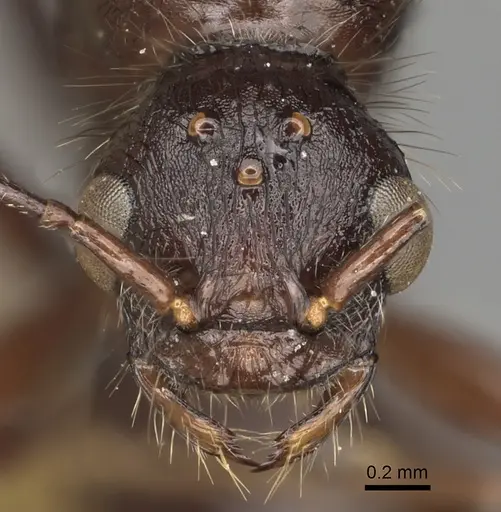
CASENT0281091
View on AntWeb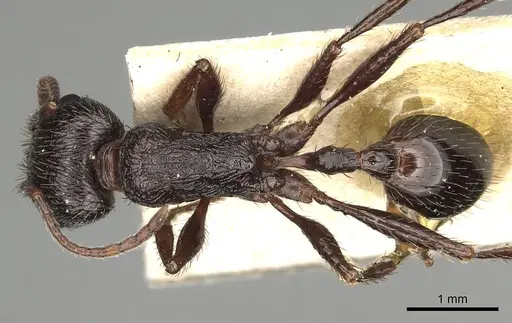
CASENT0281105
View on AntWeb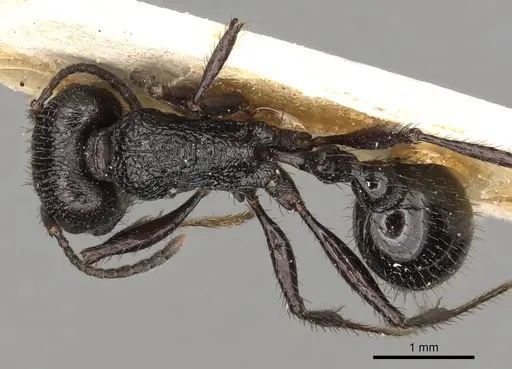
CASENT0900382
View on AntWeb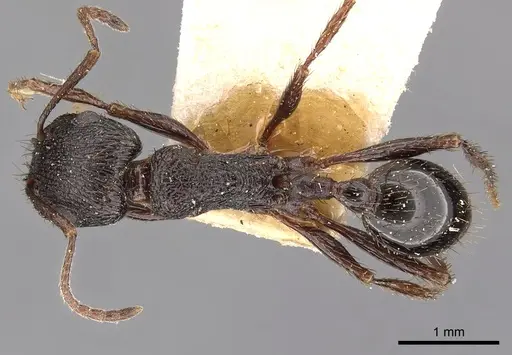
CASENT0900383
View on AntWeb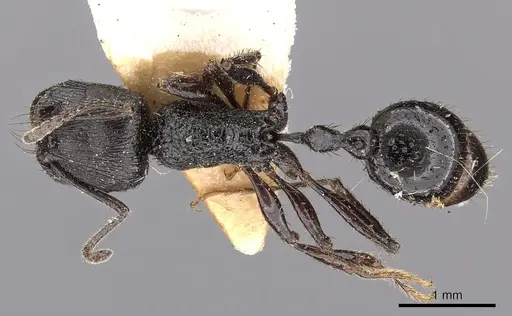
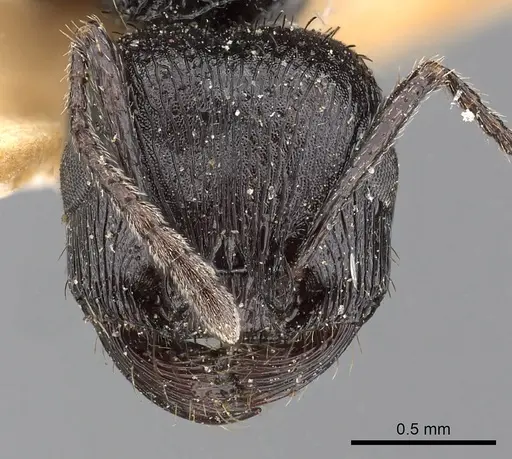
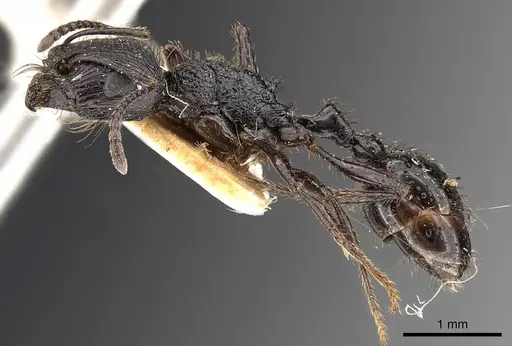
CASENT0907627
View on AntWeb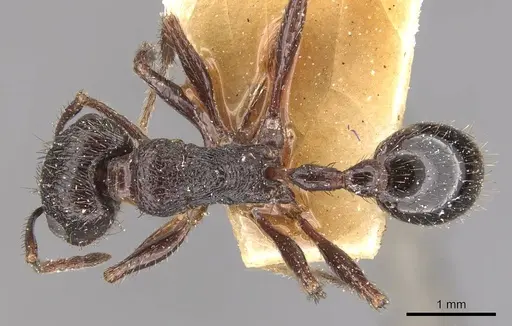
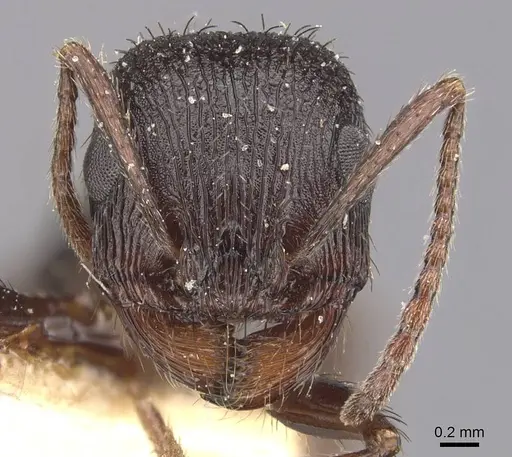
CASENT0907628
View on AntWeb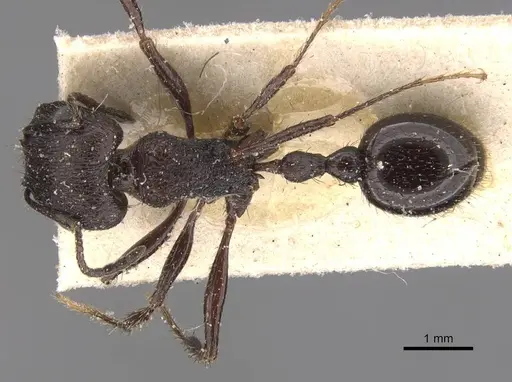
CASENT0907629
View on AntWeb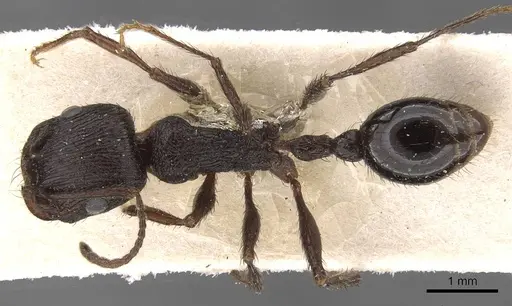
CASENT0907630
View on AntWeb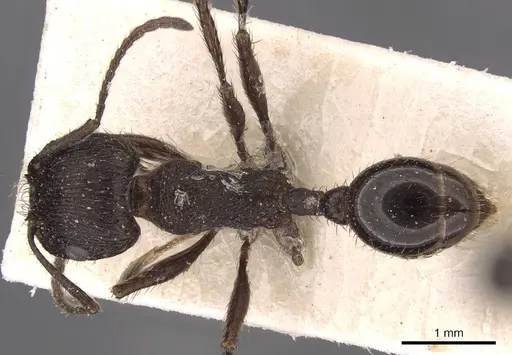
CASENT0916914
View on AntWeb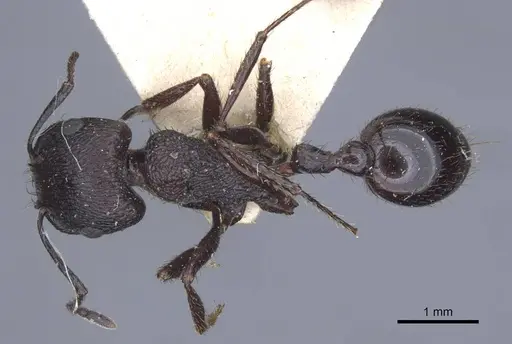
CASENT0922082
View on AntWeb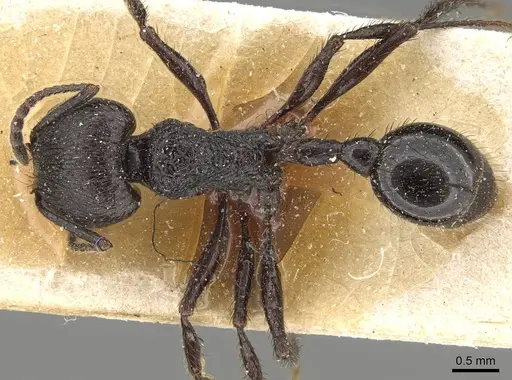
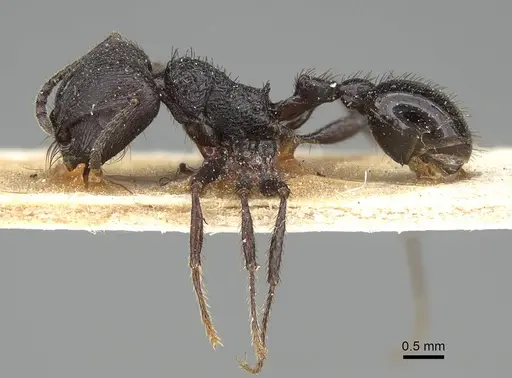
CASENT0922083
View on AntWeb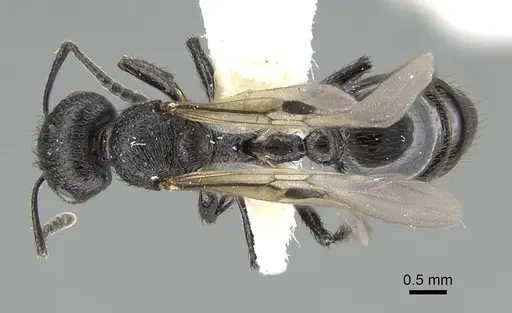
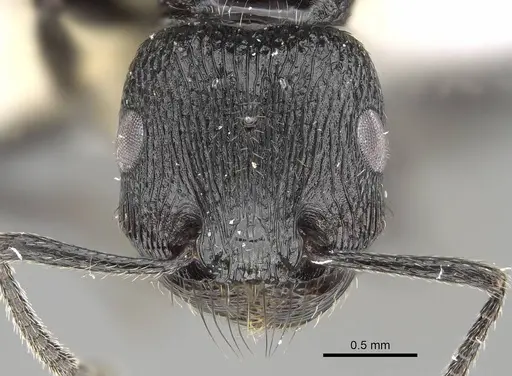
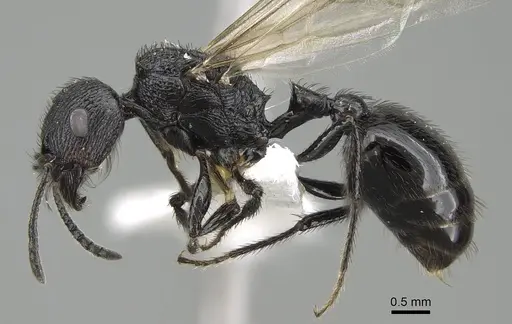
CASENT0922085
View on AntWeb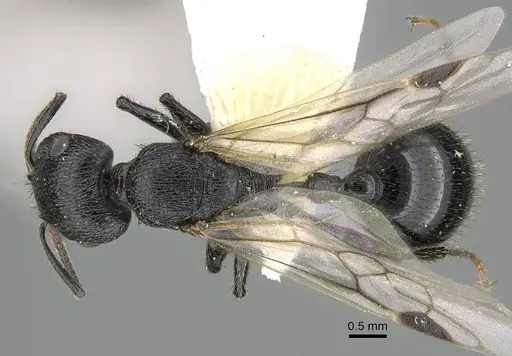
CASENT0922086
View on AntWeb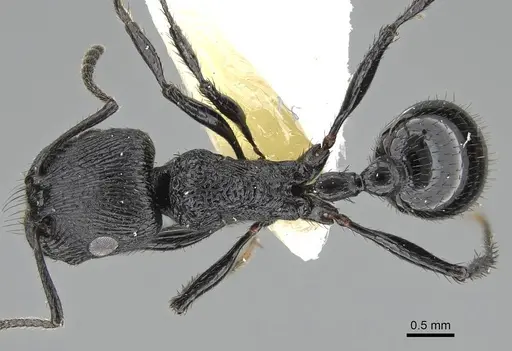
CASENT0922088
View on AntWeb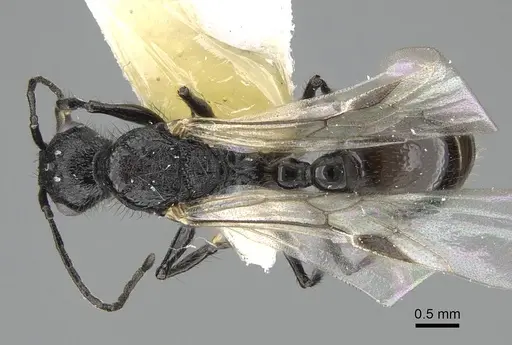
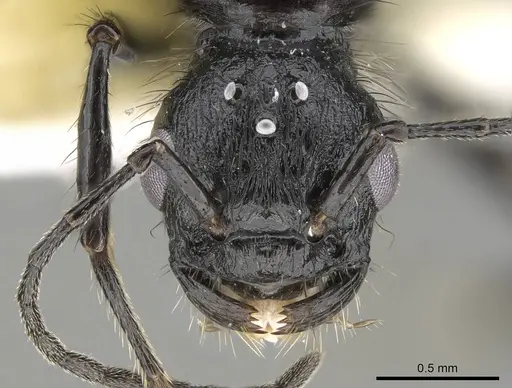
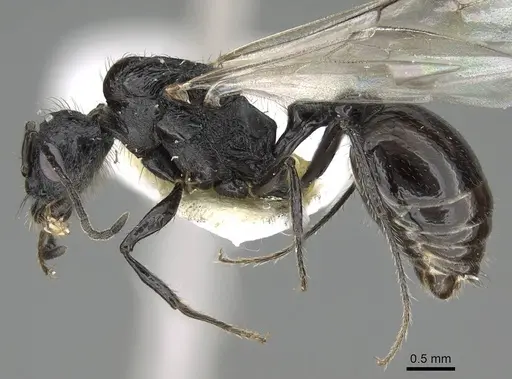
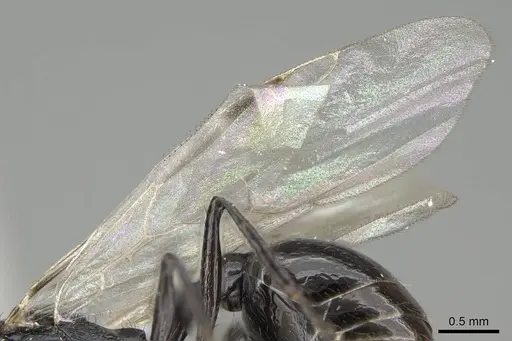
CASENT0922089
View on AntWeb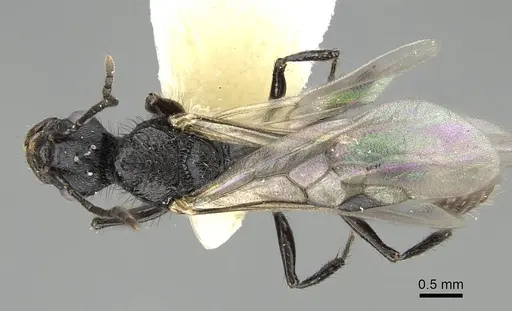
CASENT0922091
View on AntWeb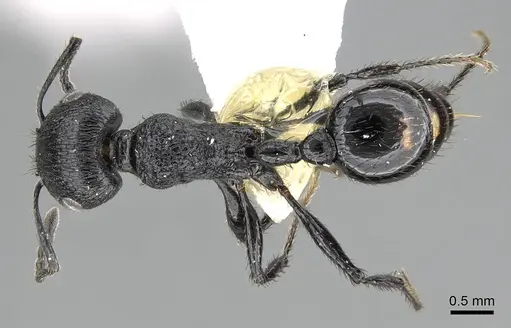
CASENT0922098
View on AntWeb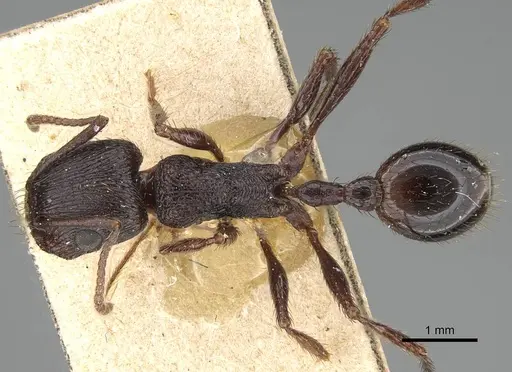
Literature
Loading...Loading products...