

Pogonomyrmex bigbendensis
- Scientific Name
- Pogonomyrmex bigbendensis
- Tribe
- Pogonomyrmecini
- Subfamily
- Myrmicinae
- Author
- Francke & Merickel, 1982
- Common Name
- Big Bend Harvester Ant
- Distribution
- Found in 2 countries
Pogonomyrmex bigbendensis Overview
Pogonomyrmex bigbendensis (commonly known as the Big Bend Harvester Ant) is an ant species of the genus Pogonomyrmex. It is primarily documented in 2 countries , including Mexico, United States of America. Detailed taxonomic data and occurrence records can be further explored via authoritative databases such as AntWeb or the Global Biodiversity Information Facility (GBIF).
Pogonomyrmex bigbendensis - "Big Bend Harvester Ant"
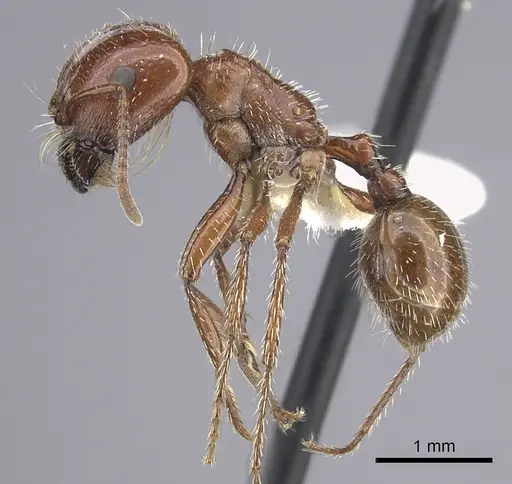
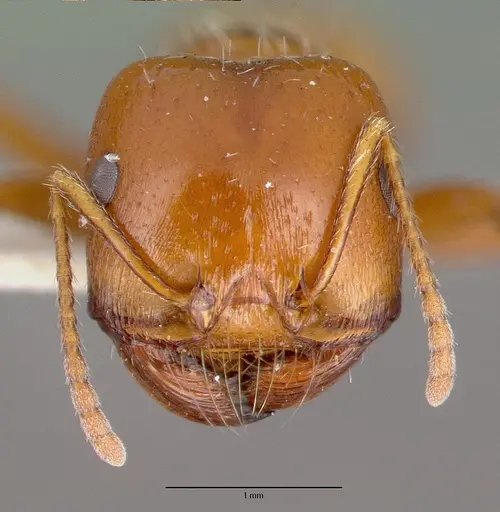
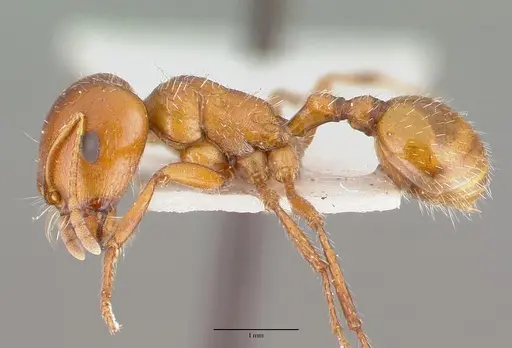
Pogonomyrmex bigbendensis is a small harvester ant species native to the desert regions of southern Texas and Chihuahua, Mexico. Workers measure around 1.5-1.75mm in head length with a medium to dark ferrugineous red coloration. This species is distinguished from similar species like P. desertorum by its almost smooth and shining head with very faint cephalic sculpture. They nest in the soil in creosotebush scrub habitat, which is characteristic of hot, dry desert environments. As seed-harvesters, they collect and process seeds as their primary food source, playing an important role in their ecosystem [1].
This species is notable for its solitary foraging behavior, unlike many ant species that use mass recruitment, P. bigbendensis workers forage alone with limited recruitment [2][3]. This makes them fascinating to observe as each worker operates independently. Their limited distribution makes them a relatively rare find for antkeepers, particularly those interested in North American desert species.
Quick Summary
- Difficulty: Medium
- Origin & Habitat: Southern Texas and Chihuahua, Mexico, desert creosotebush scrub habitat [1]
- Colony Type: Monogyne (single queen) colonies, typical for Pogonomyrmex species [1]
- Colony: Monogyne
- Founding: Claustral
- Size & Growth:
- Queen: Unknown, not directly measured in available literature
- Worker: 1.49-1.75mm head length (workers) [1]
- Colony: Unknown, typical Pogonomyrmex colonies reach several thousand workers
- Growth: Moderate, based on genus patterns
- Development: 6-10 weeks (estimated based on related Pogonomyrmex species) (Development time estimated from genus-level data for Pogonomyrmex harvester ants)
- Antkeeping:
- Temperature: Keep at 26-32°C (warm desert conditions). Provide a temperature gradient allowing workers to self-regulate. Heating cable on one side of the nest works well.
- Humidity: Low to moderate, keep nest substrate dry to slightly moist. Desert species prefer drier conditions. Allow areas to dry out completely between waterings.
- Diapause: Yes, provide a winter rest period of 8-12 weeks at 10-15°C. This mimics natural seasonal cycles in their desert habitat.
- Nesting: Soil nests in captivity work well. Use a dry, sandy substrate that allows for tunnel construction. Y-tong or plaster nests with dry chambers are suitable. Avoid overly humid conditions.
- Behavior: Solitary foragers, workers search for seeds independently rather than recruiting nestmates en masse. They are defensive and will sting if threatened. Escape risk is moderate, standard barrier precautions recommended. These ants are active foragers and will readily collect seeds [2][3].
- Common Issues: desert species prone to mold in overly humid conditions, keep nesting area dry, solitary foraging means slower food discovery, place food near active foraging areas, stings are painful, handle with care and use proper protection, limited distribution makes this species difficult to acquire, colonies grow slowly initially, patience required during founding phase
Housing and Nest Setup
Pogonomyrmex bigbendensis is a desert species that prefers dry, warm conditions. In captivity, they do well in setups that mimic their natural soil nest environment. A Y-tong (acrylic) nest with dry to slightly moist chambers works well, or you can use a naturalistic setup with sandy soil that allows them to excavate their own tunnels. The key is providing a gradient, warm and dry on one side, slightly cooler and marginally moister on the other. This allows the colony to self-regulate. For the outworld, use a simple foraging area where you can offer seeds and observe their solitary foraging behavior. Escape prevention is important though not as critical as with tiny ants, standard barriers like fluon on the rim of the foraging area should suffice. [3][1]
Feeding and Diet
As seed-harvesters, their diet centers around seeds they collect from the environment. In captivity, offer a variety of seeds, grass seeds, millet, sunflower seeds (cracked), and commercial ant seed mixes work well. They will crack seeds open and consume the nutritious insides. While seeds form the bulk of their diet, they also benefit from occasional protein offerings. Small insects like fruit flies, small crickets, or mealworm pieces can be offered occasionally. Sugar water or honey is rarely accepted by Pogonomyrmex species, they are true seed harvesters and get their carbohydrates from seeds. Remove any uneaten seeds periodically to prevent mold issues in the nest area. [2][3]
Temperature and Seasonal Care
These desert ants thrive in warm conditions. Maintain nest temperatures between 26-32°C during the active season. A heating cable placed on one end of the nest creates an ideal gradient. During summer months, room temperature in most homes may be sufficient, but additional heating often helps colony growth. In winter, provide a diapause (hibernation) period of 8-12 weeks at 10-15°C. This mimics the natural seasonal cycle in their desert habitat where temperatures drop significantly in winter. Reduce feeding during diapause and keep the nest slightly cooler. Do not skip the winter rest, it is important for colony health and triggering reproductive behavior in the following season. [1]
Behavior and Observation
One of the most interesting aspects of Pogonomyrmex bigbendensis is their solitary foraging strategy. Unlike many ant species that use chemical trails to recruit dozens of workers to food sources, these ants send out individual foragers that search independently [2][3]. This makes watching them more like observing solitary insects, each worker explores the environment on its own, finds seeds, and returns to the nest individually. They are defensive and will readily sting if the nest is disturbed. The sting is painful (Pogonomyrmex ants are known for their effective stings), so handle gently and avoid provoking them. Colonies are moderately active during the day, especially during warmer hours when foragers are most active.
Colony Development
Founding occurs claustrally, the queen seals herself in a small chamber and raises the first brood alone on stored fat reserves. This is typical for Pogonomyrmex species. The first workers (nanitics) will be smaller than mature workers but quickly grow as the colony expands. Growth rate is moderate, expect the first year to produce perhaps 20-50 workers, with faster growth in subsequent years as the colony establishes larger brood caches. Full colony maturity, reaching several thousand workers, takes several years. Be patient during the founding phase, disturbing the queen or moving the nest during this critical period often leads to colony failure. Once established, colonies are relatively resilient and can live for many years with a healthy queen. [1]
Frequently Asked Questions
What do Pogonomyrmex bigbendensis ants eat?
They are seed-harvesters. Offer a variety of seeds like grass seeds, millet, cracked sunflower seeds, and commercial ant seed mixes. They occasionally accept small insects for protein, but seeds should form the bulk of their diet.
How long does it take for first workers to emerge?
Estimated 6-10 weeks from egg to first worker at optimal temperature (around 28°C). This is based on typical Pogonomyrmex development patterns since this specific species hasn't been studied in detail.
What temperature do they need?
Keep them warm at 26-32°C during the active season. A temperature gradient is ideal so they can self-regulate. They are desert ants and prefer warmer conditions.
Do they need hibernation?
Yes. Provide a winter rest period (diapause) of 8-12 weeks at 10-15°C. This mimics their natural seasonal cycle in desert habitats.
How big do colonies get?
Colony size is not directly documented for this species, but typical Pogonomyrmex colonies reach several thousand workers over several years.
Can I keep multiple queens together?
No. Pogonomyrmex bigbendensis is monogyne, colonies have a single queen. Combining unrelated queens is not recommended and would likely result in fighting.
Are they good for beginners?
They are rated as medium difficulty. Some experience with antkeeping is helpful. They have specific temperature and humidity needs, and their sting requires careful handling. They are also harder to acquire due to their limited distribution.
Why do they forage alone?
This is their natural behavior. Pogonomyrmex bigbendensis uses solitary foraging with limited recruitment, workers search for food independently rather than recruiting others [2]. This is a documented trait of the species.
What kind of nest should I use?
Dry to slightly moist setups work well. Y-tong nests, plaster nests with dry chambers, or naturalistic soil setups are all suitable. The key is providing dry conditions, they are desert ants that prefer low humidity.
Where is this species found?
Pogonomyrmex bigbendensis is found in southern Texas and Chihuahua, Mexico, in creosotebush scrub desert habitat [1].
When will my colony reproduce?
Reproduction (nuptial flights) typically occurs in warm months, similar to other Pogonomyrmex species. However, specific timing for P. bigbendensis has not been documented. A healthy, established colony of 2-3 years is more likely to produce alates (reproductives).
References

This caresheet is licensed under CC BY-SA 4.0 .
CASENT0217270
View on AntWeb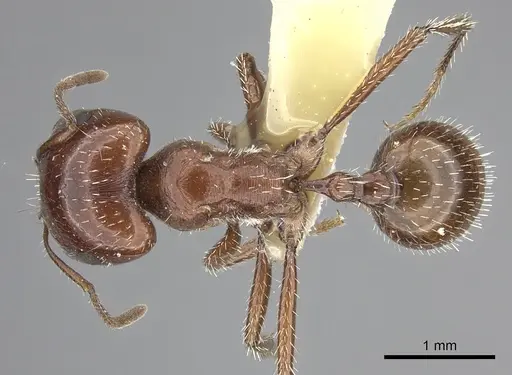
CASTYPE14104
View on AntWeb
Literature
Loading...Loading products...