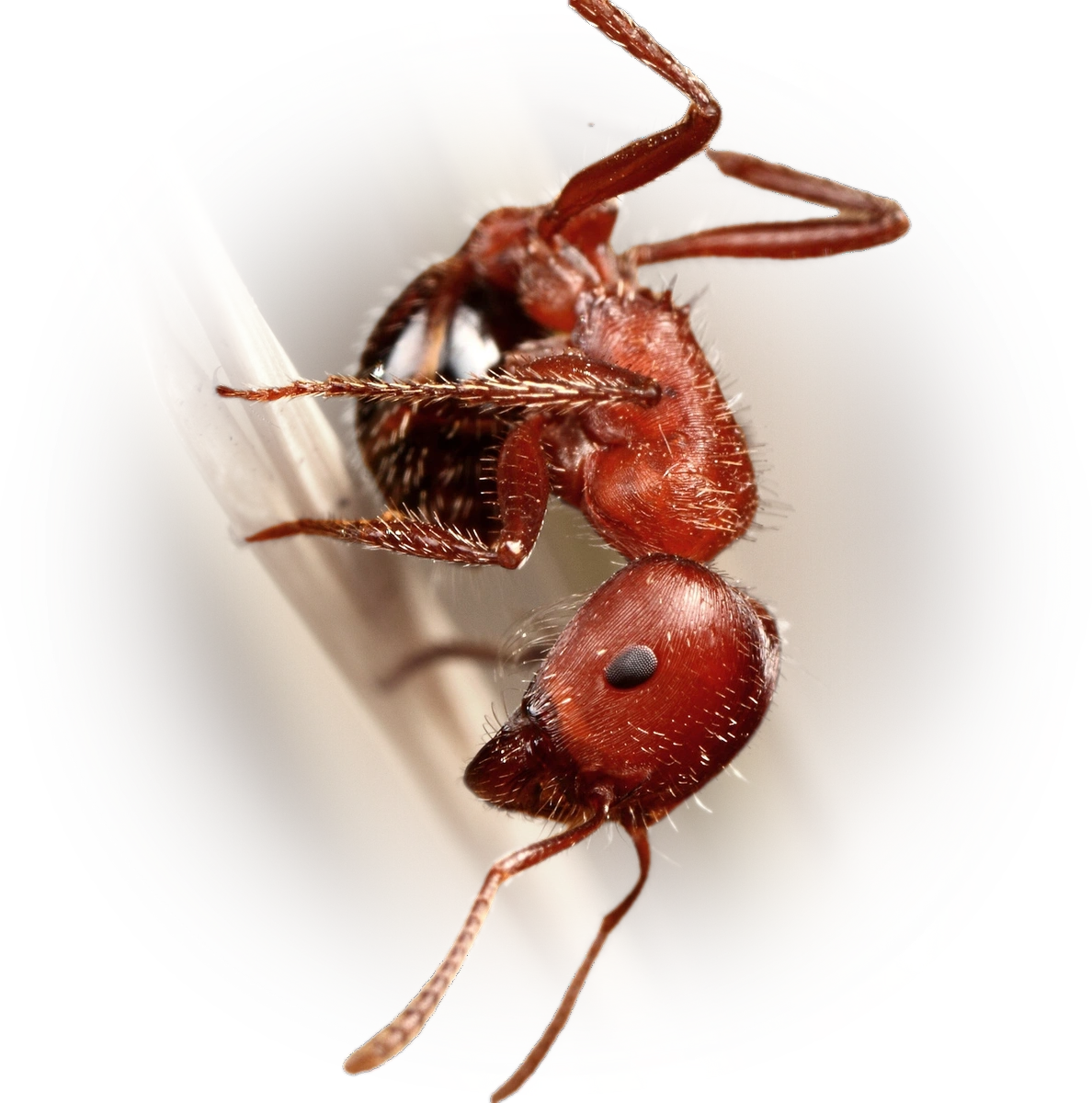

Pogonomyrmex bicolor
- Scientific Name
- Pogonomyrmex bicolor
- Tribe
- Pogonomyrmecini
- Subfamily
- Myrmicinae
- Author
- Cole, 1968
- Common Name
- Bicolored Harvester Ant
- Distribution
- Found in 2 countries
Pogonomyrmex bicolor Overview
Pogonomyrmex bicolor (commonly known as the Bicolored Harvester Ant) is an ant species of the genus Pogonomyrmex. It is primarily documented in 2 countries , including Mexico, United States of America. Detailed taxonomic data and occurrence records can be further explored via authoritative databases such as AntWeb or the Global Biodiversity Information Facility (GBIF).
Pogonomyrmex bicolor - "Bicolored Harvester Ant"
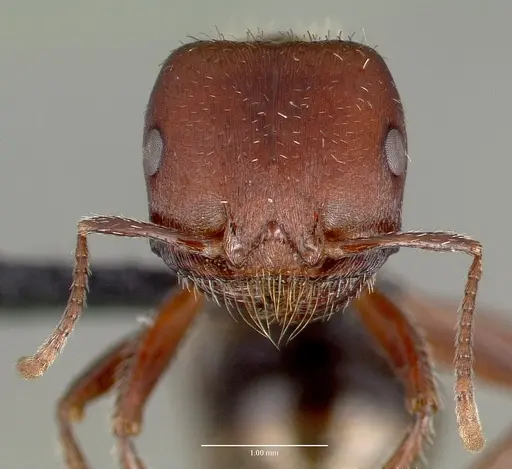
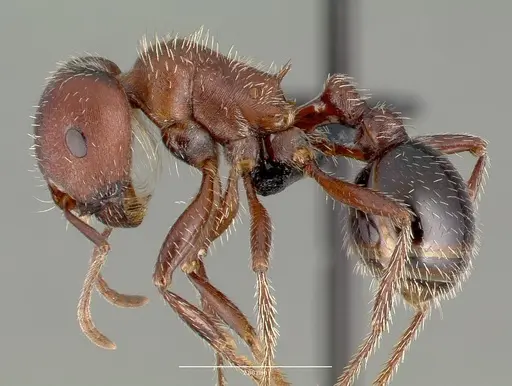
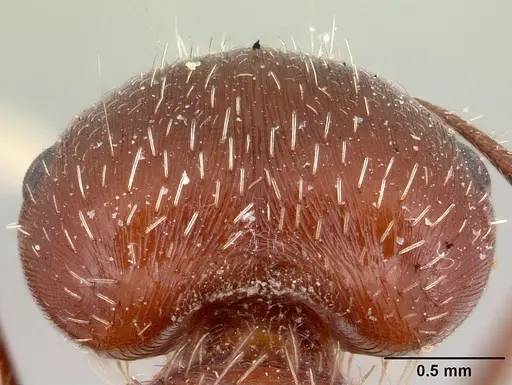
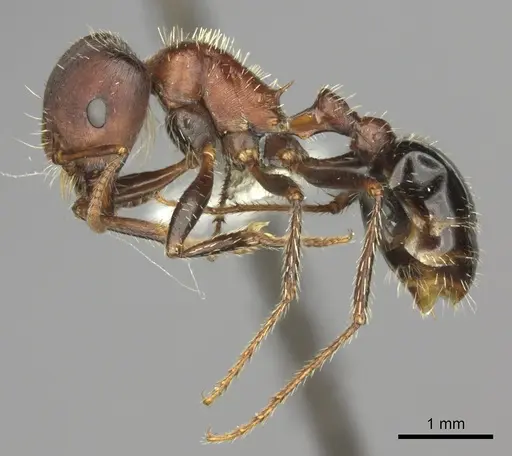
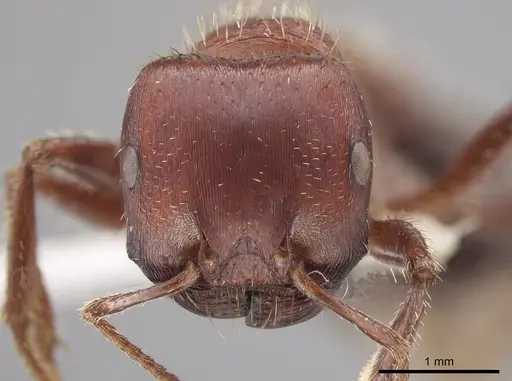
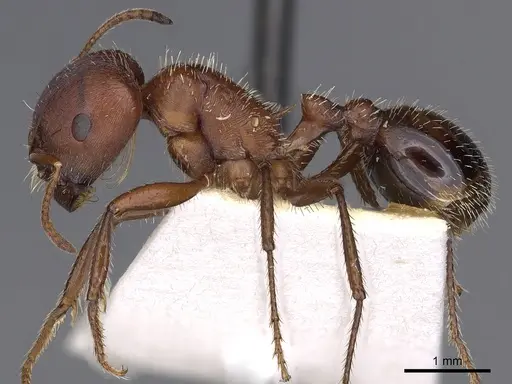
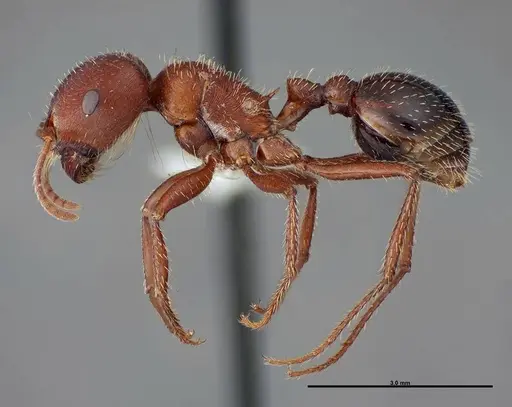
Pogonomyrmex bicolor is a striking red and black harvester ant native to the deserts of the southwestern United States and northern Mexico. Workers measure 1.7-2.1mm with a bright ferrugineous red head, thorax, petiole, and postpetiole, while the abdomen is brownish black, creating a dramatic two-tone appearance that gives this species its name [1]. Queens are substantially larger at 2.2-2.6mm and share the same bicolored pattern. This species builds characteristic disk-like sandy or slightly raised pebble mounds around their nest entrance, typically in unshaded, sandy-gravelly soil between desert shrubs and cacti [1]. Unlike many ants, workers do not bite or sting when threatened. Instead, they stop moving, raise their forepart of the body, open their mandibles wide, and wave their antennae aggressively, a menacing pose they can maintain for up to fifteen minutes [1].
Quick Summary
- Difficulty: Medium
- Origin & Habitat: Desert regions of the southwestern United States (Arizona) and northern Mexico (Sonora, Sinaloa). Nests are found in unshaded, sandy-gravelly soil between widely spaced desert shrubs and cacti at elevations around 3,200 feet [1][2][3].
- Colony Type: Single-queen colonies (monogyne). Based on typical Pogonomyrmex genus patterns, colonies have one queen who seals herself in during founding [1].
- Colony: Monogyne
- Founding: Claustral
- Size & Growth:
- Queen: 2.17-2.20 mm head length [1]
- Worker: 1.71-2.09 mm head length [1]
- Colony: Likely several thousand workers at maturity based on genus patterns (Pogonomyrmex colonies commonly reach 1,000-10,000 workers).
- Growth: Moderate, typical for desert harvester ants
- Development: 6-10 weeks estimated based on related Pogonomyrmex species (Development time is temperature-dependent, warmer conditions within acceptable range speeds development)
- Antkeeping:
- Temperature: Keep nest area at 24-30°C with a gentle gradient. This desert species prefers warm conditions but avoid overheating. Room temperature (22-25°C) is acceptable, or use a heating cable on one side of the nest for a warm zone [1].
- Humidity: Low to moderate. This is a desert species, keep the nest substrate dry to slightly moist but never wet. Allow portions to dry out between waterings. The natural habitat is arid desert with well-draining sandy-gravelly soil [1].
- Diapause: Yes, this species experiences winter dormancy in its native desert habitat. Reduce temperature to 15-18°C for 2-3 months during winter, mimicking natural seasonal cycles [1].
- Nesting: Use a dry, well-drained nest setup. Y-tong (AAC) nests work well, or create a naturalistic setup with a sand/gravel mixture. The key is drainage, these ants evolved in sandy desert soil that doesn't hold water. Avoid overly humid or damp conditions [1].
- Behavior: Workers are defensive but not aggressive, they rely on their threatening pose rather than stinging. They forage solitarily with limited recruitment, searching for seeds in files [4][5]. This is a granivore, they collect and store seeds as their primary food source. Escape risk is moderate, standard barrier methods work well since workers are a manageable size (2mm). They are active foragers, especially during cooler morning and evening hours in their natural desert habitat [1].
- Common Issues: overheating, desert ants are adapted to warmth but not extreme heat, keep below 32°C, too much humidity, these ants come from arid habitats and can develop fungal problems in damp conditions, poor escape prevention, while not tiny, they are active foragers that will explore gaps, inadequate seed storage, as seed-harvesters, they need access to various seed sizes, hibernation failure, without proper winter rest, colonies may not develop correctly or may have shortened lifespans
Nest Setup and Housing
Pogonomyrmex bicolor is a desert species that needs dry, well-draining nesting conditions. In the wild, they build nests in sandy-gravelly soil with a characteristic disk-like mound around the entrance. For captivity, a Y-tong (AAC) nest with dry chambers works well, or you can create a naturalistic setup using a sand-gravel mixture that mimics their natural desert habitat. The key principle is drainage, these ants evolved in arid conditions where water doesn't accumulate. Avoid setups that retain moisture. Test tube setups can work for founding colonies if you keep the cotton dry and provide a separate water source that doesn't humidify the entire chamber. The nest should have chambers sized appropriately for the colony size, with enough space for seed storage since these are harvester ants [1].
Feeding and Diet
As granivores, Pogonomyrmex bicolor primarily collects and eats seeds, this is their main food source in the wild [4][5]. They forage slowly in files, gathering seeds and carrying them back to the nest for storage. In captivity, offer a variety of seeds: grass seeds, millet, flax, and other small seeds work well. You can also provide seed mixes designed for harvester ants. Beyond seeds, they will accept protein sources like small insects (fruit flies, small crickets, mealworms), especially when raising brood. Sugar water or honey is occasionally accepted but seeds should form the foundation of their diet. Unlike some ants, they don't typically tend aphids for honeydew. Feed seeds constantly available, and offer protein 2-3 times per week. Remove any uneaten seeds that show mold [4][5].
Temperature and Seasonal Care
This desert species thrives at warm temperatures ranging from 24-30°C in the nest area. They can tolerate slightly higher temperatures than many ants due to their desert origin, but avoid exceeding 32°C. A heating cable placed on part of the nest can create a temperature gradient, allowing workers to regulate their own exposure to warmth. During winter, this species requires a diapause period, reduce temperatures to 15-18°C for 2-3 months to mimic natural seasonal cycles. This winter rest is important for colony health and longevity. In captivity, you can achieve this by moving the colony to a cooler location or reducing any heating during winter months. The timing of this rest period should align with natural light cycles, typically late fall through early spring [1].
Behavior and Defense
Pogonomyrmex bicolor workers have a distinctive defensive behavior that makes them interesting to observe. When their nest is disturbed, they don't immediately bite or sting. Instead, they freeze, raise the front of their body, open their mandibles wide, and wave their antennae briskly, a threatening pose they can maintain for up to fifteen minutes [1]. This bluffs potential predators without expending energy on actual combat. If that fails, they do have a potent sting, the venom has been measured at 0.125 mg/kg lethality to mice, which is medically significant [6]. In captivity, they are not aggressive toward keepers but will defend if directly threatened. They forage solitarily with limited recruitment, meaning individual workers search for food rather than organizing large raids [4]. This makes them relatively easy to feed since you don't need to provide large quantities at once.
Colony Development
As a claustral species, the queen seals herself into a chamber during founding and raises the first workers alone without leaving to forage. She relies on stored fat reserves to produce eggs and feed the developing larvae until the first workers (nanitics) emerge. These initial workers are typically smaller than normal workers. Growth rate is moderate, you can expect the first workers within 6-10 weeks under optimal warm conditions, though this is an estimate based on related Pogonomyrmex species since specific development data for bicolor is limited. The colony will grow gradually over several years, eventually reaching several thousand workers at maturity. Unlike some Pogonomyrmex species, this one is not known to have ergatoid (wingless replacement) queens, if the founding queen dies, the colony will not replace her [1].
Frequently Asked Questions
Can I keep Pogonomyrmex bicolor in a test tube?
Yes, test tubes work for founding colonies. Keep the cotton dry and provide a separate water source. However, because they are desert ants that need dry conditions, monitor humidity carefully, test tubes can become too humid. Consider moving to a Y-tong or naturalistic setup once the colony reaches 20-30 workers.
How long until first workers with Pogonomyrmex bicolor?
Expect first workers (nanitics) in approximately 6-10 weeks under optimal warm conditions (around 26-28°C). This is an estimate based on related Pogonomyrmex species since specific development data for bicolor is limited. Cooler temperatures will slow development.
What do Pogonomyrmex bicolor eat?
They are granivores, seeds form the primary diet. Offer various small seeds (grass seeds, millet, flax). They also accept protein like small insects (fruit flies, mealworms) especially when raising brood. Sugar sources are occasionally accepted but are not required [4][5].
Are Pogonomyrmex bicolor good for beginners?
They are rated Medium difficulty. They have specific humidity needs (dry desert conditions) and require a winter diapause period. Their potent sting is also a consideration. Experienced antkeepers who can provide proper warm, dry conditions will have success. Beginners may struggle with getting the humidity levels right.
Do Pogonomyrmex bicolor need hibernation?
Yes, they require a winter diapause period. Reduce temperatures to 15-18°C for 2-3 months during winter. This mimics their natural desert seasonal cycle and is important for colony health and longevity [1].
When should I move Pogonomyrmex bicolor to a formicarium?
Move them once the colony reaches 30-50 workers and you see the test tube becoming crowded or dirty. For desert species like this, a Y-tong nest with dry conditions or a naturalistic setup with sand/gravel works best. Ensure the new setup maintains dry, well-drained conditions.
How big do Pogonomyrmex bicolor colonies get?
Based on typical Pogonomyrmex patterns, mature colonies likely reach several thousand workers over several years. They are not as large as some Pogonomyrmex species but still form substantial colonies.
Can I keep multiple Pogonomyrmex bicolor queens together?
No, this is a monogyne (single-queen) species. Unlike some Pogonomyrmex that can be polygynous, bicolor colonies have only one queen. Do not attempt to combine unrelated queens, they will fight.
Why is my Pogonomyrmex bicolor colony dying?
Common causes: too much humidity (desert species need dry conditions), temperatures too low or too high, improper diet (insufficient seeds), or lack of winter diapause. Check that the nest substrate drains well and isn't staying wet. Ensure they have constant access to seeds and occasional protein.
References

This caresheet is licensed under CC BY-SA 4.0 .
CASENT0006274
View on AntWeb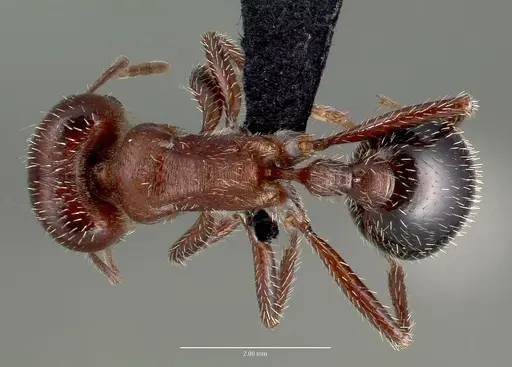
CASENT0178916
View on AntWeb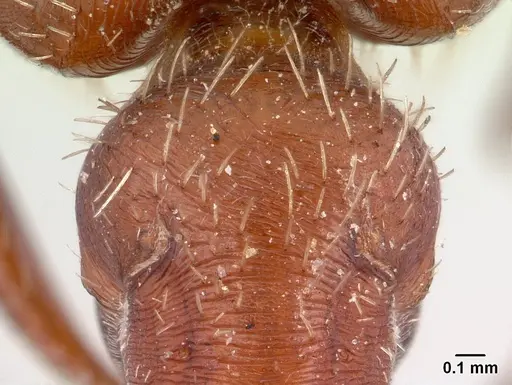

CASENT0235331
View on AntWeb

CASENT0249059
View on AntWeb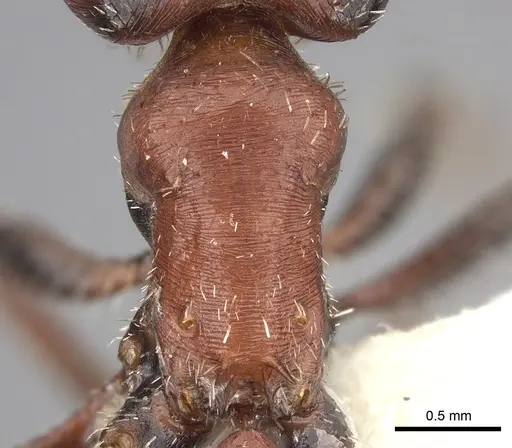
CASENT0648195
View on AntWeb

CASENT0900374
View on AntWeb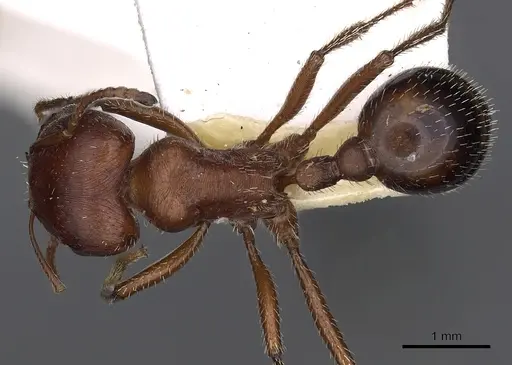

FMNHINS0000083119
View on AntWeb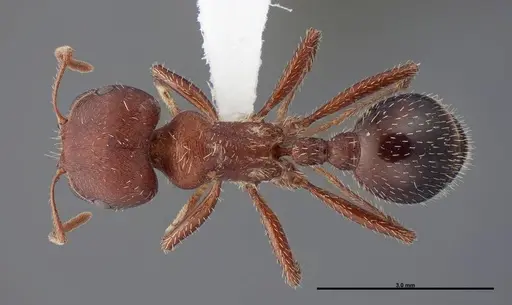

Literature
Loading...Loading products...