
Pogonomyrmex barbatus exhibits a clear seasonal flight window. Peak flight activity is concentrated in July, with the overall period spanning June to August.
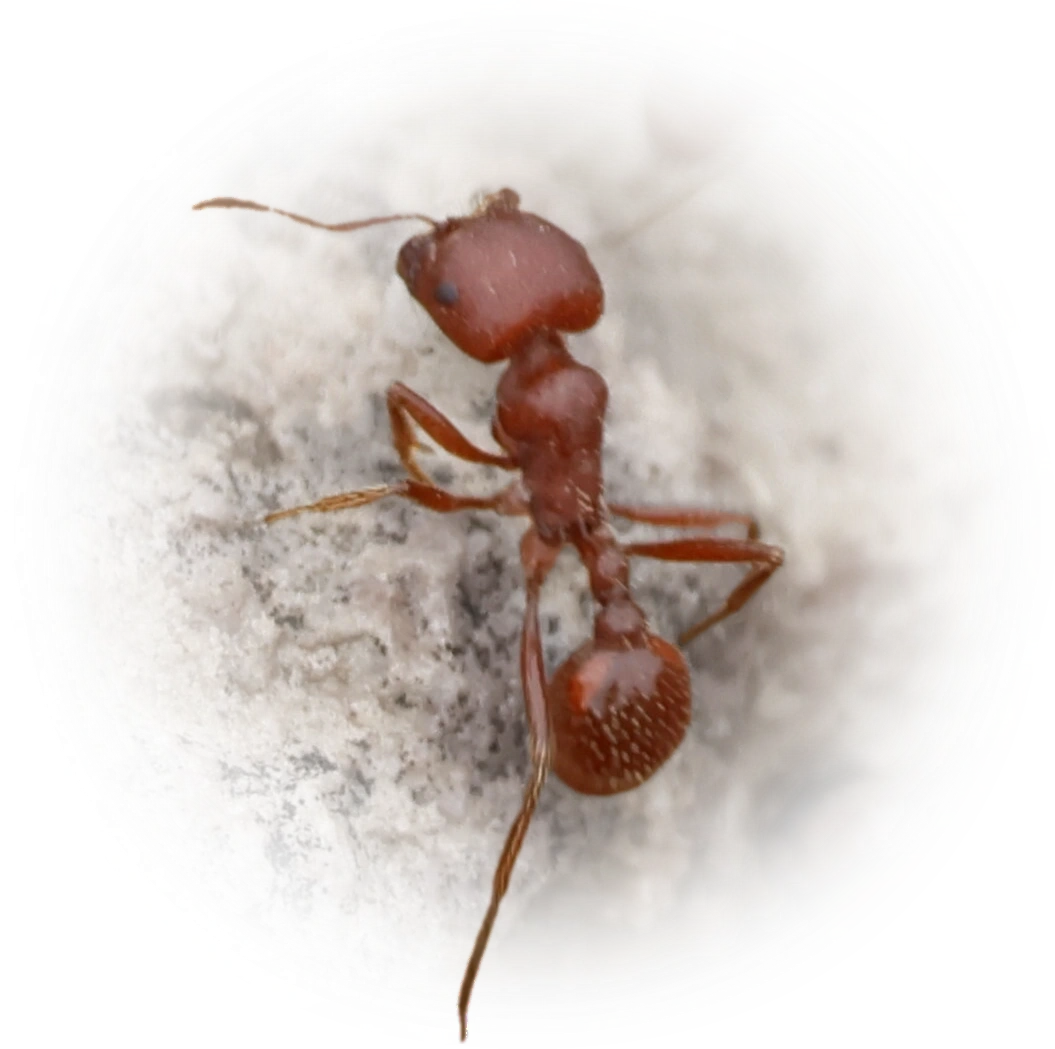
Pogonomyrmex barbatus
- Scientific Name
- Pogonomyrmex barbatus
- Tribe
- Pogonomyrmecini
- Subfamily
- Myrmicinae
- Author
- Smith, 1858
- Common Name
- Red Harvester Ant
- Distribution
- Found in 2 countries
- Nuptial Flight
- from June to August, peaking in July
AI Identifiable
try →
Pogonomyrmex barbatus Overview
Pogonomyrmex barbatus (commonly known as the Red Harvester Ant) is an ant species of the genus Pogonomyrmex. It is primarily documented in 2 countries , including Mexico, United States of America. Detailed taxonomic data and occurrence records can be further explored via authoritative databases such as AntWeb or the Global Biodiversity Information Facility (GBIF).
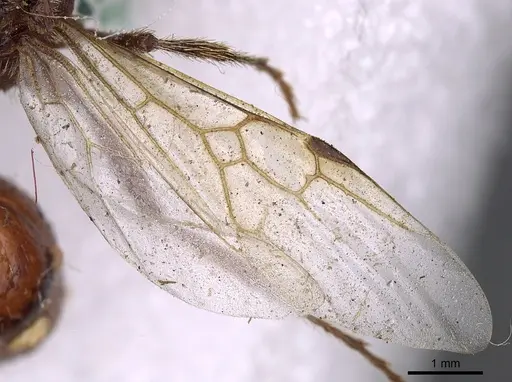
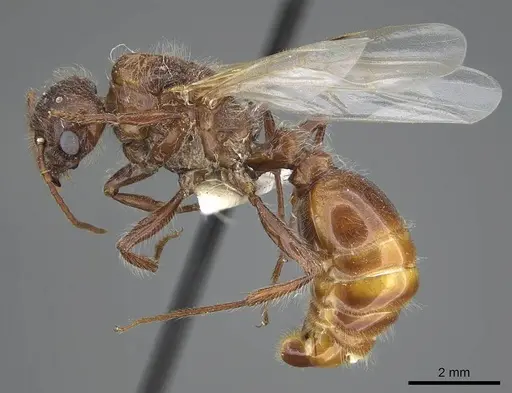
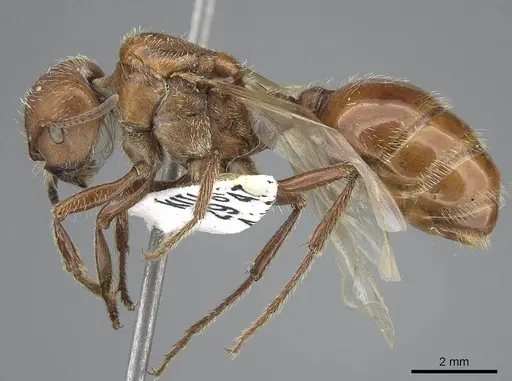
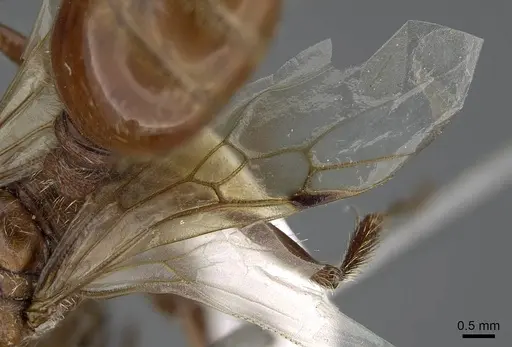
The nuptial flight of Pogonomyrmex barbatus is a significant biological event, typically occurring from June to August, peaking in July. During this time, winged queens and males leave the nest to mate and establish new colonies.
Pogonomyrmex barbatus - "Red Harvester Ant"
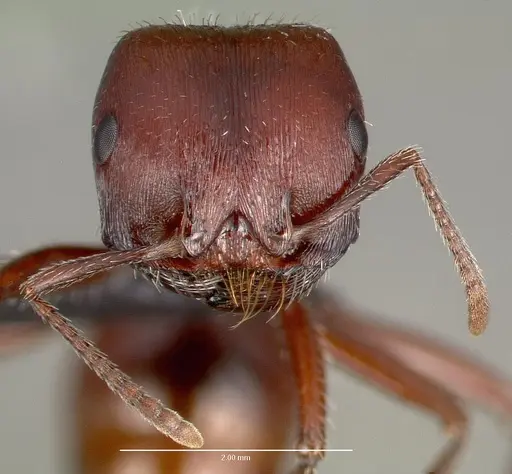
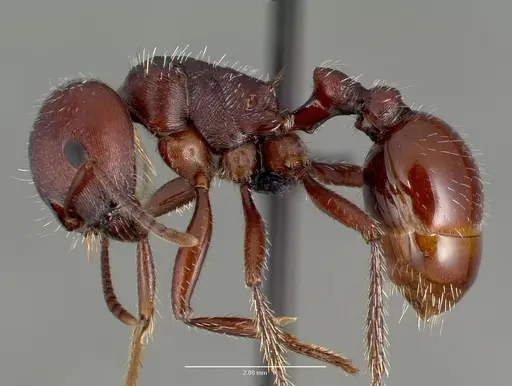
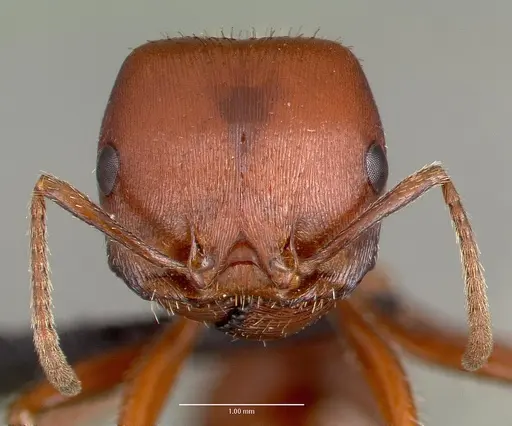
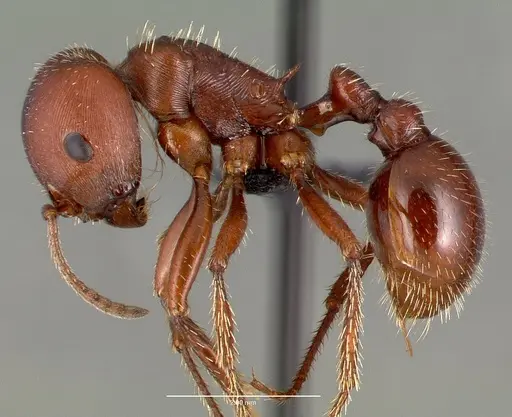
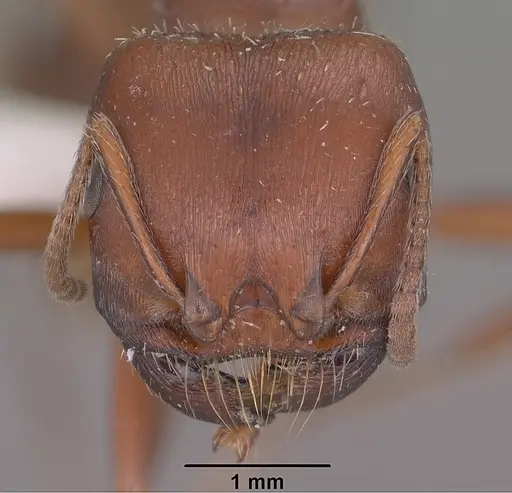
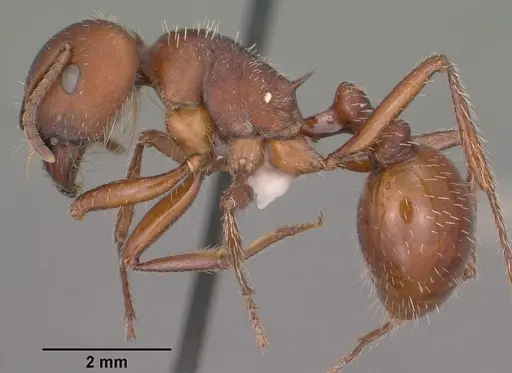
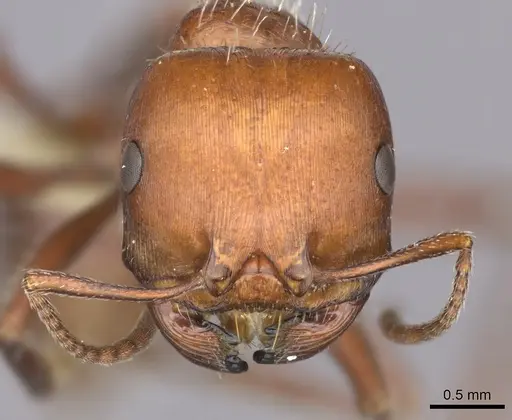
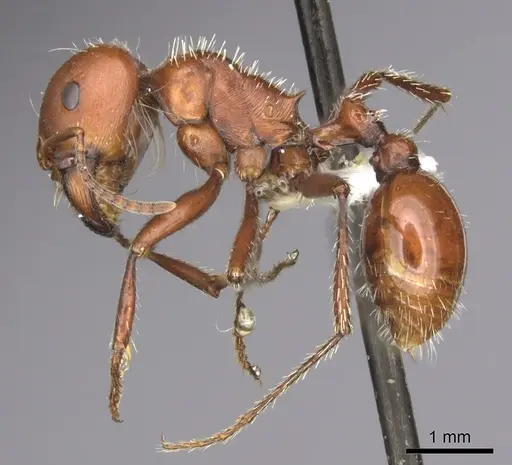
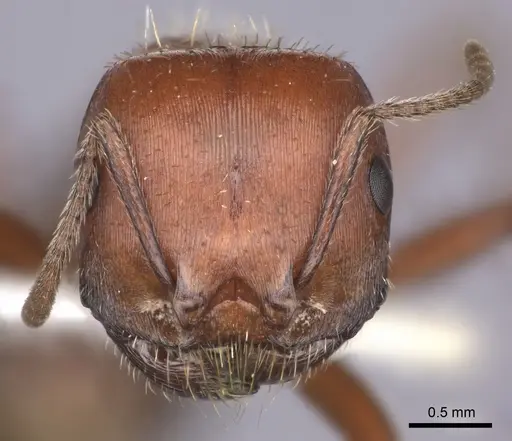
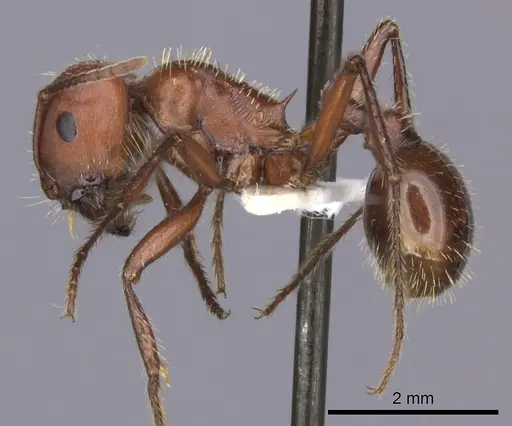
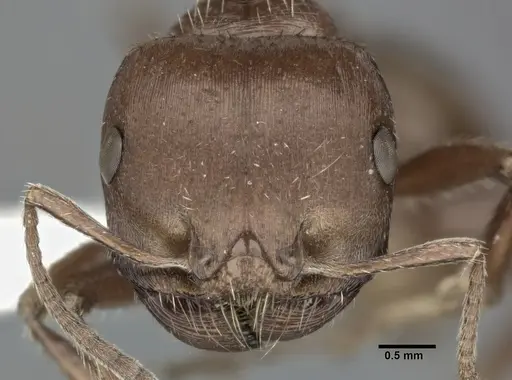
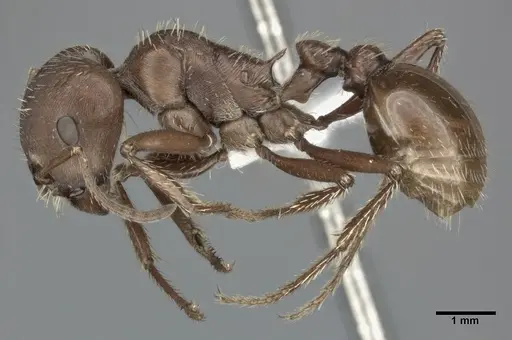
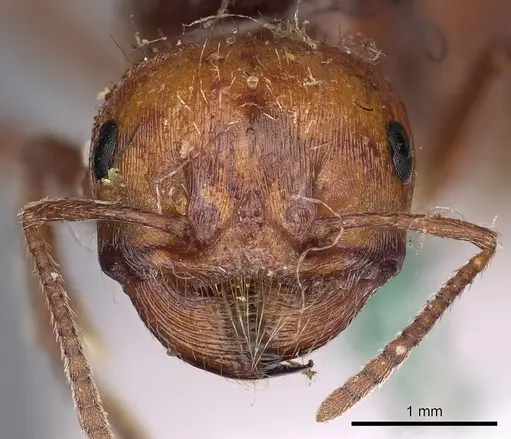
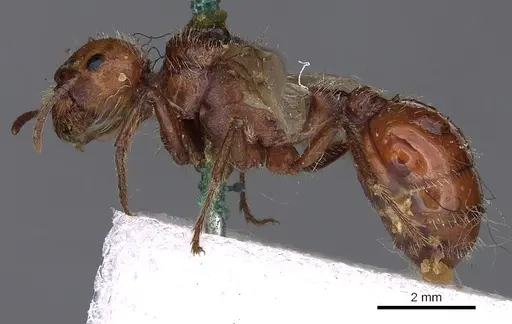
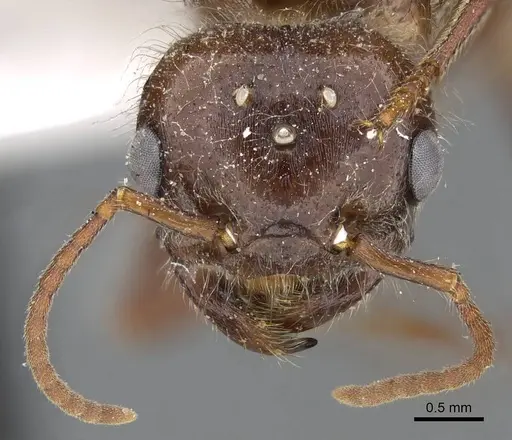
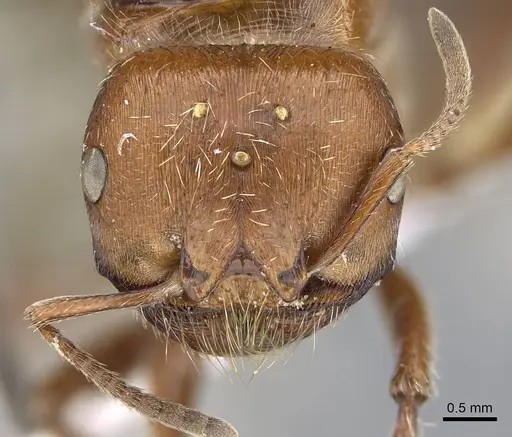
The red harvester ant is a large, conspicuous seed-eating ant native to the southwestern United States and northern Mexico. Workers measure 7-10 mm with a robust, reddish-brown body and distinctive psammophore (a brush of hairs on the underside of the head used for carrying sand and seeds). They build impressive underground nests marked by large, cleared circular discs 1-2 meters in diameter surrounded by small pebbles. Colonies can grow to 10,000-12,000 workers and live for 20-30 years with a single queen. This species is famous for its complex social organization with distinct task groups (foragers, patrollers, nest maintenance workers, and midden workers) that communicate through antennal contacts inside the nest to regulate foraging activity. Some populations have a unique genetic caste determination system where queens must mate with males from two different genetic lineages to produce both workers and new queens.
Quick Summary
- Difficulty: Medium
- Origin & Habitat: Southwestern United States and northern Mexico, from western Louisiana to central Arizona. Inhabits desert and grassland habitats with hot, dry conditions, typically in areas with sparse vegetation and sandy or loamy soils [1][2].
- Colony Type: Single-queen colonies (monogyne) with one multiply-mated queen. Colonies can contain over 10,000 workers and live 20-30 years [3][4]. Some populations in the southwest have genetic caste determination where queens must mate with males from both J1 and J2 lineages to produce both workers and reproductives [5].
- Colony: Monogyne
- Founding: Claustral
- Size & Growth:
- Queen: 11-12 mm [6][7]
- Worker: 7-10 mm [8][9]
- Colony: Up to 10,000-12,000 workers [3]
- Growth: Slow
- Development: 6-10 weeks (estimated based on related Pogonomyrmex species) (Colonies reach reproductive maturity at 4-5 years. First workers (nanitics) appear within the first few months of colony founding.)
- Antkeeping:
- Temperature: 25-35°C (warm). These ants are adapted to desert conditions and tolerate high temperatures, foraging actively up to 50°C [10]. Provide a temperature gradient with a warm side around 28-30°C.
- Humidity: Low to moderate (30-50%). Desert-adapted species that conserves water. Keep nest substrate relatively dry, colonies are sensitive to excess moisture. Provide a water tube but avoid damp conditions.
- Diapause: Yes. A winter rest period is recommended, typically 2-3 months at 10-15°C. Reduce temperatures gradually in fall and restore to room temperature in spring.
- Nesting: Y-tong (AAC) nests, plaster nests, or naturalistic setups with deep soil/sand mix work well. Provide a deep nesting area (at least 10-15 cm) for their extensive tunnel system. They prefer dry conditions in the nest chamber.
- Behavior: Generally docile but will defend the nest aggressively if provoked. Workers have a painful sting, venom contains barbatolysin and is potent (LD50 0.39 mg/kg in mice) [11][12]. They are active foragers that search for seeds individually rather than recruiting in groups. Colonies regulate foraging based on humidity, some colonies reduce foraging in dry conditions to conserve water, while others continue foraging. Workers are highly territorial and will fight with neighboring colonies. Escape risk is moderate, they are large ants but not particularly good climbers. They build extensive tunnel systems and need space for foraging trails.
- Common Issues: colonies grow very large and require significant space, plan for a mature colony of 10,000+ workers, long development time means slow growth during the first year, beginners may lose patience, sting is painful and can cause allergic reactions in sensitive individuals, colonies are sensitive to humidity, too much moisture can kill them, they need a constant seed supply and may ignore other food if seeds are available, queens in genetic caste determination populations require specific mating conditions that are difficult to replicate in captivity
Nuptial Flight Activity Analysis 327 observations
Flight Activity by Hour 327 observations
Pogonomyrmex barbatus nuptial flight activity peaks around 17:00 during the afternoon. Activity is spread across a 14-hour window (08:00–21:00). Times may be influenced by human observation patterns.
Housing and Nest Setup
Red harvester ants need spacious housing due to their large colony size and foraging behavior. A Y-tong (AAC) formicarium with connected outworld works well, or you can use a naturalistic setup with a deep soil layer (at least 15 cm) in a formicarium. Provide a water tube for drinking and occasional misting of the outworld, but keep the nest itself dry. These ants are poor climbers on smooth surfaces, so fluon barriers on the rim of the outworld help prevent escapes. The nest should have multiple chambers connected by tunnels to accommodate their natural tunneling behavior. Temperature can be maintained with a heating cable on one side of the nest, creating a gradient from 25-30°C. Lighting is not critical, but a regular day/night cycle helps maintain natural activity patterns. [3]
Feeding and Diet
As granivorous ants, red harvesters primarily eat seeds, this should make up the bulk of their diet. Offer a variety of grass seeds, wildflower seeds, and commercial bird seeds (without added salt or vitamins). They prefer larger seeds like millet, sunflower seeds (cracked), and grass seeds. They will also accept small insects like fruit flies, crickets, and mealworms as protein supplements, especially when raising brood. Occasional offerings of honey water or sugar water are accepted but not required. Remove uneaten seeds regularly to prevent mold. In the wild, they also scavenge dead insects and occasionally eat fruit. Feed seeds constantly and protein 2-3 times per week when brood is present. [8]
Temperature and Seasonal Care
Red harvester ants are adapted to hot desert conditions and tolerate temperatures from 20°C up to 50°C. Keep the nest at 25-30°C for optimal growth, with a slight gradient allowing workers to choose their preferred temperature. In summer, they are most active in early morning and cease foraging by midday when temperatures rise. During winter, provide a diapause period of 2-3 months at 10-15°C. Reduce feeding during diapause and keep the nest slightly cooler. Return to normal temperatures gradually in spring. Colonies that reduce foraging in dry conditions are more successful long-term, so avoid overly humid conditions. [10]
Behavior and Colony Dynamics
This species has one of the most complex social organizations studied in ants. Workers are divided into four task groups: nest maintenance workers (work inside the nest), midden workers (manage debris on the nest mound), patrollers (scout the foraging area early morning and set direction), and foragers (search for seeds). Task decisions are made through brief antennal contacts inside the nest, foragers decide to leave based on how many returning foragers they meet. This creates a positive feedback system where more food available means more foragers leave. Patrollers are the most aggressive task group and defend the colony's foraging territory. Colonies can live 20-30 years and produce offspring colonies that disperse about 150 meters from the parent colony.
Growth and Development
Colony development is slow compared to many ant species. A newly mated queen seals herself in a claustral chamber and raises her first brood alone on stored fat reserves. First workers (nanitics) appear within 1-2 months. The colony grows slowly at first, reaching a few hundred workers in the first year. Growth accelerates as the colony reaches maturity at 4-5 years, when it begins producing reproductive alates (males and new queens). Only about 25% of colonies successfully produce offspring colonies. Queens can live 20-30 years, while workers live approximately 1 year. Be patient during the founding stage, many colonies fail in the first year. [4][3]
Safety and Handling
Red harvester ants have a potent sting and should be handled with caution. Their venom contains barbatolysin, a hemolytic polypeptide that causes painful stings. LD50 in mice is 0.39 mg/kg, making it one of the more toxic ant venoms [12]. Stings cause immediate pain, swelling, and can trigger allergic reactions in sensitive individuals. When working with the colony, use caution during nest inspections or transfers. They are not aggressive toward humans unless disturbed, but will defend their nest vigorously. Wear gloves and avoid bare-handed contact, especially when the colony is large.
Frequently Asked Questions
How long does it take for Pogonomyrmex barbatus to get first workers?
First workers typically appear 4-8 weeks after the queen seals herself in, depending on temperature. Warmer temperatures (around 28-30°C) speed development, while cooler temperatures slow it down.
Can I keep multiple Pogonomyrmex barbatus queens together?
No. This species is monogyne, colonies have only one queen. Combining unrelated queens will result in fighting and likely colony death. Only one queen per colony.
What do Pogonomyrmex barbatus eat?
They are primarily seed-eaters. Offer various seeds (grass, millet, sunflower) as a staple diet. They also accept small insects like fruit flies and crickets for protein. Seeds should be available constantly.
How big do Pogonomyrmex barbatus colonies get?
Mature colonies can reach 10,000-12,000 workers. This takes several years, colonies reach reproductive maturity at 4-5 years and continue growing for decades.
Do Pogonomyrmex barbatus need hibernation?
Yes, a winter diapause of 2-3 months at 10-15°C is recommended. Reduce feeding during this period and gradually warm the colony in spring.
Are Pogonomyrmex barbatus good for beginners?
They are intermediate in difficulty. Their large colony size, slow growth, and potent sting make them better suited for antkeepers with some experience. They require patience during the founding stage.
Why is my Pogonomyrmex barbatus not foraging?
Several factors can reduce foraging: low humidity, temperatures below 20°C, insufficient seed availability, or colony stress. Also, colonies naturally reduce foraging on dry days to conserve water, this is normal behavior.
When should I move Pogonomyrmex barbatus to a formicarium?
Wait until the colony has at least 50-100 workers. A small test tube setup works for founding colonies. Transfer to a larger formicarium when the colony grows beyond 200 workers and the test tube becomes crowded.
How do I know if my Pogonomyrmex barbatus queen is dead?
If the colony has been in decline with no new brood for several months and workers appear sluggish or dead, the queen may have died. Colonies without a queen gradually decline and eventually die out. A healthy queen should be visible in the founding chamber.
References

This caresheet is licensed under CC BY-SA 4.0 .
ANTWEB1008577
View on AntWeb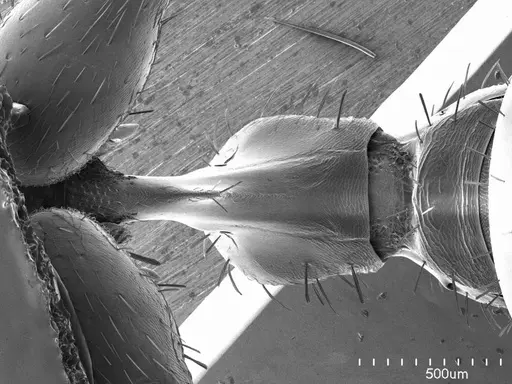
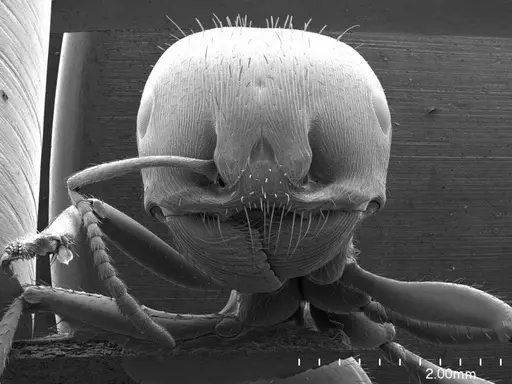
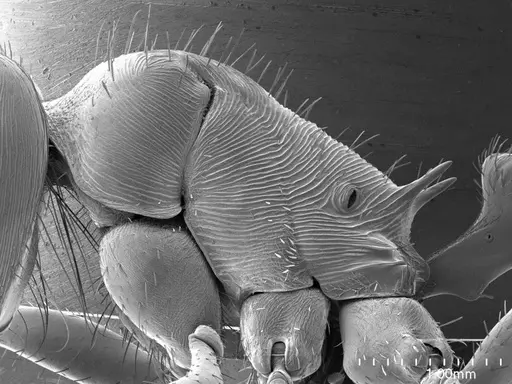
CASENT0006297
View on AntWeb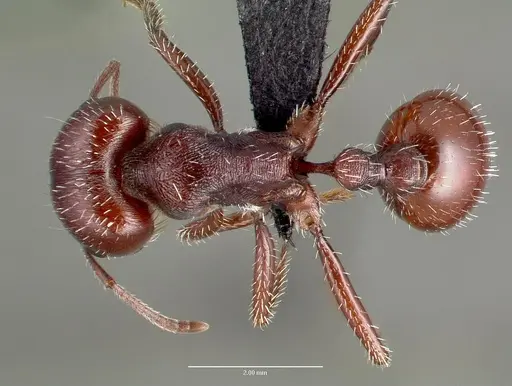
CASENT0006306
View on AntWeb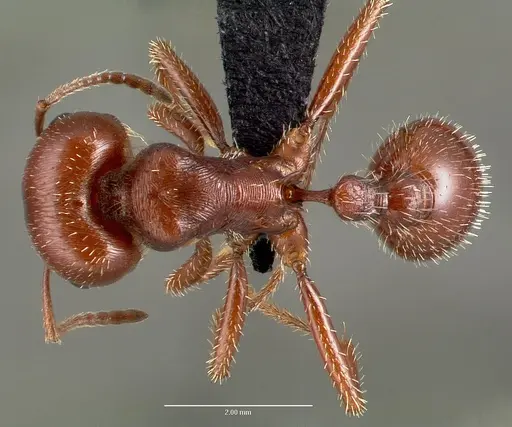
CASENT0102894
View on AntWeb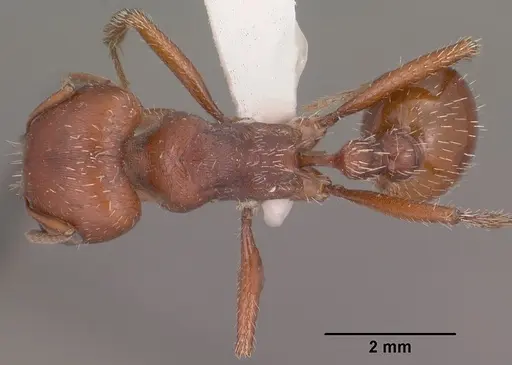
CASENT0235329
View on AntWeb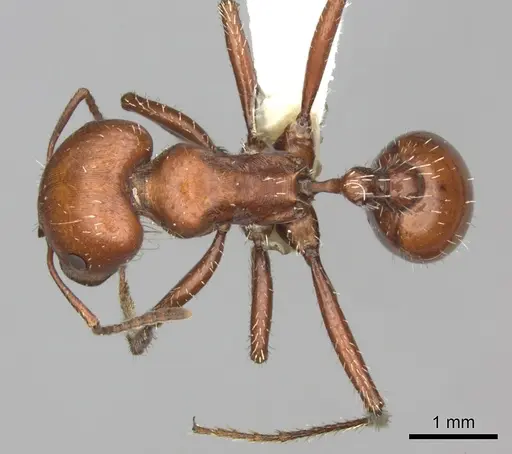
CASENT0235333
View on AntWeb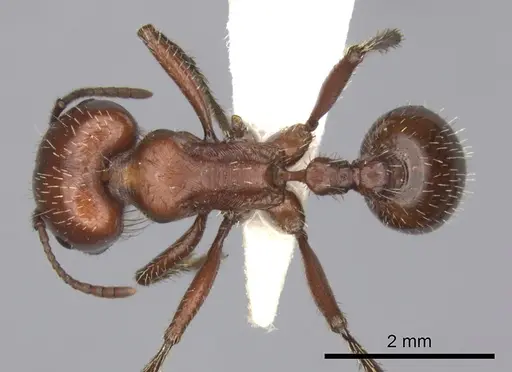
CASENT0246124
View on AntWeb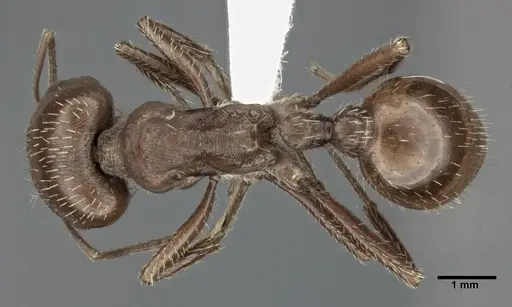
CASENT0900373
View on AntWeb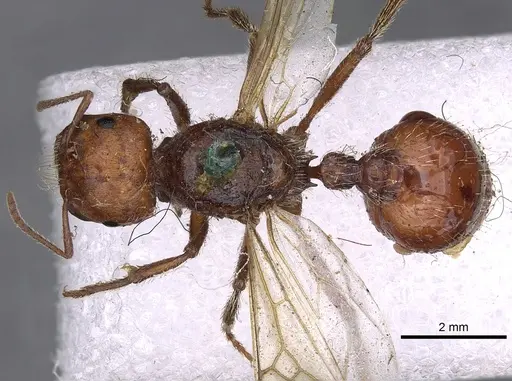
CASENT0914094
View on AntWeb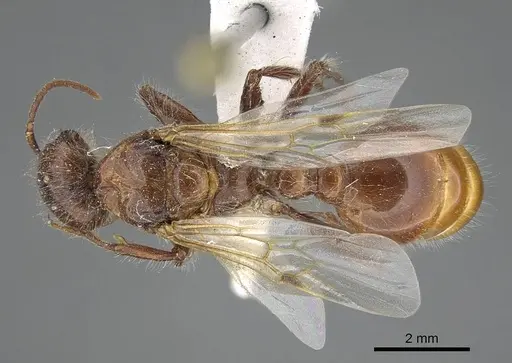
CASENT0914095
View on AntWeb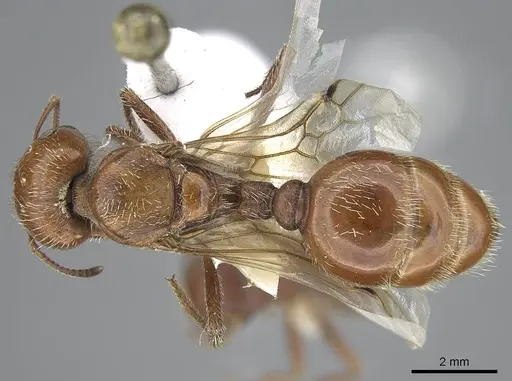
Literature
Loading...Loading products...