

Pogonomyrmex aterrimus
- Scientific Name
- Pogonomyrmex aterrimus
- Tribe
- Pogonomyrmecini
- Subfamily
- Myrmicinae
- Author
- Wheeler, 1936
- Distribution
- Found in 2 countries
Pogonomyrmex aterrimus Overview
Pogonomyrmex aterrimus is an ant species of the genus Pogonomyrmex. It is primarily documented in 2 countries , including Dominican Republic, Haiti. Detailed taxonomic data and occurrence records can be further explored via authoritative databases such as AntWeb or the Global Biodiversity Information Facility (GBIF).
Pogonomyrmex aterrimus
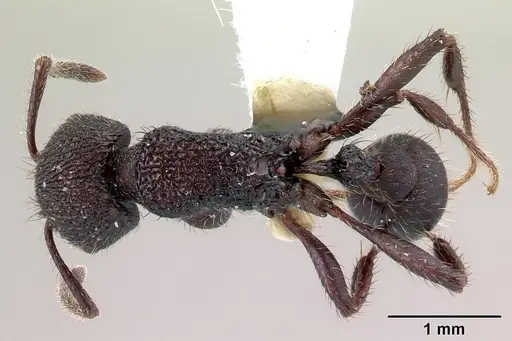
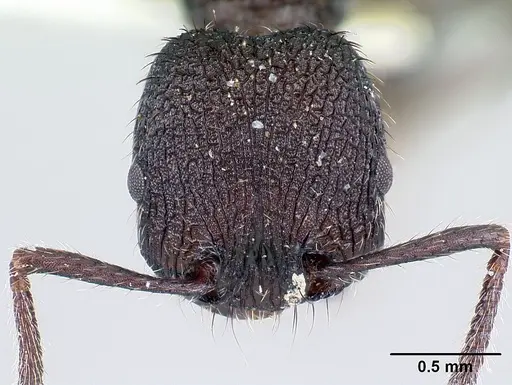
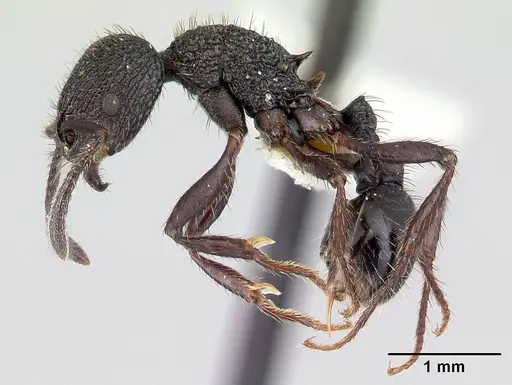
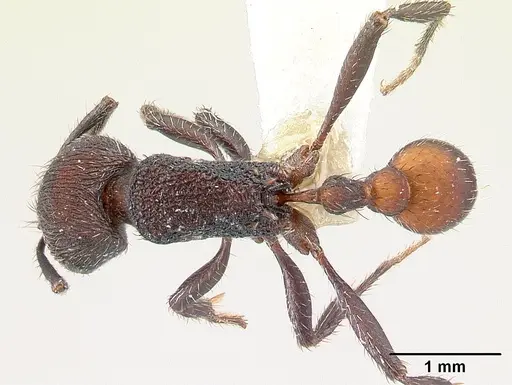
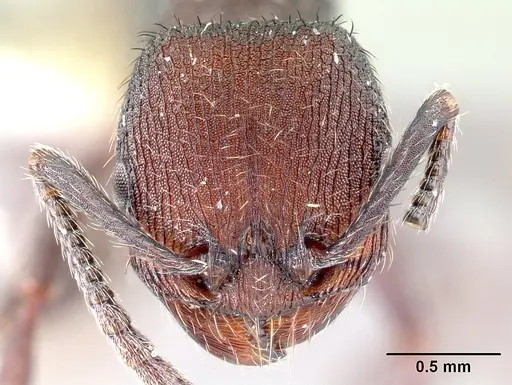
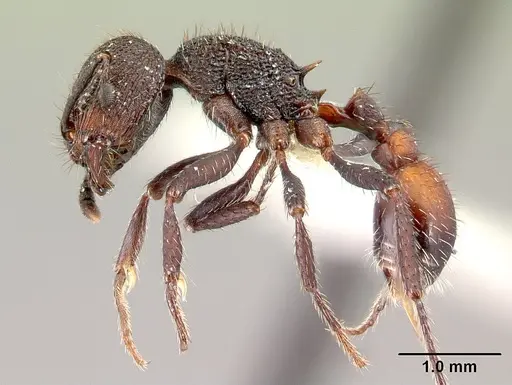
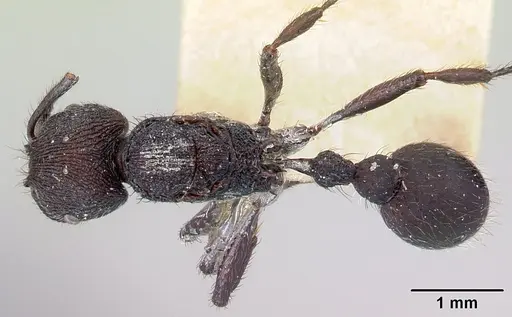
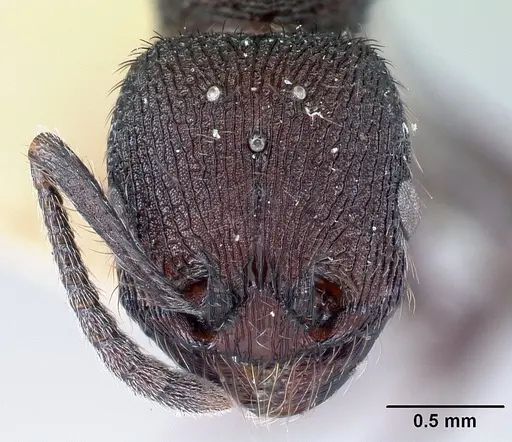
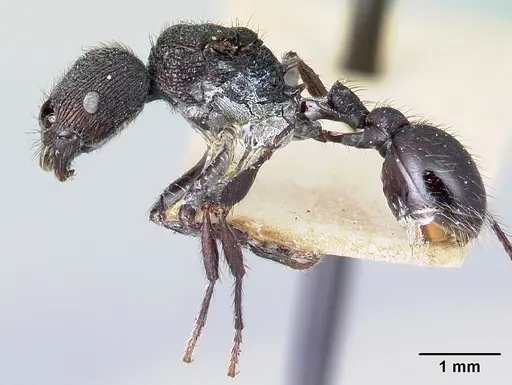
Pogonomyrmex brevibarbisrimus is a small, striking seed-harvester ant native to the highlands of Hispaniola (Haiti and the Dominican Republic). Workers are coal-black throughout their body, giving the species its scientific name 'aterrimus' (meaning 'blackest' in Latin). Workers measure just 1.1-1.3mm in head width, making them one of the smaller Pogonomyrmex species. Queens are slightly larger at 1.32mm head width and have the dark reddish-brown coloration typical of the genus. This species is endemic to Hispaniola, found only at higher elevations between 800-2,134 meters where it inhabits montane forest edges and grassy fields [1][2][3].
What makes P. aterrimus special is its rarity in both the wild and in captivity, it's one of the least-studied Pogonomyrmex species due to its limited distribution in the Caribbean highlands. Unlike many Pogonomyrmex that are well-documented, this species was only recently recognized as distinct in 2015. Nests are found under stones in grassy areas, and colonies are small, likely containing fewer than 200-300 workers [1]. This is a true high-elevation specialist adapted to cooler, montane conditions.
Quick Summary
- Difficulty: Medium
- Origin & Habitat: Endemic to the highlands of Hispaniola (Haiti and Dominican Republic). Found at elevations of 800-2,134 meters in montane forest edges, tropical moist forest edges, and grassy fields [1][2][3].
- Colony Type: Likely monogyne (single queen colonies). Only one dealate queen has ever been collected, suggesting single-queen colonies. Colony size is small, probably under 200-300 workers [1].
- Colony: Monogyne
- Founding: Claustral
- Size & Growth:
- Queen: 1.32mm head width [1], small for a Pogonomyrmex queen
- Worker: 1.11-1.35mm head width [1], small workers
- Colony: Probably under 200-300 workers [1], small colonies
- Growth: Unknown, likely moderate based on typical Pogonomyrmex patterns
- Development: Unknown, no direct data. Based on typical Pogonomyrmex development, estimate 6-10 weeks at optimal temperature (Development time is unconfirmed for this species. Related Pogonomyrmex species typically take 6-10 weeks from egg to first worker.)
- Antkeeping:
- Temperature: High elevation origin (800-2,134m) suggests preference for cooler conditions than most Pogonomyrmex. Keep nest around 18-22°C, avoid overheating. Room temperature is likely suitable for most keepers. Provide a gentle temperature gradient so ants can choose their preferred spot [1].
- Humidity: Montane forest edge habitat suggests moderate humidity needs. Keep nest substrate moderately moist but not waterlogged. Allow some drying between waterings. Mist occasionally and provide a water tube [1][2].
- Diapause: Unknown, high elevation origin suggests they may tolerate or require cooler winter conditions. If colony shows reduced activity in winter, provide a cool period around 10-15°C for 2-3 months.
- Nesting: In the wild, nests are found under stones in grassy fields [1][2]. In captivity, a naturalistic setup with a digging area and flat stones on top works well. Alternatively, a Y-tong or plaster nest with chambers scaled to their small size (around 2-3mm passages) is suitable. Provide a connection to an outworld for foraging.
- Behavior: Pogonomyrmex brevibarbisrimus is a seed-harvester, like all Pogonomyrmex species. Workers collect seeds and store them in the nest as food. They also likely supplement their diet with small insects and arthropods. Workers are small but typical of the genus in being active foragers. Escape prevention should be excellent, their small size means they can squeeze through tiny gaps. All Pogonomyrmex have stingers and can deliver a painful sting, though these small workers may not be able to penetrate human skin easily. They are not aggressive but will defend the nest if threatened [4].
- Common Issues: small size means escapes are likely without fine mesh barriers and tight-fitting lids, limited data makes care recommendations uncertain, be prepared to adjust based on colony behavior, high elevation origin means they likely prefer cooler temperatures, avoid overheating with heating cables, small colony size means losses have bigger impact, avoid disturbing founding colonies too much, seed-harvester diet needs seeds/grains plus protein, don't rely on sugar water alone
Housing and Nest Setup
Pogonomyrmex brevibarbisrimus is a small ant that nests under stones in its natural habitat, so a naturalistic setup works well. Use a container with a digging area filled with sandy-loam substrate, and place flat stones on top for the ants to nest under. Alternatively, a Y-tong (acrylic) nest with small chambers scaled to their tiny size (passages around 2-3mm wide) works well. The key is providing chambers small enough that the ants feel secure, too-large chambers stress small colonies. Connect the nest to an outworld for foraging using tubing. Escape prevention is critical due to their very small size, use fine mesh on any ventilation holes and ensure all connections are tight-fitting [1][2].
Feeding and Diet
As a Pogonomyrmex (seed-harvester ant), this species collects and stores seeds as its primary food source. Offer a variety of small seeds, millet, sesame, flax, and other small grains work well. Provide a seed dish in the outworld and the colony will store seeds in their nest. They also need protein: offer small insects like fruit flies, pinhead crickets, or other tiny arthropods. Unlike some ants, Pogonomyrmex are not highly attracted to sugar water, but you can offer it occasionally. Fresh kill is preferred, they rarely take pre-killed prey. Feed seeds continuously and protein 2-3 times per week, adjusting based on colony size and consumption.
Temperature and Seasonal Care
Pogonomyrmex brevibarbisrimus comes from high elevations (800-2,134m) on Hispaniola, making it different from most Pogonomyrmex that prefer warmer conditions. Keep the nest at room temperature, ideally 18-22°C. Avoid using heating cables or mats, these ants are adapted to cooler montane conditions and can overheat easily. If your room is naturally warmer, ensure good ventilation and consider a cooling approach. During winter, if the colony becomes less active, you can provide a cool period around 10-15°C for 2-3 months, mimicking natural seasonal changes. However, this is optional since the species' exact overwintering requirements are unconfirmed [1][2].
Behavior and Defense
Workers of Pogonomyrmex brevibarbisrimus are small but active foragers that search for seeds and small prey. They are not particularly aggressive but will defend their nest if threatened. Like all Pogonomyrmex species, they have a stinger. However, given their very small size (workers around 1.2mm), the stinger may not easily penetrate human skin. Still, treat them with respect and avoid provoking defensive responses. The colony's small size (likely under 300 workers) means they are not a major defensive threat, but disturbing the nest can lead to stings. They are most active during the day, foraging in the outworld for seeds and insects. [1]
Colony Development
This species has one of the smallest colony sizes in the Pogonomyrmex genus, probably never exceeding 200-300 workers. Only one dealate (wingless, mated) queen has ever been collected in the wild, suggesting single-queen colonies are the norm. Founding is likely claustral, the queen seals herself in a chamber and lives off stored fat until her first workers (nanitics) emerge. These first workers are smaller than normal workers. Growth is probably slow to moderate, expect 6-10 weeks for first workers based on related species, but this is unconfirmed for P. aterrimus specifically. Due to their limited distribution and rarity, wild colonies are rarely available, making captive colonies exceptionally special [1].
Frequently Asked Questions
How long does it take for Pogonomyrmex aterrimus to get their first workers?
The exact development time is unconfirmed for this species. Based on typical Pogonomyrmex patterns, expect 6-10 weeks from egg to first worker at room temperature. The queen will remain sealed in her founding chamber until workers emerge, living off her stored fat reserves during this time.
What do Pogonomyrmex aterrimus eat?
They are seed-harvesters, so seeds should make up the bulk of their diet. Offer small seeds like millet, sesame, or flax. They also need protein from small insects like fruit flies, pinhead crickets, or other tiny arthropods. Sugar water is not a primary food source for this genus.
What temperature do Pogonomyrmex aterrimus need?
As a high-elevation species from Hispaniola, they prefer cooler conditions than most Pogonomyrmex. Keep the nest at room temperature, ideally 18-22°C. Avoid heating cables or mats, they can easily overheat. Room temperature is likely perfect for this species.
How big do Pogonomyrmex aterrimus colonies get?
Colony size is small compared to other Pogonomyrmex. Based on available data, colonies probably reach only 200-300 workers at most. This is one of the smaller-growing Pogonomyrmex species.
Are Pogonomyrmex aterrimus good for beginners?
This species is rated as medium difficulty. While not overly demanding, their high-elevation cooling needs and the fact that they are rarely available make them better suited for keepers with some experience. Their small size also requires excellent escape prevention.
Can I keep multiple Pogonomyrmex aterrimus queens together?
Only one dealate queen has ever been collected in the wild, suggesting single-queen colonies are natural. Combining unrelated queens is not recommended, there is no data on whether they accept multiple queens like some Pogonomyrmex can.
Do Pogonomyrmex aterrimus need hibernation?
Their exact overwintering requirements are unconfirmed. However, as a high-elevation species, they may benefit from a cool period (10-15°C) during winter months. If your colony shows reduced activity in winter, providing a cool spot is advisable.
What kind of nest should I use for Pogonomyrmex aterrimus?
In the wild, they nest under stones in grassy fields. A naturalistic setup with a digging area and flat stones on top works well. Alternatively, a Y-tong or plaster nest with small chambers (passages around 2-3mm) scaled to their tiny size is suitable.
Where is Pogonomyrmex aterrimus found in the wild?
This species is endemic to Hispaniola, found only in Haiti and the Dominican Republic at high elevations between 800-2,134 meters. They inhabit montane forest edges and grassy fields.
References

This caresheet is licensed under CC BY-SA 4.0 .
Literature
Loading...Loading products...