

Pogonomyrmex apache
- Scientific Name
- Pogonomyrmex apache
- Tribe
- Pogonomyrmecini
- Subfamily
- Myrmicinae
- Author
- Wheeler, 1902
- Distribution
- Found in 2 countries
Pogonomyrmex apache Overview
Pogonomyrmex apache is an ant species of the genus Pogonomyrmex. It is primarily documented in 2 countries , including Mexico, United States of America. Detailed taxonomic data and occurrence records can be further explored via authoritative databases such as AntWeb or the Global Biodiversity Information Facility (GBIF).
Pogonomyrmex apache
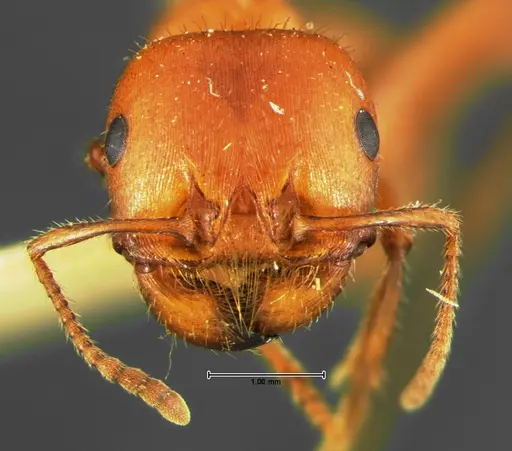
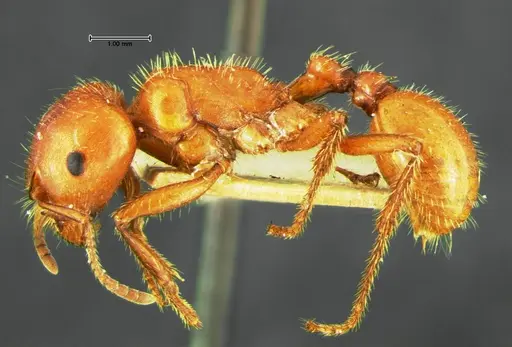
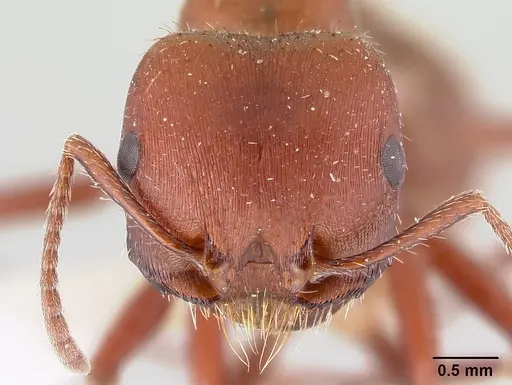
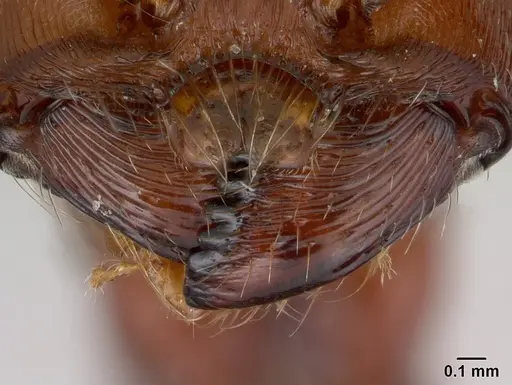
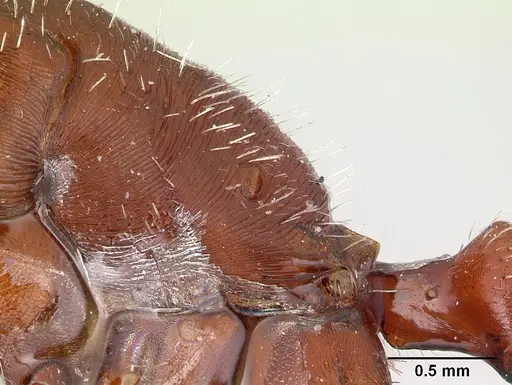
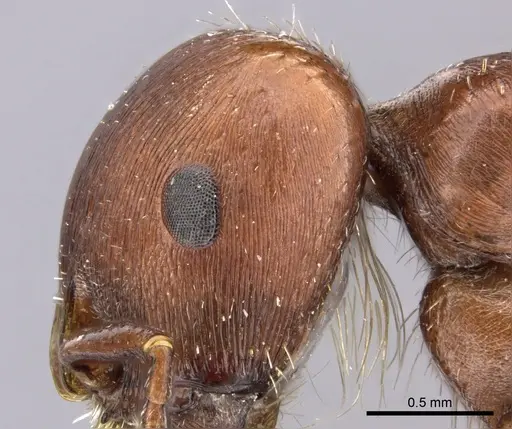
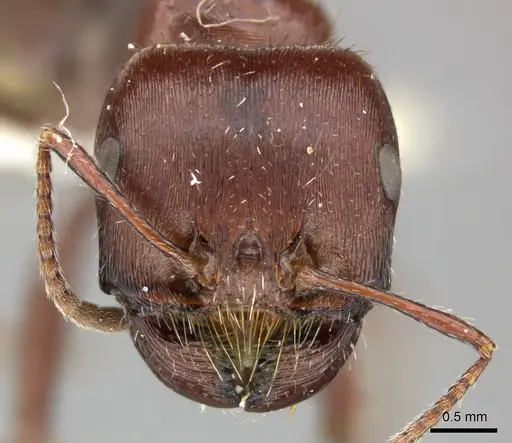
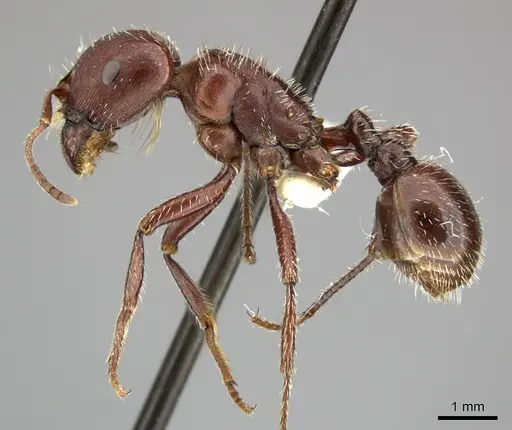
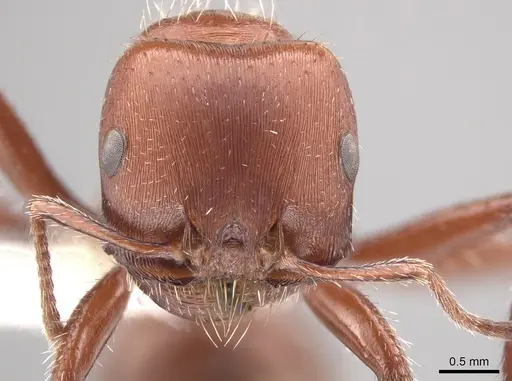
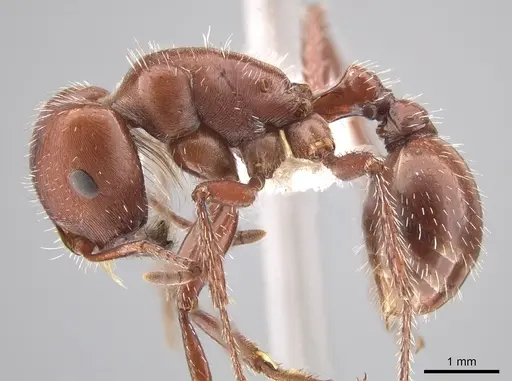
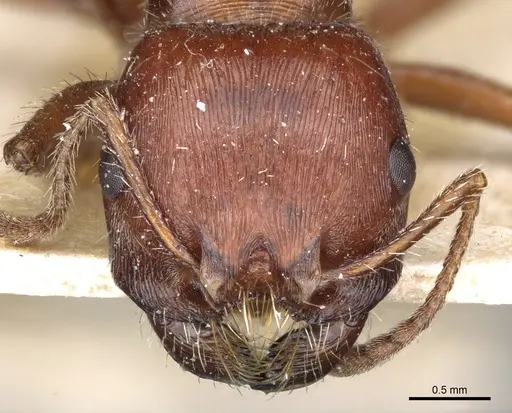
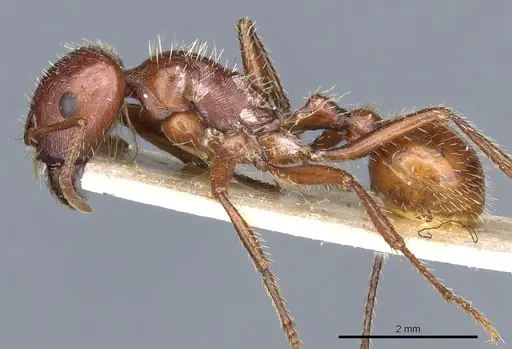
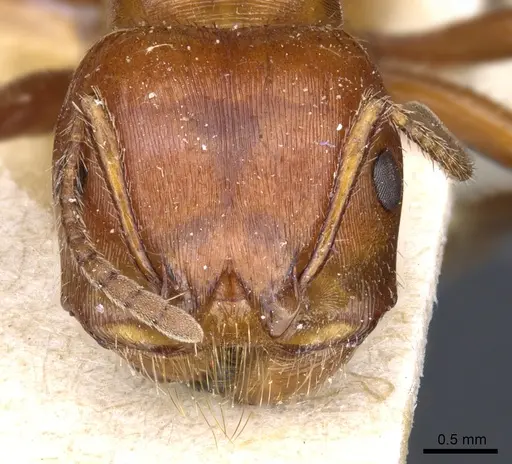
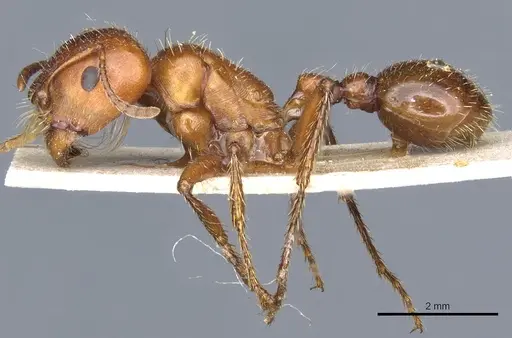
Pogonomyrmex apache is a small harvester ant native to the American Southwest and northern Mexico. Workers measure 1.6-2.2mm and have the classic reddish-brown coloration typical of the genus, with a distinctive short declivity (the sloped part) on their middle body section that helps identify them. Queens are slightly larger at 1.9mm head length. This species constructs cryptic nests in stony soils, sometimes building small 10cm diameter crater mounds in sandy areas.
What makes P. apache stand out from its relatives is its surprisingly docile temperament. Unlike most Pogonomyrmex species known for their painful stings and aggressive defense, these workers are described as inoffensive [1]. They also forage in a distinctive erratic, hesitating manner rather than the confident, purposeful stride of other harvester ants.
Quick Summary
- Difficulty: Medium
- Origin & Habitat: Desert regions of the American Southwest: western Texas, southwestern Colorado, southwestern New Mexico, southern Arizona, and southern Nevada. Also found in northern Mexico (Sonora, Chihuahua, Durango). They live in creosotebush scrub, desert grasslands, and sagebrush habitats [1][2].
- Colony Type: Likely monogyne (single queen) based on typical genus patterns. Colonies remain small, typically containing only around 80-200 workers [1].
- Colony: Monogyne
- Founding: Claustral
- Size & Growth:
- Queen: Queens measure approximately 9-11mm in total length (head length 1.86-1.90mm).
- Worker: Workers are 1.6-2.2mm (head length 1.63-2.17mm).
- Colony: Small colonies of roughly 80 to a few hundred workers [1].
- Growth: Moderate, small colony size suggests moderate growth rate
- Development: Estimated 6-10 weeks based on typical Pogonomyrmex development patterns (Development time inferred from genus-level data, specific timing for this species unconfirmed)
- Antkeeping:
- Temperature: Keep at 24-30°C, mimicking their desert habitat. A temperature gradient allowing warmer (around 28-30°C) and cooler areas is ideal [1].
- Humidity: Low to moderate humidity. These are desert ants that prefer dry conditions, keep nest substrate relatively dry with only a small water tube for drinking [1].
- Diapause: Yes, like other Pogonomyrmex species, they likely require a winter hibernation period of 2-3 months at around 10-15°C [1].
- Nesting: They prefer dry, stony soil substrates. A naturalistic setup with a sand-clay mix works well, or a Y-tong/plaster nest with low humidity zones. They may build small craters in sandy substrates.
- Behavior: Workers are notably docile compared to other Pogonomyrmex species, they are not aggressive and rarely sting [1]. They forage solitarily with limited recruitment, searching for seeds at an erratic, hesitating pace [3]. Escape risk is moderate, they are small ants but not particularly agile climbers. Standard escape prevention (fluon on test tube rims, fine mesh on outworlds) is sufficient.
- Common Issues: small colony size means slow population growth, don't expect rapid expansion, desert species prone to mold in overly humid conditions, keep nesting area dry, solitary foraging means they may not efficiently discover clumped food sources, scatter seeds widely, winter hibernation is required, colonies that don't cool down may have shortened lifespans, wild-caught colonies may be difficult to locate due to their cryptic nesting habits
Nest Preferences and Housing
Pogonomyrmex apache nests in stony soils throughout their desert range. In captivity, they do well in naturalistic setups with a sand-clay substrate mix that allows them to excavate chambers, or in Y-tong/plaster nests designed for desert species. The key is keeping the nesting area dry, these ants come from arid environments and are prone to mold problems in humid conditions. A small water tube should be provided for drinking, but don't saturate the substrate. Some colonies build small 10cm diameter crater mounds in sandy soil, so providing a sandy area in the outworld may encourage natural behavior. [2][1]
Feeding and Diet
As seed-harvesting ants, P. apache primarily collects and stores seeds from their environment [4]. In captivity, offer a variety of seeds, millet, sesame, flax, and other small seeds are readily accepted. They are solitary foragers, meaning they search for food individually rather than in groups [3], so scatter seeds throughout the outworld rather than clumping them in one spot. While seeds form the bulk of their diet, they also accept protein sources like small insects (fruit flies, pinhead crickets). Sugar water or honey is typically accepted for energy. Feed seeds constantly and protein 1-2 times per week.
Temperature and Seasonal Care
These desert ants thrive at warm temperatures between 24-30°C. Provide a temperature gradient so workers can choose their preferred warmth, a heating cable on one side of the nest set to around 28-30°C works well, with the rest of the setup at room temperature. During winter, P. apache requires a hibernation period of 2-3 months at cool temperatures (10-15°C). This can be achieved by moving the colony to a cool basement, garage, or refrigerator during winter months. Failure to provide adequate hibernation may weaken colonies over time. [1]
Behavior and Temperament
One of the most appealing aspects of P. apache for antkeepers is their docile nature. Unlike most Pogonomyrmex species known for their painful stings and aggressive colony defense, these workers are notably inoffensive [1]. They move with a distinctive erratic, hesitating foraging gait that differs from the confident stride of related species. They forage solitarily with limited recruitment, meaning each worker searches independently for food rather than leading others to discoveries [3]. This makes them fascinating to observe but means food discovery may be slower than in species with mass recruitment.
Colony Development
Colonies remain relatively small compared to many Pogonomyrmex species, typically reaching only 80-200 workers in established colonies [1]. This is on the lower end for the genus. Growth rate is moderate, don't expect the rapid expansion seen in some faster-growing Myrmicinae. The claustral founding process sees the queen seal herself in a chamber and raise the first workers (nanitics) entirely on her stored fat reserves. First workers are typically smaller than mature workers. Patience is key with this species, full maturity may take 1-2 years.
Frequently Asked Questions
How long does it take for Pogonomyrmex apache to produce first workers?
Expect first workers (nanitics) around 6-10 weeks after the queen lays eggs, based on typical Pogonomyrmex development patterns. This timeline assumes warm temperatures around 26-28°C.
What do Pogonomyrmex apache eat?
They are seed-harvesters, offer various small seeds (millet, sesame, flax) as their primary food. They also accept small insects and sugar water/honey for additional nutrition [4].
How big do Pogonomyrmex apache colonies get?
Colonies remain small compared to other harvester ants, typically reaching only 80-200 workers [1]. Some colonies may grow to a few hundred workers.
Do Pogonomyrmex apache need hibernation?
Yes, they require a winter rest period of 2-3 months at cool temperatures (10-15°C). This mimics their natural seasonal cycle in desert environments.
Are Pogonomyrmex apache good for beginners?
They are rated as medium difficulty. Their small colony size and docile nature make them manageable, but their specific humidity requirements (dry conditions) and need for hibernation require some experience.
Can I keep multiple Pogonomyrmex apache queens together?
This species is likely monogyne (single queen). Combining unrelated queens is not recommended as it has not been documented and could result in fighting.
What is the best nest type for Pogonomyrmex apache?
A naturalistic setup with sandy/stony substrate allows them to exhibit natural excavation behavior. Alternatively, a Y-tong or plaster nest with low humidity zones works well for these desert species.
Why does my Pogonomyrmex apache colony seem slow to find food?
This is normal, P. apache forages solitarily with limited recruitment [3]. Workers search independently rather than recruiting others to food discoveries. Scatter food widely and be patient.
Where is Pogonomyrmex apache found in the wild?
They live in the American Southwest: western Texas, southwestern Colorado, southwestern New Mexico, southern Arizona, and southern Nevada. Also found in northern Mexico (Sonora, Chihuahua, Durango) in creosotebush scrub and desert grasslands [1][2].
References

This caresheet is licensed under CC BY-SA 4.0 .
CASENT0006284
View on AntWeb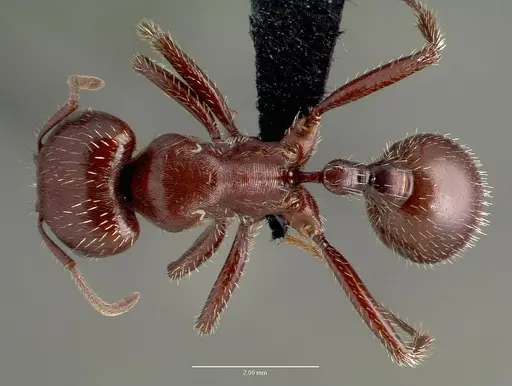
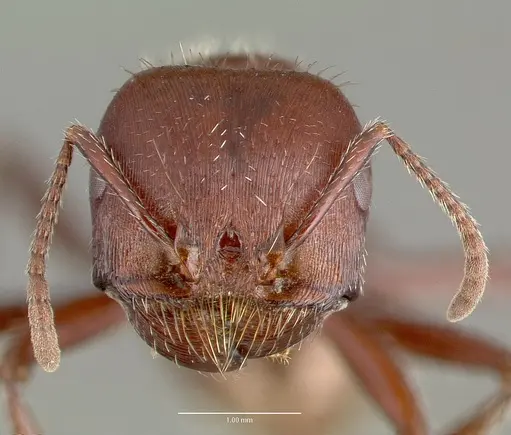
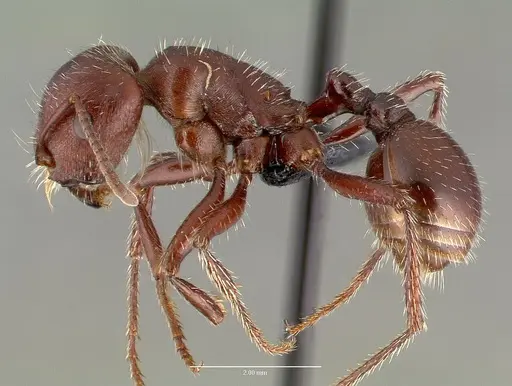
CASENT0105653
View on AntWeb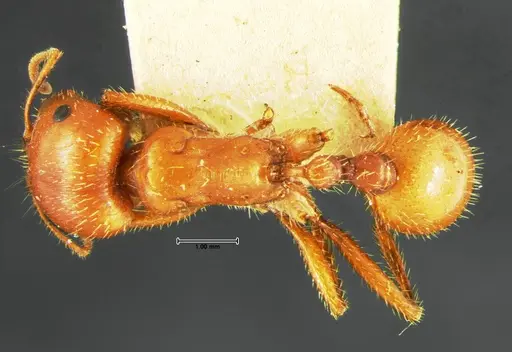
CASENT0178910
View on AntWeb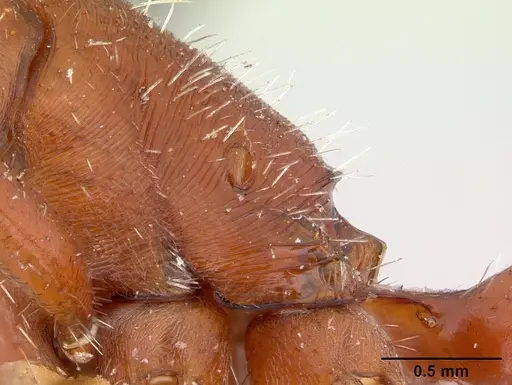
CASENT0178911
View on AntWeb
CASENT0217275
View on AntWeb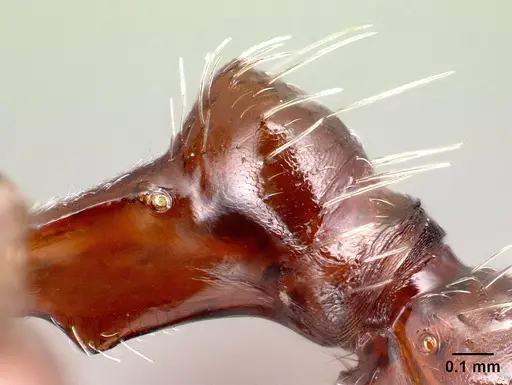
CASENT0217276
View on AntWeb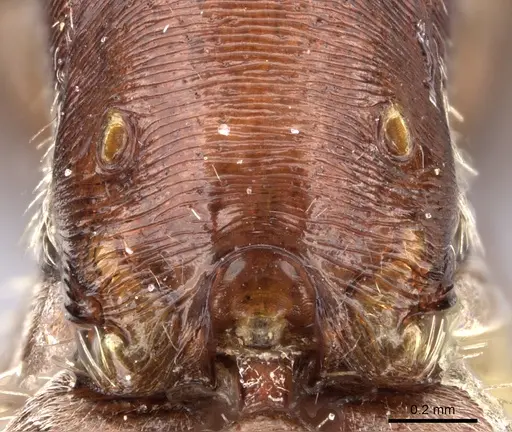
CASENT0235313
View on AntWeb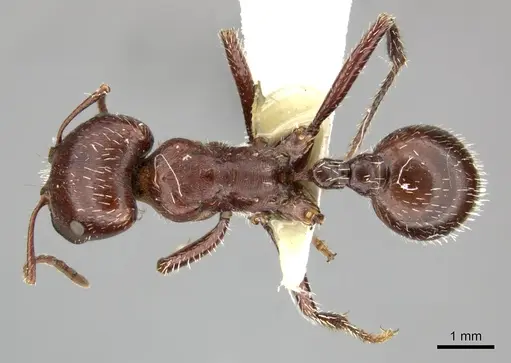
CASENT0619958
View on AntWeb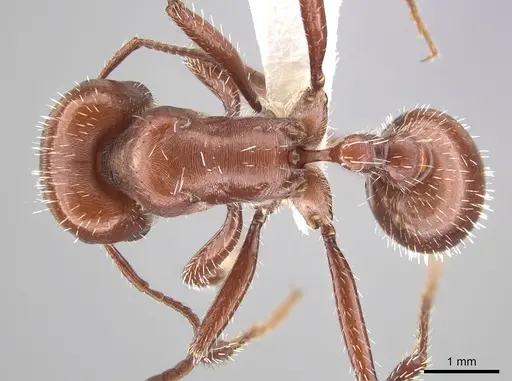
CASENT0904114
View on AntWeb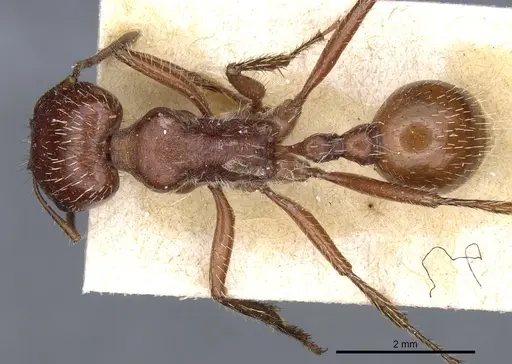
CASENT0904117
View on AntWeb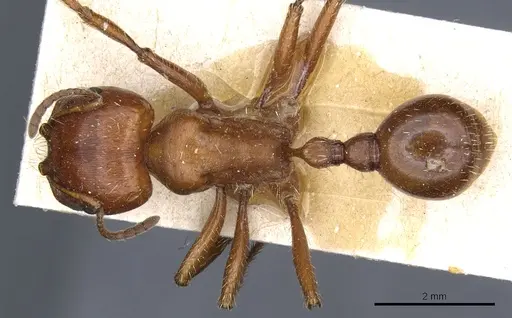
Literature
Loading...Loading products...