

Pogonomyrmex andinus
- Scientific Name
- Pogonomyrmex andinus
- Tribe
- Pogonomyrmecini
- Subfamily
- Myrmicinae
- Author
- Kusnezov, 1951
- Distribution
- Found in 1 countries
Pogonomyrmex andinus Overview
Pogonomyrmex andinus is an ant species of the genus Pogonomyrmex. It is primarily documented in 1 countries , including Argentina. Detailed taxonomic data and occurrence records can be further explored via authoritative databases such as AntWeb or the Global Biodiversity Information Facility (GBIF).
Pogonomyrmex andinus
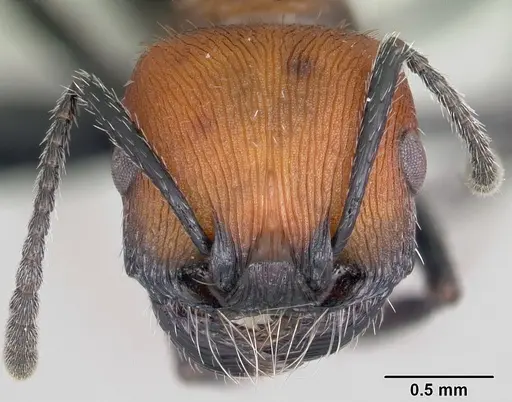
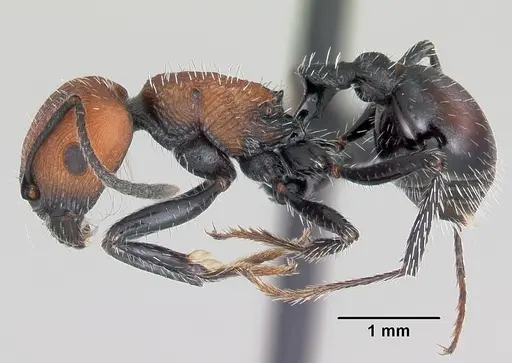
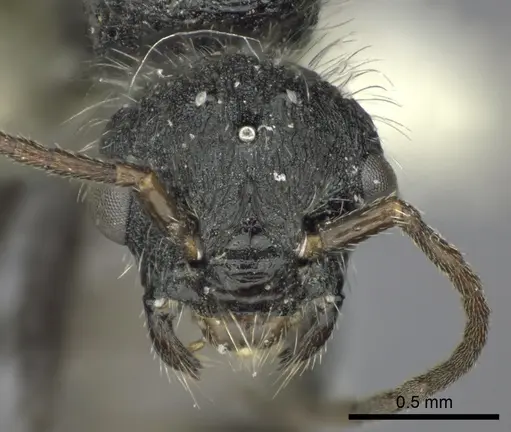
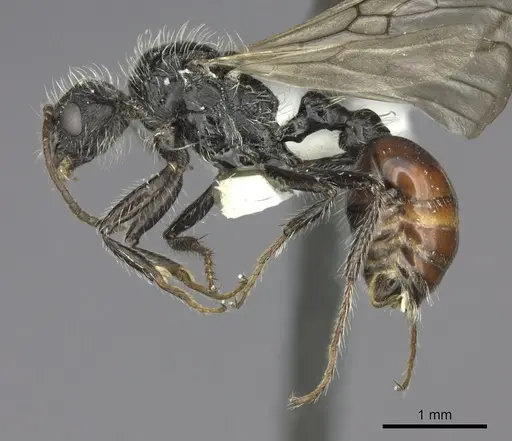
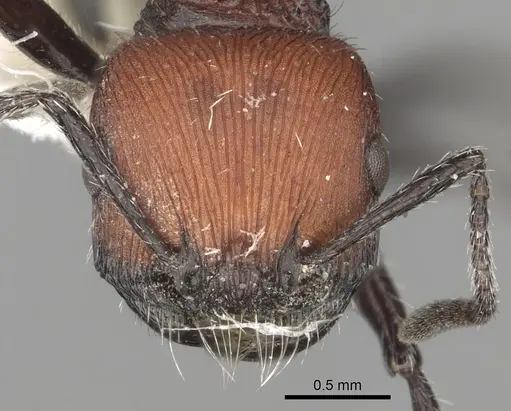
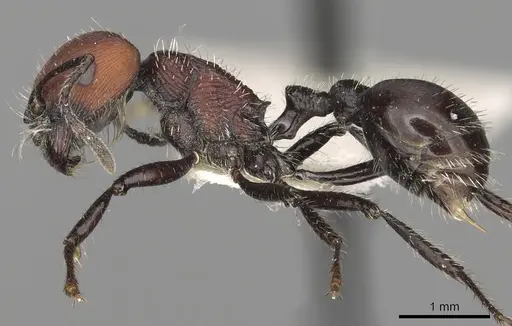
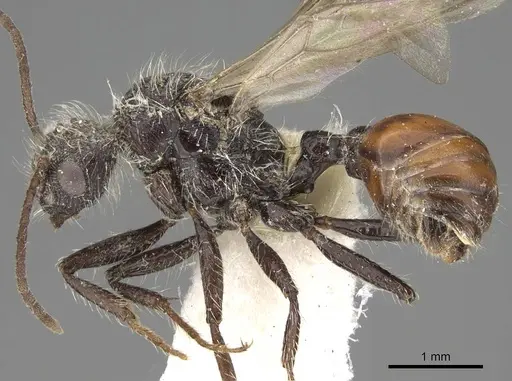
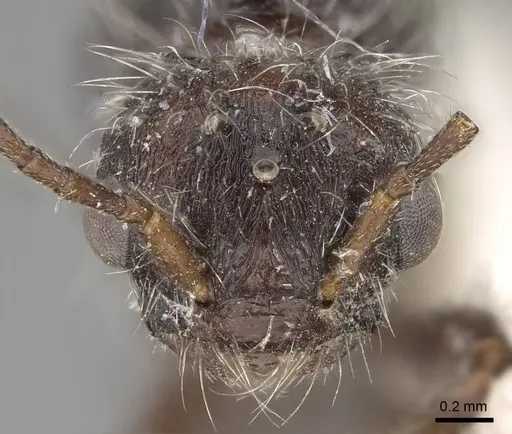
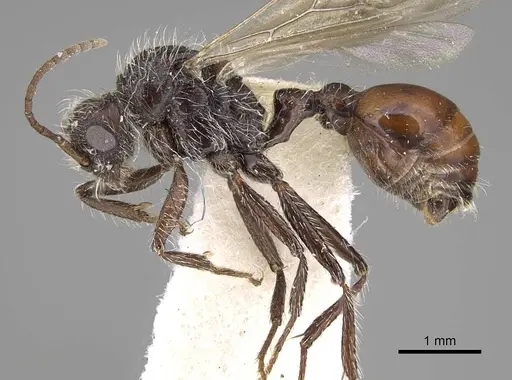
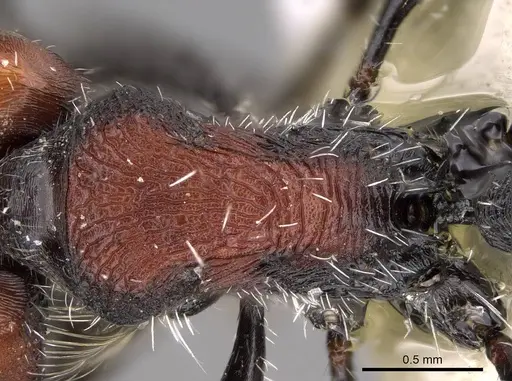
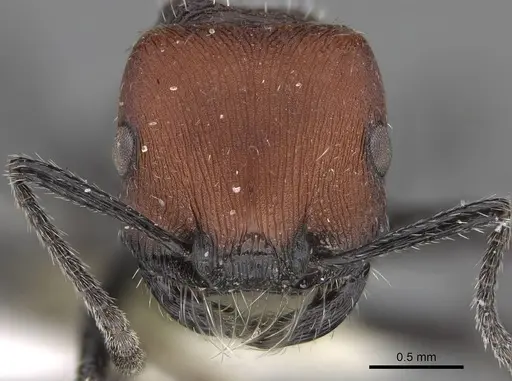
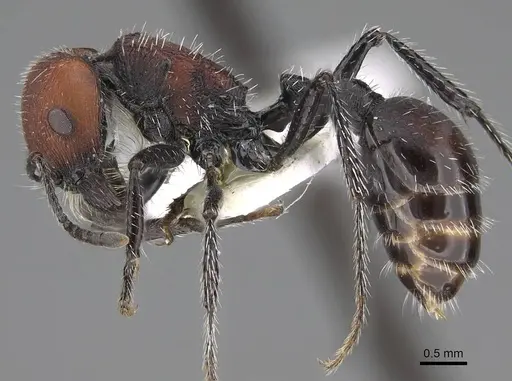
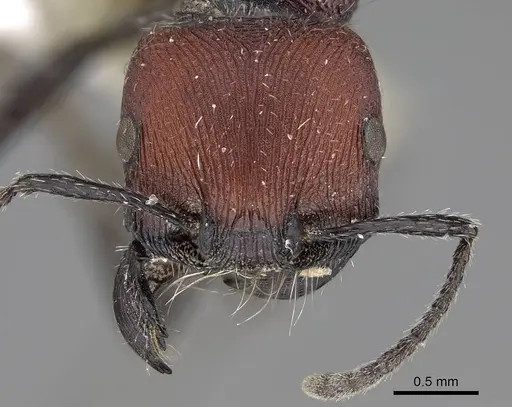
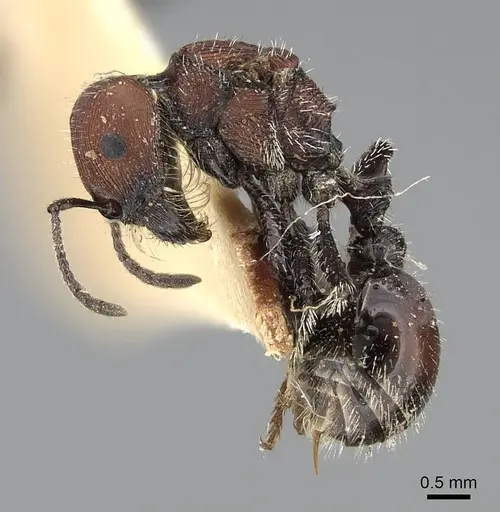
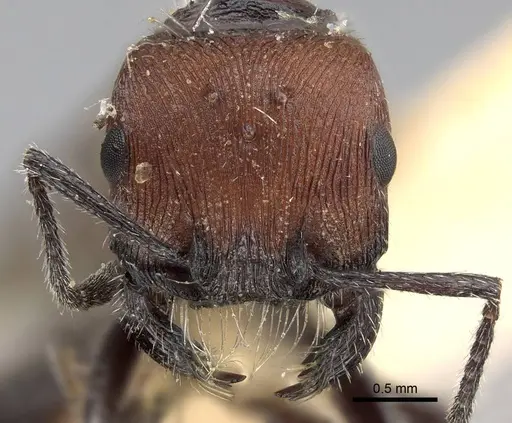
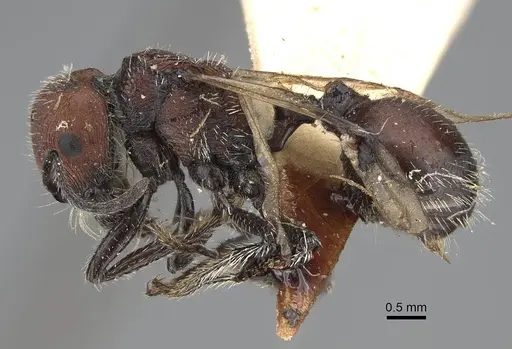
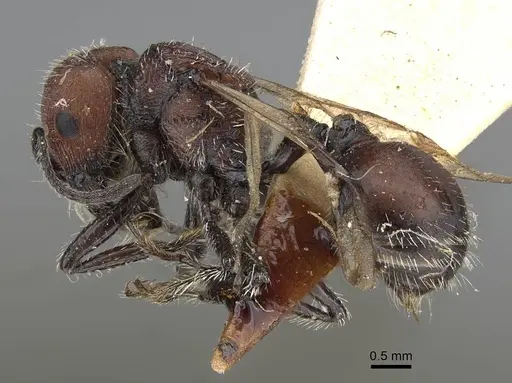
Pogonomyrmex andinus is a small seed-harvester ant native to Argentina, originally described as a subspecies of P. longibarbis and raised to full species status in 1978. Workers are typical of the genus, they have a rough, textured exoskeleton and a characteristic psammophore (a fringe of hairs beneath the head used for carrying soil particles). This species belongs to the rastratus species group, which contains several South American seed-harvester ants.
Like other Pogonomyrmex species, these ants are specialized seed harvesters. They collect seeds, crush them into manageable pieces, and store them in granaries within their nest. This makes them fascinating to watch, workers return to the nest carrying seed fragments in their mandibles. They also supplement their diet with protein from insects.
Quick Summary
- Difficulty: Medium
- Origin & Habitat: Native to Argentina in the Neotropical region. Like other Pogonomyrmex species, they inhabit arid and semi-arid areas, typically nesting in open ground or under stones in sandy/loamy soils [1].
- Colony Type: Single-queen (monogyne) colonies are typical for this genus. The queen seals herself in a claustral chamber during founding and raises her first workers alone on stored fat reserves [1].
- Colony: Monogyne
- Founding: Claustral
- Size & Growth:
- Queen: Estimated 7-9mm based on genus typical size [1]
- Worker: Estimated 4-6mm based on genus typical size [1]
- Colony: Likely reaches several thousand workers over several years based on genus patterns [1]
- Growth: Moderate, seed-harvester colonies typically grow more slowly than purely predatory species
- Development: Estimated 6-10 weeks based on related Pogonomyrmex species development [1] (Development time varies with temperature, warmer conditions within reasonable ranges speed up development)
- Antkeeping:
- Temperature: Keep at 24-28°C with a slight gradient. Room temperature (around 22-24°C) is acceptable as a starting point. They can tolerate slightly cooler conditions but grow best in warm, stable temperatures [1].
- Humidity: Low to moderate. These are desert-adapted ants that prefer drier conditions, keep the nest substrate relatively dry with only occasional light misting. Allow areas to fully dry between waterings.
- Diapause: Likely yes, Pogonomyrmex species from temperate Argentina likely require a winter rest period. Reduce temperature to 10-15°C for 2-3 months during winter.
- Nesting: Y-tong (AAC) nests work well for this genus. They also do well in plaster nests or naturalistic setups with dry, sandy substrate. Avoid overly humid conditions.
- Behavior: Workers are active foragers that patrol the outworld searching for seeds and small insects. They are not aggressive toward keepers but will defend the nest if threatened. The sting is notable, Pogonomyrmex ants are known for their painful sting, similar to a wasp sting. Escape risk is moderate, they are medium-sized ants but can climb smooth surfaces. Use standard barrier methods like fluon on test tube rims.
- Common Issues: sting pain, these ants can deliver a painful sting, so handle with care, dry conditions required, overwatering causes mold and colony stress, slow growth, seed-harvester colonies grow more slowly than many common species, requiring patience, hibernation, failure to provide proper winter rest may affect colony health, seed storage, they store seeds in the nest, so avoid overfeeding to prevent mold in the outworld
Nest Preferences
Pogonomyrmex andinus does well in Y-tong (AAC) nests, which allow you to control humidity precisely. Plaster nests also work well since they can be kept relatively dry. In the wild, they nest in open ground or under stones in sandy, well-draining soils. For captivity, use a dry to slightly moist substrate depending on your nest type. Avoid naturalistic setups with live plants unless you can maintain very low humidity, these are desert-adapted ants that suffer in damp conditions. The nest should have chambers sized appropriately for a medium-sized Myrmicine ant. [1]
Feeding and Diet
As seed-harvester ants, their primary food is seeds. Offer a variety of seeds like millet, chia, flax, and small bird seed mixes. They will crack seeds open and store the fragments in granaries within the nest. Remove any uneaten seeds that show signs of mold. They also need protein, offer small insects like fruit flies, small crickets, or mealworms once or twice a week. Unlike some ants, they are not highly attracted to sugar water, though they may occasionally accept it. The key to keeping them healthy is providing a balanced seed-based diet with regular protein supplementation. [1]
Temperature and Seasonal Care
Keep your colony at 24-28°C during the active season. A heating cable on one side of the nest creates a temperature gradient that lets workers choose their preferred zone. Room temperature (22-24°C) is acceptable if your home runs warm. During winter, provide a diapause period by reducing temperatures to 10-15°C for 2-3 months. This mimics their natural seasonal cycle in temperate Argentina. Place them in a cool basement, garage, or refrigerator (not freezer) during this time. Do not feed during diapause but keep a small water source available. [1]
Behavior and Defense
Pogonomyrmex andinus workers are active foragers that spend considerable time searching the outworld for seeds and small arthropods. They are not particularly aggressive but will readily defend their nest if disturbed. The notable trait of this genus is their painful sting, these ants can deliver a sting comparable to a wasp sting in intensity. When handling or working near the colony, take precautions. Workers can climb smooth surfaces but are not exceptional escape artists compared to some species. Use standard barriers like fluon on test tube rims to prevent escapes. [1]
Frequently Asked Questions
How long does it take for Pogonomyrmex andinus to produce first workers?
Expect first workers (nanitics) around 6-10 weeks after the queen lays eggs, depending on temperature. This is typical for seed-harvester ants in the Pogonomyrmex genus.
Do Pogonomyrmex andinus ants sting?
Yes, they can sting and the pain is significant, comparable to a wasp sting. Handle with care and avoid provoking the colony.
What do Pogonomyrmex andinus eat?
Their primary diet is seeds (millet, chia, bird seed) which they crack open and store in the nest. They also need protein from small insects like fruit flies, small crickets, or mealworms.
Can I keep multiple Pogonomyrmex andinus queens together?
No, this species is monogyne, they form single-queen colonies. Multiple unrelated queens will fight. Only keep one queen per colony.
Do Pogonomyrmex andinus need hibernation?
Yes, they likely require a winter diapause period of 2-3 months at 10-15°C to maintain healthy seasonal cycles.
Are Pogonomyrmex andinus good for beginners?
They are medium difficulty, not the easiest but not the hardest. Their slow growth and specific humidity needs make them better suited for keepers with some experience.
How big do Pogonomyrmex andinus colonies get?
Based on genus patterns, colonies likely reach several thousand workers over several years of growth.
What humidity level do Pogonomyrmex andinus need?
Low to moderate humidity. These are desert-adapted ants that prefer dry conditions. Keep the nest relatively dry and allow substrate to dry between waterings.
When should I move Pogonomyrmex andinus to a formicarium?
Wait until the colony has 50-100 workers before moving from a test tube setup. Seed-harvester colonies need space for seed storage and can be moved once they are established and active.
Why are my Pogonomyrmex andinus dying?
Common causes include overwatering (causes mold and stress), insufficient protein, or improper temperatures. Check humidity levels first, these ants prefer dry conditions. Also ensure they are getting enough protein alongside their seed diet.
References

This caresheet is licensed under CC BY-SA 4.0 .
CASENT0103267
View on AntWeb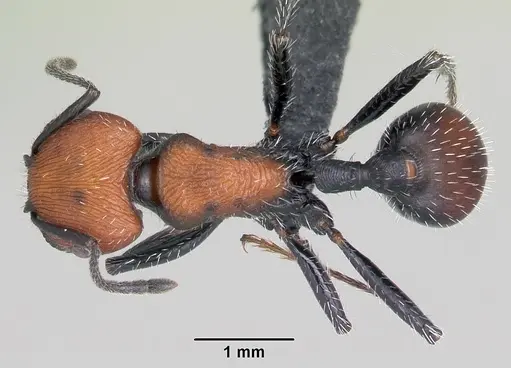
CASENT0235300
View on AntWeb
CASENT0281111
View on AntWeb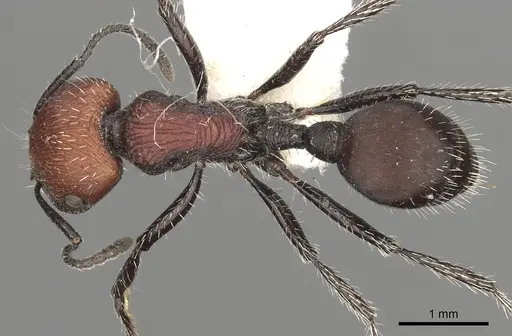
CASENT0914112
View on AntWeb
CASENT0914113
View on AntWeb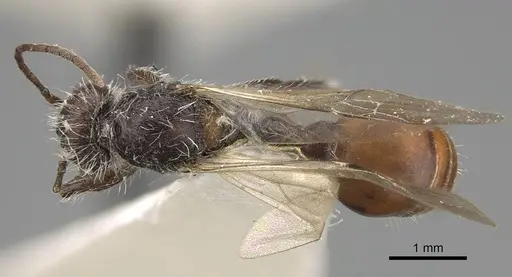
CASENT0914130
View on AntWeb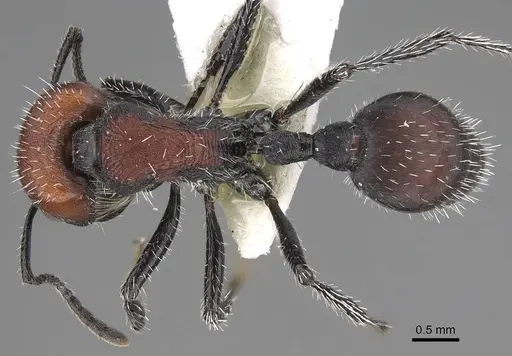
CASENT0914131
View on AntWeb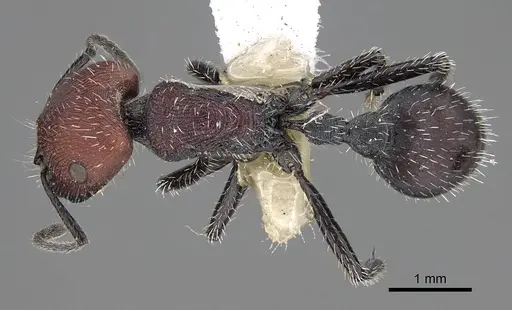
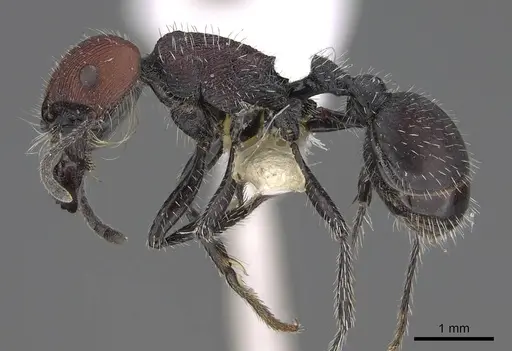
CASENT0922558
View on AntWeb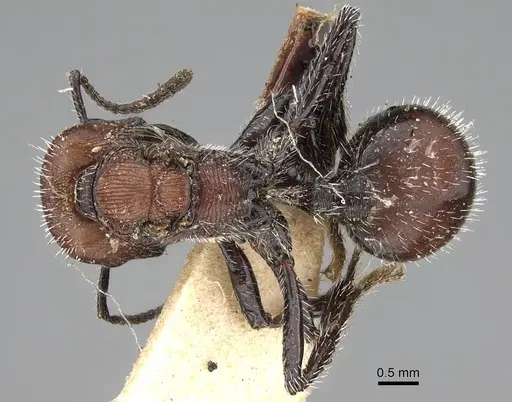
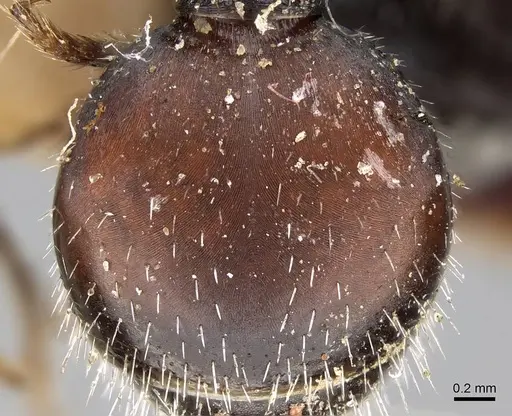
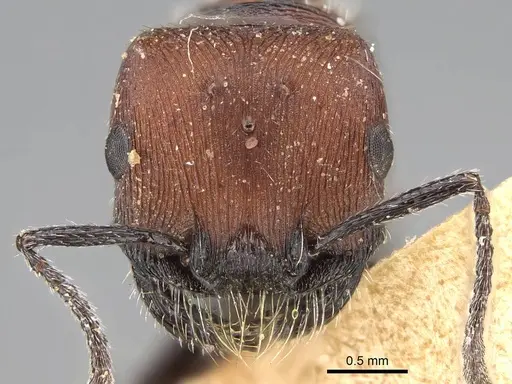
CASENT0922559
View on AntWeb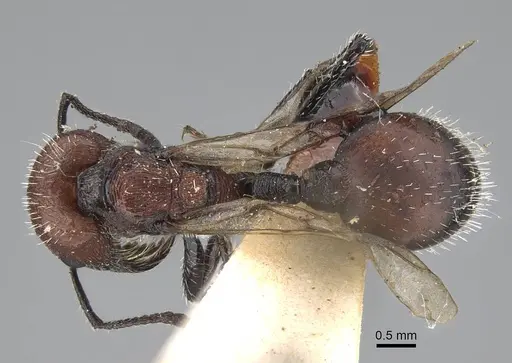
Literature
Loading...Loading products...